Top 5 Shelving Systems Tips for Efficient Storage Solutions?

Time:2026-09-04 Author:Isabella
0%

In the realm of efficient storage solutions, the design and utility of shelving systems play a crucial role. Expert in storage solutions, Emily Carter, states, "The right shelving can transform clutter into organization." This insight highlights the importance of considering how we use our space.

Shelving systems are not just functional; they can also enhance the aesthetics of a room. Effective shelving can help in managing limited space and optimizing storage. However, many people overlook the potential of these systems. The challenge lies not only in choosing the right materials but also in understanding the specific needs of your space.

Navigating the world of shelving systems requires a thoughtful approach. It’s easy to feel overwhelmed when selecting the best options. Some systems may promise efficiency but fail in practical use. Reflecting on what truly works for your needs can lead to cleaner, more organized environments. Embracing trial and error is part of the journey in achieving a tailored shelving solution.
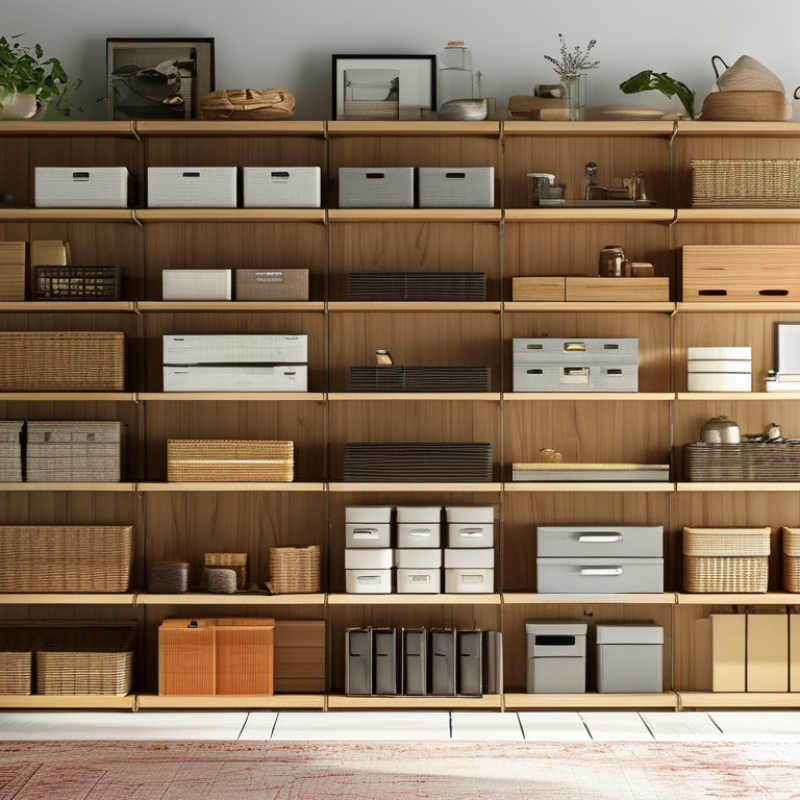
Top 5 Shelving Systems Tips for Efficient Storage Solutions?

Understanding the Importance of Efficient Shelving Systems

Efficient shelving systems play a crucial role in maximizing space and enhancing organization. When choosing a shelving system, consider the specific needs of your environment. Design matters, as does functionality. Selecting adjustable shelves can help meet various storage requirements. This simple feature allows you to customize the space according to your items. No two storage needs are alike.

Furthermore, it is essential to assess the load capacity of each shelf. Overloading can lead to safety hazards and potential damage. Regularly inspect your shelving to ensure it can support your stored items. Pay attention to materials as well. Some options offer durability, while others may wear down over time. Understanding your unique storage needs will guide decisions throughout the process.

Lastly, consider the layout of your shelving system. Thoughtfully planned organization can greatly enhance workflow. For example, frequently used items should be easily accessible. Visual clutter can arise from poor shelving choices, leading to inefficiencies. Reflect on your current system. What works? What doesn’t? Adapting to your environment should be a continuous journey.

Types of Shelving Systems and Their Ideal Usages

When selecting shelving systems, it’s vital to consider the types available and their specific applications. For instance, industrial shelving is excellent for heavy items. According to industry research, they can hold loads of up to 1,000 pounds per shelf. This makes them ideal for warehouses or manufacturing settings. Additionally, adjustable shelving provides versatility, allowing for easy height adjustment. Such flexibility is particularly beneficial in dynamic storage environments where inventory levels frequently change.

Retail shelving systems prioritize accessibility and aesthetics. Open shelving is often preferred to create an inviting shopping experience. Statistics show that well-organized displays can boost sales by up to 30%. On the other hand, closed shelving offers security and protection for valuable items. Understanding these distinctions helps businesses implement efficient storage solutions tailored to their needs.

While finding the right shelving system is crucial, it can be challenging. Some businesses may opt for lower-cost options, sacrificing quality for price. This can lead to safety issues, as overloading shelves not designed for heavy weight can be hazardous. Regular assessments of shelving conditions are necessary to ensure reliability. Balancing cost with function remains an ongoing challenge in inventory management.

Key Factors to Consider When Designing a Shelving Layout

When designing a shelving layout, several key factors help ensure efficient storage. First, consider the available space. Measure walls and openings to maximize area usage. Each shelf should be easily accessible. Evaluate the height and weight capacity needed for items.

Labeling is crucial for organization. Create a clear system that categorizes items logically. This reduces retrieval time. For instance, place frequently used items within easy reach. Think about space management as well. Arranging items by size and type can prevent clutter.

Implement flexible shelving solutions. Adjustable shelves can adapt to changing needs. This simple method allows for optimizing storage later. Reflect on your current layout. Is it serving its purpose? Regularly reassess to enhance efficiency.

Top 5 Shelving Systems Tips for Efficient Storage Solutions

Tip Description Key Factor
1. Assess Your Space Evaluate the available area to maximize storage. Space Utilization
2. Consider Weight Capacity Choose shelving that can support the weight of items. Safety and Durability
3. Organize by Frequency of Use Place frequently used items within easy reach. Accessibility
4. Use Adjustable Shelving Opt for shelves that can be customized for different items. Flexibility
5. Implement Labeling Systems Use labels to identify contents on shelves for efficient retrieval. Organization

Tips for Maximizing Vertical Space in Storage Solutions

Maximizing vertical space in storage can transform cluttered rooms into organized havens. Consider floating shelves. They provide ample storage without occupying floor space. Position them at varying heights. This creates visual interest and functionality.

Use the walls effectively. Tall shelving units can reach the ceiling. Secure them for safety. Fill the lower shelves with heavier items. Reserve the upper shelves for lighter, less-used items. It’s a simple way to keep everything accessible.

Explore hooks and pegboards. Hang frequently used tools and accessories. This frees up drawer and shelf space. Group similar items together to simplify retrieval. Regularly evaluate your setup. Adjust as necessary. An effective system evolves with your needs.

Maintaining and Organizing Your Shelving Systems for Longevity

Maintaining and organizing your shelving systems is crucial for longevity and efficiency. Regularly inspect shelves for wear and tear. Look for signs of sagging or instability. If a shelf begins to bow under weight, it may be time for an upgrade. Consider adjusting shelf heights to accommodate different items. This can prevent overcrowding and make access easier.

Always keep shelving units clean and free of dust. A simple wipe down can enhance appearance and reduce allergens. Organize items by categories. Group similar objects together, making retrieval faster. This practice can also highlight excessive clutter. If certain areas remain unused, reassess your storage strategy. Sometimes, less is more, and removing excess items can create a more functional space.

FAQS

: How can I maximize vertical space for storage?

: Use floating shelves to save floor space. Position them at different heights for visual interest.

What should I consider when using tall shelving units?

Make sure to secure them for safety. Place heavier items on lower shelves for stability.

How can hooks and pegboards help with storage?

They allow you to hang tools, freeing up shelf space. Grouping similar items simplifies retrieval.

How often should I evaluate my shelving setup?

Regular evaluations are important. Adjust your setup as needs change to maintain efficiency.

What maintenance is required for shelving systems?

Inspect shelves for sagging or instability. Clean them regularly to enhance appearance and reduce allergens.

How can I organize items on shelves effectively?

Group similar items together for quicker access. This can also reveal areas needing decluttering.

What should I do if certain storage areas remain unused?

Reassess your storage strategy. Sometimes removing excess items can improve functionality.

How can I ensure my shelving units last longer?

Regular maintenance is key. Look for signs of wear and consider upgrading when needed.

What is a simple way to keep shelves tidy?

Regularly clean shelves and wipe away dust to maintain a neat appearance.

Conclusion

Efficient shelving systems are crucial for maximizing storage solutions and optimizing space. Understanding their importance helps in selecting the right type of shelving, which varies in design and usage according to the items being stored. Factors such as weight capacity, accessibility, and layout play significant roles in creating an effective shelving setup.

To make the most of vertical space, incorporating tips like adjustable shelves, wall-mounted units, and clever organizational strategies can greatly enhance storage capabilities. Lastly, maintaining and regularly organizing shelving systems ensures longevity and continued efficiency, allowing users to reap the full benefits of their storage solutions.

Isabella

Isabella

Isabella is a dedicated marketing professional with a sharp focus on driving brand growth and engagement through strategic content creation. With an extensive background in digital marketing, she combines her passion for storytelling with her keen understanding of industry trends to deliver......