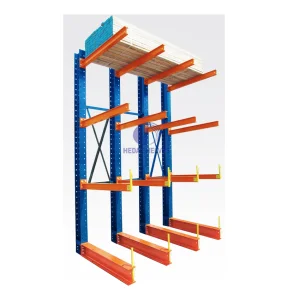
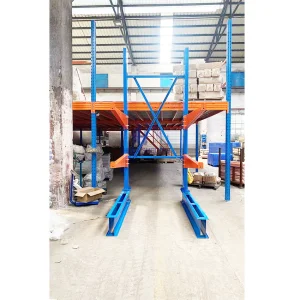
Engineered to optimize warehouse layout density and ensure dynamic structural loading safety.
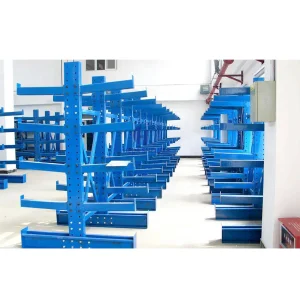
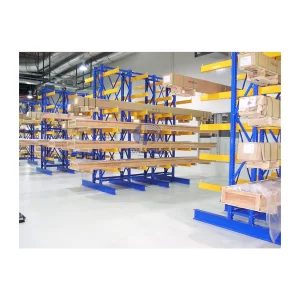
Manufacturing Base
Racking Expertise
Annual Export Value
Supply Chain Partners
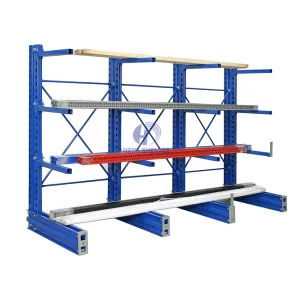
Established in 2014, Shenzhen Heda Warehouse Equipment Co., Ltd. is a premier manufacturer specializing in heavy-duty warehouse racking and industrial storage solutions. Spanning a modern manufacturing facility of 35,000 m², our enterprise integrates R&D, design, production, and international marketing to serve diverse storage needs worldwide. With 12 years of industry experience and 8 years of dedicated export expertise, we deliver high-caliber storage systems that generate over $28 million in annual export revenue.
At Heda, quality control and engineering innovation drive our core operations. Our robust QC department comprises 45 skilled inspectors utilizing rigorous testing methods, including raw material tensile testing, automated weld flaw detection, layer load-bearing stress analysis, and salt spray surface corrosion testing. Supported by a professional R&D team of 28 senior structural engineers, we maintain strong full-customization capabilities (OEM/ODM)—offering tailored rack dimensions, load capacities, surface coatings, and layout designs. Driven by continuous innovation, we launched over 120 new dynamic storage products and component upgrades last year.
Operating with a strong direct-factory and international trade background, we have built a resilient ecosystem supported by over 800 supply chain partners. Our products are exported to major global markets, including North America, Western Europe, Southeast Asia, and the Middle East. We proudly serve a diverse clientele ranging from third-party logistics (3PL) providers and large distribution centers to industrial manufacturers and wholesale equipment distributors.
How Heda Warehouse Equipment leverages geographic, supply chain, and advanced technology ecosystems to deliver unmatched value.
China is home to the world's most robust steel supply chains. We source high-grade Q235B and Q345B hot-rolled structural steel directly from leading domestic state-owned mills, guaranteeing consistent tensile strength, bending capacity, and mechanical reliability.
Leveraging state-of-the-art robotic welding cells and fully automatic rolling mill systems, we minimize human dimensional error. Each vertical column profile and arm connector is manufactured to micro-millimetric tolerances, ensuring simple bolt-together assembly on site.
Our localized manufacturing cluster in Shenzhen lowers overall production overheads without sacrificing compliance with international standards such as RMI (US) and FEM (Europe). This translates to a lower total cost of ownership (TCO) for global buyers.
An inside look at our advanced manufacturing workflow, guaranteeing structural integrity from raw raw materials to final packaging.
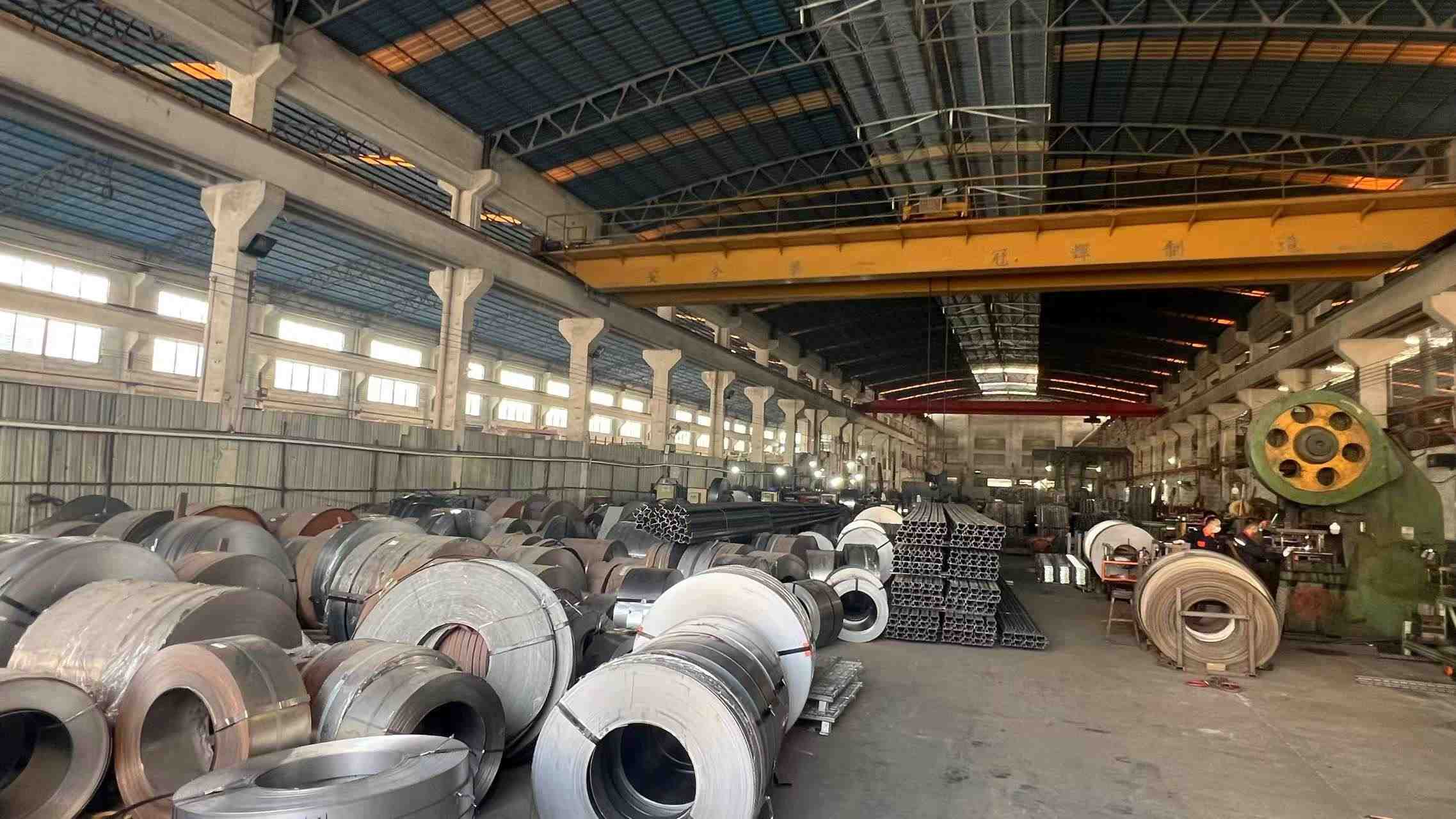
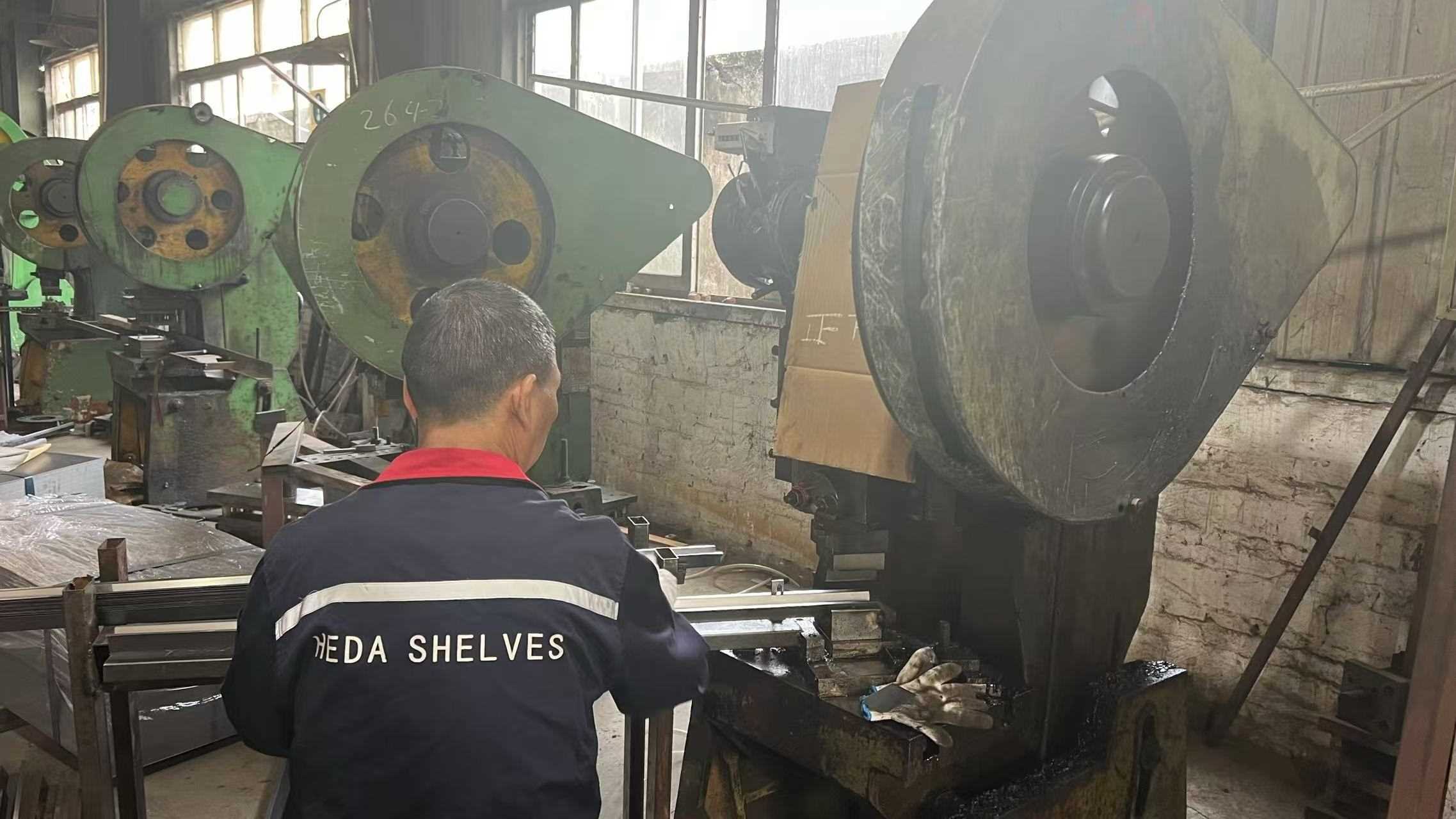
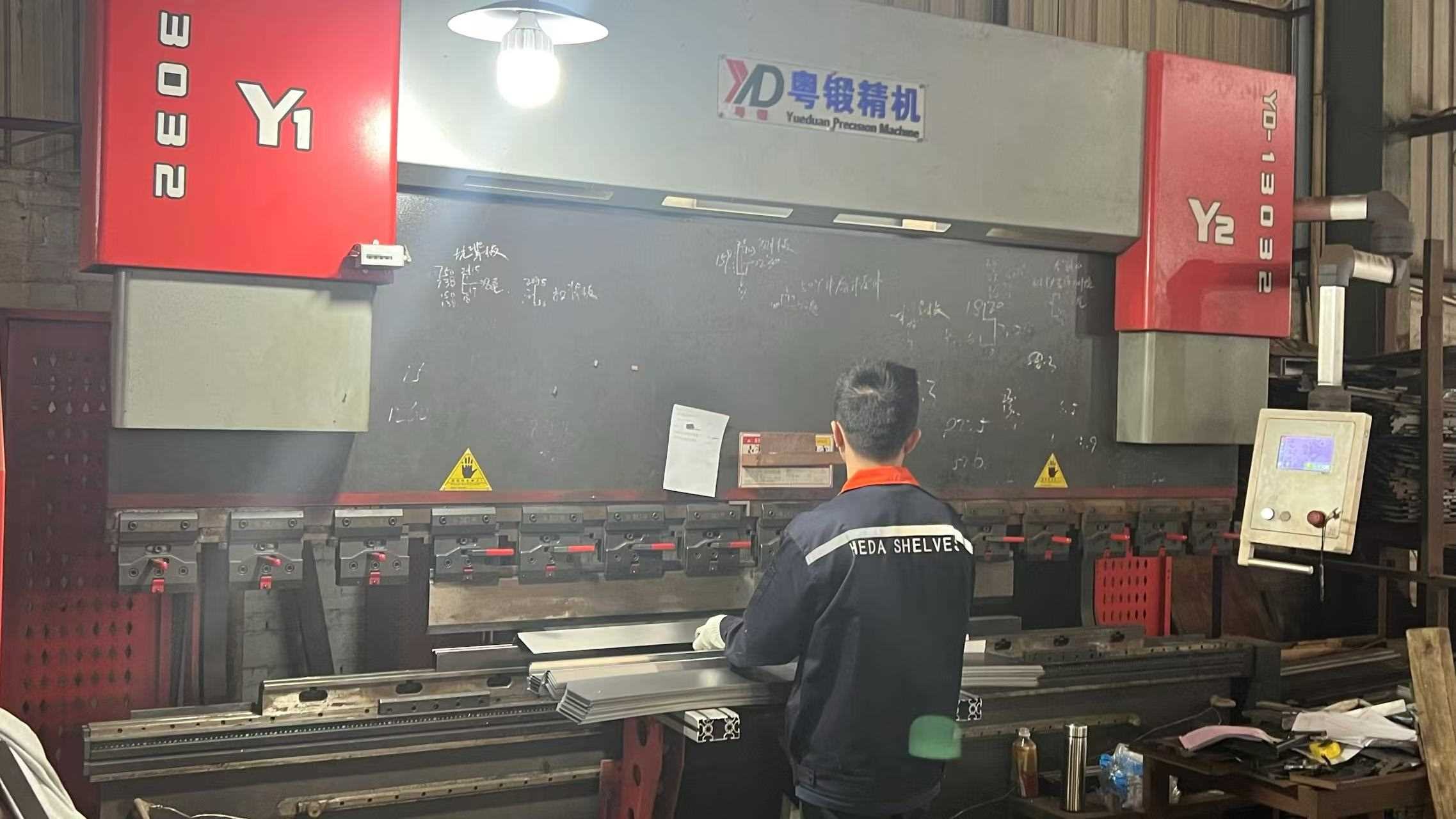
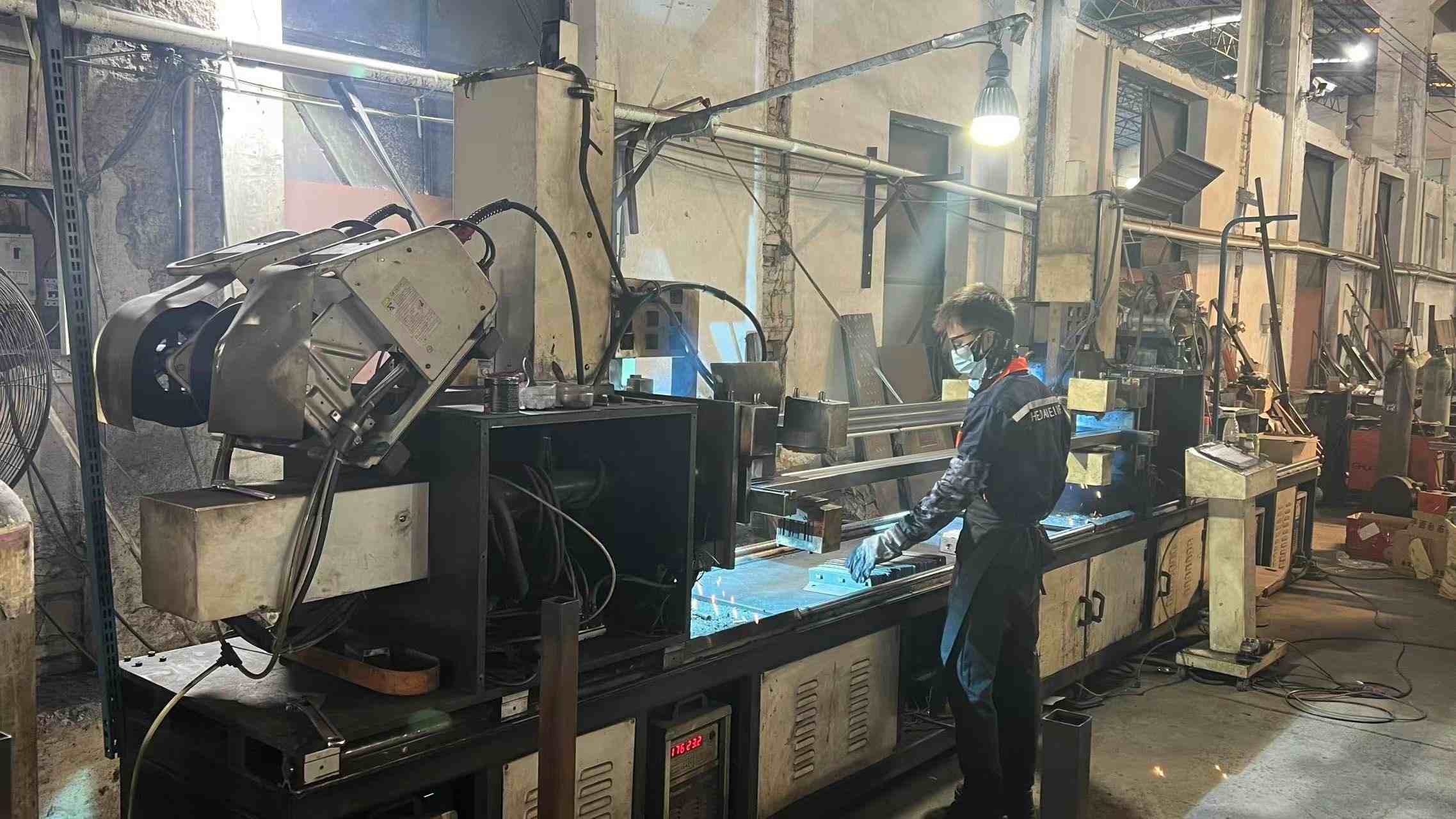
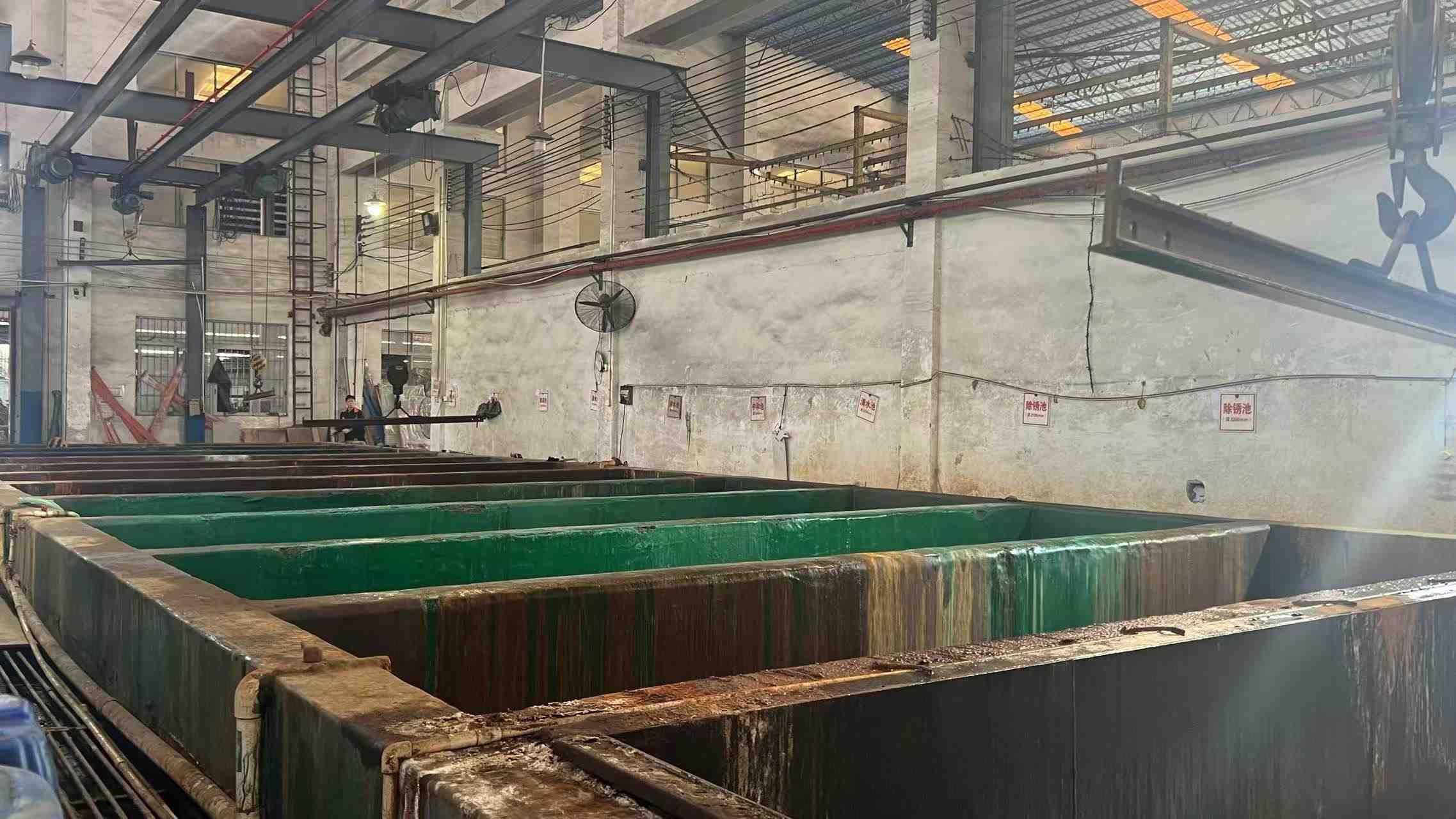
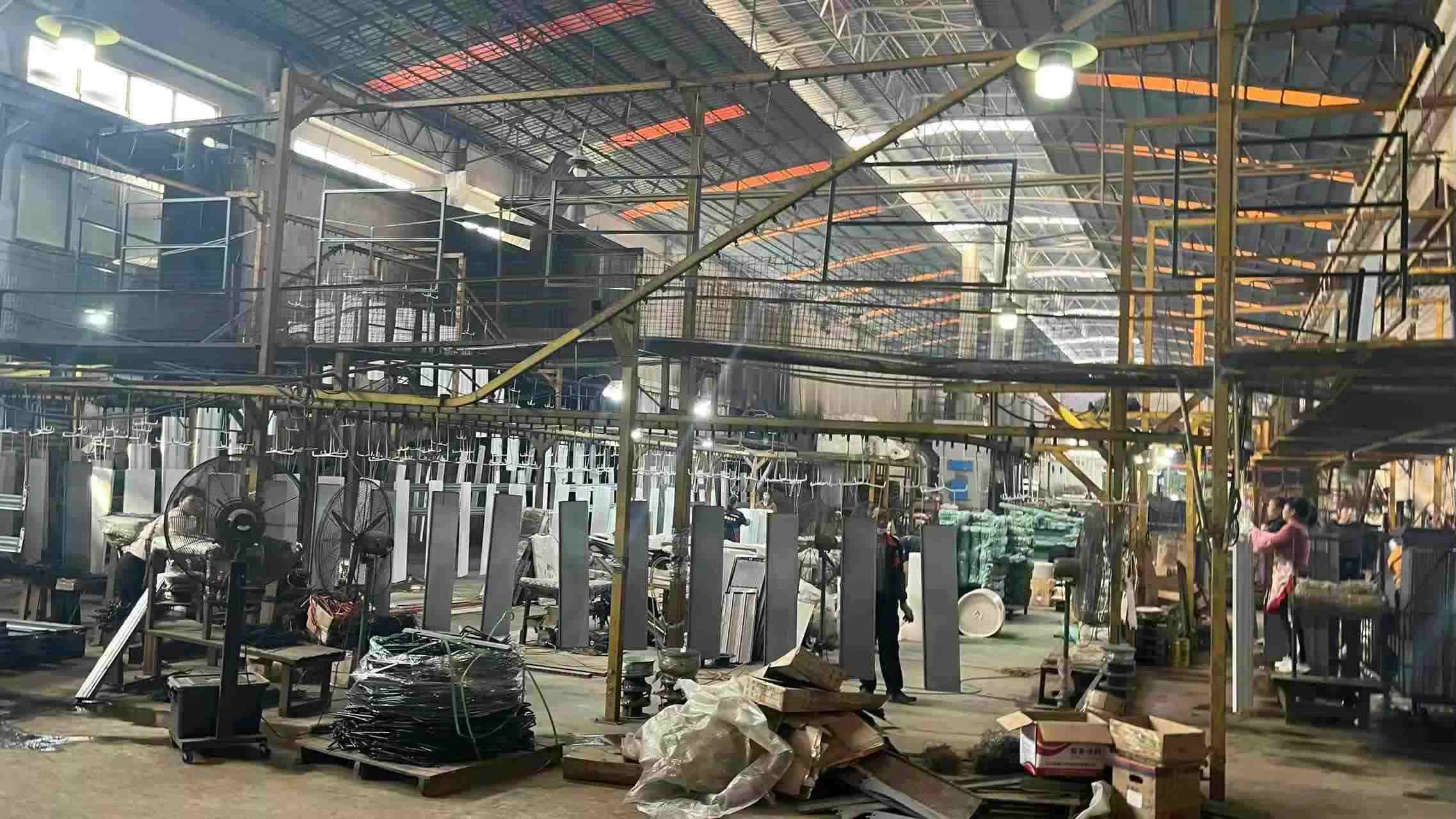
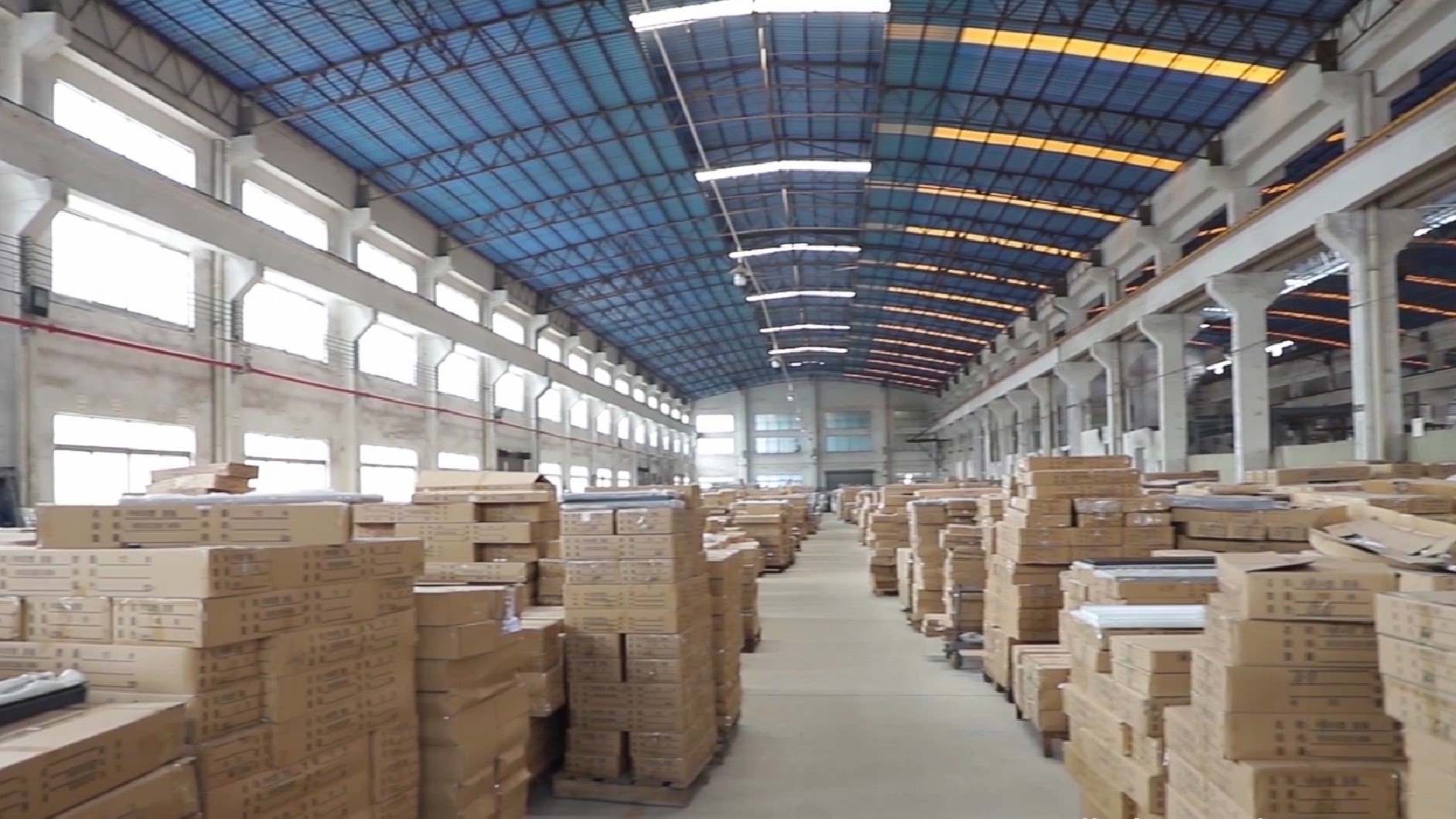
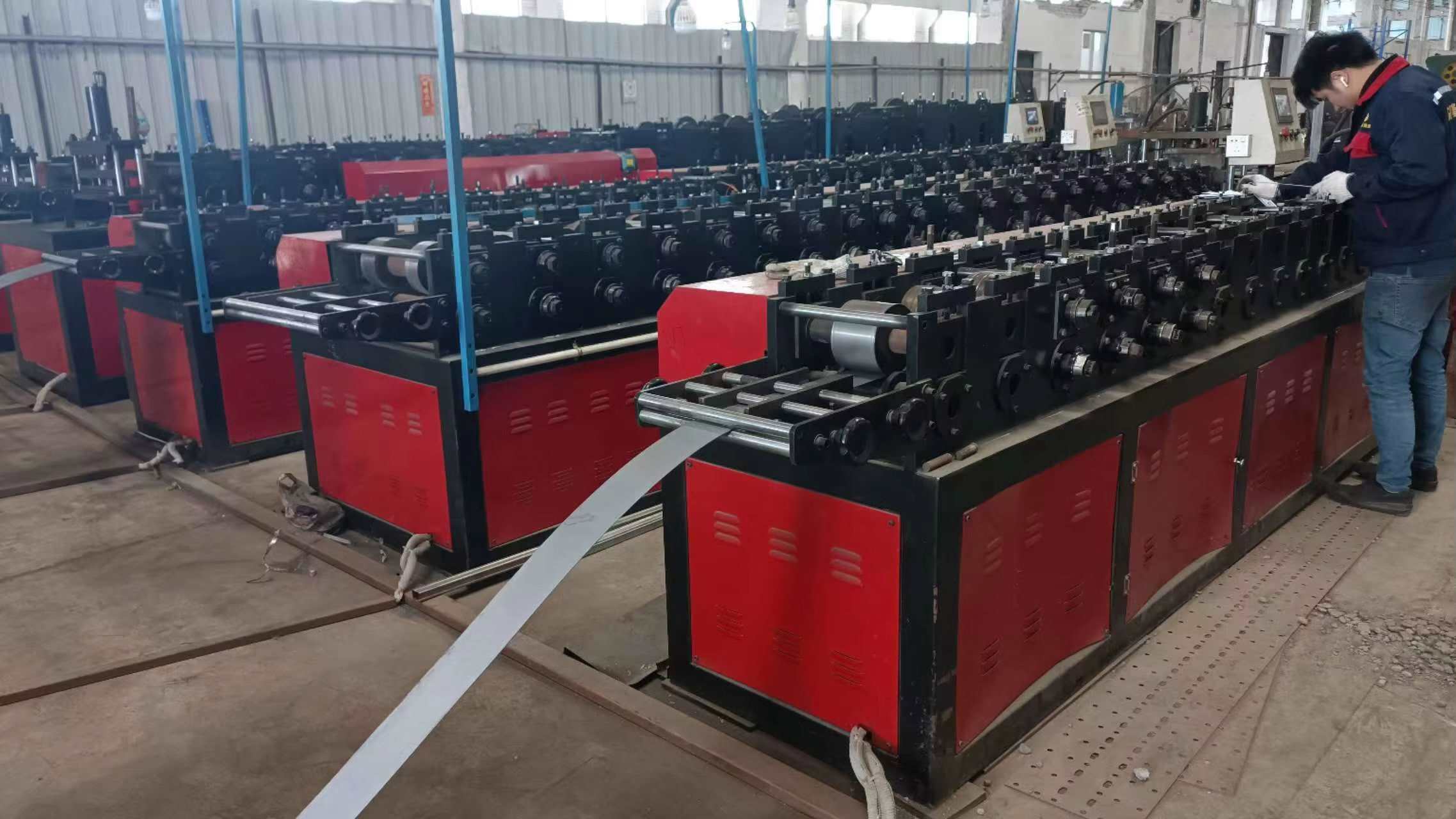
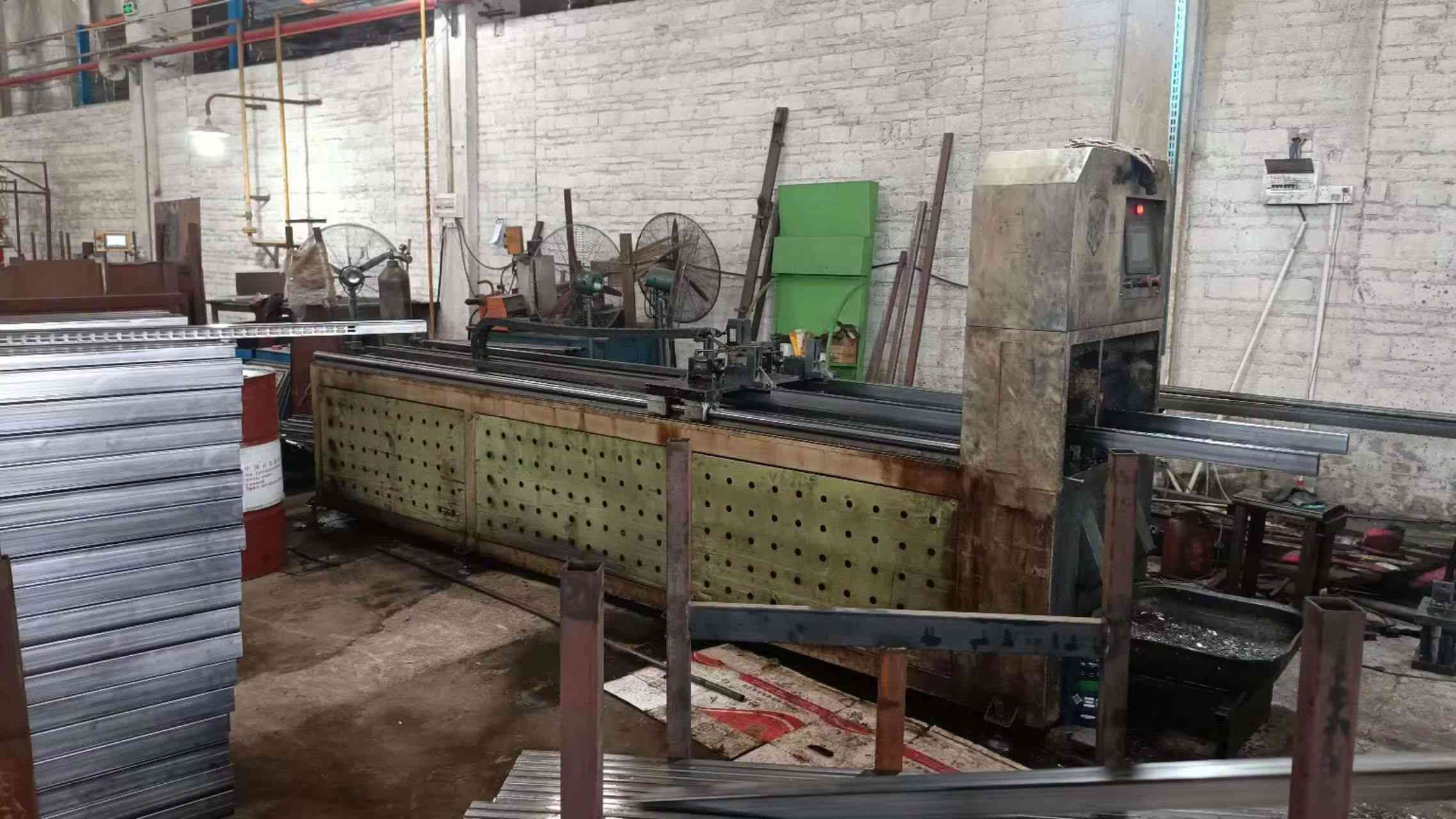
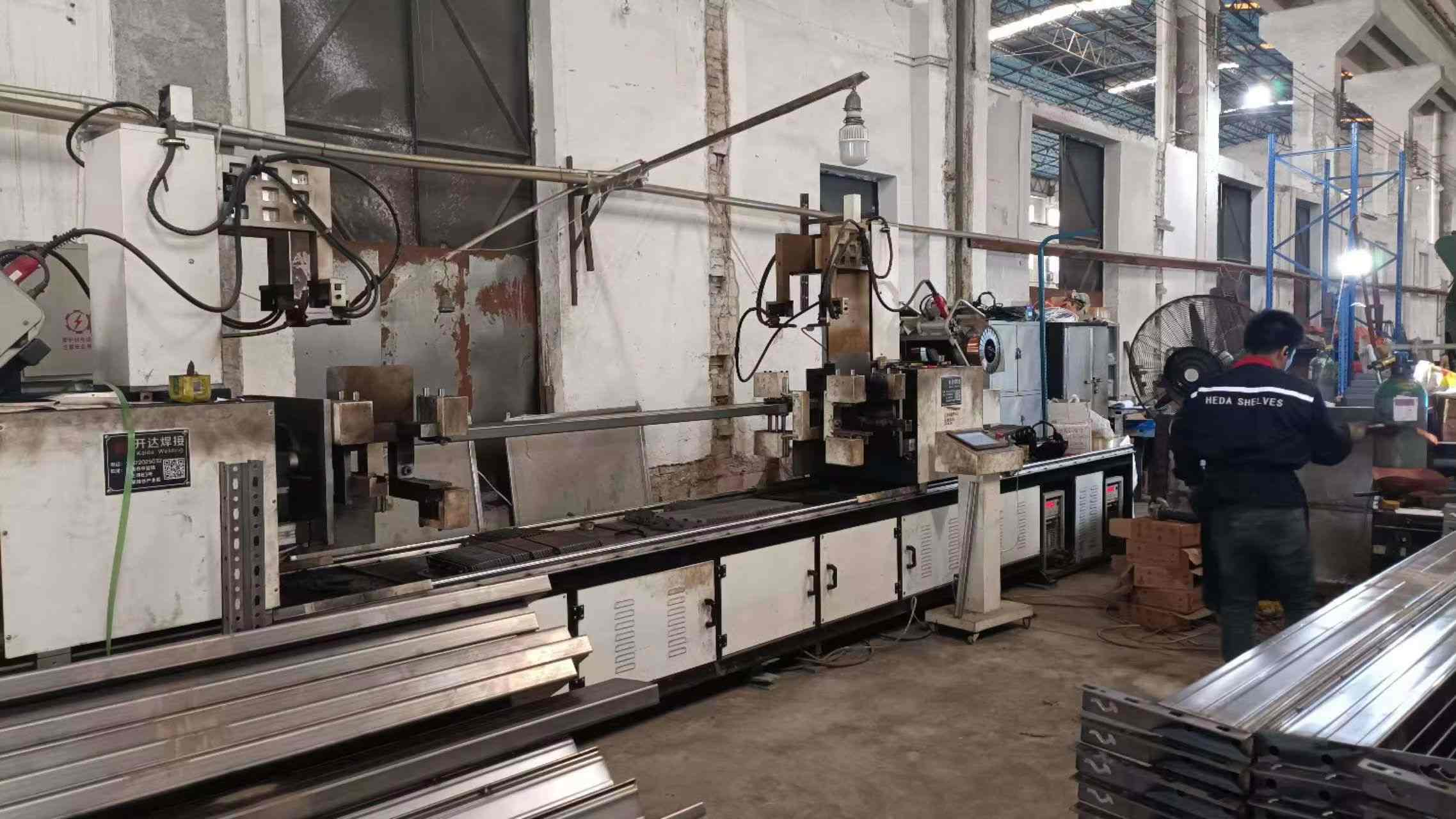
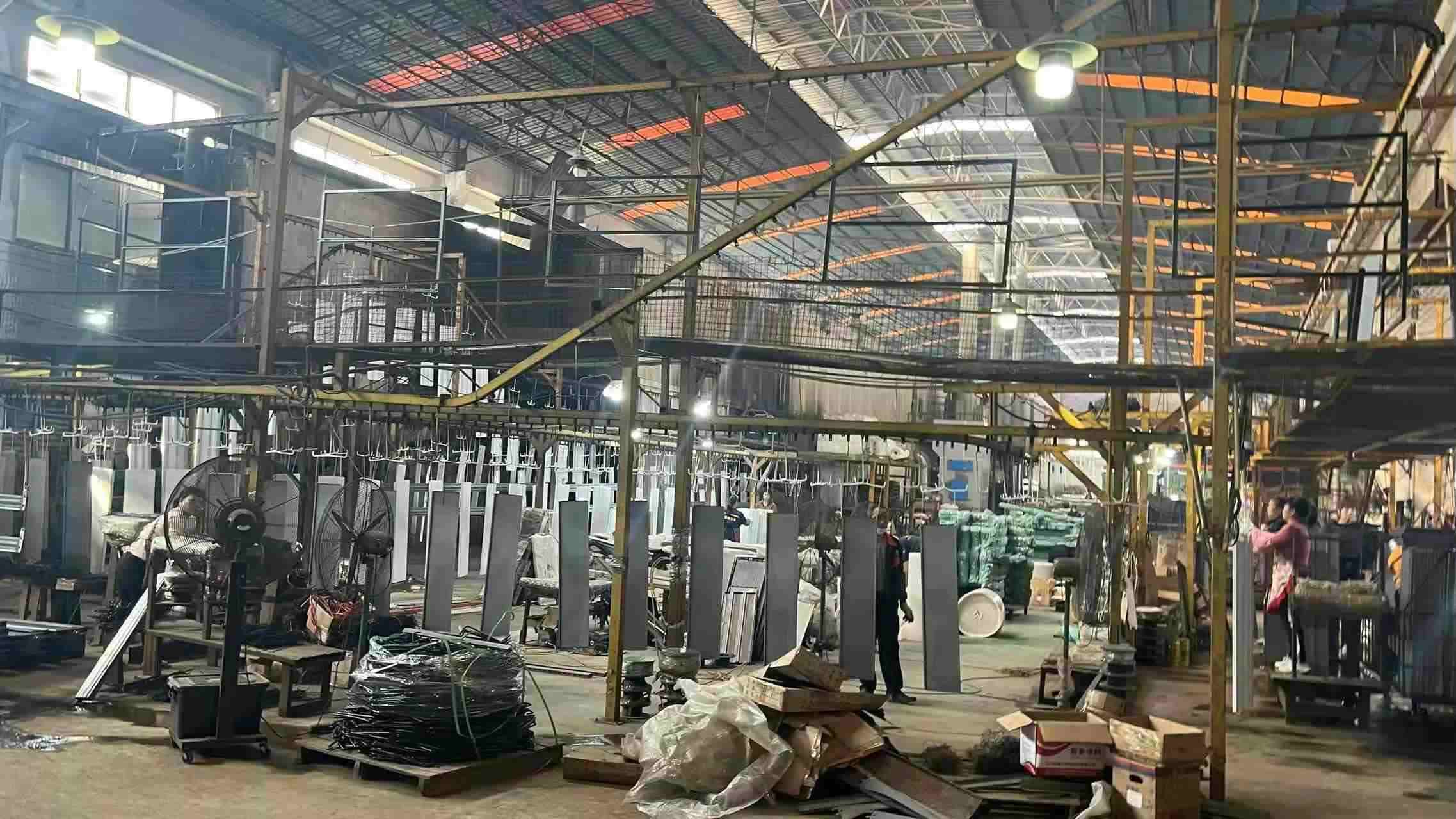
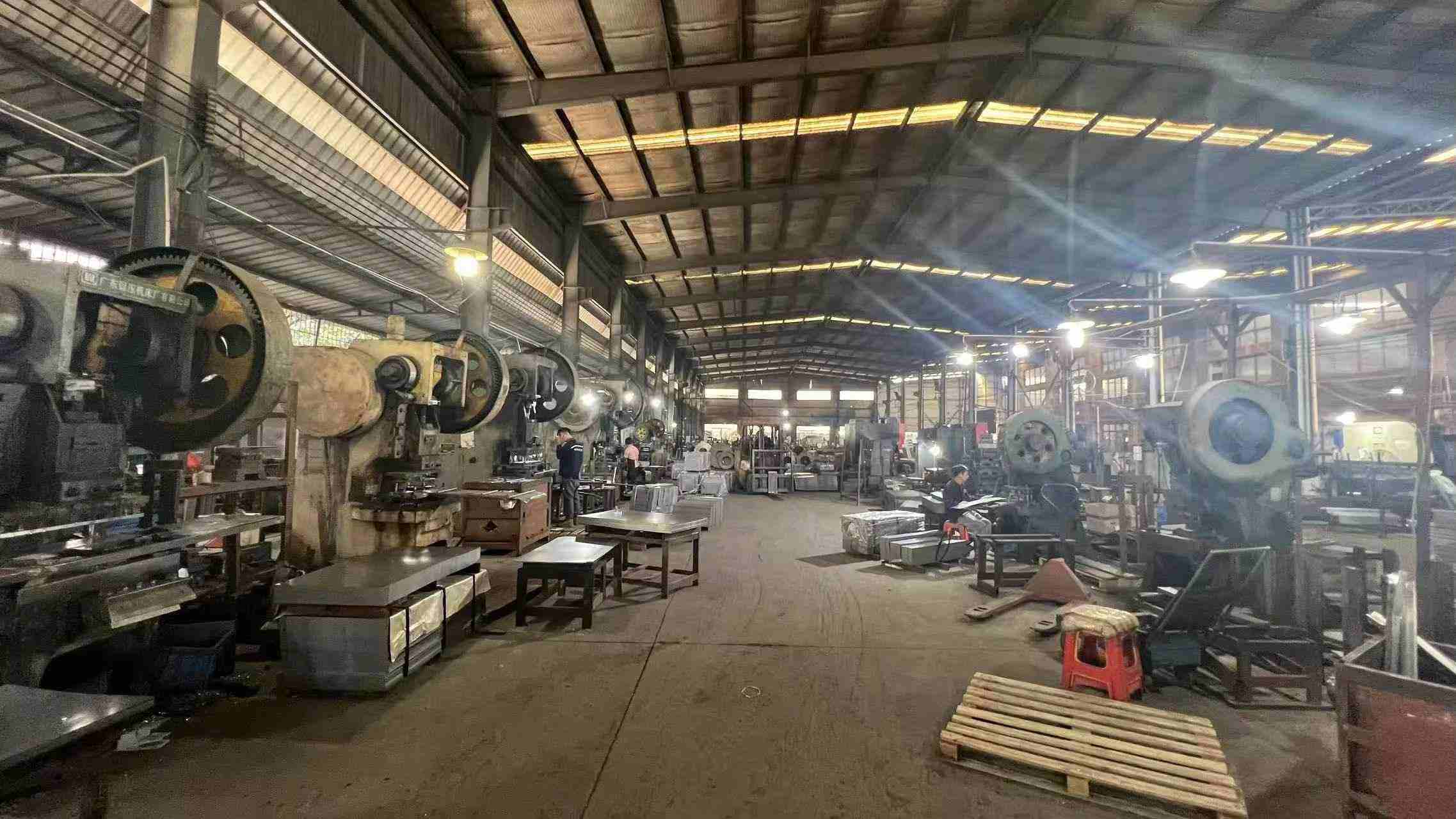
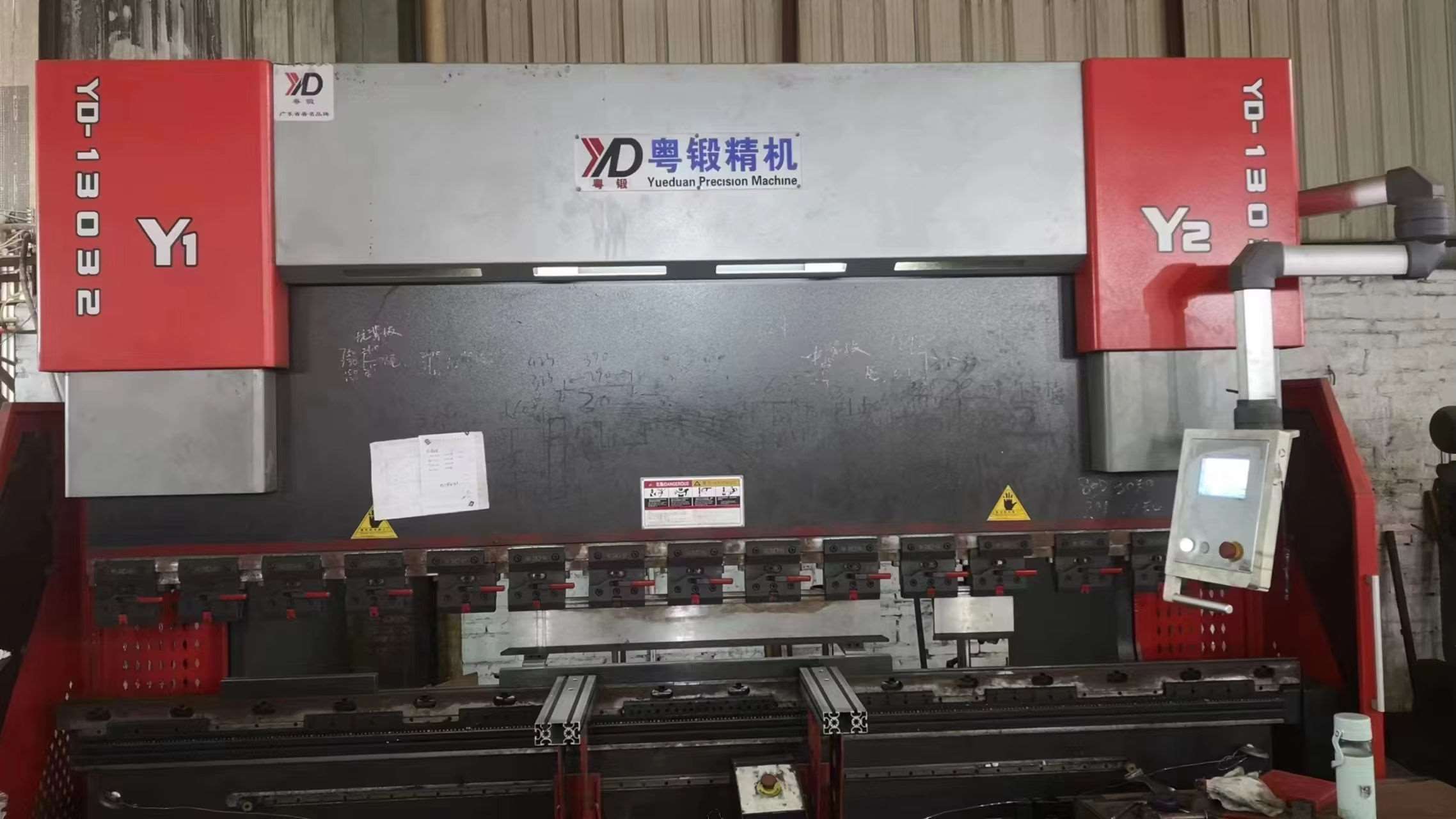
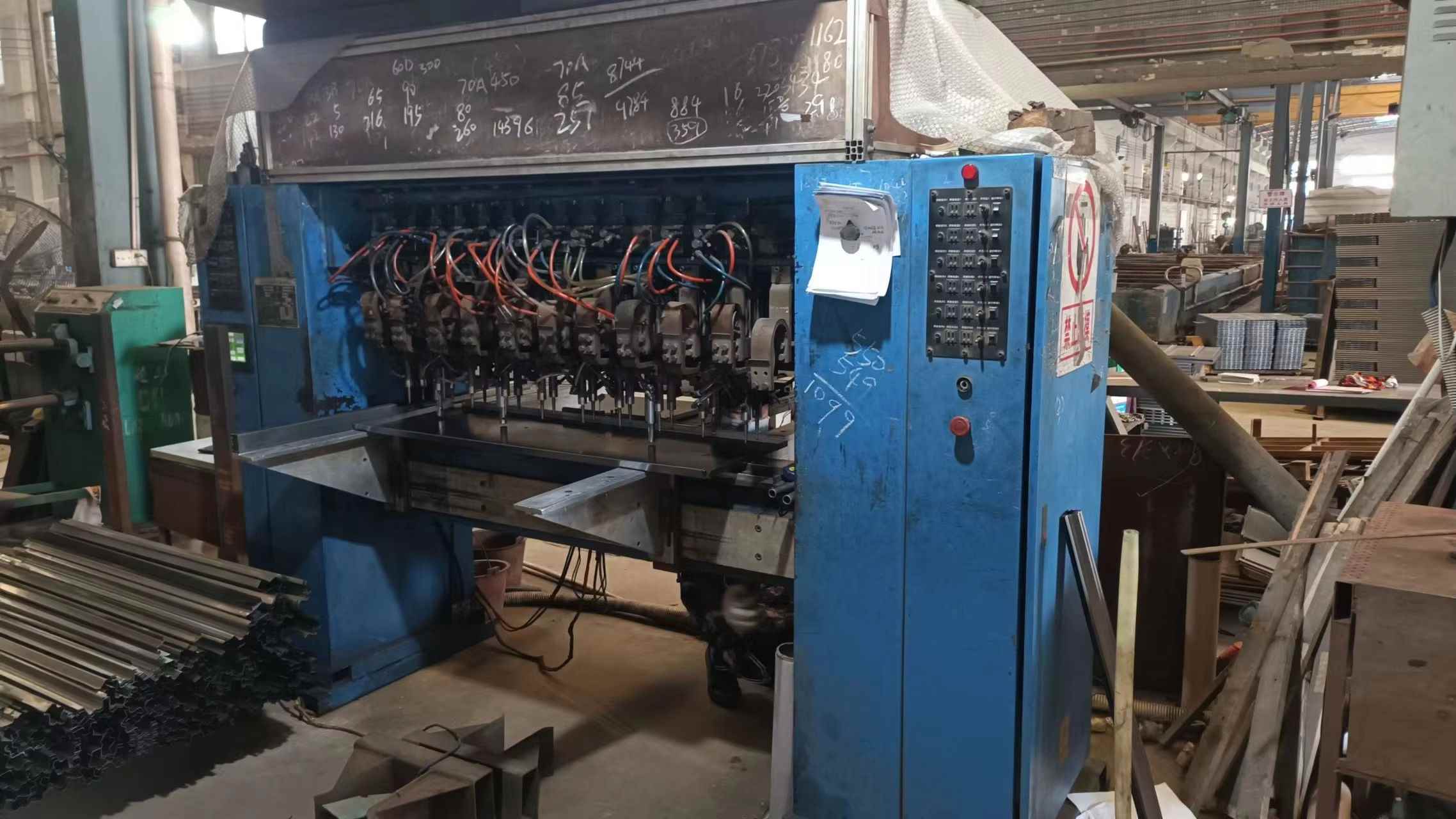
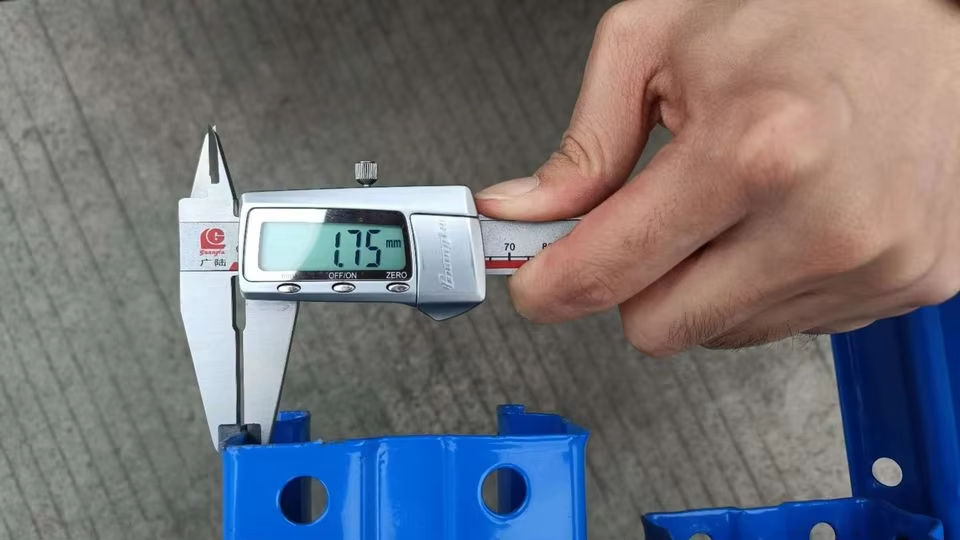
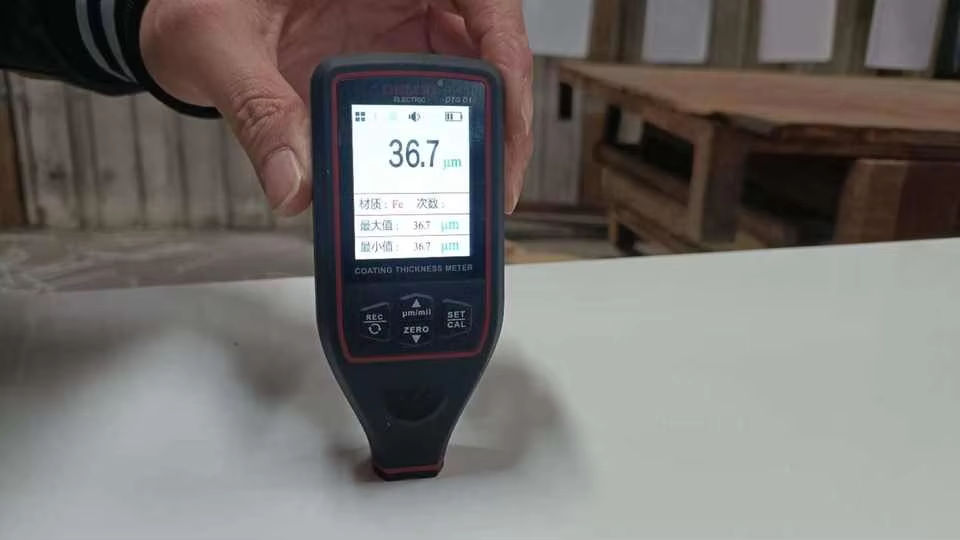
Our quality department works strictly under ISO 9001 frameworks. Every manufacturing lot undergoes chemical and mechanical validation, preventing down-the-line field failures under nominal loads. The testing routine is executed by our team of 45 QA inspectors using dedicated, calibrated instruments:
Explore how different industries deploy cantilever racking systems to solve storage constraints and optimize logistics throughput.
| Vertical Industry | Typical Materials Stored | Recommended Rack Style | Load Capacity (per Arm) | Key Operational Safety Features |
|---|---|---|---|---|
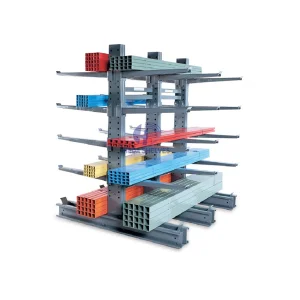
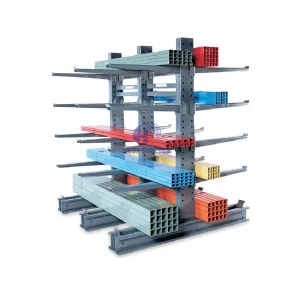
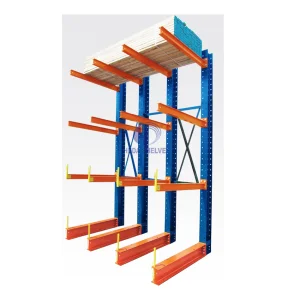
| Lumber & Wood Products | Plywood sheets, timber studs, structural joists | Heavy-Duty Double-Sided Cantilever | 1,000 kg – 2,000 kg | Structural pipe stops to prevent lumber slide-offs. |
| Steel & Metal Service Centers | Structural beams, heavy steel pipes, rebar bundles | High-Capacity I-Beam Cantilever | 2,000 kg – 3,500 kg+ | Heavy-duty guide rails for sideloader forklift integration. |
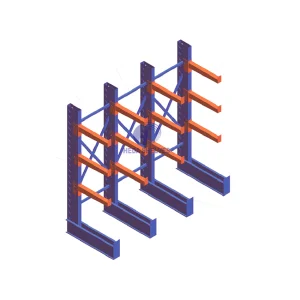
| Manufacturing & Extrusion | Aluminum and PVC profiles, plastic pipes | Single-Sided Light/Medium Cantilever | 300 kg – 800 kg | Adjustable arm heights (50mm increments) to accommodate varying bundle sizes. |
| Automotive & Recycling | End-of-life vehicle chassis, drive axles | Heavy Duty Structural Cantilever | 1,500 kg – 3,000 kg | Welded bases with heavy anchoring for seismic stability. |
The global warehousing market is shifting toward higher density and automation. Our engineering team keeps pace by updating cantilever configurations to integrate with advanced material handling equipment:
Global procurement teams must consider structural engineering constraints rather than just purchasing based on raw steel weight. When calculating load capacity for cantilever designs, the critical metric is the Uniformly Distributed Load (UDL).
Placing a load unevenly on a cantilever arm increases bending moments and reduces structural integrity. Ensure that warehouse operators receive training on loading sequences: heavier bundles must sit at the bottom base levels, and materials must never overhang the design length of the arm by more than 30%.
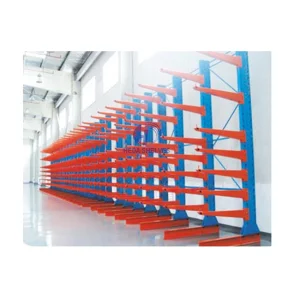
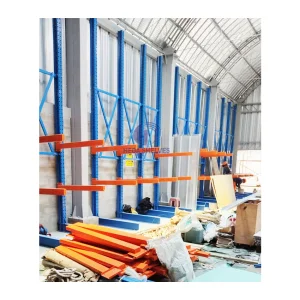
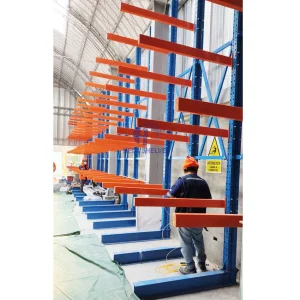
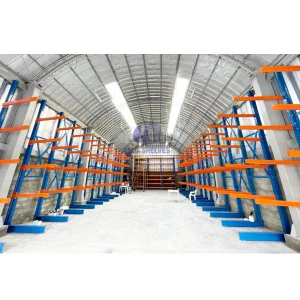
Explore our premium double-sided, adjustable-arm, and heavy-duty structural steel models.
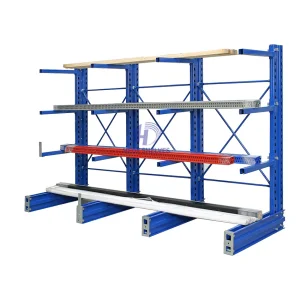
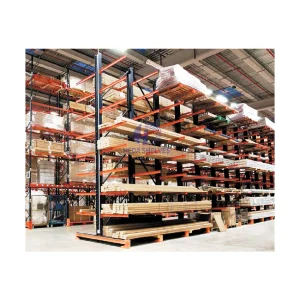
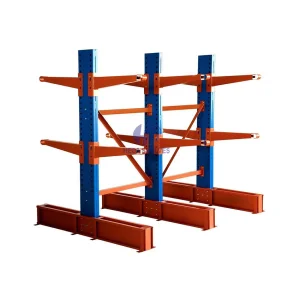
Direct technical answers from our senior racking structural engineering team to help you make informed procurement decisions.
Roll-formed cantilever racking is manufactured from high-gauge sheet steel cold-rolled into shape. It is cost-efficient, highly adjustable, and ideal for light to medium-heavy applications. Structural steel cantilever racking is fabricated from hot-rolled I-beams. It offers high impact resistance against forklift damage and supports heavy load capacities, making it the standard choice for demanding industrial storage.
Arm length should always exceed the depth of the load. For example, if you store a 1000mm-wide bundle of steel pipes, the cantilever arm must be at least 1000mm long. Spacing between vertical uprights is determined by the deflection limits of the stored material. Placing structural supports too far apart can lead to bowing or sag in flexible loads like plastic pipes or timber.
Before applying the powder coating, steel profiles must be completely free of mill scale, rust, and surface oils. Acid-washing strips away iron oxides, and Parkerising (phosphate conversion coating) creates a microscopic, porous layer that provides excellent mechanical adhesion for the powder coat. This process ensures the finish remains resistant to flaking and under-film rust propagation.
In compliance with RMI and FEM specifications, Heda engineering designs utilize a safety factor of 1.94 for steel yield limits. This structural margin accounts for dynamic impacts, slight unevenness in loading, and everyday wear, ensuring the rack remains stable even under extreme conditions.
Yes, depending on the column design. Heda upright columns are punched on both sides, allowing single-sided configurations to be converted into double-sided configurations as warehouse needs change. Keep in mind that a larger base plate or dynamic balancing base member must be bolted on to handle the double-sided load distribution safely.
 Hedaracking