Explore our premium industrial racking and cantilever storage configurations designed to maximize warehouse efficiency and accommodate high-load capacities.
Established in 2014, Shenzhen Heda Warehouse Equipment Co., Ltd. is a premier manufacturer specializing in heavy-duty warehouse racking and industrial storage solutions. Spanning a modern manufacturing facility of 35,000 m², our enterprise integrates R&D, design, production, and international marketing to serve diverse storage needs worldwide. With 12 years of industry experience and 8 years of dedicated export expertise, we deliver high-caliber storage systems that generate over $28 million in annual export revenue.
Our operation is founded on strict engineering standards and a resilient direct-factory model, allowing us to implement bespoke structural warehouse layouts while maintaining economic viability. By positioning ourselves as a critical link in the global supply chain, we offer direct access to structural steel integrity, precision engineering, and specialized logistics deployment.
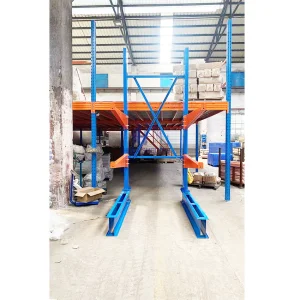
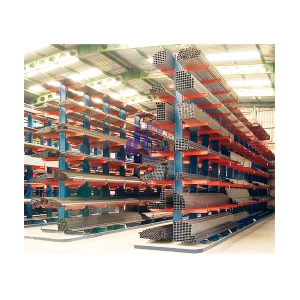
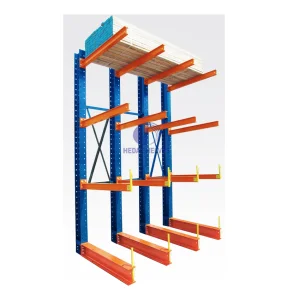
In modern industrial storage, standard pallet racking falls short when accommodating non-standard loads. Cantilever racking offers structural adaptability for irregular, oversized, and heavy materials.
Global fulfillment hubs and 3PL warehousing require high-density structural systems that tolerate varying package lengths without structural modification. Cantilever systems remove front vertical barriers, enabling rapid forklifting of continuous stocks.
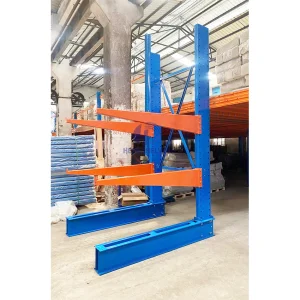
Unsecured storage of raw materials like steel bars, copper tubing, concrete tubes, and dynamic building supplies poses safety hazards. Structural cantilever arms prevent load deflection and distribute weight evenly across high-yield columns.
Converting vertical floor footprints into tiered, overhead arm-supported structures can improve facility volume index scores by up to 140%. Adjustable arms accommodate changing product inventories over time.
Selecting cantilever storage requires evaluating material fatigue limits, welding integrity, dynamic shear tolerances, and safety mechanisms. Below is our engineering roadmap for custom development.
In structural storage engineering, the distinction between roll-formed steel and structural I-beam steel dictates operational weight limits and impact resistance. Roll-formed steel, shaped through cold-rolling processes, is suitable for light to medium-duty applications, such as PVC piping, light aluminum tubing, and select lumber supplies. However, heavy-duty applications demand hot-rolled I-beam configurations. Our engineering processes utilize high-tensile Q235B and Q355B structural steel, maintaining mechanical stability when subjected to heavy forklift impacts and continuous static loads.
Roll-formed configurations utilize a boltless arm connection profile or adjustable keyhole locks. Best suited for variable, lighter loads up to 1,500 kg per level, this profile allows for flexible configuration adjustments and offers a cost-effective solution for retail building supply yards and light industrial warehouses.
Constructed with wide-flange structural steel uprights and high-tensile bolted connections, these systems are designed to withstand heavy, point-load stress. Capable of supporting over 5,000 kg per arm level, they are recommended for metal casting facilities, heavy coil storage, and seismic zones.
Cantilever arms are designed to support heavy loads without the aid of a front support column. Calculating arm deflection is critical; when an arm is loaded, it deflects downward under tension. An engineered upward incline (pitch) is built into each arm to compensate for this deflection. Our R&D department configures the precise inclination angle (typically between 2° to 4°) based on specific load parameters. This ensures that when the arm is loaded to capacity, it aligns horizontally, preventing cargo from sliding off.
Storage structures must withstand regional seismic activity. For installations in seismic zones, our senior structural engineers execute Finite Element Analysis (FEA) to calculate base-plate thickness, anchor-bolt configuration, and brace configuration. By utilizing heavy-duty vertical X-bracing and horizontal strut networks, Heda cantilever systems dissipate lateral forces, helping prevent structural collapse during seismic events.
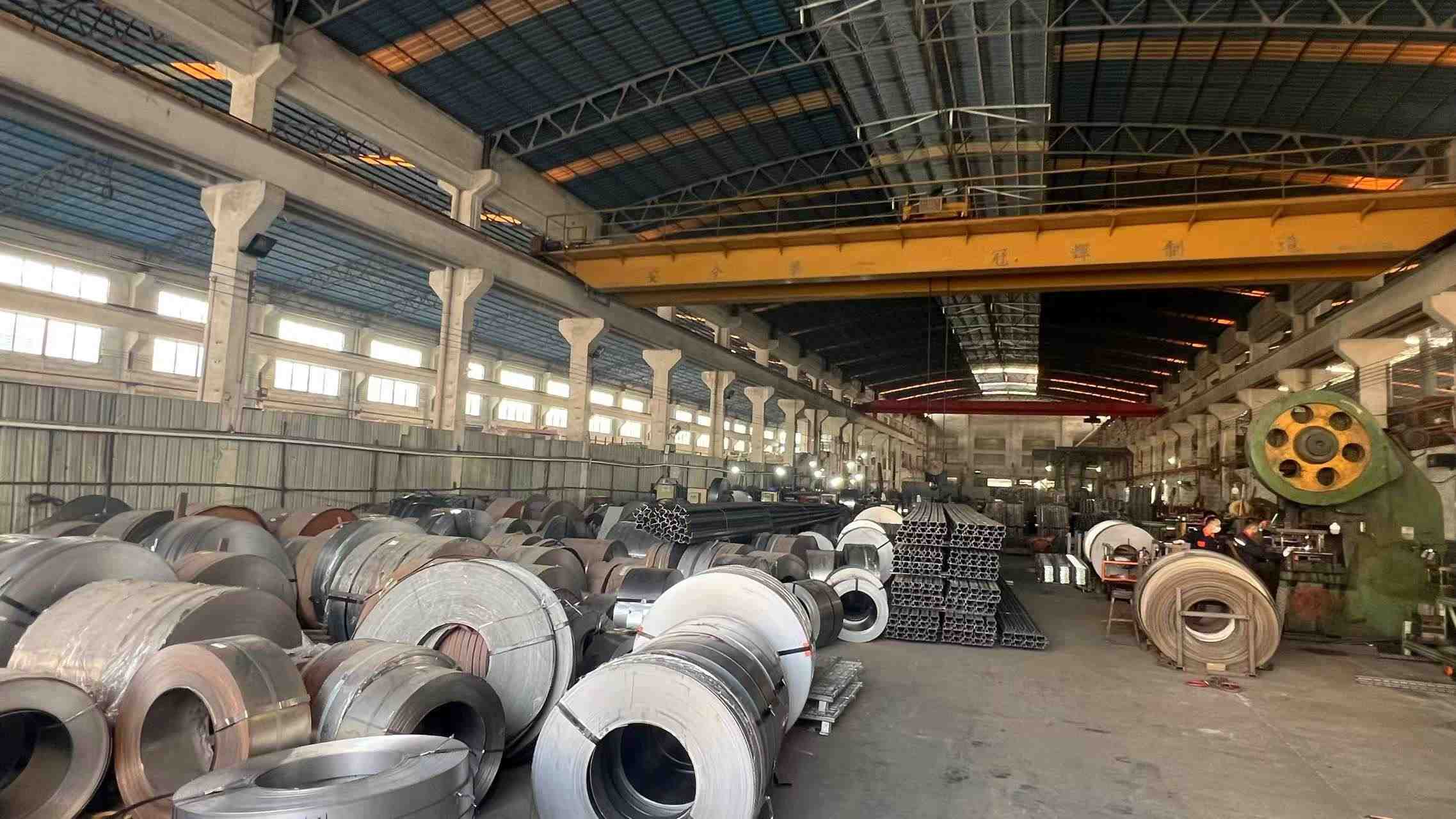
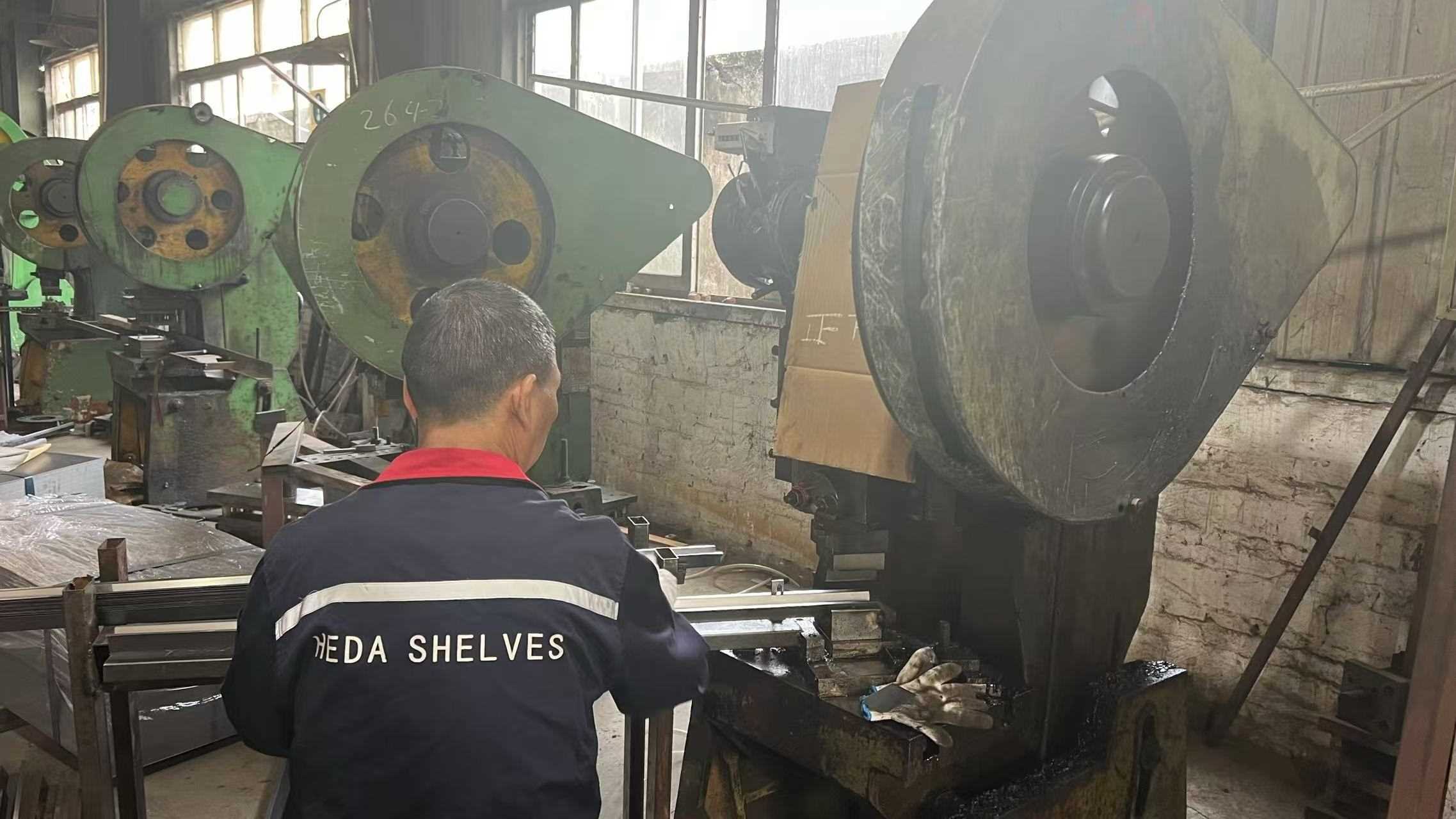
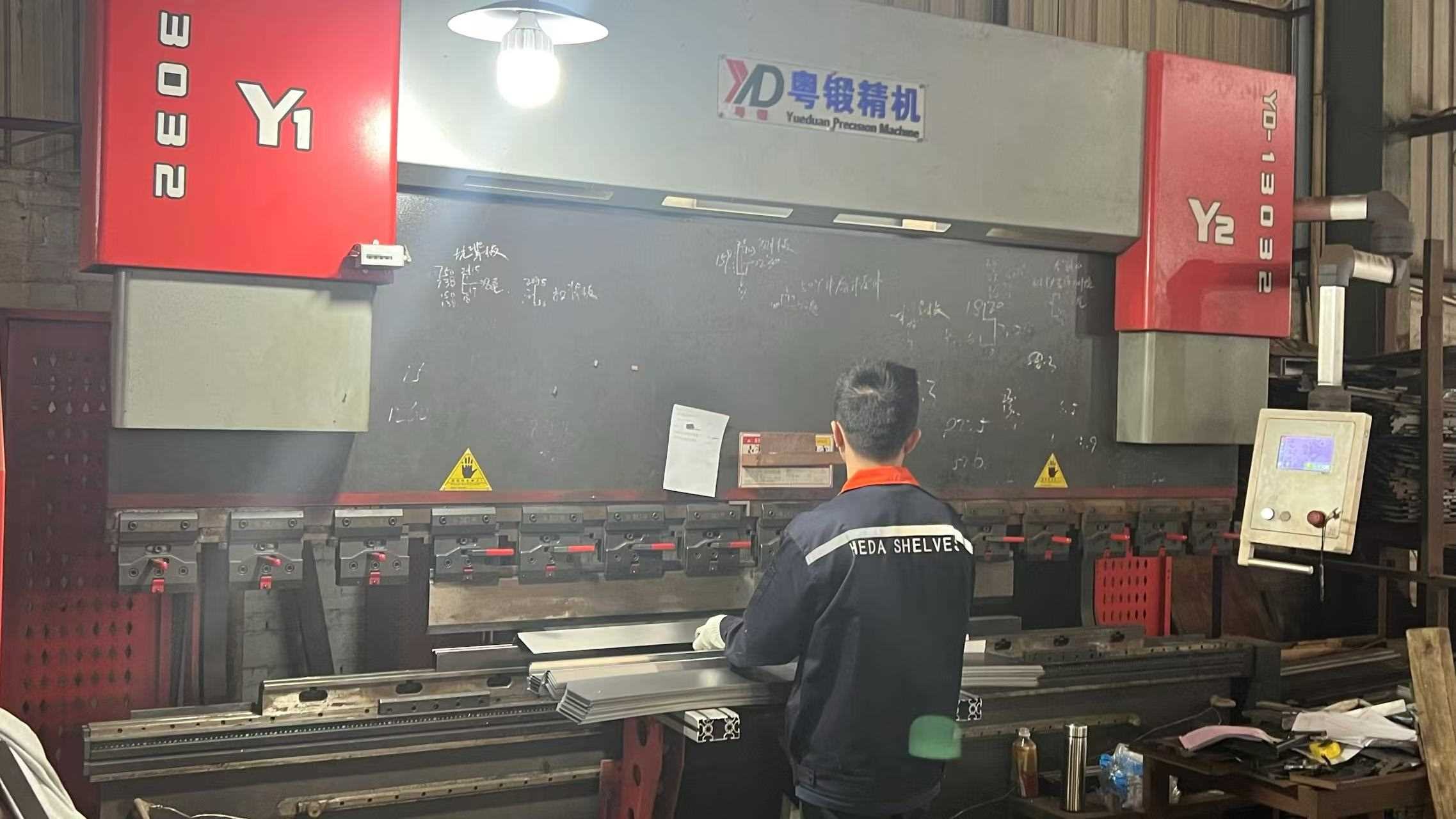
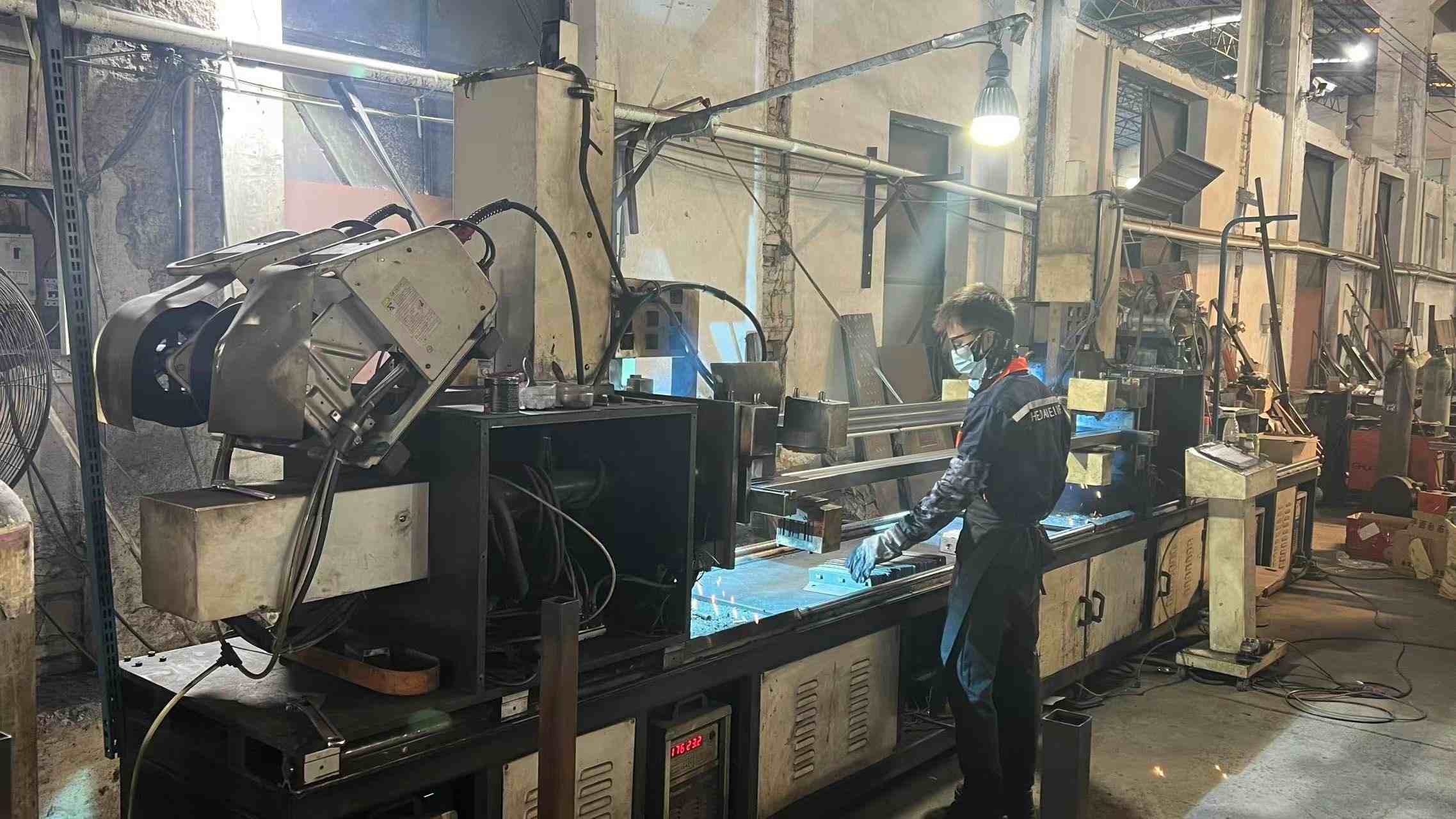
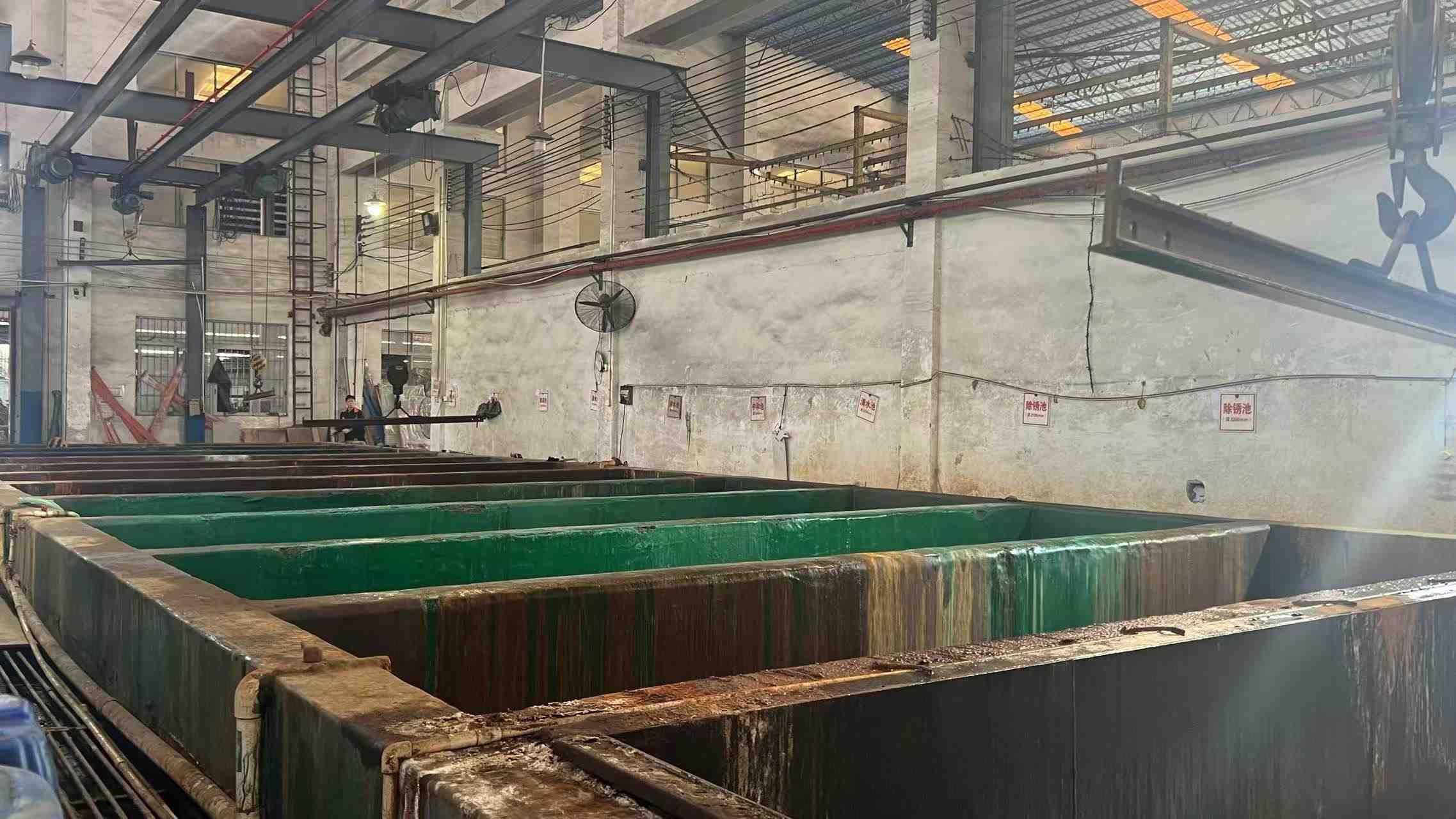
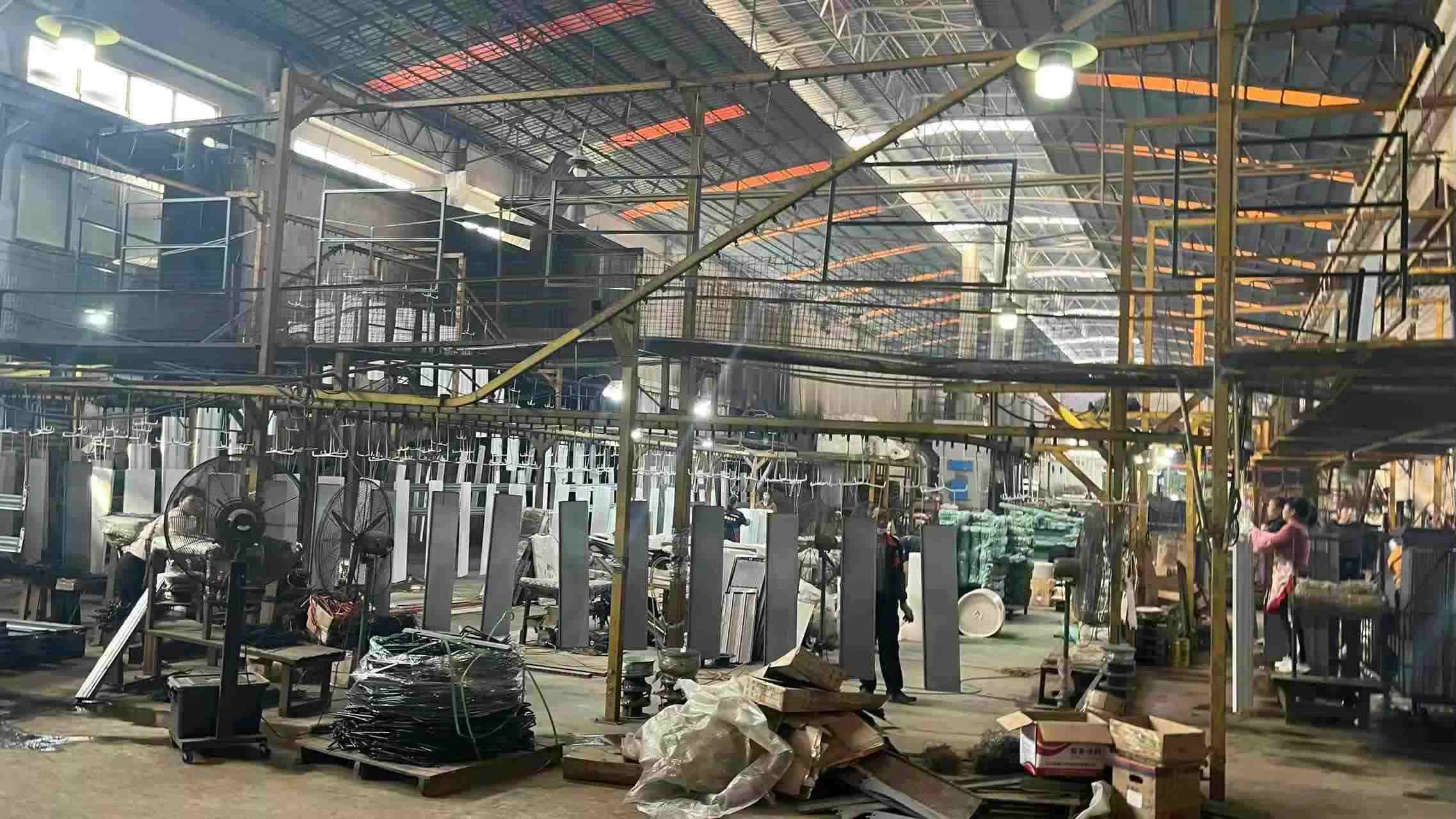
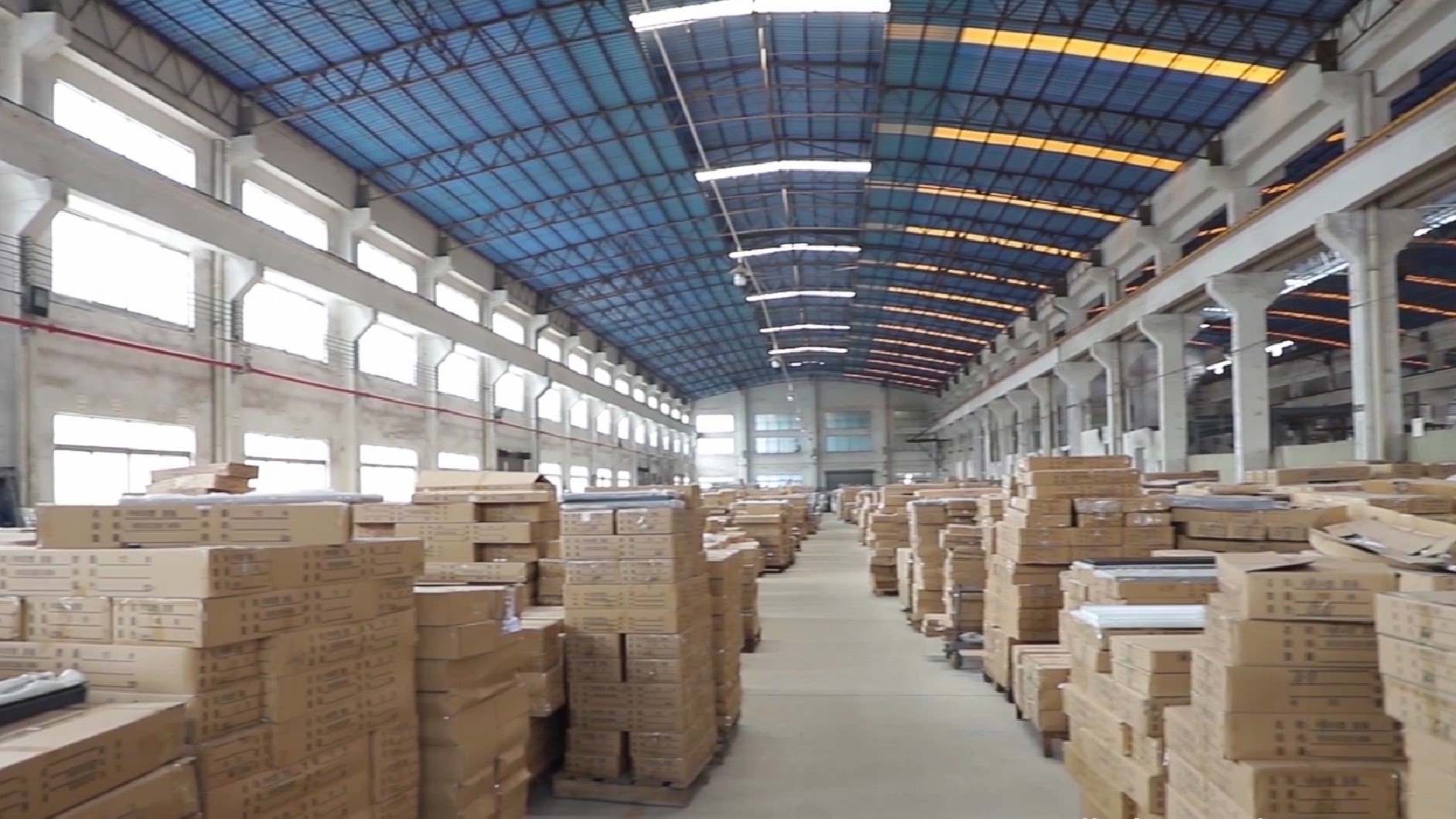
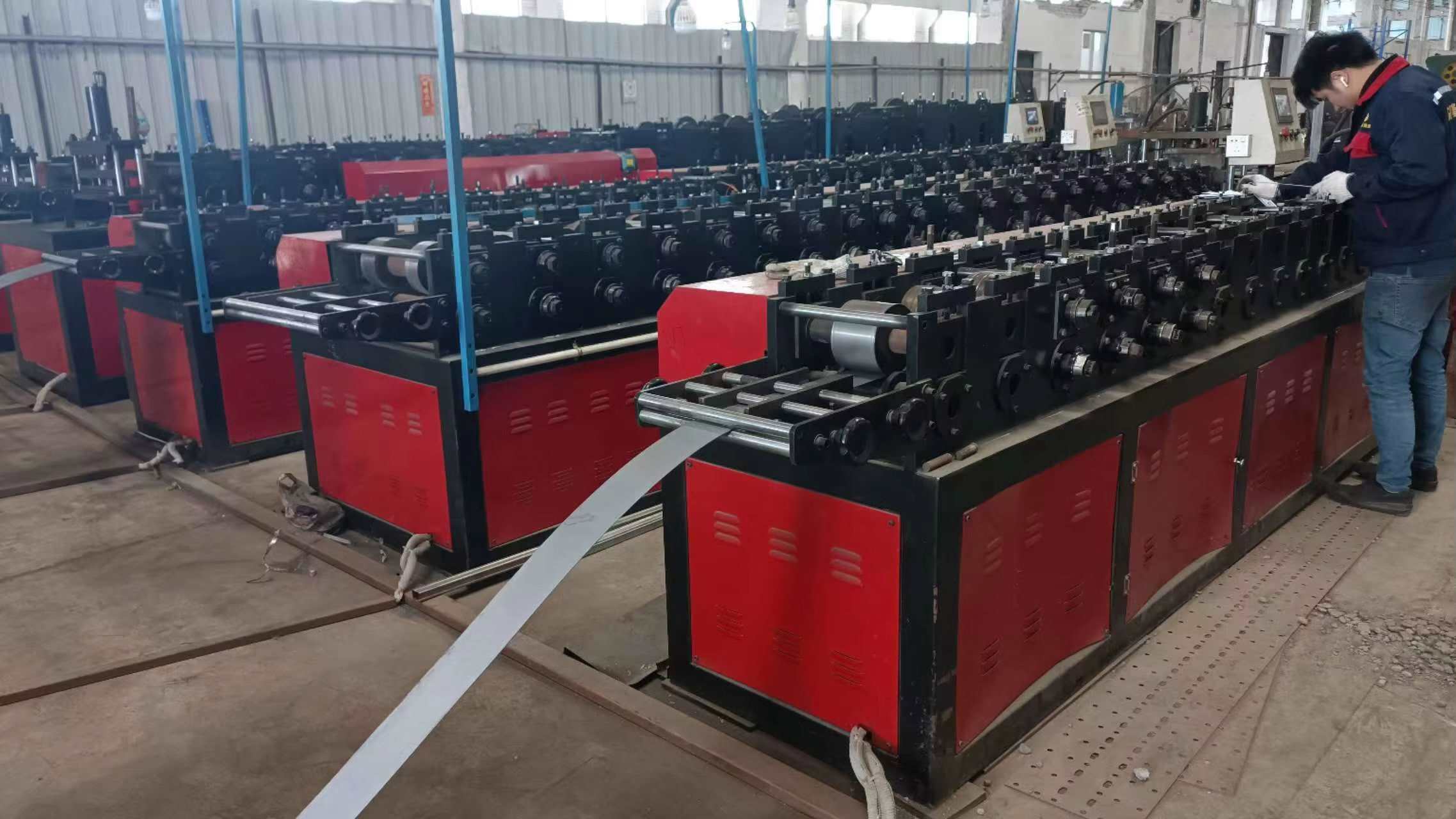
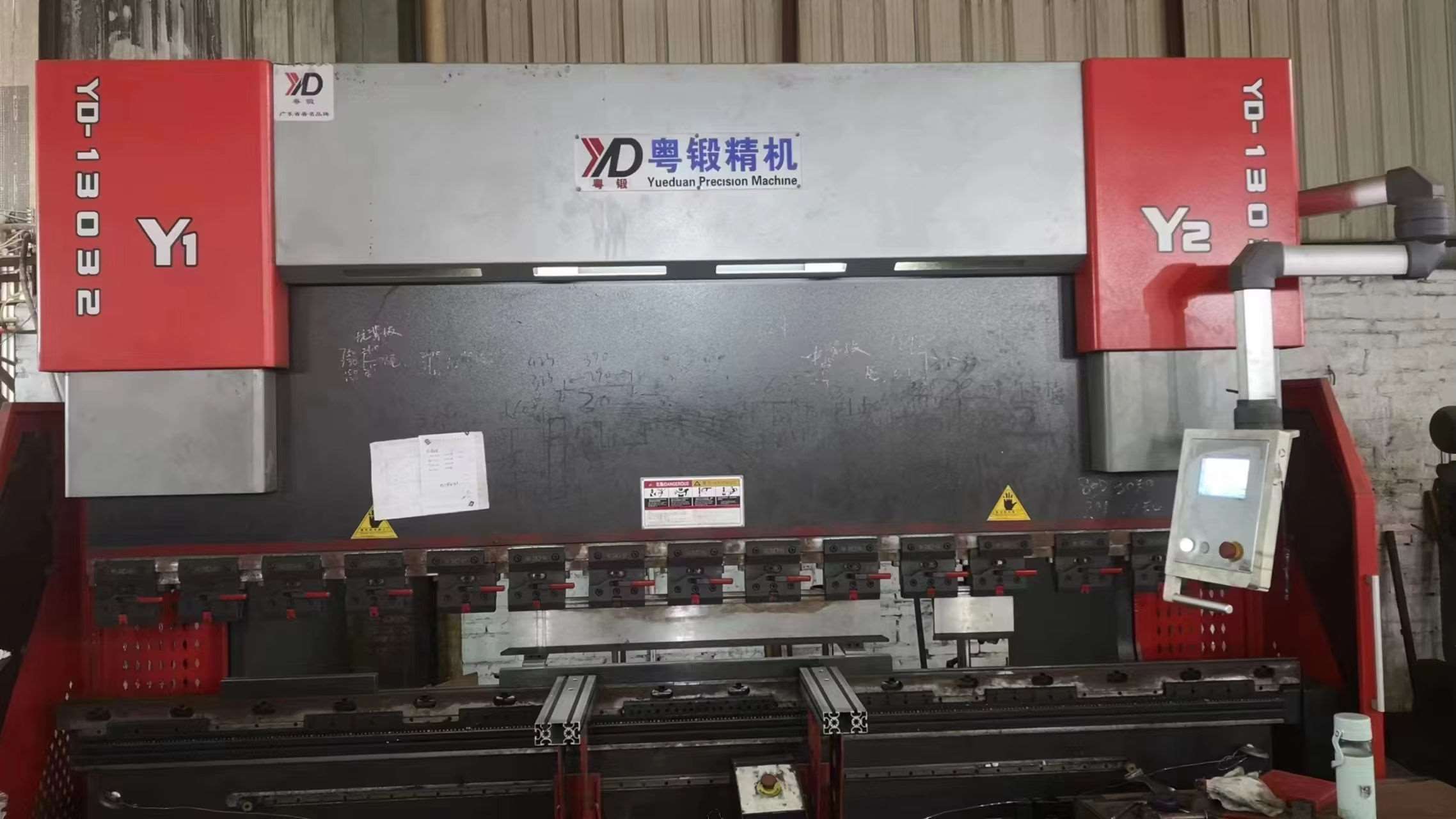
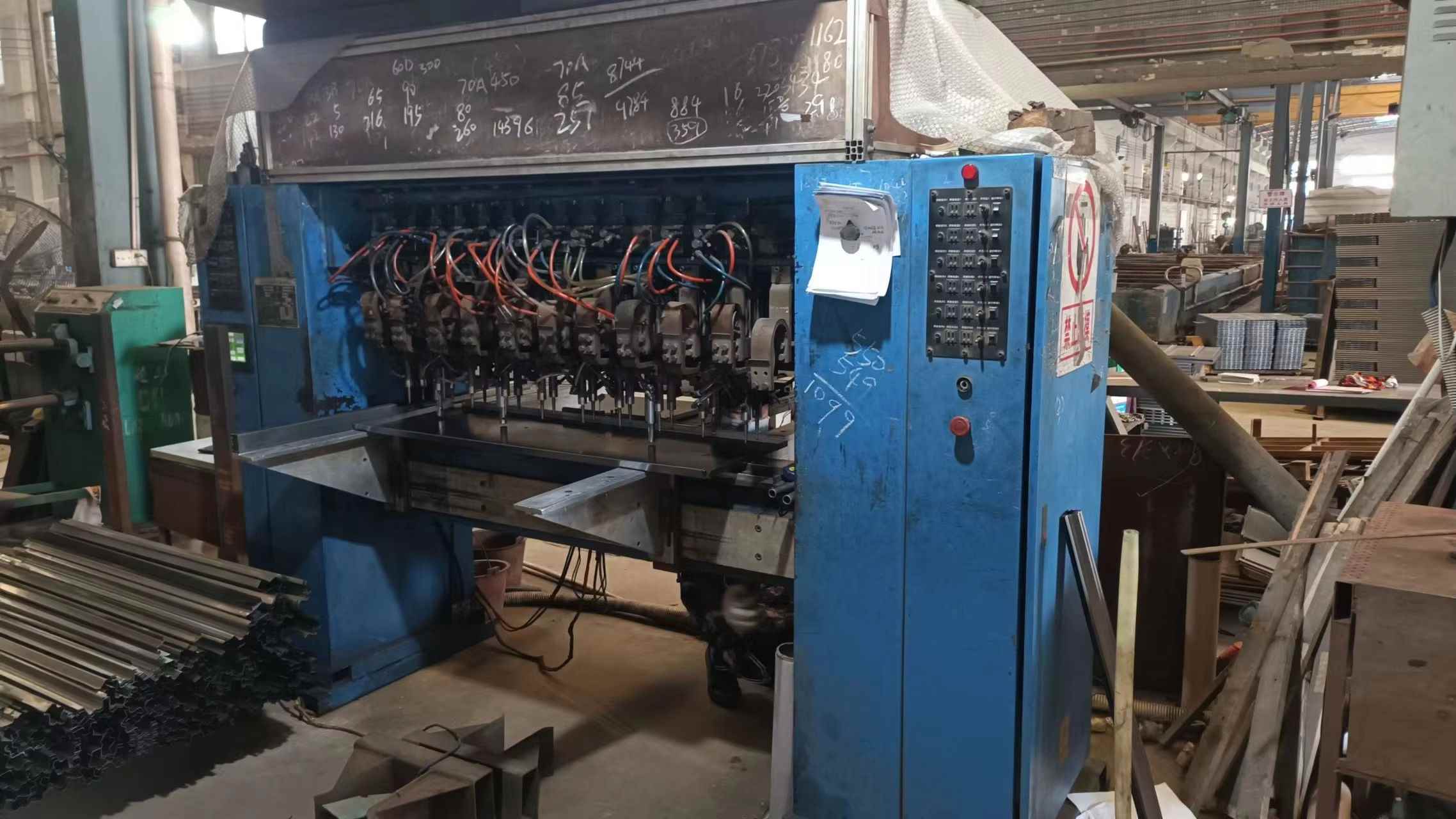
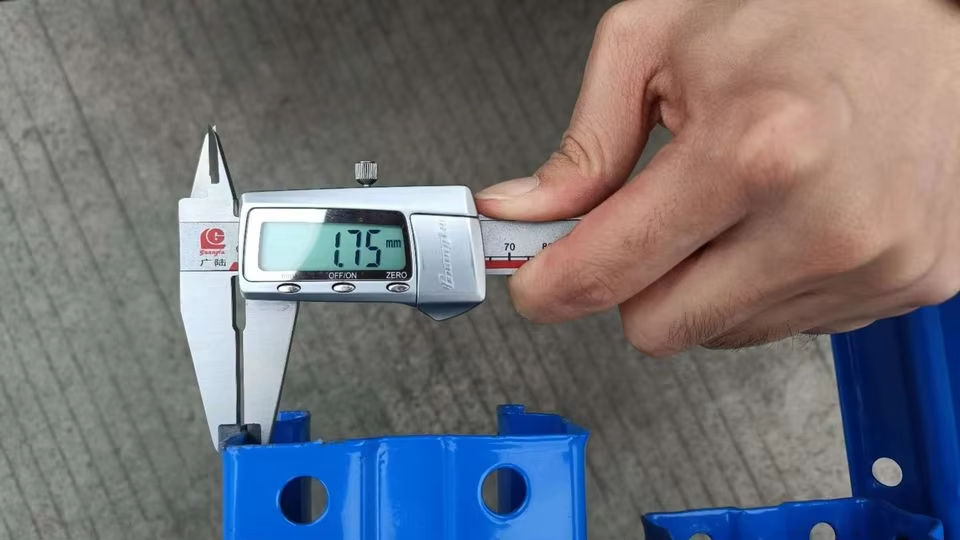
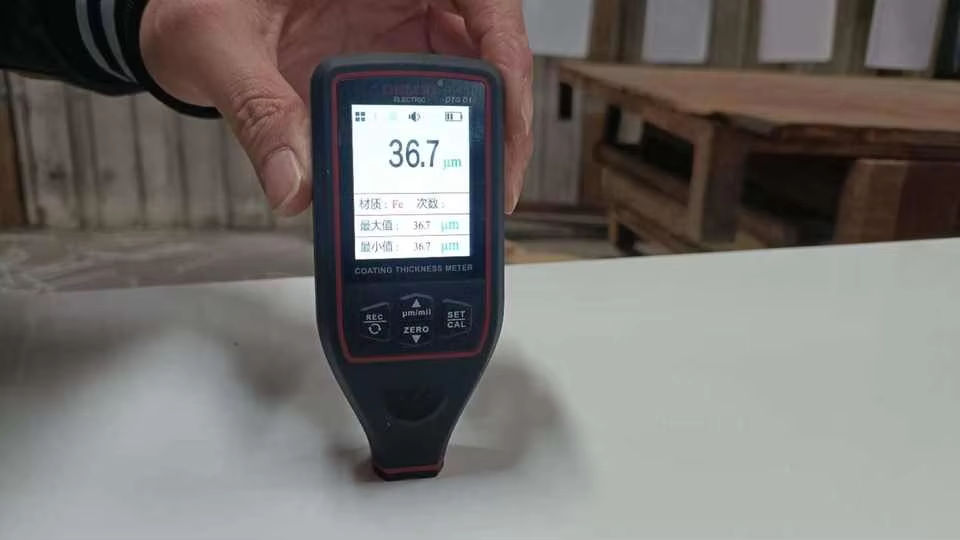
Explore the end-to-end manufacturing and quality control workflow at our 35,000 m² factory, showing the transformation from raw steel to finished industrial systems.
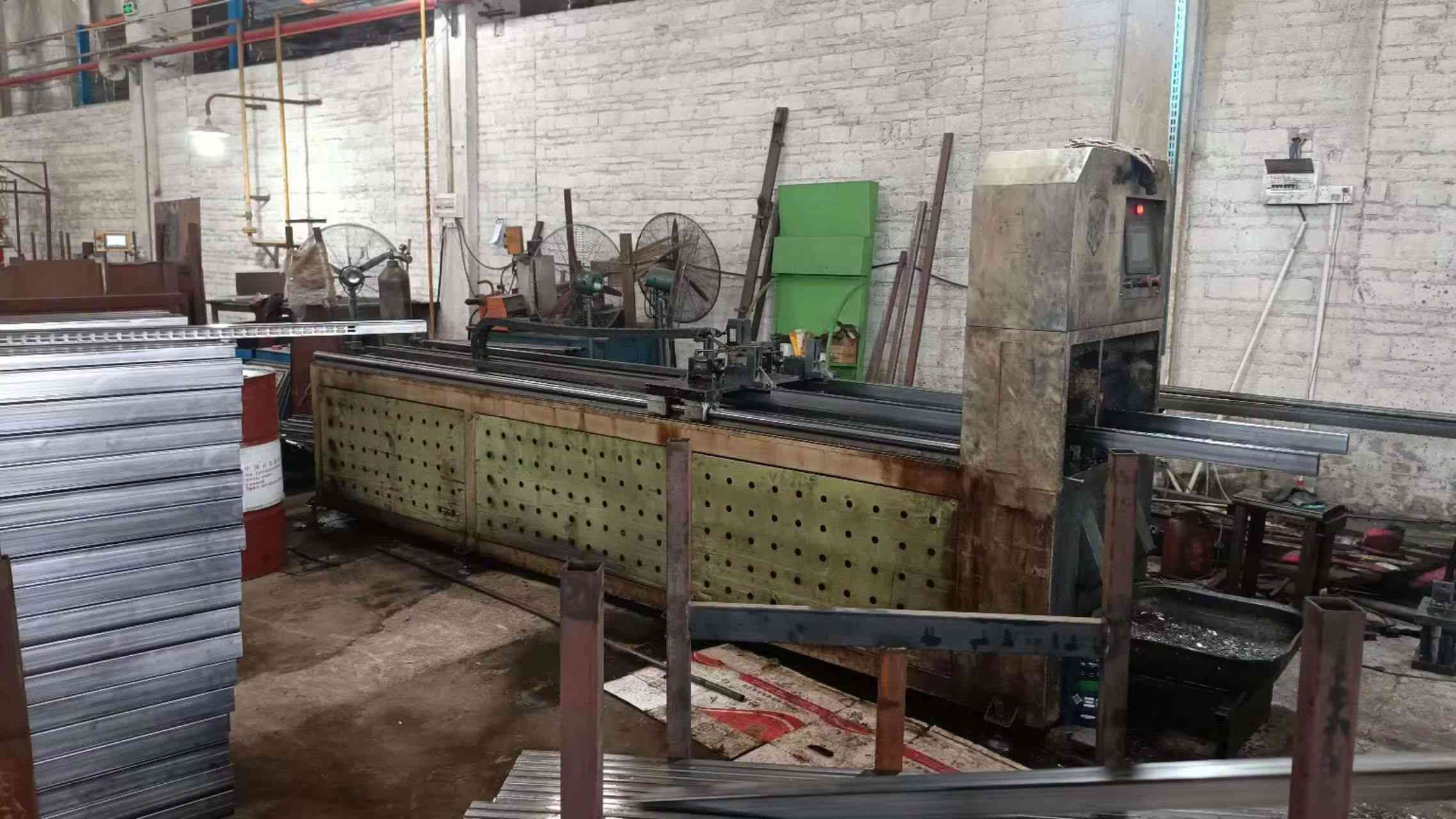
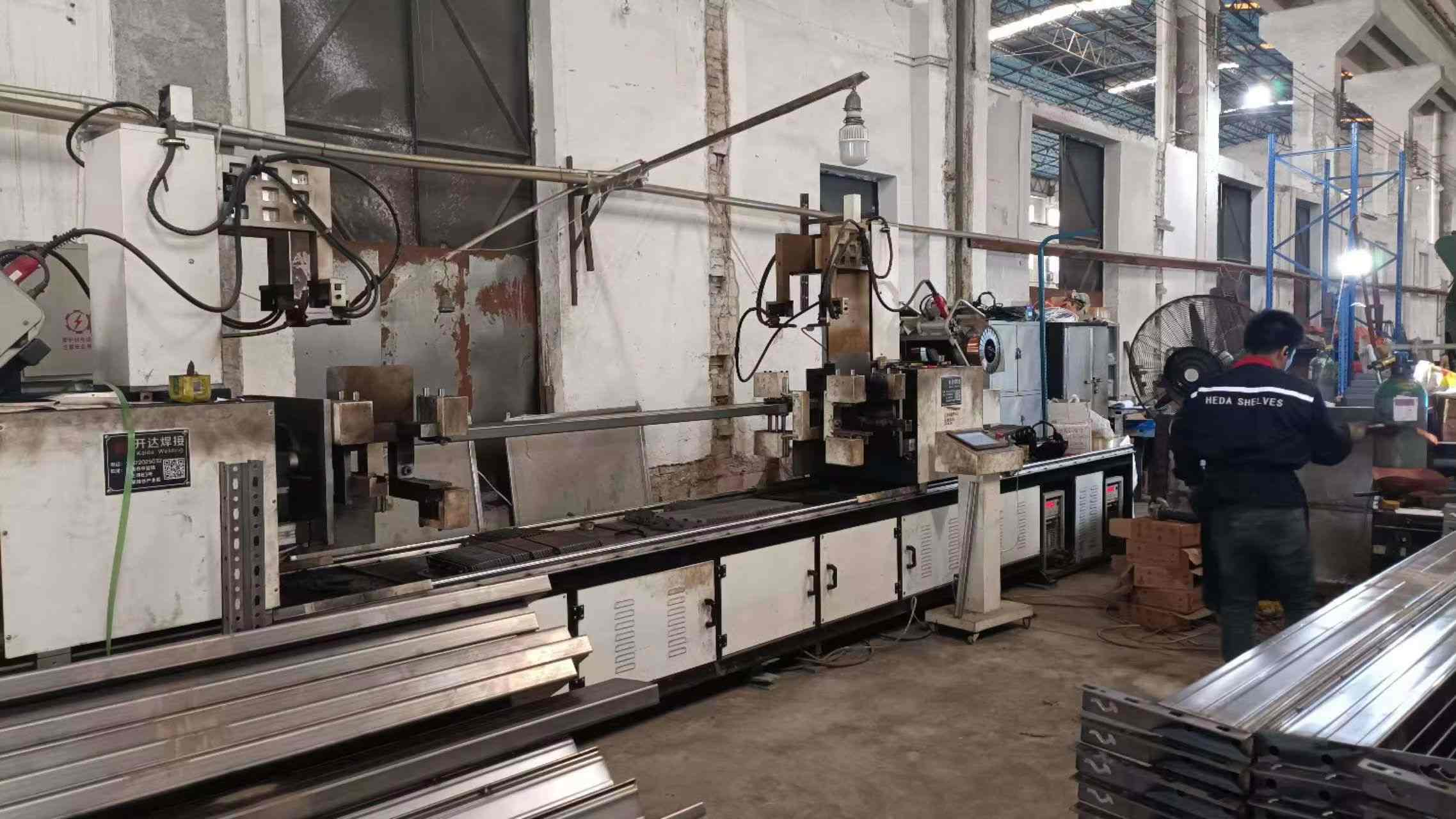
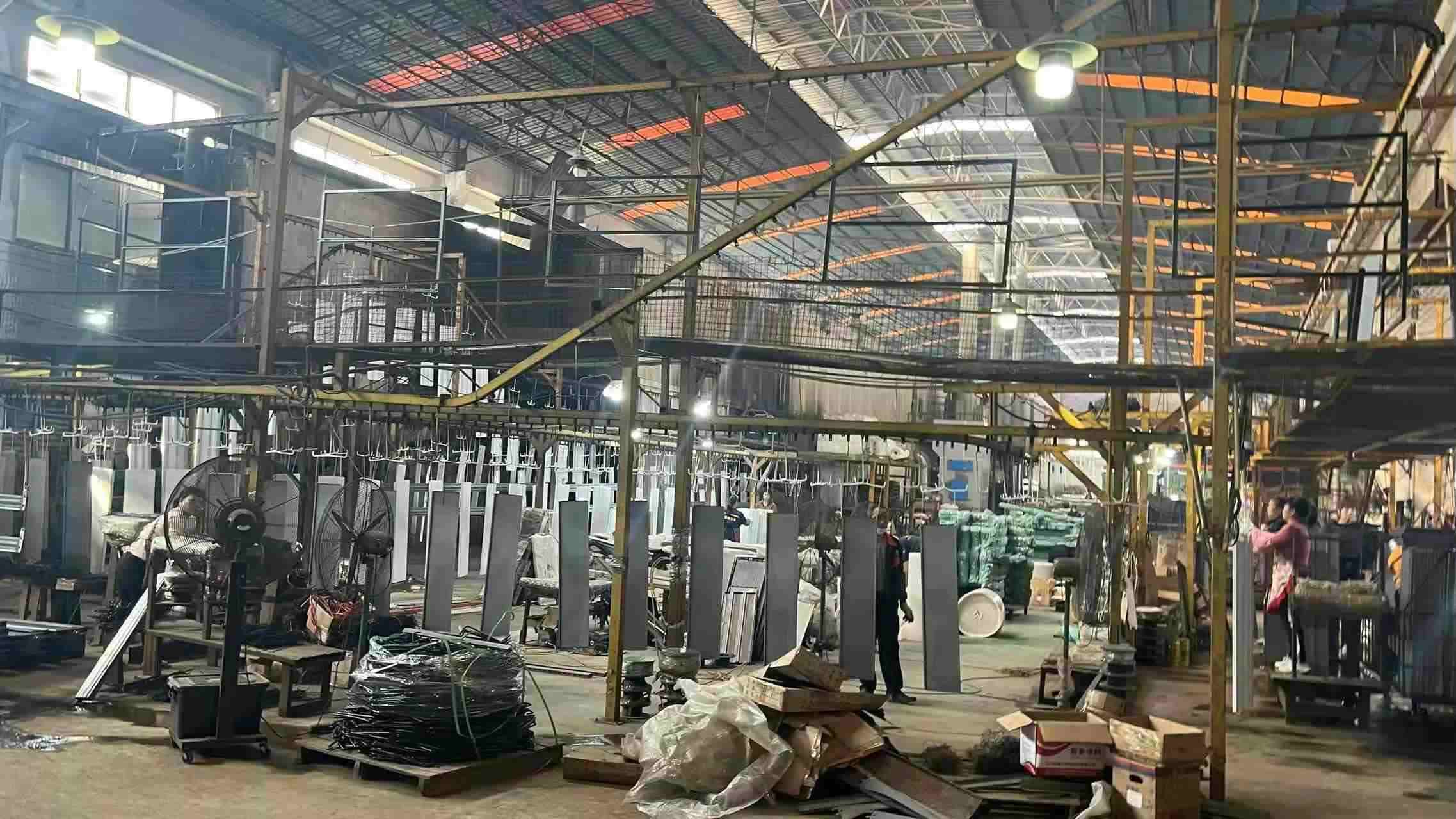
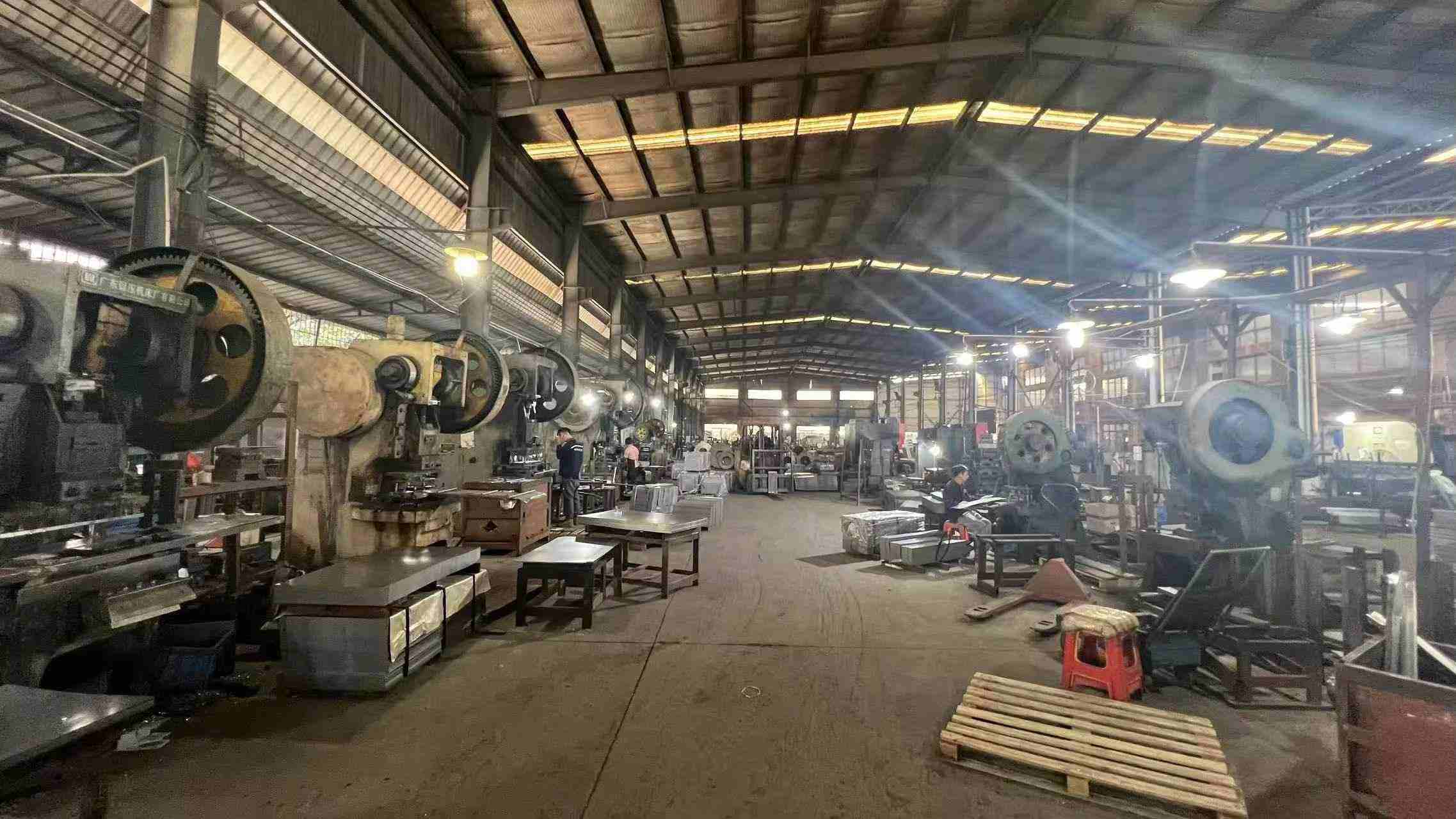
Industrial storage requirements vary across regional jurisdictions. Our systems are engineered to meet specific localized standards.
Deployments in North American industrial zones comply with RMI (Rack Manufacturers Institute) standards. We configure racking columns to align with RMI safety factors, utilizing structural grade bolts (A325 equivalent) and anchoring designs that withstand the seismic criteria of the Western United States.
Under European FEM 10.2.09 guidelines, load testing and structural deflections are strictly monitored. Our European-bound systems carry CE certification. The structural steel undergoes powder coating with non-toxic, chemical-resistant resins to meet environmental and workplace standards.
High relative humidity in coastal Southeast Asia and sand/dust exposure in the Middle East necessitate specialized surface treatments. We offer hot-dip galvanization (ISO 1461) to protect our heavy-duty cantilever structures from corrosion in aggressive outdoor environments.
Heda's strategic hub in Guangdong enables streamlined logistical execution. Backed by a network of over 800 supply chain partners, we secure high-grade raw steel during market fluctuations to protect our clients from pricing volatility.
Our production facilities utilize automated welding, stamping, and powder-coating systems, reducing processing times. This industrial setup, combined with direct access to regional shipping channels, helps minimize freight transshipment times for international shipments.
Additionally, Heda provides integrated customs documentation and structural engineering stamps, simplifying local building approvals and third-party safety audits.
Our Quality Control team of 45 inspectors carries out rigorous testing protocols to confirm that every production run meets international safety limits:
Detailed technical answers addressing common structural engineering, procurement, and logistical questions.
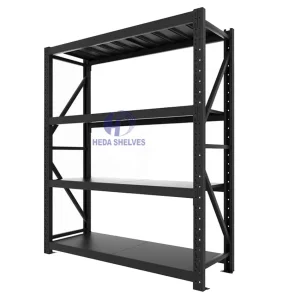
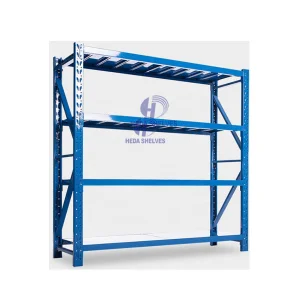
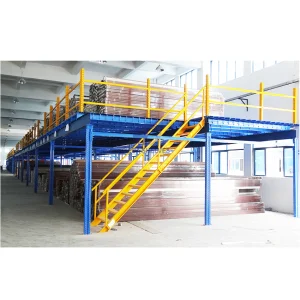
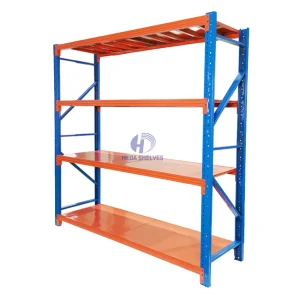
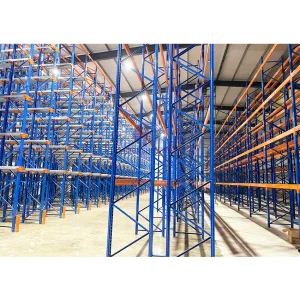
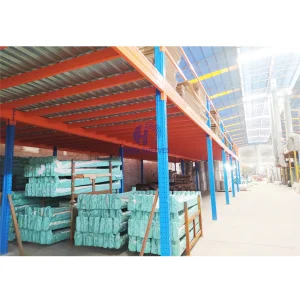
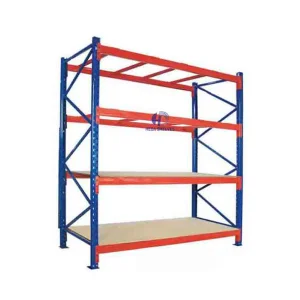
Explore our wider range of warehouse storage systems, heavy-duty shelving, and structural mezzanine solutions.
 Hedaracking