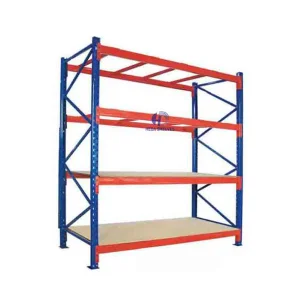
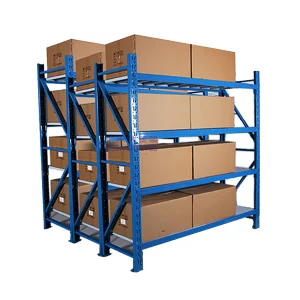
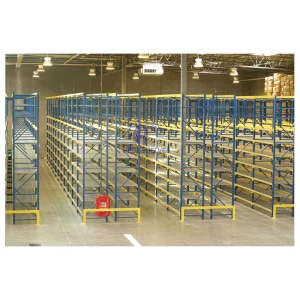
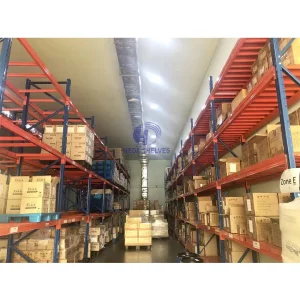
Deploying state-of-the-art structural metallurgy and customized engineering to solve high-density storage challenges globally. Discover our flagship racking systems configured for maximum load-bearing capacities.
In the era of rapid global supply chain evolution, the demand for sophisticated, heavy-duty industrial storage has expanded beyond simple shelving. Today, high-capacity fulfillment hubs, third-party logistics (3PL) dynamic networks, and automated manufacturing systems require modular, reliable, and space-optimized structures to manage throughput efficiently.
International warehousing requires strict compliance with regional standards such as ANSI/RMI MH16.1 in North America and EN 15512 in Europe. Engineered racks are structural safety components.
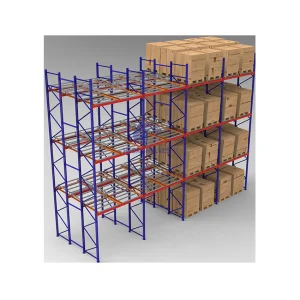
E-commerce pressure necessitates rapid SKU turnover, turning static warehouses into dynamic logistics engines using push-back, drive-in, and shuttle storage integration.
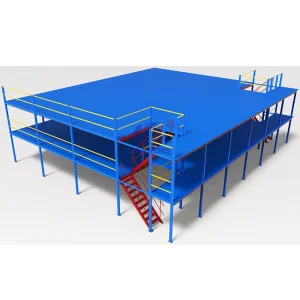
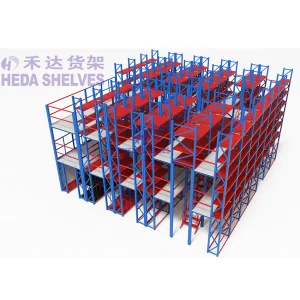
As industrial land values surge, vertical floor space exploitation through heavy-duty mezzanine structures and high-bay racking systems provides massive cost mitigation.
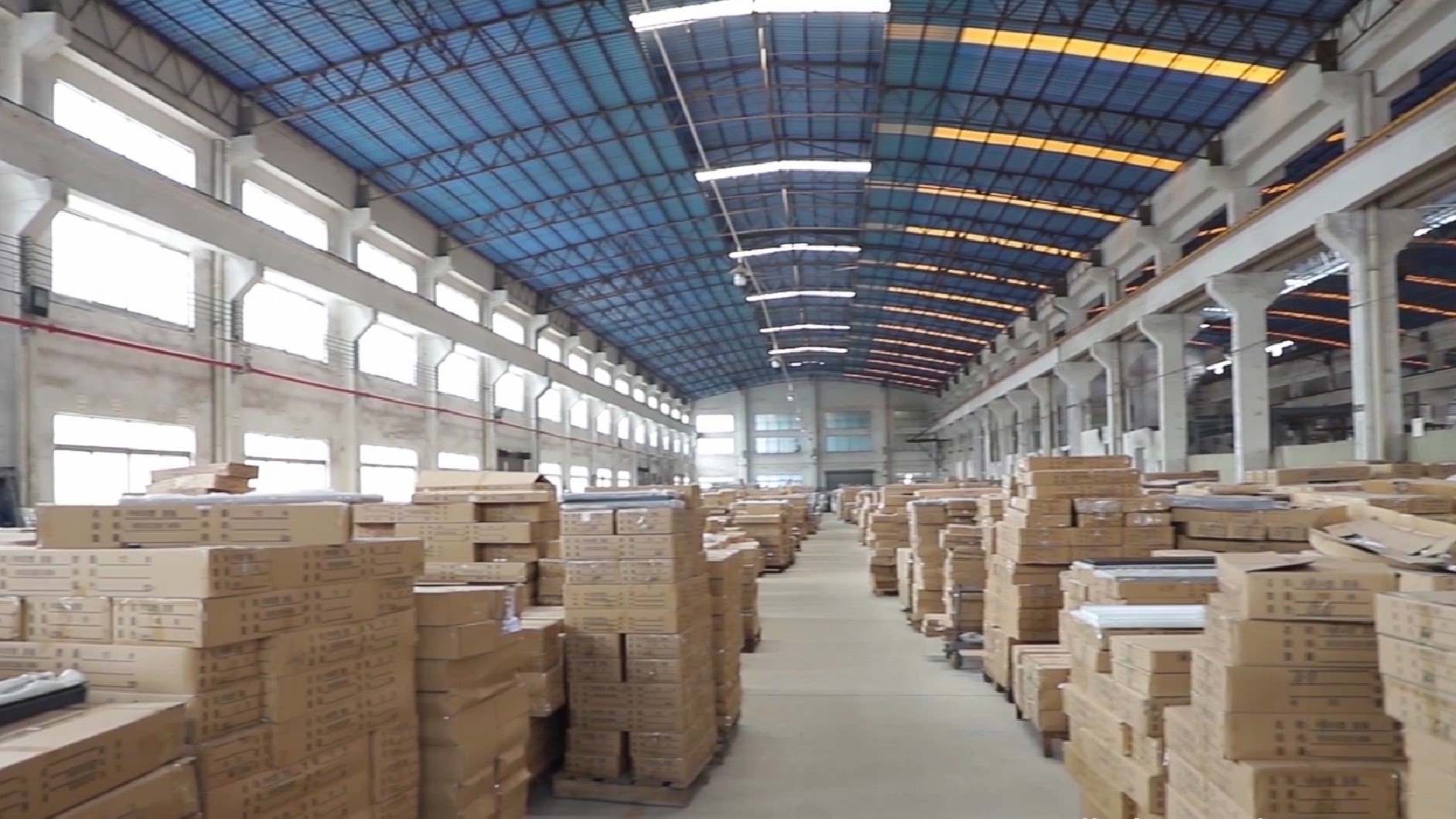
Established in 2014, Shenzhen Heda Warehouse Equipment Co., Ltd. is a premier manufacturer specializing in heavy-duty warehouse racking and industrial storage solutions. Spanning a modern manufacturing facility of 35,000 m², our enterprise integrates R&D, design, production, and international marketing to serve diverse storage needs worldwide. With 12 years of industry experience and 8 years of dedicated export expertise, we deliver high-caliber storage systems that generate over $28 million in annual export revenue.
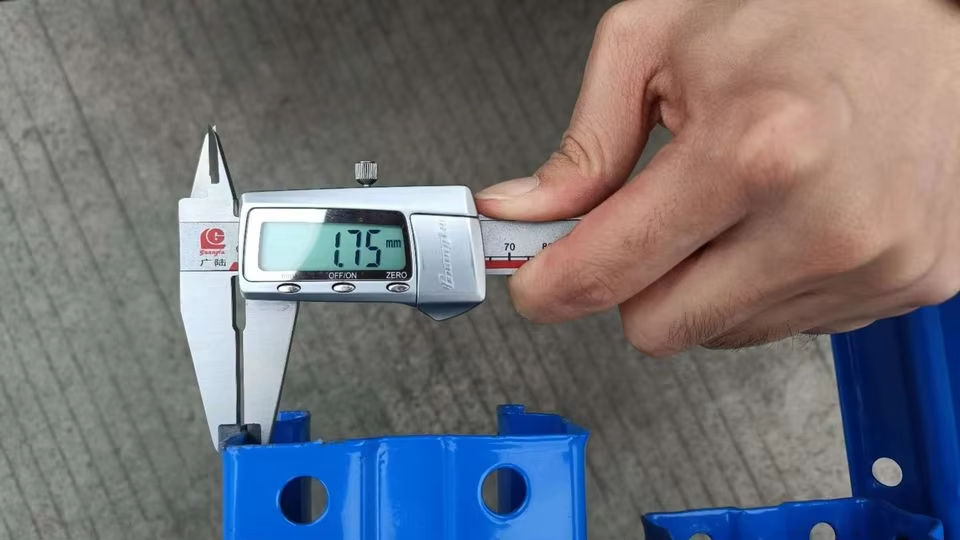
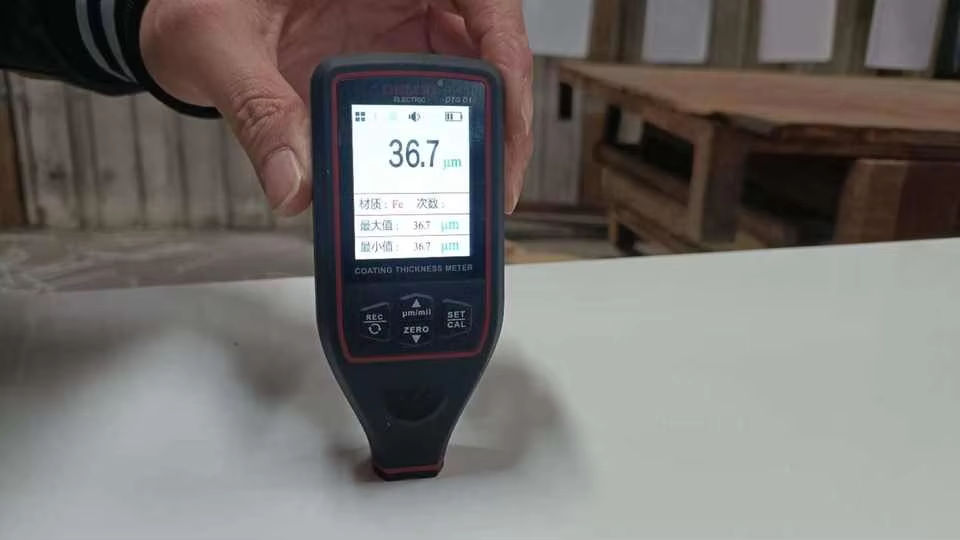
At Heda, quality control and engineering innovation drive our core operations. Our robust QC department comprises 45 skilled inspectors utilizing rigorous testing methods, including raw material tensile testing, automated weld flaw detection, layer load-bearing stress analysis, and salt spray surface corrosion testing. Supported by a professional R&D team of 28 senior structural engineers, we maintain strong full-customization capabilities (OEM/ODM)—offering tailored rack dimensions, load capacities, surface coatings, and layout designs. Driven by continuous innovation, we launched over 120 new dynamic storage products and component upgrades last year.
Operating with a strong direct-factory and international trade background, we have built a resilient ecosystem supported by over 800 supply chain partners. Our products are exported to major global markets, including North America, Western Europe, Southeast Asia, and the Middle East. We proudly serve a diverse clientele ranging from third-party logistics (3PL) providers and large distribution centers to industrial manufacturers and wholesale equipment distributors.
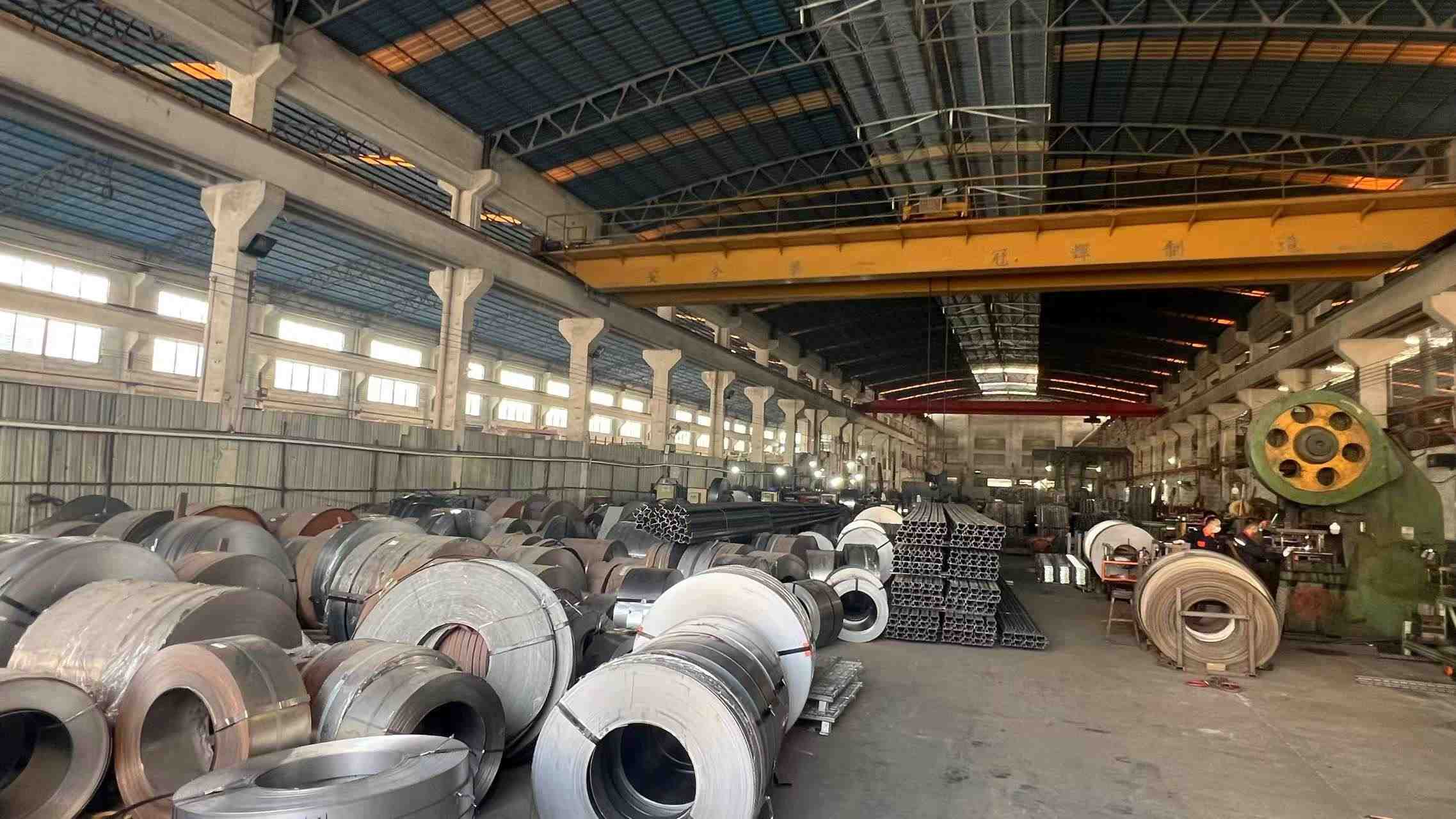
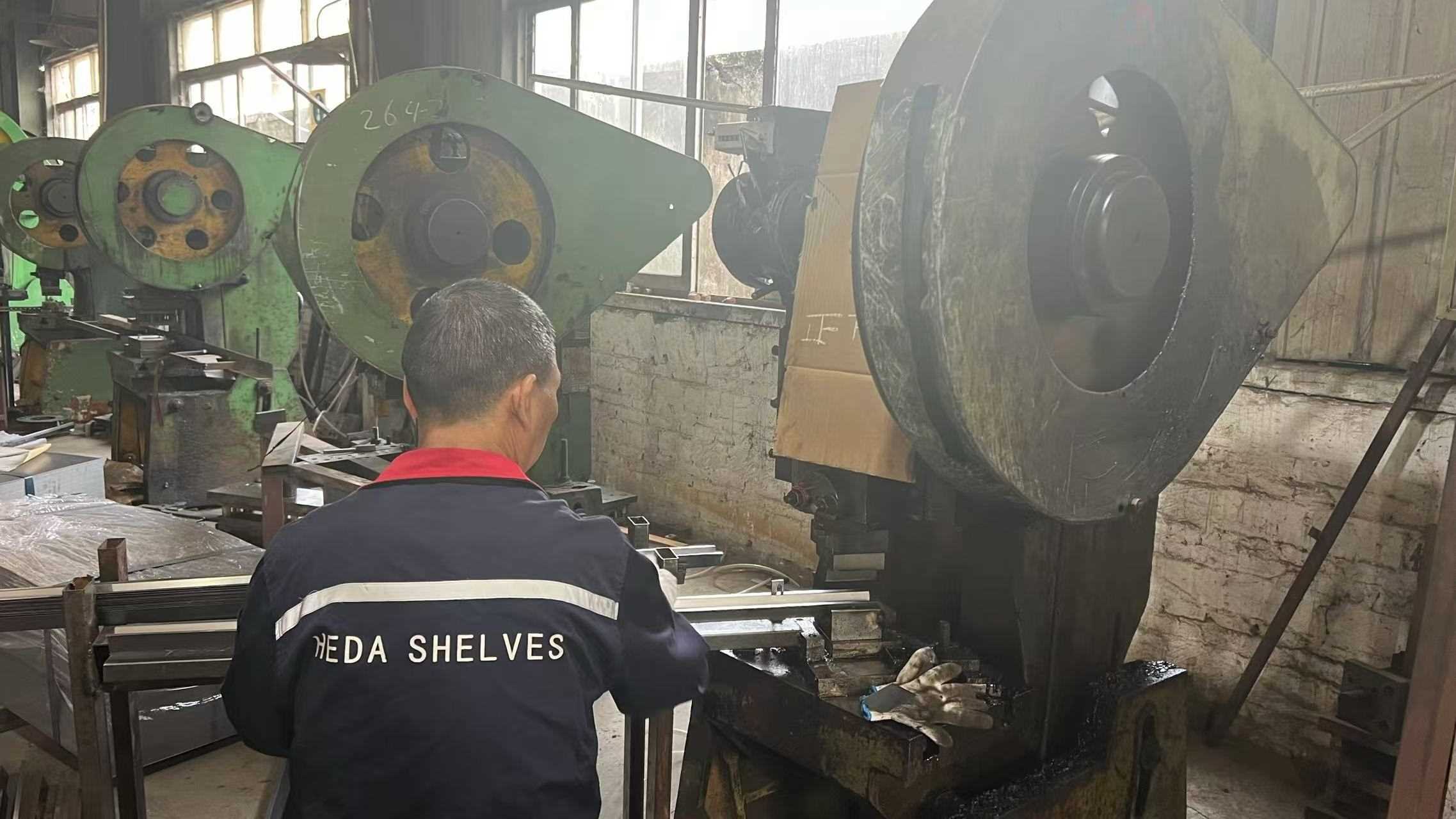
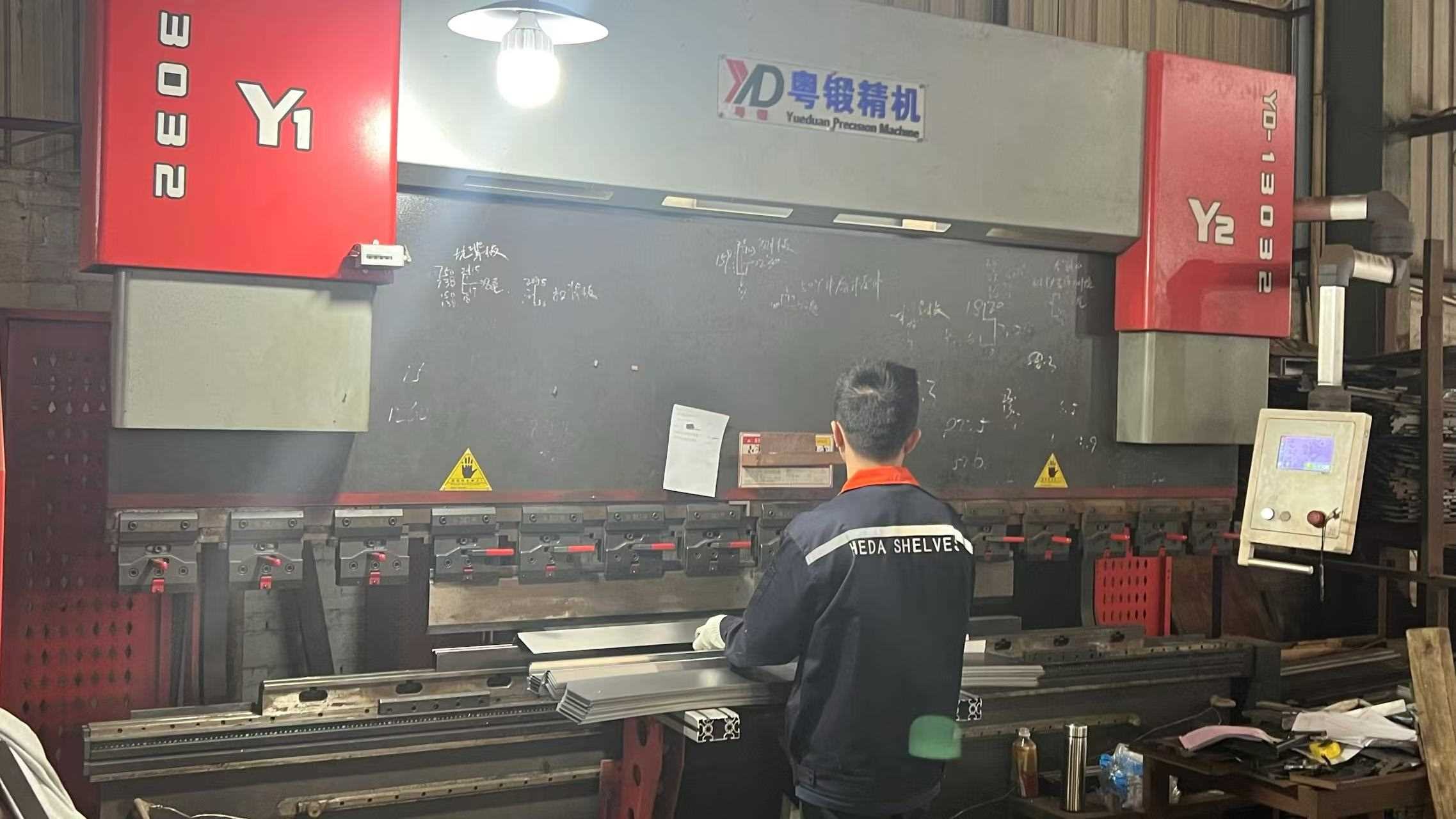
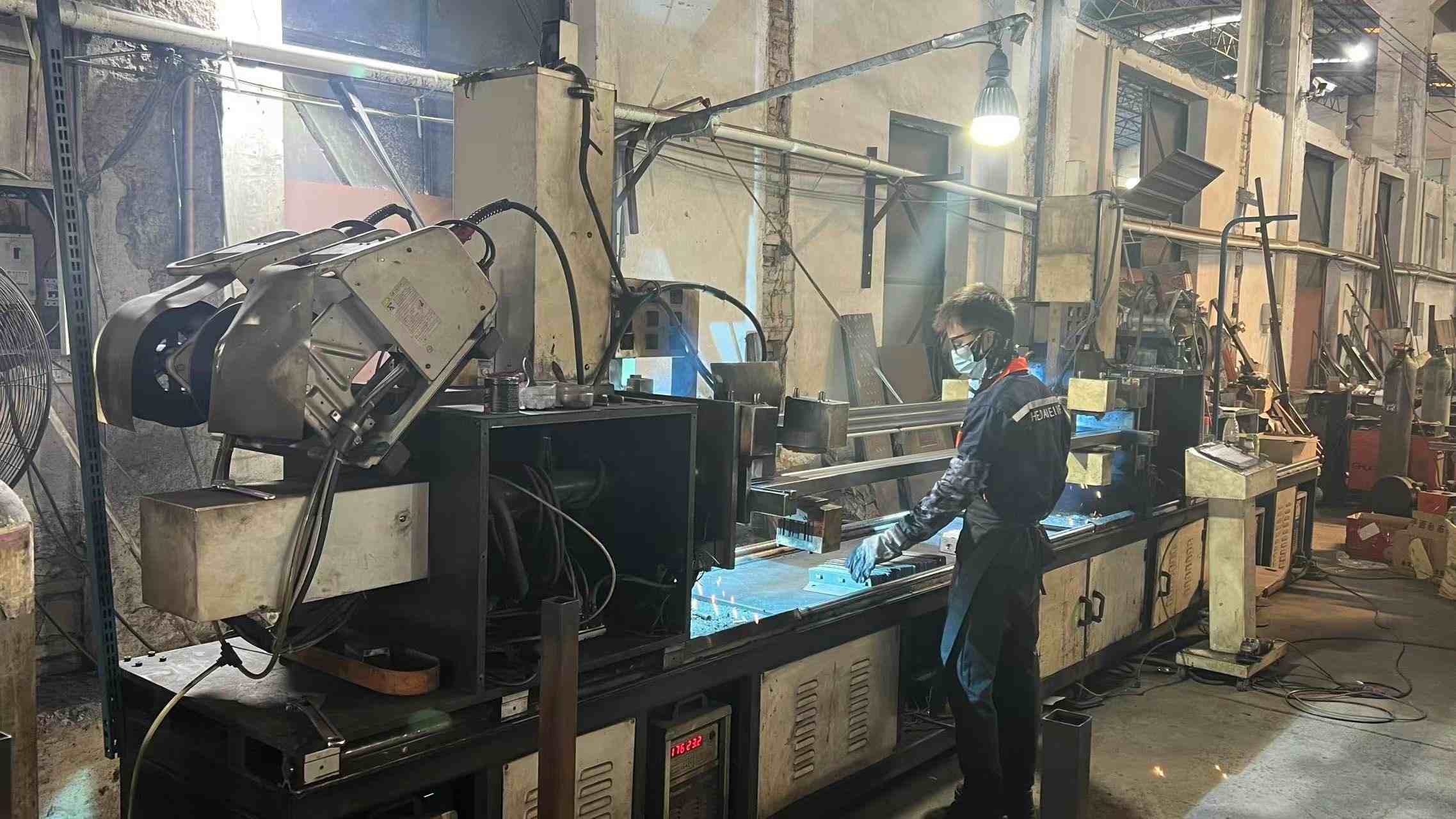
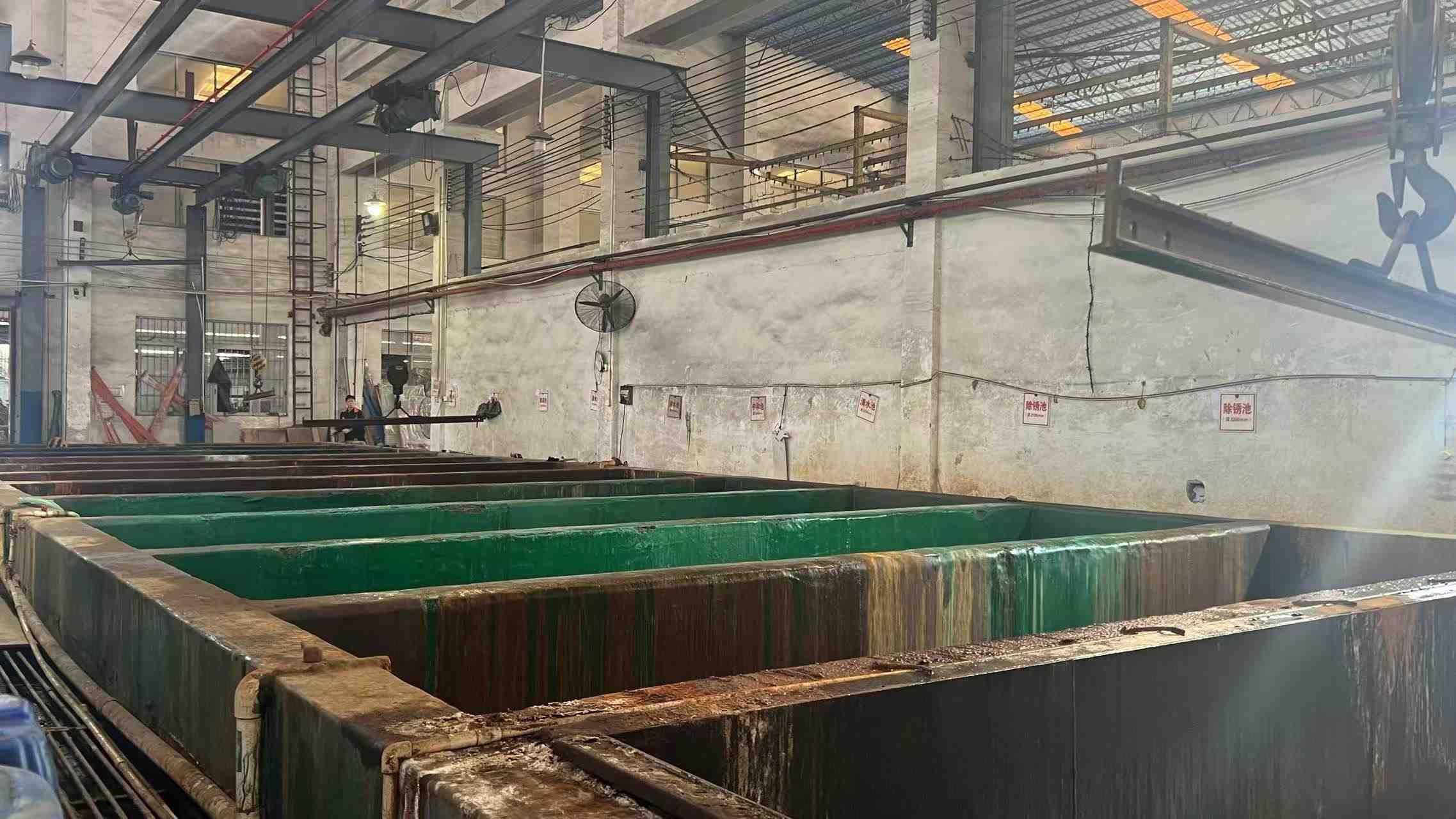
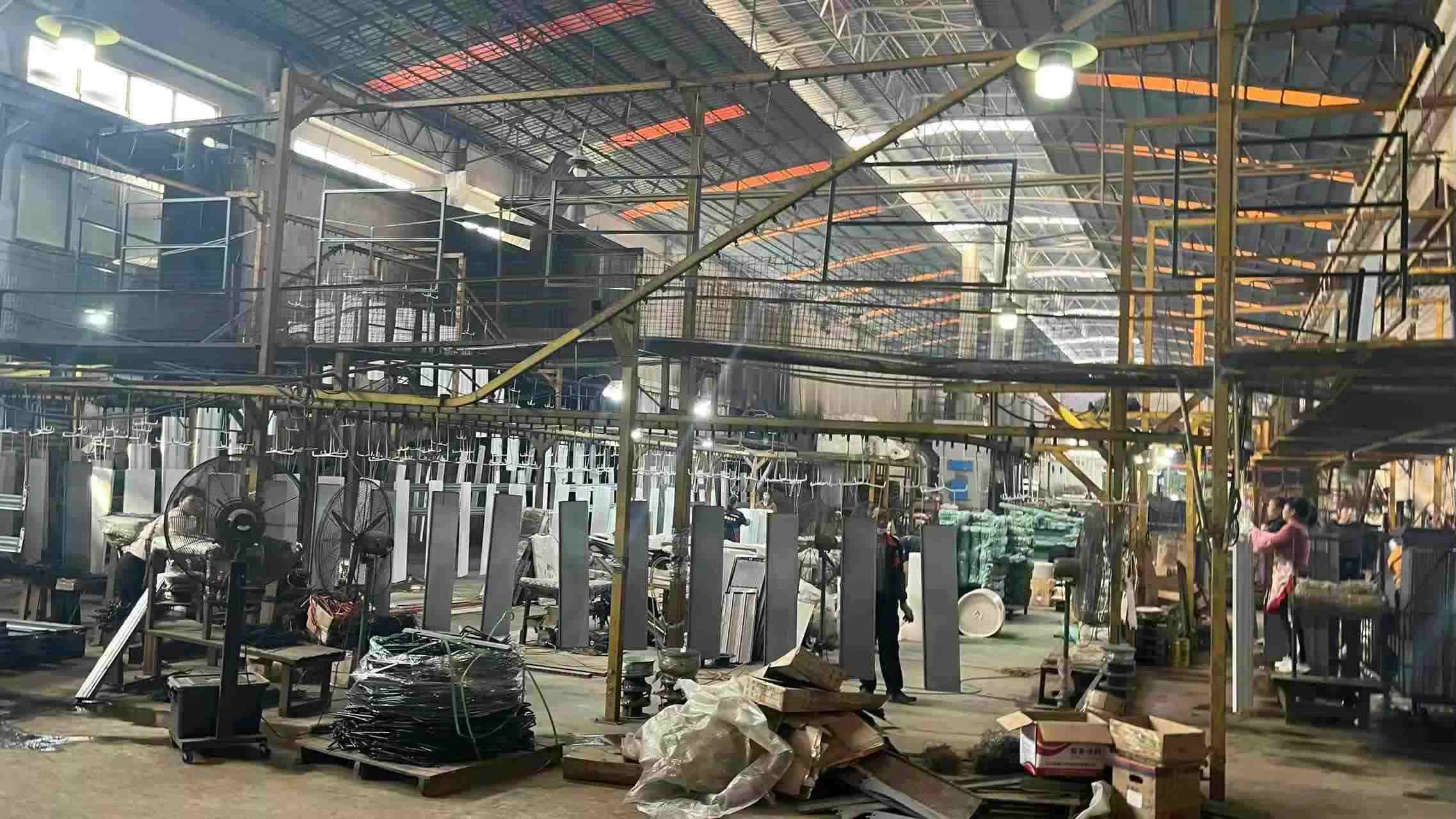
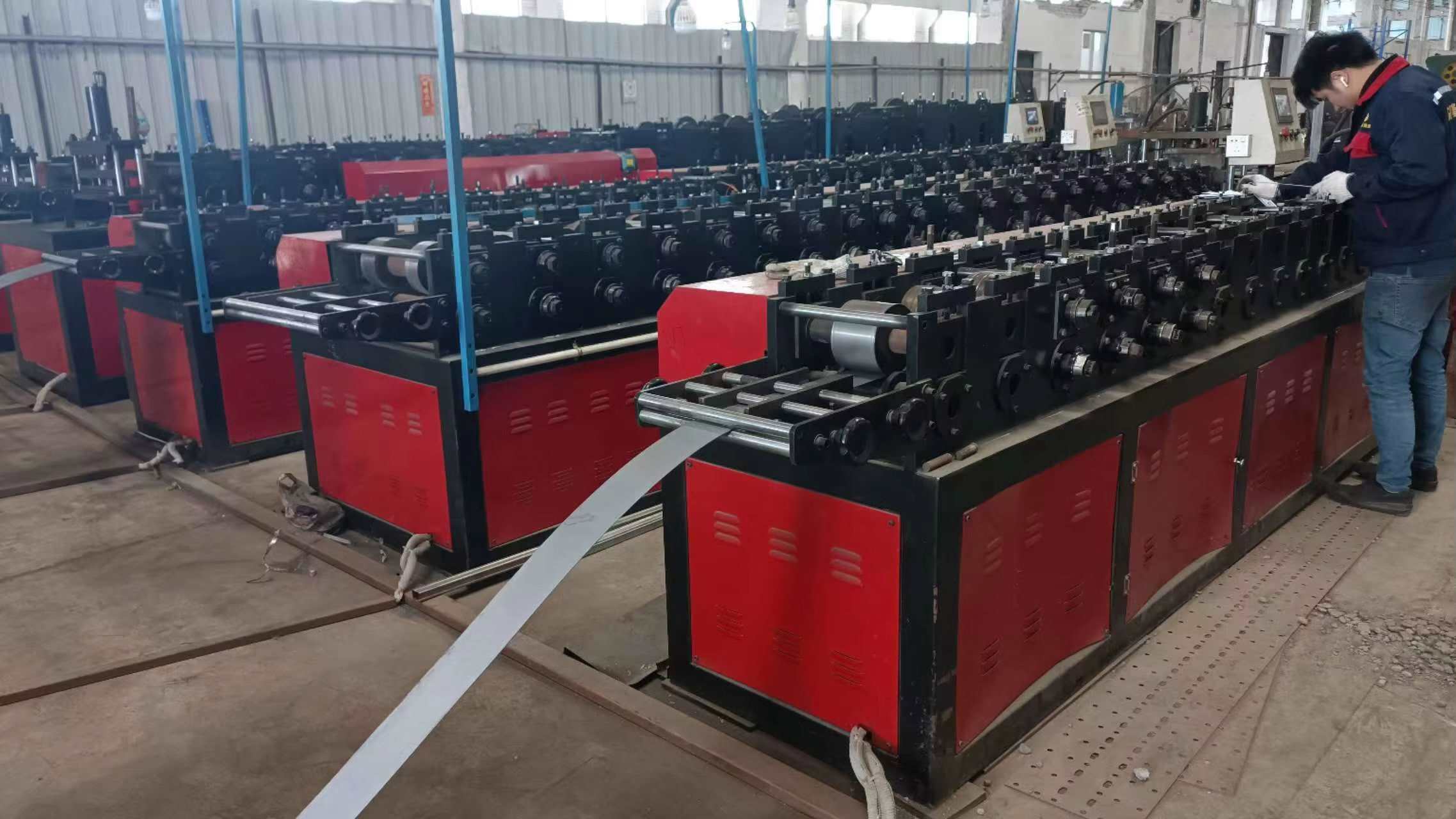
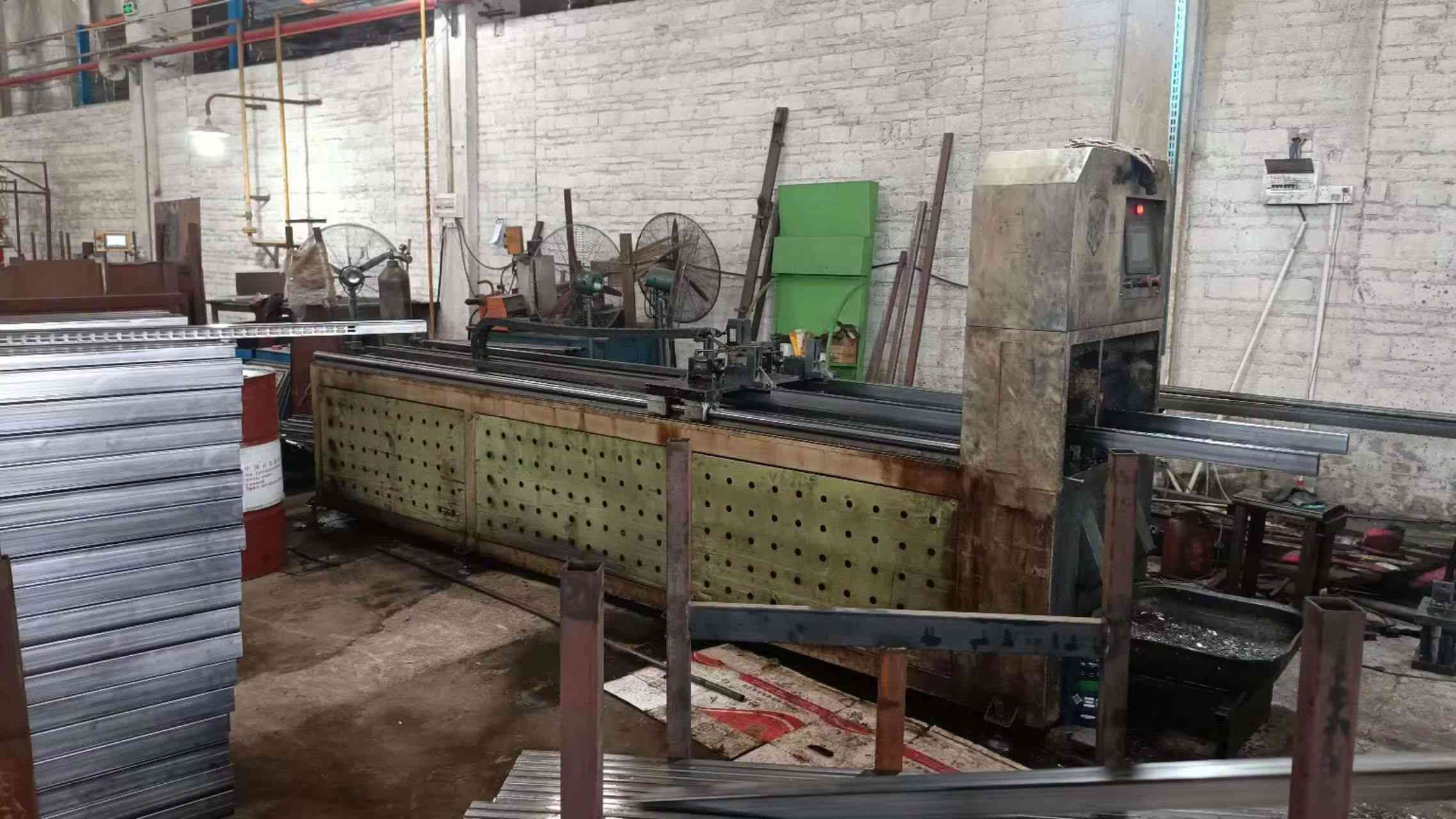
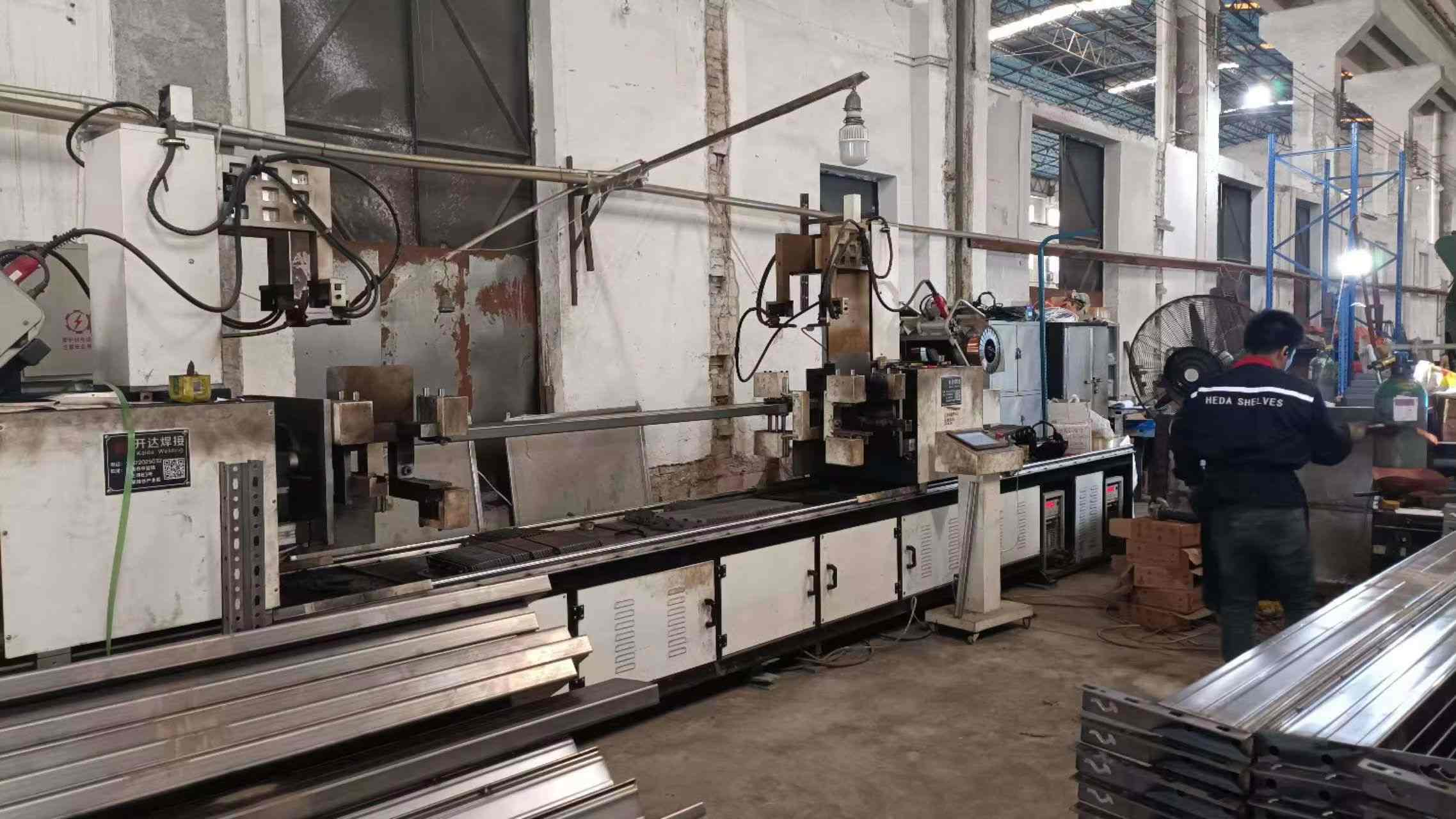
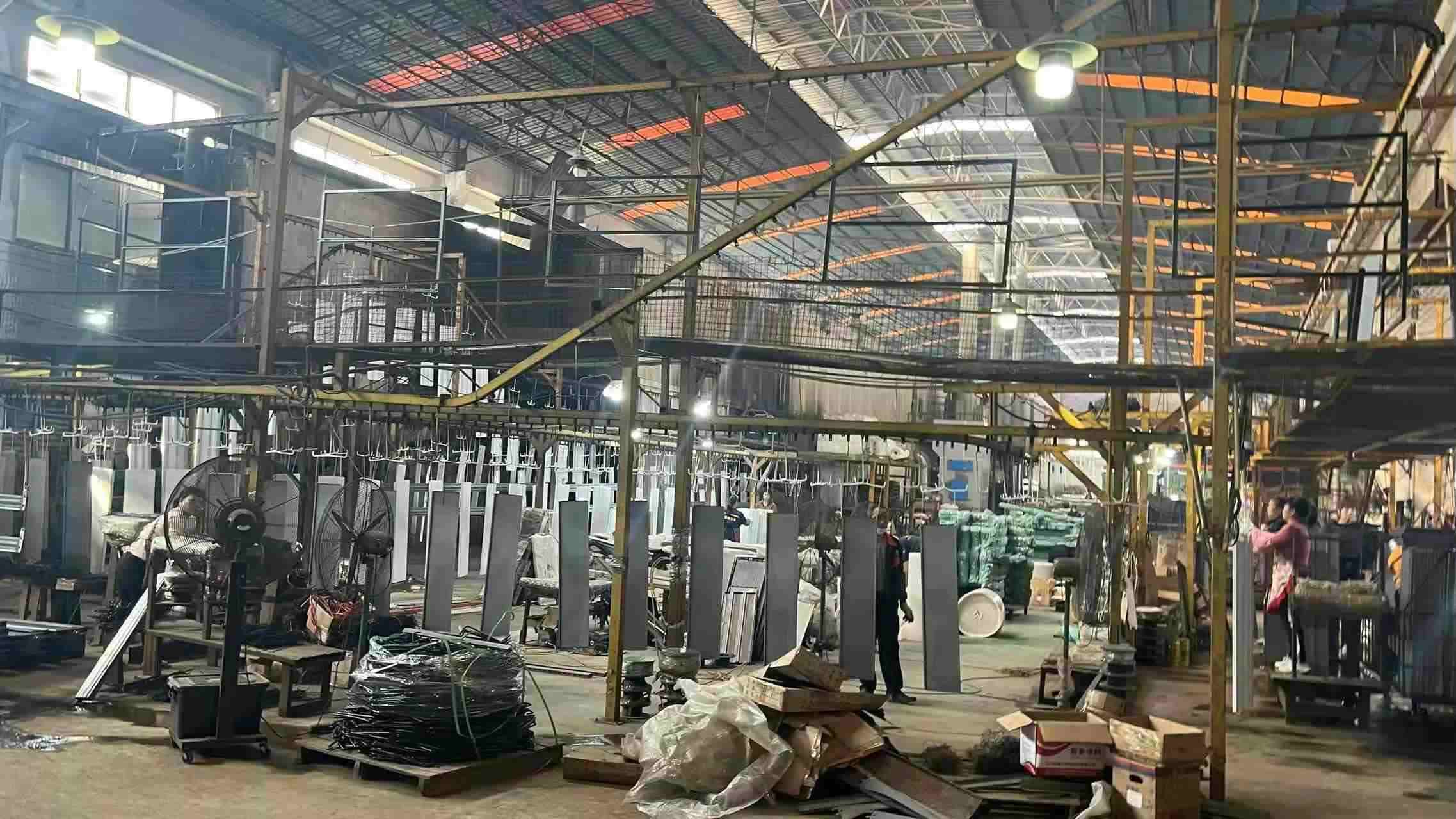
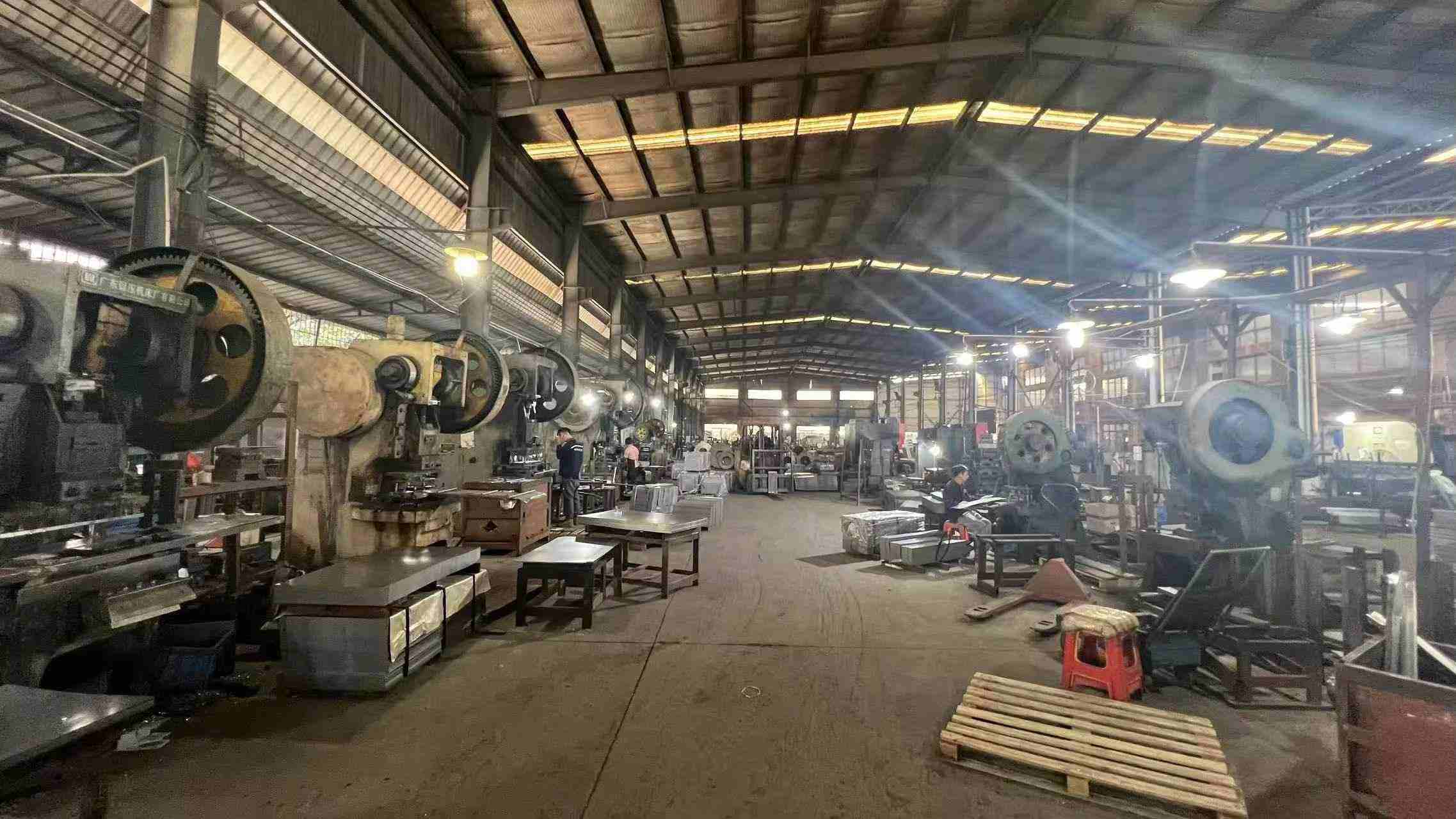
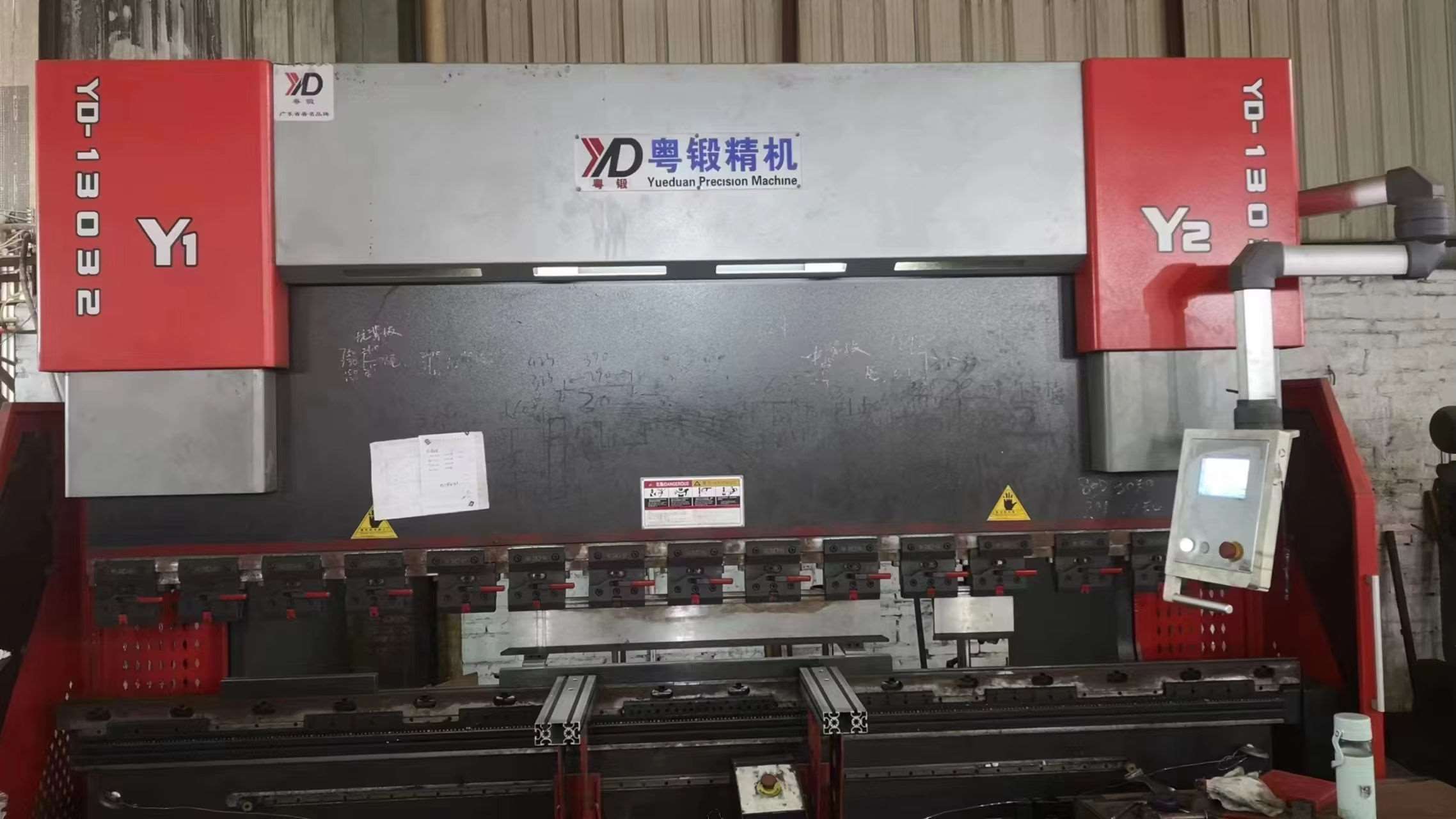
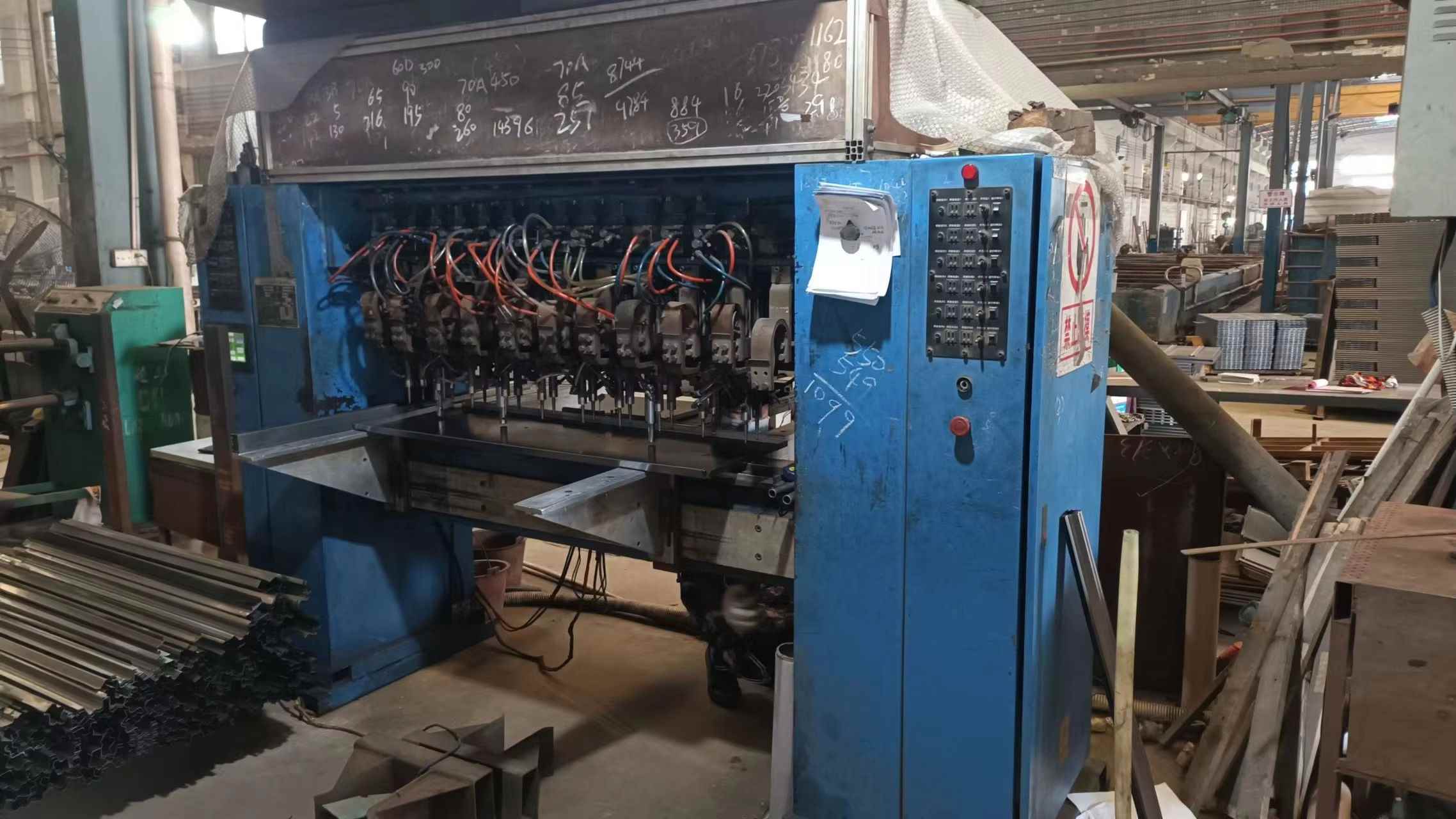
Our factory features fully automated steel profiling, robotic welding cells, and state-of-the-art metrology labs to ensure structural integrity across every production run. Review our end-to-end manufacturing and inspection process below:
Modern material handling demands smart engineering. Heda's R&D pipeline aligns with next-generation smart warehousing initiatives, transitioning structural metal shelving into integrated logistics nodes.
Leveraging high-yield strength structural carbon steel (like Q235B and Q355B) and optimized roll forming to minimize beam mass while increasing load deflection thresholds (L/200).
Integration of dynamic 4-way shuttles, high-speed stacker cranes, and automated racking tolerances tighter than ±1.5mm to eliminate manual loading errors.
Development of low-impact structural finishes including non-toxic, TGIC-free powder coatings, alongside high-performance hot-dip galvanization for cold environments down to -30°C.
Deploying built-in IoT stress gauges and impact sensors directly onto rack uprights to report real-time structural health and overload warnings to the warehouse management system.
Different industrial sectors require highly distinct storage topologies. An effective system design must align floor loads, material characteristics, safety clearance, and access frequency to select the optimal compartment setup.
Challenges: High SKU variety, constant turnover, micro-fulfillment operational needs.
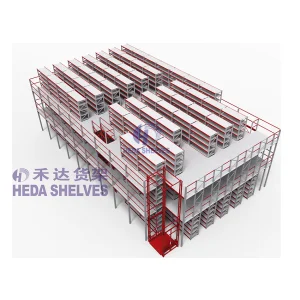
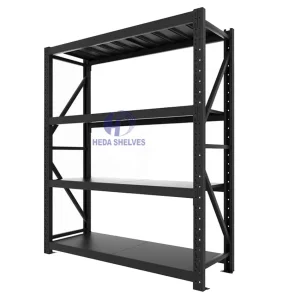
Solutions: Mezzanine floor structures combined with medium-duty boltless steel shelving. This doubles working footprint area without structural building alterations, accelerating selective manual order picking.
Challenges: High concentrated loads, structural safety risks, uneven packaging sizes.
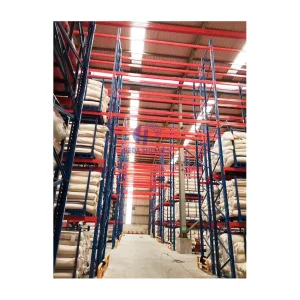
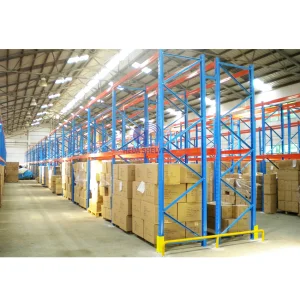
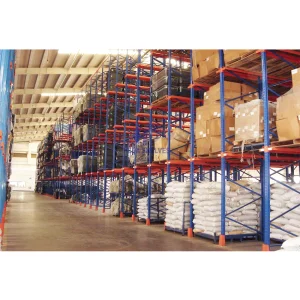
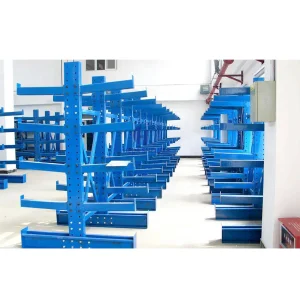
Solutions: Heavy-duty adjustable beam pallet racking alongside specialized cantilever structures for steel pipe and lumber. Includes seismic row spacers, column protectors, and frame footplates to resist forklift impacts.
Challenges: High cooling costs, fast cycle times, space optimization requirements.
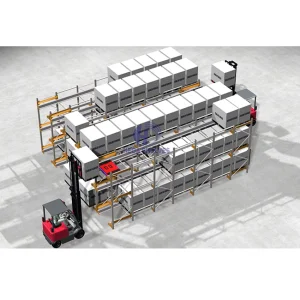
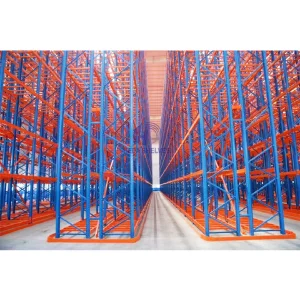
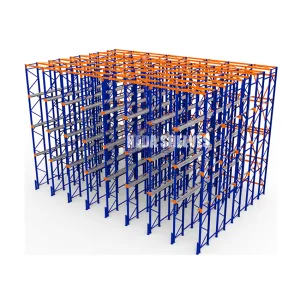
Solutions: 5-layer push-back pallet racks, drive-in structures, and 4-way shuttle integrations. These maximize pallet placement per cubic meter, minimizing the footprint requiring cooling.
Browse our range of high-load components engineered to industrial standards, featuring impact resistance, heavy gauge profiles, and optimized finishes.
In-depth answers to core engineering, procurement, and deployment questions regarding dynamic industrial storage installations.
 Hedaracking