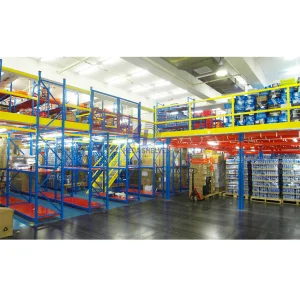
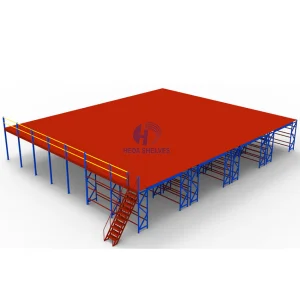
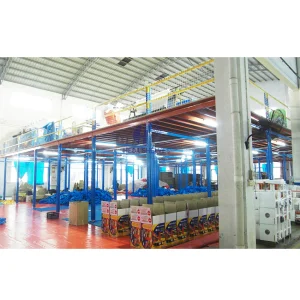
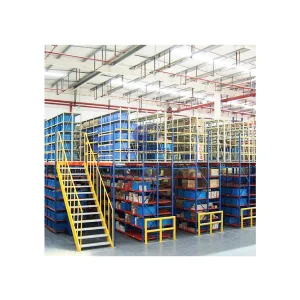
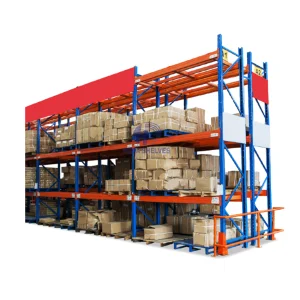
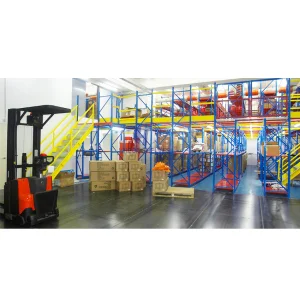
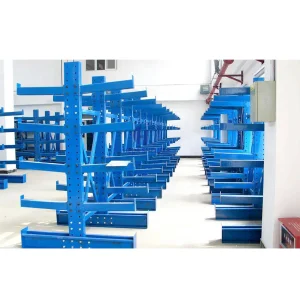
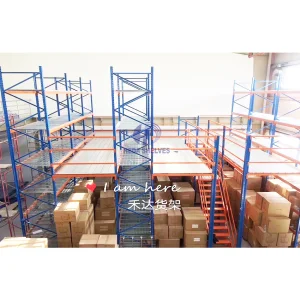
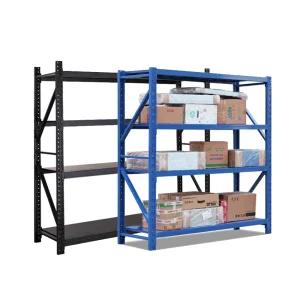
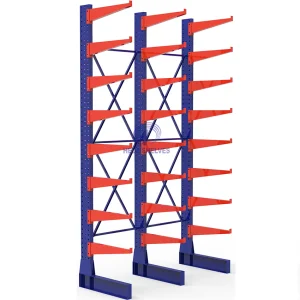
Premium heavy-duty industrial storage racks designed to maximize vertical square footage, improve storage density, and withstand severe loading conditions.
An authoritative industry whitepaper outlining the critical factors of structural optimization, modern supply chain mechanics, and manufacturing compliance.
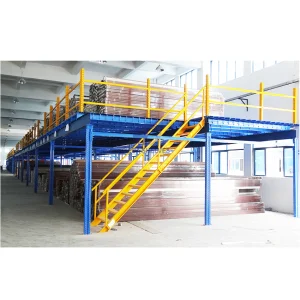
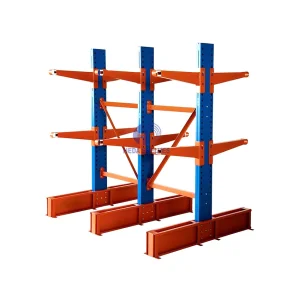
The global industrial warehousing landscapes are transitioning from traditional low-density configurations to ultra-high-density storage setups. Spurred on by soaring commercial real estate prices, industrial operations are maximizing vertical heights. Structural integrity has emerged as the pivotal factor when engineering multi-tiered mezzanine platforms and cantilever rack networks.
Current developments center on materials engineering, modular designs, and seamless system integrations. Cold chain facilities, automation hubs, and fast-turnaround distribution centers demand steel racking structures capable of withstanding dynamic operational forces. The reliance on structural steel grades (such as Q235B and Q355) coupled with advanced surface treatment operations ensures that modern rack assemblies are resistant to corrosion, mechanical shocks, and seismic stresses.
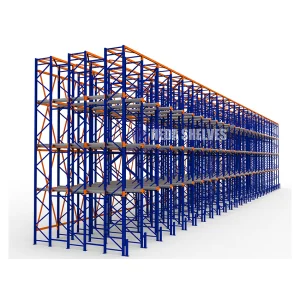
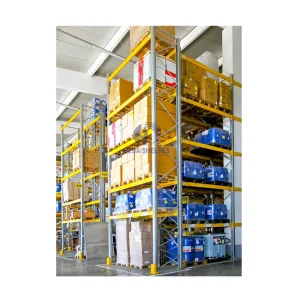
For multinational buyers, 3PL managers, and procurement managers, sourcing heavy-duty racking requires compliance with international standards such as RMI (Rack Manufacturers Institute) and EN guidelines. High-capacity pallet systems and structural cantilever components must undergo stress-analysis engineering. Load bearing limits, vertical deflection rates, and seismic resistance factors are critical details when selecting suppliers.
Established in 2014, Shenzhen Heda Warehouse Equipment Co., Ltd. is a premier manufacturer specializing in heavy-duty warehouse racking and industrial storage solutions. Spanning a modern manufacturing facility of 35,000 m², our enterprise integrates R&D, design, production, and international marketing to serve diverse storage needs worldwide. With 12 years of industry experience and 8 years of dedicated export expertise, we deliver high-caliber storage systems that generate over $28 million in annual export revenue.
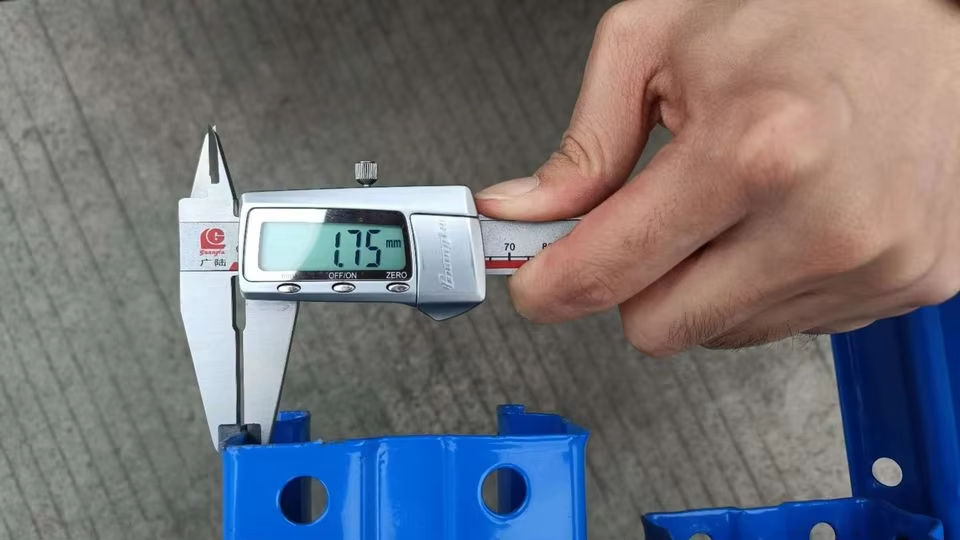
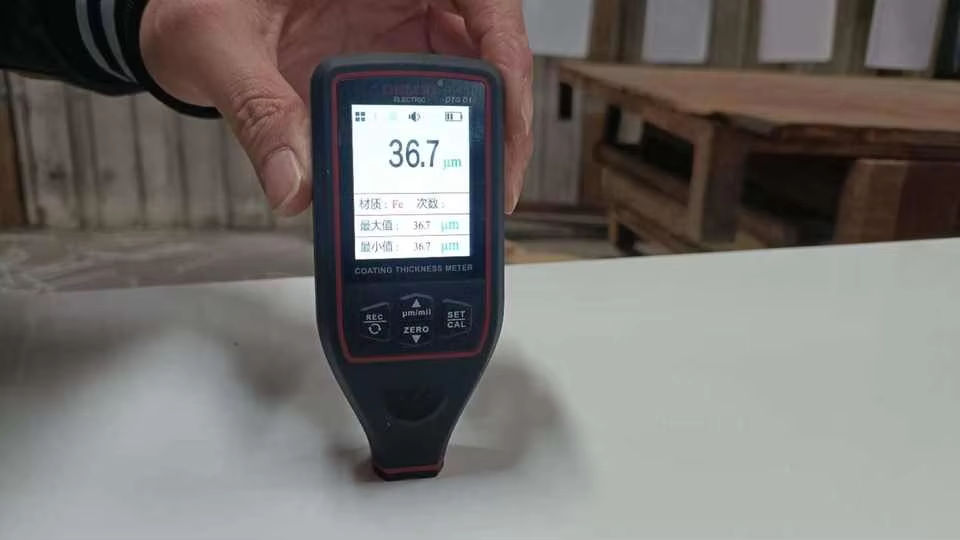
At Heda, quality control and engineering innovation drive our core operations. Our robust QC department comprises 45 skilled inspectors utilizing rigorous testing methods, including raw material tensile testing, automated weld flaw detection, layer load-bearing stress analysis, and salt spray surface corrosion testing. Supported by a professional R&D team of 28 senior structural engineers, we maintain strong full-customization capabilities (OEM/ODM)—offering tailored rack dimensions, load capacities, surface coatings, and layout designs. Driven by continuous innovation, we launched over 120 new dynamic storage products and component upgrades last year.
Operating with a strong direct-factory and international trade background, we have built a resilient ecosystem supported by over 800 supply chain partners. Our products are exported to major global markets, including North America, Western Europe, Southeast Asia, and the Middle East. We proudly serve a diverse clientele ranging from third-party logistics (3PL) providers and large distribution centers to industrial manufacturers and wholesale equipment distributors.
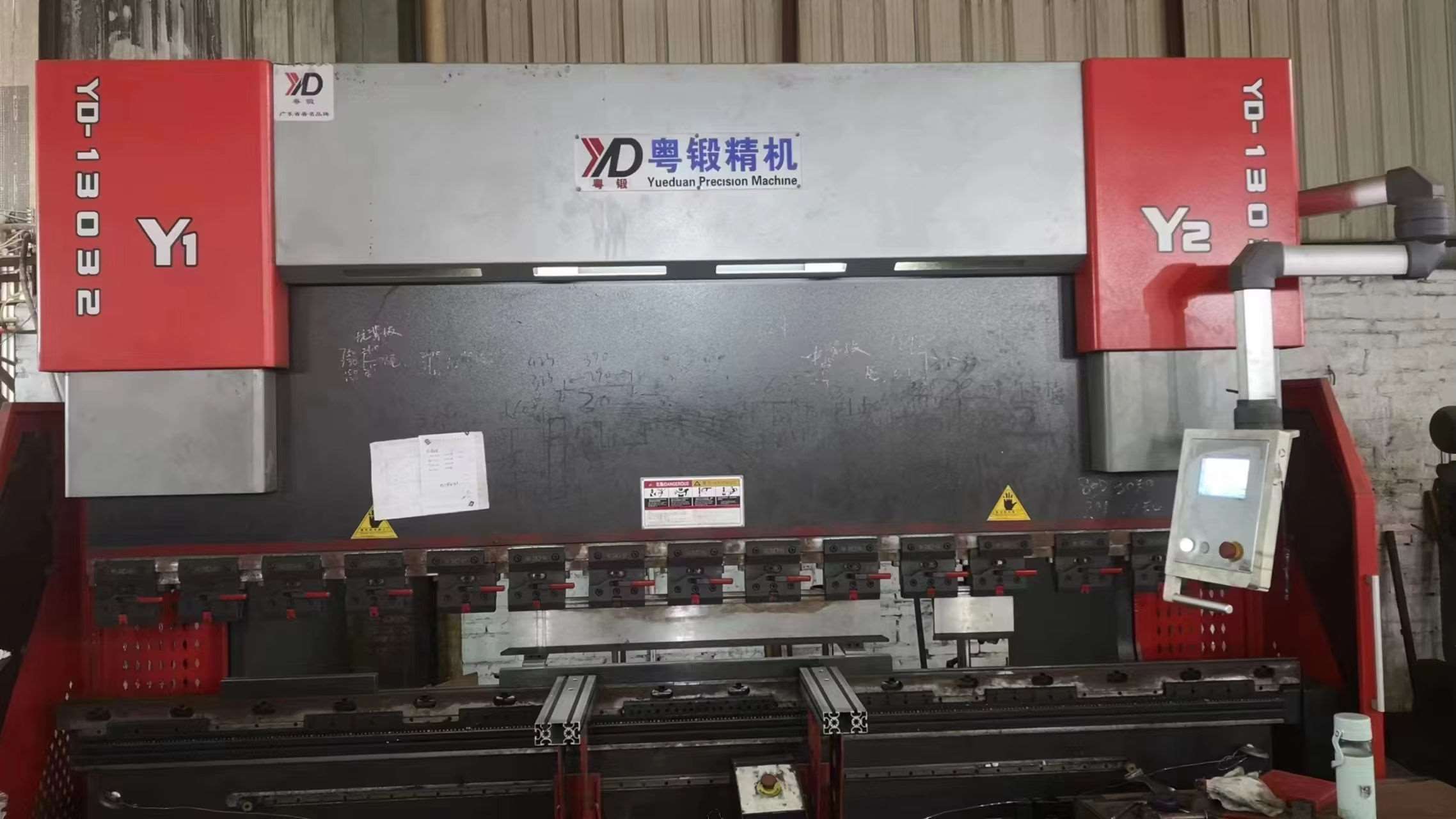
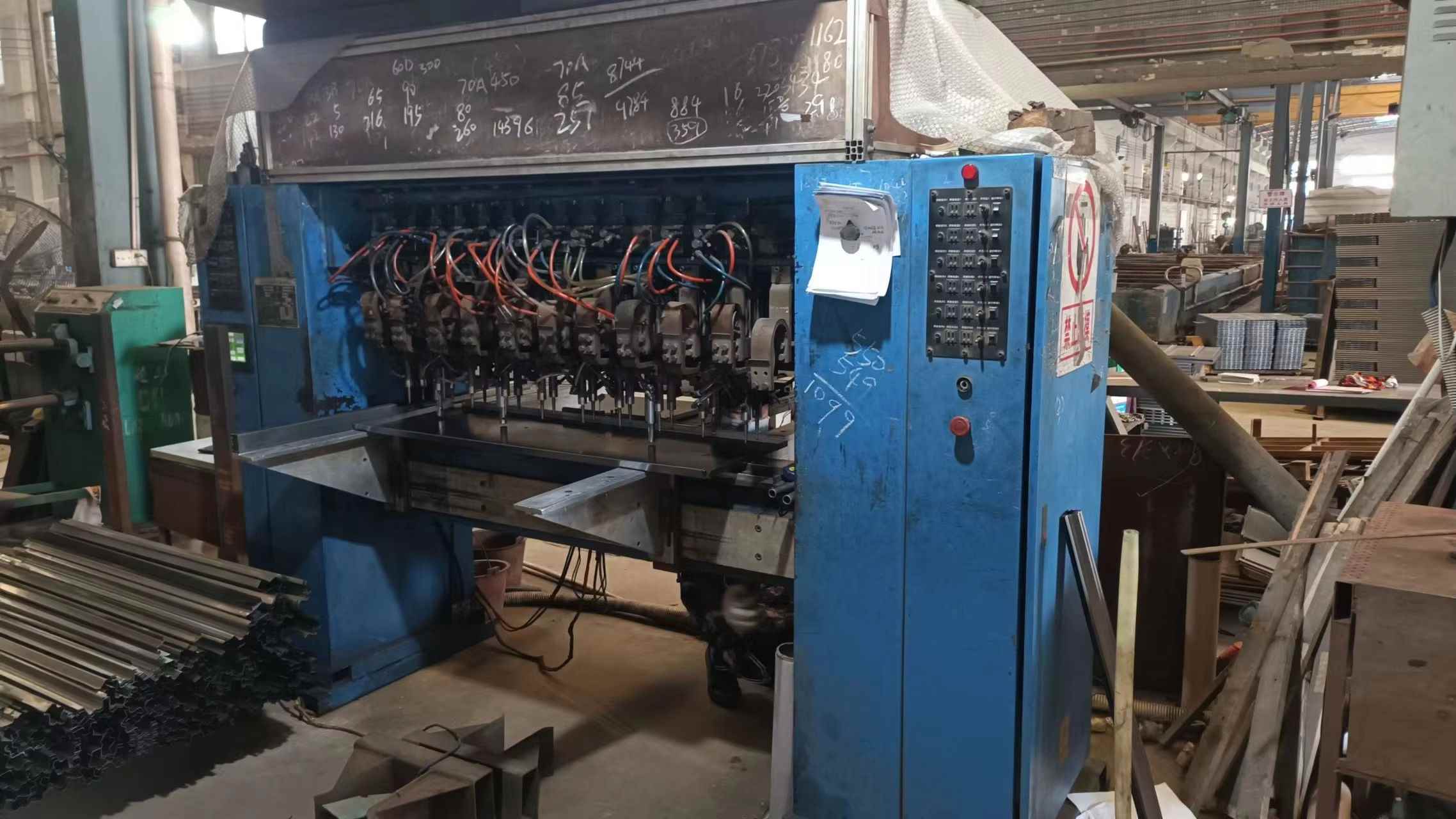
Inside our 35,000m² high-efficiency plant. Our manufacturing workflow utilizes advanced automation and stringent quality control protocols at each stage.
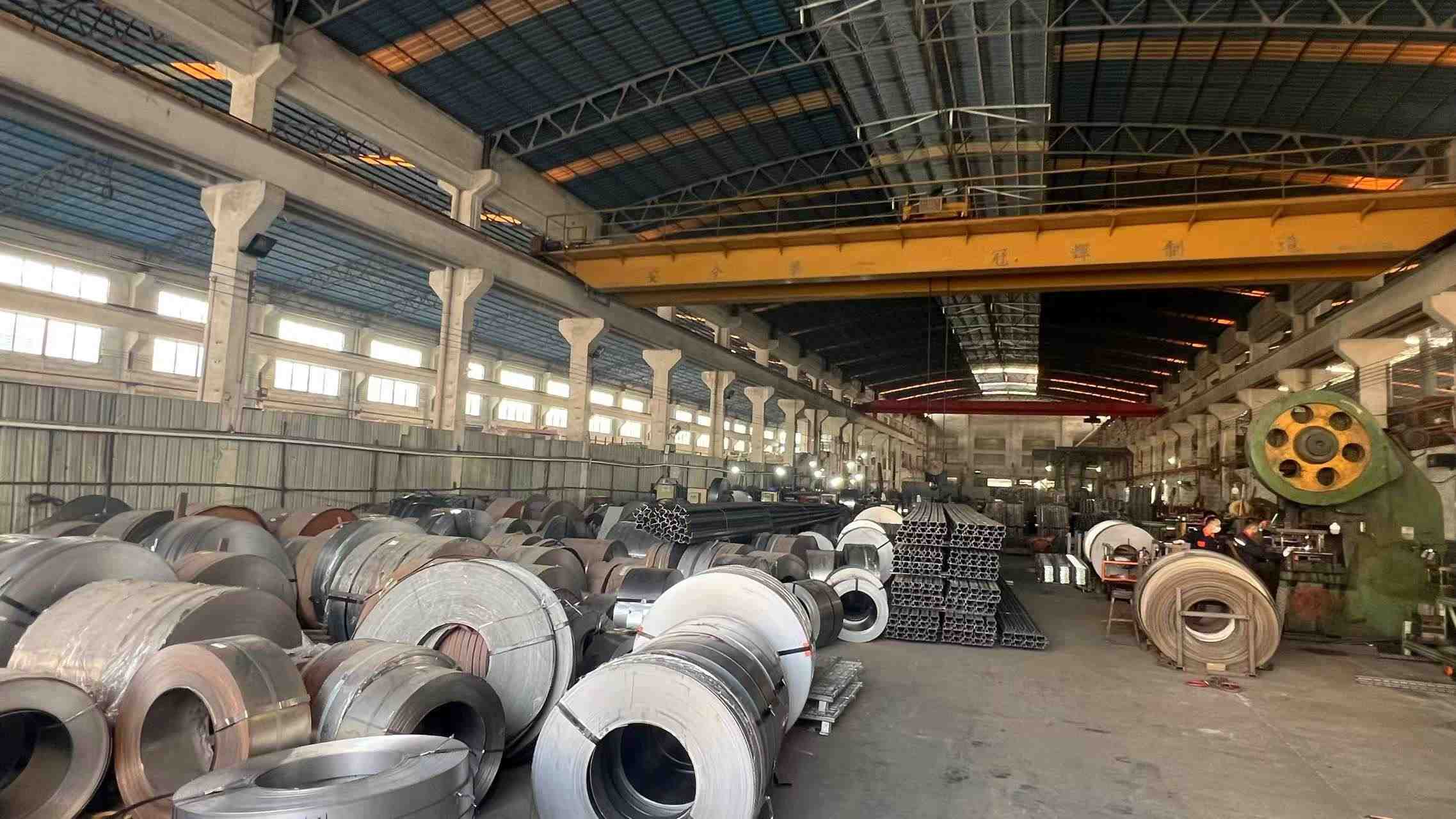
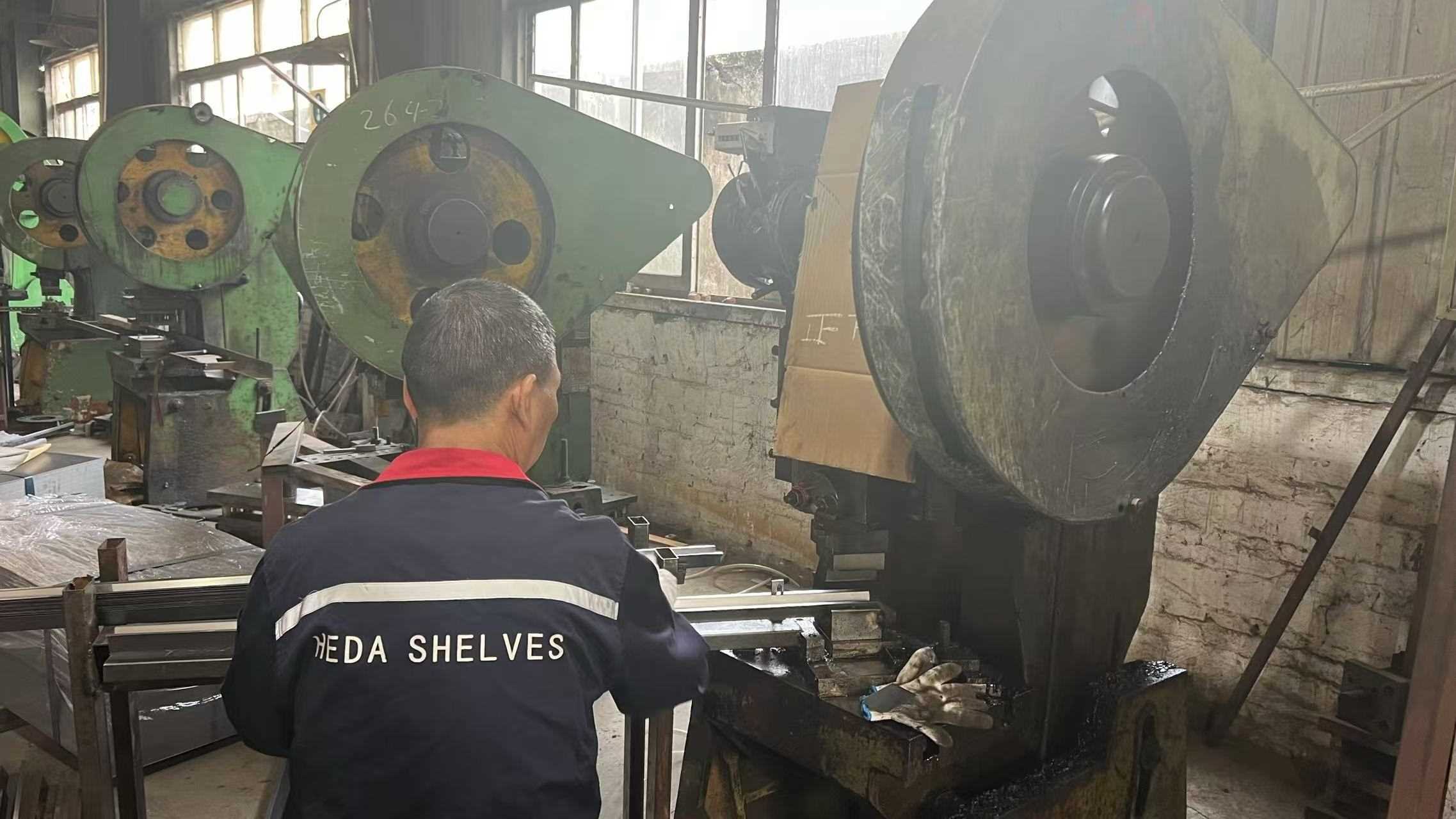
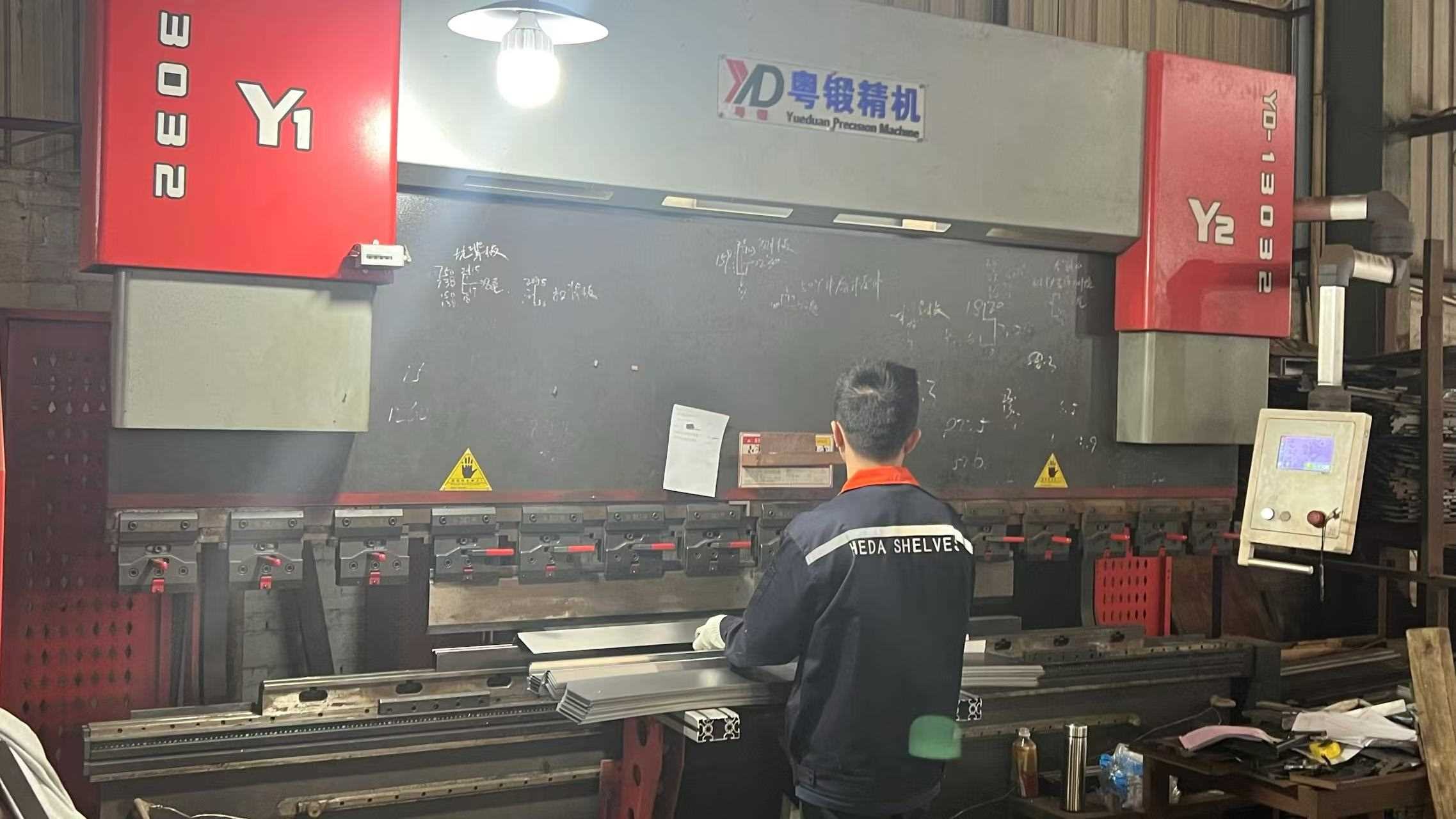
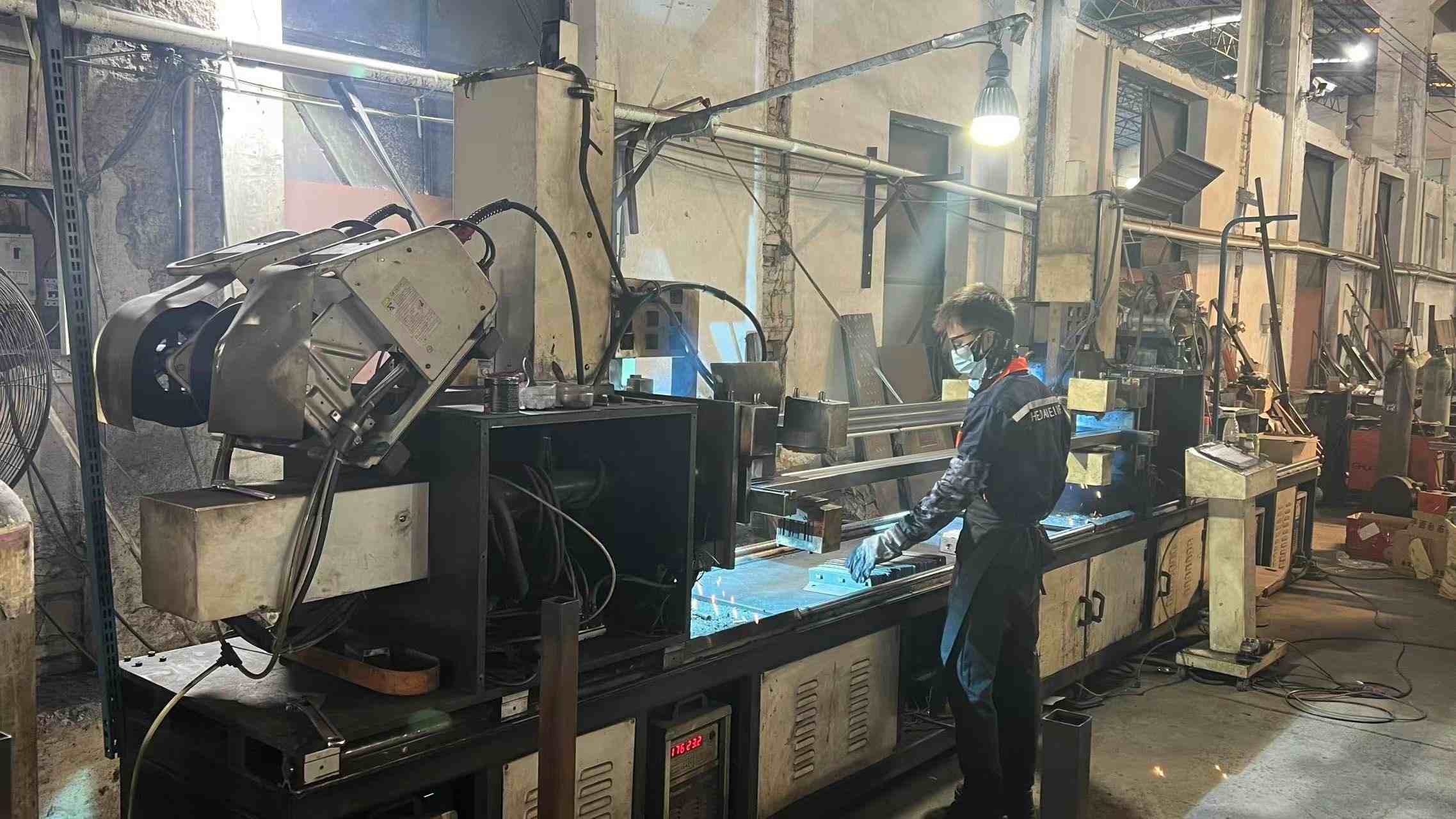
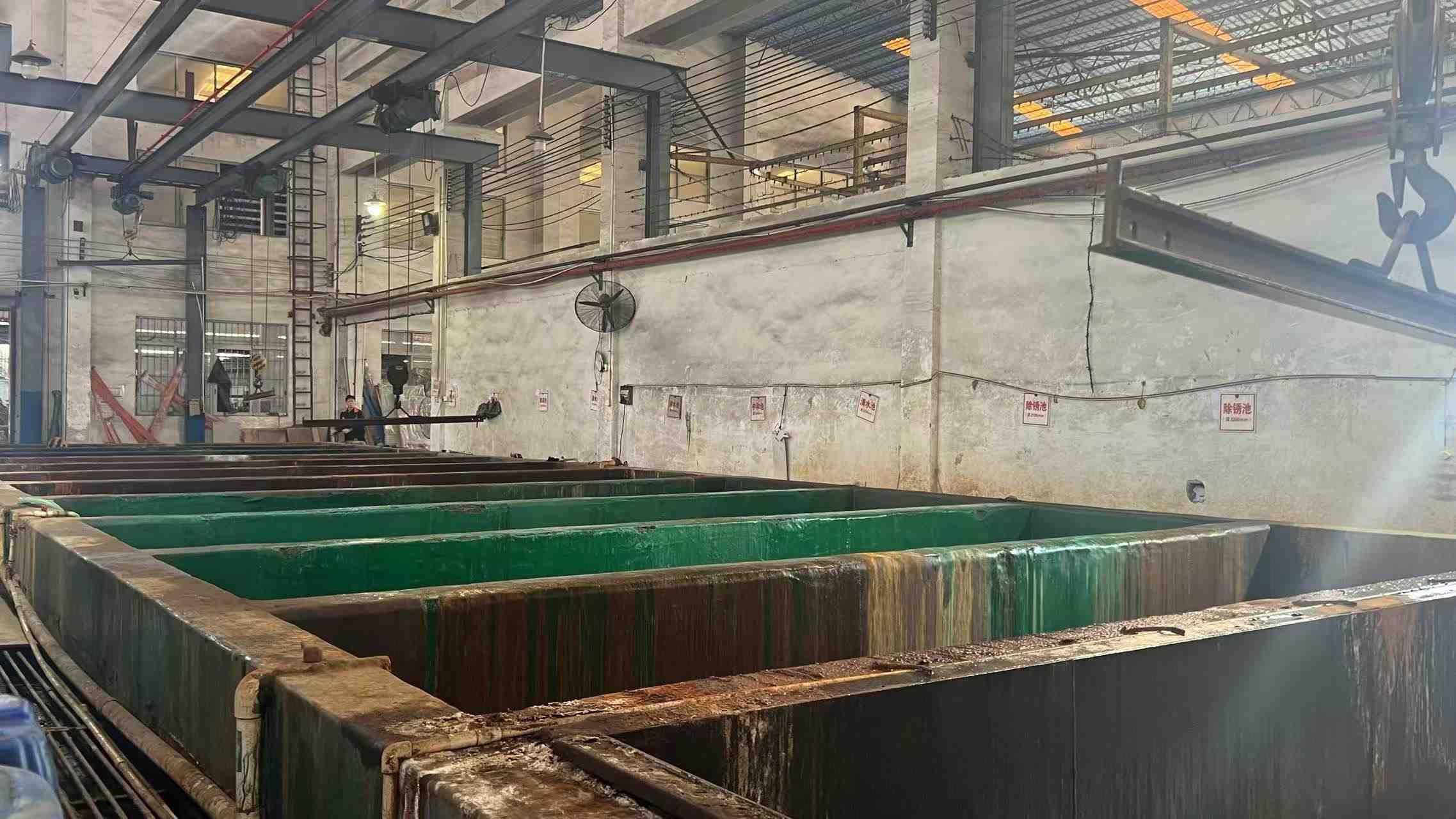
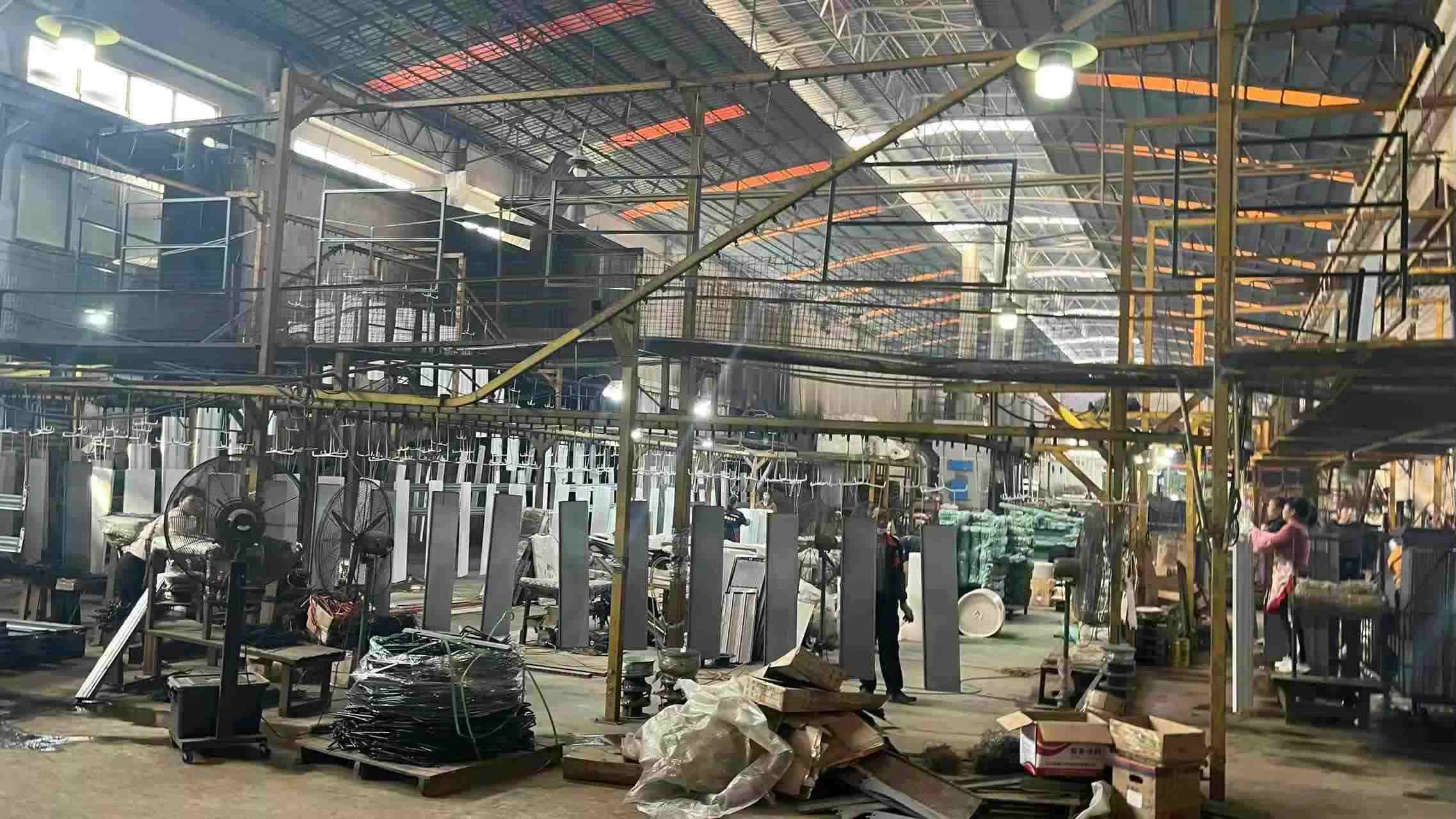
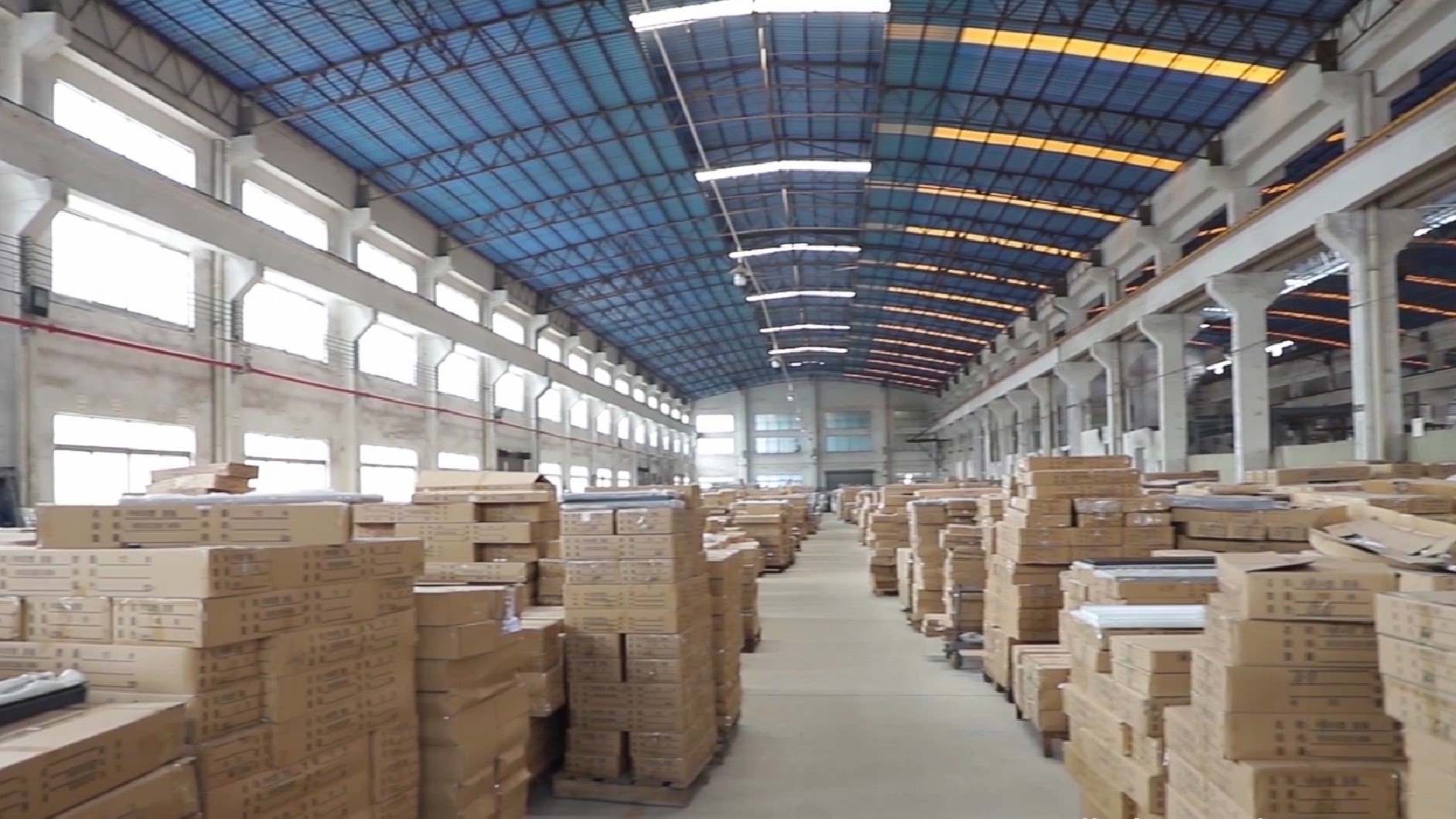
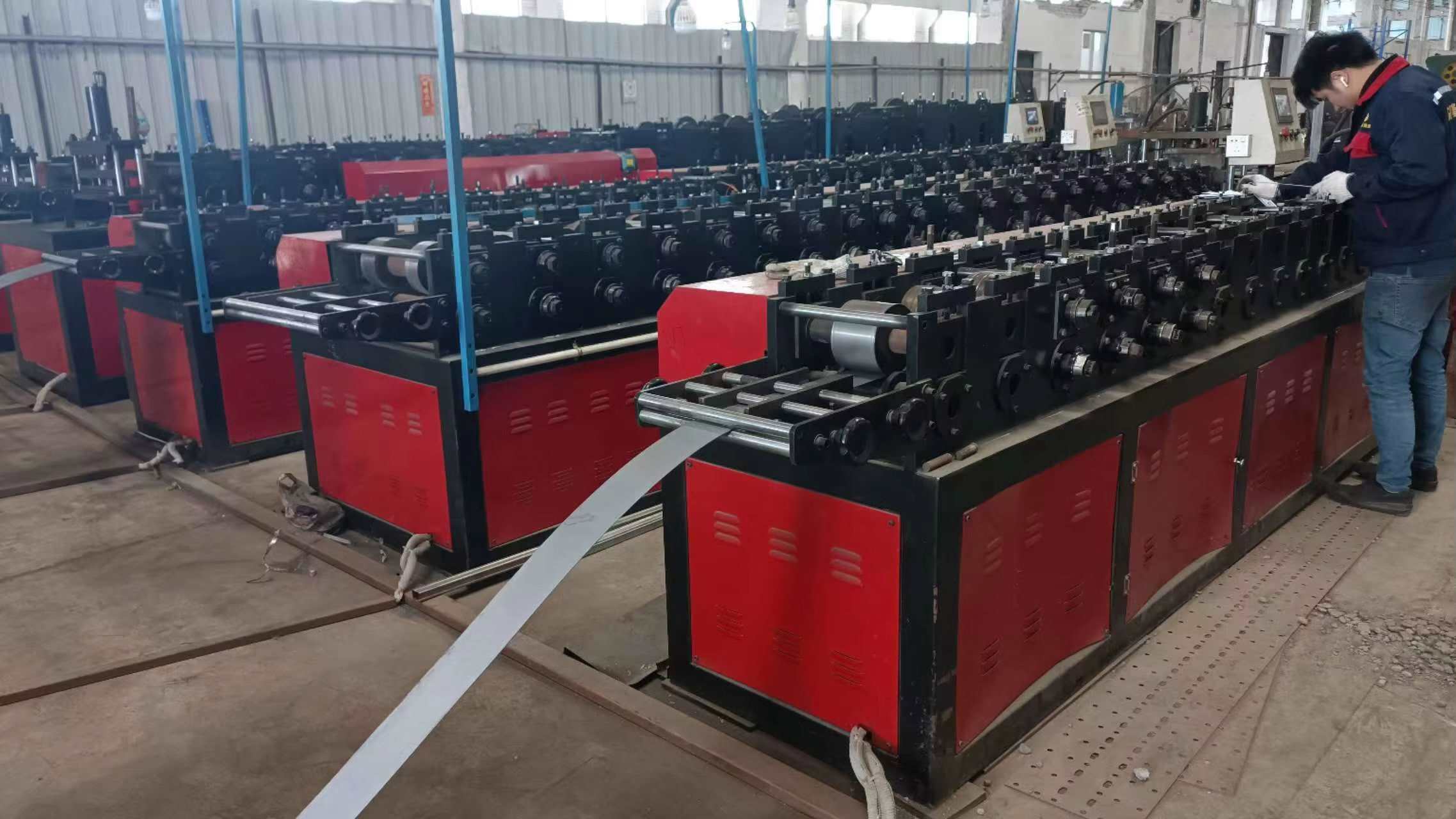
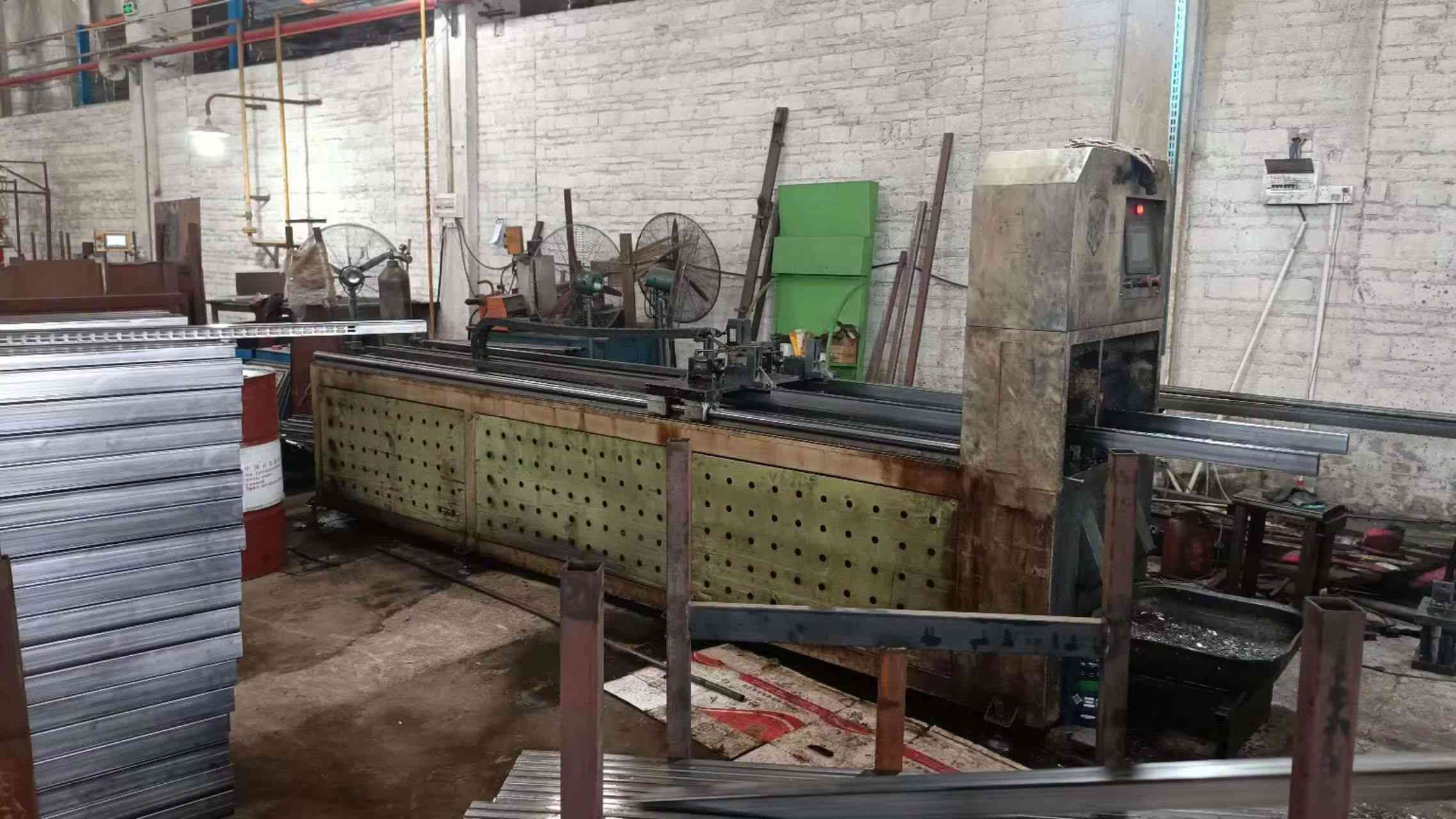
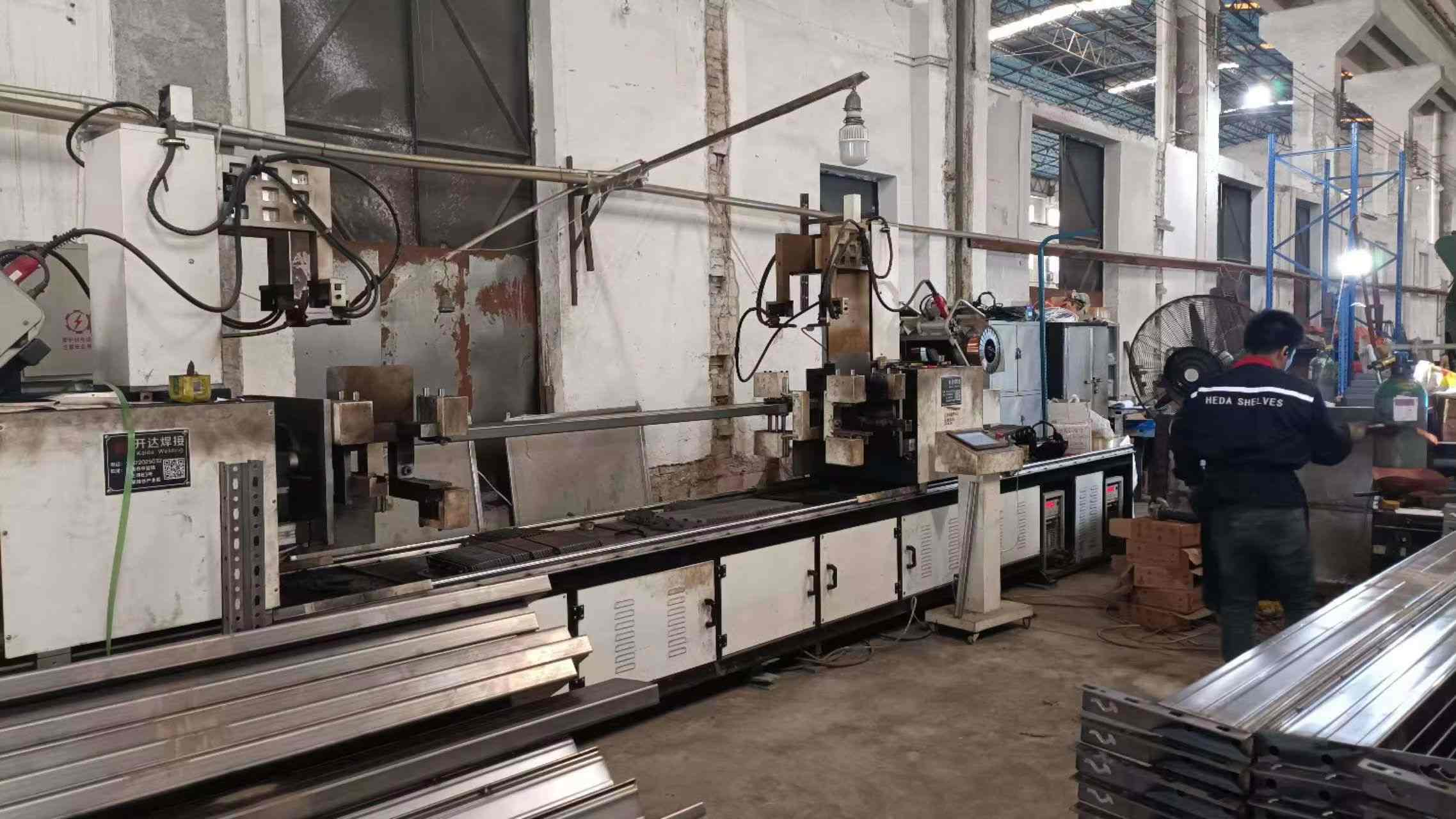
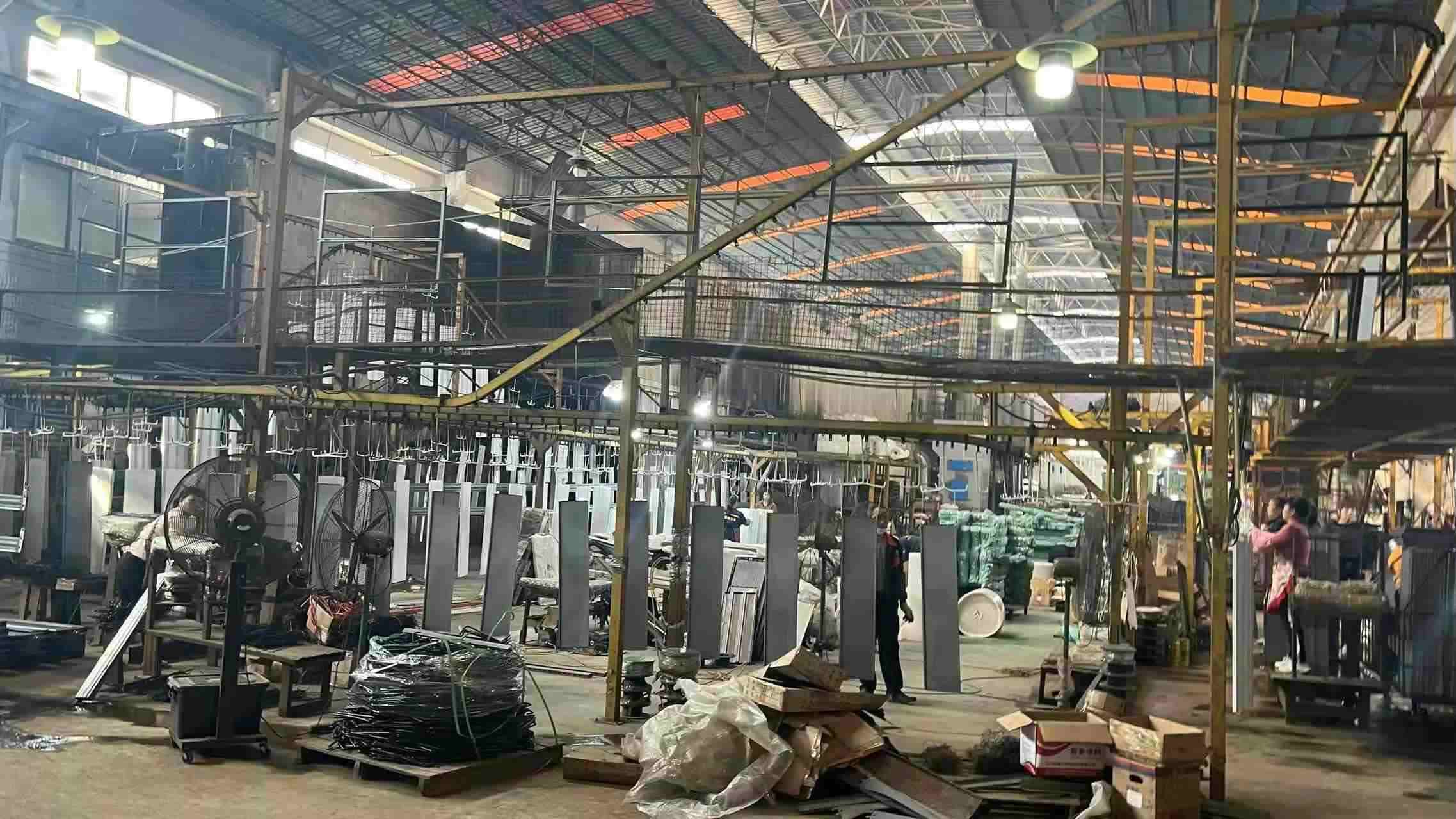
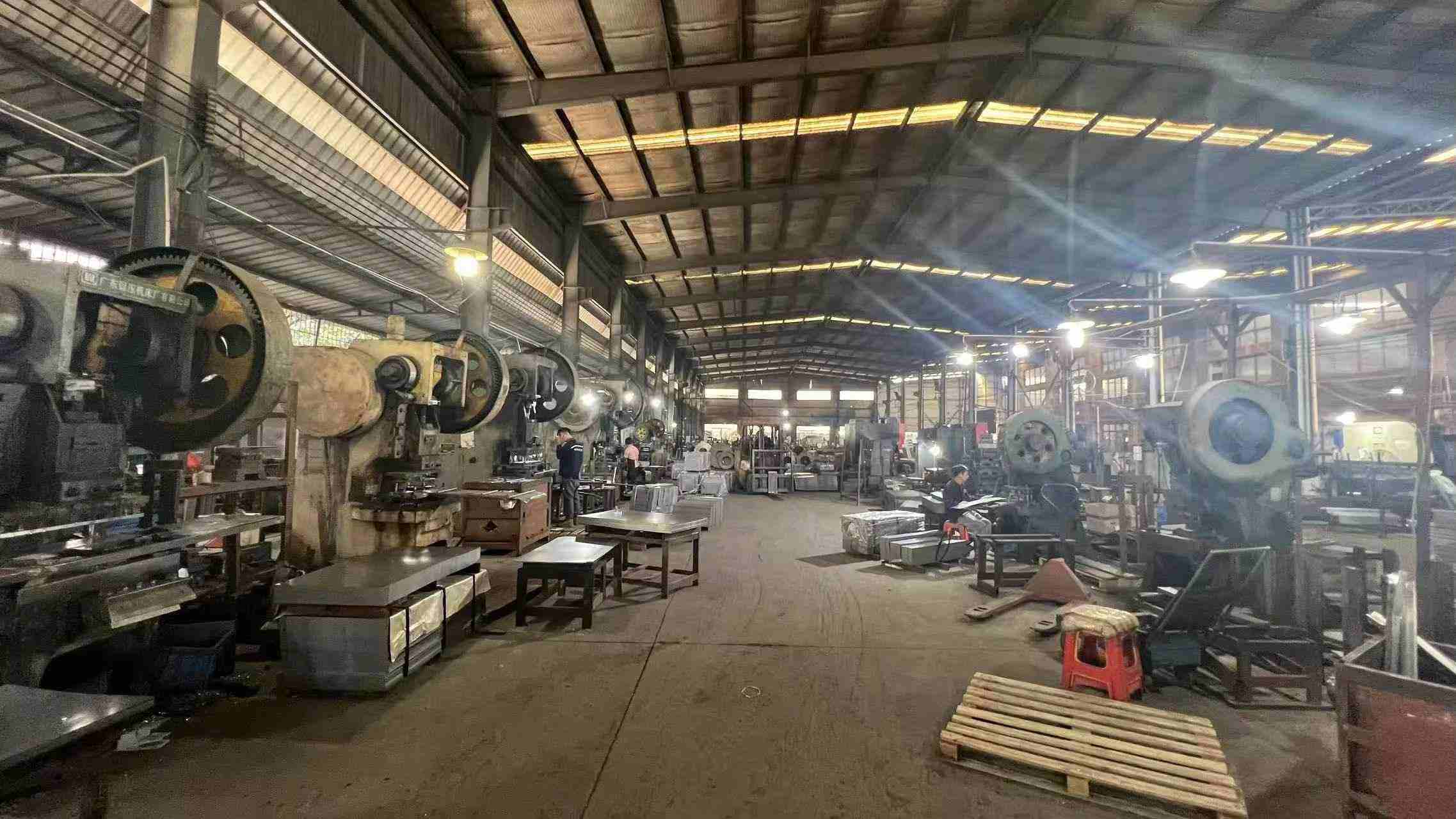
Heavy-duty industrial storage must balance density and accessibility. Different configurations address specific inventory profiles and load dynamics:
Heavy-duty storage systems must be customized to suit different operational environments and regional standards:
North American Logistics Centers: High-throughput 3PL hubs utilize selective racking and mezzanine floors. These setups demand compliance with RMI standards, load plaque displays, and durable structural impact guards to protect columns from forklift collisions.
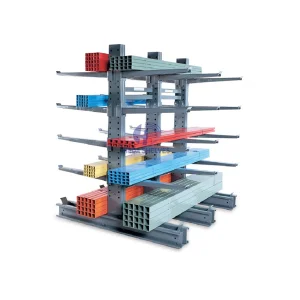
Western European Manufacturing Hubs: Precision automotive and equipment assembly plants deploy custom cantilever racks and longspan shelving. Focus is placed on ergonomics, safety certifications, and modular layouts that allow for rapid reconfiguration.
Southeast Asian Distribution Operations: High-humidity environments require robust anti-corrosion protection. Pre-treatment processes like acid-washing and electrostatic powder coatings prevent oxidation, extending the life of the storage structures.
Technical guidance and answers to key questions surrounding compliance, load limits, and system customization.
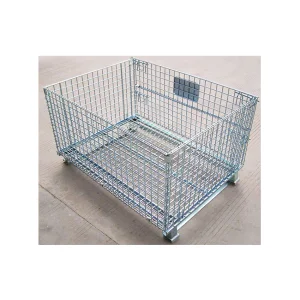
Explore our heavy-duty structural cantilever systems, wire mesh containment, and longspan steel shelving configurations designed for demanding cargo profiles.
 Hedaracking