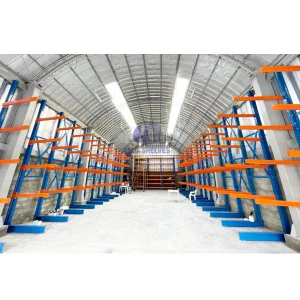
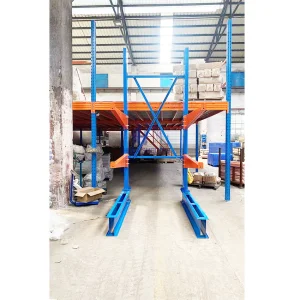
Cantilever Racking Manufacturers & Storage Engineering serving the Houston Market

Heavy-duty industrial storage systems engineered for oil & gas, steel logistics, and bulk manufacturing operations across the Texas Gulf Coast.

Get Custom Engineering Quote

Houston Market Industrial Storage Needs: Structural Analysis

The Houston-The Woodlands-Sugar Land metropolitan area stands as the primary energy and manufacturing powerhouse of the Gulf Coast. Unlike standard commercial warehousing, which typically utilizes conventional pallet storage systems, the region's concentration of oilfield service facilities, steel fabrication yards, tube milling operations, and petrochemical refineries calls for specialised storage solutions. Storing non-standard, heavy, and extremely long raw materials requires the structural robustness of high-capacity cantilever racking systems.

SEO Insight & Engineering Reality: Storage systems designed for coastal environments, such as Houston, must account for specific soil dynamic profiles (often clayey soil structures) and wind load requirements. In coastal regions, design engineers must calculate horizontal lateral force coefficients to ensure safety in hurricane-prone zones, adhering strictly to ASCE 7 and RMI (Rack Manufacturers Institute) guidelines.

1. Customization and Dynamic Load Capacity Design

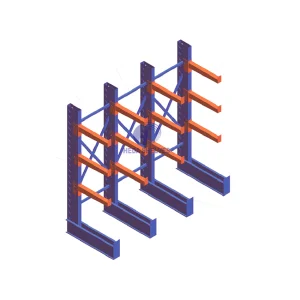
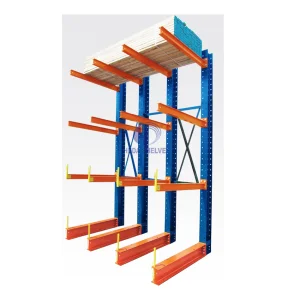
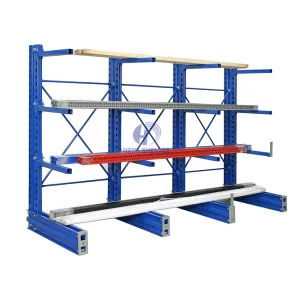
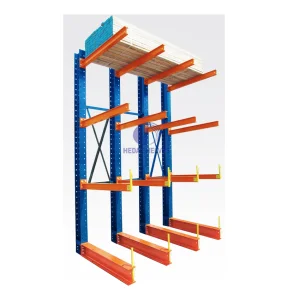
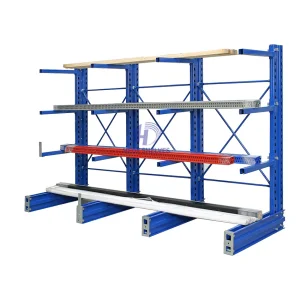
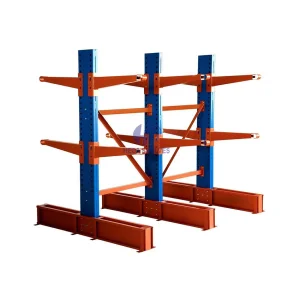
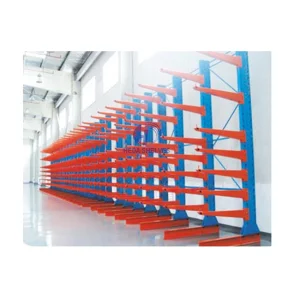
Cantilever racking systems rely on free-standing columns that support load-bearing arms without the interference of front vertical columns. This design facilitates the loading and unloading of long, uninterrupted materials, such as pipe bundles, structural steel beams, timber packets, and machinery components. Engineering such structures involves careful calculation of key design parameters:

  • Bending Moment Capacity of the Arm: Evaluated using finite element analysis (FEA) to confirm that arms will not suffer permanent deflection under full-rated loads.
  • Column Torsional Rigidity: Designed to withstand the torsion generated by asymmetrical single-sided loading.
  • Upright Column Height & Base Anchoring: Requiring heavy-duty structural anchors to concrete foundations, often incorporating thick baseplates to distribute massive loads safely to the slab.

2. High-Strength Steel and Anti-Corrosion Options for Coastal Settings

The hot, humid climate of the Gulf Coast, combined with chemical exposure in oil and gas yards, demands heavy-duty structural steel with robust surface treatments. Standard powder coatings can degrade over time, leading to oxidation. That is why Shenzhen Heda Warehouse Equipment Co., Ltd. provides advanced options:

  • Q235B and Q345B Carbon Structural Steel: Sourced from trusted steel mills, offering the yield strength required to handle extreme load conditions.
  • Hot-Dip Galvanized (HDG) Coatings: Designed to resist rust and corrosion in outdoor steel fabrication yards and coastal staging facilities.
  • Electrostatic Powder Coating: Utilizing high-grade outdoor-grade polyester powders that undergo multi-stage chemical pretreatment, including acid-washing and parkerizing, for a durable finish.

Heda's Key Capabilities

Shenzhen Heda Warehouse Equipment Co., Ltd. delivers high-performance storage solutions tailored to global and local requirements.


35,000 m²
Modern Production Base
45 Professional QC Inspectors
Strict Quality Testing Protocols
28 Senior Structural Engineers
Custom OEM/ODM System Layouts
$28M+ Annual Export Revenue
Global Distribution & Supply Chains
Send Inquiry Now

Global and Regional Industrial Trends

The development of modern warehouse systems is driven by structural safety, automation, and spatial optimization.

12+
Years Industry Experience
120+
New Products Developed Annually
800+
Supply Chain Partners
35k
Square Meter Facility

Industrial racking systems are evolving past static steel structures. The modern global supply chain relies on spatial density, safety tracking, and automated material handling. For operations in Houston, this translates to integration with heavy-duty side-loaders, automated guided vehicles (AGVs), and crane systems designed for structural pipe and bar stock.

Additionally, regional safety regulations (OSHA 1910.176) place responsibilities on warehouse operators to maintain certified capacities for storage racks. Our manufacturing process incorporates strict quality control checks to meet these safety requirements, providing design documents, certified load calculations, and durable labelling to ensure site safety during audits.

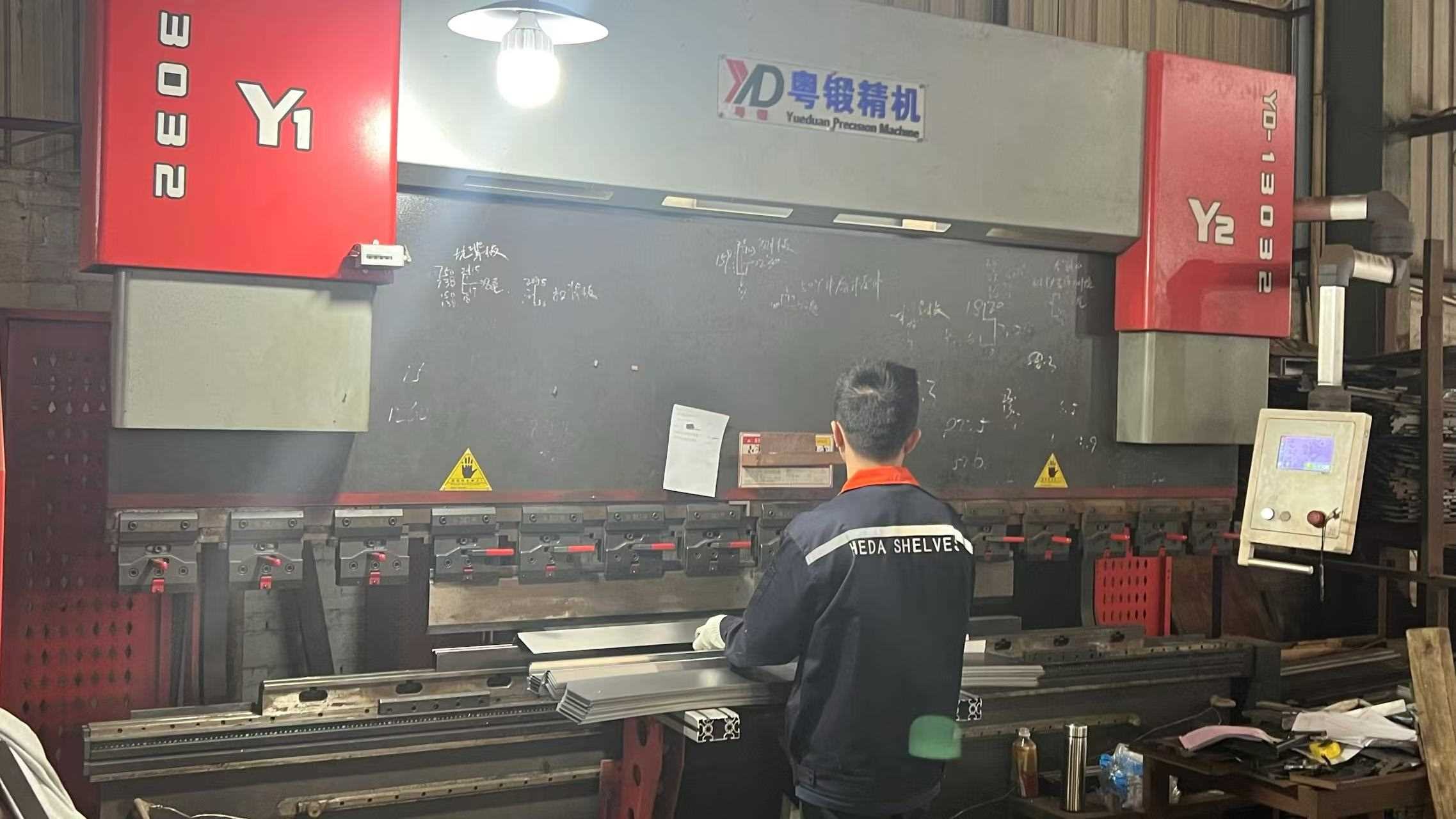
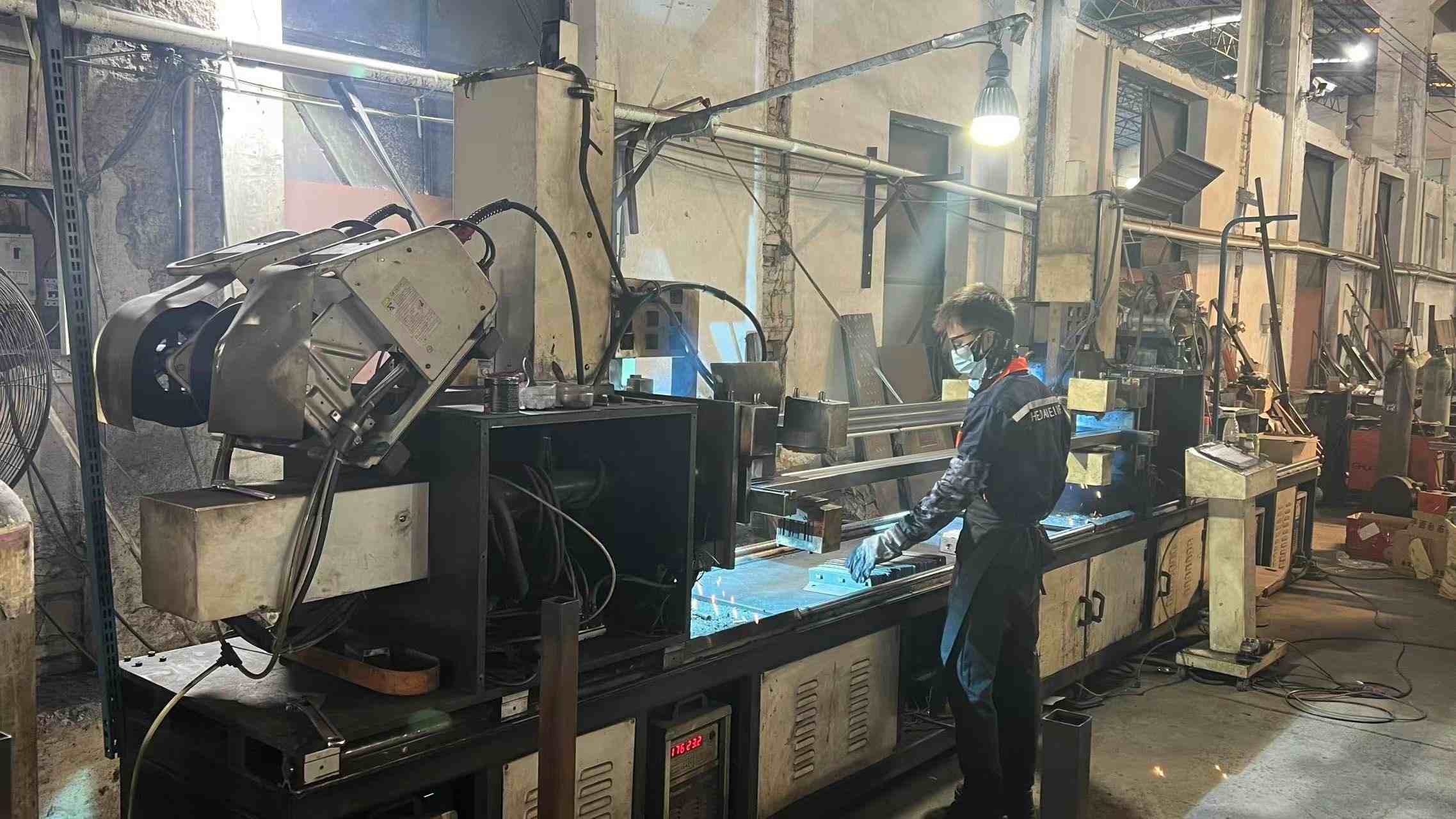
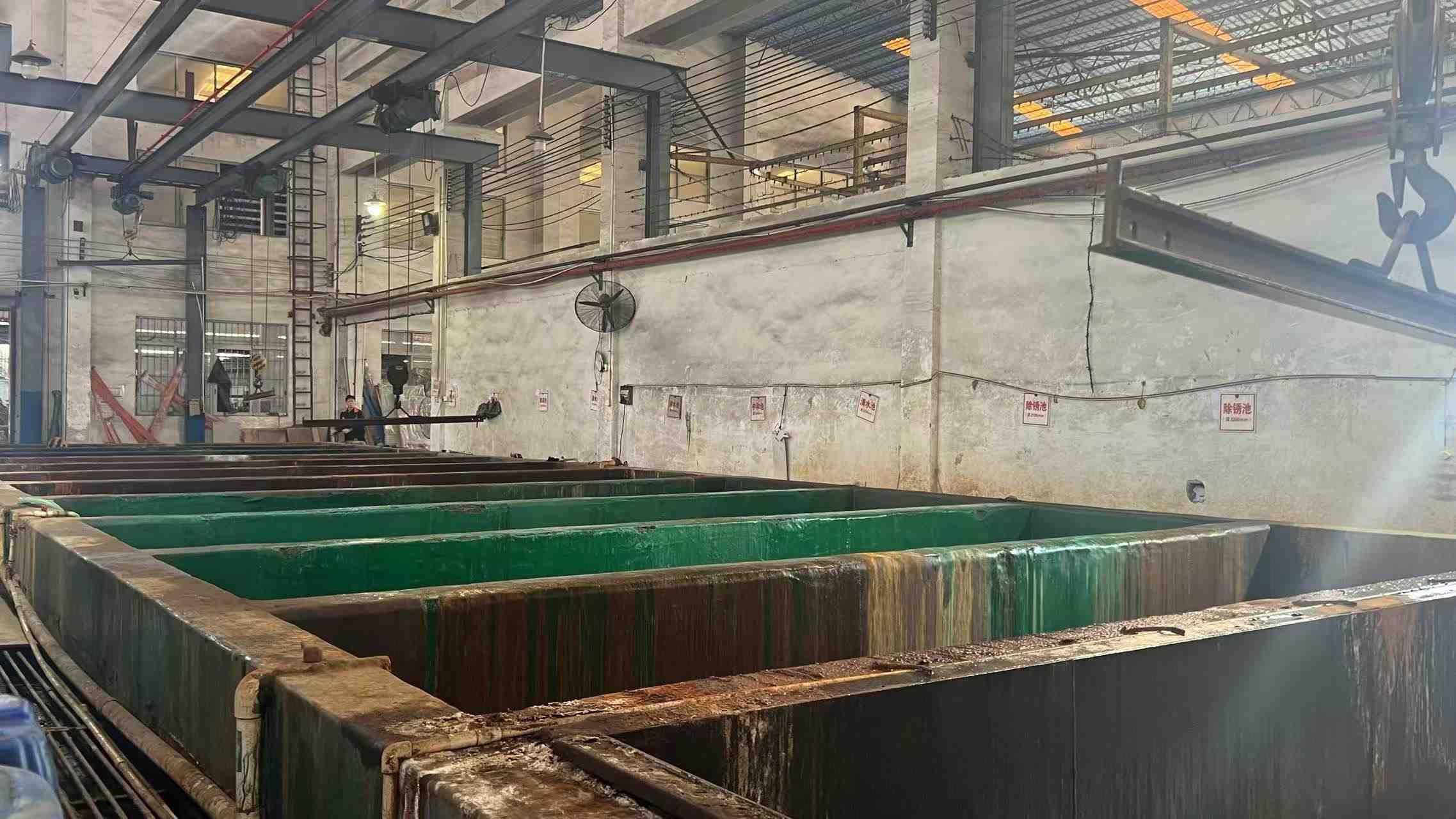
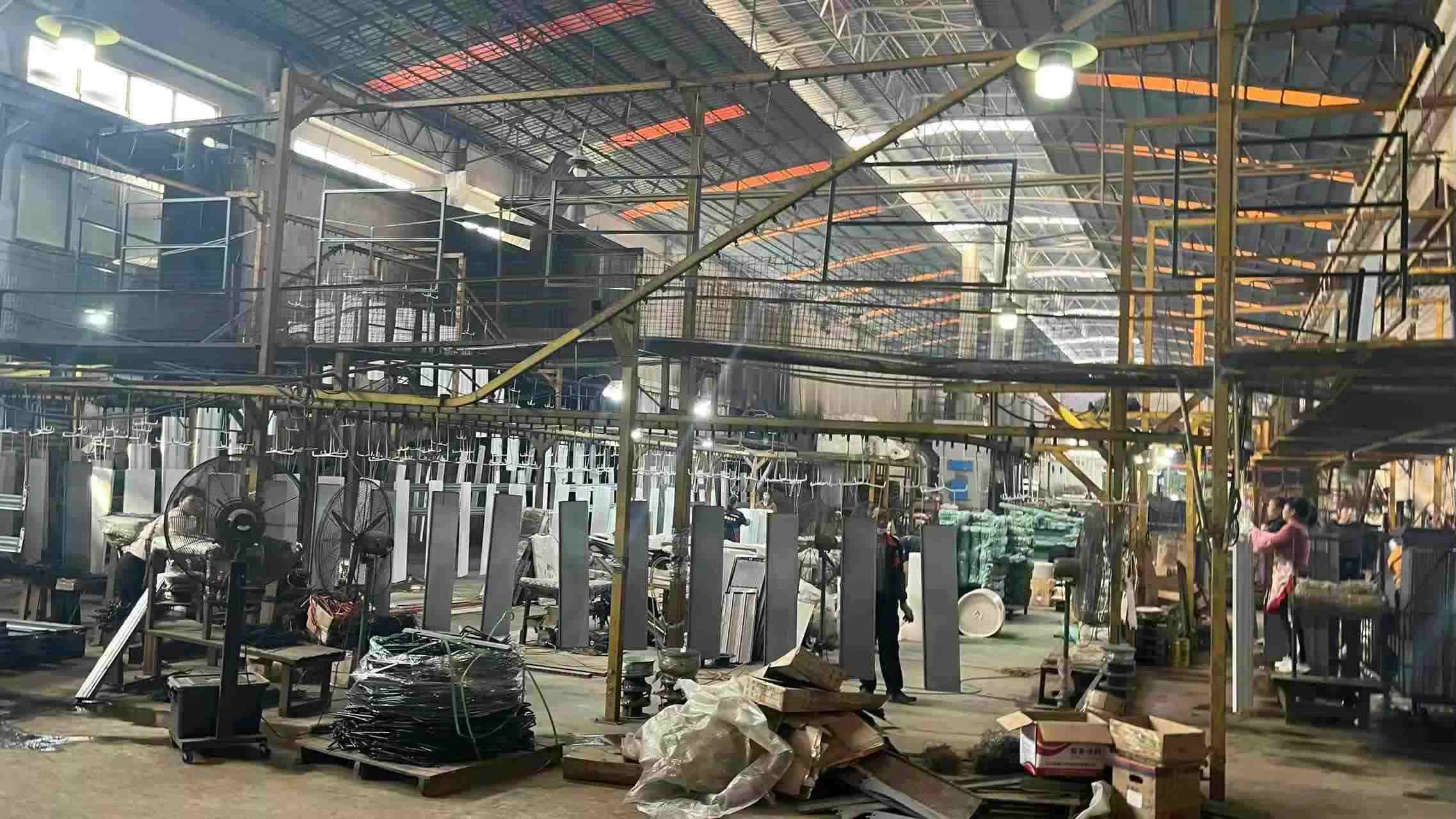
Our High-Precision Manufacturing & Quality Control Flow

Every step in our production line is carefully monitored to deliver heavy-duty racks built for longevity and structural safety.
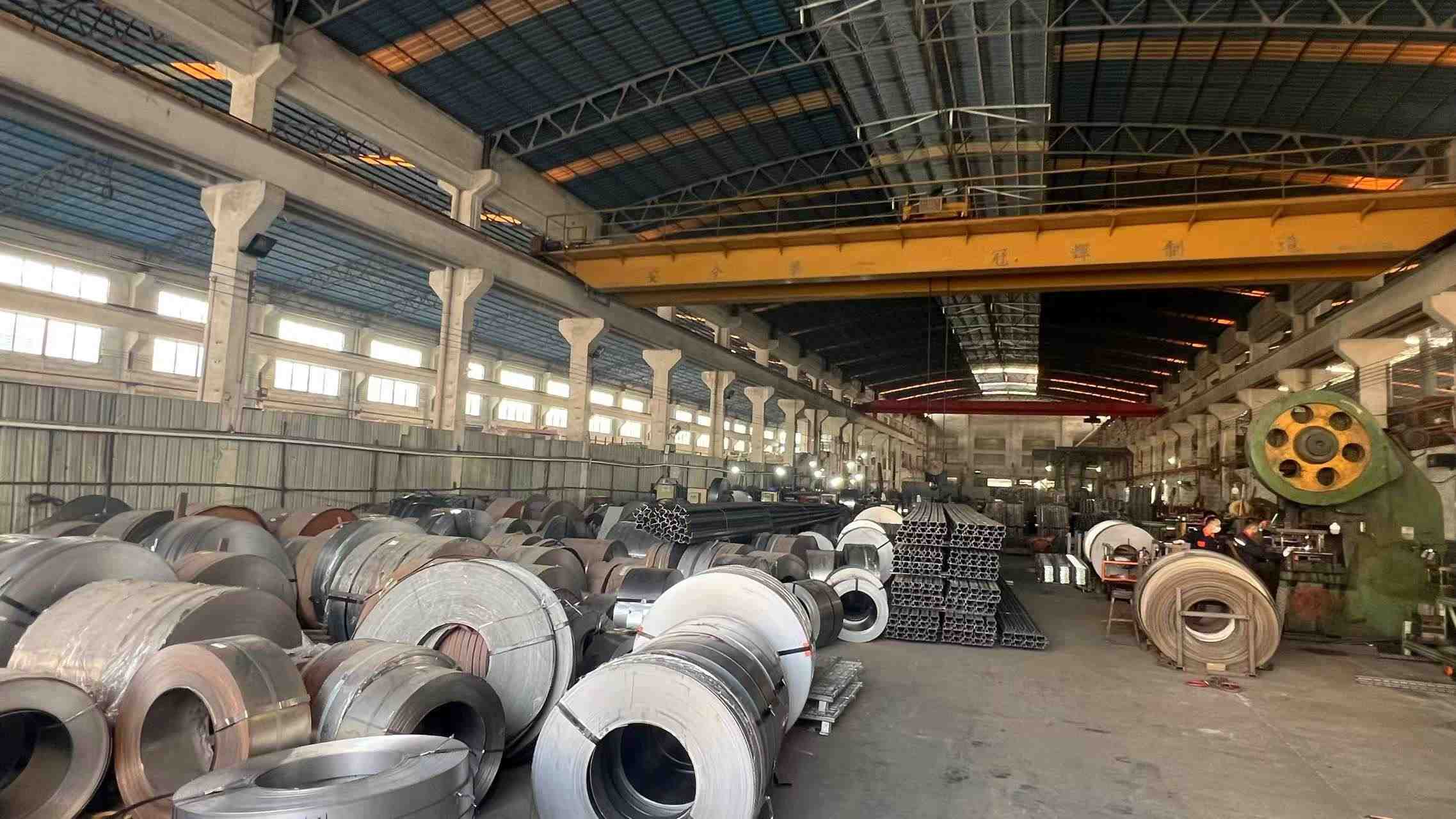
Raw Materials Control
Raw Materials Inspection
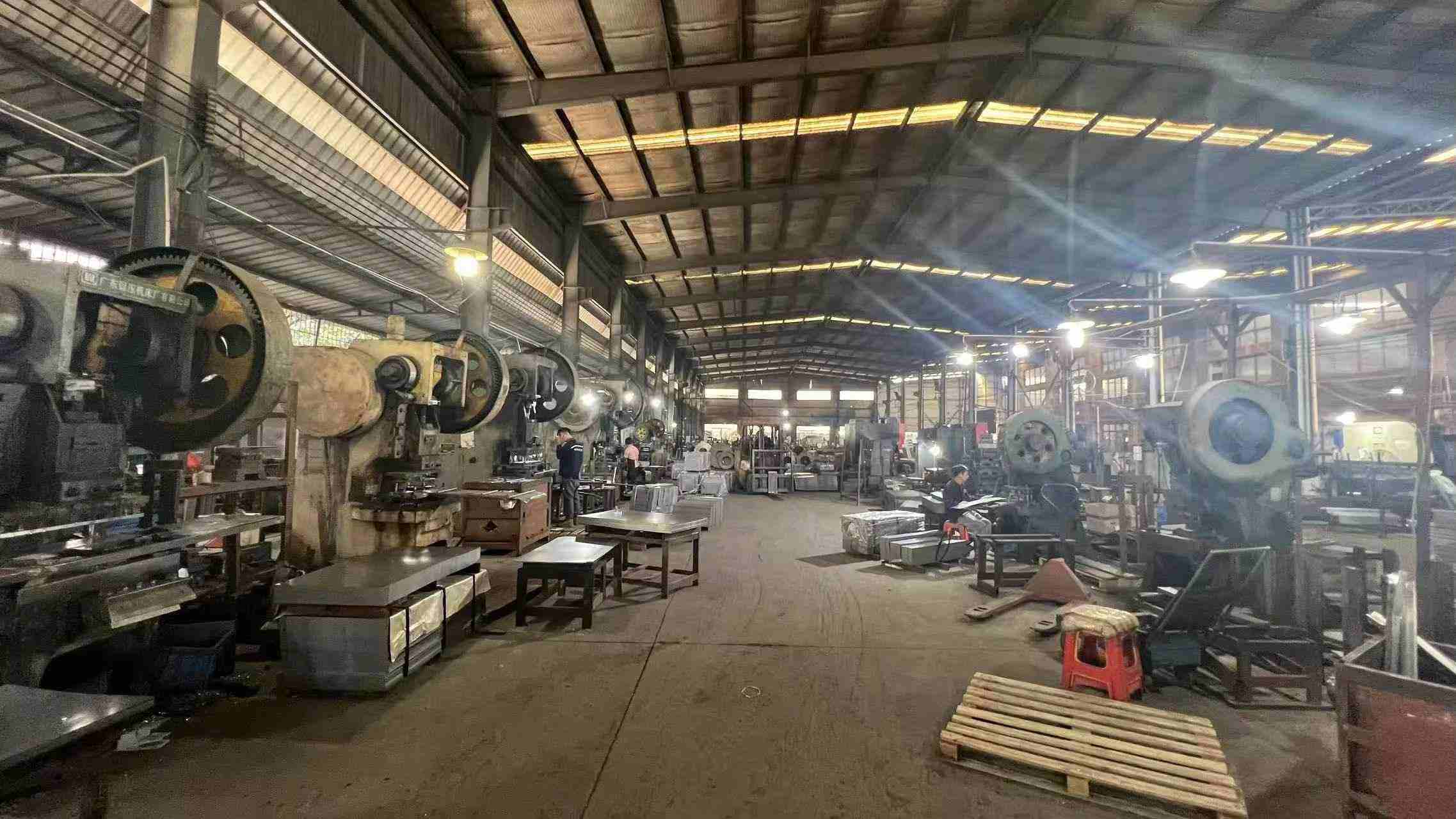
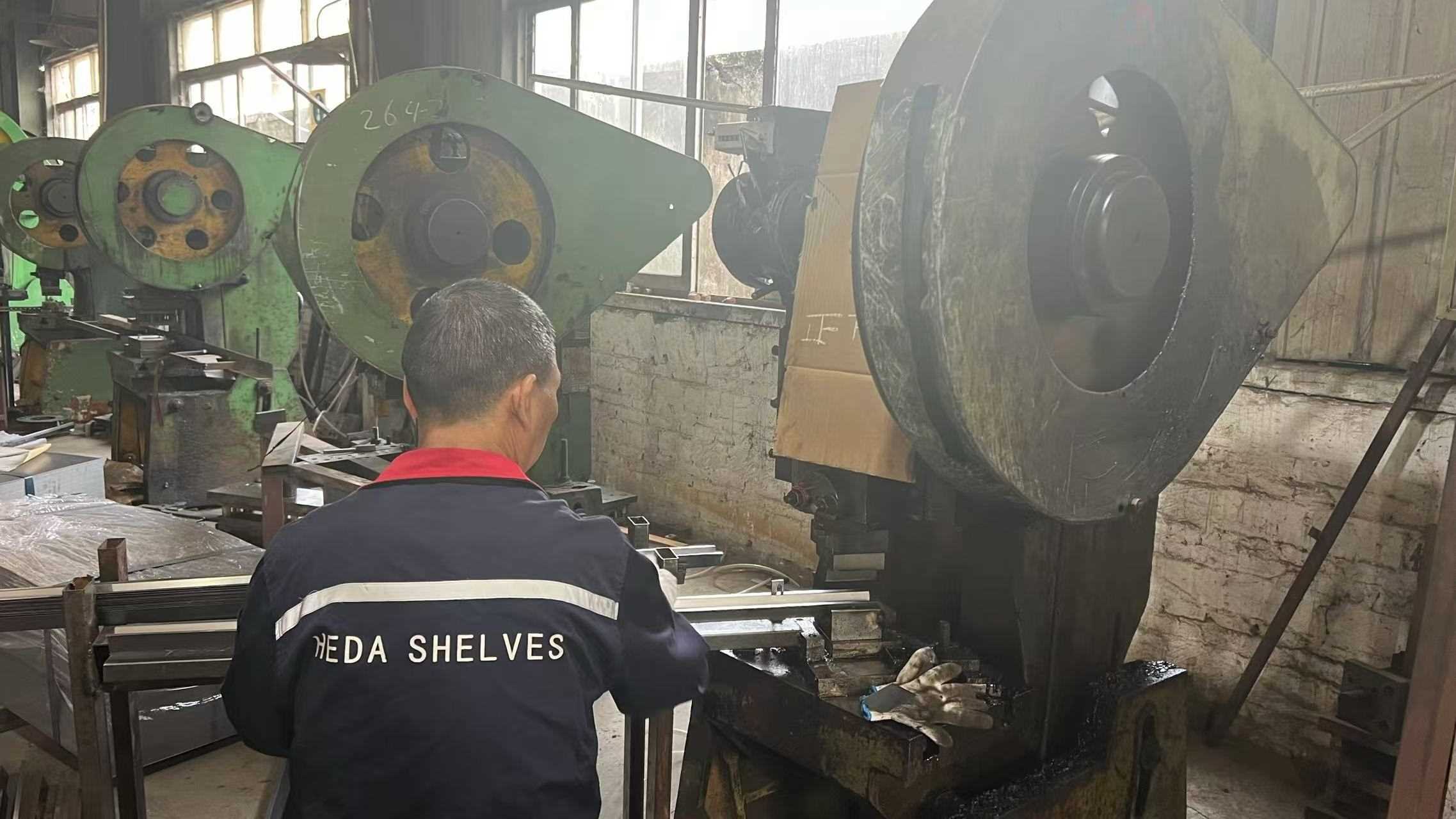
Stamping Process
Heavy-Duty Stamping
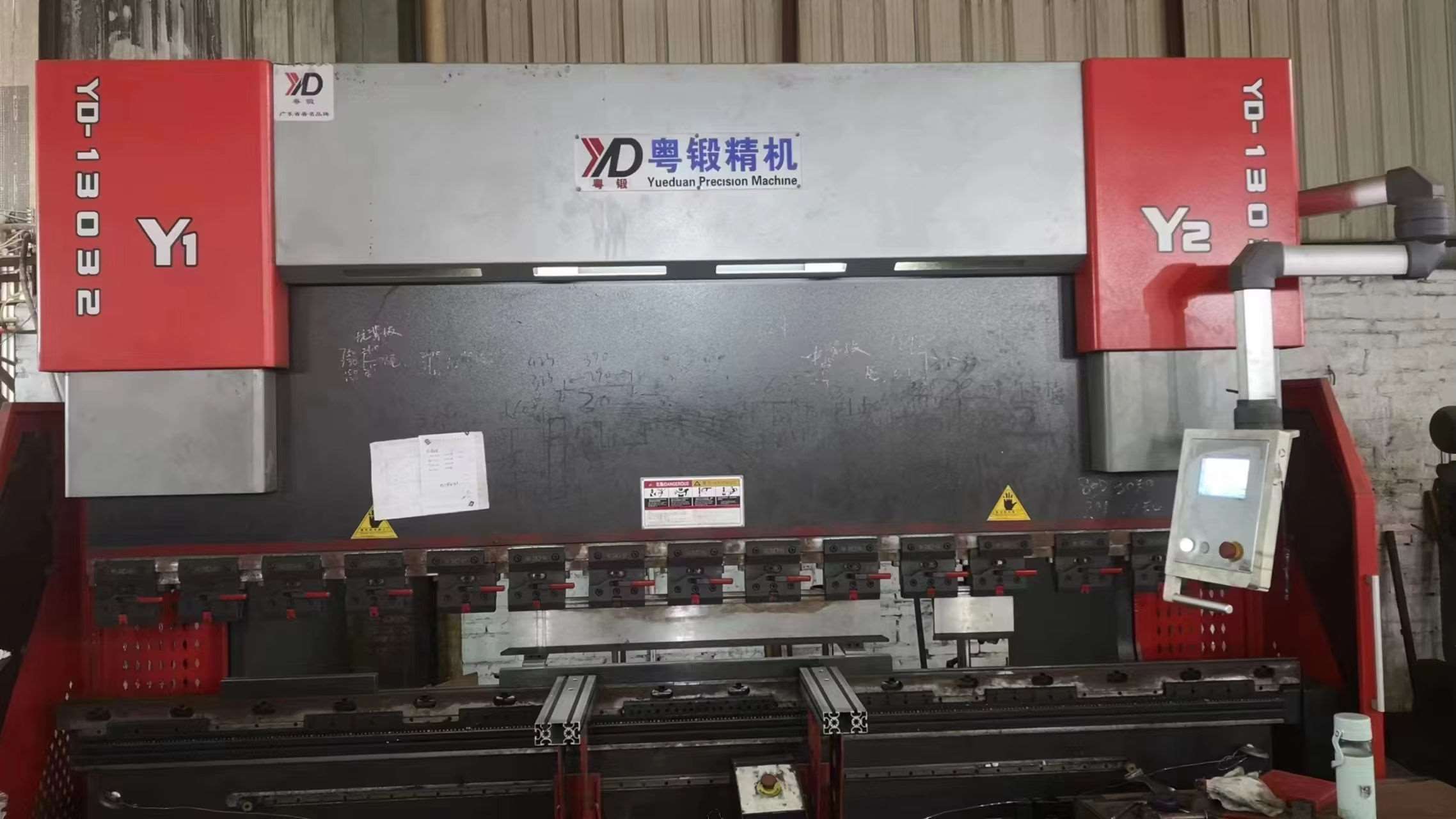
Bending Process
Precision Bending
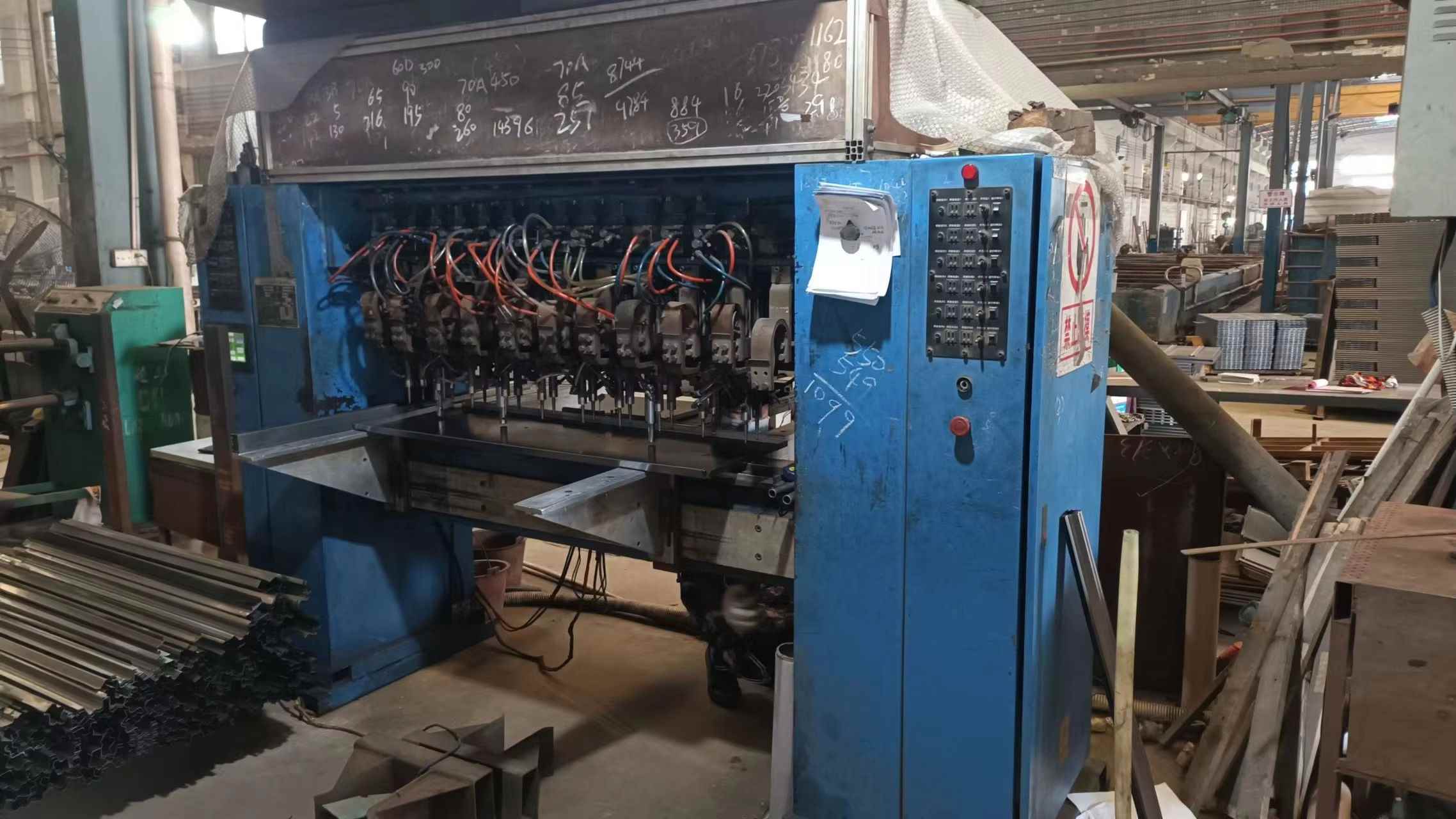
Welding Process
Structural Welding
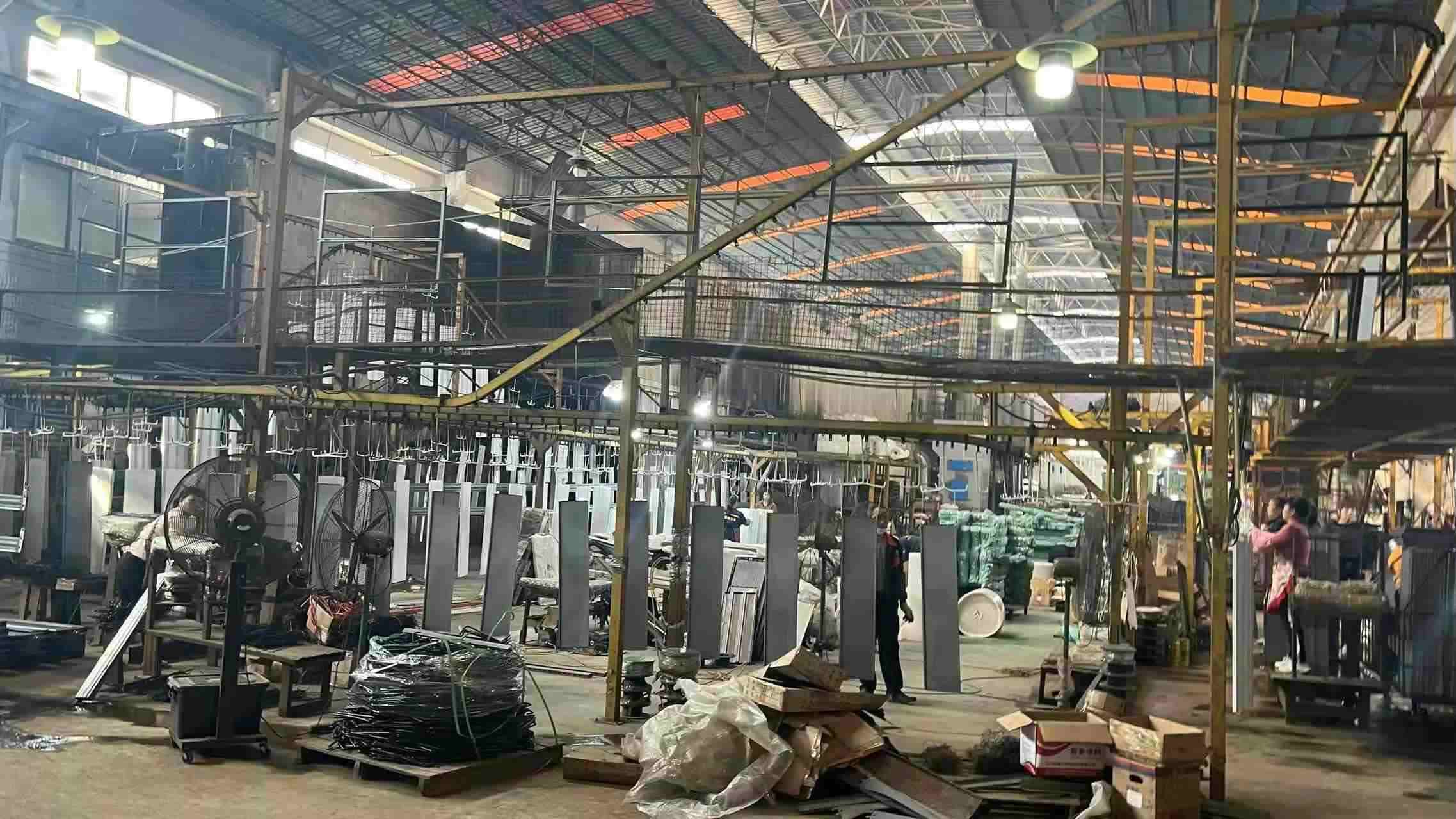
Acid-washing and Parkerising
Acid-Washing & Parkerizing
Coating Process
Powder Coating Finish
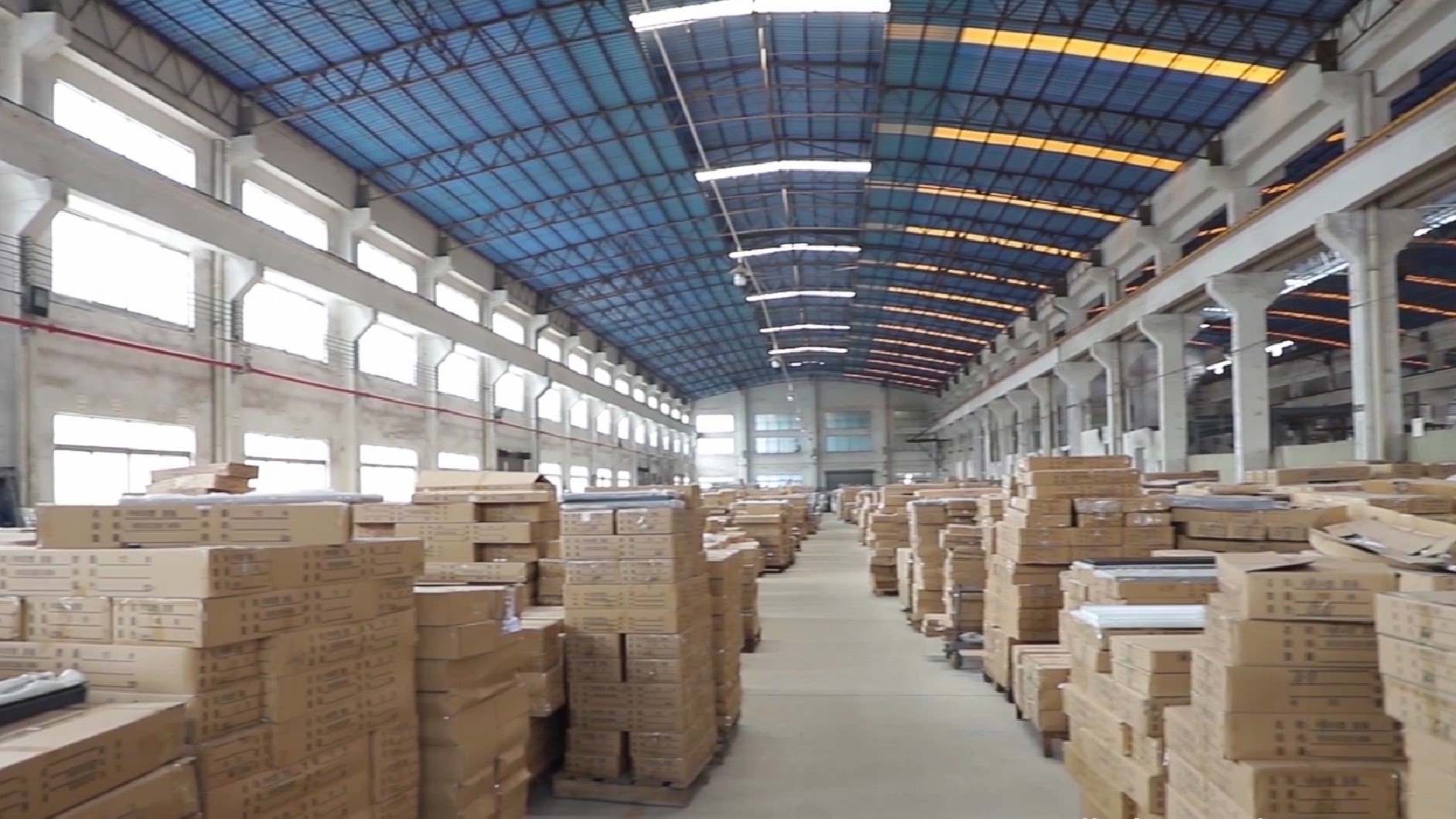
Warehouse Storage
Finished Goods Warehouse
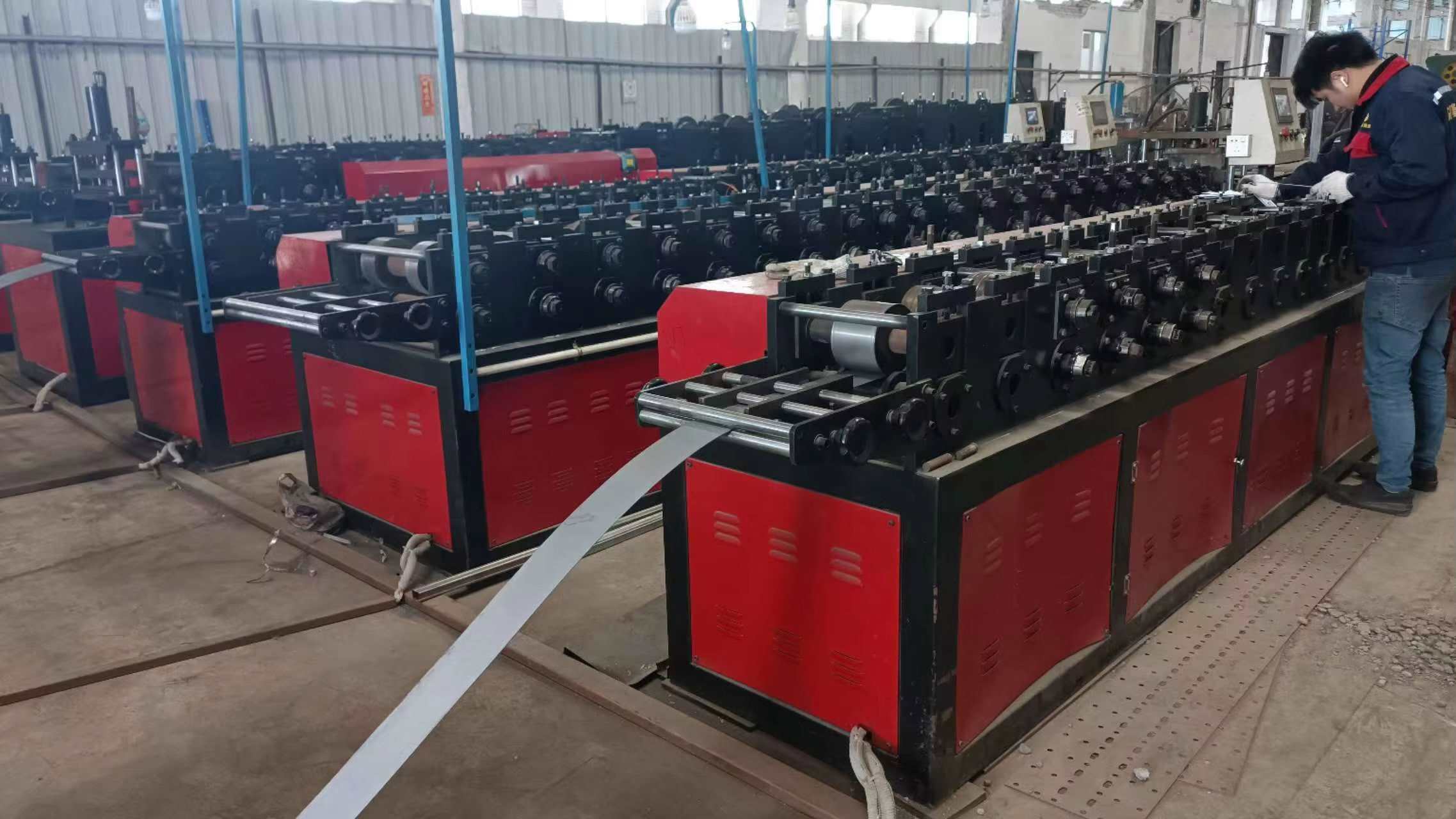
Rolling Mill
Automated Rolling Mill
Fully Automatic Punching Machine
CNC Automatic Punching
Automatic Welding Machine
Automatic Weld Production
Plastic Powder Coating Line
Electrostatic Powder Line
Punching Machine
High-Speed Punch Press
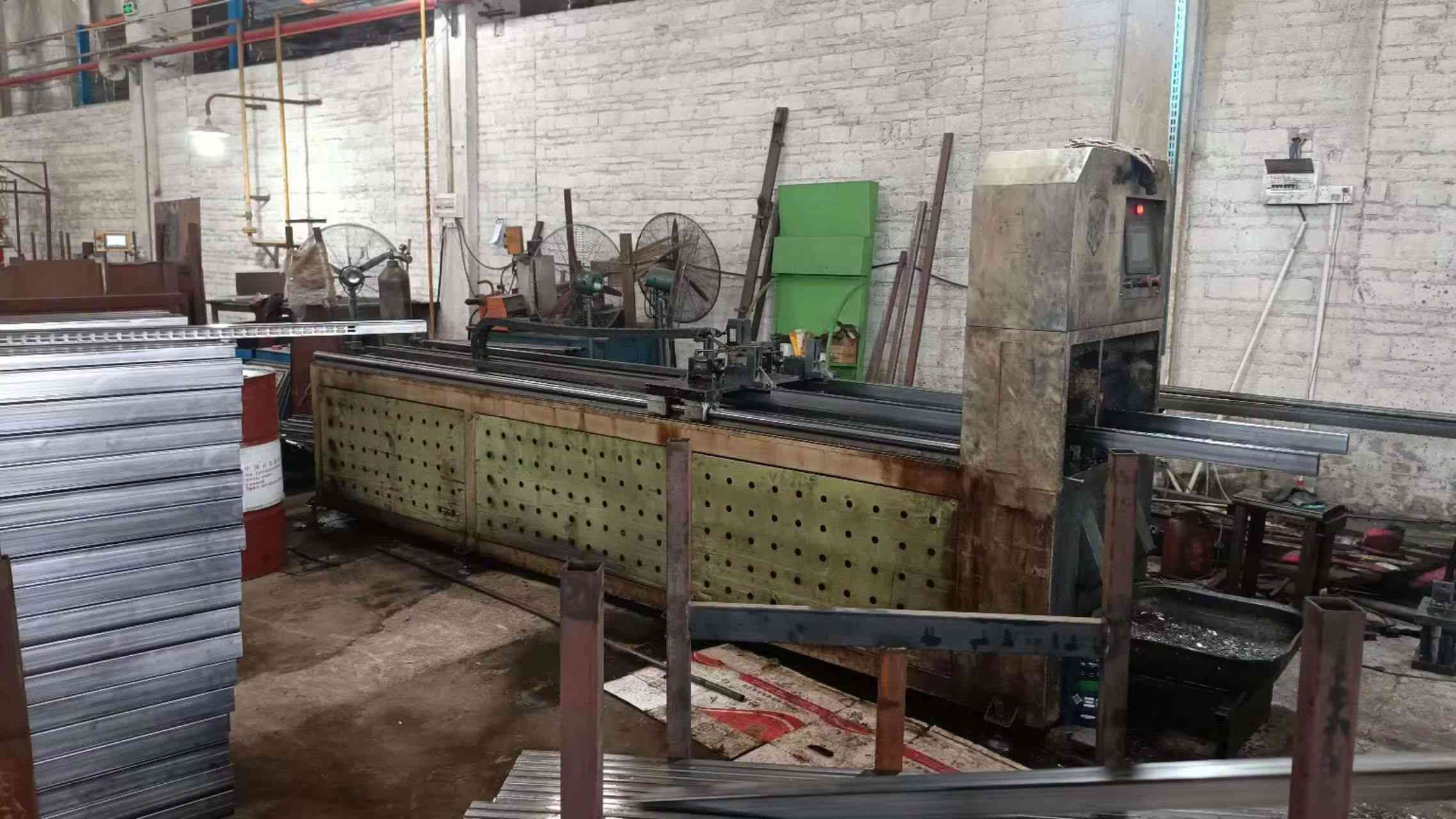
Bending Machine
Hydraulic CNC Bending
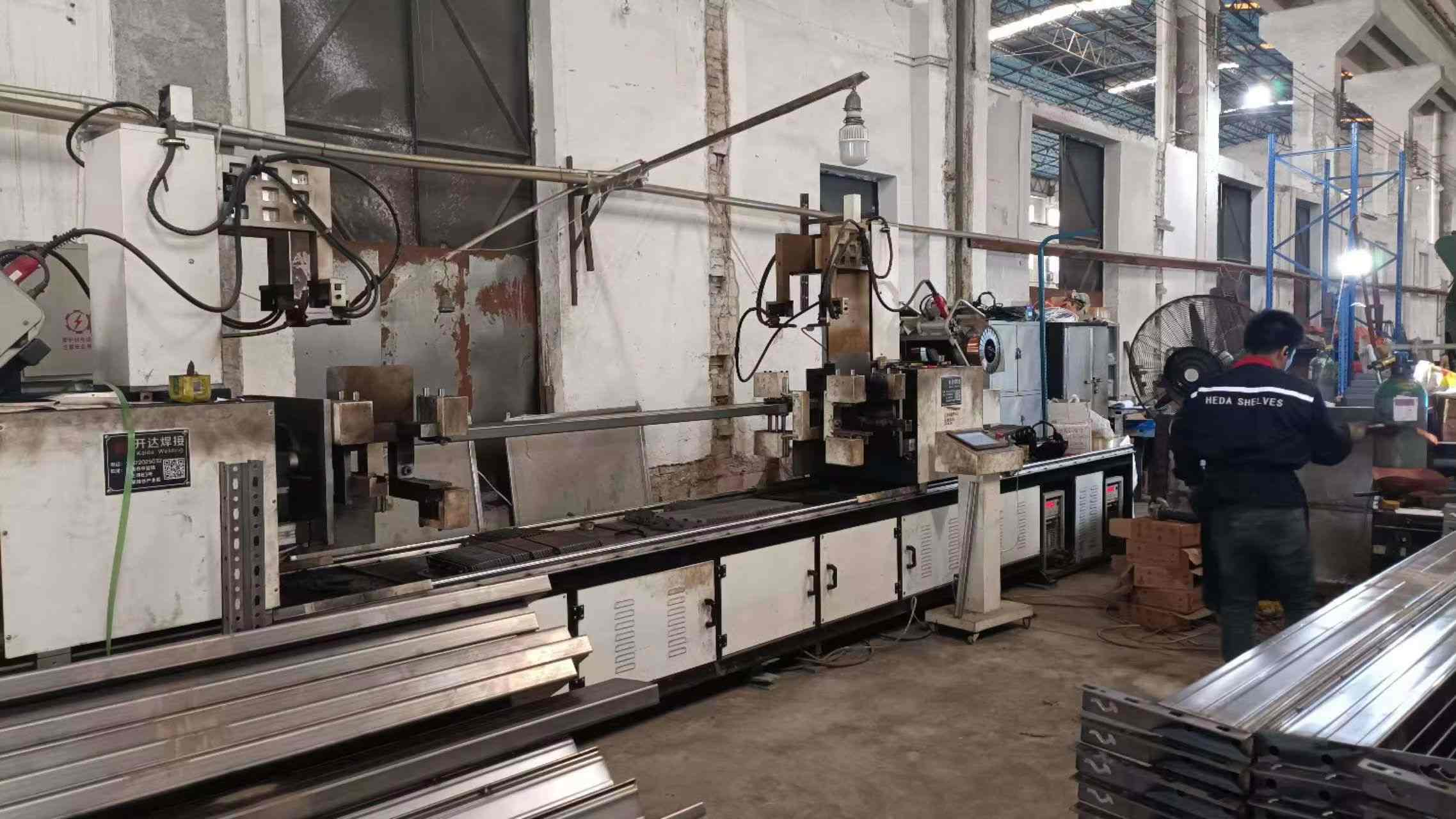
Butt Welding Machine
Continuous Butt Welding
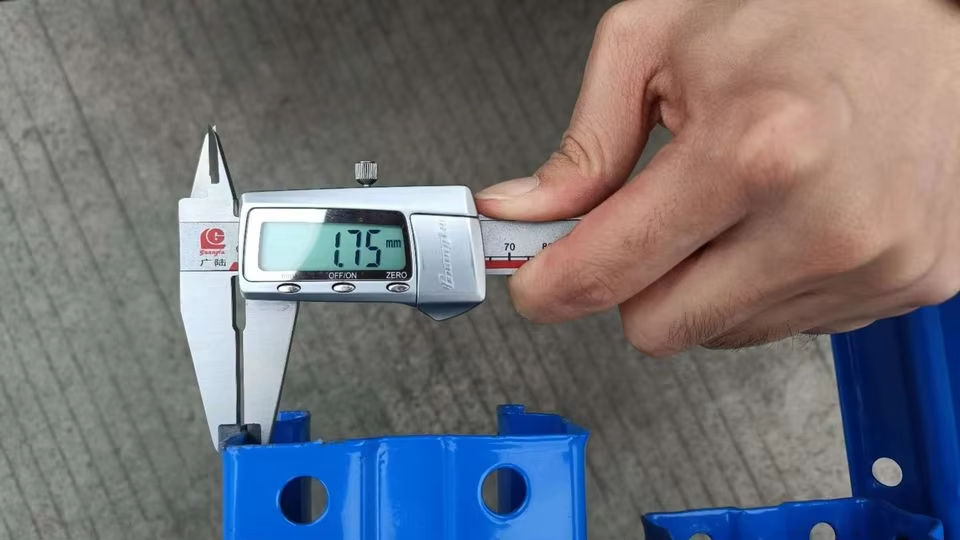
Caliper Inspection
Thickness Caliper Testing
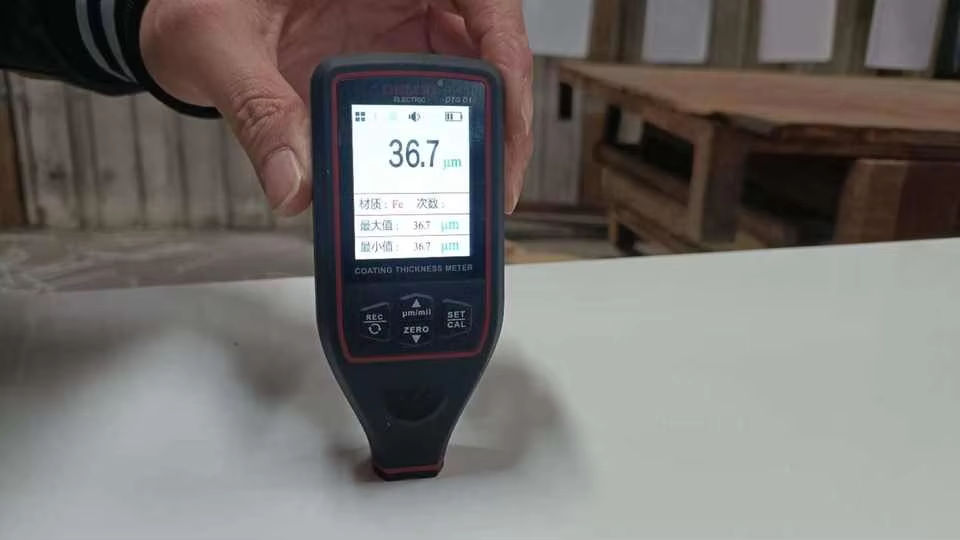
Coating thickness tester
Coating Thickness Test

Houston Strategic Localized Applications

Due to the region's concentration of deepwater shipping, industrial fabrication, and rail transfer terminals, warehouse structures must adapt to specific storage configurations:

Oil & Gas Drilling Pipe Storage

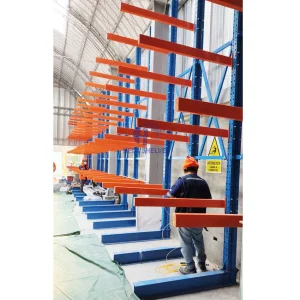
Casing, tubing, and drill pipes must be kept straight and clear of debris. Our cantilever racks feature heavy duty pipe stoppers at the ends of arms to prevent cylindrical loads from rolling off, maintaining a safe storage setup.

Steel Fabrication & Distribution Yards

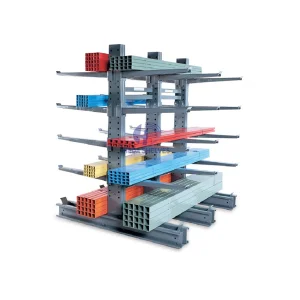
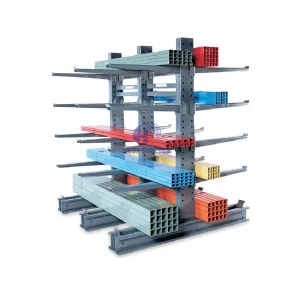
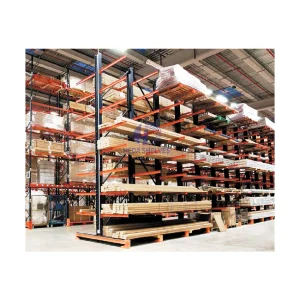
Handling H-beams, structural channels, angle irons, and plate steel demands solid loading platforms. Double-sided cantilever racking systems double the storage footprint without compromising open crane access.

Lumber Yards & Building Materials

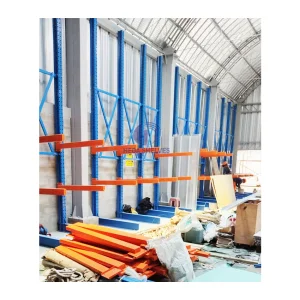
Distributors of panel goods, MDF, sheetrock, and framing timbers need long rack structures. Tapered-arm cantilever designs maximize clearance, reducing wood damage during forklift operations.

Original Link 13 Original Link 14 Original Link 15 Original Link 16 Warehouse Cantilever Storage Large storage items rack Heavy duty cantilever system High capacity lumber rack

Technical Roadmap & Future Outlook

As industrial automation moves forward, storage racks serve as the foundational infrastructure for modern facilities. Shenzhen Heda Warehouse Equipment Co., Ltd. is focusing research on next-generation cantilever structural engineering:

I. Smart Sensor Integration

Integrating strain gauges and IoT-enabled weight sensors onto cantilever arms to monitor structural load distribution in real-time, helping prevent overload conditions.

II. High-Performance Finishes

Partnering with paint specialists to introduce self-healing, zinc-rich coatings that protect steel bases in highly humid marine industrial environments.

III. Automated AS/RS Compatibility

Developing high-tolerance arm alignments and guide rail attachments to interface smoothly with automatic cranes and robotic lift trucks.

Technical FAQ: Cantilever Storage Systems

Critical engineering and installation considerations for logistics managers in Texas and global markets.

Q: How do you determine the safe load limit for cantilever arms?
A: Safe load limits are calculated using the material yield strength of the steel (typically Q235B or Q345B), the arm's structural profile, and the distance from the column to the load's center of gravity. For safety, the total load must be evenly distributed across the length of the arms, and a design factor of safety (often 1.5 to 1.9) is applied in accordance with RMI specifications.
Q: What is the difference between single-sided and double-sided cantilever systems?
A: Single-sided racking features arms on only one side of the upright column, typically placed against walls or boundaries. Double-sided racking features arms on both sides of a central column. Structurally, double-sided racks balance the load across the central uprights, which can reduce base plate bending moments and optimize space in active, multi-directional aisles.
Q: How does Houston's coastal climate influence structural steel specifications?
A: Houston's humid subtropical climate increases the risk of oxidation on steel components. For outdoor yards, hot-dip galvanizing (HDG) offers long-term protection. For indoor facilities, we use multi-stage powder coating systems featuring acid-washing, iron phosphate conversion coating, and high-durability polyester finishes to resist moisture penetration.
Q: Can cantilever arms be adjusted, and what is the typical adjustment increment?
A: Yes, our structural columns are designed with punched connector holes along their vertical faces. This allows the load-bearing arms to adjust vertically, typically in increments of 75mm or 100mm, helping operators adapt to shifting inventory heights without specialized tools.
Q: What foundation requirements must be met before installing industrial racks?
A: Heavy-duty cantilever systems must be anchored to a reinforced concrete slab capable of bearing the localized vertical loads and tension forces. A concrete depth of 6 to 8 inches, with a compressive strength of at least 3,000 to 4,000 PSI, is typically required. Specific anchoring depth and hardware specs are calculated based on localized building codes and seismic zones.