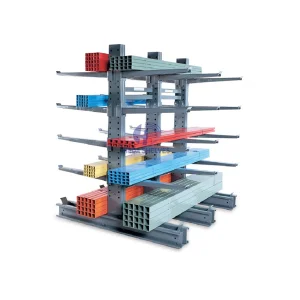
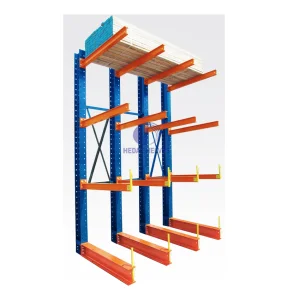
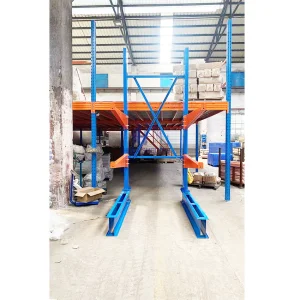
Engineered for high load limits, these systems optimize Detroit's automotive assembly, heavy metal processing, and lumber distribution centers.
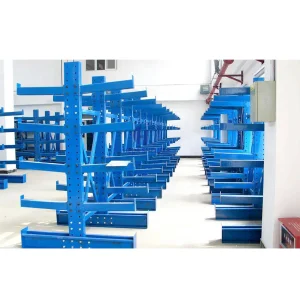
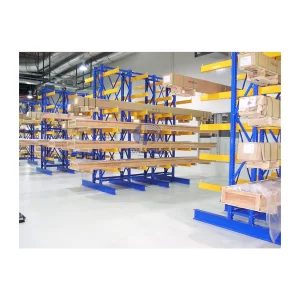
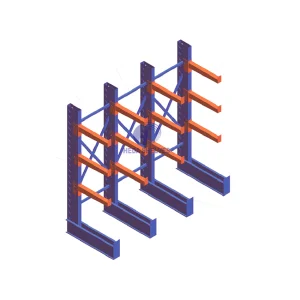
As the epicenter of American automotive manufacturing, Detroit and its surrounding industrial corridors (including Dearborn, Warren, Romulus, and Auburn Hills) demand warehousing infrastructure capable of handling high-mass, long-profile structural components. Modern manufacturing processes call for agile, space-optimized material storage. Standard selective pallet racking falls short when accommodating materials such as automotive stampings, chassis frame assemblies, high-strength steel tubing, aluminum extrusions, and heavy bar stock.
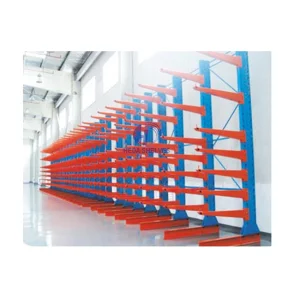
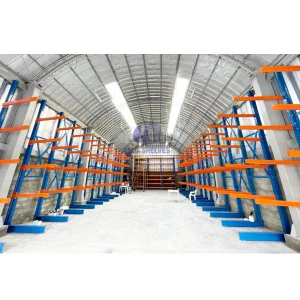
Cantilever racking serves as the spatial backbone for these operations. By eliminating the front vertical columns found in standard racking systems, cantilever structures allow uninterrupted horizontal storage. This feature facilitates forklift access and overhead crane loading, reducing cycle times for Tier-1 automotive suppliers, steel processing centers, and heavy industrial fabricators in Southeast Michigan.
Deploying heavy storage infrastructure within the Great Lakes region requires adherence to localized structural mandates. Racking projects in Michigan must comply with the Michigan Building Code (MBC), which aligns with International Building Code (IBC) standards and the Rack Manufacturers Institute (RMI) MH16.1 Specification.
Engineering criteria include:
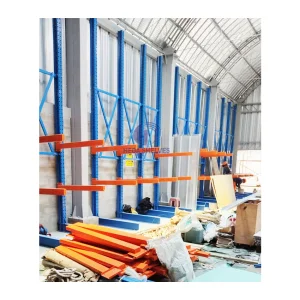
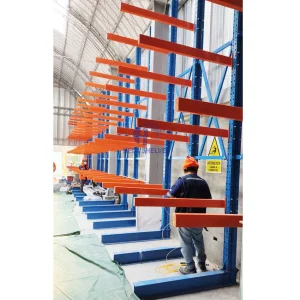
These configurations offer adjustable arm heights and high load-bearing steel components for long-profile and varying load profiles.
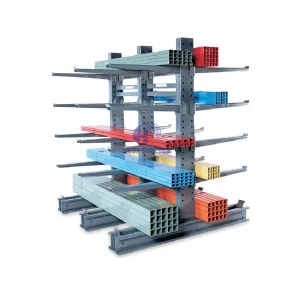
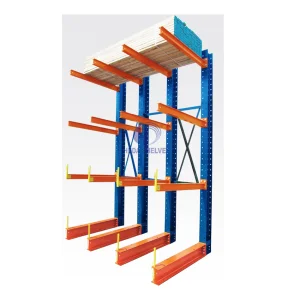
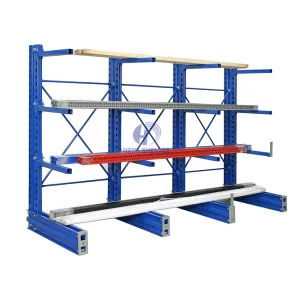
Industrial warehousing continues to shift toward semi-automated and fully automated environments. Cantilever systems are evolving to integrate with automated storage and retrieval systems (AS/RS). Modern designs utilize specialized guide rails and sensors to allow automated cranes or narrow-aisle side-loaders to navigate between cantilever columns.
Additionally, high-durability surface coatings (such as electrostatic powder coatings or hot-dip galvanization) provide wear resistance for heavy industrial and outdoor applications. Choosing the appropriate coating depends on environmental humidity, exposure to corrosive chemical agents, and temperature fluctuations in Great Lakes storage facilities.
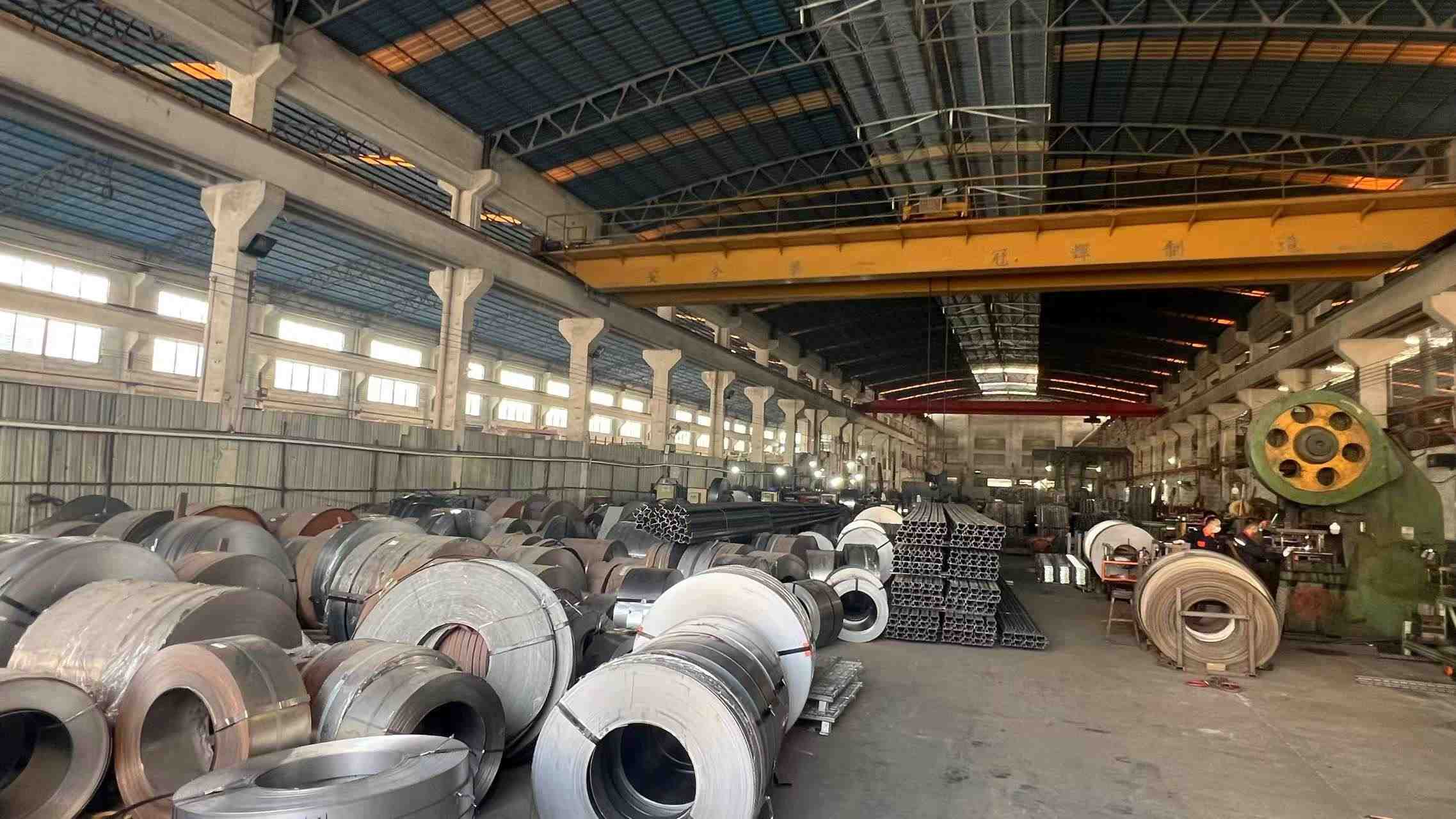
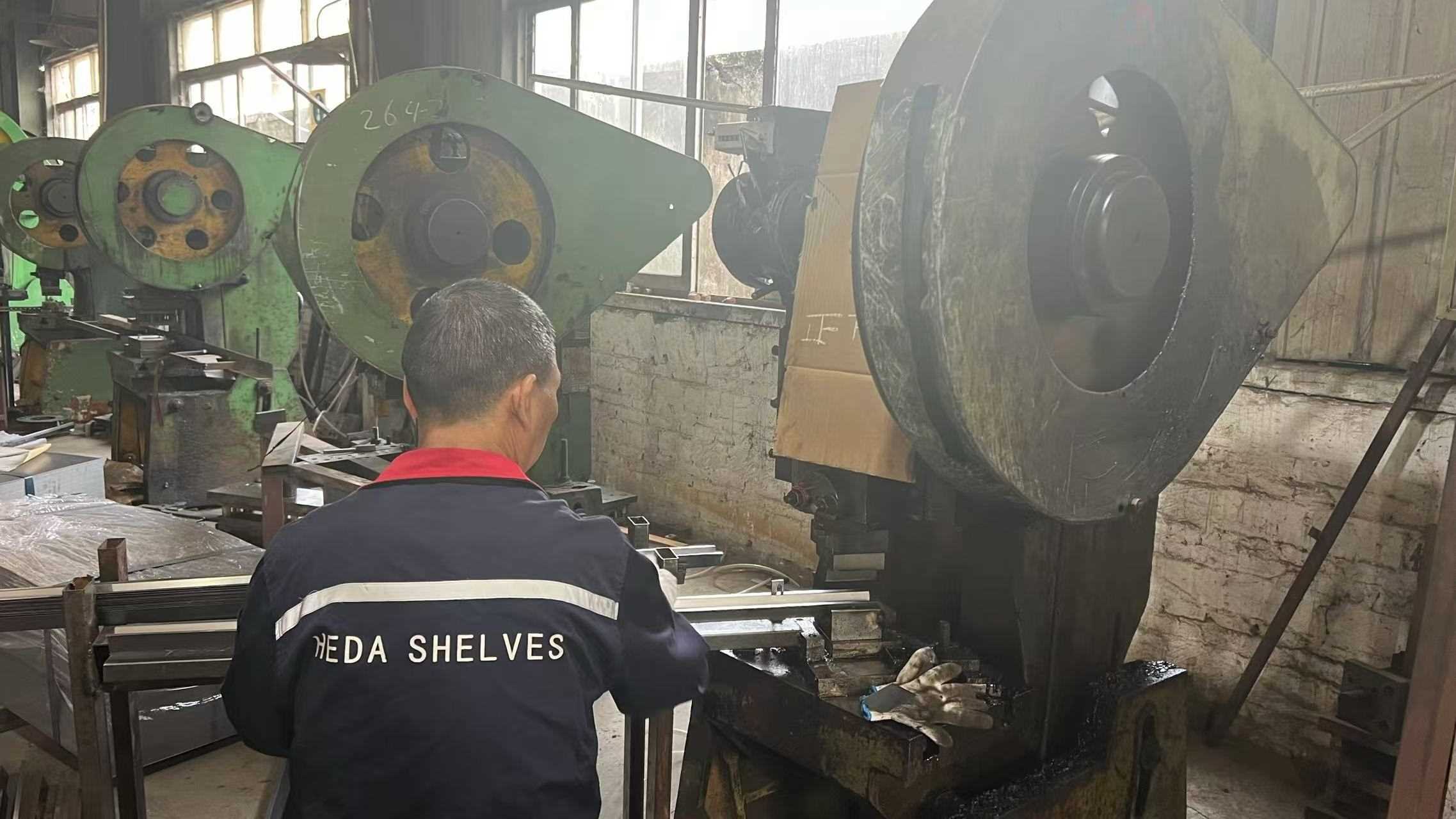
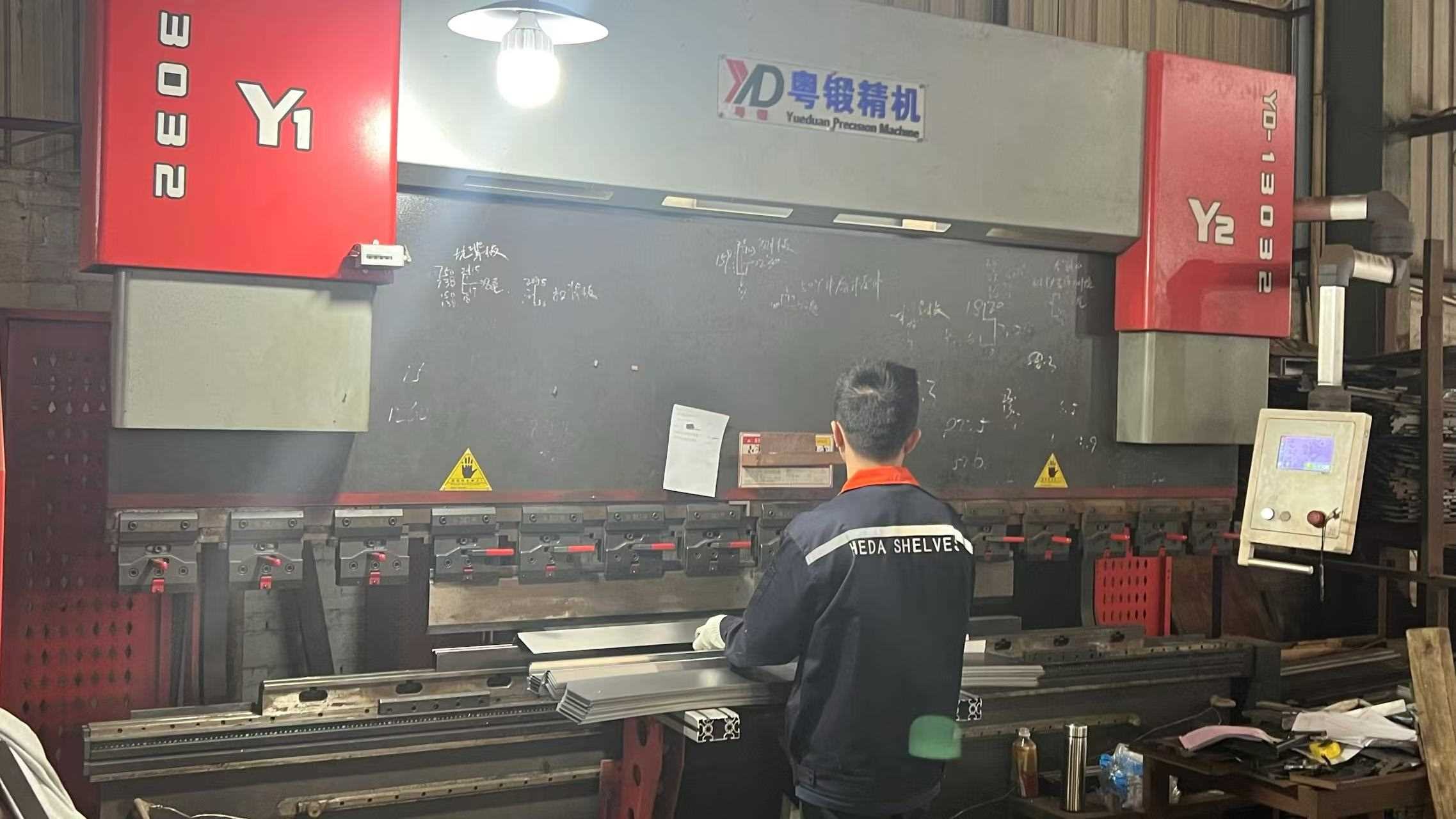
Established in 2014, Shenzhen Heda Warehouse Equipment Co., Ltd. is a premier manufacturer specializing in heavy-duty warehouse racking and industrial storage solutions. Spanning a modern manufacturing facility of 35,000 m², our enterprise integrates R&D, design, production, and international marketing to serve diverse storage needs worldwide. With 12 years of industry experience and 8 years of dedicated export expertise, we deliver high-caliber storage systems that generate over $28 million in annual export revenue.
At Heda, quality control and engineering innovation drive our core operations. Our robust QC department comprises 45 skilled inspectors utilizing rigorous testing methods, including raw material tensile testing, automated weld flaw detection, layer load-bearing stress analysis, and salt spray surface corrosion testing. Supported by a professional R&D team of 28 senior structural engineers, we maintain strong full-customization capabilities (OEM/ODM)—offering tailored rack dimensions, load capacities, surface coatings, and layout designs. Driven by continuous innovation, we launched over 120 new dynamic storage products and component upgrades last year.
Operating with a strong direct-factory and international trade background, we have built a resilient ecosystem supported by over 800 supply chain partners. Our products are exported to major global markets, including North America, Western Europe, Southeast Asia, and the Middle East. We proudly serve a diverse clientele ranging from third-party logistics (3PL) providers and large distribution centers to industrial manufacturers and wholesale equipment distributors.
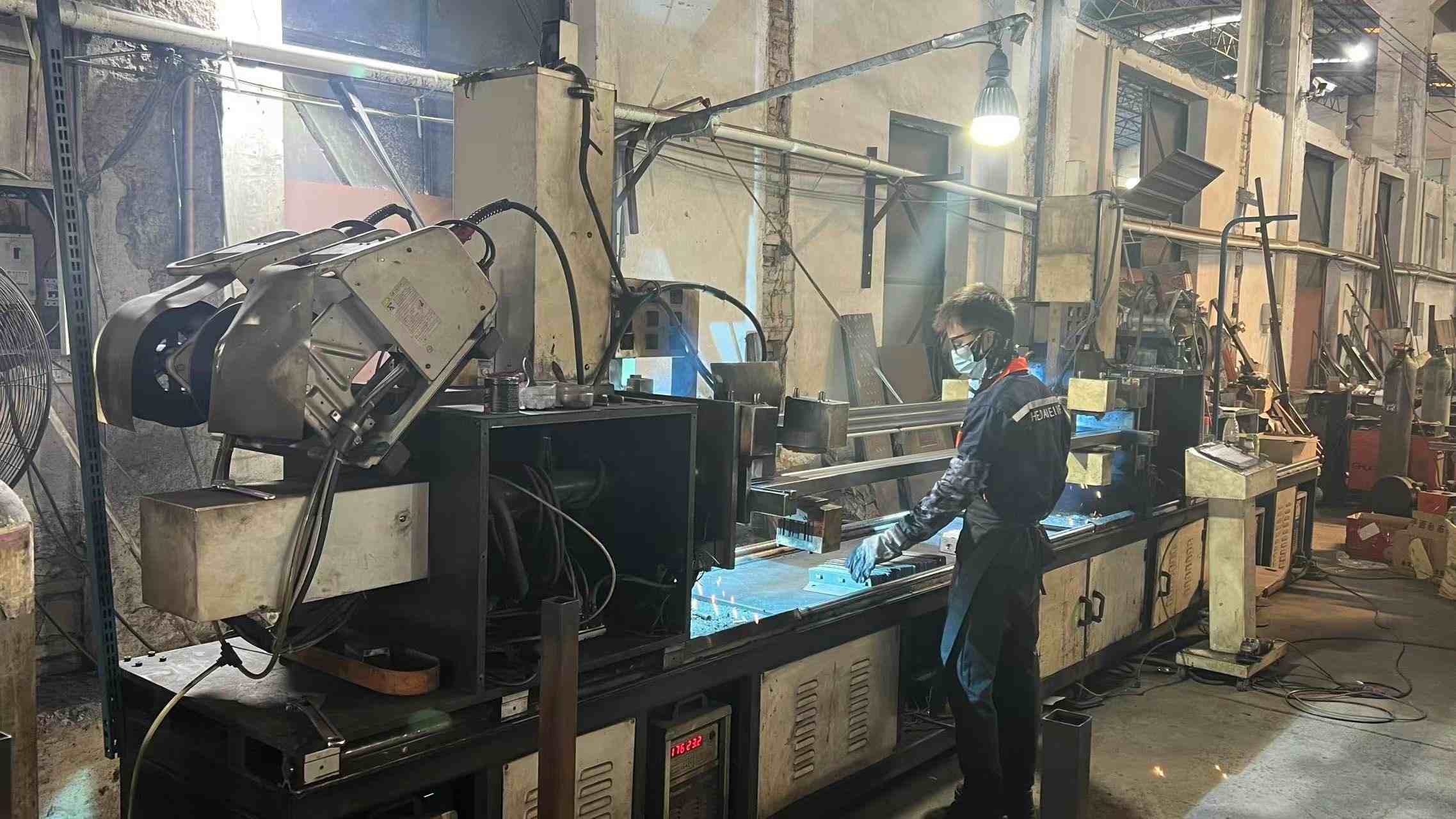
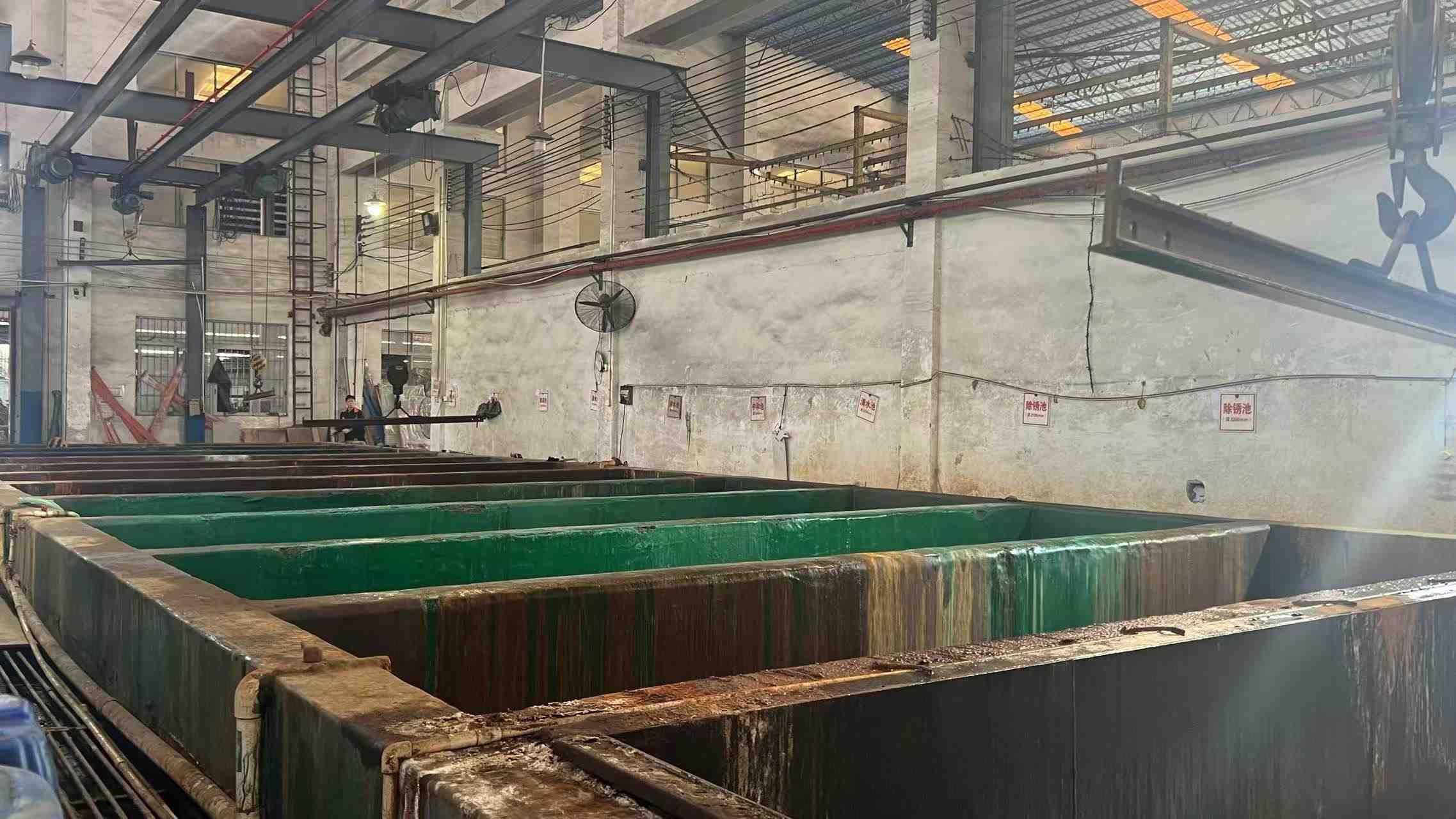
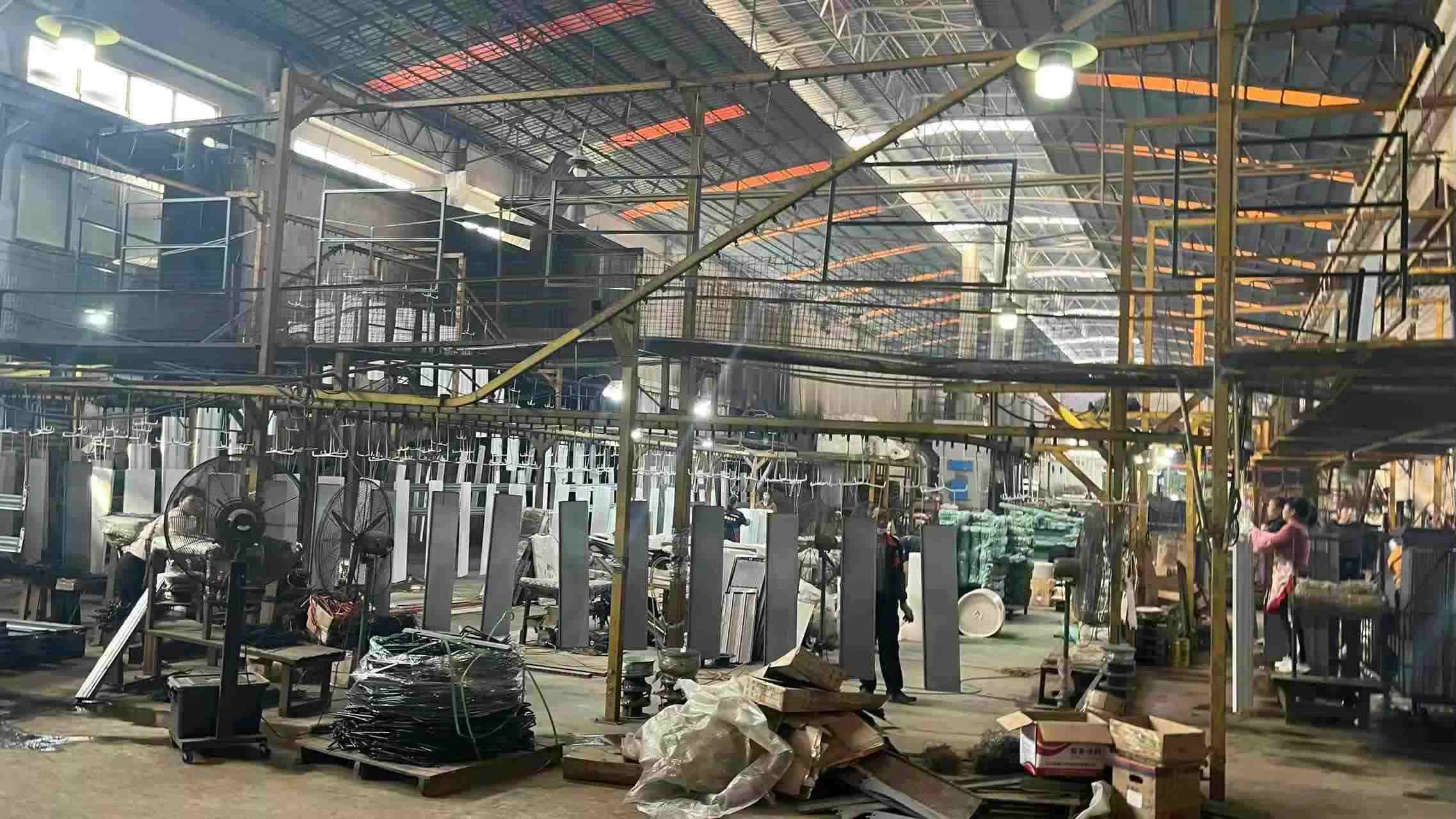
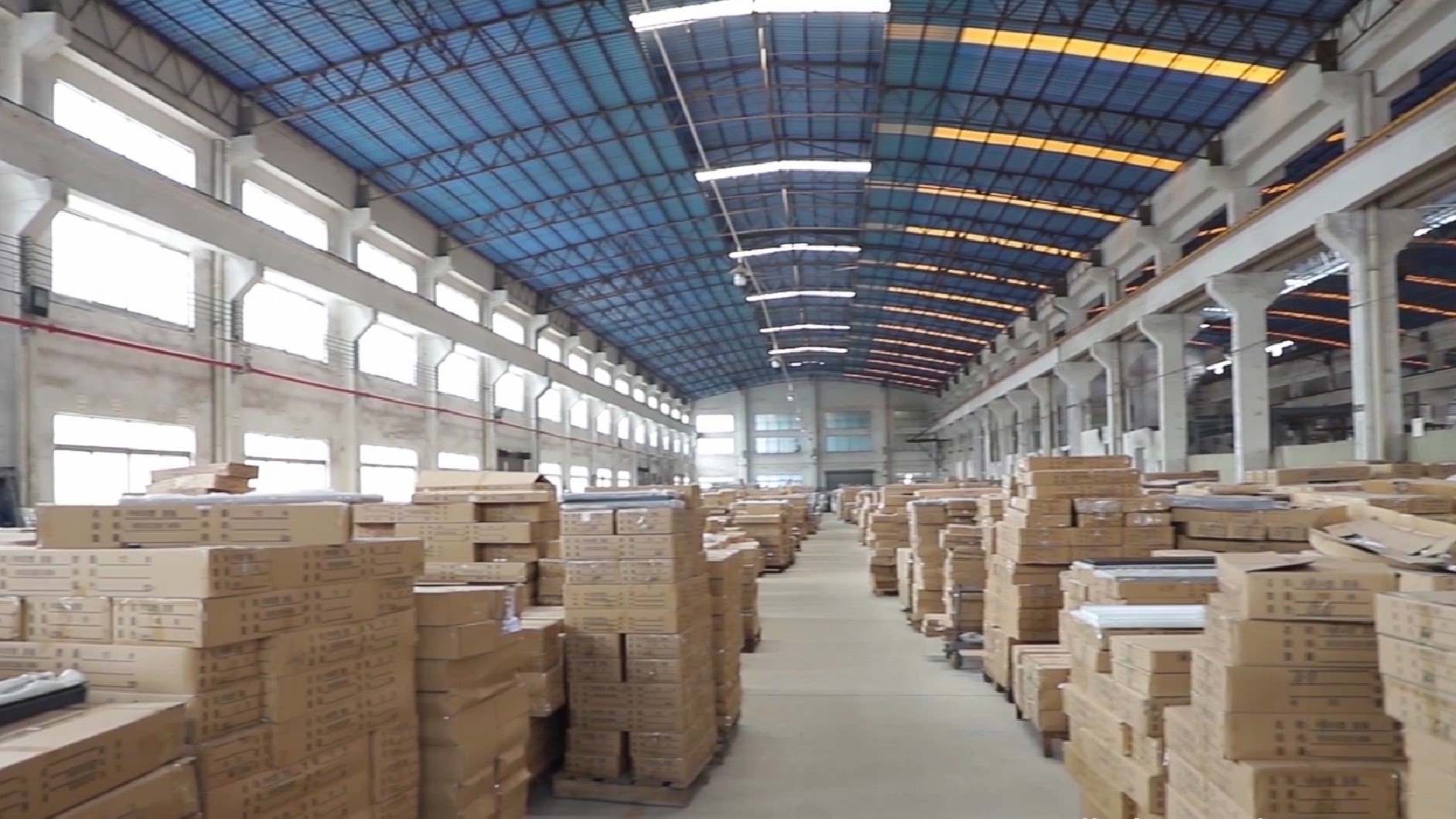
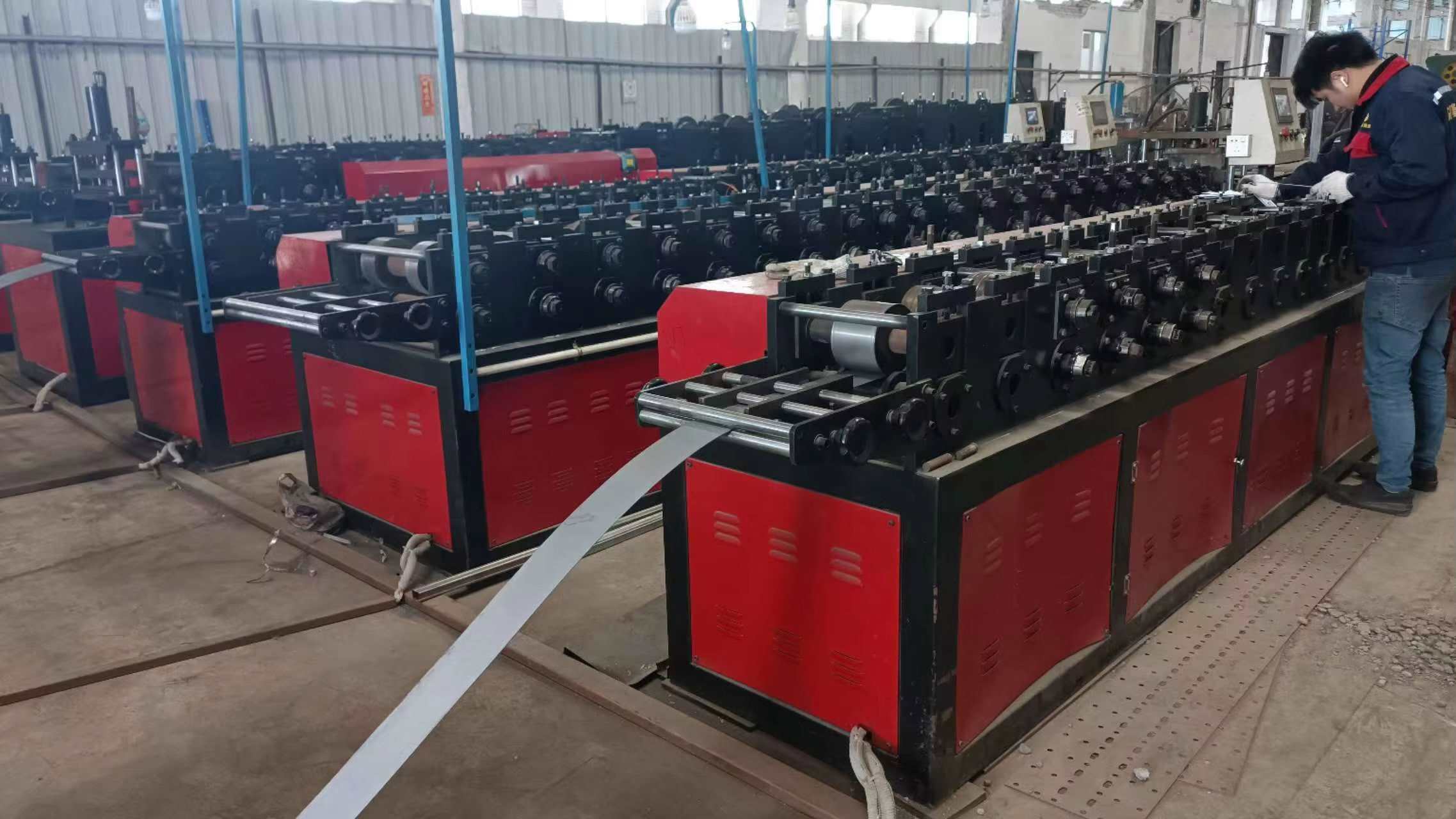
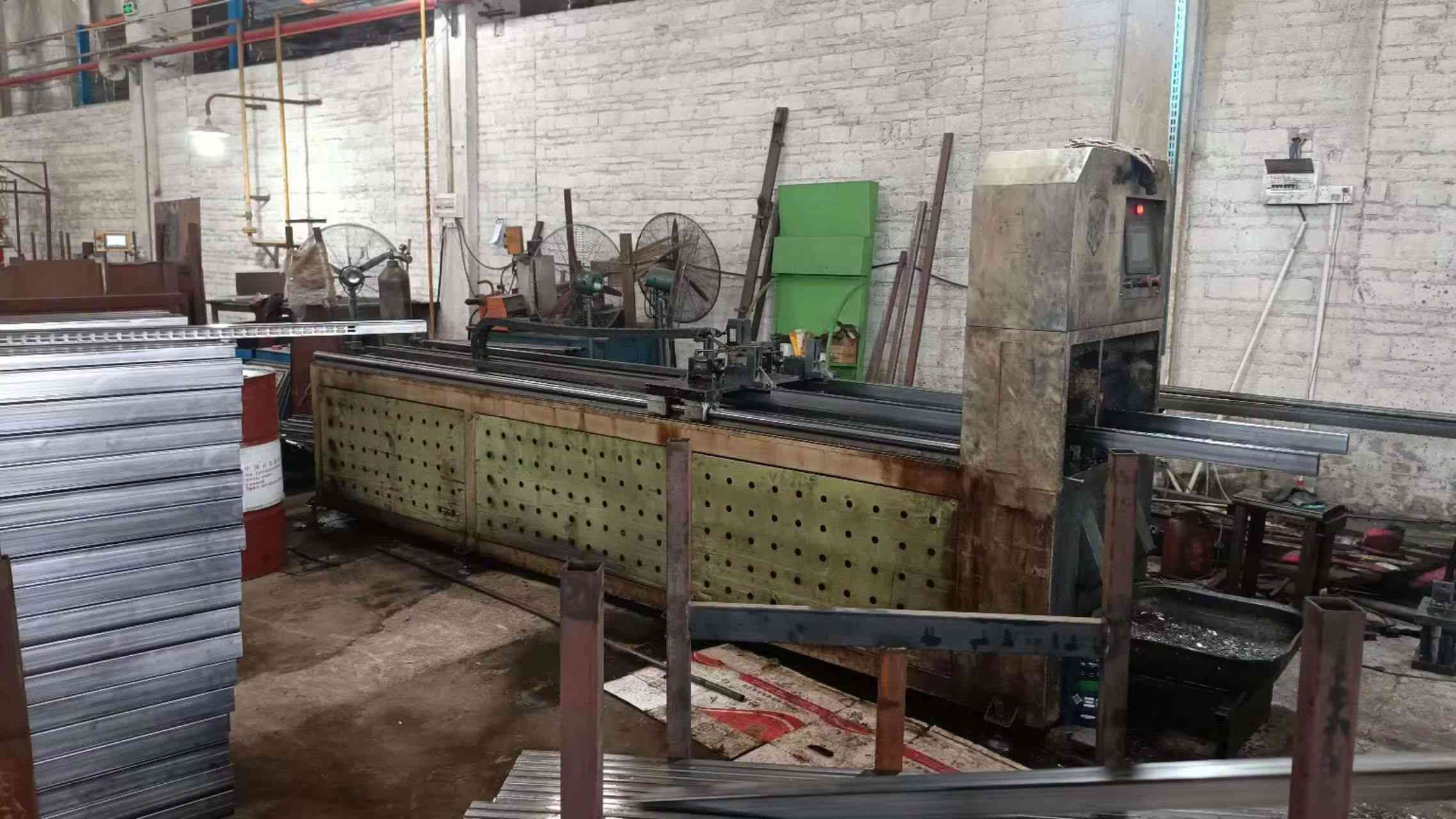
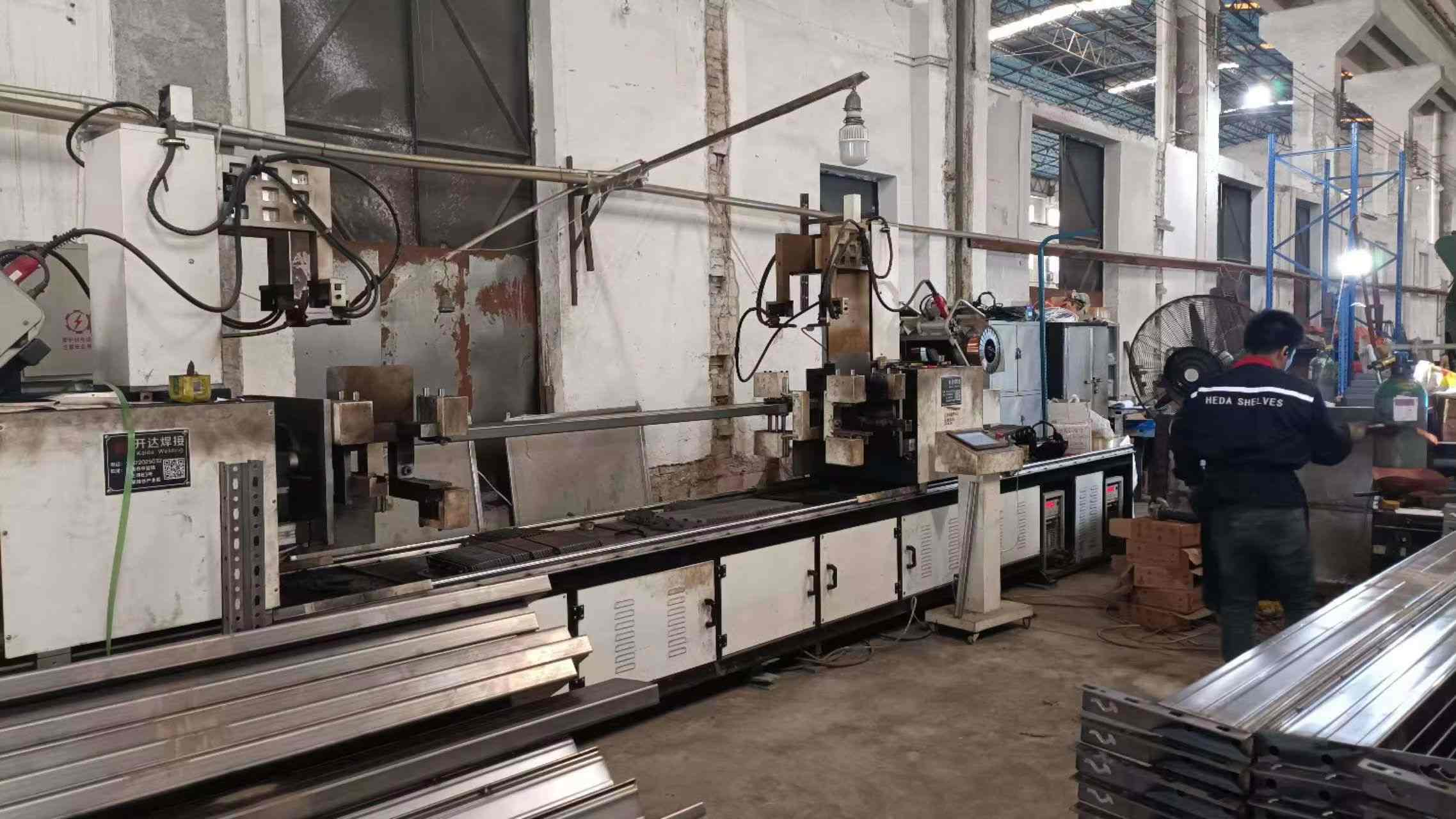
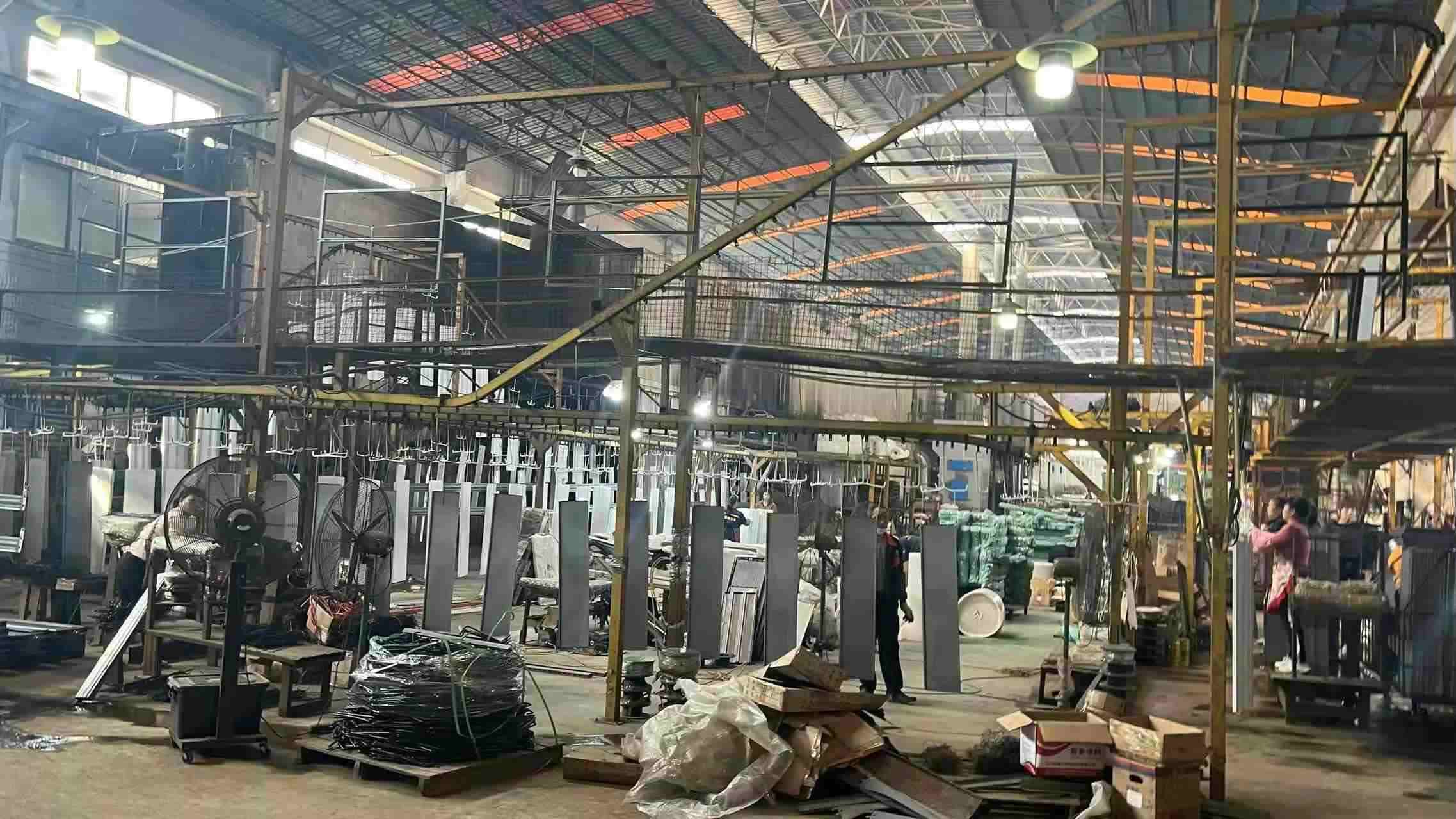
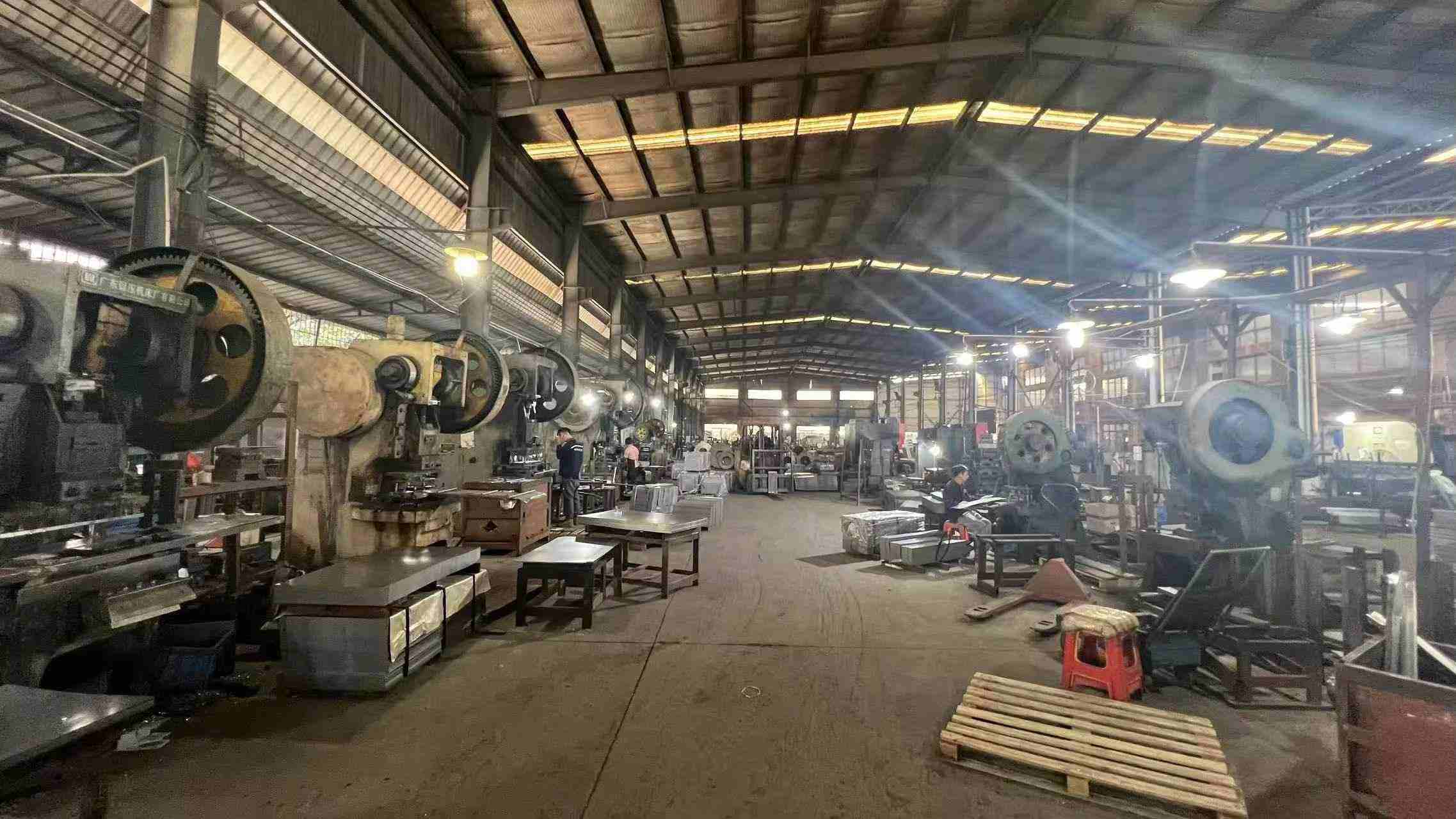
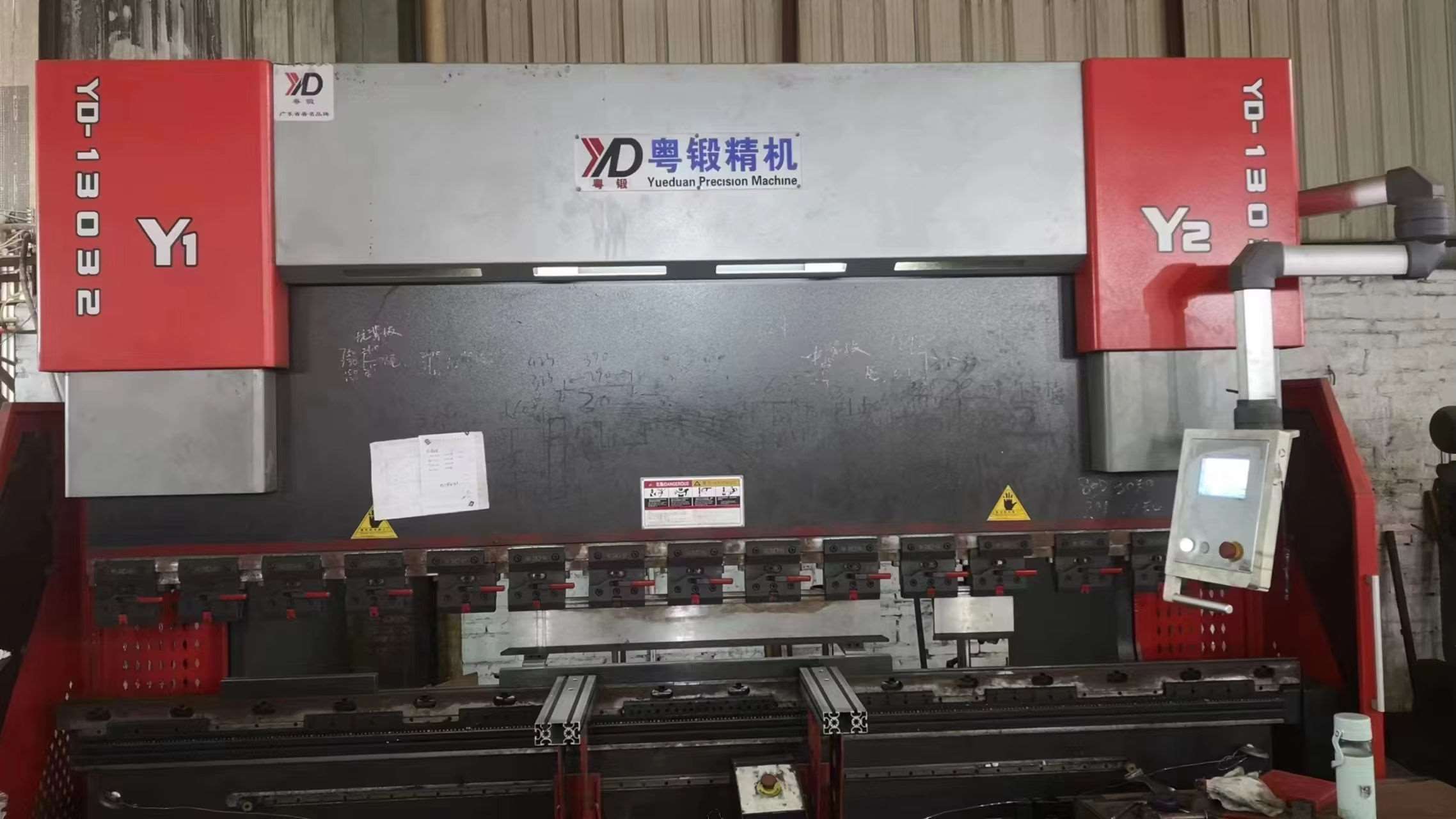
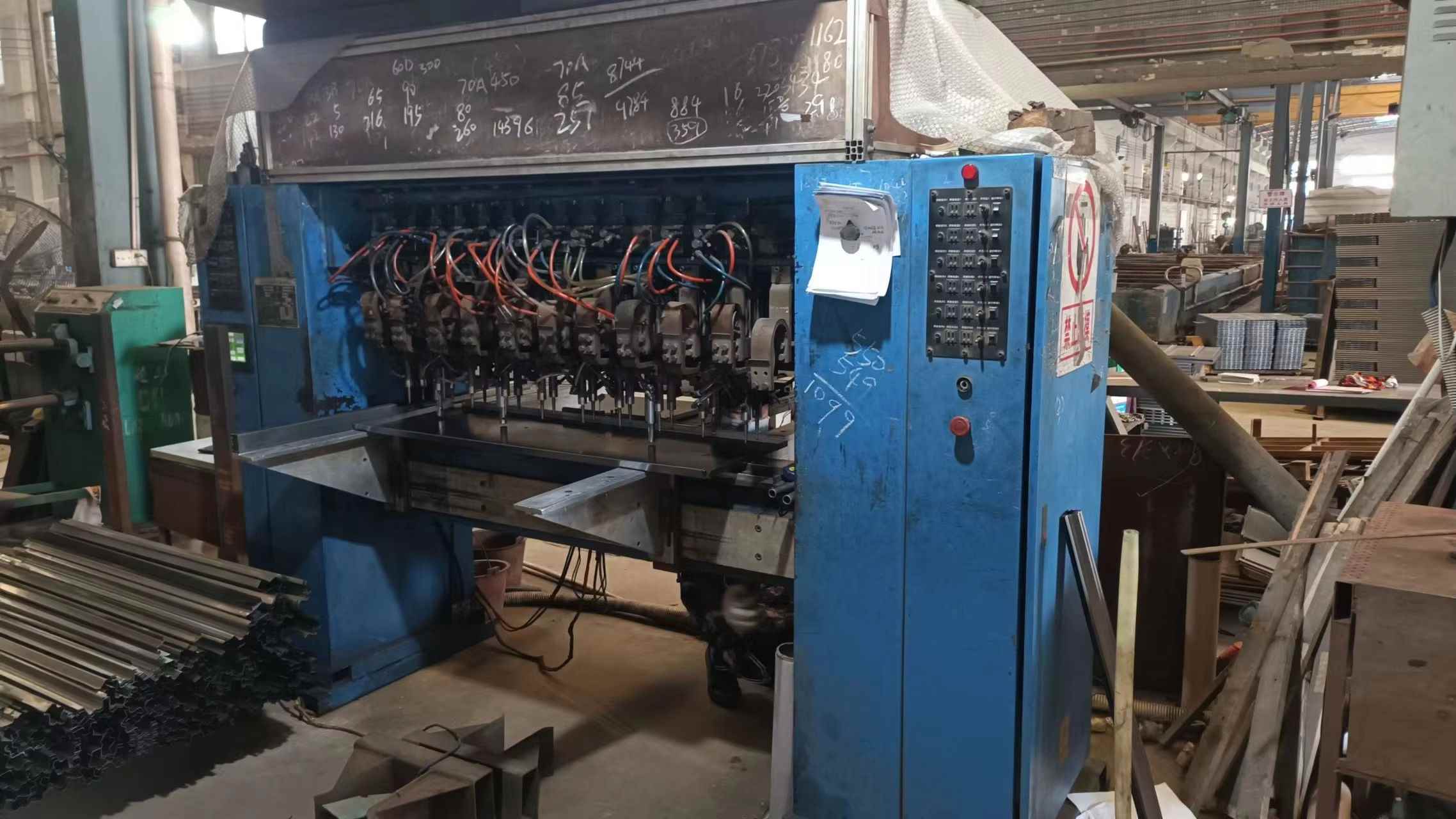
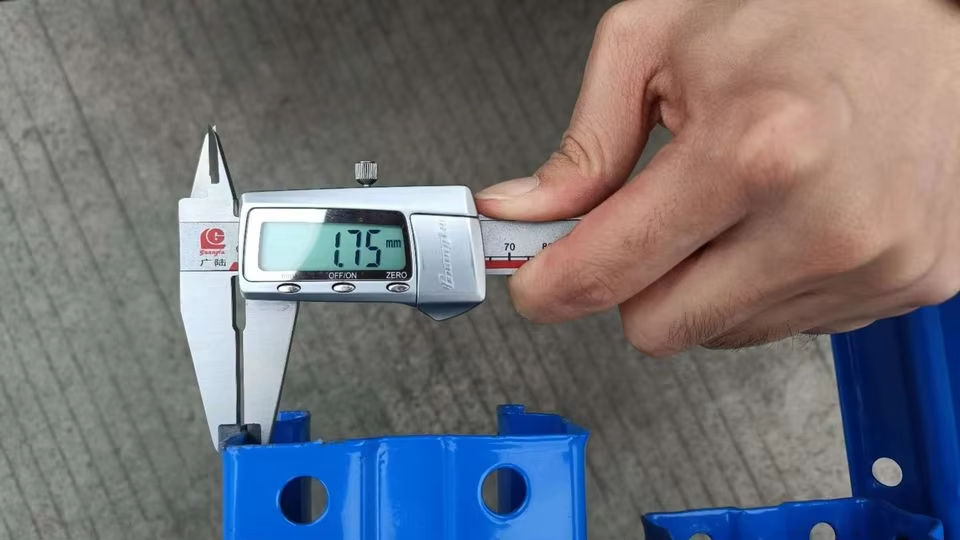
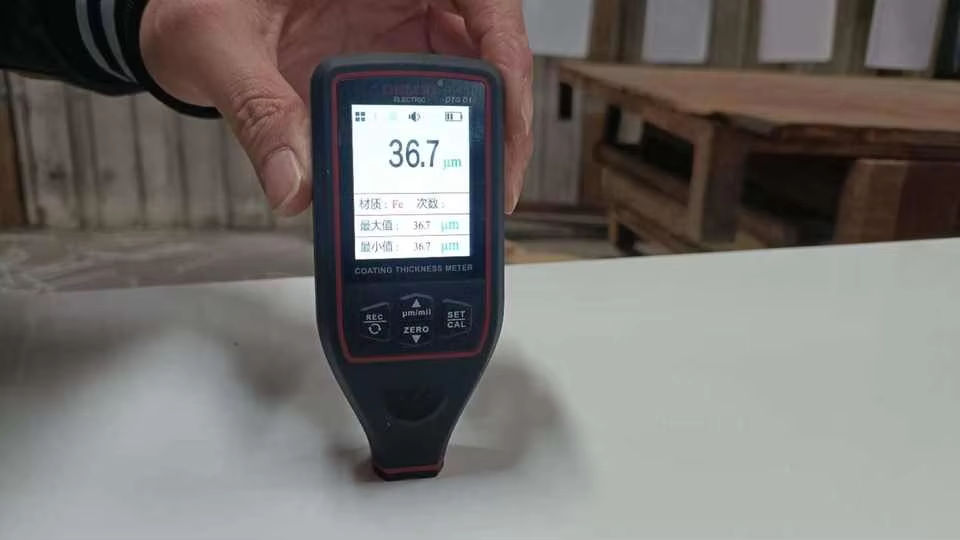
Heavy-duty column and load-tested arm assemblies configured to meet demanding material handling applications.
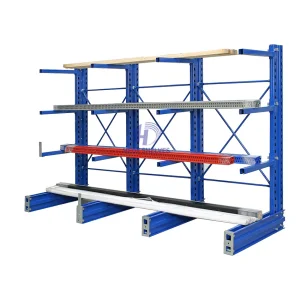
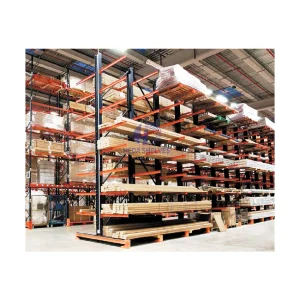
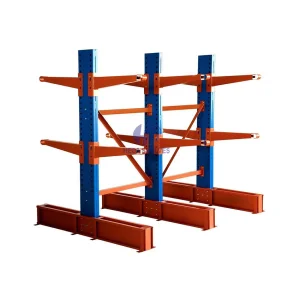
Comprehensive engineering and structural guidelines for procurement managers and warehouse facility operators.
Consult with Heda’s structural engineers to receive customized CAD layout drawings, structural loading capacity analysis, and direct factory pricing.
Send Inquiry Now Hedaracking