Explore our elite range of high-density storage configurations designed for logistics efficiency, warehouse spatial optimization, and structural resilience.
Tokyo stands as one of the most densely populated metropolitan business hubs in the world. For warehouse managers, 3PL providers, and industrial factories across the Greater Tokyo Area—spanning Koto, Ota, Shinagawa, and Yokohama—the cost of industrial real estate is at an all-time premium. Optimizing every cubic millimeter of storage space is not just a strategy for efficiency; it is a vital necessity for financial survival.
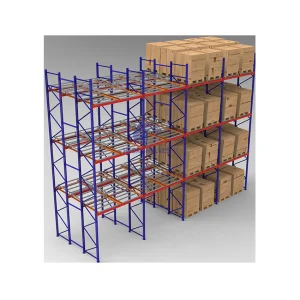
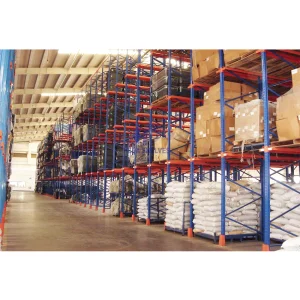
This is where Push Back Pallet Racking shows its absolute advantage. Unlike standard selective racking systems that require wide operational aisles, or drive-in systems that limit picking speed and load adaptability, Push Back Racking utilizes a dynamic nesting cart design operating on inclined rails. By storing pallets up to 2 to 6 positions deep, Tokyo industrial operations can immediately capture up to 75% higher storage density than standard layouts.
Furthermore, Japan's rigorous seismic standards (Building Standard Act / JIS structural codes) demand warehouse engineering that goes beyond typical load calculations. Operating as a premier manufacturer serving the Tokyo market, Shenzhen Heda Warehouse Equipment Co., Ltd. incorporates state-of-the-art seismic dampening structures, high-tensile structural steel profiles, and reinforced floor anchorage systems to guarantee stability in the event of seismic activity.
Push back racking operates on a Last-In, First-Out (LIFO) model. A forklift places the first pallet on the top cart. When loading the second pallet, the forklift gently pushes the first pallet back, exposing the next cart beneath it. Upon retrieval, gravity moves the remaining pallets forward smoothly, ensuring the picking face is constantly filled without driving into the racking structure.
Modern logistics demands agility, absolute safety, and digital integration. Explore how push back racking technologies align with the strategic requirements of modern procurement managers.
With the relocation of Tsukiji to Toyosu and the expansion of import terminals around Tokyo Bay, cold storage facilities are facing soaring operating costs. Energy usage in temperature-controlled warehouses is incredibly high. High-density racking systems, specifically push-back setups, minimize the open volume of air that needs to be cooled, optimizing thermal efficiency and lowering energy costs per pallet position.
Procurement departments from international firms demand more than just competitive pricing. They require structural integrity certificates, raw material traceability, and manufacturing compliance. Our dynamic storage racking is engineered to international standards (such as EN, FEM, RMI, and JIS), ensuring seamless integration into multi-national supply chain networks.
Many enterprises are bridging the gap between manual warehousing and fully automated ASRS (Automated Storage and Retrieval Systems) by implementing gravity-fed dynamic systems. Push-back racking offers a cost-effective alternative that achieves high density with minimal mechanical complexity, reducing maintenance overheads and operator training times.
Choose the right warehouse configuration based on performance parameters, capital expense, and speed of retrieval.
| Racking System Type | Storage Density | Selectivity (SKU Access) | Seismic Reliability | Pallet Loading Sequence | Tokyo Applicability Index |
|---|---|---|---|---|---|
| Push Back Racking | High (Up to 75% increase) | Good (Access via aisle faces) | Excellent (Self-contained sloped rails) | LIFO (Last-In, First-Out) | 9.8 / 10 (Highly Recommended) |
| Selective Pallet Racking | Low (Basic layout) | 100% (Instant access) | Good (Requires standard anchoring) | FIFO / LIFO adaptable | 6.5 / 10 (Aisle-heavy, costly) |
| Drive-In Racking | Very High | Poor (High risk of honeycombing) | Moderate (Difficult to cross-brace) | LIFO | 7.5 / 10 (Operator intensive) |
| VNA (Very Narrow Aisle) | High | 100% | Good (Requires super-flat floors) | FIFO / LIFO adaptable | 8.5 / 10 (High equipment cost) |
Shenzhen Heda Warehouse Equipment Co., Ltd. leverage advanced manufacturing paradigms to meet the tight project schedules and high-quality demands of Tokyo's industrial developers. Spanning a modern manufacturing facility of 35,000 m², our enterprise integrates R&D, design, production, and international marketing to serve diverse storage needs worldwide. With 12 years of industry experience and 8 years of dedicated export expertise, we deliver high-caliber storage systems that generate over $28 million in annual export revenue.
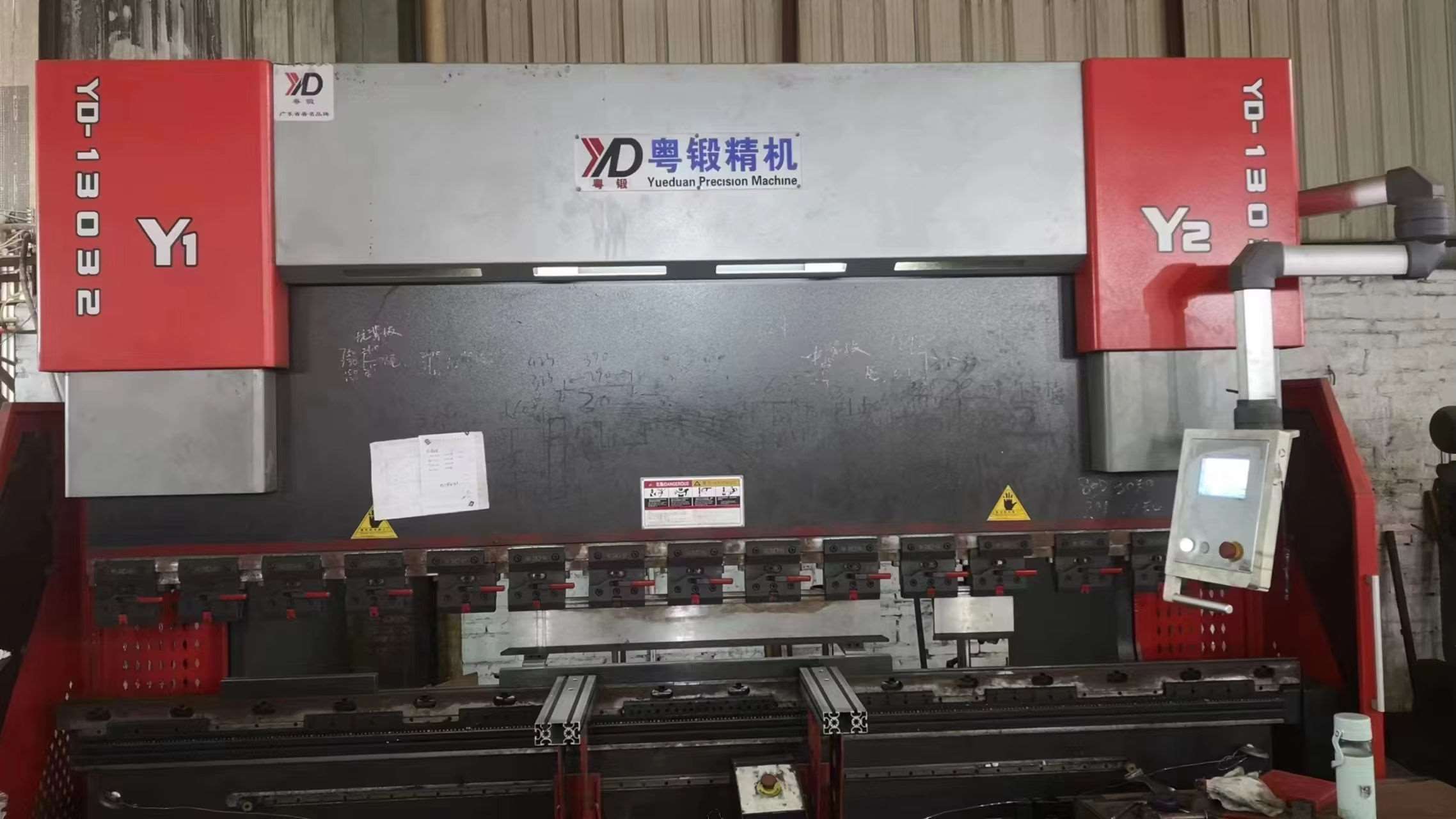
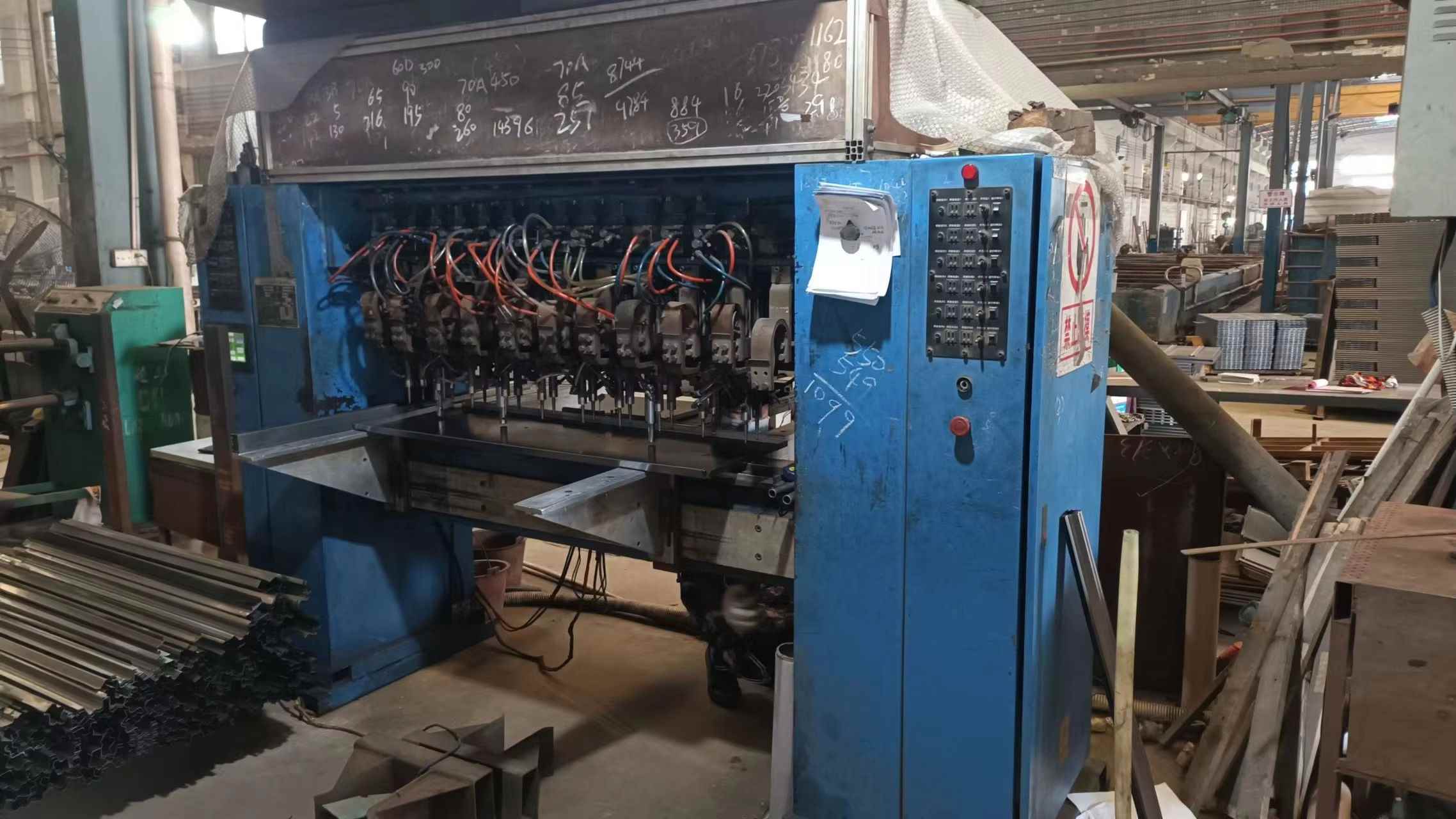
By using automated punching machines, robotic welding setups, and continuous roll-forming lines, we reduce mechanical tolerances to less than 0.5mm. This degree of structural accuracy is essential for push-back racking, where the nested cart assembly must slide smoothly down the incline rails.
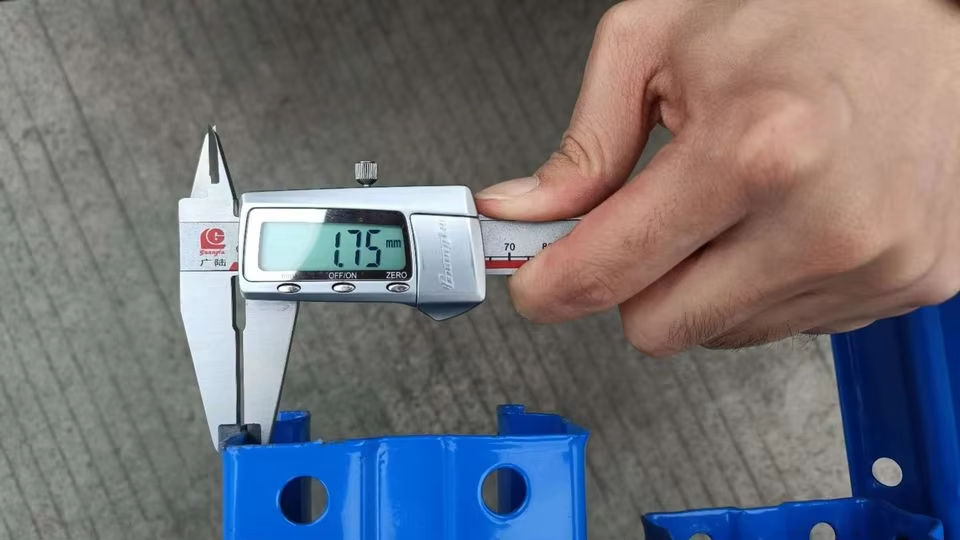
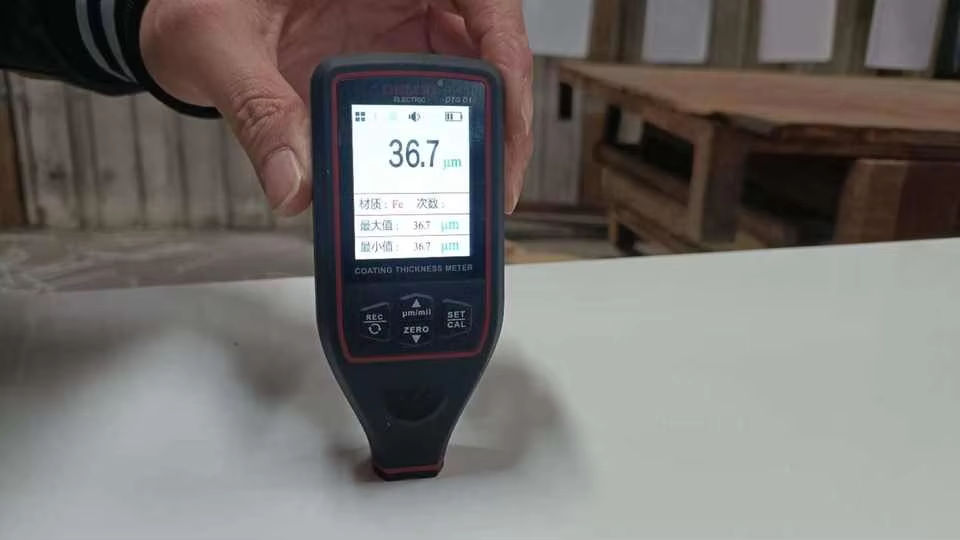
Our robust Quality Control (QC) department comprises 45 skilled inspectors utilizing rigorous testing methods, including raw material tensile testing, automated weld flaw detection, layer load-bearing stress analysis, and salt spray surface corrosion testing. Supported by a professional R&D team of 28 senior structural engineers, we maintain strong full-customization capabilities (OEM/ODM)—offering tailored rack dimensions, load capacities, surface coatings, and layout designs. Driven by continuous innovation, we launched over 120 new dynamic storage products and component upgrades last year.
Operating with a strong direct-factory and international trade background, we have built a resilient ecosystem supported by over 800 supply chain partners. Our products are exported to major global markets, including North America, Western Europe, Southeast Asia, and the Middle East. We proudly serve a diverse clientele ranging from third-party logistics (3PL) providers and large distribution centers to industrial manufacturers and wholesale equipment distributors.
We work directly with ocean freight carriers to organize shipping lines from Shenzhen and Guangzhou ports straight to Tokyo Port or Yokohama Port. This direct sea transport reduces freight times down to just 5-7 days. Combined with structured customs documentation and container loading designs that minimize shipping movements, our clients in Tokyo benefit from reduced lead times and lower freight costs.
Take a look inside our high-tech fabrication, finishing, and quality control lines, ensuring durability and structural integrity.
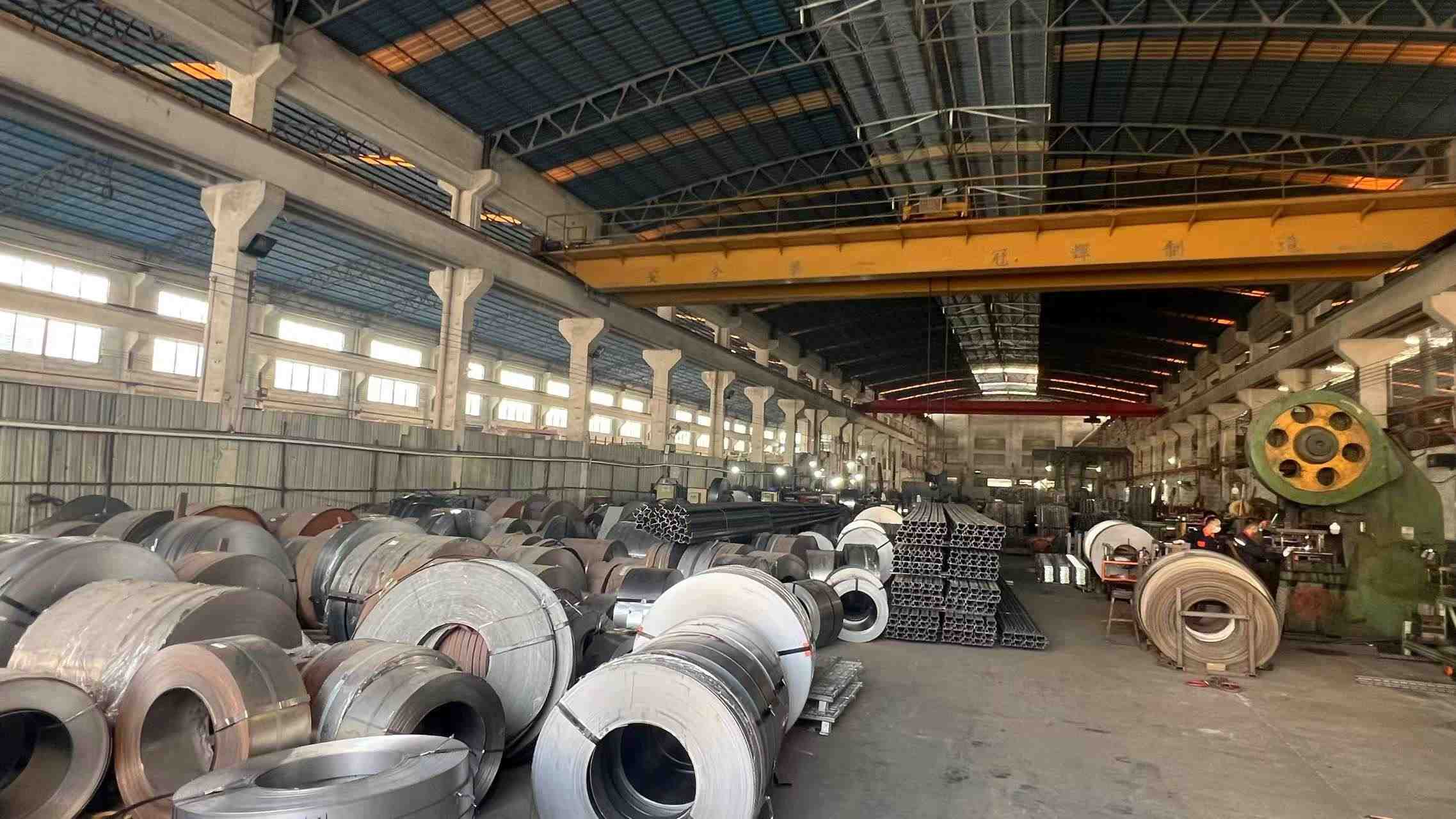
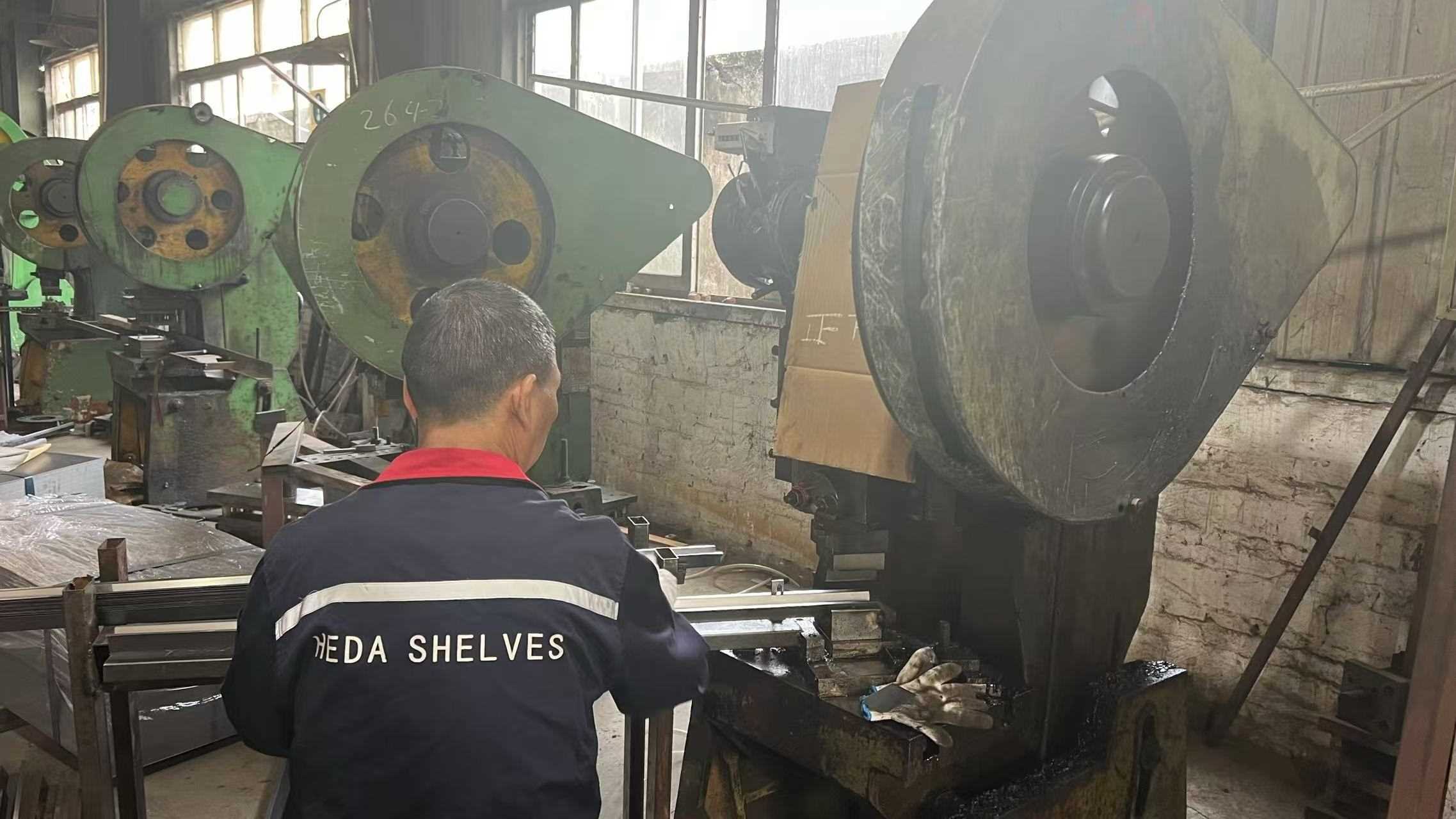
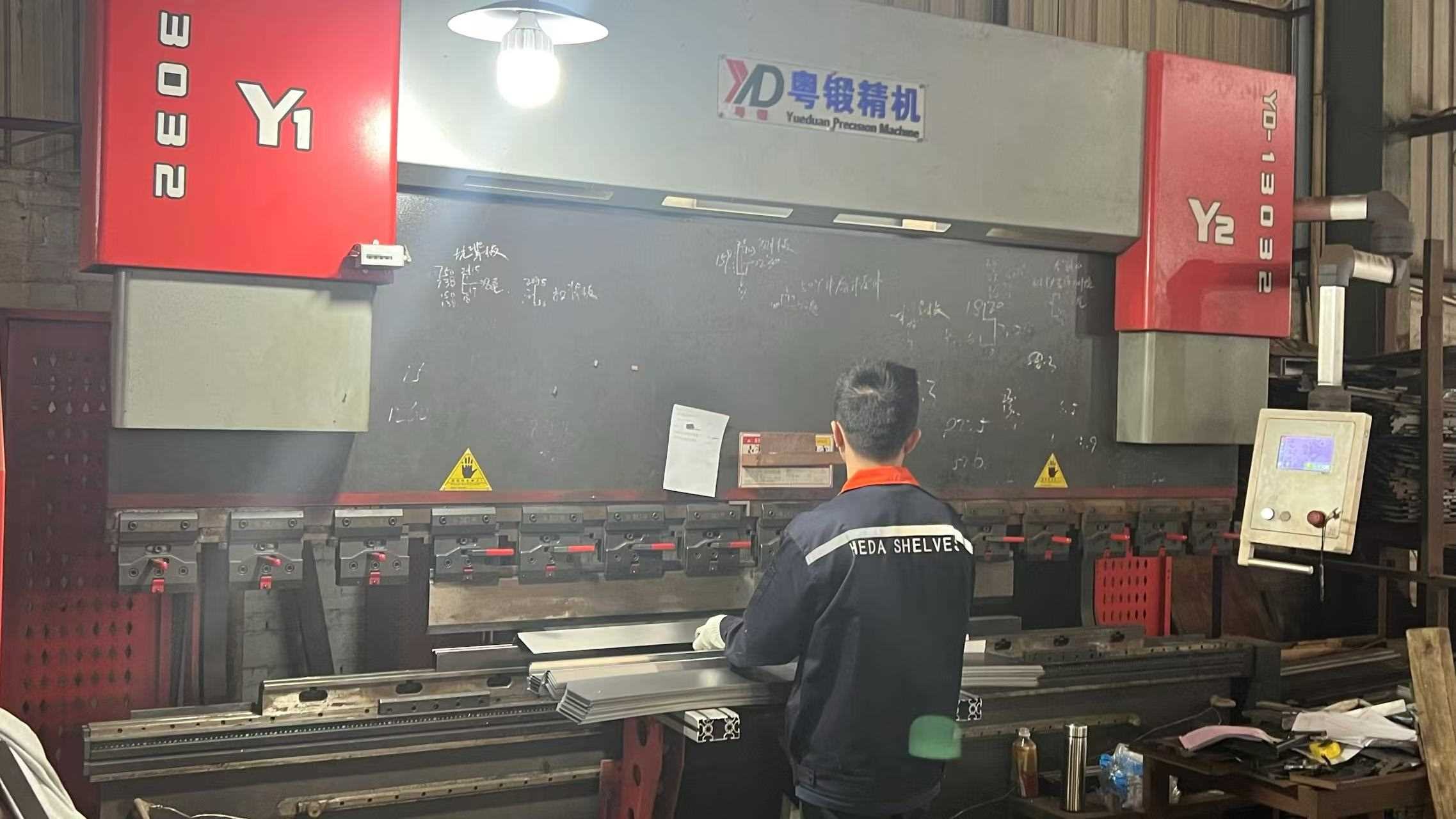
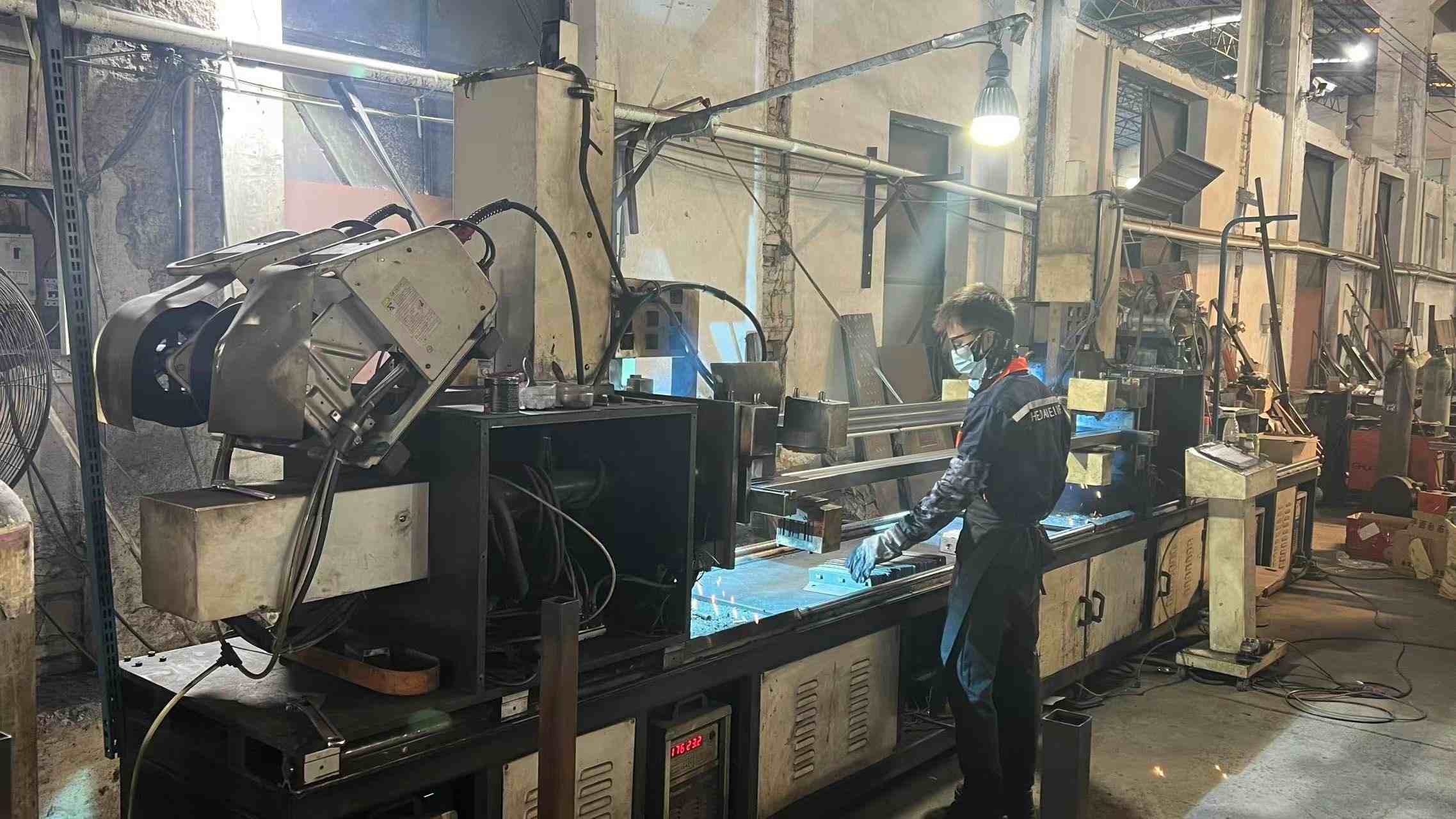
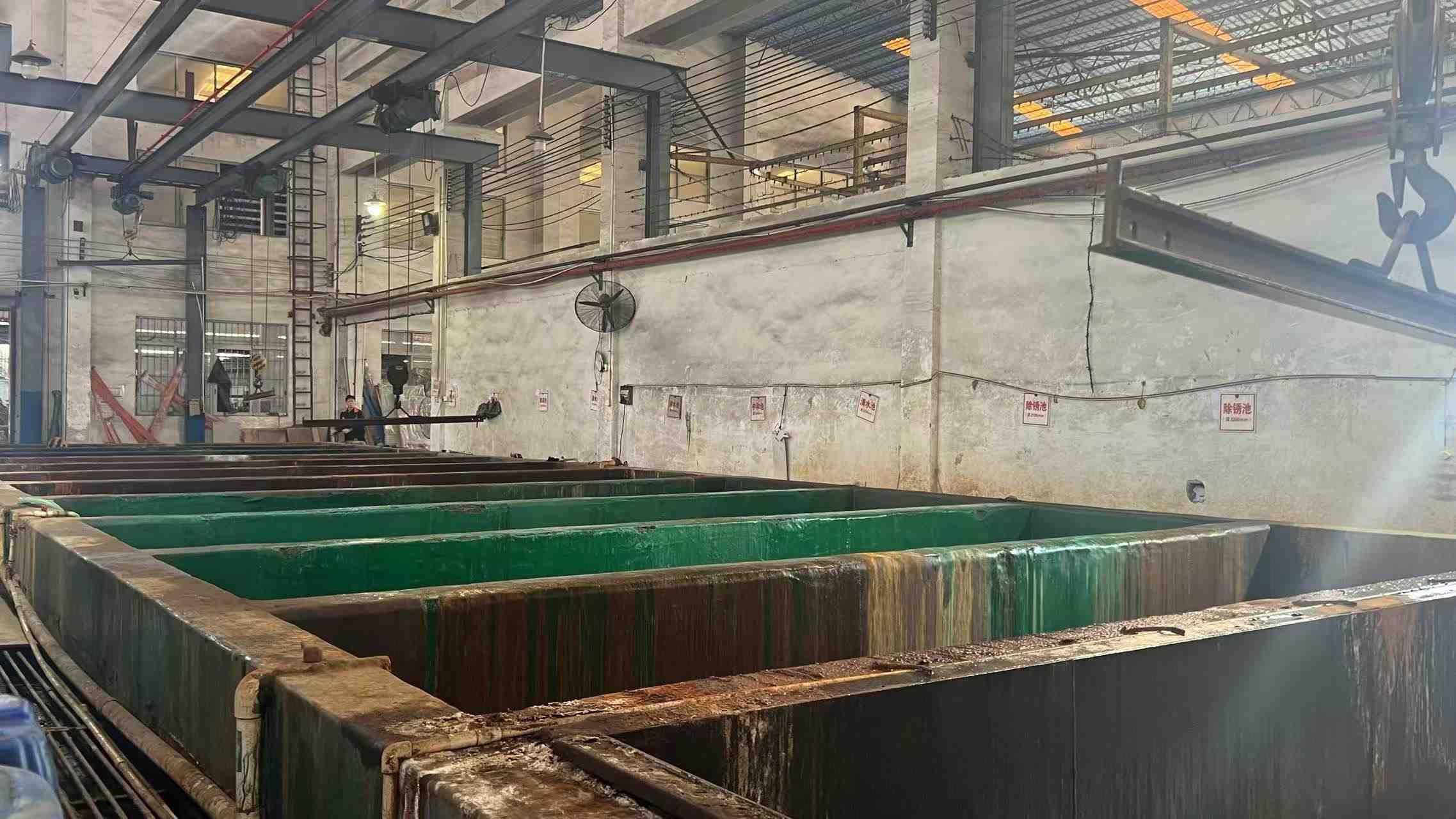
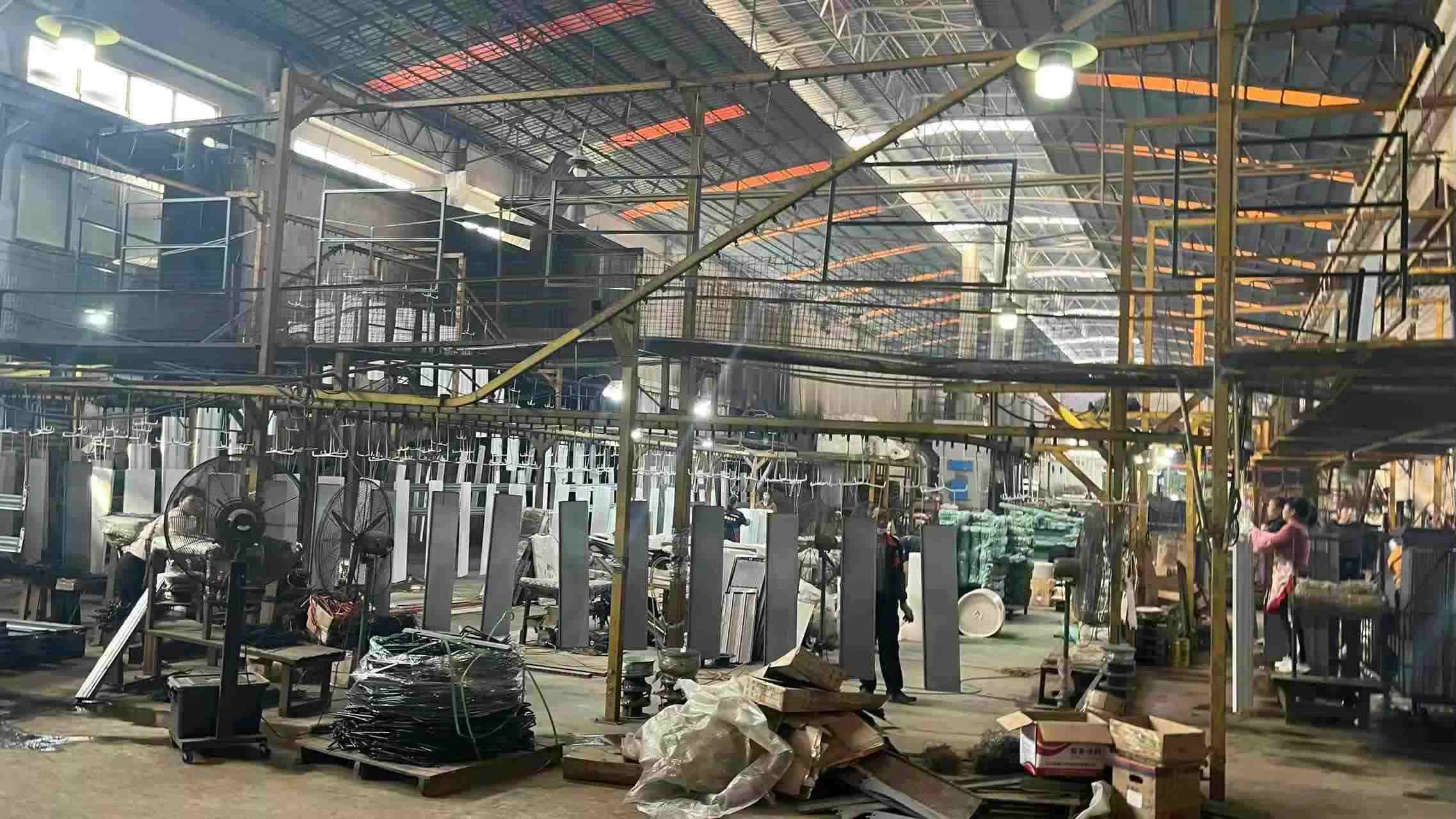
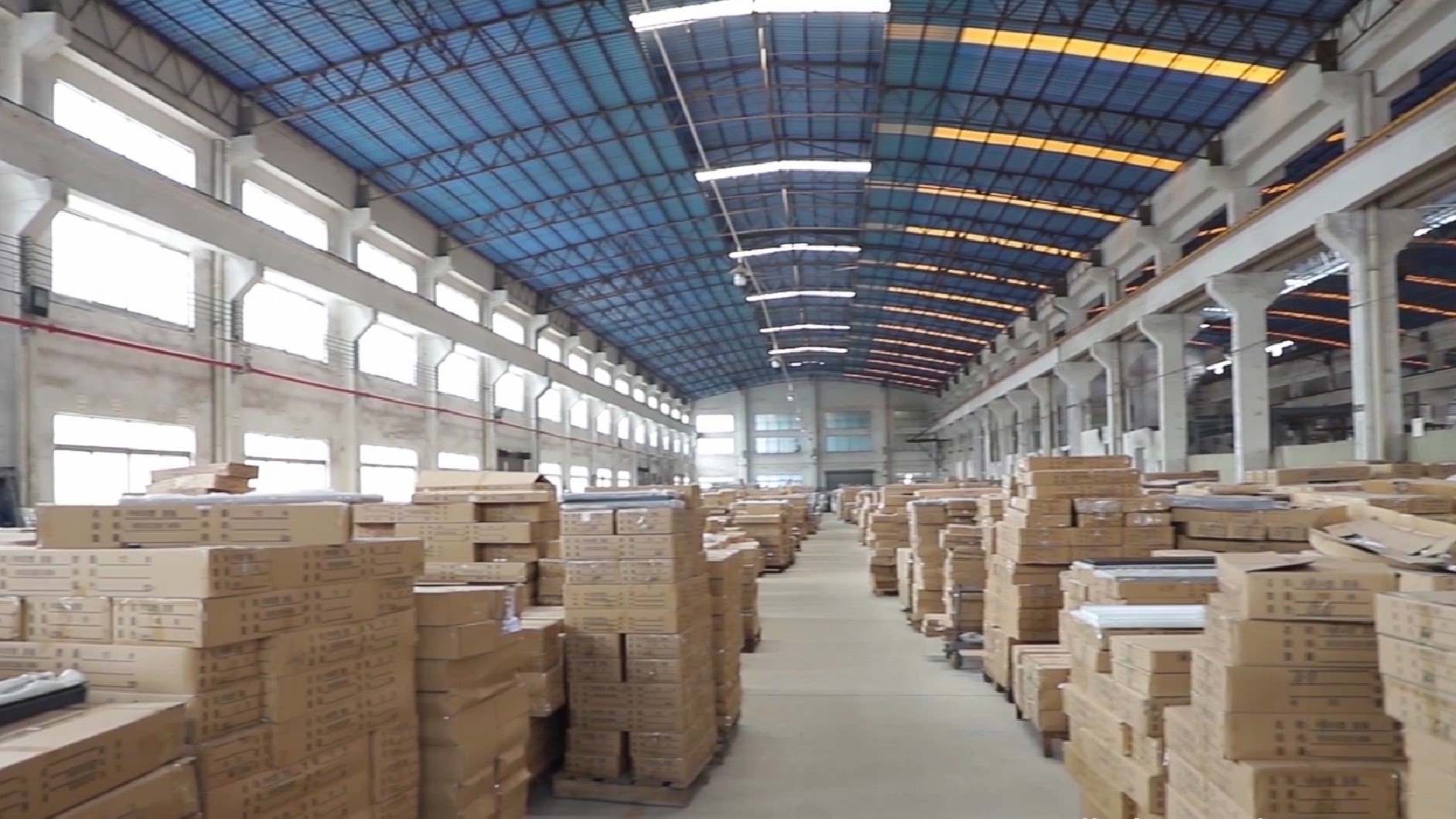
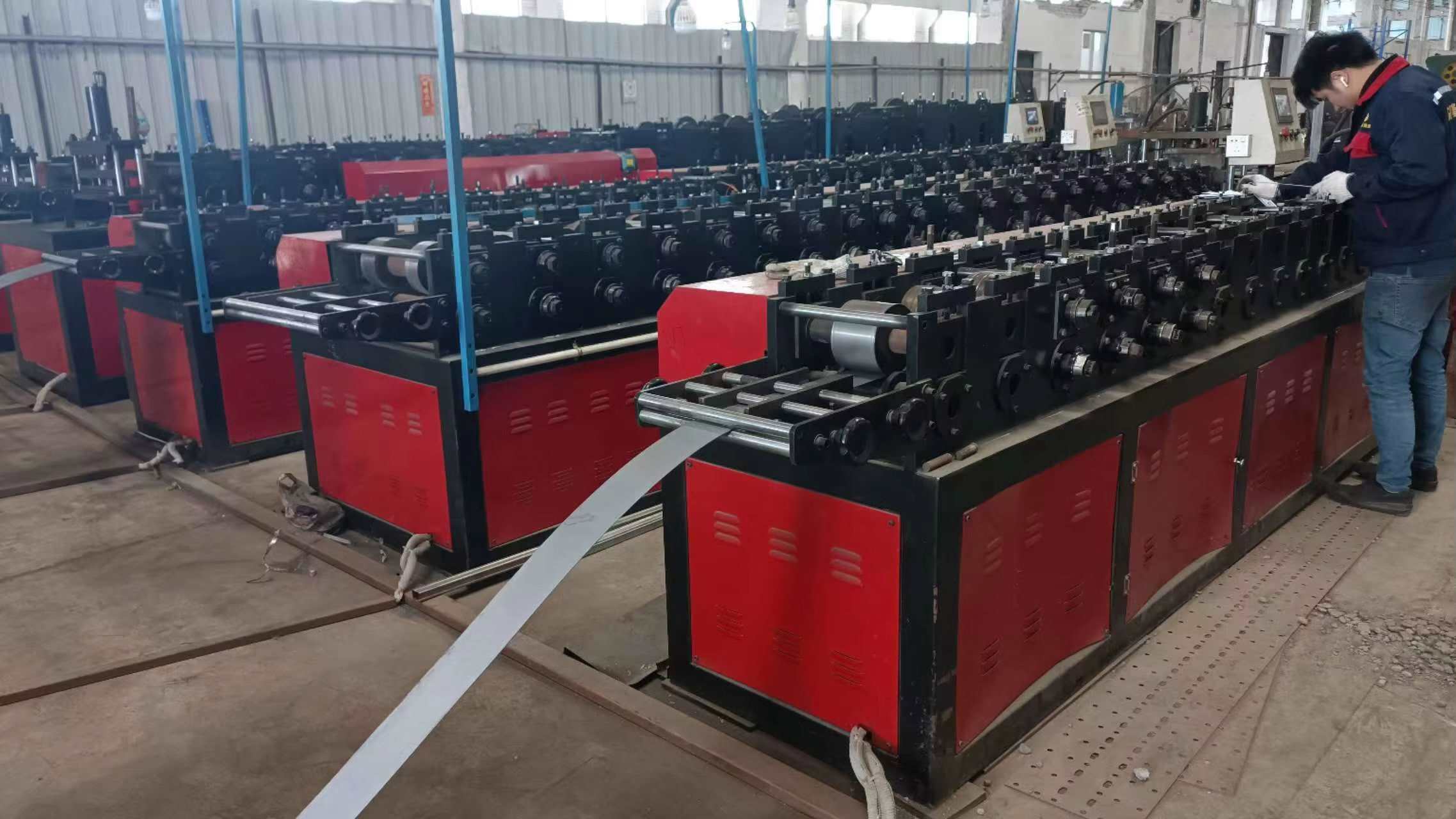
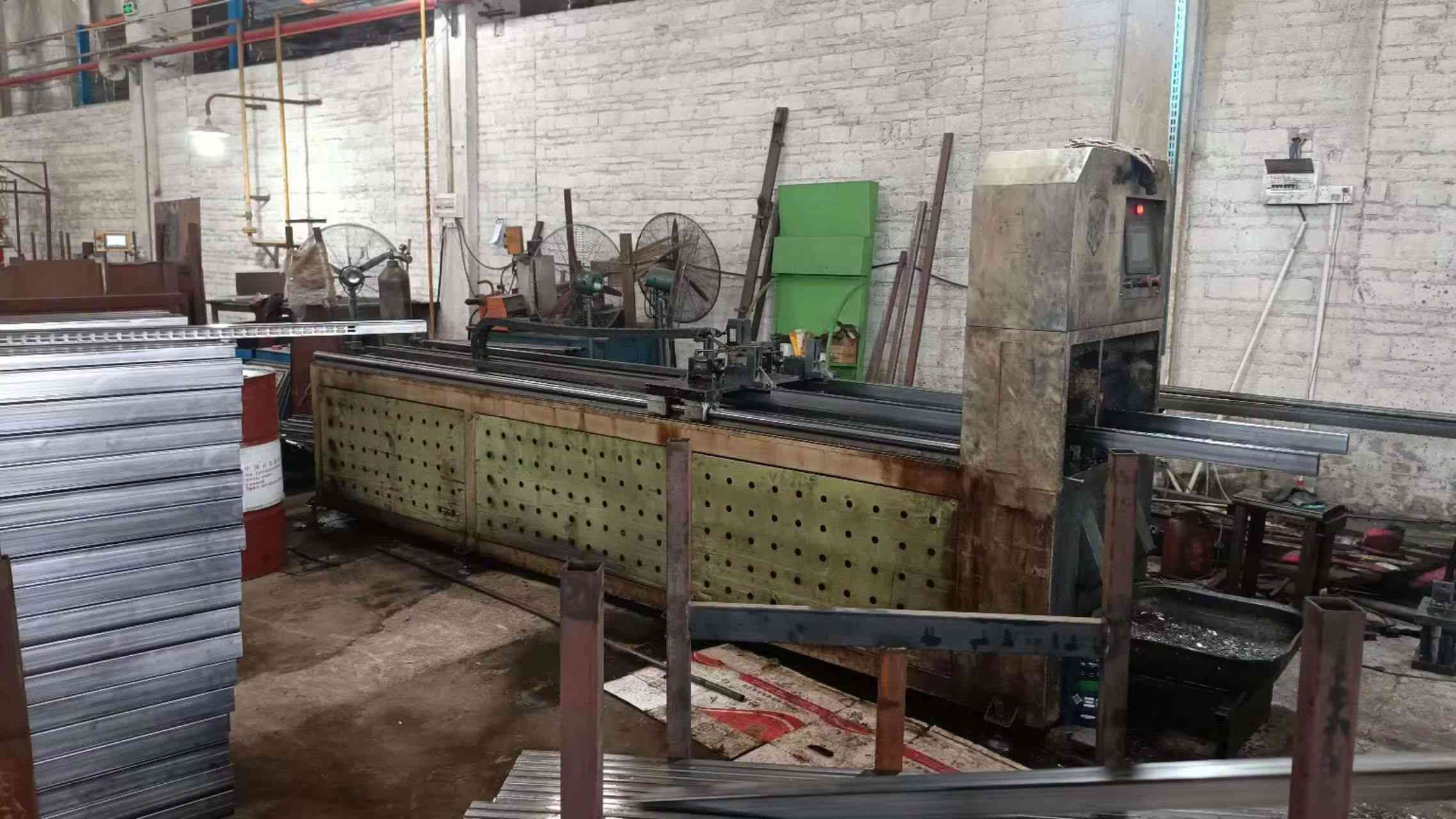
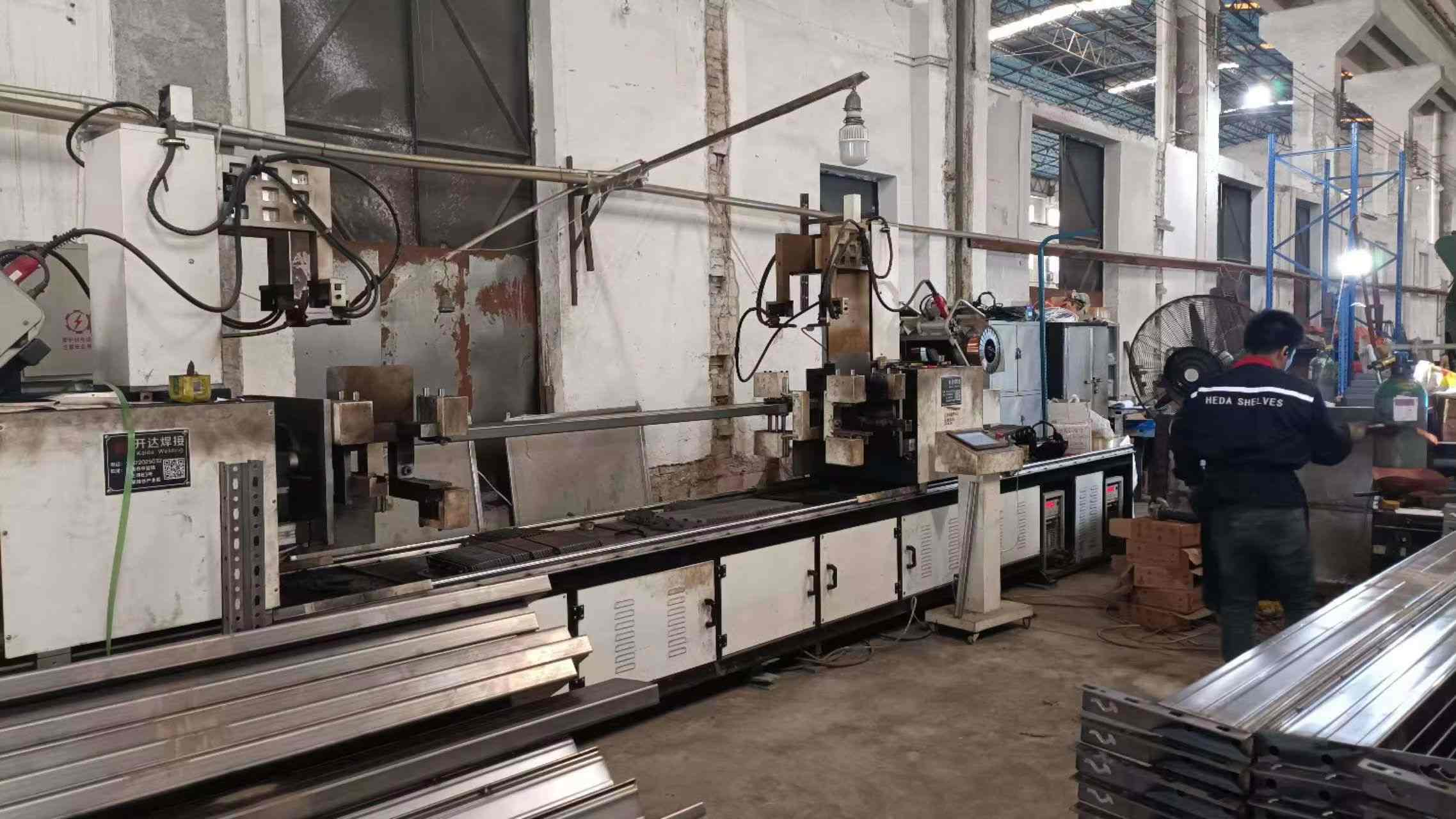
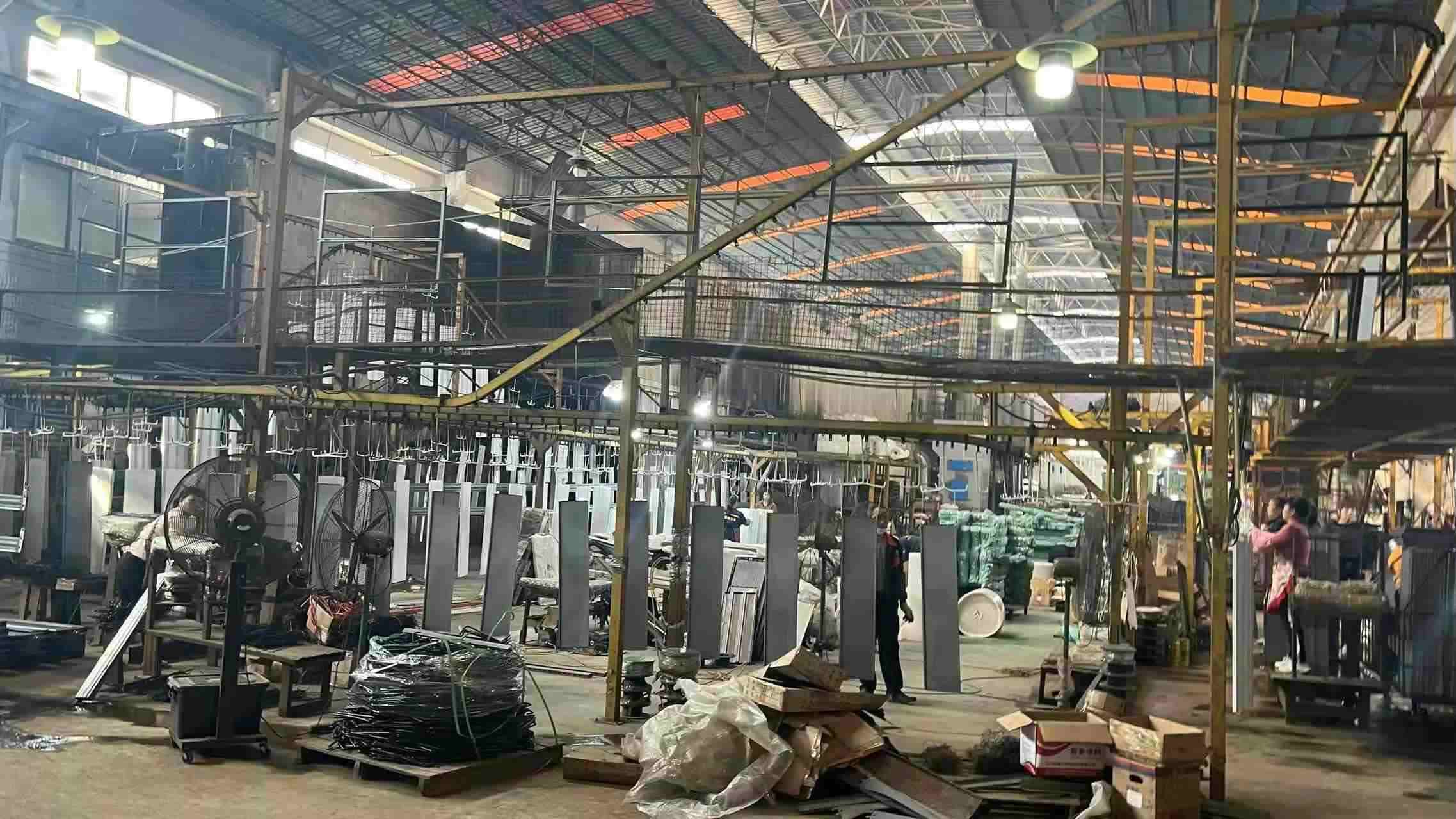
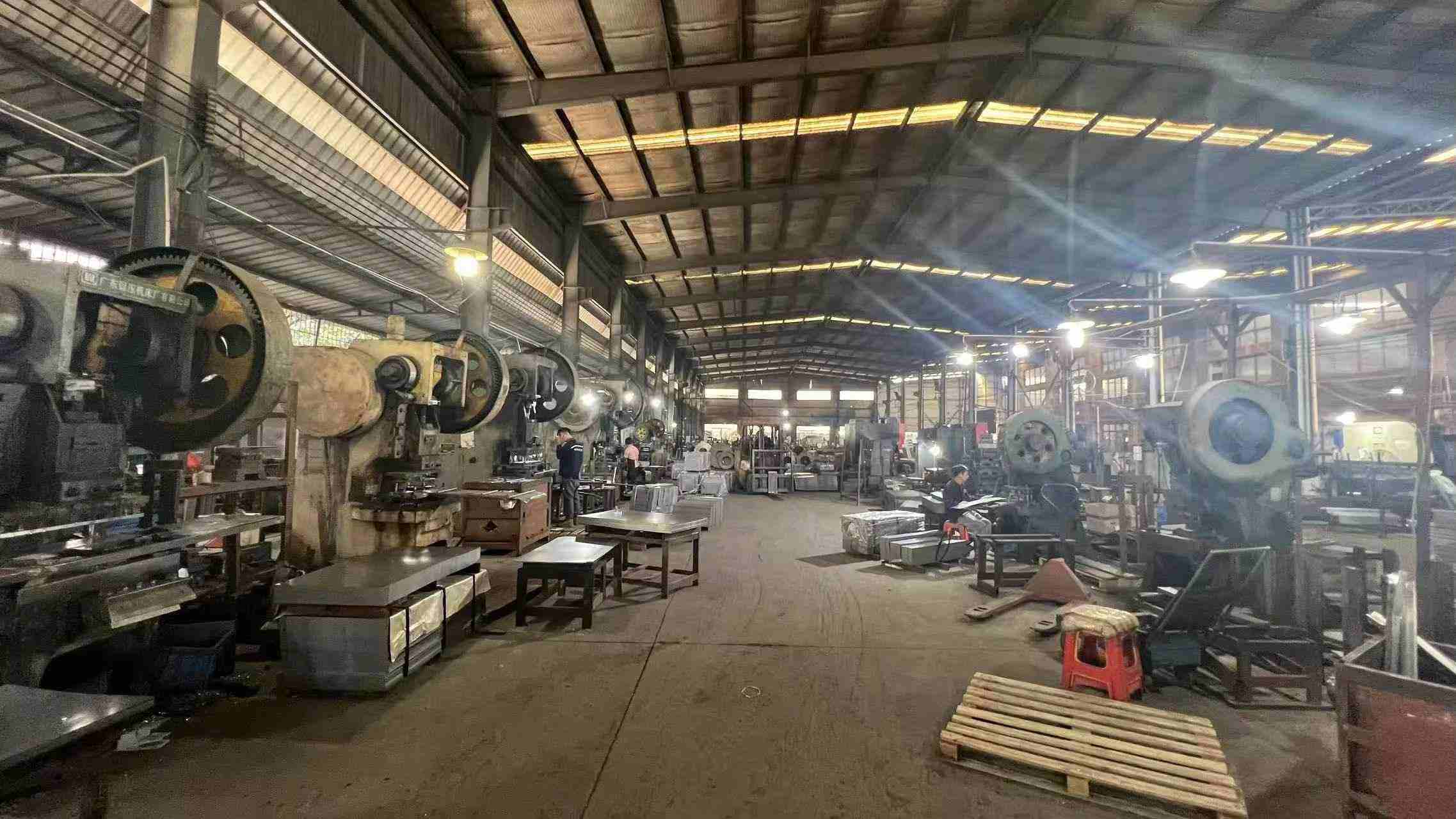
Our warehouse storage engineering solutions are tailored to meet the demands of various local industries.
Challenge: Extremely high operating costs for chilled air in seafood and grocery distribution zones near Toyosu Market.
Racking Solution: Custom 4-deep push back racking using high-grade galvanized steel. By reducing active forklift access aisle widths from 3.2 meters to 1.8 meters, the system significantly increased thermal efficiency and maximized refrigerated space utilization.
Challenge: Multi-story industrial warehouses requiring fast handling of high-variety electronic parts and mechanical components.
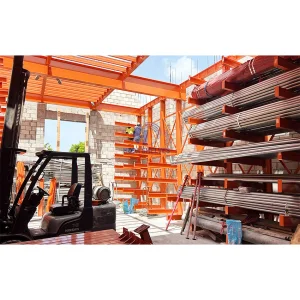
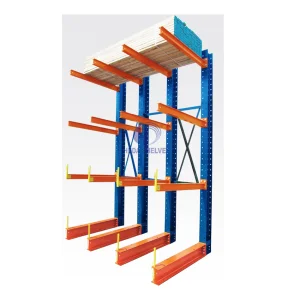
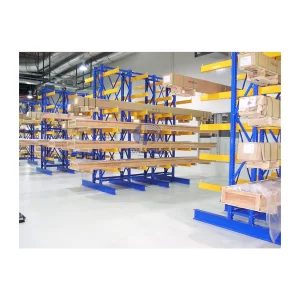
Racking Solution: Interlocking double-sided cantilever systems integrated with 3-layer heavy-duty push-back cart configurations. This layout allows for high selectivity of long parts alongside standard pallets, and is reinforced with heavy anchors to meet local seismic safety requirements.
Challenge: Rapid turnover logistics requiring high volume throughput under strict spatial limitations.
Racking Solution: 5-tier dynamic push back racking configurations. Smooth gravity-assisted nested carts prevent pallet jams, accelerating forklift cycle times during peak air freight cargo processing windows.
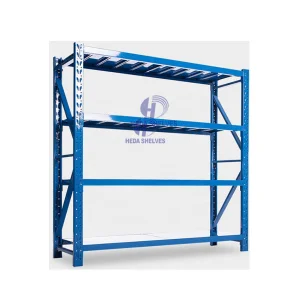
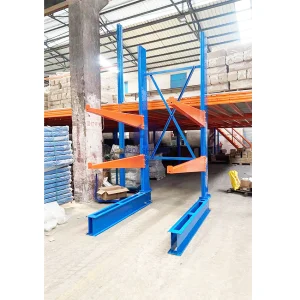
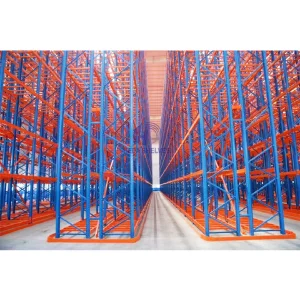
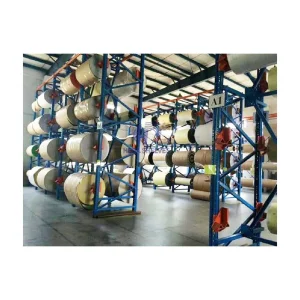
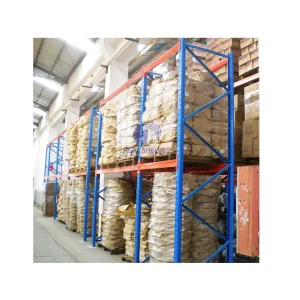
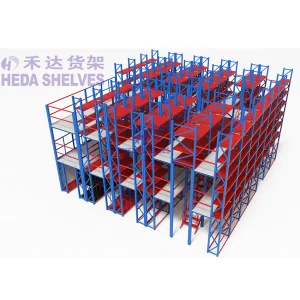
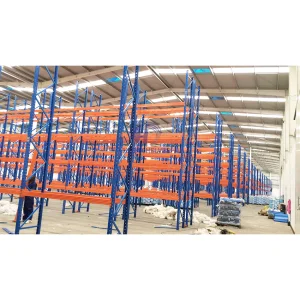
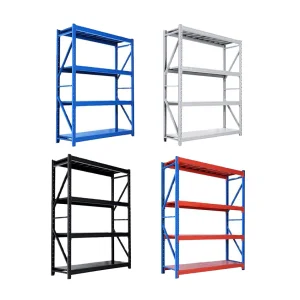
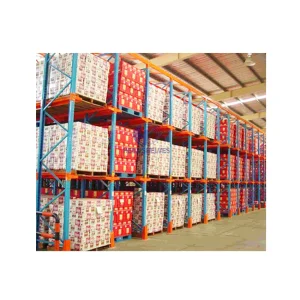
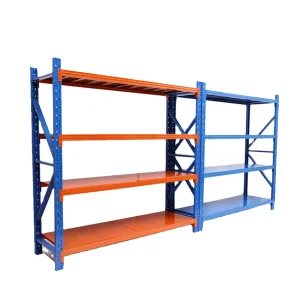
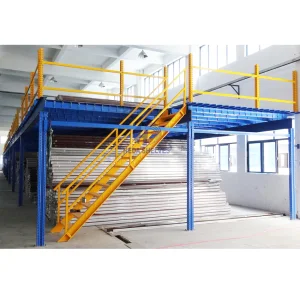
Browse our complete product range, featuring structural pallet configurations, cantilever racks, and mezzanine floor systems engineered for global supply chains.
Get authoritative answers to engineering, structural, and procurement questions about using racking systems in Tokyo.
 Hedaracking