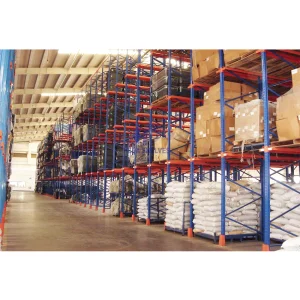
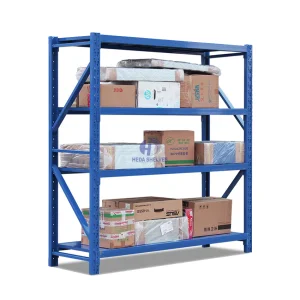
Engineered structural systems tailored for high-density, dynamic, and static storage of extreme-weight payloads.
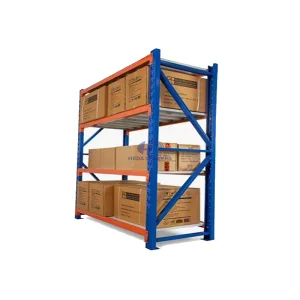
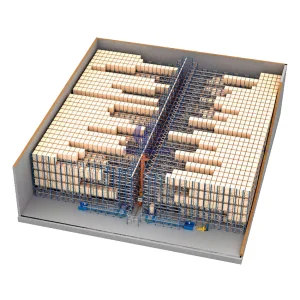
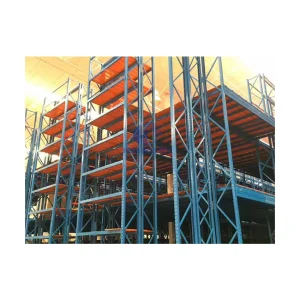
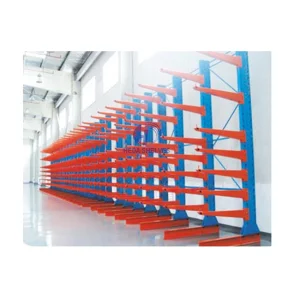
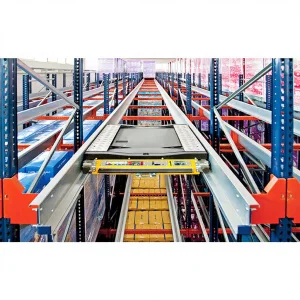
Modern industrial supply chains demand exceptional vertical space optimization. As land acquisition costs escalate globally, heavy manufacturers, steel mills, automotive producers, and third-party logistics (3PL) organizations face the critical challenge of storing massive, non-standard components safely. This environment requires specialized heavy equipment storage architectures designed to withstand extreme dynamic stresses, impact forces, and environmental wear.
Traditional warehouses are ill-equipped to handle the spatial footprint and intense load requirements of large casting dies, coiled steel, raw machinery structural profiles, and bulk structural piping. Without robust racking systems calculated under precise finite element modeling (FEM), operations run severe risks of catastrophic rack collapses, floor slab degradation, and supply chain stagnation. Standard warehouse shelving is simply inadequate; the modern enterprise requires heavy-duty structures calibrated for seismic events, harsh temperature variations, and high-frequency automated retrieval cycles.
Racking systems engineered under strict EN 15512 and ANSI/MH16.1 specifications, ensuring lateral stability under localized ground movements.
Capable of supporting from 1,000kg to over 5,000kg per shelf tier or beam level utilizing customized hot-rolled and cold-formed steel sections.
Shenzhen Heda Warehouse Equipment Co., Ltd. is a premier manufacturing enterprise operating at the intersection of raw material processing and industrial logistics innovation.
Established in 2014, Shenzhen Heda Warehouse Equipment Co., Ltd. has developed into a leading authority in the fabrication of heavy-duty warehouse racking and highly specialized automated warehouse components. With a state-of-the-art 35,000 m² manufacturing facility, we integrate full-lifecycle services including design engineering, direct material selection, automated tooling, structural weld inspection, and international logistics. Backed by 12 years of industry engineering experience and 8 years of international export compliance, Heda generates over $28 million in annual export revenue, supplying premium projects across Europe, North America, the Middle East, and Southeast Asia.
Our operation is underpinned by dedicated structural designers and mechanical engineers who utilize advanced Finite Element Analysis (FEA) to simulate loading stresses, seismic impacts, and buckling margins. This scientific approach ensures that every cantilever arm, upright column, bracing member, and shuttle rail operates well within safety tolerances. Through robust OEM/ODM pipelines, we design bespoke configurations including adjustable shelf pitches, custom chemical-resistant epoxy coatings, and dual-directional storage layouts for dynamic heavy industry application.
How we transform raw steel feedstocks into structurally certified, corrosion-protected industrial storage assemblies.
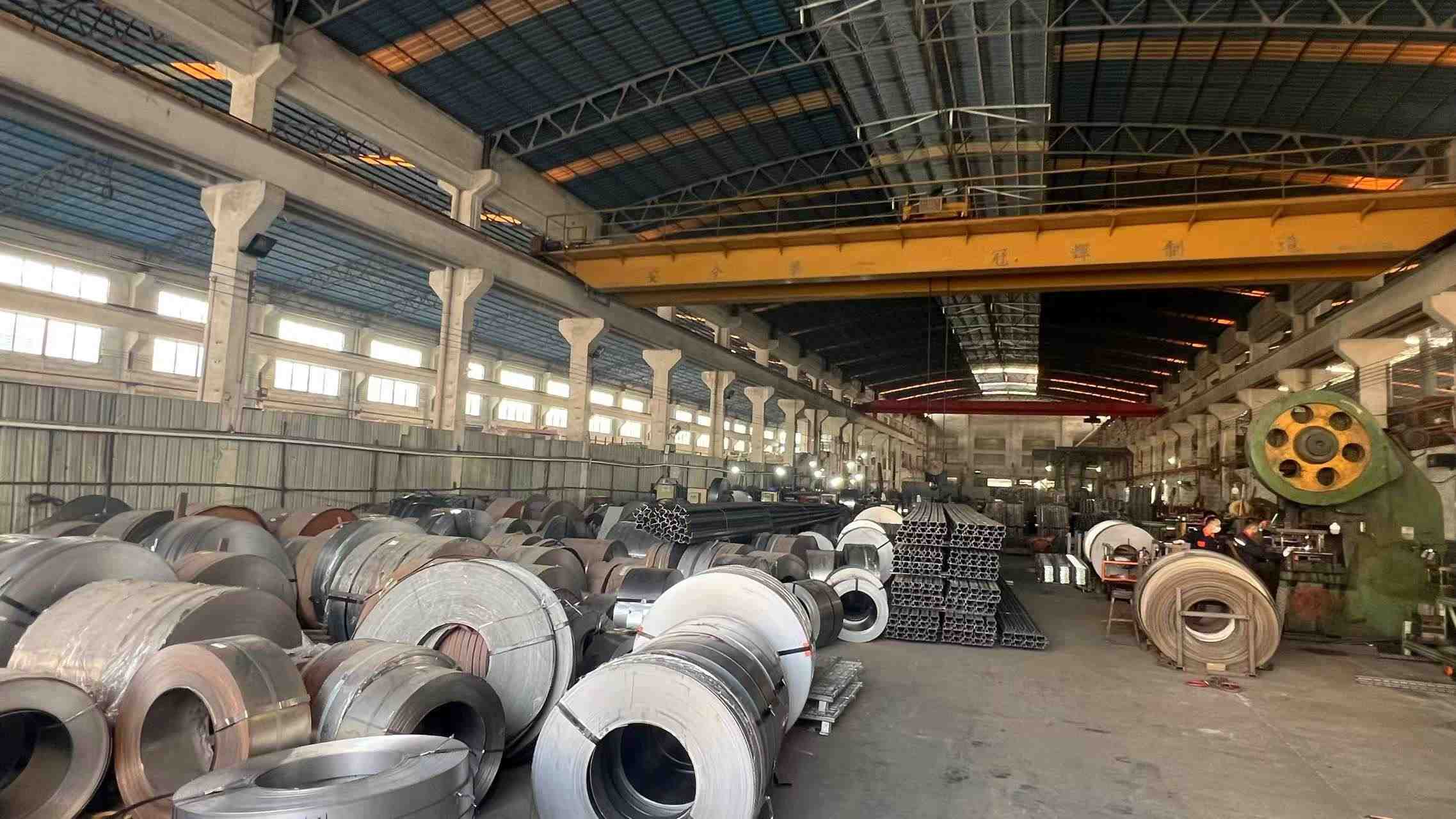
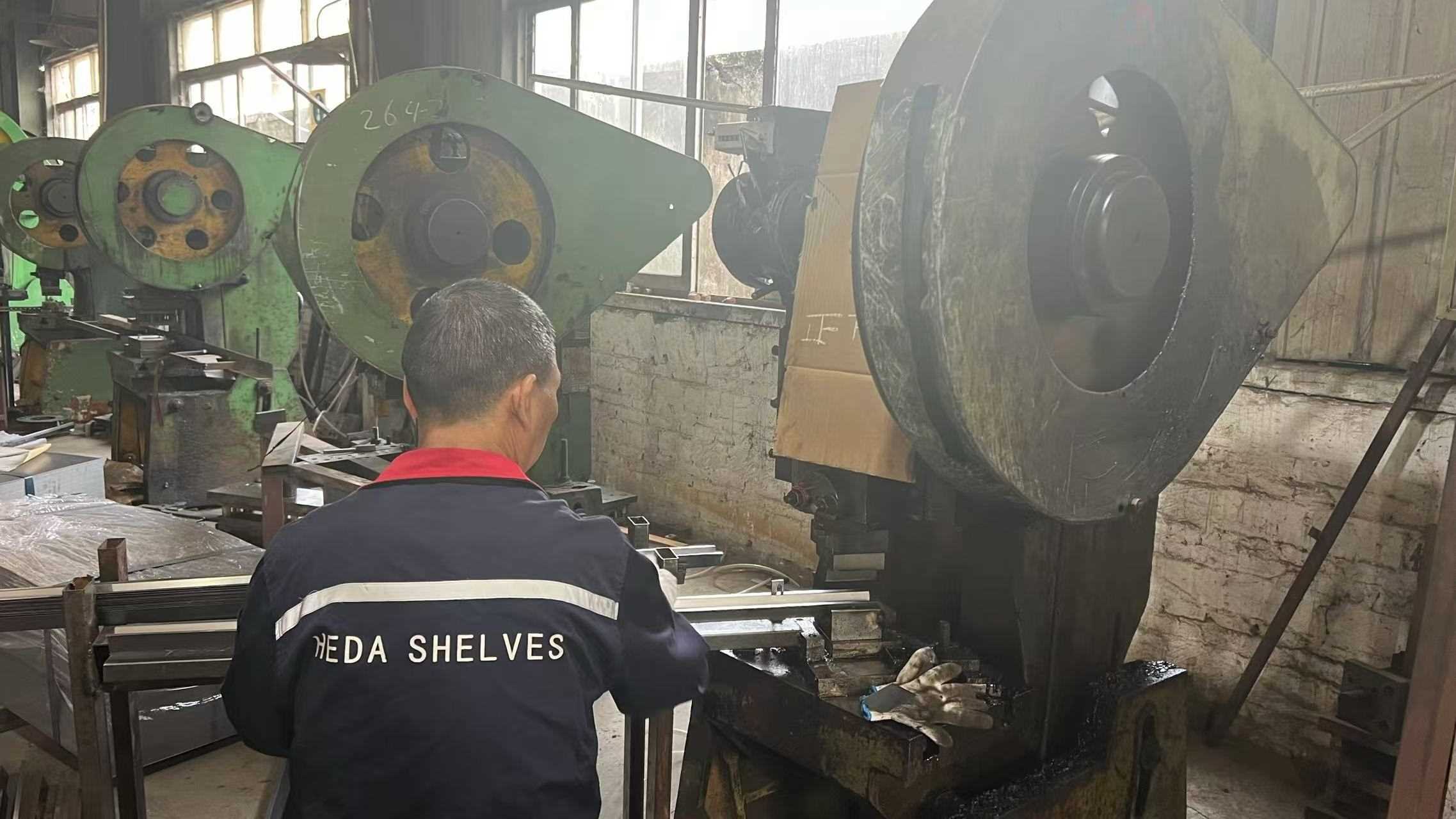
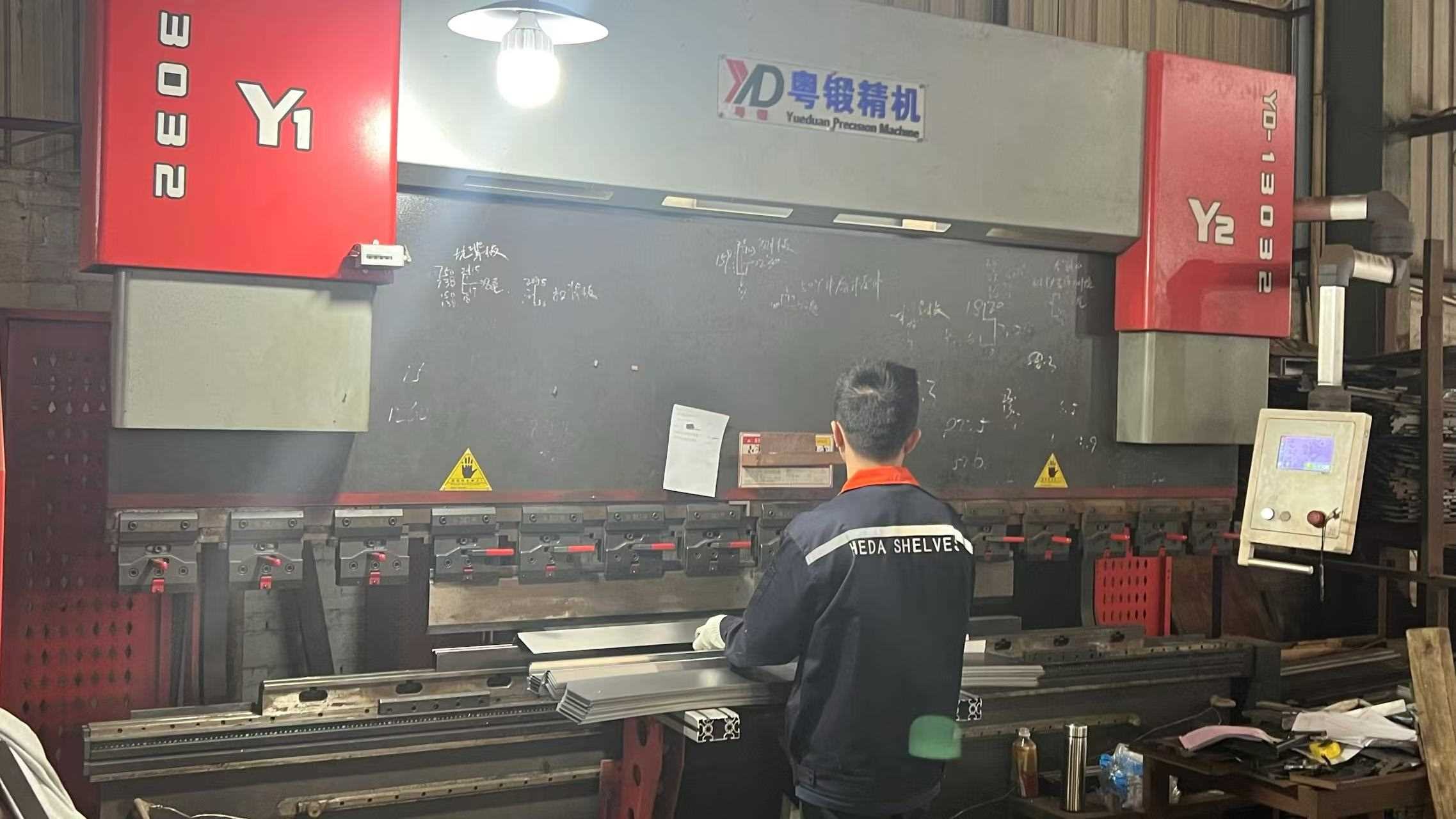
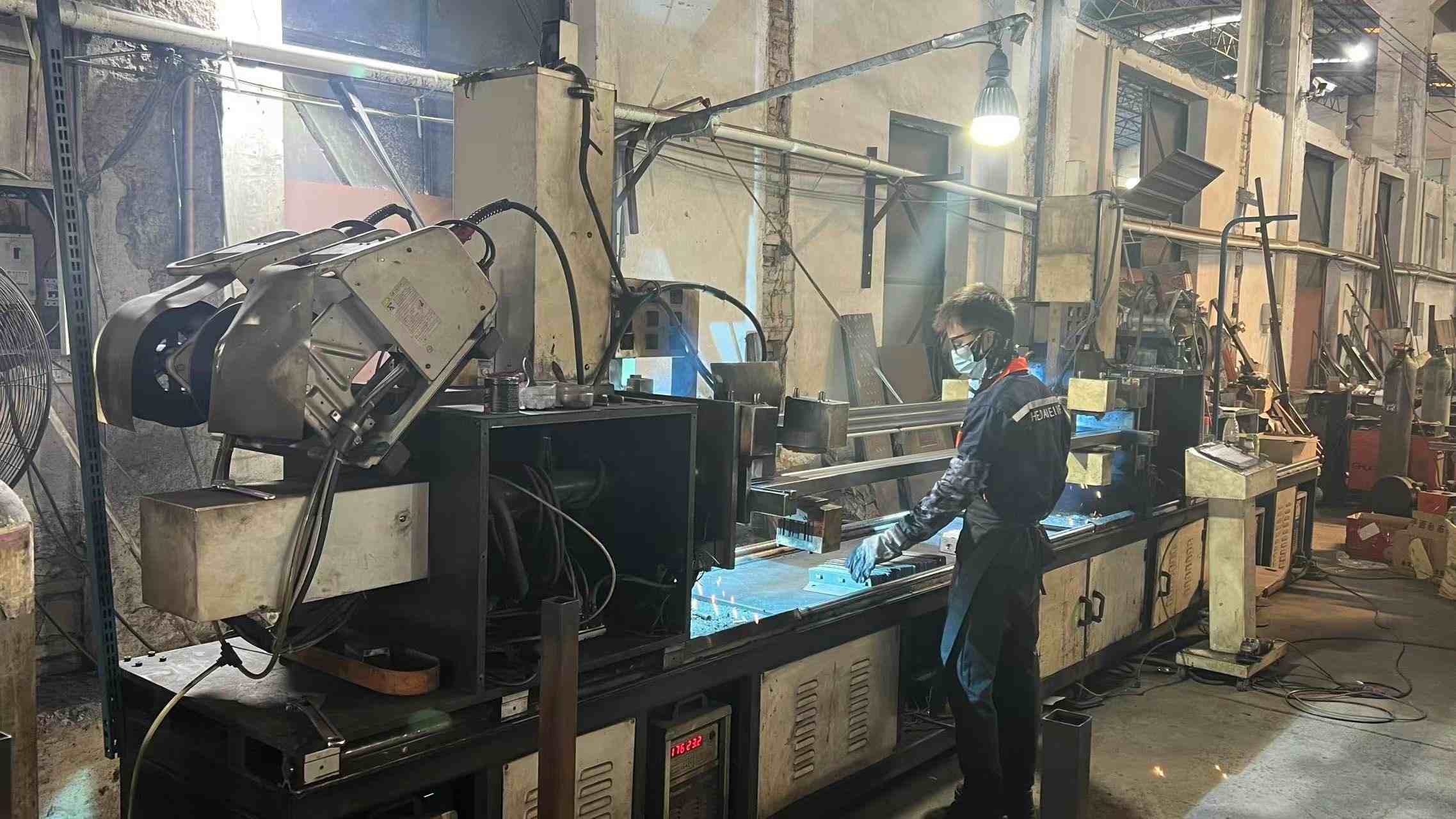
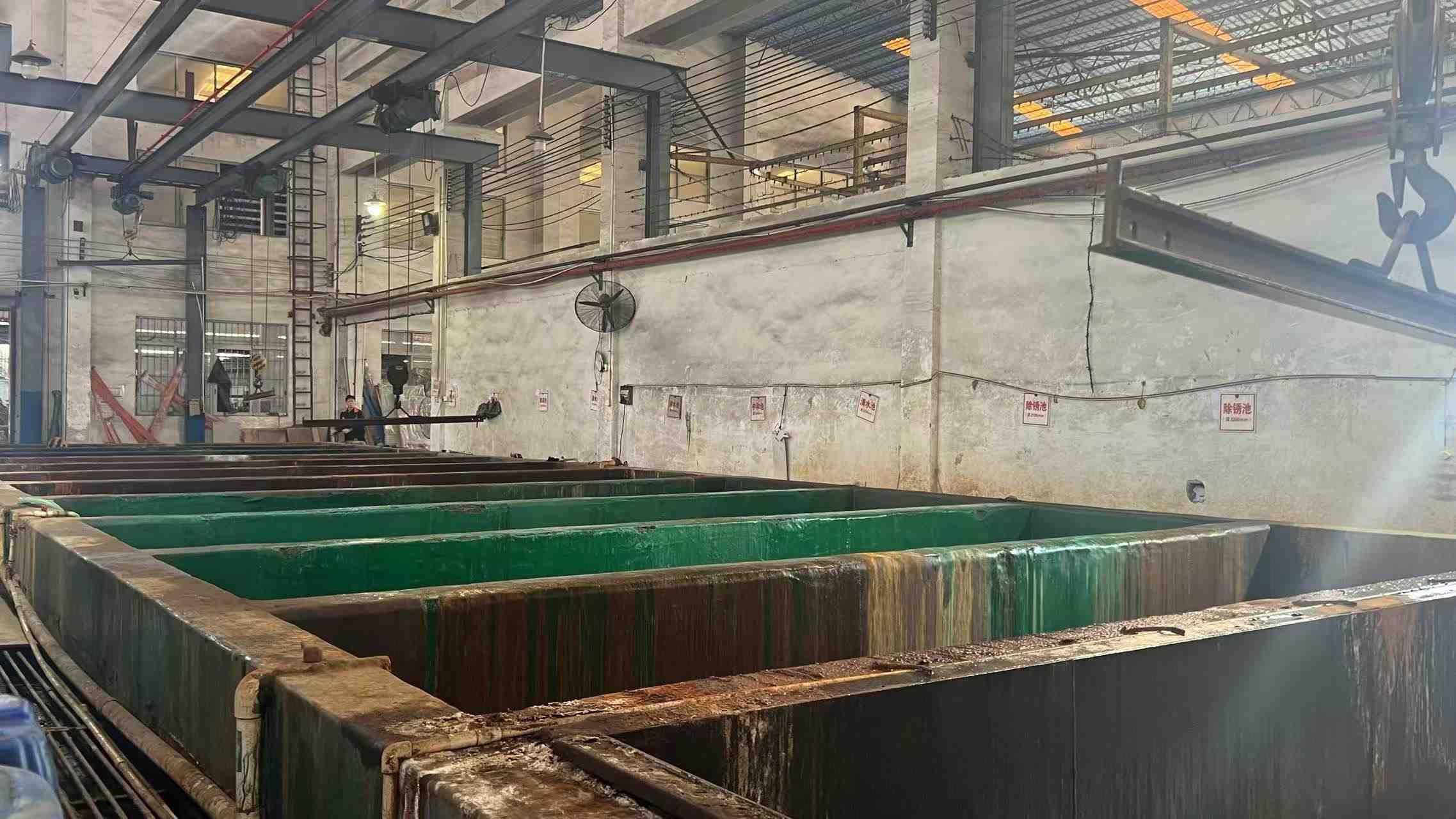
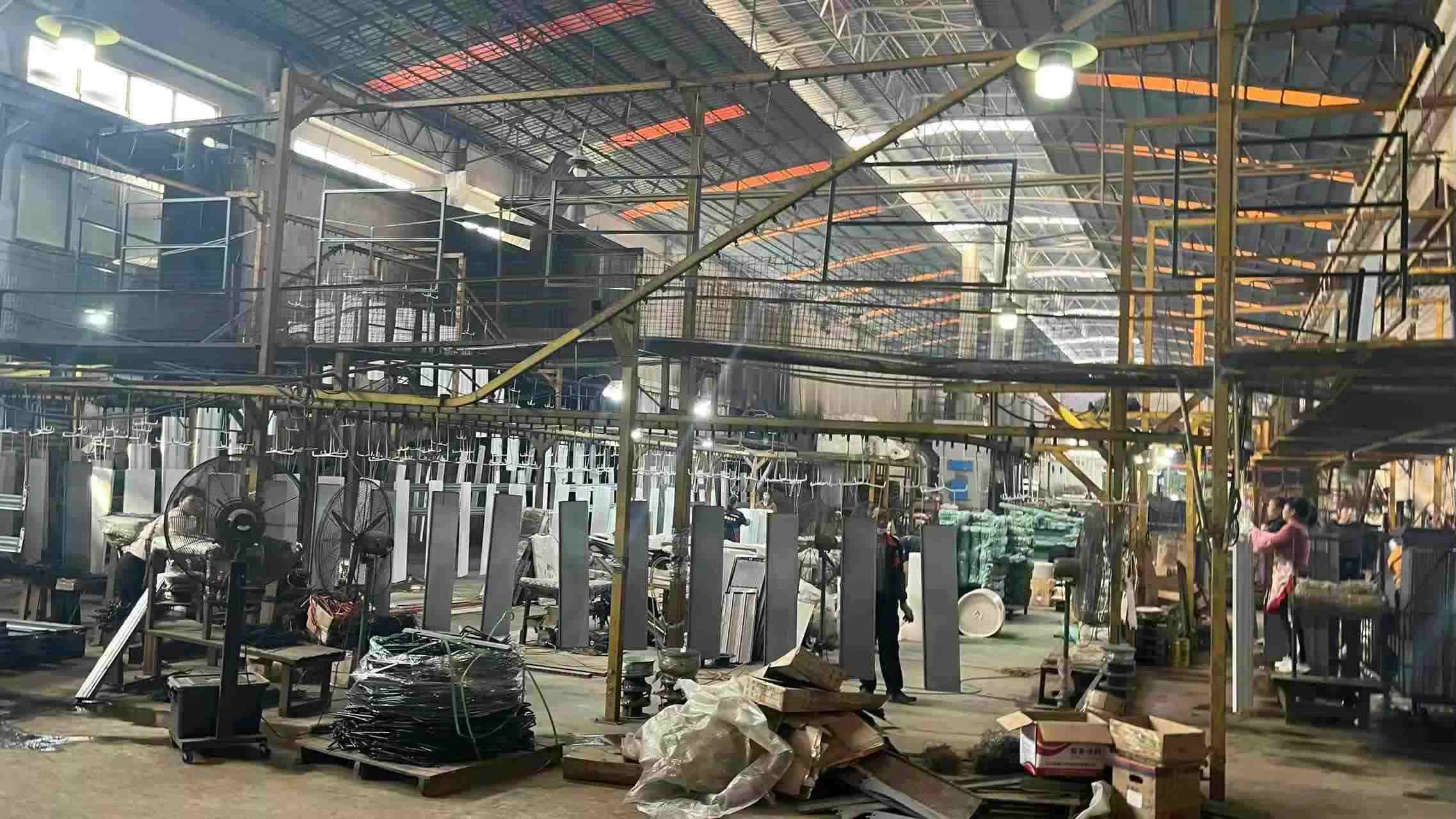
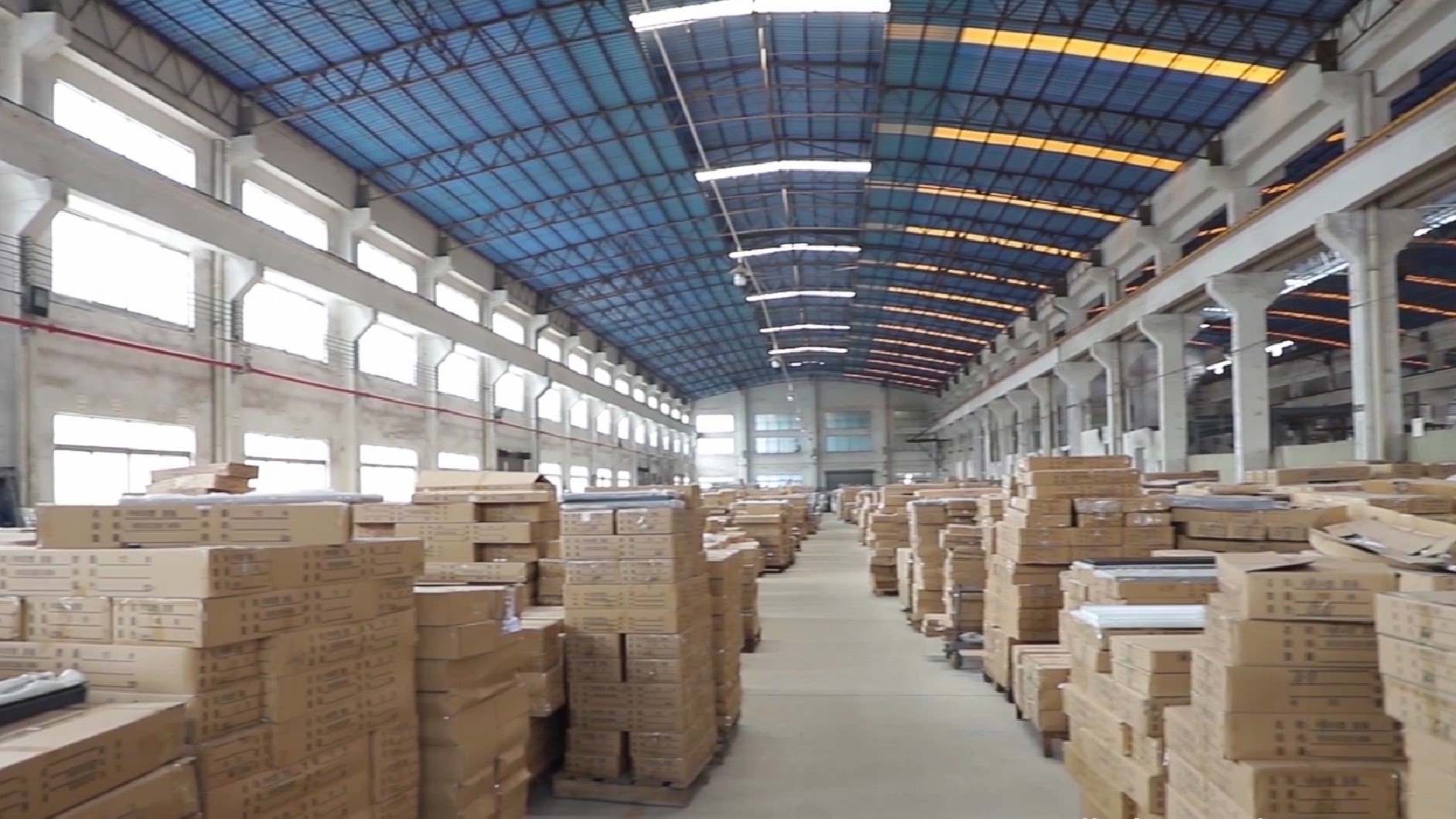
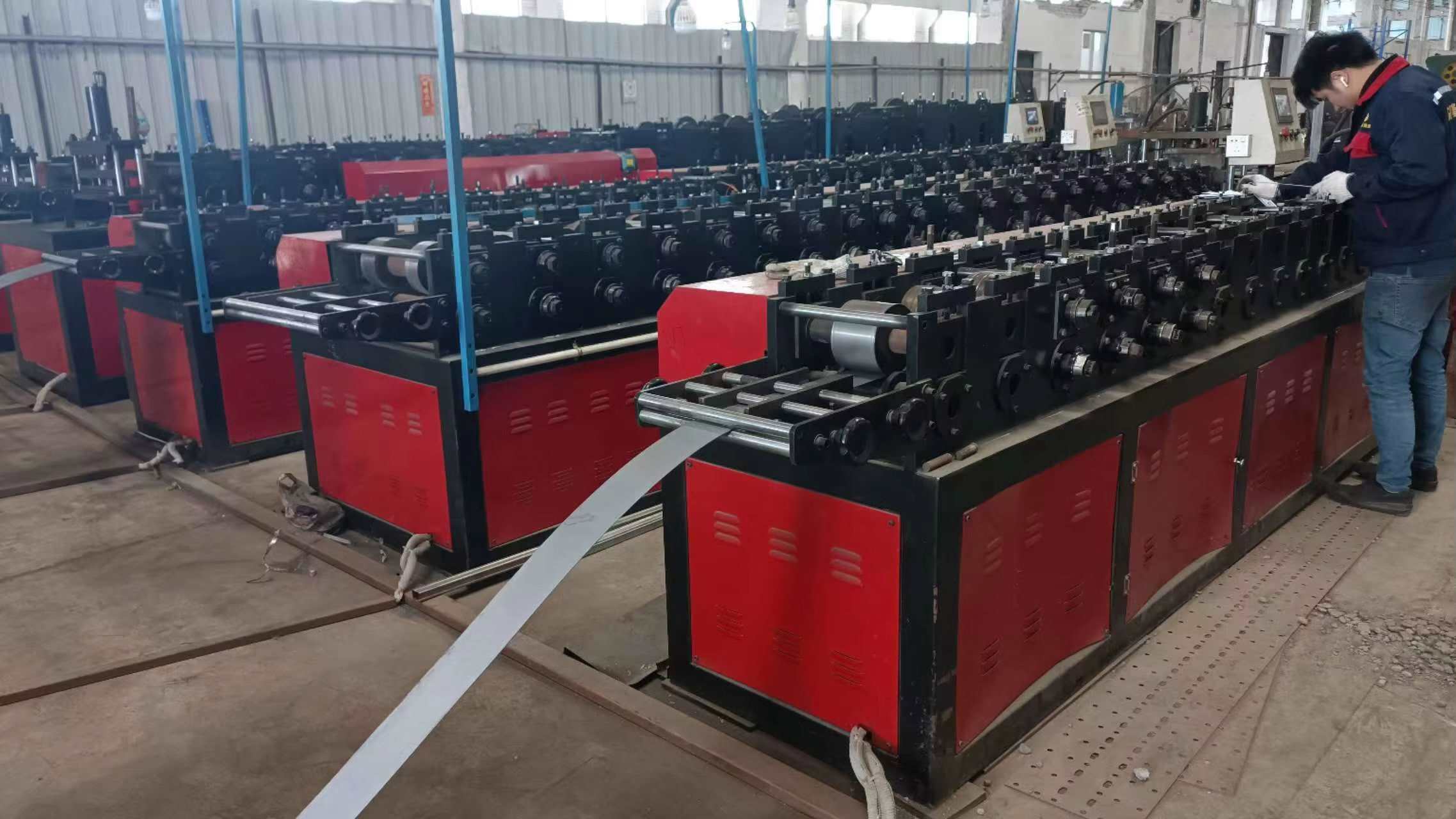
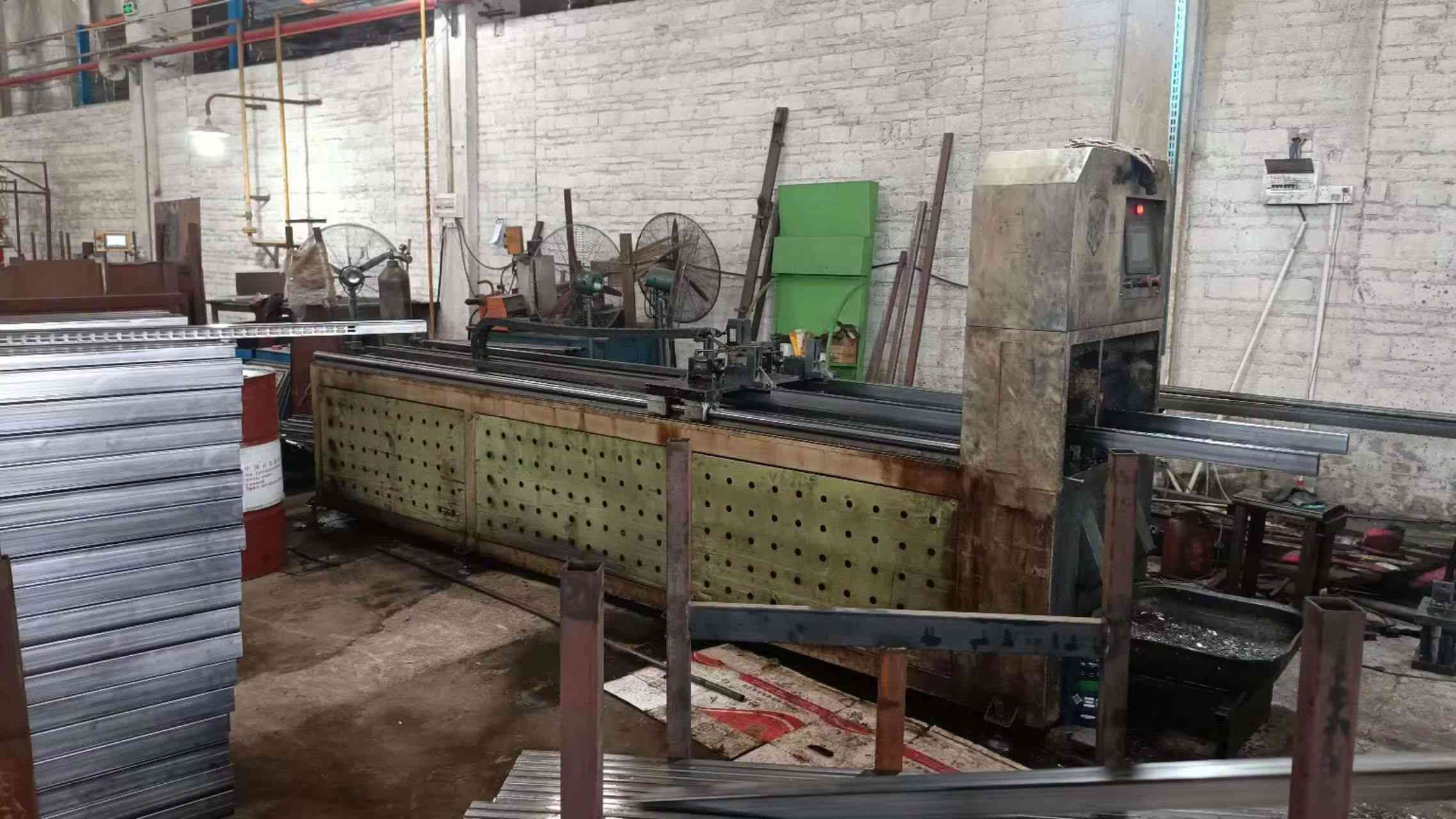
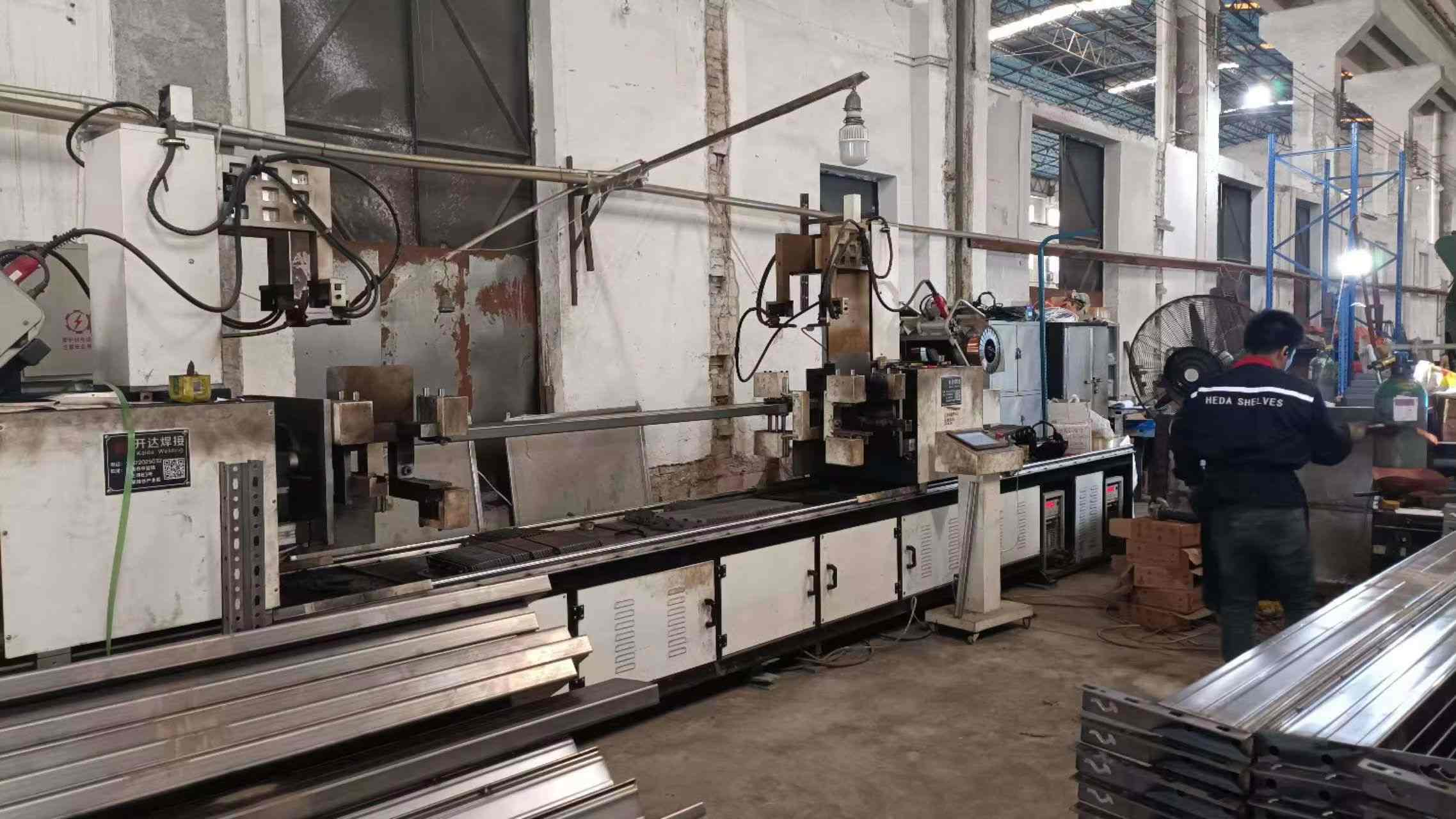
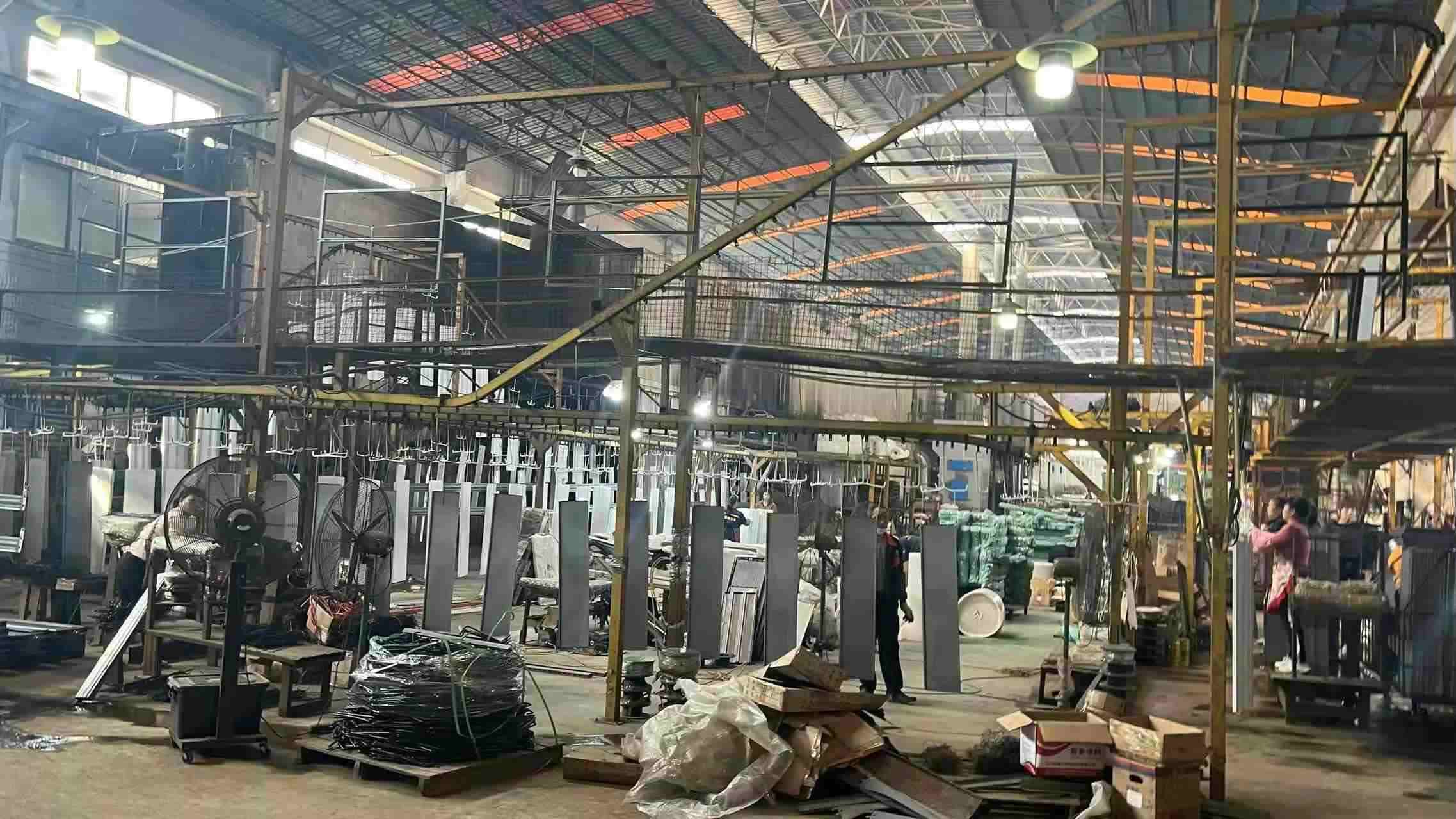
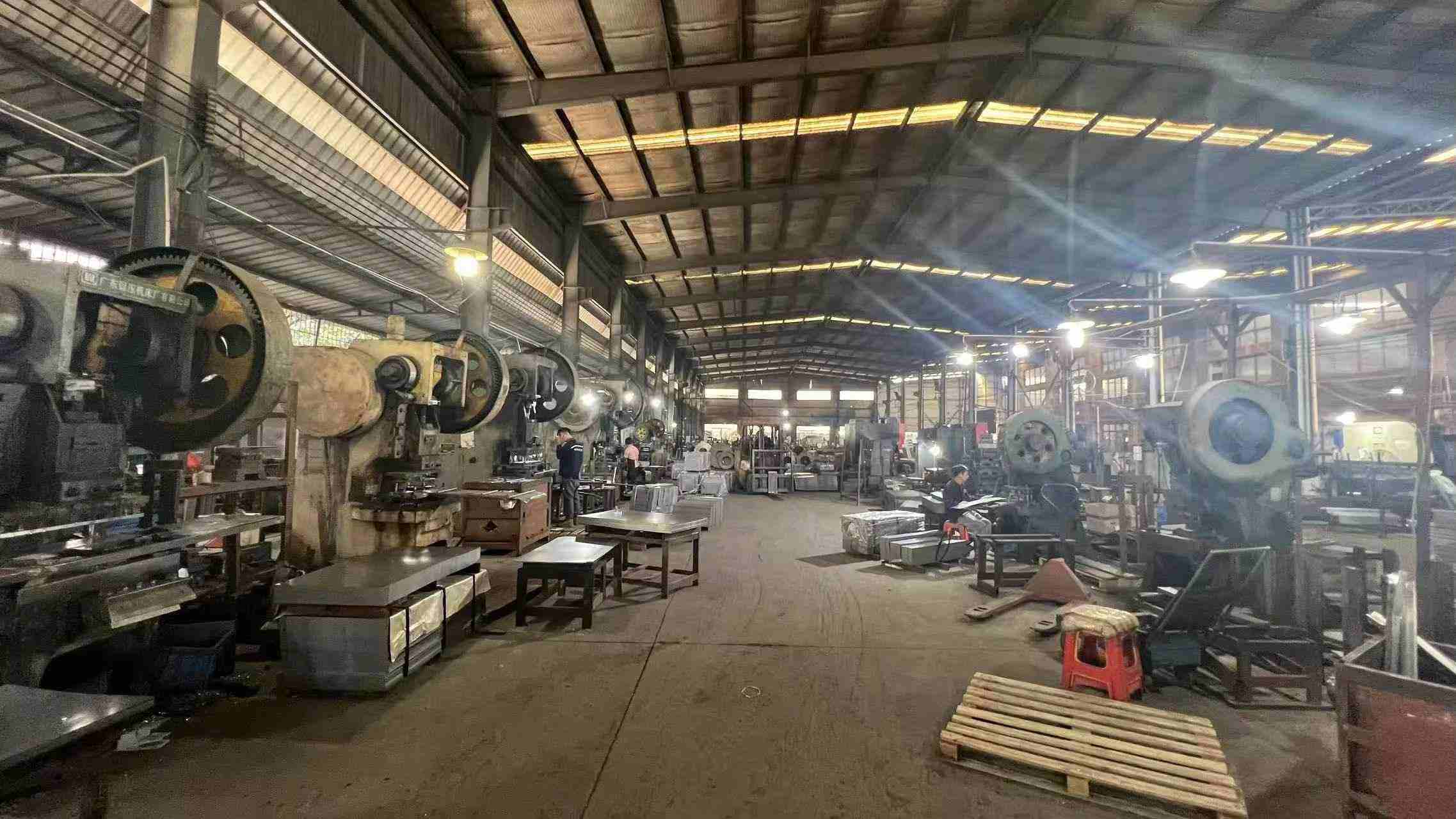
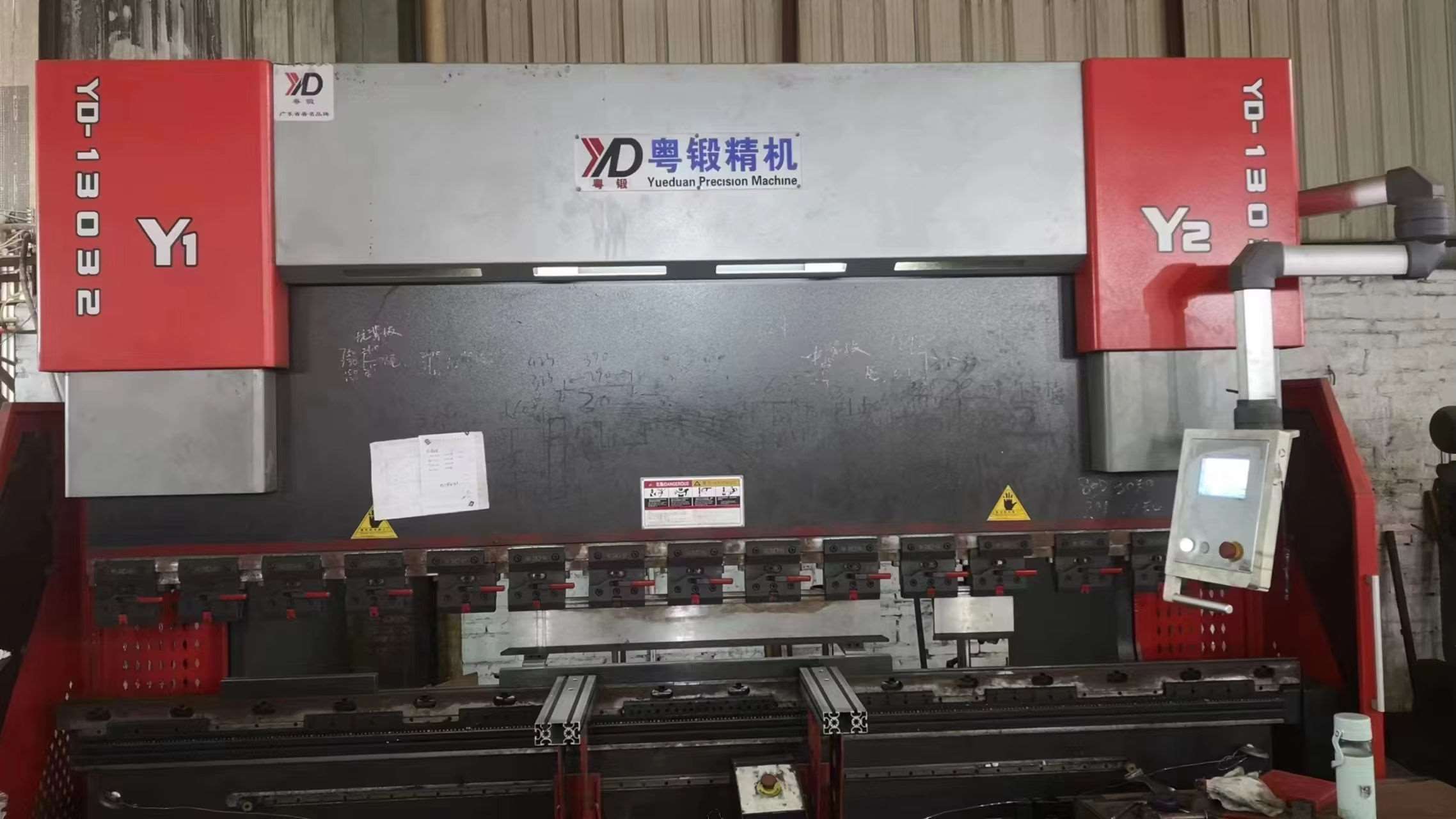
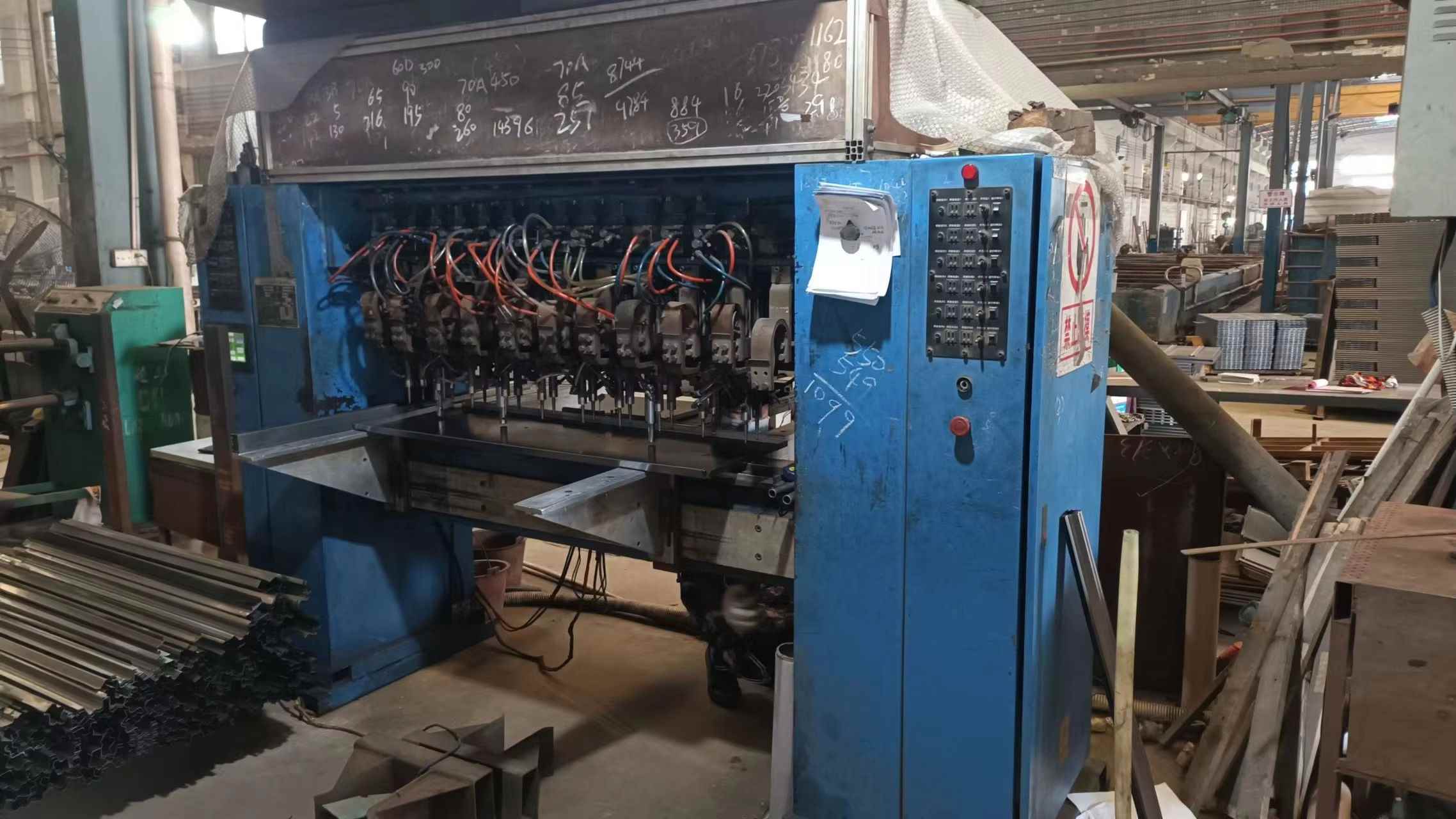
Behind our 45-inspector QC department is a rigorous protocol incorporating material verification, thickness audits, and tolerance checks.
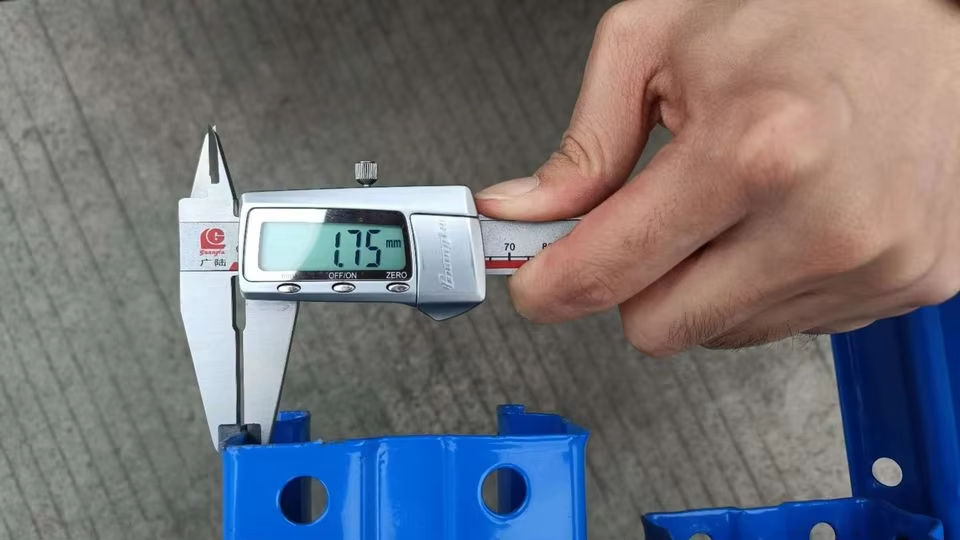
Every batch of raw structural columns and load-bearing beams undergoes strict dimensional checks to maintain thickness variances under 0.05mm, ensuring structural calculations remain valid under heavy operations.
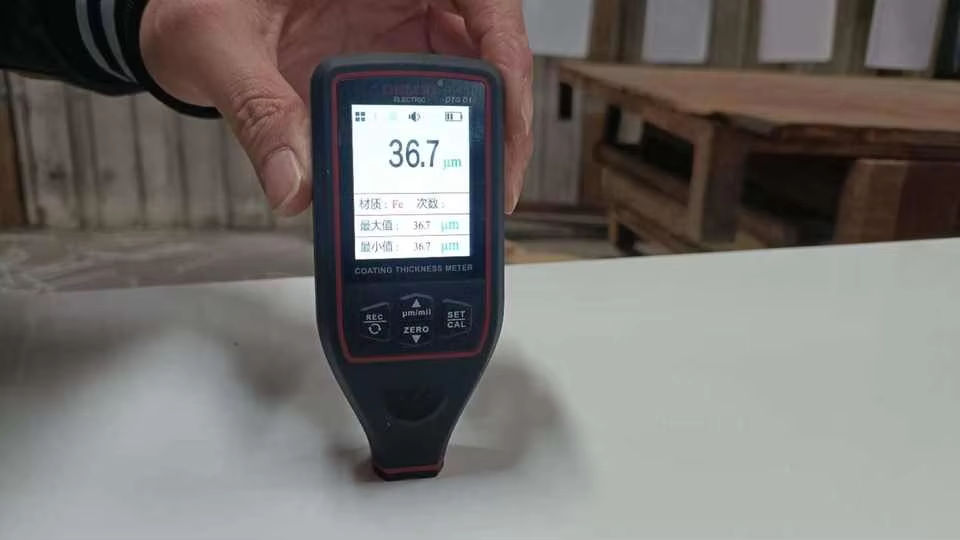
To resist oxidative degradation in wet, coastal, or chemical storage environments, we guarantee uniform epoxy powder coating thickness of at least 80-120 microns using electronic magnetic-induction testers.
Operating internationally requires conforming to varying building codes and local safety regulations. For heavy equipment storage, standard certifications are mandatory to secure warehouse operational licenses and insurance policies. Heda's systems are engineered in accordance with key globally recognized standards:
Additionally, Heda provides comprehensive localized site configuration plans. In seismic-active regions like California, Japan, or New Zealand, we deploy thicker dynamic baseplates, high-tensile anchor bolts, and additional diagonal bracing to absorb horizontal seismic acceleration and prevent dynamic swaying.
Our structural engineering department performs full 3D Finite Element Analysis (FEA) using ANSYS to construct computational models of proposed rack setups. We simulate:
Result: Safety factor indices routinely exceeding 1.5 to 2.0 times the rated nominal payload limit.
The convergence of big data analytics, automated shuttle integration, and carbon-neutral production policies is reshaping industrial warehouse footprints.
Transitioning from manual forklifts to automated storage and retrieval systems (ASRS). Our new 4-Way Radio Shuttle tracks are optimized to integrate directly with computerized warehouse control software (WCS) and PLC units.
Developing embedded telemetry modules containing wireless strain-gauge sensors. These micro-sensors monitor material fatigue, localized deflection anomalies, and accidental impact warnings in real time.
Upgrading our plastic powder curing lines to rely on ultra-low VOC polymers and recycled heat recovery loops. This ensures minimal environmental impact while maintaining ASTM salt-spray resistance ratings exceeding 500 hours.
Addressing core mechanical, structural, and chemical questions regarding high-capacity industrial shelving implementation.
Roll-formed steel is manufactured by feeding flat sheet metal through sequential bending rollers at ambient temperature, producing lightweight, cost-effective profiles suitable for flexible and standard configurations. Structural steel, by contrast, is hot-rolled and offers significantly thicker flanges. It is capable of supporting heavy payloads (typically exceeding 3,000kg per level) and is far more resistant to impact from forklifts, making it the preferred choice for heavy manufacturing, die storage, and heavy machinery parts.
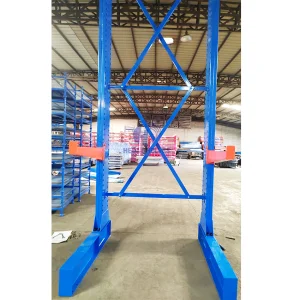
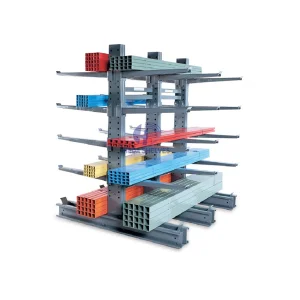
Cantilever load capacity is inversely proportional to the arm length due to bending moments. A longer arm shifts the center of gravity outward, increasing rotation force at the upright connector connection. Arm capacities are typically calculated assuming a uniformly distributed load (UDL). If your cargo is concentrated at the tip rather than distributed toward the upright, the rated capacity must be derated by up to 50% to prevent yield failure in the arm connector weld.
Prior to powder coating, steel must be entirely free of mill scale, rust, and surface oil. Acid-washing uses hot diluted hydrochloric or sulfuric acid baths to strip oxide layers. Parkerising (phosphate conversion coating) then applies a protective zinc or manganese phosphate layer on the clean steel. This chemical treatment improves paint adhesion and provides secondary corrosion protection if the outer powder coat layer is scratched during operations.
Standard structural carbon steels can exhibit low-temperature embrittlement, where structural toughness drops and steel becomes susceptible to sudden cracking. For sub-zero cold storage facilities (down to -30°C), Heda utilizes certified low-temperature resistant steel grades (such as Q355D or grade 350 L15/L40) containing elevated manganese alloy levels to maintain impact resistance. In addition, we utilize stainless steel 4-way shuttle systems and specialized electronic controls containing condensation heaters to prevent mechanical binding.
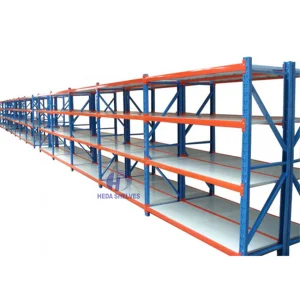
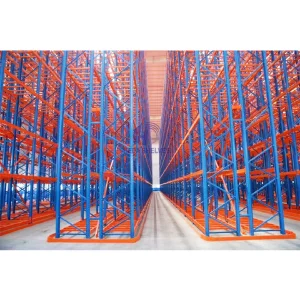
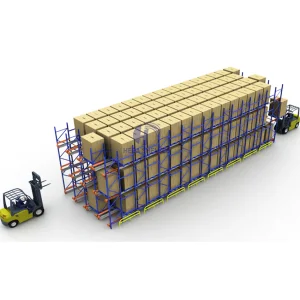
High-density structural configurations built to order, ensuring maximum storage and operational safety.
 Hedaracking