Heavy-Duty Racking Whitepaper

OEM/ODM Heavy-Lift Racking Supplier & Exporters

High-Capacity Industrial Storage Systems Engineered for Global Logistics & Manufacturing Resilience

The State of Global Heavy-Lift Racking: Challenges & System Integration

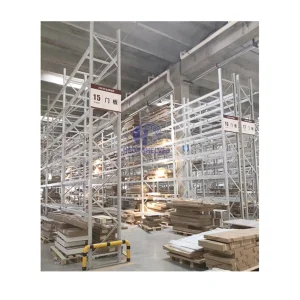
In the modern era of supply chain logistics, vertical integration and spatial density are no longer just strategies for efficiency—they are survival imperatives. Global industrial storage demands have evolved rapidly past traditional light shelving. The modern warehouse ecosystem now handles complex, highly loaded dynamics involving heavy coils, long-span structural lumber, automotive parts, and bulk industrial raw products. Driven by the expansion of Third-Party Logistics (3PL), advanced automation, and manufacturing hubs, warehouses require robust engineering to maximize volumetric storage space while guaranteeing uncompromising safety.

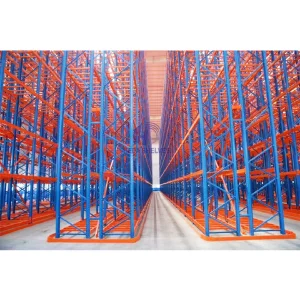
For international procurement teams, selecting heavy-lift racking involves assessing structural limits, seismic resistance compliance, and material metallurgy. Roll-formed and structural steel profiles serve as the foundation of modern high-density pallet and cantilever racks. In regions prone to seismic activities or high wind loads, structural failure is not an option. Thus, integrating structural FEA (Finite Element Analysis) inside engineering layouts represents a crucial baseline for safety and performance under static and dynamic load conditions.

2014
Established Year
35,000 m²
Modern Facility
$28M+
Annual Exports
800+
Supply Partners

Global Procurement Trends: Standardizing Safety and Modular Scalability

Procurement professionals in North America, Western Europe, and the Middle East prioritize adherence to structural standards. Systems must meet international benchmarks such as the Rack Manufacturers Institute (RMI) standards in the United States and the Federation Europeenne de la Manutention (FEM 10.2.02) guidelines in Europe. Sourcing teams look for suppliers that offer turnkey customizability (OEM/ODM) to adapt dimensions, safety pins, column guard arrays, and custom colors to their facilities. Crucially, the capacity to supply high-strength structural profiles like Q235B and Q345B steel guarantees structural integrity under continuous load stresses.

The Information Gain Advantage
Unlike standard resellers, direct-factory Chinese manufacturers offer raw steel traceability certifications, localized engineering design reviews, and automated manufacturing runs that ensure structural uniformity across all structural beams and uprights.

Shenzhen Heda Warehouse Equipment Co., Ltd.

A trusted premier manufacturer specializing in heavy-duty warehouse racking and industrial storage solutions.

Established in 2014, Shenzhen Heda Warehouse Equipment Co., Ltd. has grown to become an international industry leader. Our modern manufacturing facility spanning 35,000 m² integrates R&D, structural design, large-scale production, and global logistics to serve diverse industrial warehousing needs. With 12 years of industry experience and 8 years of export expertise, Heda has successfully executed major storage installations in over 80 countries, generating an annual export revenue of over $28 million.

At Heda, innovation and quality control are the main pillars of our manufacturing. Supported by a robust team of 28 senior structural engineers, we specialize in high-capacity full-customization (OEM/ODM)—engineering exact specifications for load capacities, profile dimensions, and surface finishes. Driven by dynamic warehouse requirements, we developed and launched more than 120 new storage solutions and component upgrades last year alone.

Comprehensive OEM/ODM Engineering

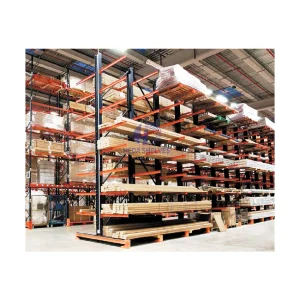
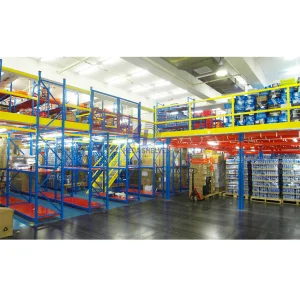
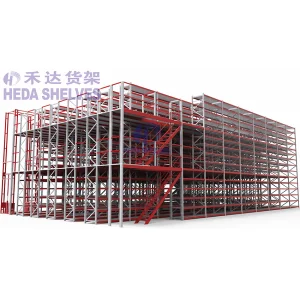
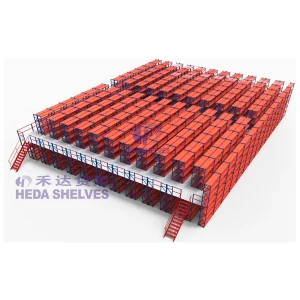
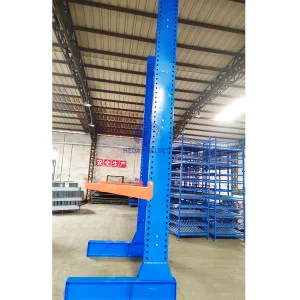
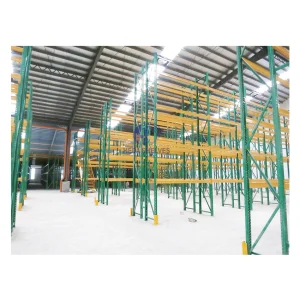
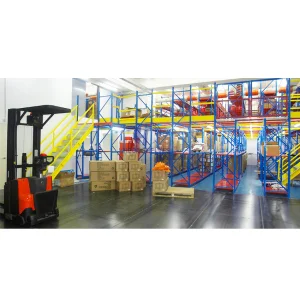
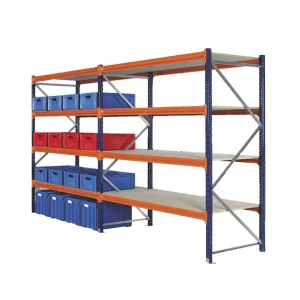
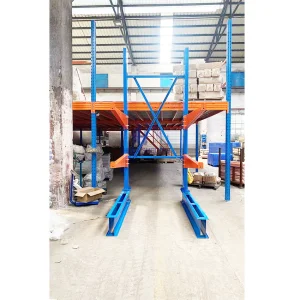
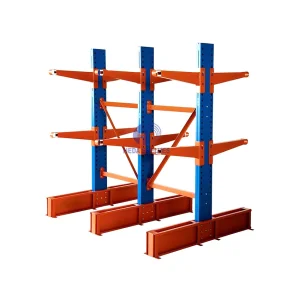
Our R&D team utilizes advanced Finite Element Analysis (FEA) software to model stress points and structural configurations. This ensures each custom-designed racking system, whether it is a selective pallet rack, a canted cantilever system, or a multi-tier structural steel mezzanine platform, performs safely at its rated load capacities under real-world operating conditions.

Uncompromising Quality Control (QC) Ecosystem

To maintain zero-defect standards across our automated output, our quality control department employs 45 dedicated, certified inspectors. Our rigorous testing regime begins at raw material delivery and continues through every stage of production:

  • Raw Material Tensile Strength Tests: Verifying that each batch of structural steel complies with the exact mechanical property thresholds required for load calculations.
  • Automated Weld Flaw Detection: Utilizing non-destructive ultrasonic and structural scanning methods on crucial joint connections, ensuring robust resistance under dynamic shock loads.
  • Load-Bearing Stress Analysis: Conducting physical test assemblies and mock load-bearing tests to verify calculated deflection margins.
  • Salt Spray Surface Corrosion Testing: Exposing our powder-coated and galvanized finishes to accelerated weathering conditions to guarantee durability in high-humidity or cold-chain storage facilities.

Traceable Manufacturing & Advanced Fabrication Facility

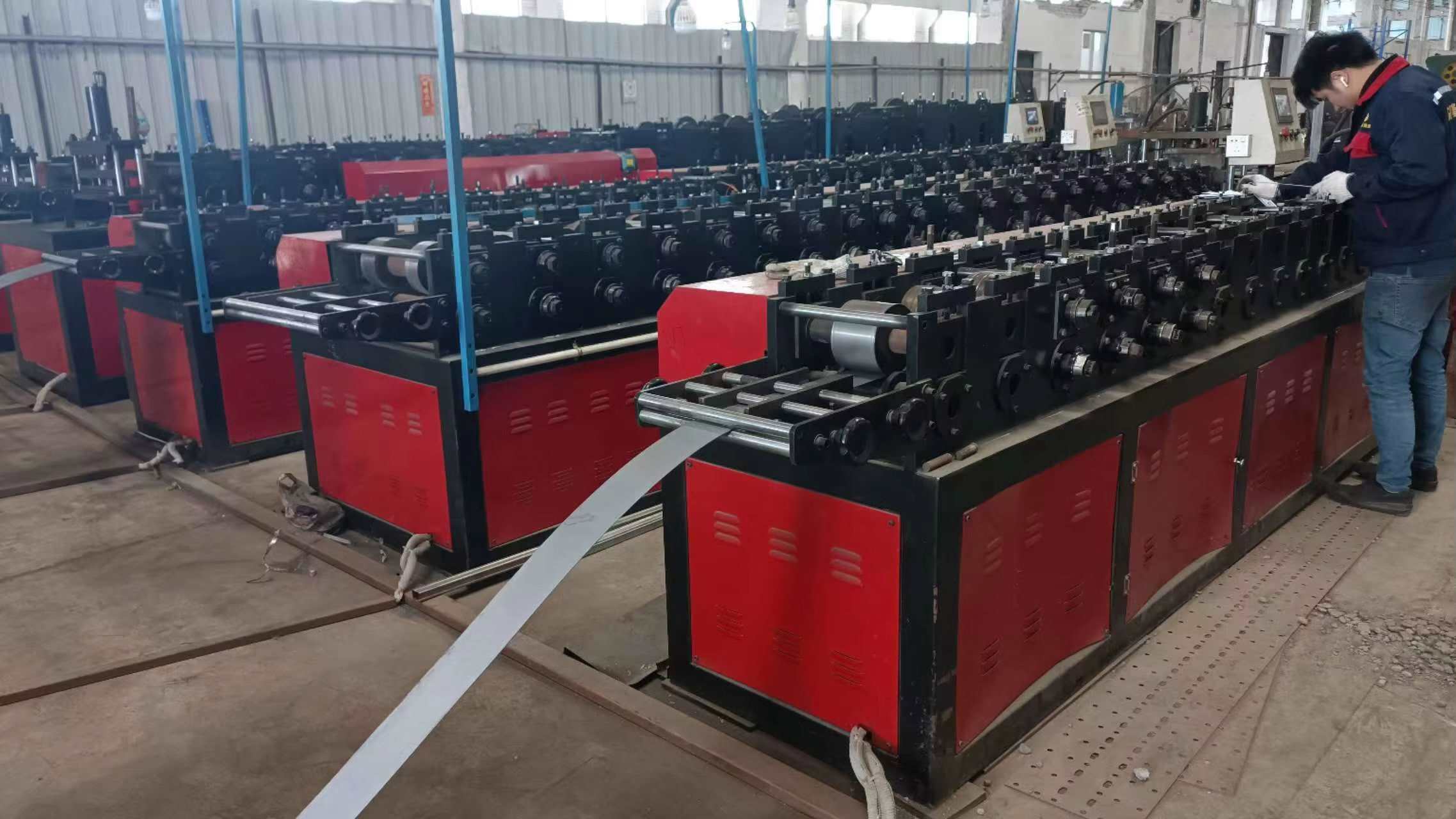
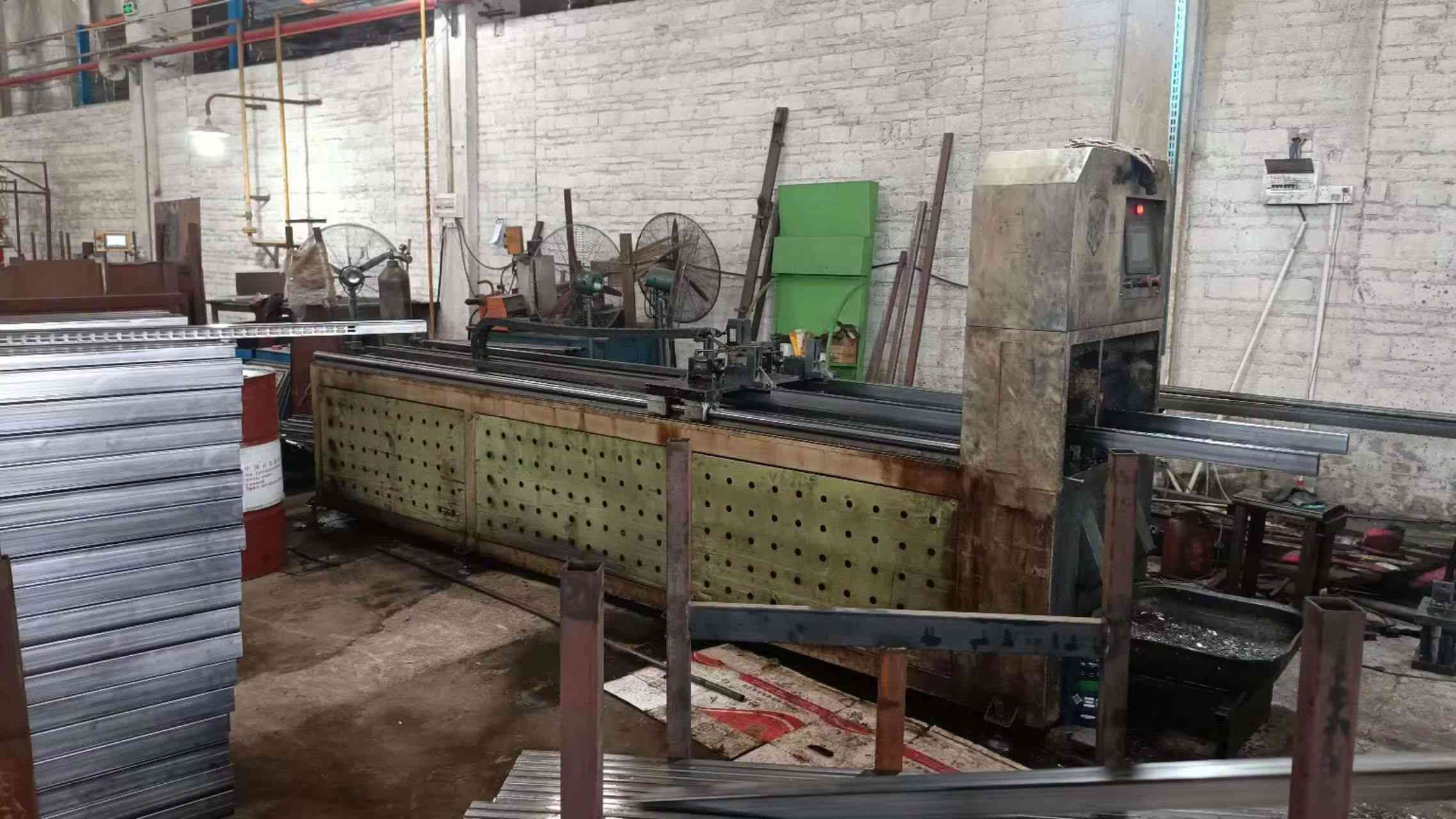
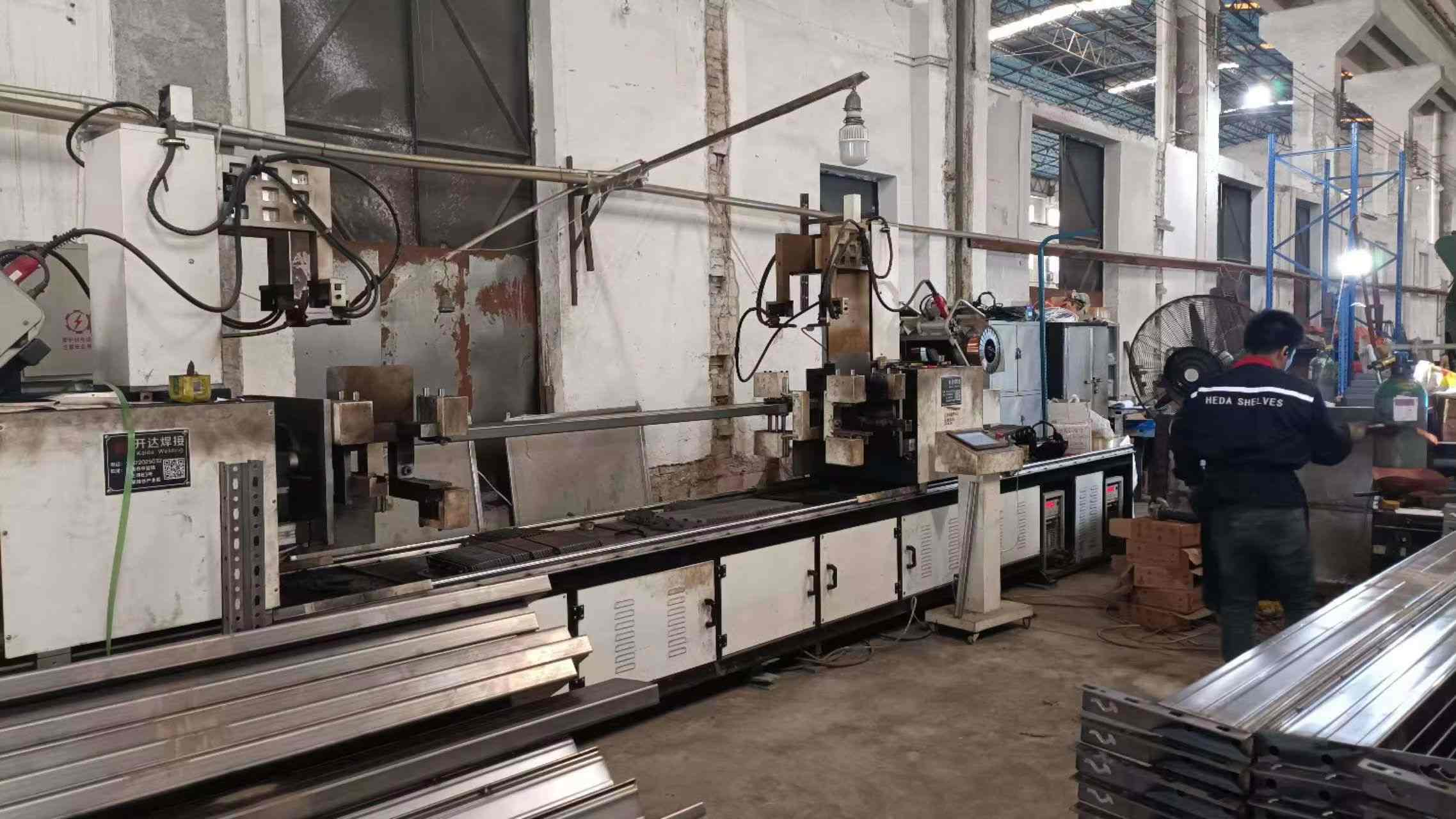
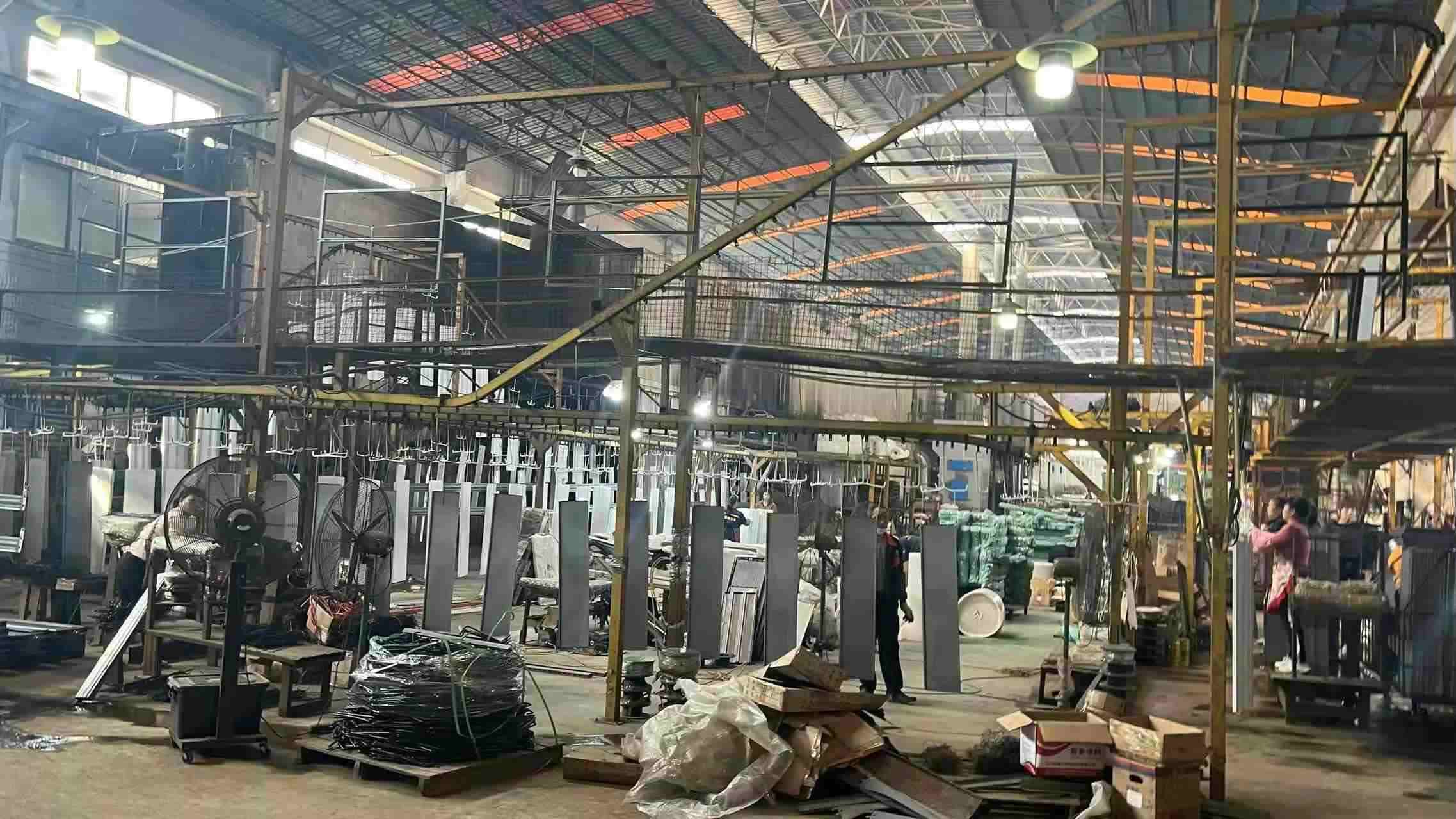
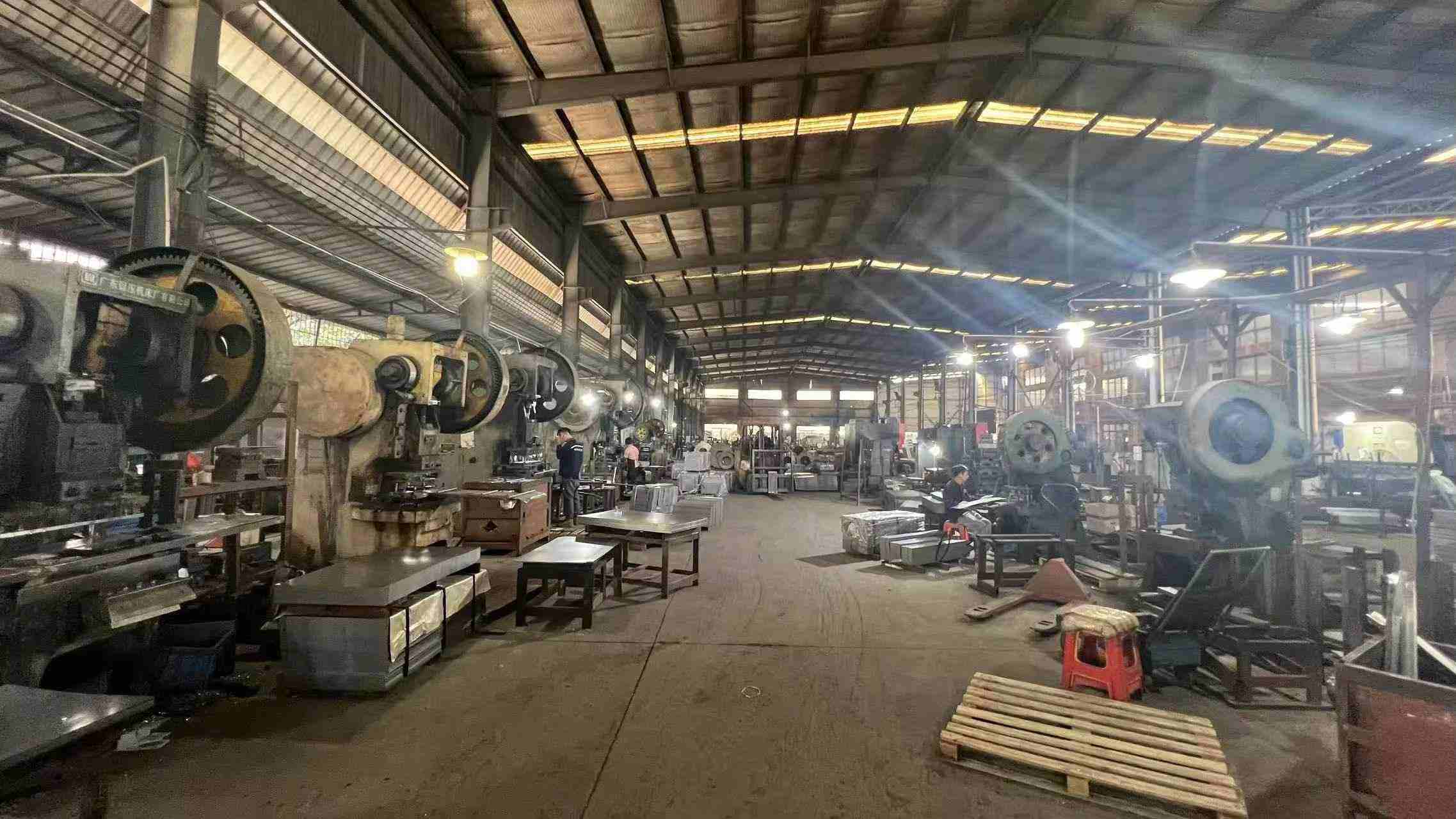
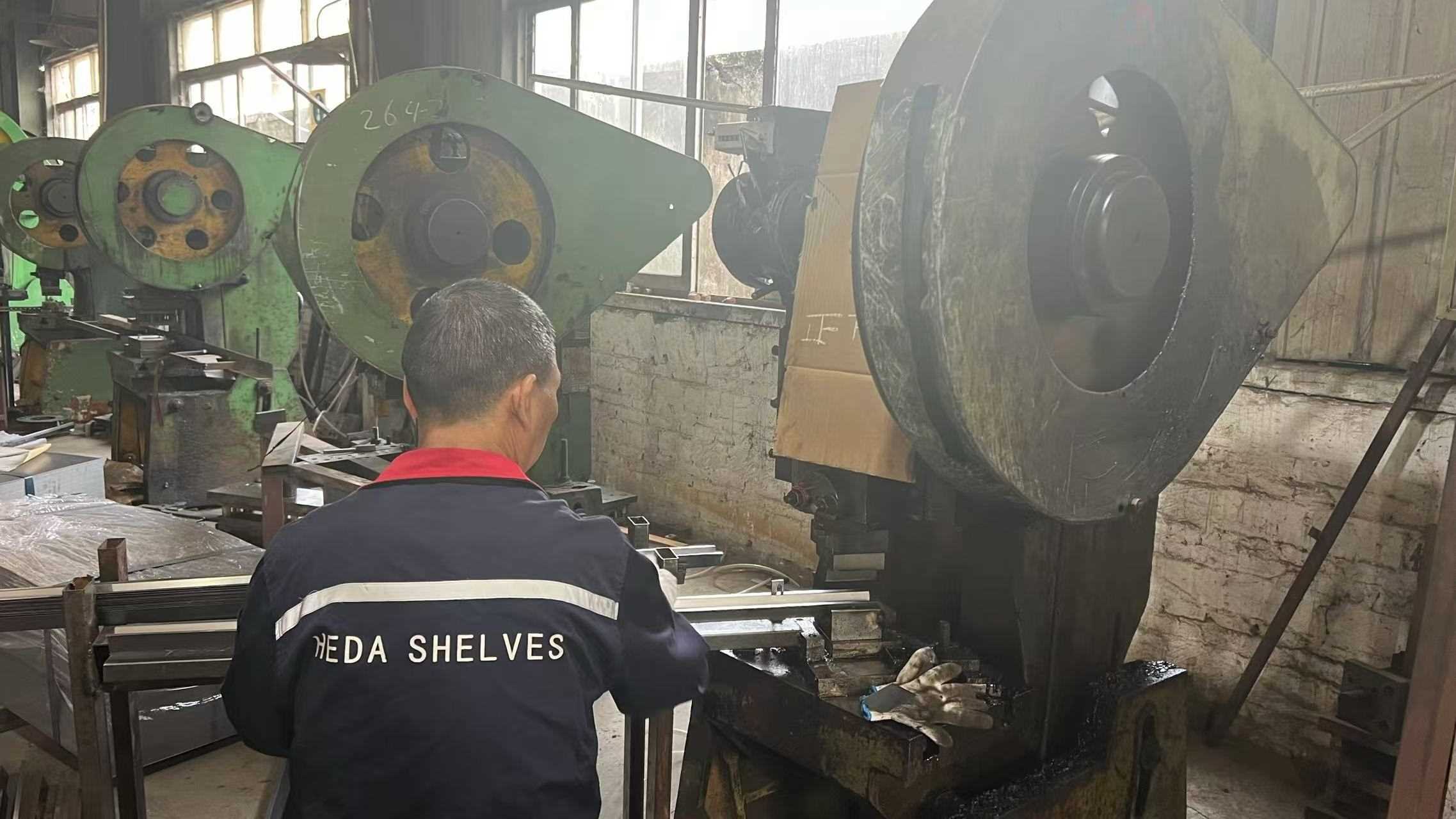
Take a look inside our high-tech 35,000 m² factory floor. Below is our comprehensive production line and quality control equipment.
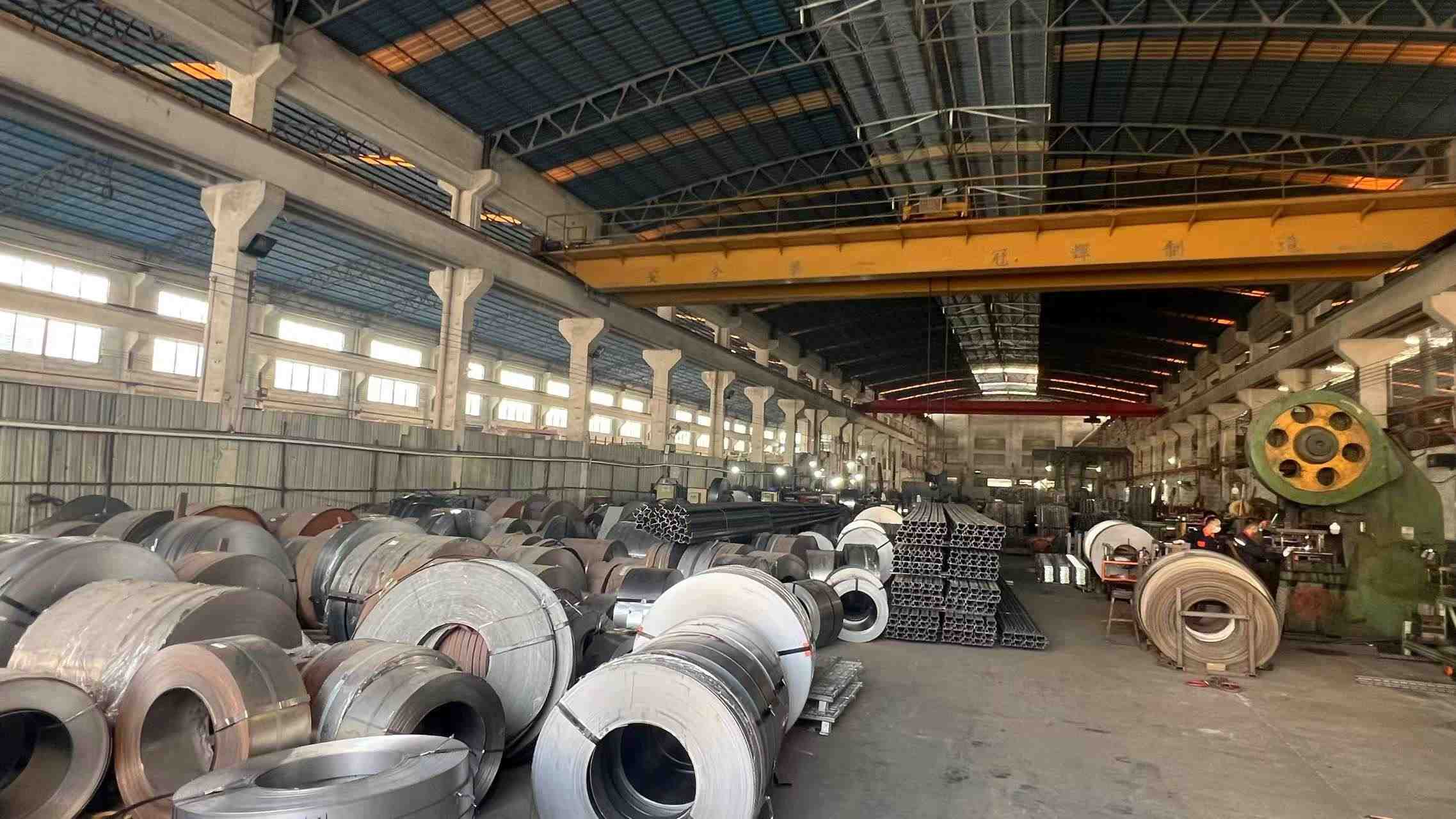
Raw Materials Control
1. Raw Materials Inspection
Steel Stamping Process
2. Steel Stamping Process
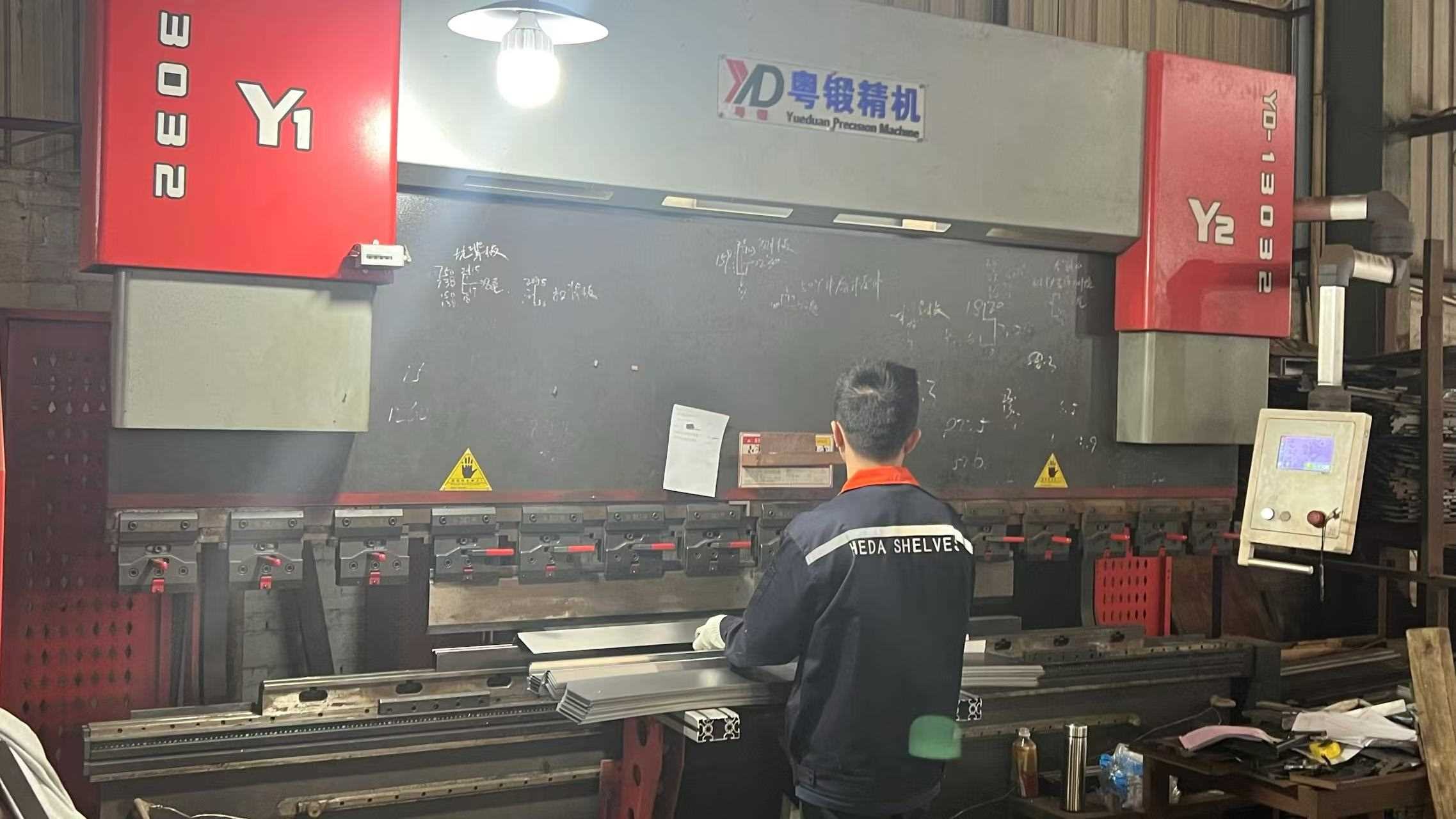
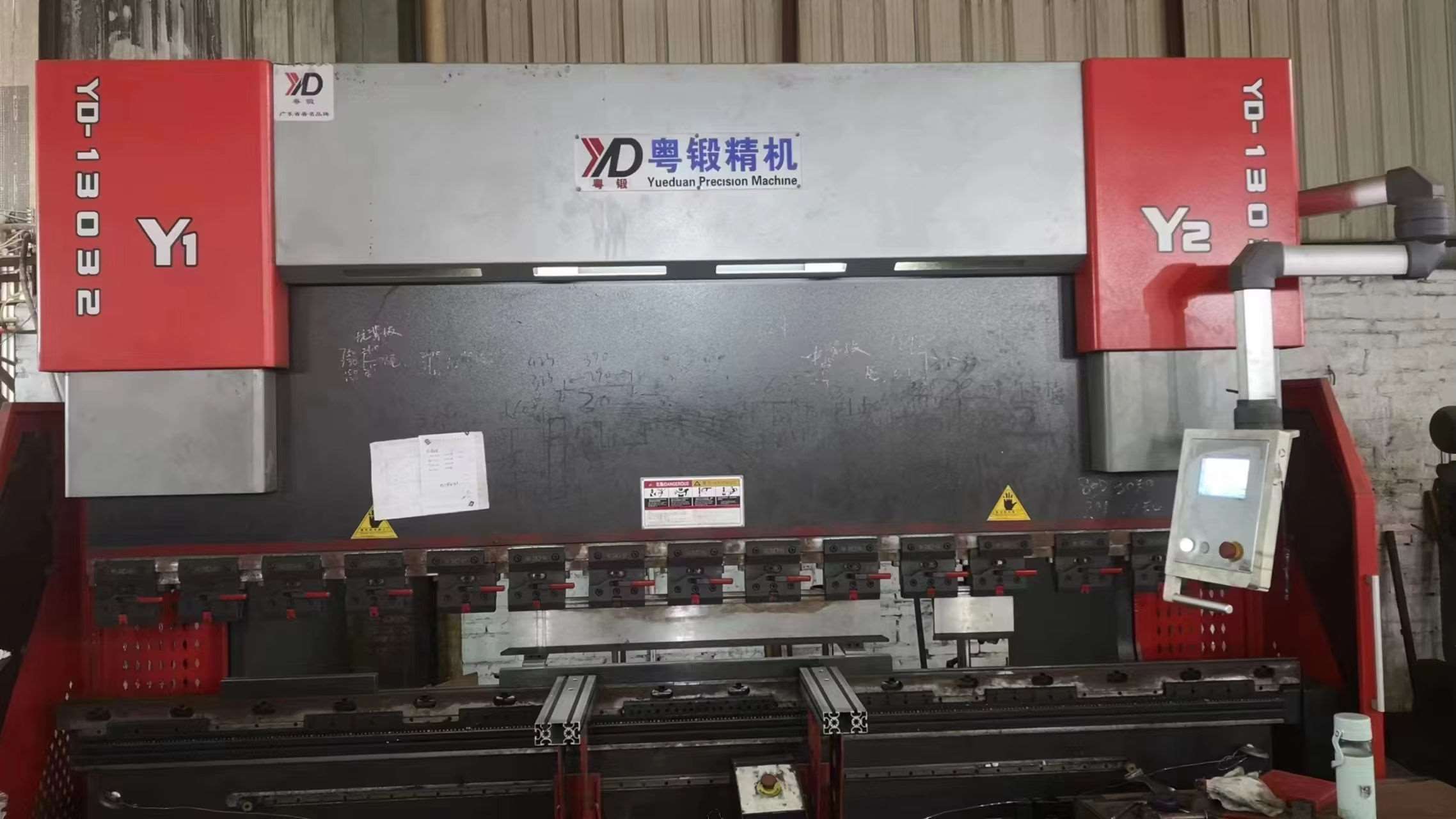
Precision Bending
3. Structural Steel Bending
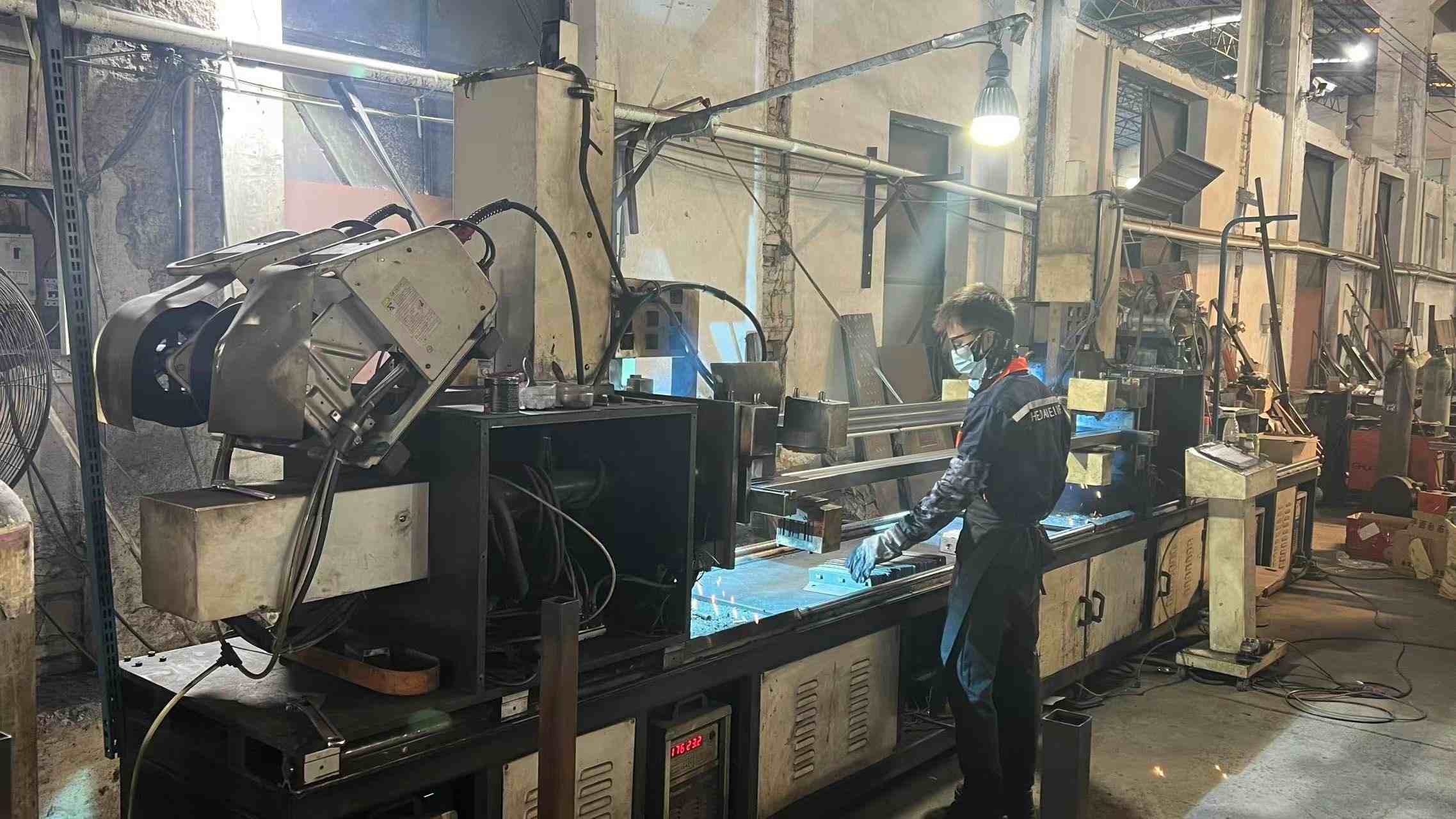
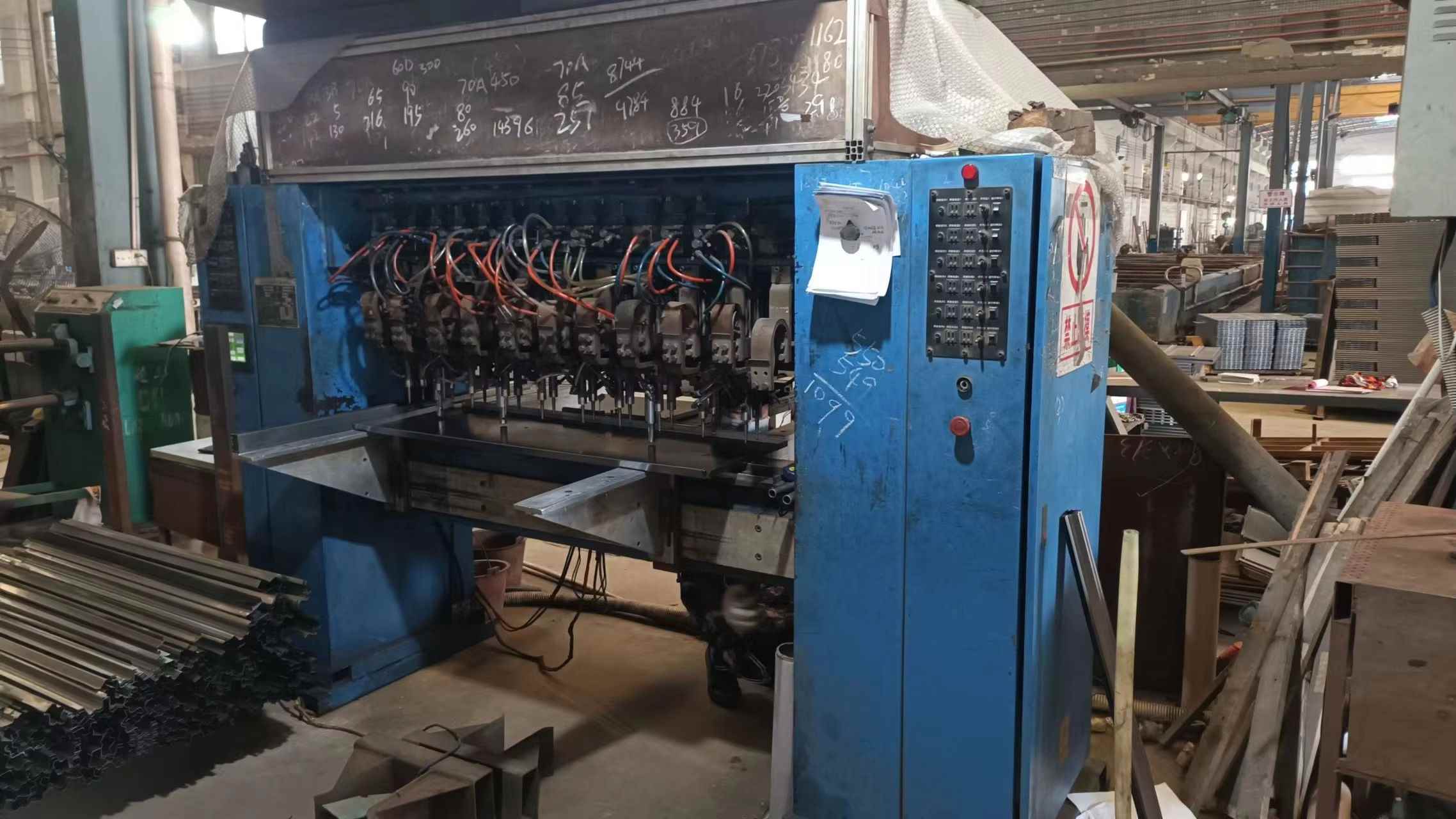
Welding Process
4. Heavy Structural Welding
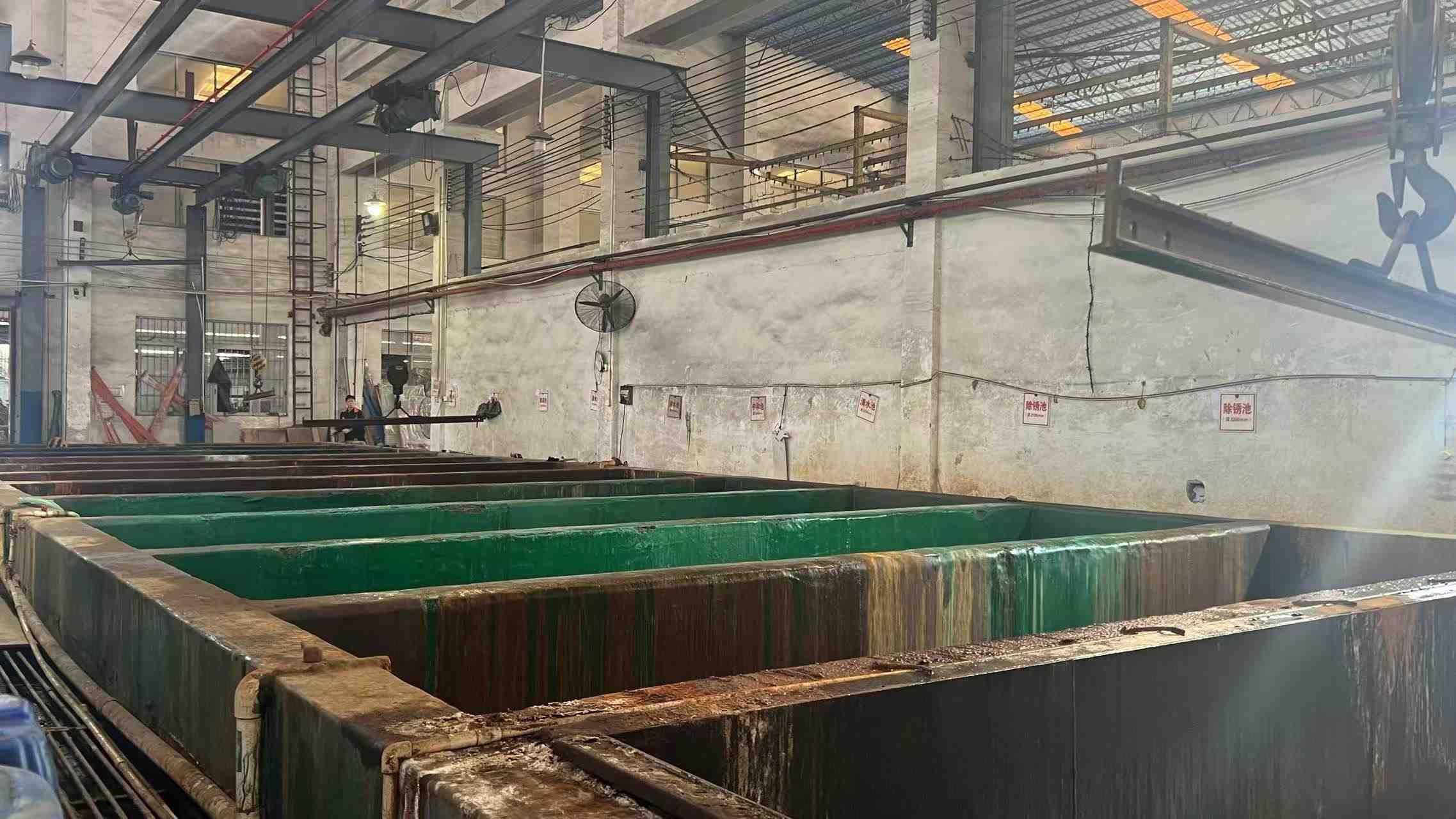
Acid-washing and Parkerising
5. Chemical Cleaning & Parkerising
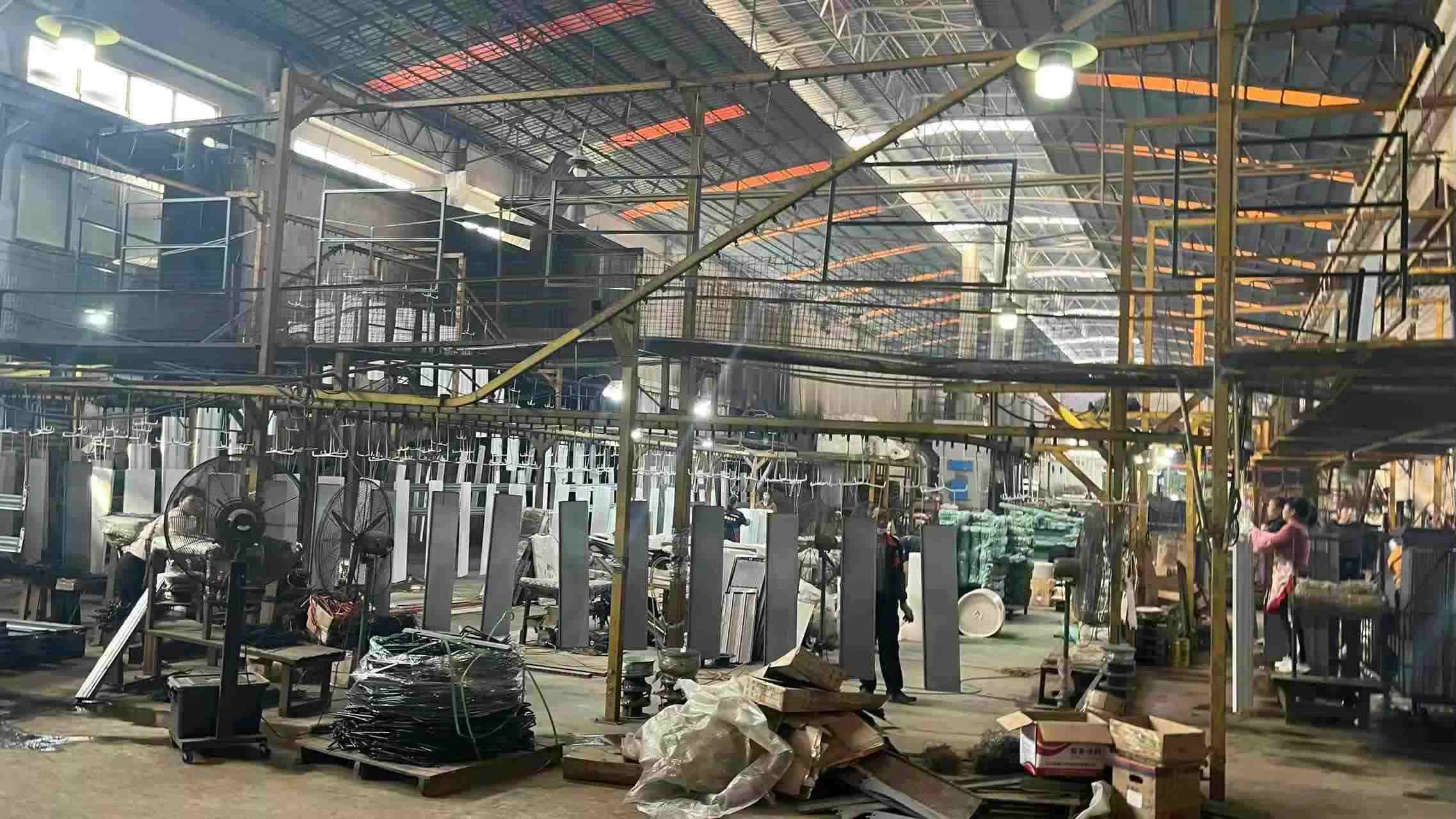
Powder Coating
6. Electrostatic Powder Coating
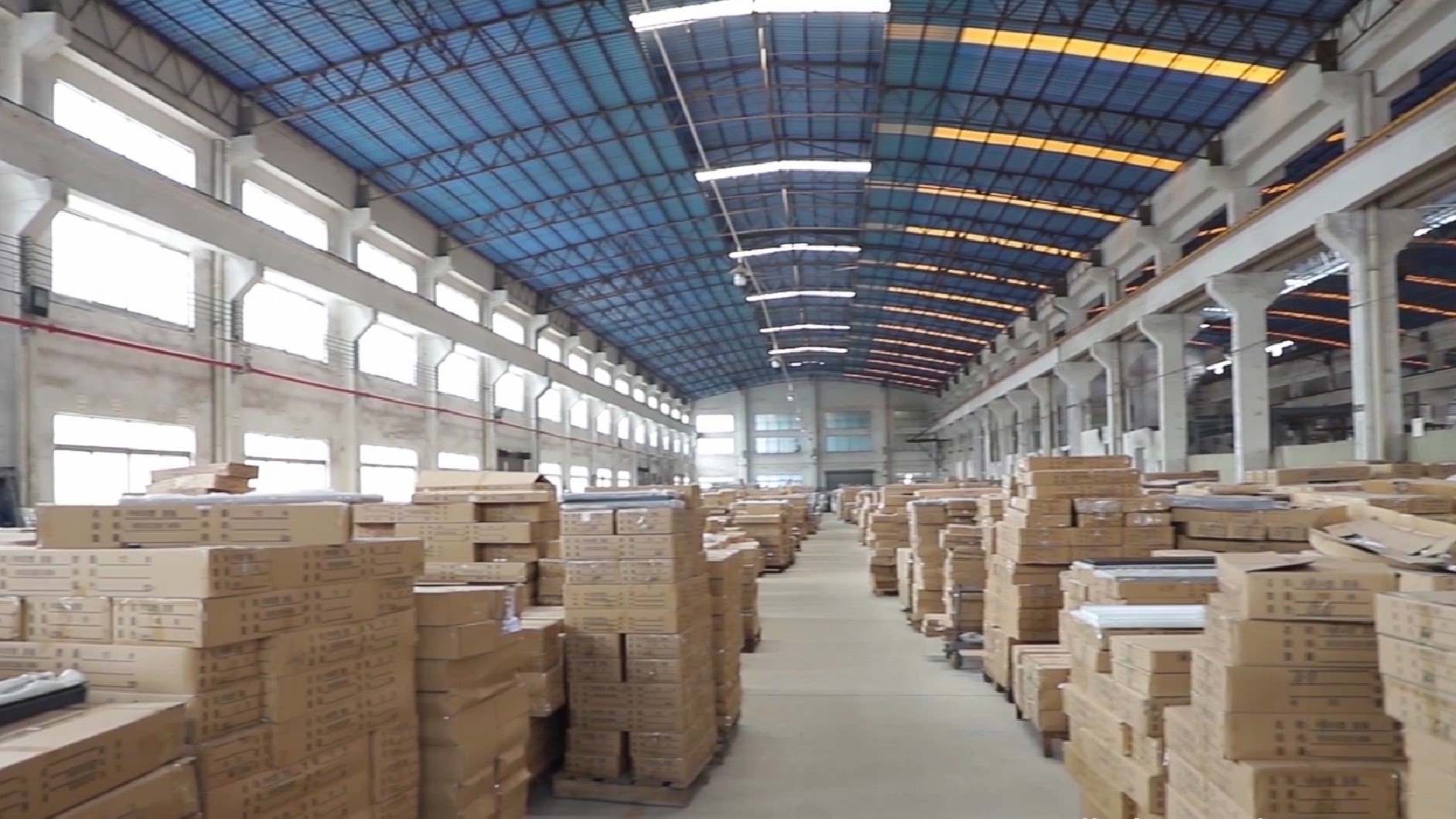
Warehouse Storage
7. Secure Storage & Logistics
Rolling Mill
8. Cold Rolling Mill Line
Fully Automatic Punching Machine
9. Automatic Punching Line
Automatic Welding Machine
10. Robotic Welding Stations
Plastic Powder Coating Line
11. Continuous Powder Line
Punching Machine
12. Precision Punching Station
Bending Machine
13. Heavy CNC Bending
Butt Welding Machine
14. Butt Welding Stations
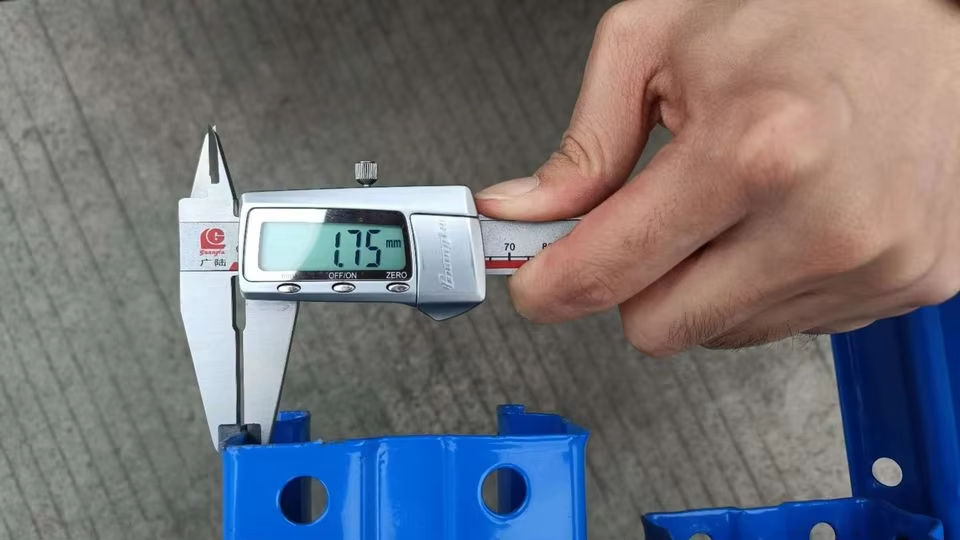
Caliper Inspection
QC Testing: Dimensional Caliper
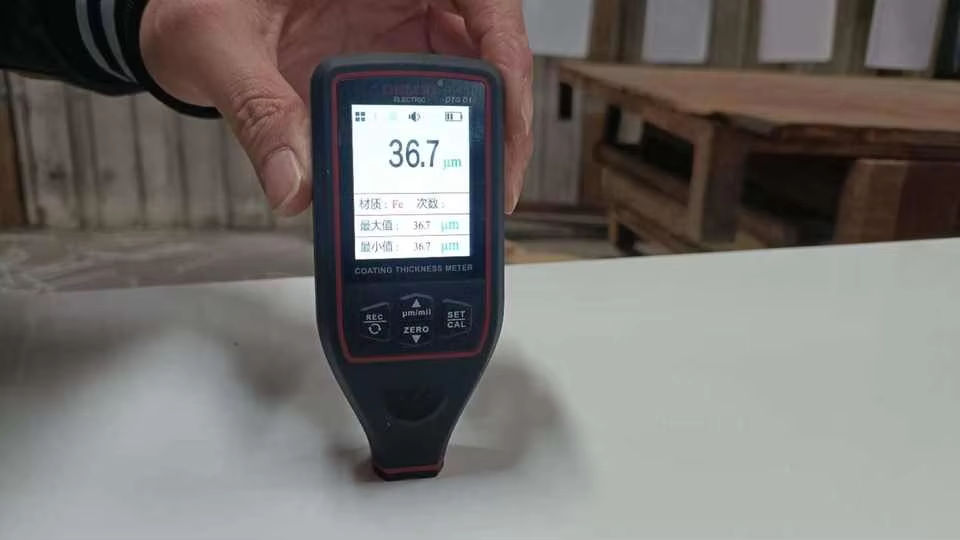
Coating thickness tester
QC Testing: Coating Thickness

China Factory Efficiencies & Supply Chain Dynamics

China remains the global powerhouse for heavy industrial manufacturing, and our facility leverages this to provide structural components at scale. The primary advantage of sourcing directly from Shenzhen Heda is our integration with over 800 supply chain partners. This network allows us to secure certified structural steel, customized bolts, high-grade powder pigments, and anchoring accessories quickly.

Additionally, our high level of automation—including robotic welding arrays, multi-station automatic cold-rolling lines, and continuous powder-coating operations—reduces manual errors and speeds up production. While Western manufacturers may require months for delivery due to material or labor constraints, our automated systems enable us to complete bulk fabrication runs in weeks, ensuring your warehouse upgrade stays on schedule.

Localized Application Scenarios: Meeting Global Market Demands

Our racking systems are custom-engineered for different applications and environmental challenges worldwide:

  • North America (US & Canada): Focuses on seismic-grade baseplates, heavy roll-formed steel uprights, and safety compliance matching RMI specifications. These are widely used in heavy industrial centers, bulk timber yards, and high-turnover 3PL logistics facilities.
  • Western Europe: Designed to meet FEM 10.2.02 and EN structural codes. These systems feature high-visibility safety barriers, custom color coding for warehouse zones, and space-optimized multi-tier mezzanine platform configurations.
  • Southeast Asia: Engineered to perform in hot, high-humidity climates. Racks undergo hot-dip galvanization and advanced multi-layered powder coating to prevent corrosion in coastal and non-climate-controlled storage environments.
  • Middle East: Built to withstand large temperature fluctuations. These robust racking configurations are designed for heavy petrochemical hubs and large-span regional distribution centers.

Future Industry Trends (2025-2030)

The industrial storage sector is evolving toward carbon neutrality, increased automation, and structural monitoring:

  1. Green Steel & Low-Carbon Footprint: Global operators are requiring manufacturers to utilize certified eco-friendly steel processing and non-toxic, lead-free powder coatings.
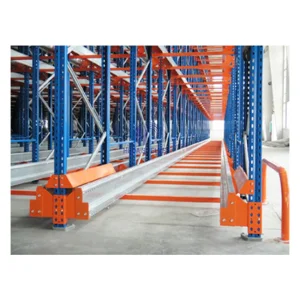
  2. Integration with Automation: Standard racking is increasingly adapted to support high-speed Automated Storage and Retrieval Systems (AS/RS), requiring precision fabrication tolerances down to the millimeter.
  3. Smart Structural Monitoring: Heavy-lift cantilever and pallet systems are starting to integrate IoT stress sensors. These sensors detect and report overload strain and forklift impacts in real time, enhancing safety.

Key Metrics for Procurement Managers

When procuring heavy-lift racking systems, supply chain managers should verify the following:

  • Steel Grade Verification: Request mill test certificates to verify raw steel yield strength.
  • Stiffness and Deflection Limits: Confirm the structural design adheres to standard limits, typically keeping deflection below L/240 of the beam span under full capacity.
  • Powder Coating Adhesion: Ensure dry film thickness (DFT) meets the 60-80 micron standard, with cross-hatch testing to verify adhesion.
  • Supplier Customization (OEM/ODM): Verify that engineering designs can be modified to fit existing warehouse footprints and forklift dimensions.

Expert Engineering Q&A

Find answers to common technical and structural questions about heavy-lift warehouse racking systems.

Q1: What are the main material differences between roll-formed and structural steel racking systems?
Roll-formed steel racking is manufactured by cold-rolling coils of sheet steel through a series of dies to form shapes. It is cost-effective, versatile, and suitable for standard pallet storage. Structural steel racking is fabricated from hot-rolled structural steel shapes (like channels). It is much heavier, more durable, and designed to withstand forklift impact and extreme load capacities, making it ideal for food distribution centers and heavy industrial facilities.
Q2: How does Shenzhen Heda verify the load capacity of its custom OEM/ODM racking?
We use a multi-step verification process. First, our 28 R&D engineers perform Finite Element Analysis (FEA) to model load distribution. Second, our quality control team conducts physical load tests on sample frames using hydraulic presses. Finally, we provide structural calculation reports that document compliance with RMI or FEM standards based on the client's local code requirements.
Q3: What finishes are available to prevent rust in high-humidity or cold storage environments?
For standard indoor storage, we apply a multi-stage epoxy powder coating with a thickness of 60–80 microns. For high-humidity, outdoor, or cold storage conditions, we offer hot-dip galvanizing (HDG), which provides a zinc coating that protects the underlying steel from rust and corrosion.
Q4: What is the typical lead time for custom production and export logistics?
Standard production lead times range from 20 to 30 days after drawing approval, depending on the project scale. Our location in Shenzhen provides direct access to major container ports (Yantian and Shekou), allowing us to rapidly ship to key regions like North America, Western Europe, Southeast Asia, and the Middle East.
Q5: Can Heda racking accommodate specialized warehouse machinery like automated guided vehicles (AGVs)?
Yes, our engineering team designs customized racking systems with tight tolerances (e.g., beam deflection and upright verticality) to integrate seamlessly with AGVs, AMRs, and high-speed stacker cranes in automated warehouse environments.
Q6: How do seismic requirements affect the design of heavy-lift warehouse racking?
In seismic zones, racking must be engineered to withstand lateral acceleration forces. This requires using heavy-duty baseplates, larger anchor bolts, cross-bracing systems, and structural upright profiles. Our engineering team calculates these dynamic forces based on local seismic ratings to ensure structural stability.