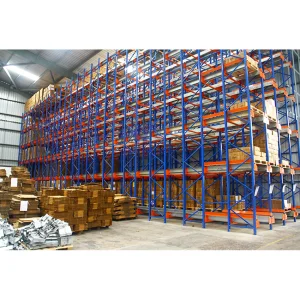
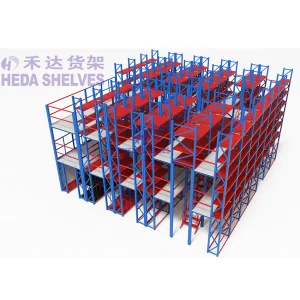
Engineered structural platforms designed to optimize cubic volume, double facility capacity, and integrate seamlessly with modern warehousing configurations.
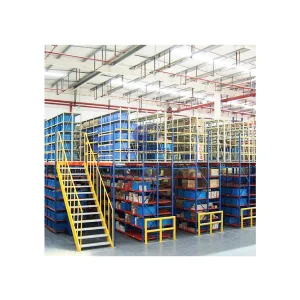
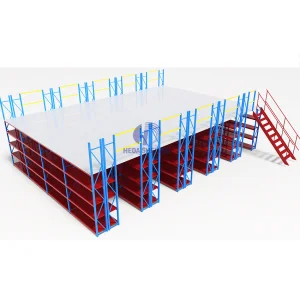
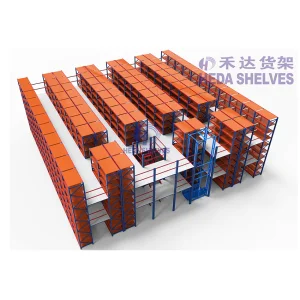
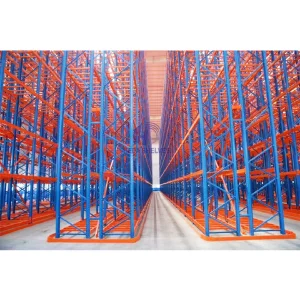
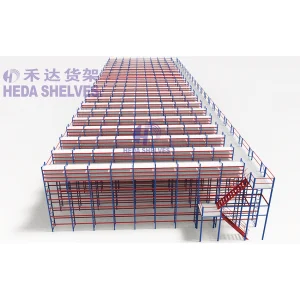
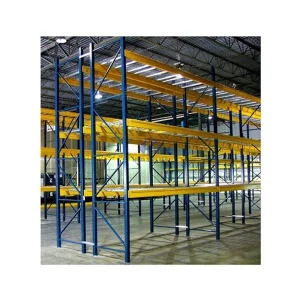
A technical roadmap detailing how modern heavy-duty platforms align with automation, sustainability, and structural precision.
The industrial warehouse footprint is undergoing a profound paradigm shift. Simple static storage is no longer sufficient. Modern mezzanine systems serve as structural hubs capable of supporting dynamic automation payloads, including Autonomous Mobile Robots (AMRs), Automated Guided Vehicles (AGVs), and high-velocity sorting conveyors. As an OEM/ODM manufacturer, our engineering team utilizes finite element analysis (FEA) to design systems with optimized deflection criteria, catering to dynamic moving loads while minimizing floor vibrations.
Key technical considerations in our current structural design include:
Structural stability optimized for high-speed AGVs and AMRs. Engineered deck flatnesses ensure smooth robot pathing and minimal wheel wear.
Utilizing high-tensile Q355B and Q235B structural steel to maximize structural spans, reducing column profiles and expanding usable clear spans below.
Integrated rack-safety features: heavy-duty collision posts, industrial kickplates, and robust handrail systems tested to withstand 1.0 kN load impacts.
Addressing distinct layout limits, environmental regulations, and floor loading conditions in key global sectors.
| Sector / Vertical | Primary Storage Challenge | Structural Mezzanine Solution | Key Specifications |
|---|---|---|---|
| Third-Party Logistics (3PL) | Frequent changes in SKU profiles and varying storage volumes. | Multi-tier racking systems with integrated pallet gates and modular shelving layouts. | 500 - 1500 kg/m² capacity; variable column spacing. |
| Automotive OEM Parts | High density of heavy, irregular components and dies. | Heavy-duty structural platforms utilizing structural steel beams and steel grating. | Up to 3000 kg/m² loading; clear span designs. |
| E-commerce Fulfillment | Rapid foot-traffic and continuous AGV pathing. | Integrated mezzanine with conveyor systems and continuous robotic runways. | L/500 deflection limit; anti-vibration rubber mounts. |
| Pharmaceutical / Cold Chain | Strict sanitation controls and low-temperature corrosion. | Hot-dip galvanized structural profiles or epoxy-coated anti-microbial systems. | Temperature range: -30°C to +40°C; FDA compliant coatings. |
In mature logistics markets, the costs of commercial real estate expansion continue to rise. Our custom industrial mezzanine structures offer an economically sound alternative to facility expansion. By utilizing vertical clear space, operations can increase their total storage volume by up to 100% without altering the building envelope. This structural approach minimizes the need for additional facility lighting, climate control, and real estate taxes, driving down operating costs per square meter.
Global manufacturing authority in heavy-duty warehousing systems and structural platforms since 2014.
Established in 2014, Shenzhen Heda Warehouse Equipment Co., Ltd. is a premier manufacturer specializing in heavy-duty warehouse racking and industrial storage solutions. Spanning a modern manufacturing facility of 35,000 m², our enterprise integrates R&D, design, production, and international marketing to serve diverse storage needs worldwide. With 12 years of industry experience and 8 years of dedicated export expertise, we deliver high-caliber storage systems that generate over $28 million in annual export revenue.
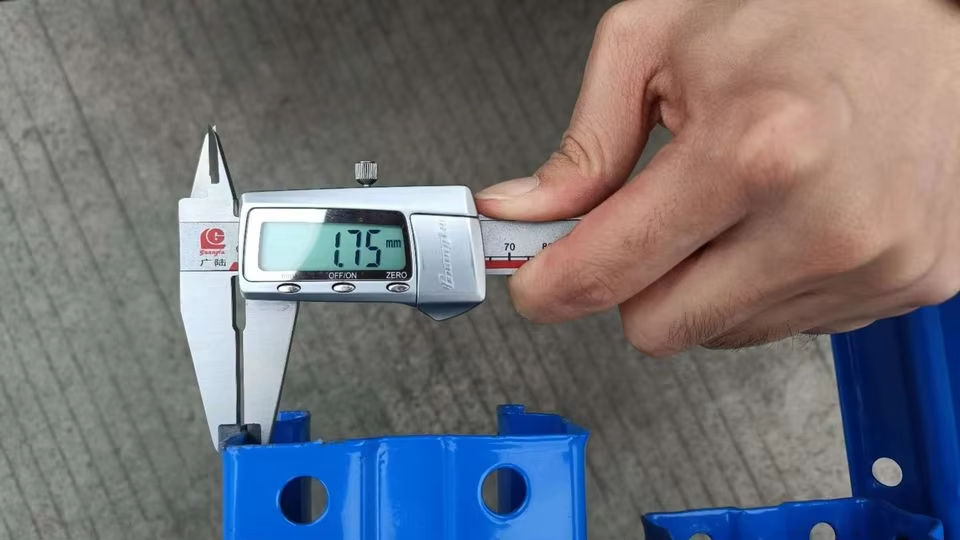
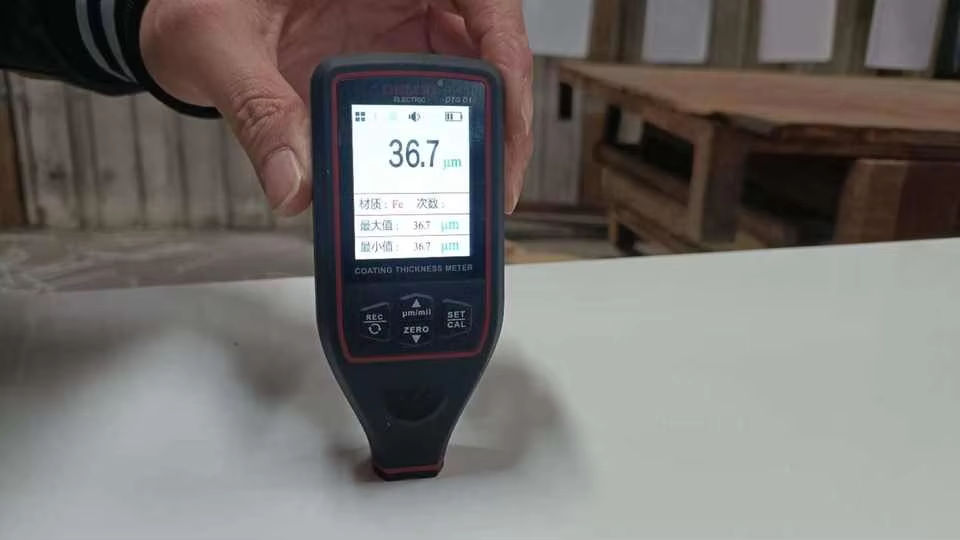
At Heda, quality control and engineering innovation drive our core operations. Our robust QC department comprises 45 skilled inspectors utilizing rigorous testing methods, including raw material tensile testing, automated weld flaw detection, layer load-bearing stress analysis, and salt spray surface corrosion testing. Supported by a professional R&D team of 28 senior structural engineers, we maintain strong full-customization capabilities (OEM/ODM)—offering tailored rack dimensions, load capacities, surface coatings, and layout designs. Driven by continuous innovation, we launched over 120 new dynamic storage products and component upgrades last year.
How we utilize automated fabrication systems, advanced materials testing, and raw material tracking to deliver compliant structural elements worldwide.
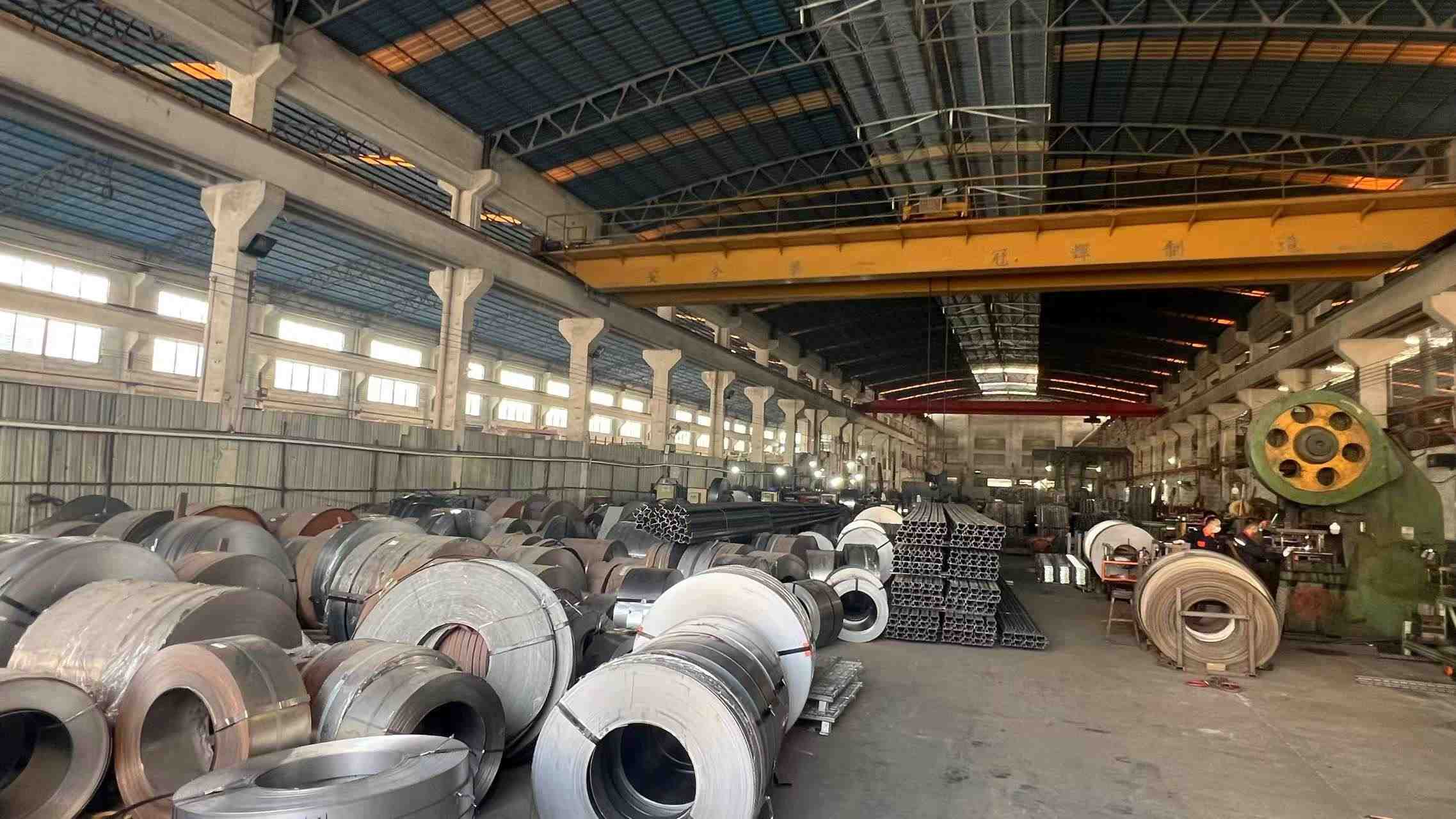
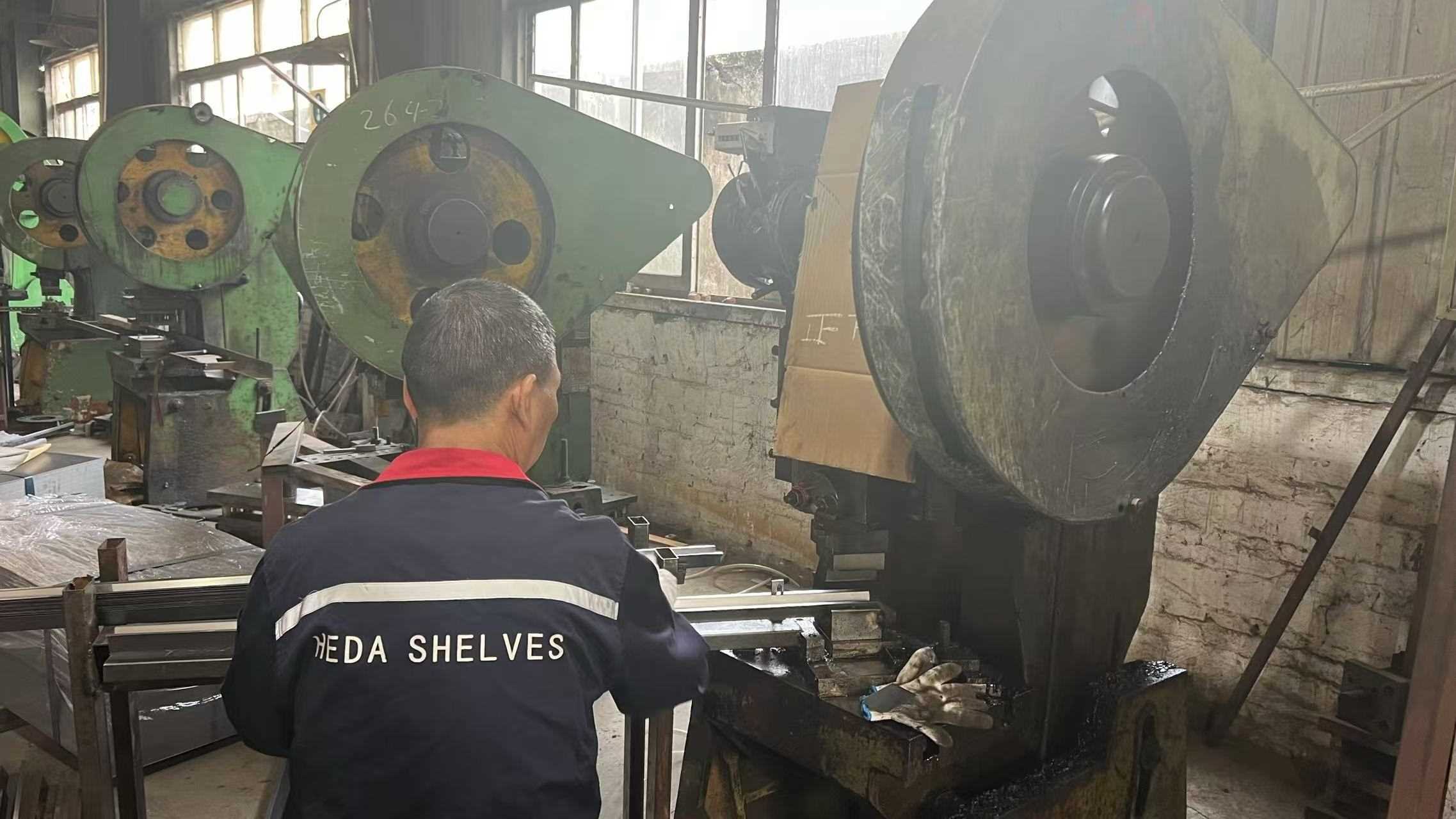
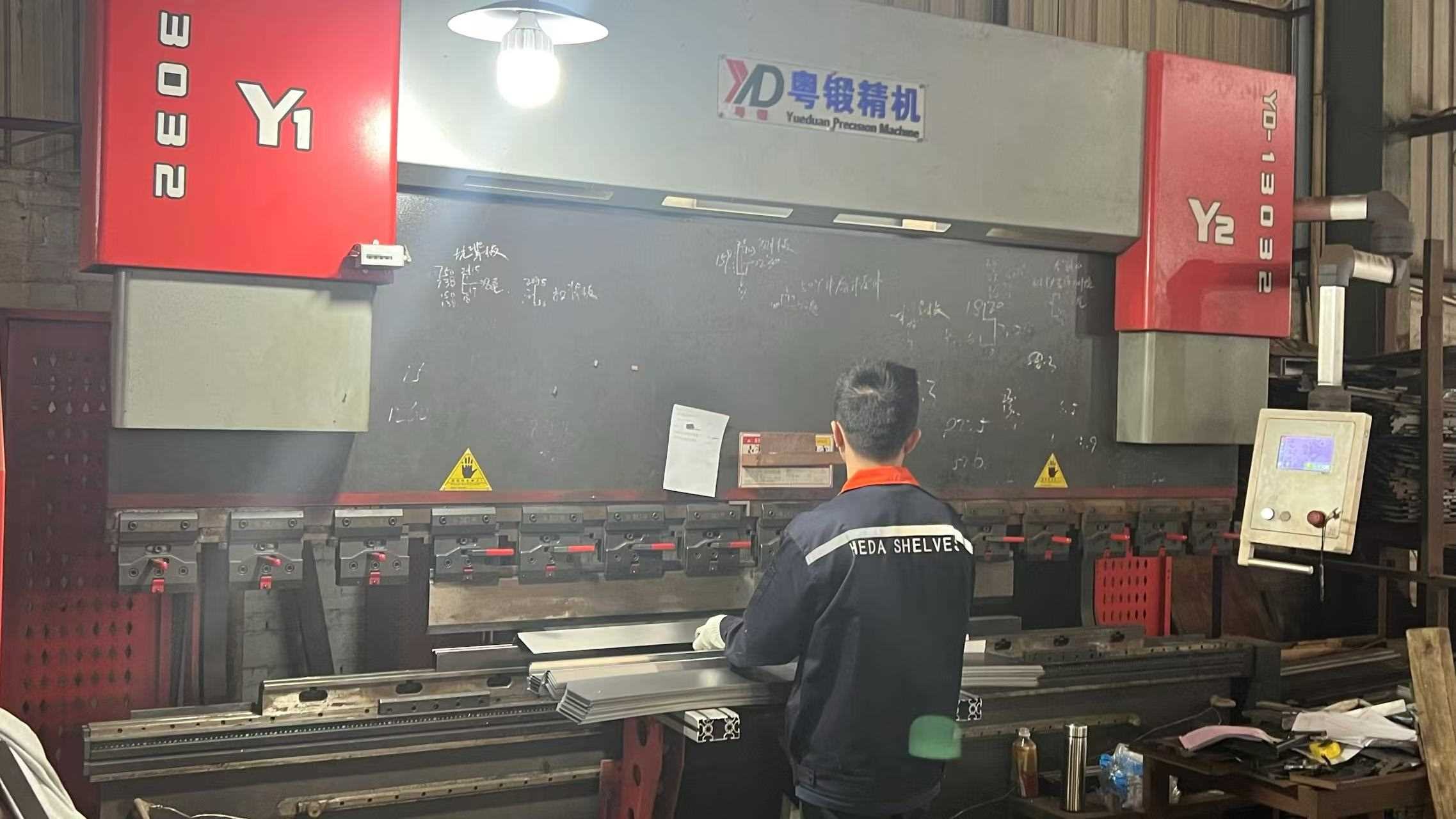
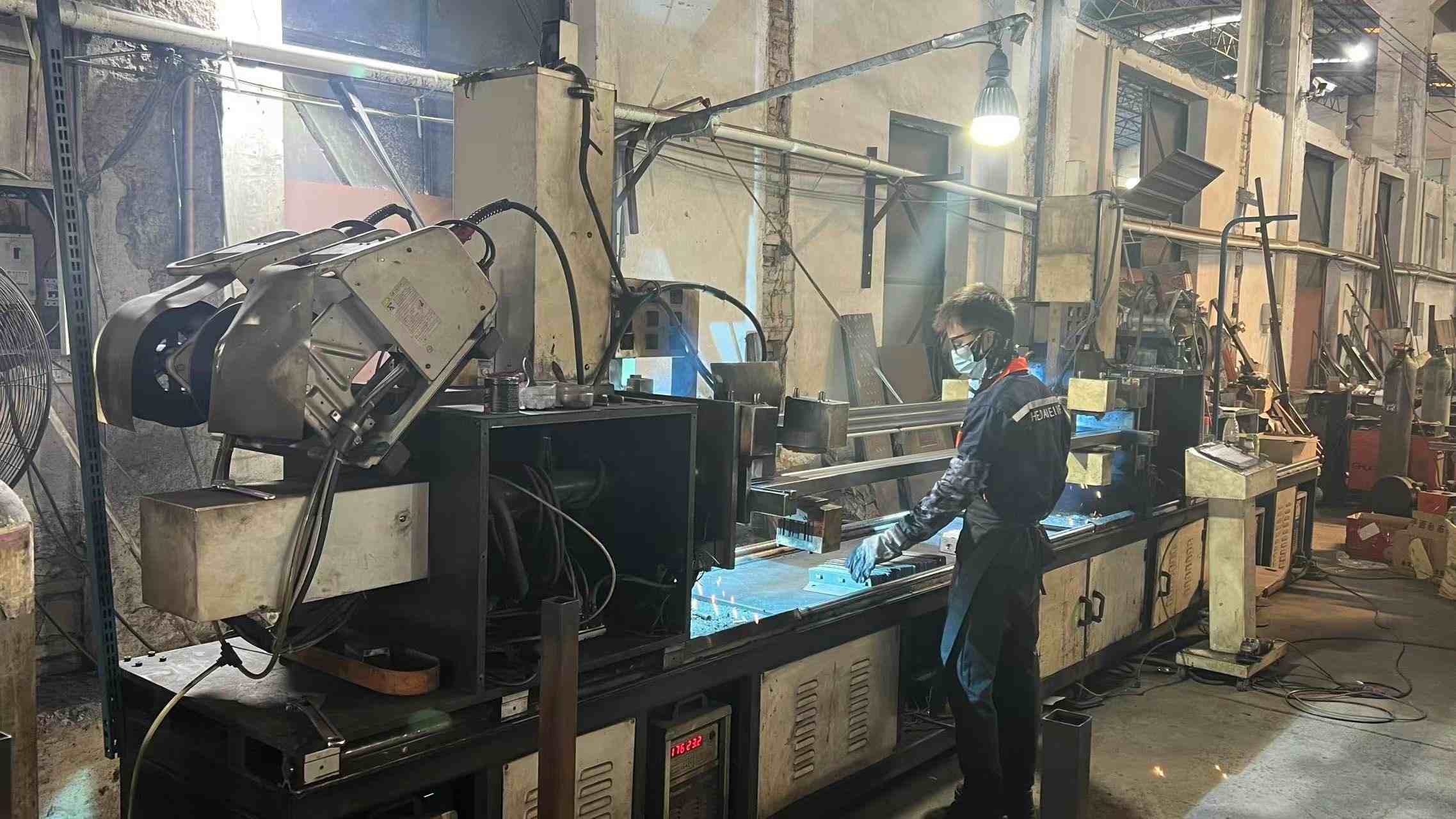
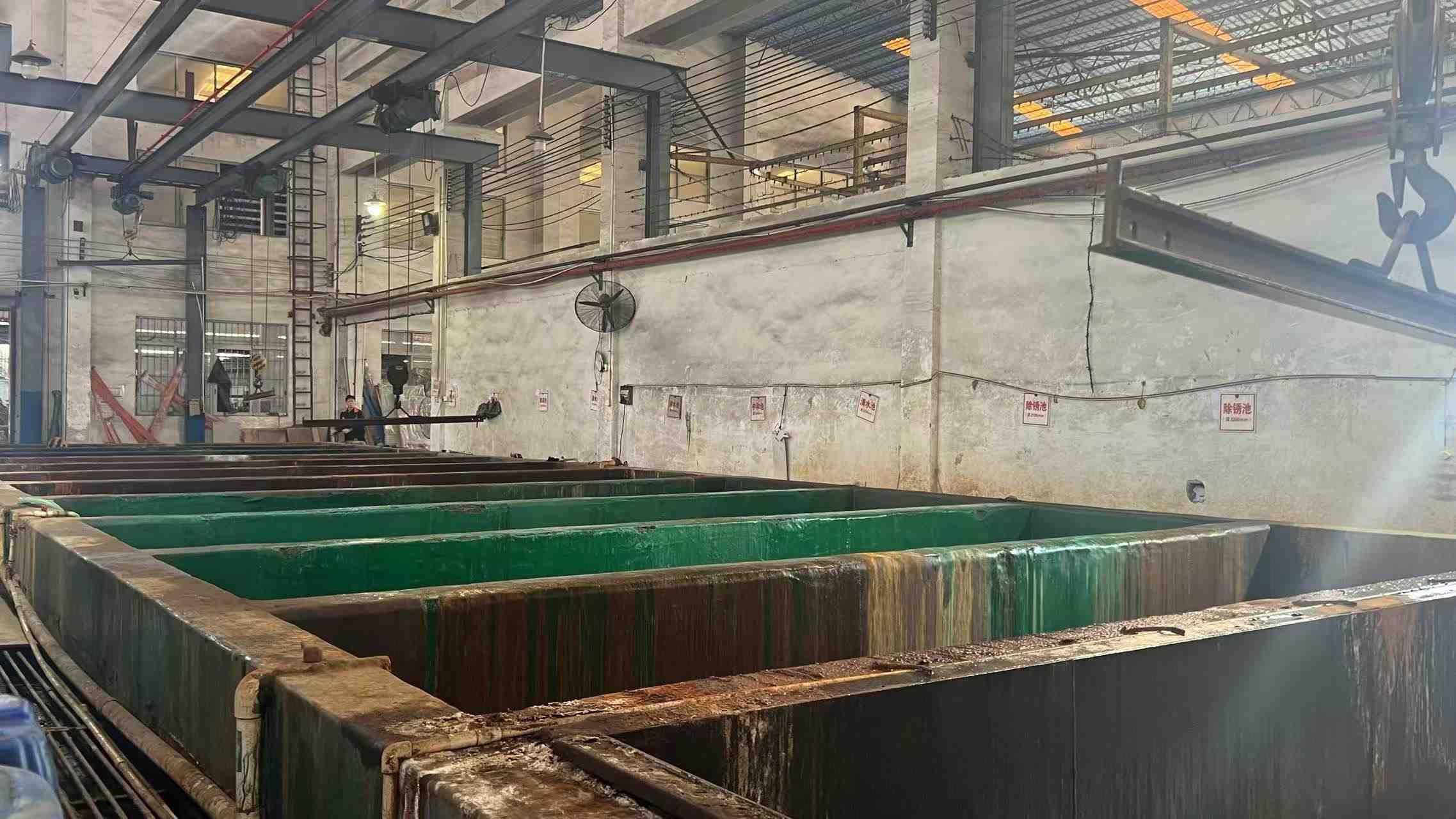
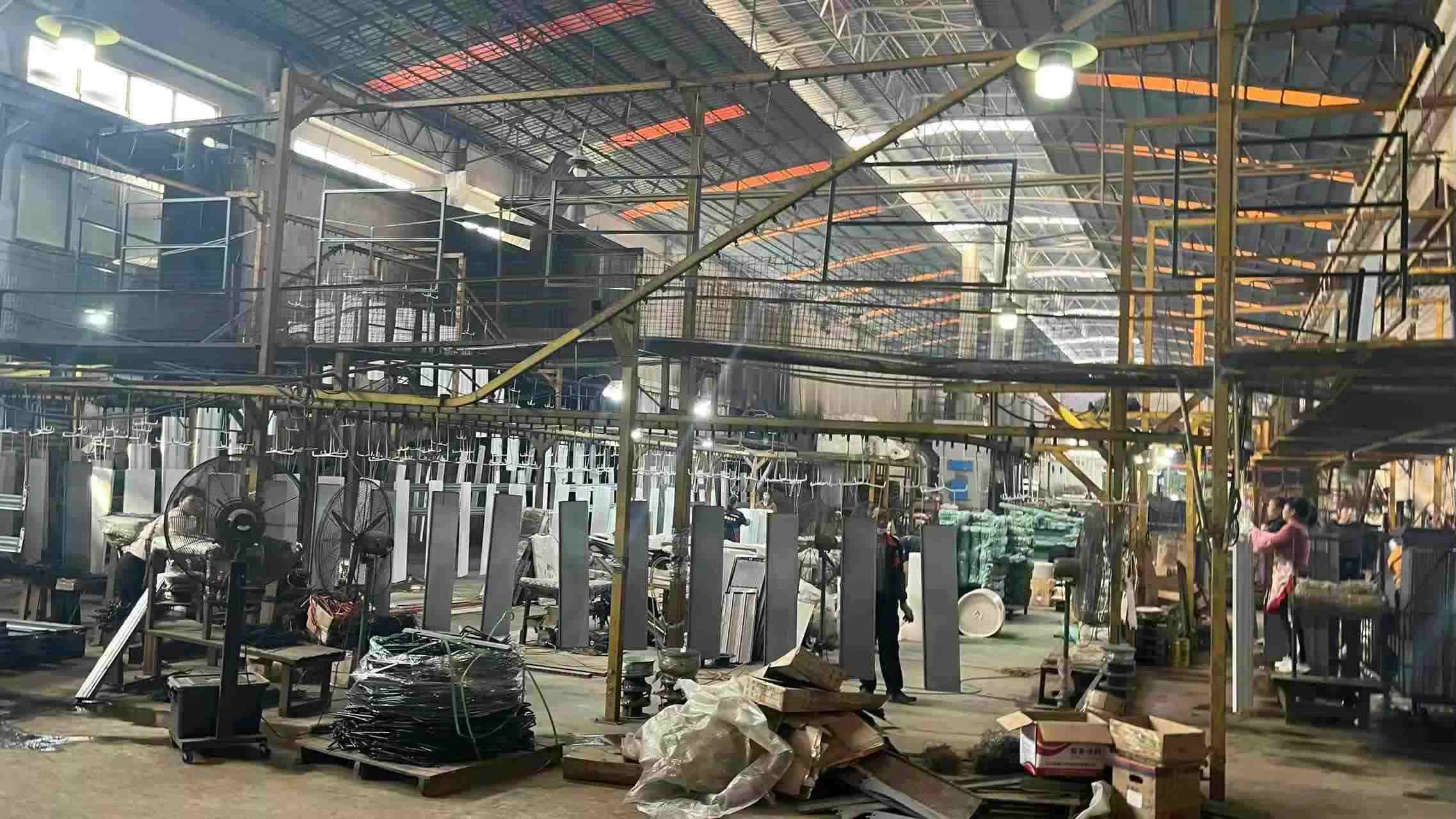
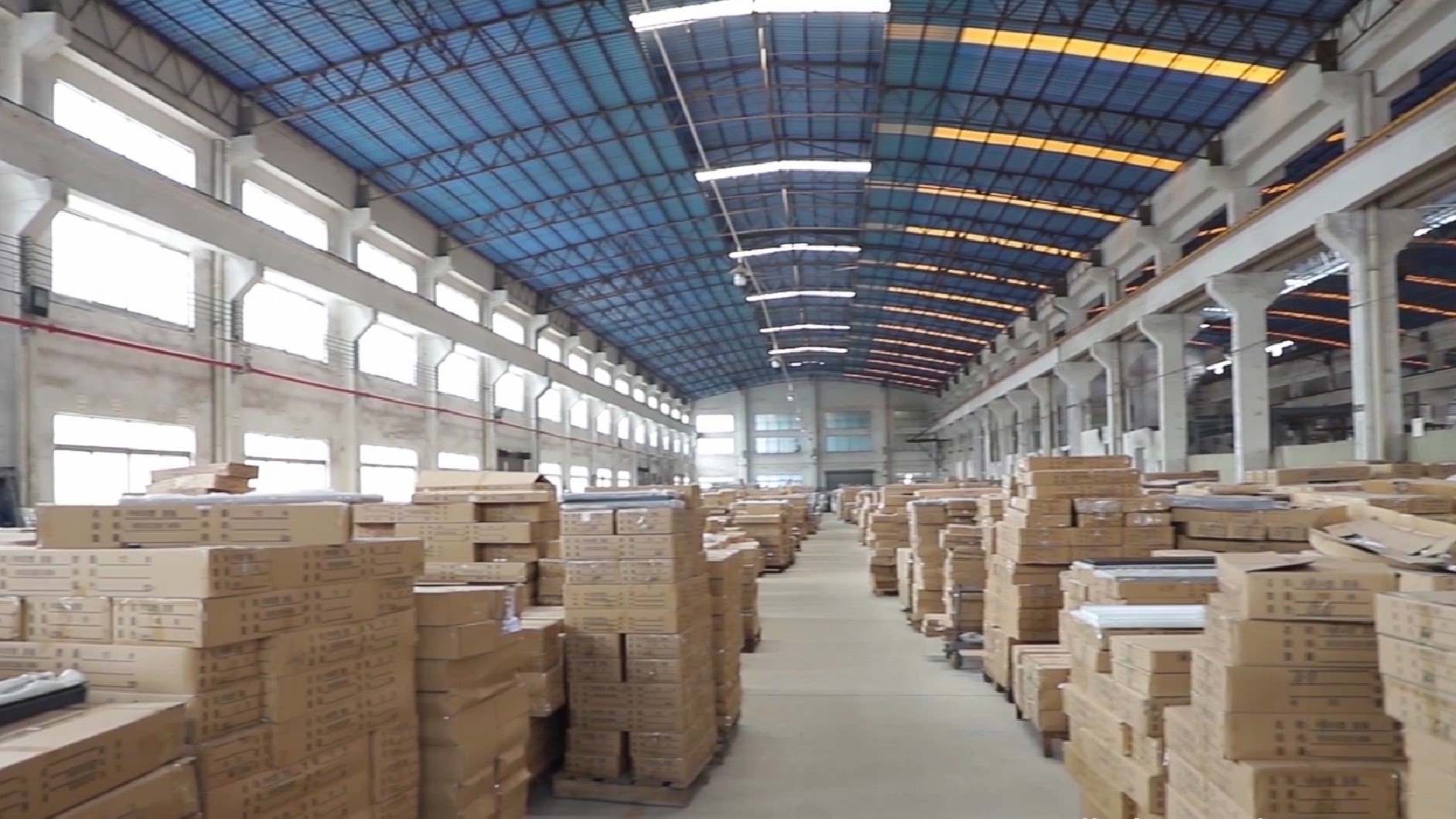
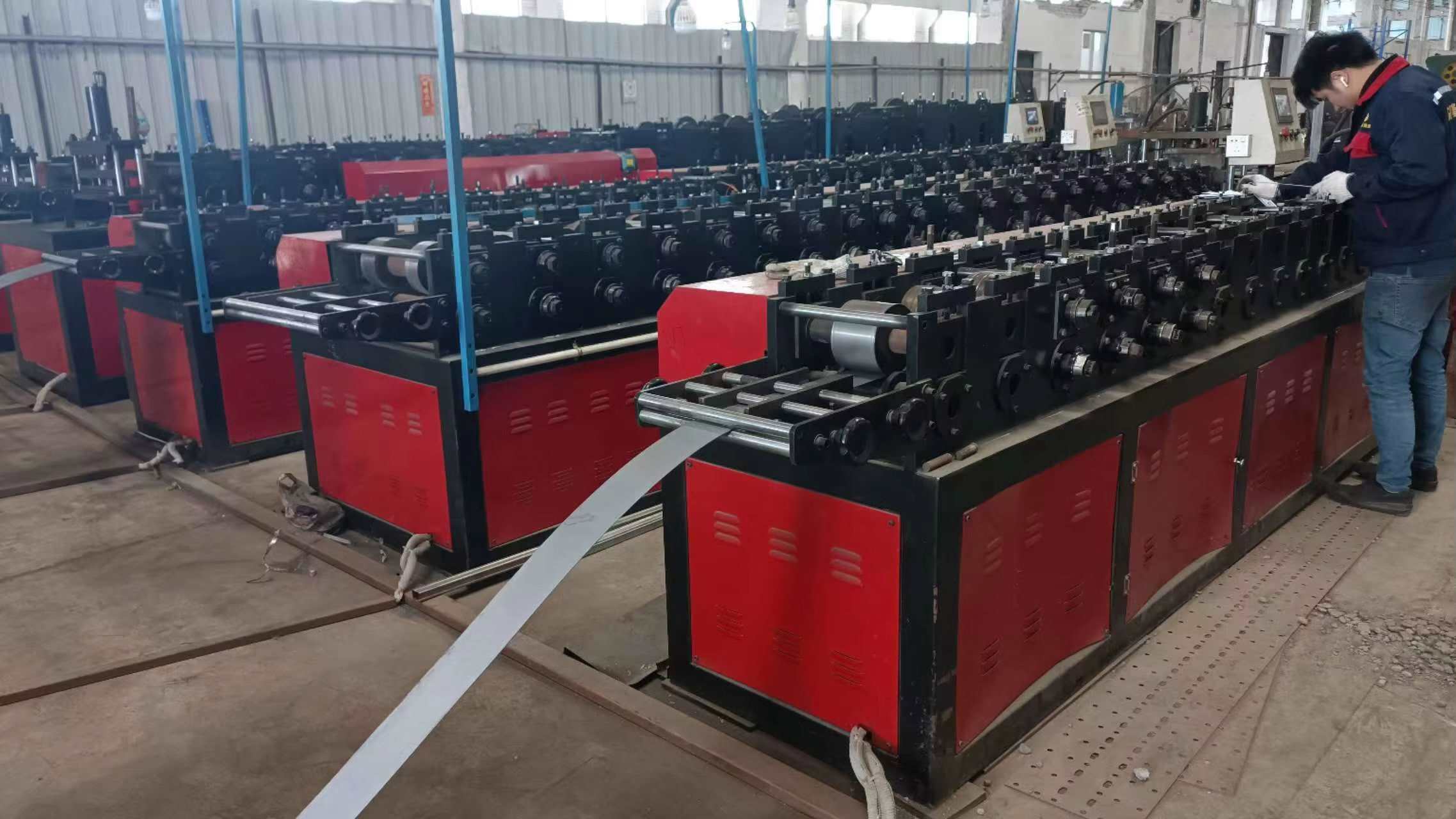
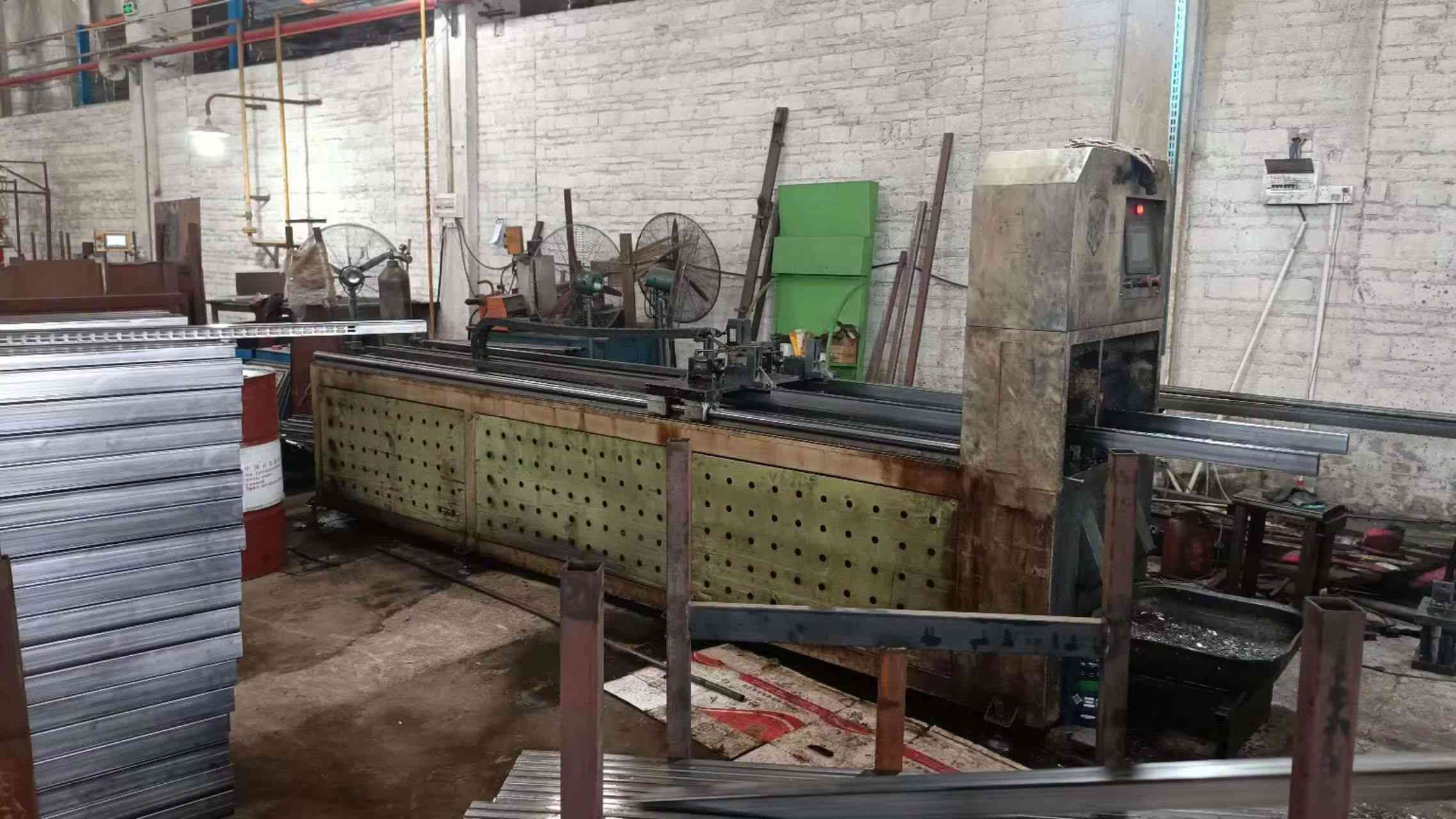
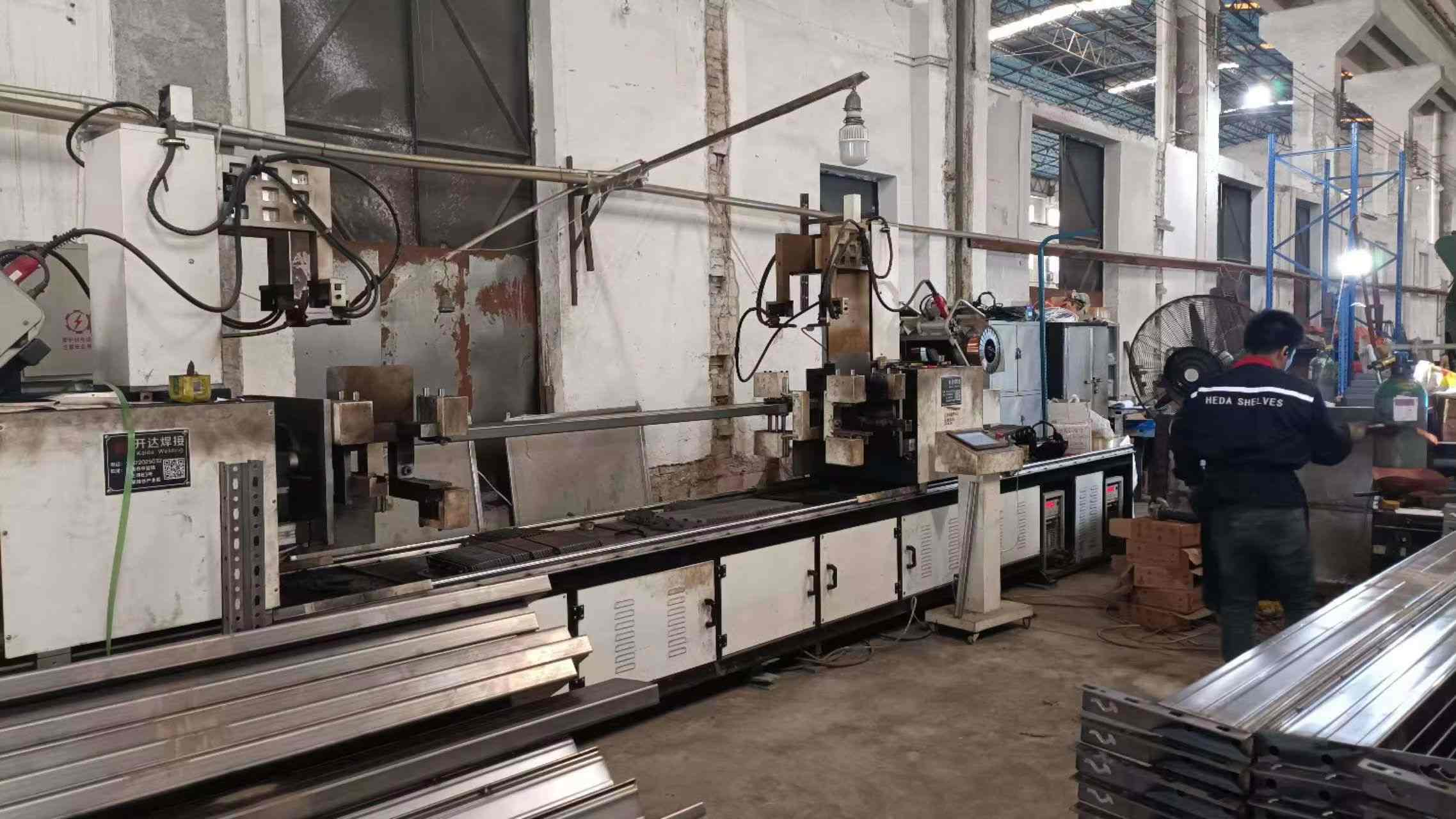
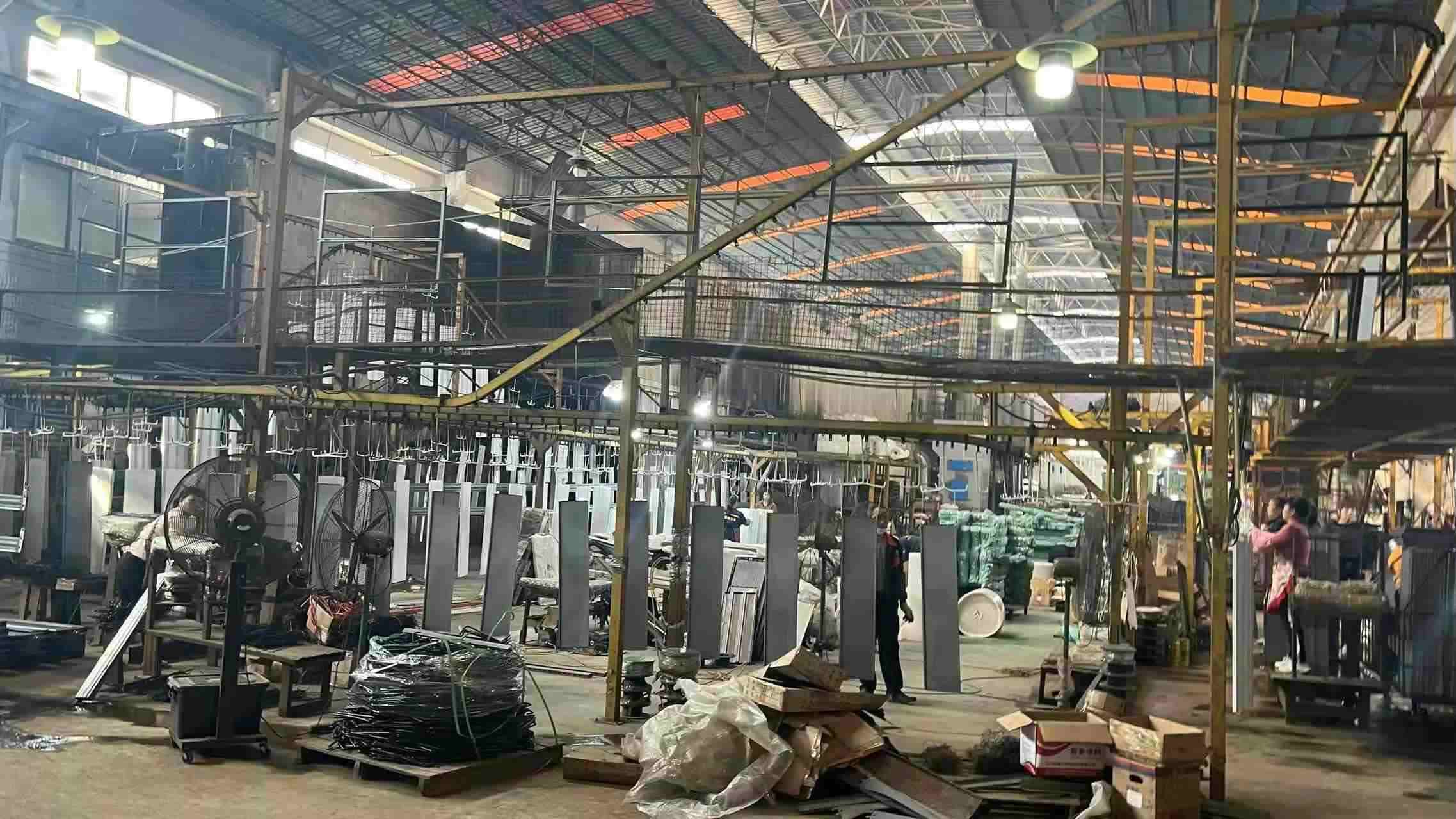
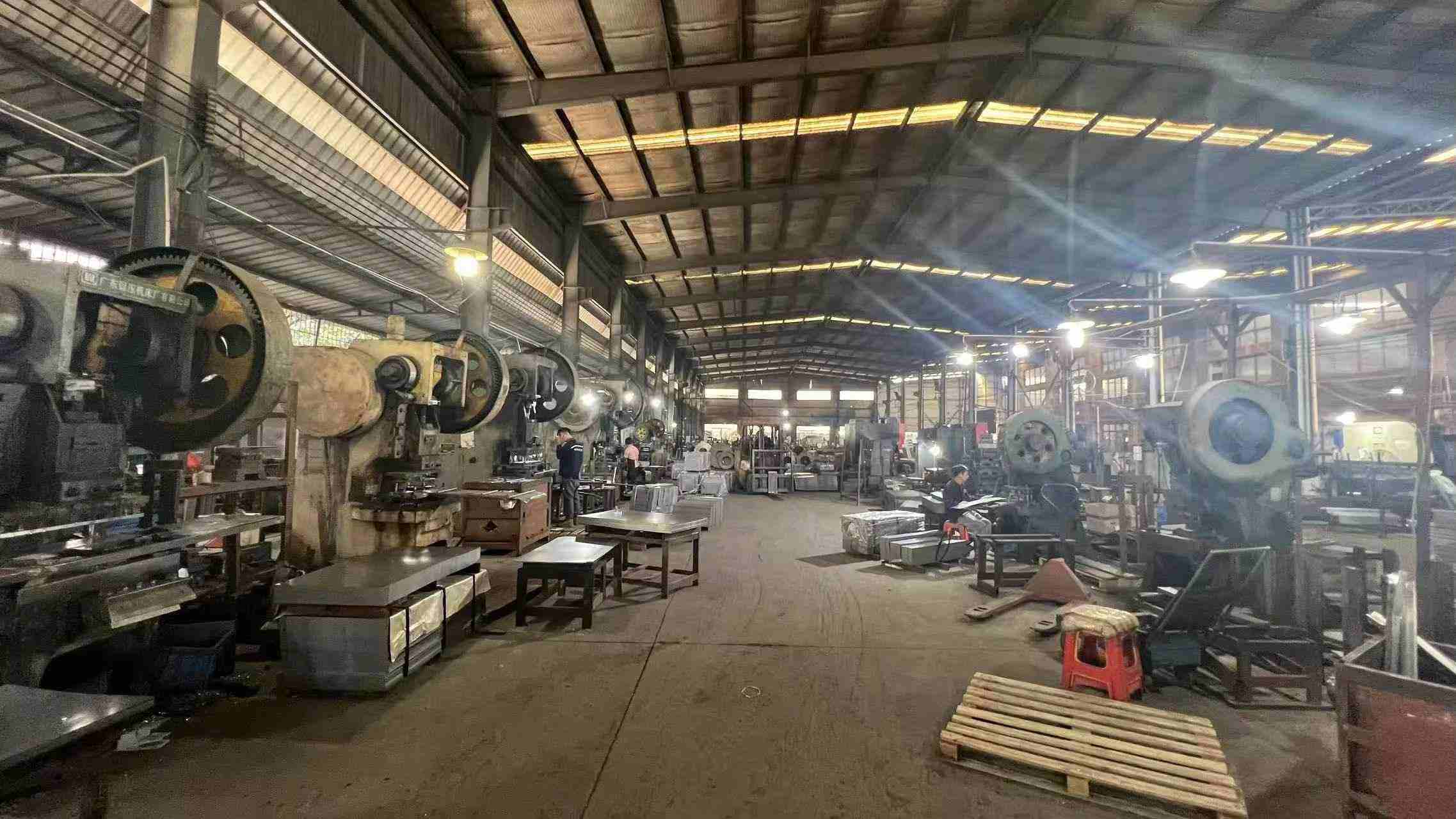
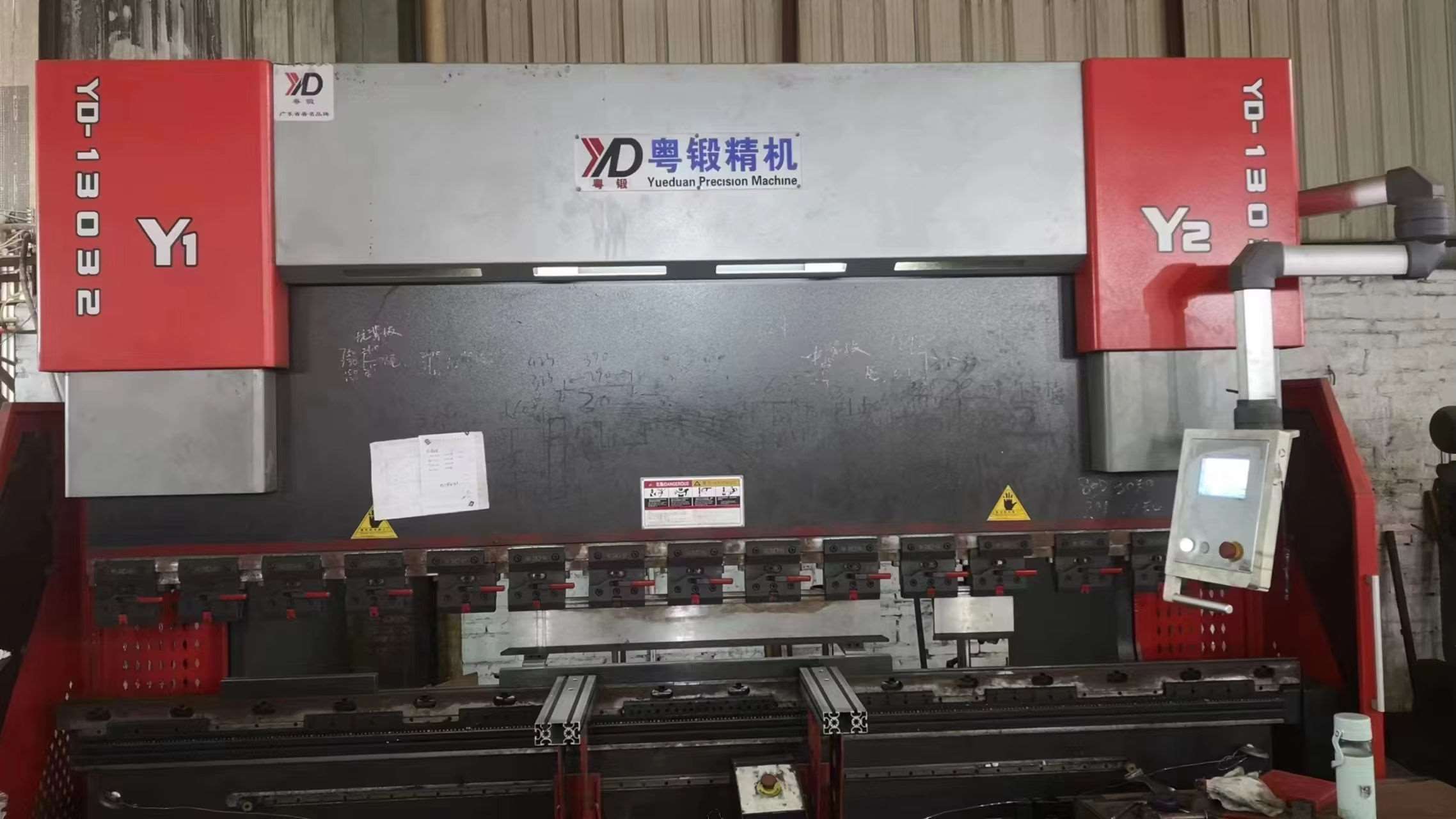
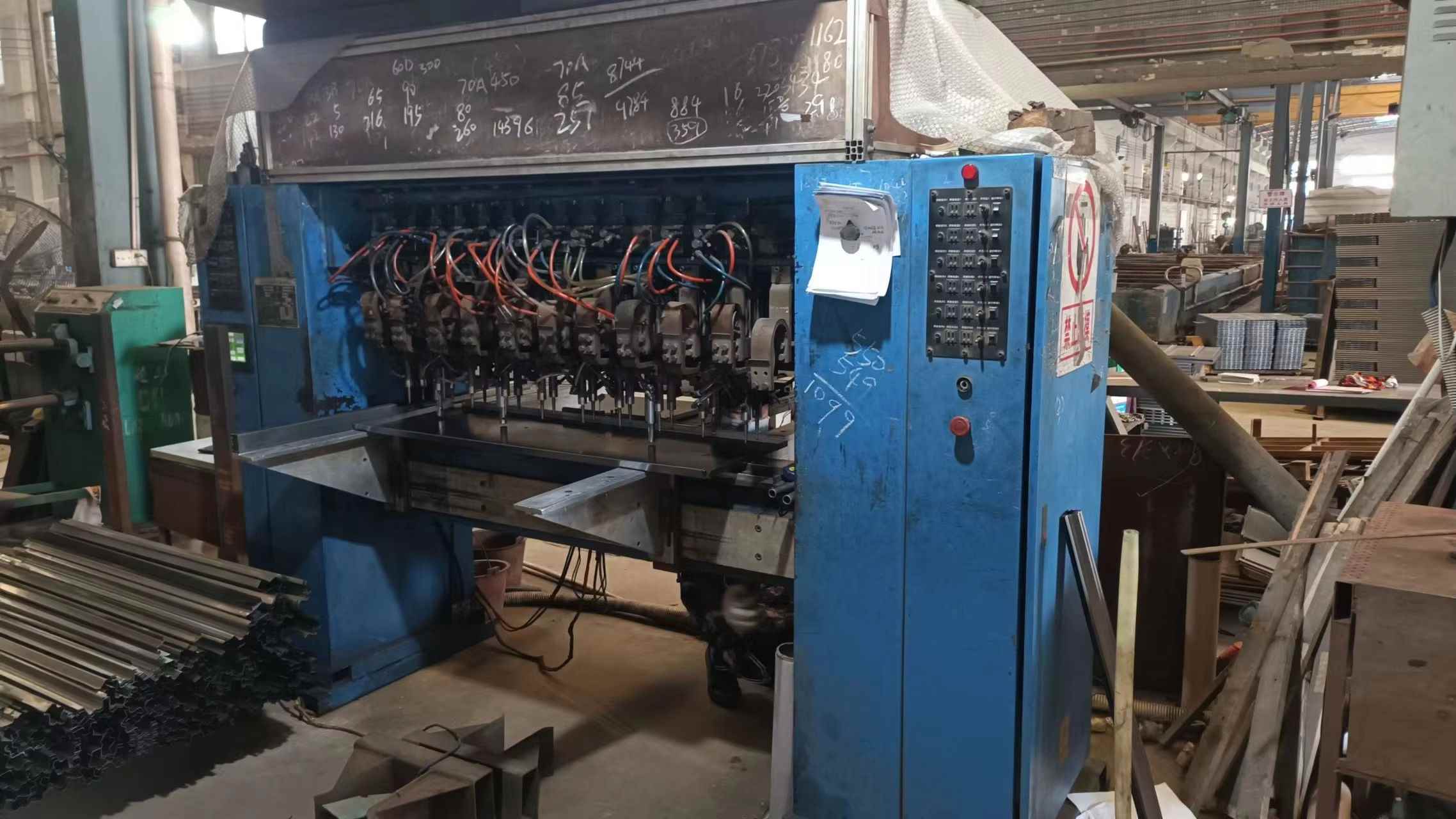
Operating with a strong direct-factory and international trade background, we have built a resilient ecosystem supported by over 800 supply chain partners. Our products are exported to major global markets, including North America, Western Europe, Southeast Asia, and the Middle East. We proudly serve a diverse clientele ranging from third-party logistics (3PL) providers and large distribution centers to industrial manufacturers and wholesale equipment distributors.
An engineering-centric checklist for specifying steel mezzanine platforms and high-capacity storage racks.
Meeting local building codes and structural safety standards across global jurisdictions.
Our structural elements are engineered in accordance with EN 15512 and structural steel codes EN 1993. We provide comprehensive calculation packages for local safety inspections in Europe.
For US and Canadian installations, our designs follow the Rack Manufacturers Institute (RMI) specification guidelines, guaranteeing structural performance and seismically rated baseplate configurations.
Direct answers from our senior structural engineering team regarding system design, capabilities, and logistics.
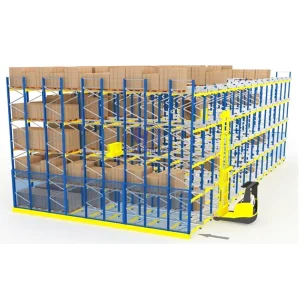
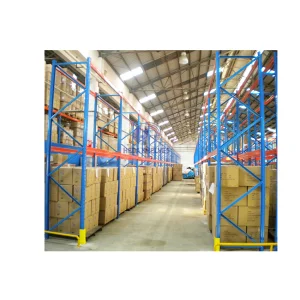
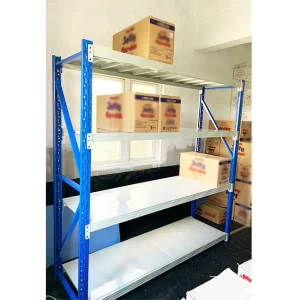
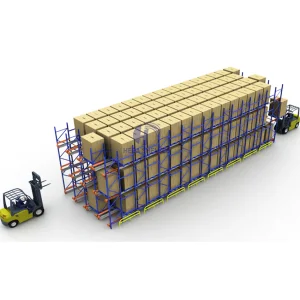
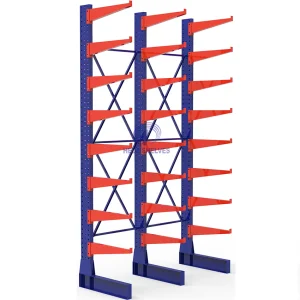
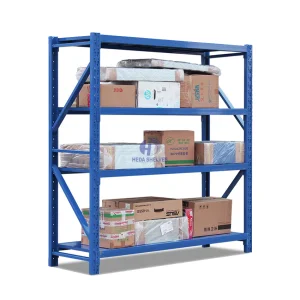
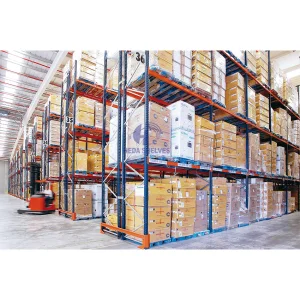
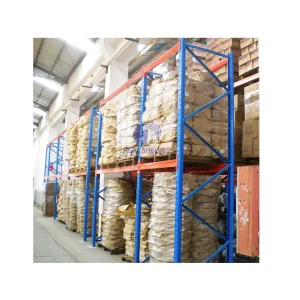
Complementary high-density racking configurations that integrate directly with our industrial mezzanine floors.
 Hedaracking