Engineered for high density, dynamic loading safety, and long lifecycle carbon efficiency
Established in 2014, Shenzhen Heda Warehouse Equipment Co., Ltd. is a premier manufacturer specializing in heavy-duty warehouse racking and industrial storage solutions. Spanning a modern manufacturing facility of 35,000 m², our enterprise integrates R&D, design, production, and international marketing to serve diverse storage needs worldwide. With 12 years of industry experience and 8 years of dedicated export expertise, we deliver high-caliber storage systems that generate over $28 million in annual export revenue.
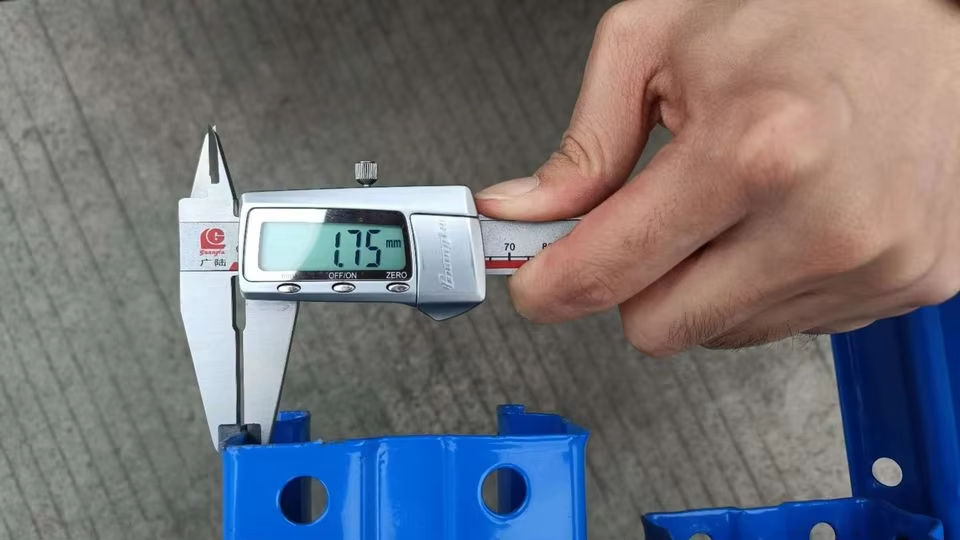
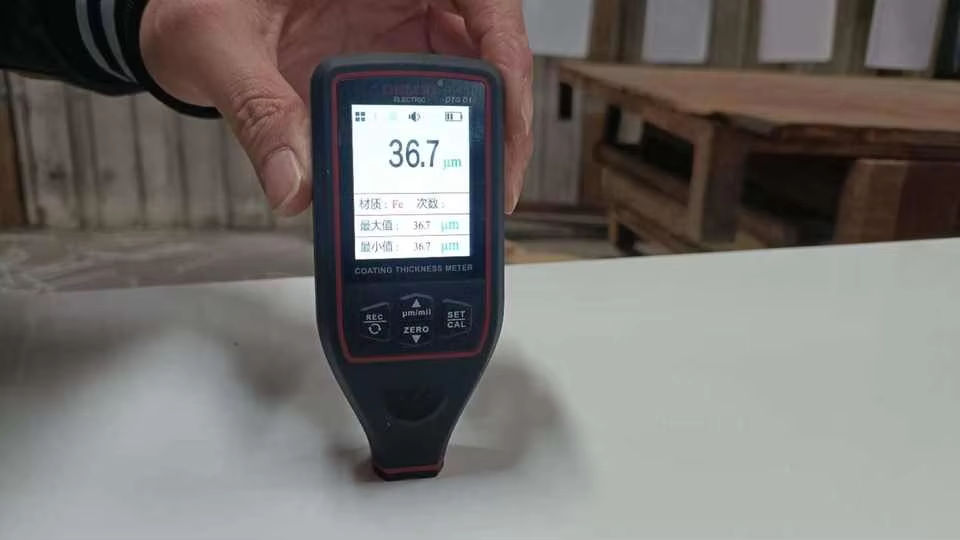
At Heda, quality control and engineering innovation drive our core operations. Our robust QC department comprises 45 skilled inspectors utilizing rigorous testing methods, including raw material tensile testing, automated weld flaw detection, layer load-bearing stress analysis, and salt spray surface corrosion testing. Supported by a professional R&D team of 28 senior structural engineers, we maintain strong full-customization capabilities (OEM/ODM)—offering tailored rack dimensions, load capacities, surface coatings, and layout designs. Driven by continuous innovation, we launched over 120 new dynamic storage products and component upgrades last year.
Operating with a strong direct-factory and international trade background, we have built a resilient ecosystem supported by over 800 supply chain partners. Our products are exported to major global markets, including North America, Western Europe, Southeast Asia, and the Middle East. We proudly serve a diverse clientele ranging from third-party logistics (3PL) providers and large distribution centers to industrial manufacturers and wholesale equipment distributors.
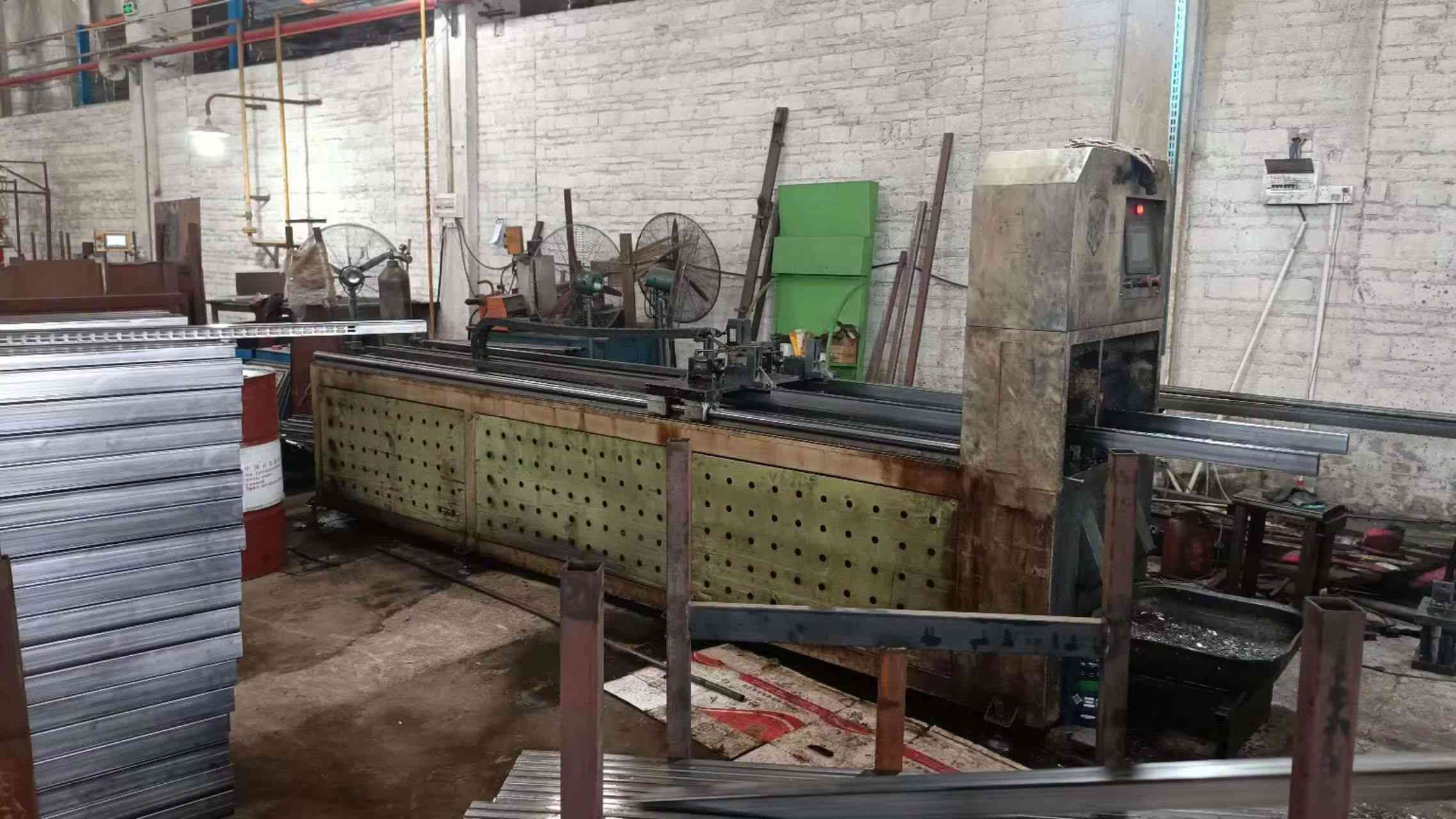
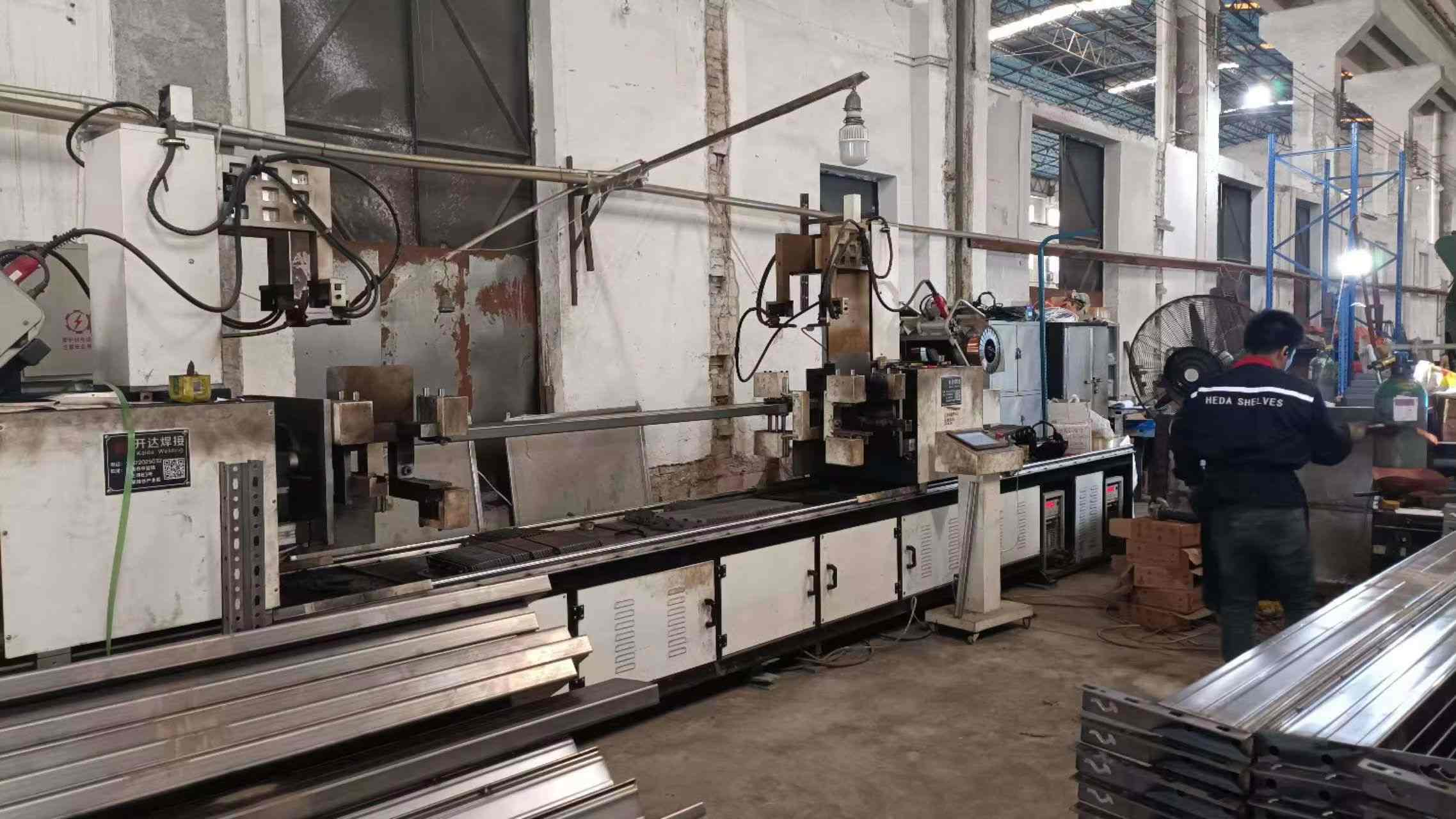
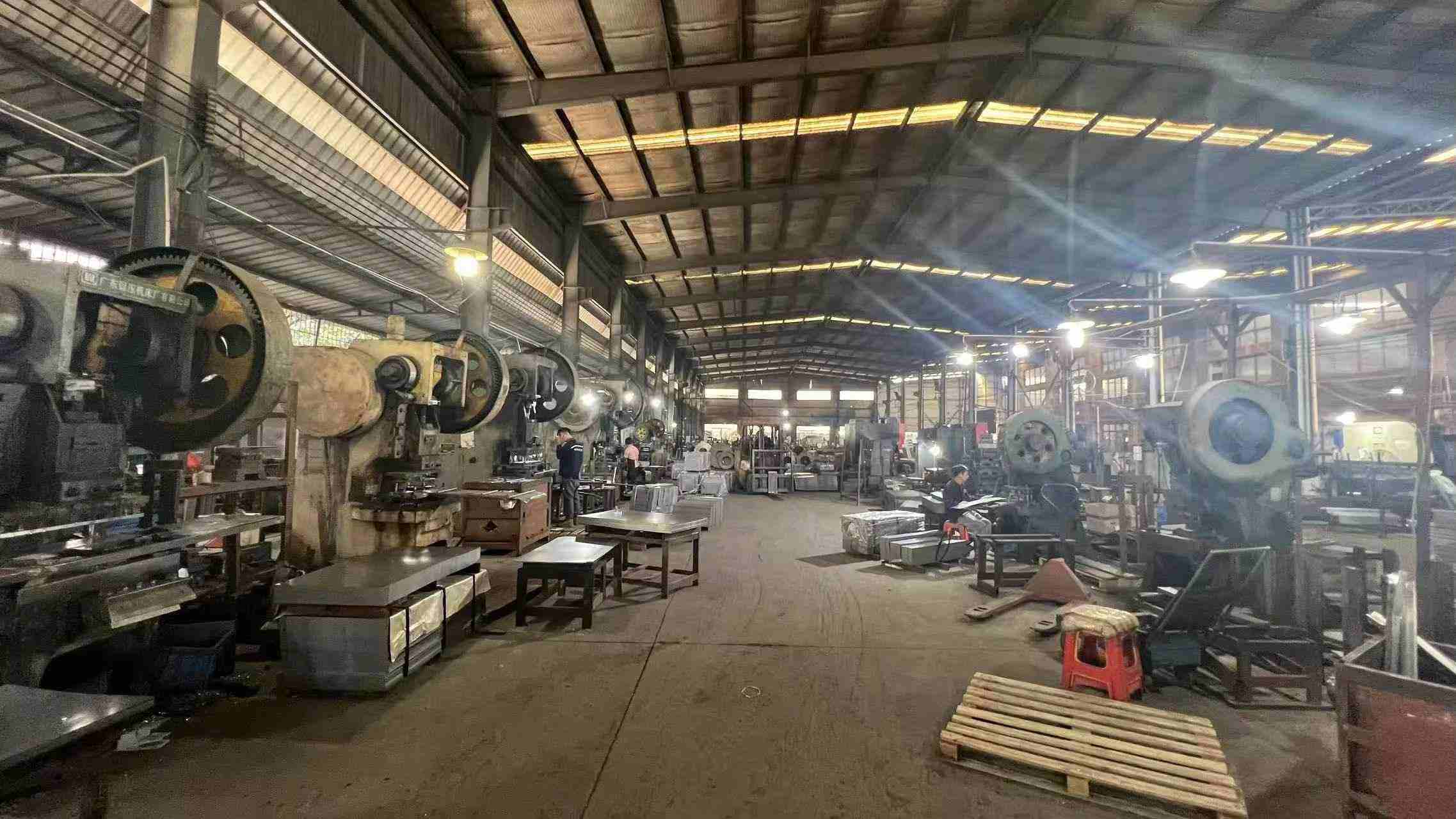
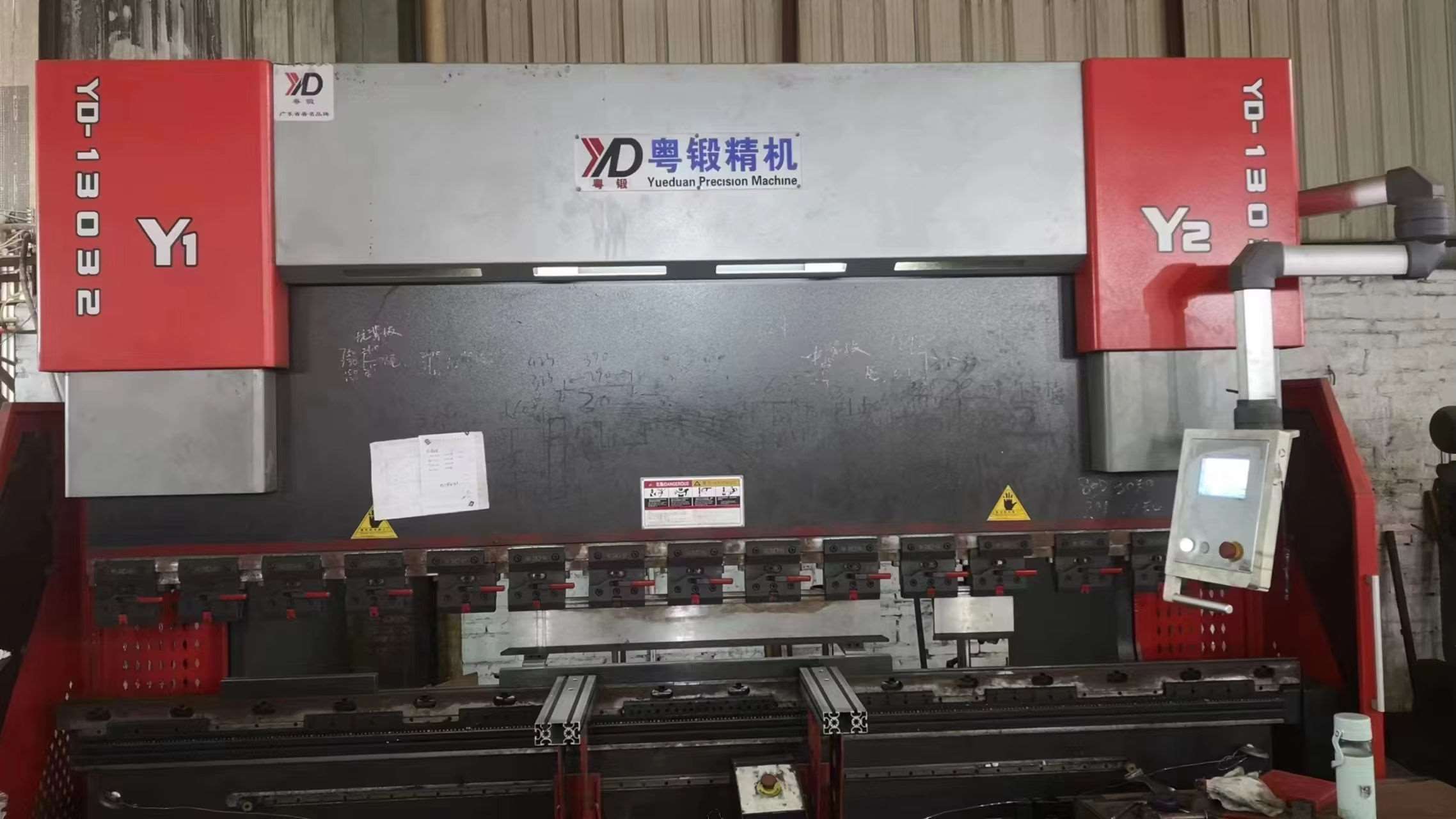
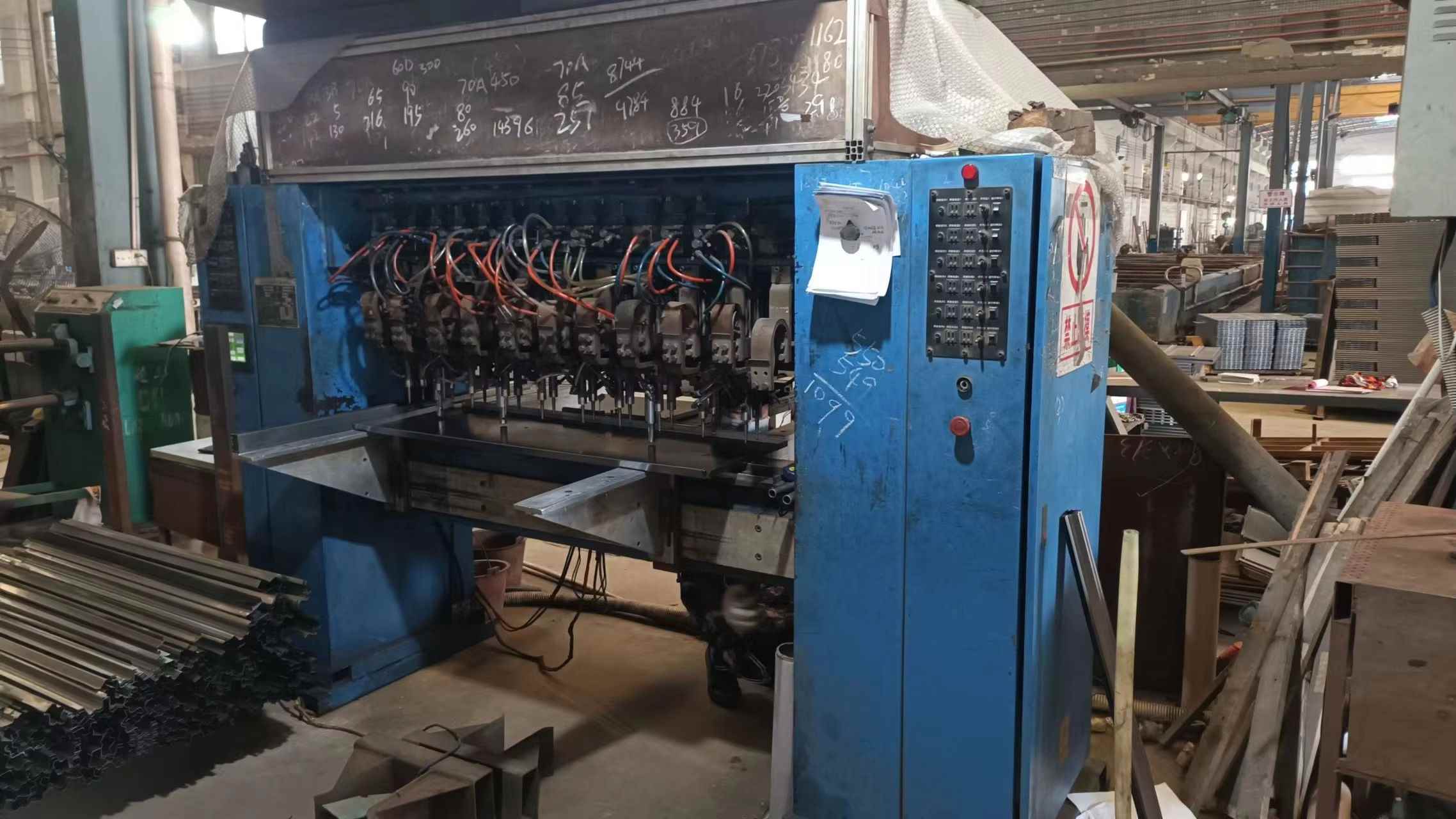
Integrating state-of-the-art rolling mills, automatic punching lines, and robotic welding stations to minimize carbon emissions per unit.
45 professional QC inspectors enforcing ISO 9001, CE, and ESG standards at every production stage, from raw steel testing to powder coating curing.
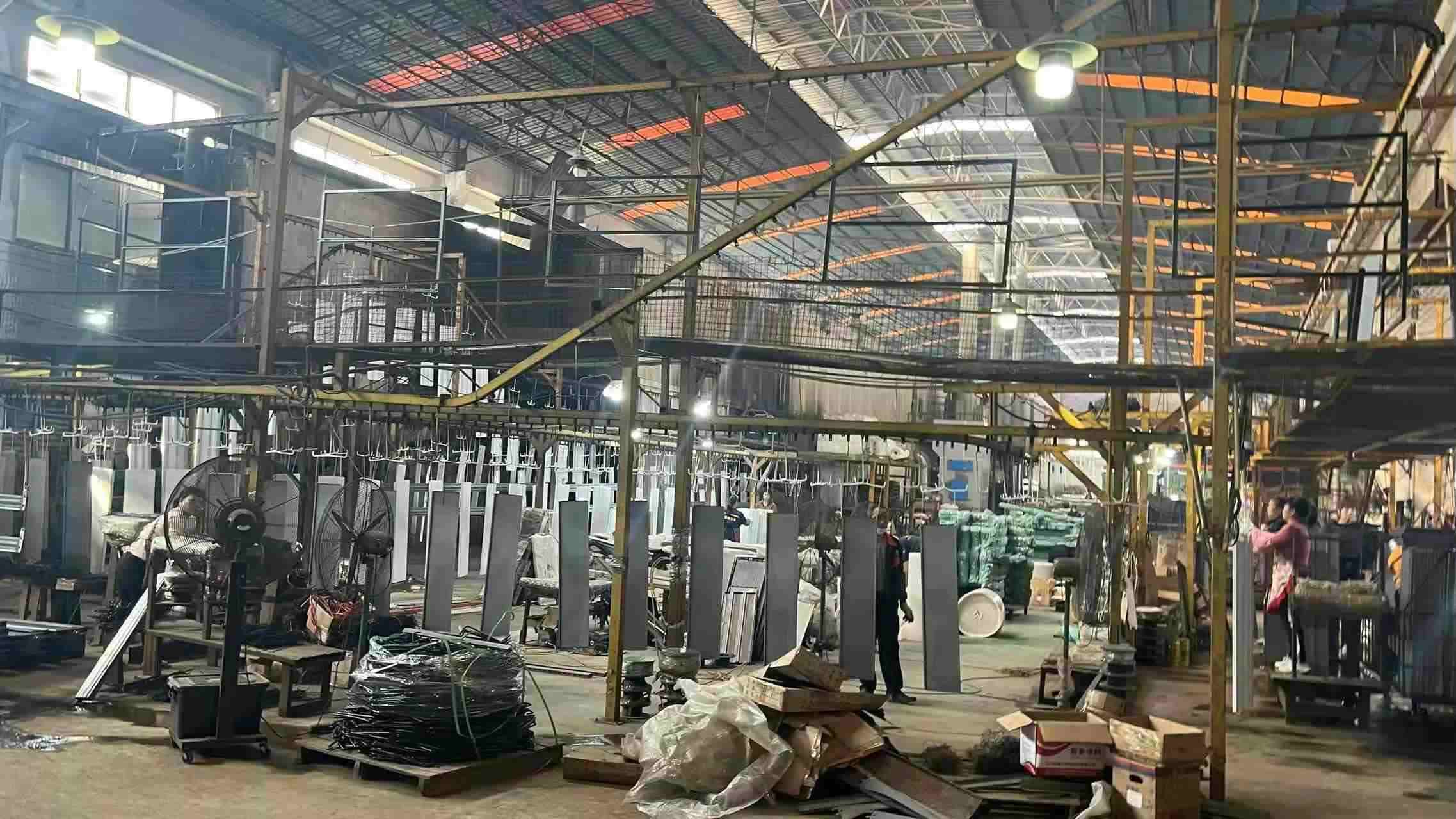
Visualizing our clean, traceable, and highly automated industrial manufacturing workflow
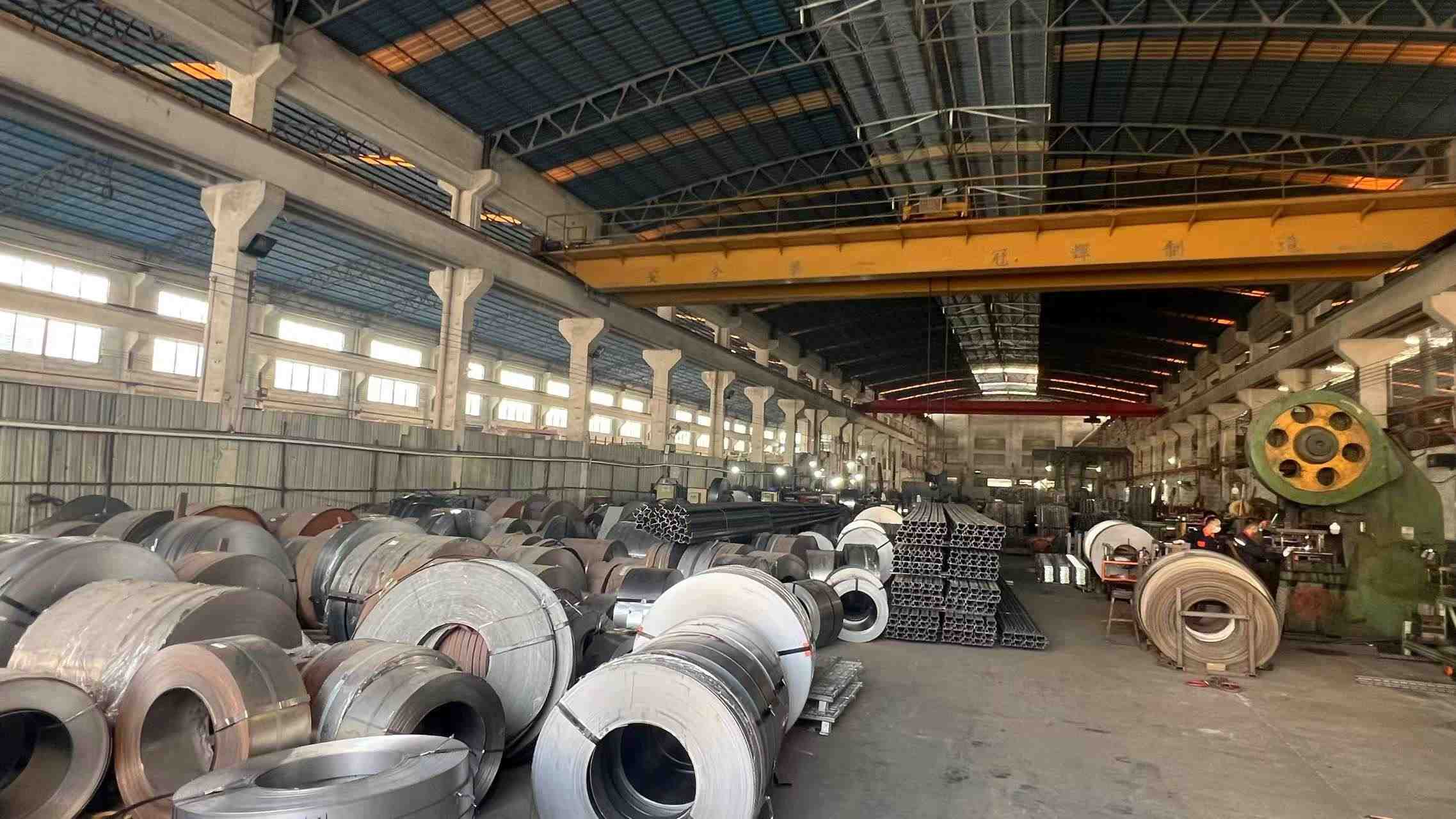
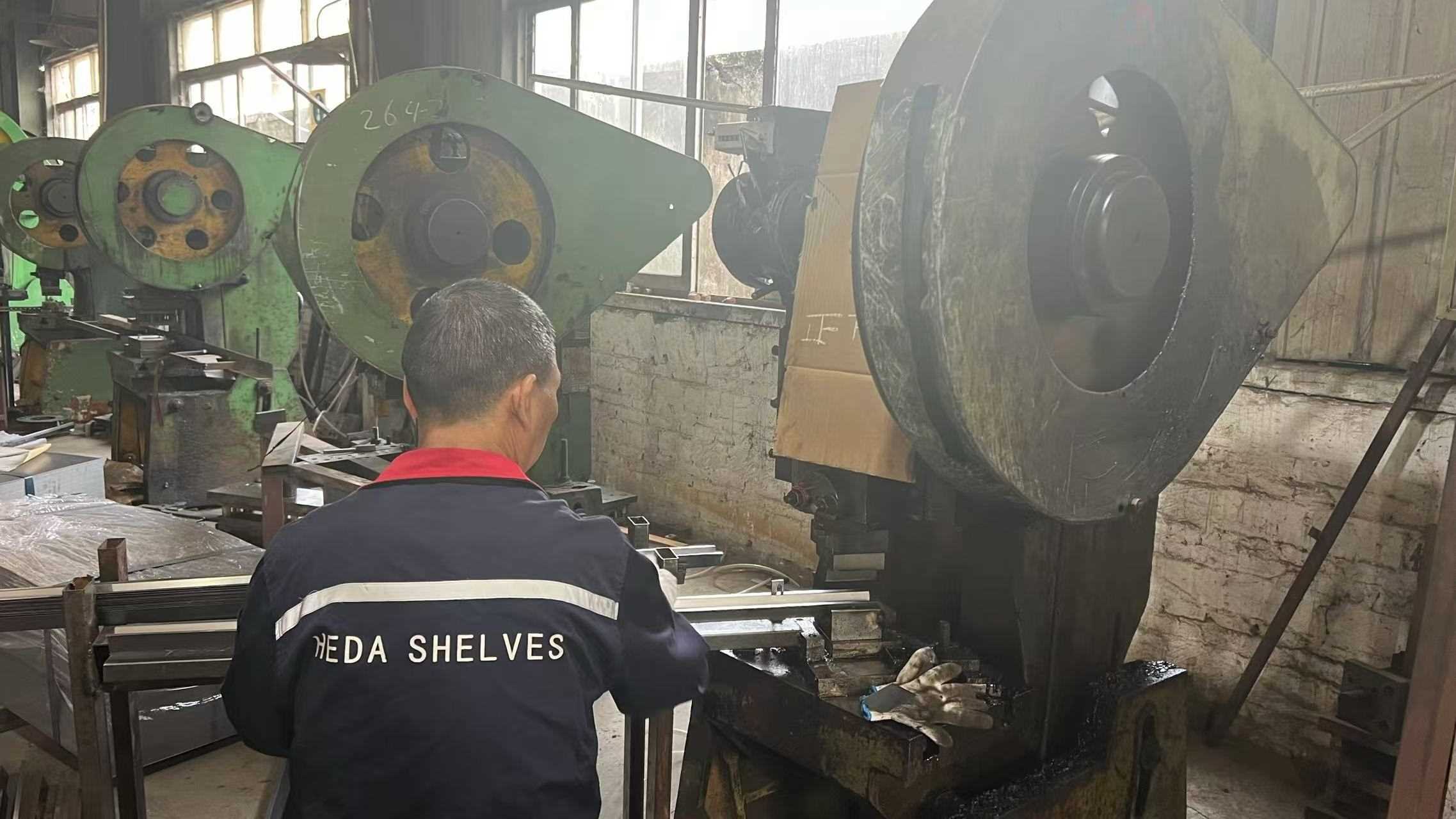
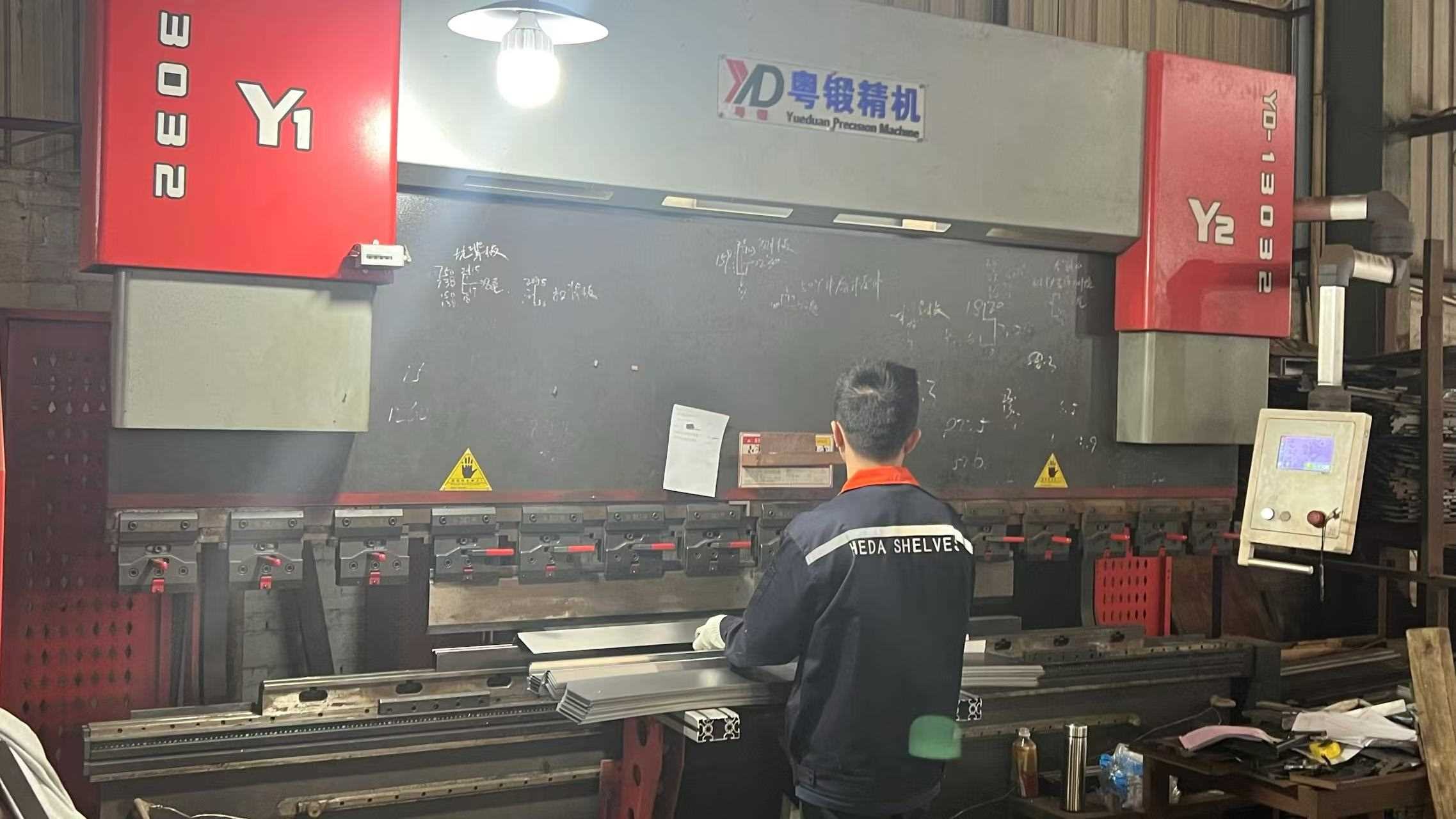
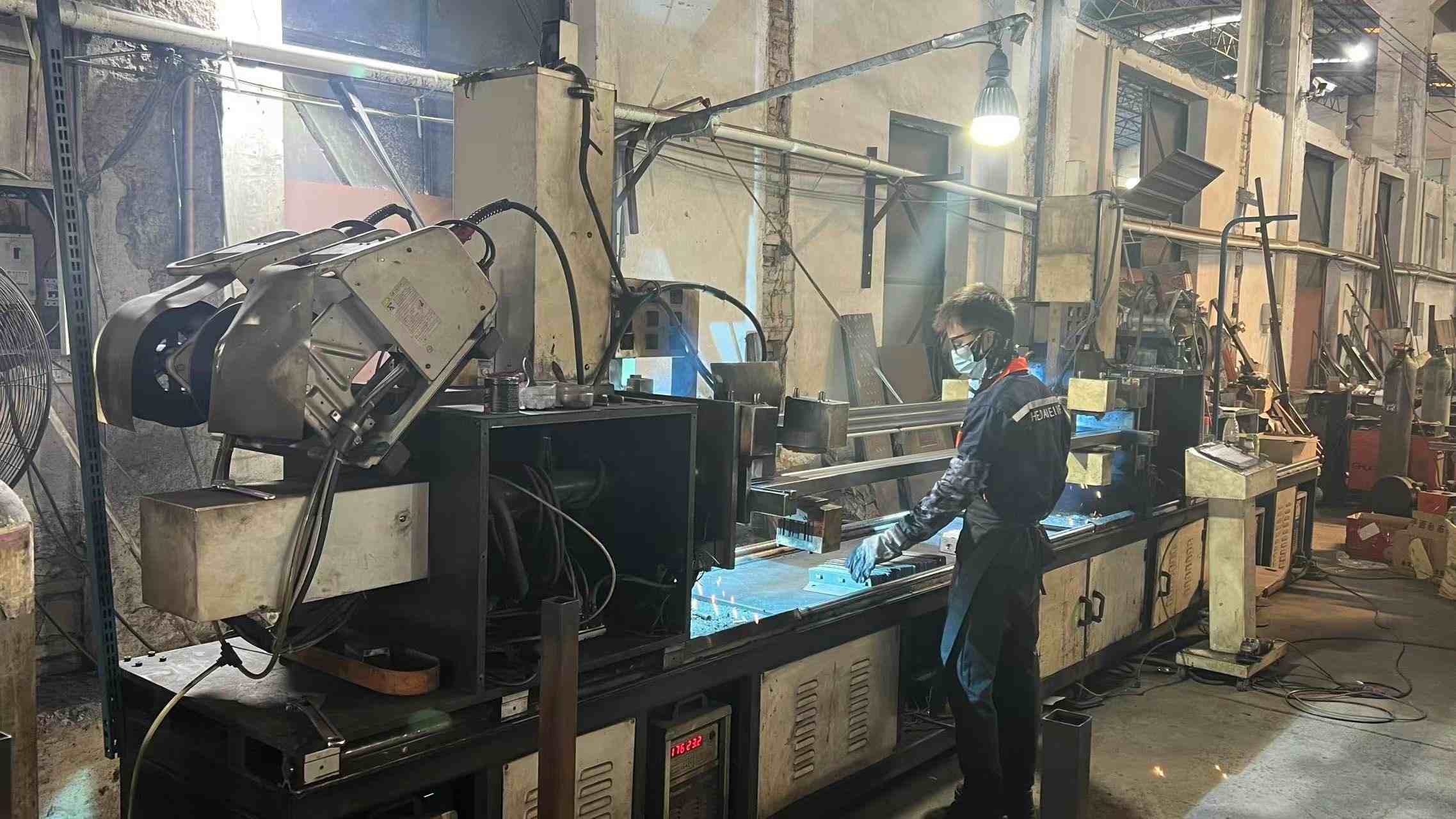
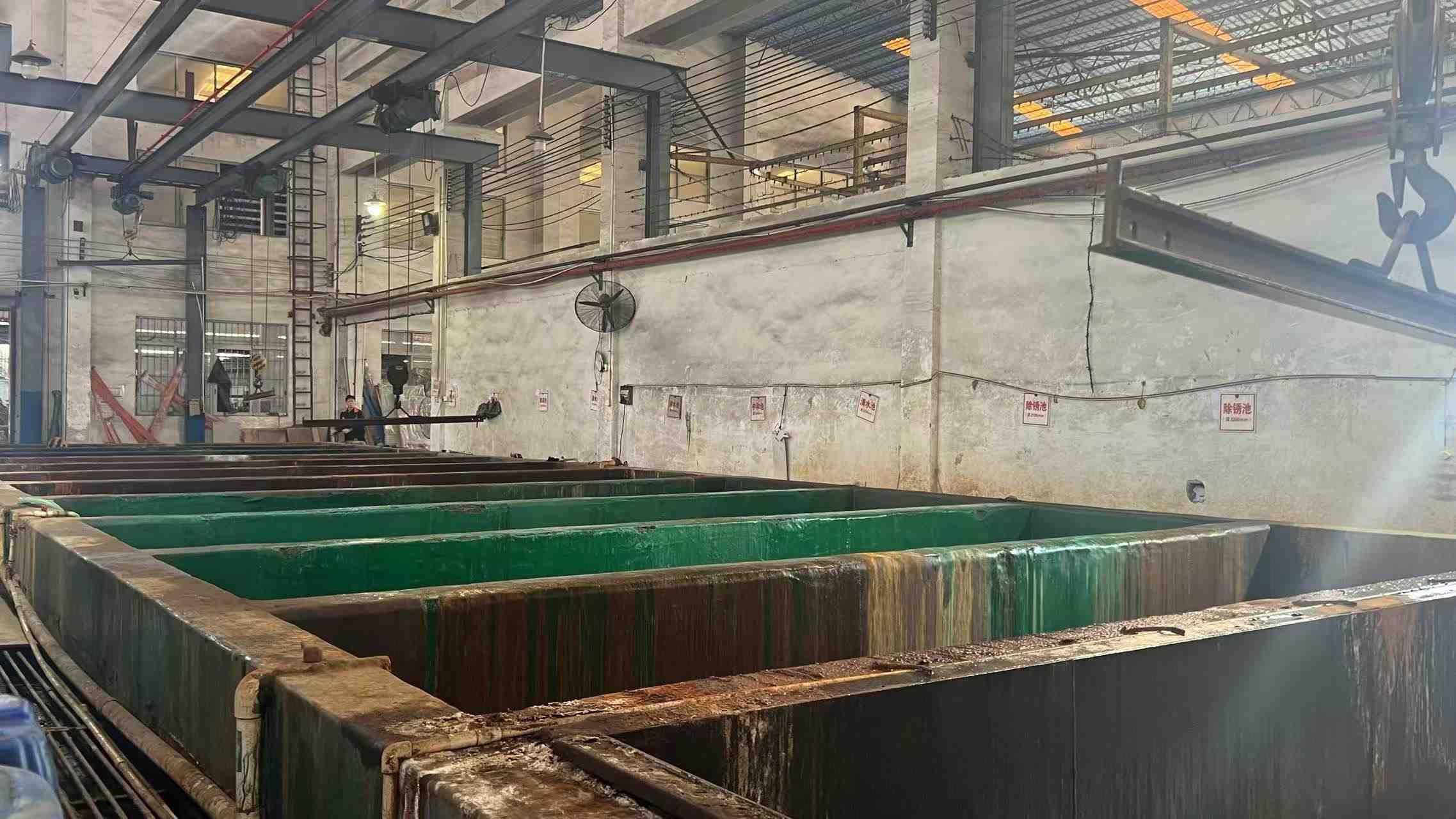
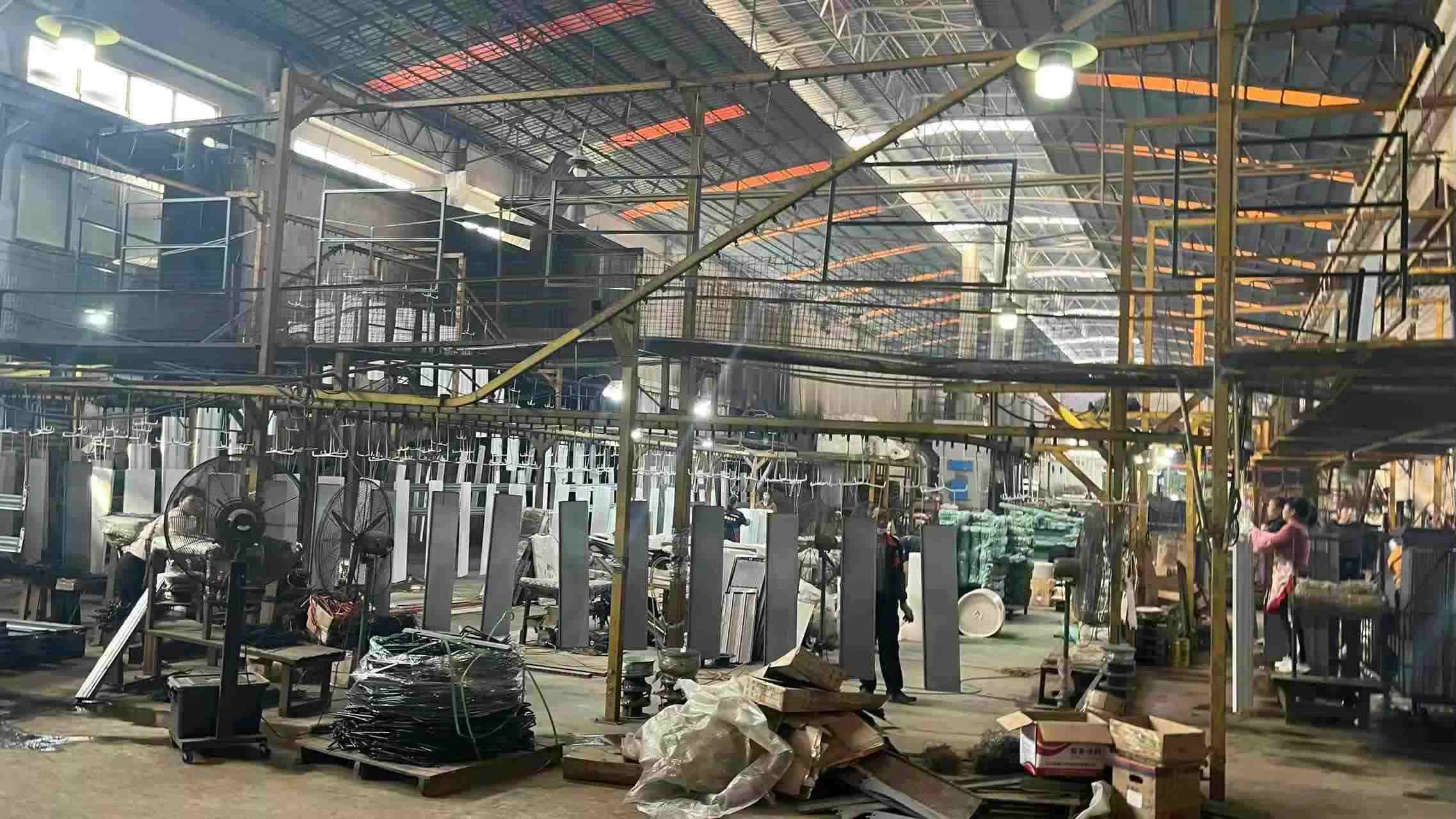
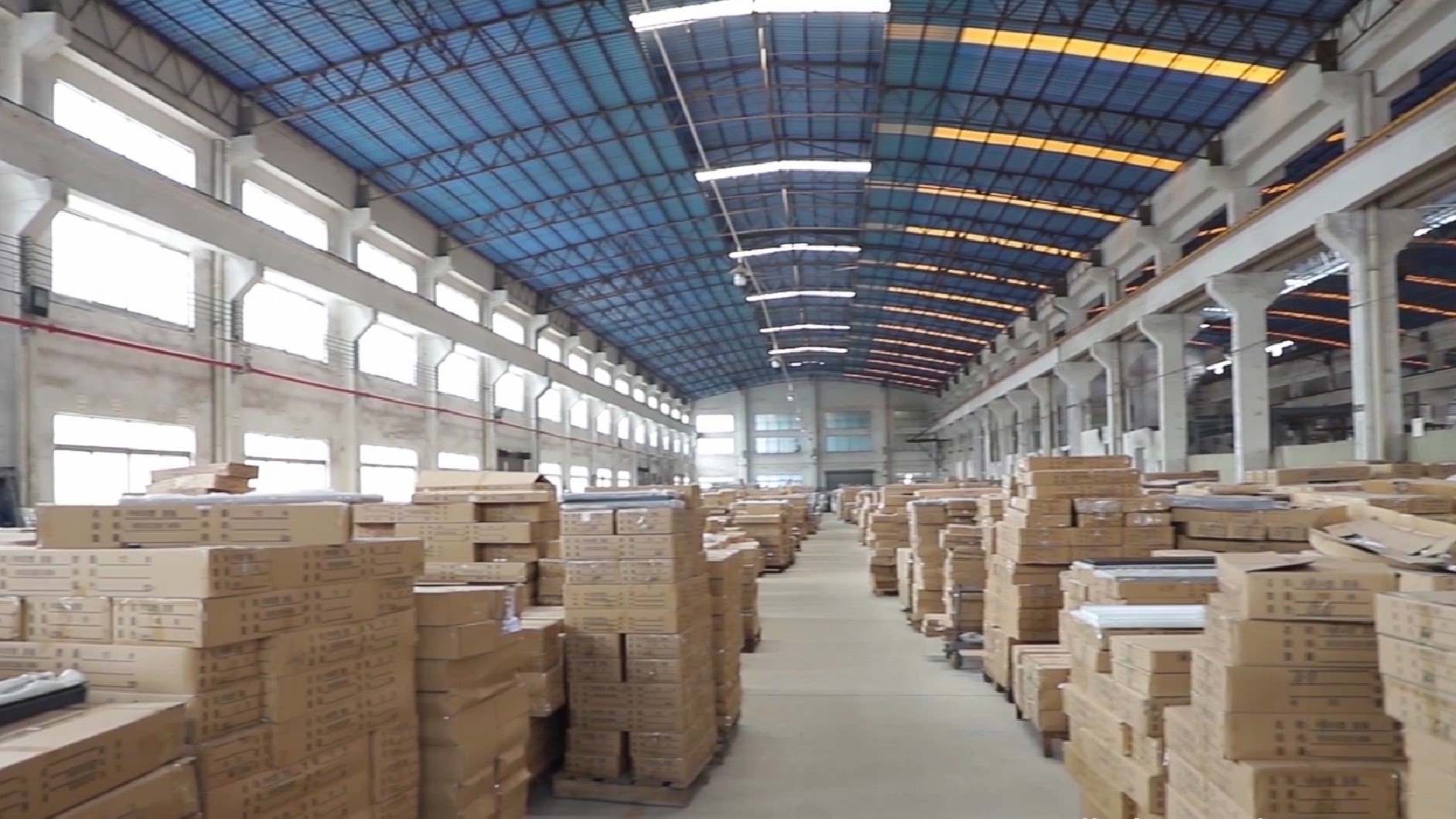
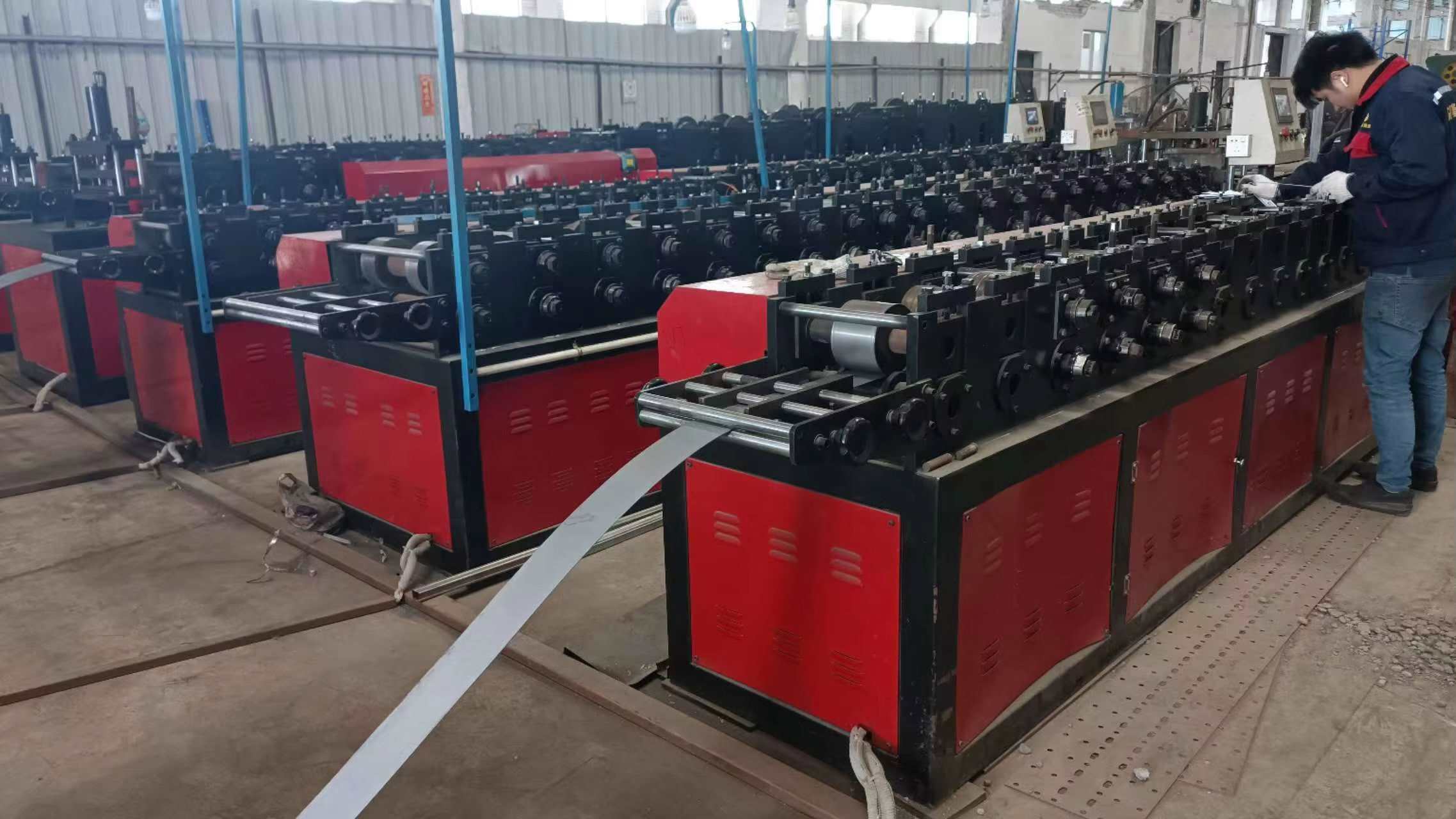
In the contemporary logistics ecosystem, sustainability has shifted from an optional corporate social responsibility (CSR) goal to a vital structural imperative. As global organizations commit to Science Based Targets initiatives (SBTi) and net-zero carbon footprints, every link in the supply chain is undergoing rigorous environmental auditing. Real estate and material handling systems—particularly industrial storage racking—represent a massive segment of a distribution center's embedded carbon footprint. Traditional steel manufacturing and metal finishing processes can be highly carbon-intensive, involving hazardous VOC-emitting wet paints, resource-heavy cleaning agents, and high material waste.
Eco-friendly racking is defined by its structural efficiency, raw material traceability, low-impact finishing treatments, and structural durability. Transitioning to green racking systems allows companies to drastically reduce Scope 3 emissions (embedded carbon in physical assets), optimize energy usage through high-density storage configurations, and lower maintenance costs. Green steel options, zero-waste electrostatic powder coating processes, and highly recyclability profiles are setting a new standard for modern warehouses striving for LEED (Leadership in Energy and Environmental Design) or BREEAM certifications.
“An optimized warehouse layout utilizing eco-friendly high-density racking can reduce a facility’s heating, cooling, and lighting carbon footprint by up to 35% per pallet position, while guaranteeing a 100% recyclable structural life cycle.”
China's manufacturing landscape has undergone a profound green transformation over the past decade. Leading manufacturers like Shenzhen Heda Warehouse Equipment Co., Ltd. leverage advanced metallurgical technologies and high-efficiency automation to deliver sustainable products at scale.
Firstly, China's steel industry is rapidly adopting Electric Arc Furnace (EAF) technology, which utilizes recycled scrap steel and generates up to 75% fewer CO2 emissions than blast furnaces. Secondly, local environmental regulations have pushed advanced factories to upgrade their surface treatment facilities. The transition from wet solvent paint to zero-emission electrostatic powder coating is a hallmark of this progress. Heda's advanced plastic powder coating line uses non-toxic, TGIC-free powder that yields zero volatile organic compounds (VOCs) and allows for a 98% powder recovery rate.
Additionally, China's concentrated supply chains allow for incredible optimization. By sourcing raw structural steel from nearby mills, companies like Heda cut down transportation-related Scope 3 emissions. This geographic advantage, combined with high-capacity automated production (such as automated punching, rolling mills, and butt-welding machines), drastically minimizes industrial waste and lowers production energy costs.
The material handling and storage industry is experiencing rapid innovation driven by automated integration, lightweight high-yield steel, and circular product lifecycles.
The most prominent trend is the design of high-strength, thin-walled cold-formed steel sections. By using high-grade structural alloys, engineers can design racking components with higher yield strengths but lower mass. This reduces raw material consumption without compromising load capacities. Furthermore, the integration of smart sensors into racking frames allows operators to monitor structural integrity and load distributions in real-time, preventing structural failures and extending the system’s lifespan.
Additionally, circular economy principles are now governing warehouse decommissioning. Multinational companies increasingly mandate that suppliers provide buy-back options or verify that racking steel is 100% recyclable. Demountable and modular designs—such as adjustable mezzanine systems and boltless selective racking—enable easy reconfiguration, expansion, or relocation, keeping products in use longer and avoiding disposal.
Different warehouse environments require targeted localized solutions to balance density with sustainability:
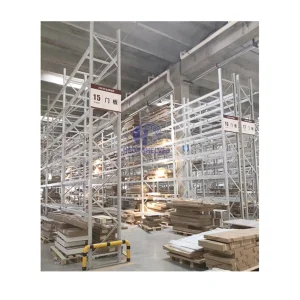
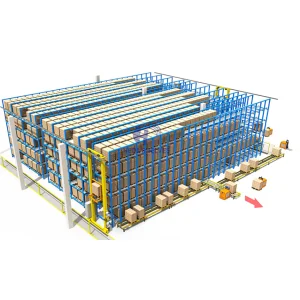
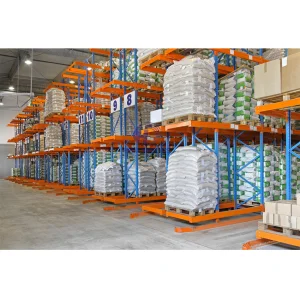
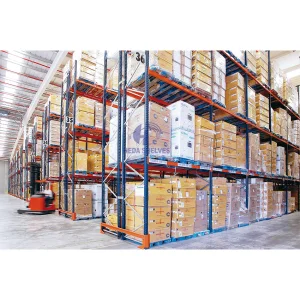
High-density drive-in and mobile racking systems maximize storage volume in refrigerated warehouses, drastically reducing the energy needed to keep products frozen.
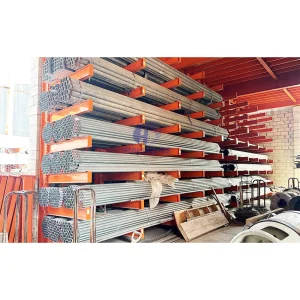
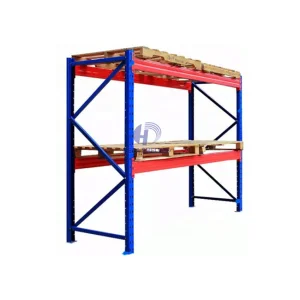
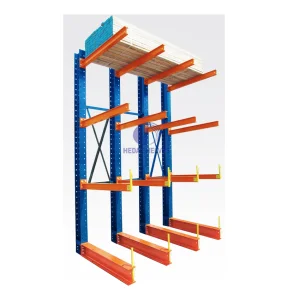
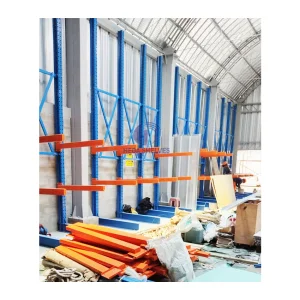
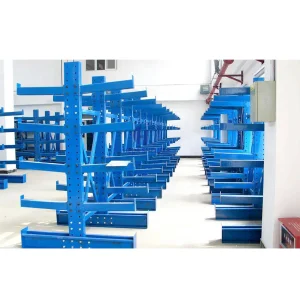
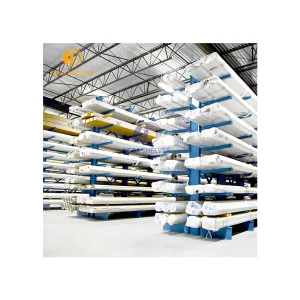
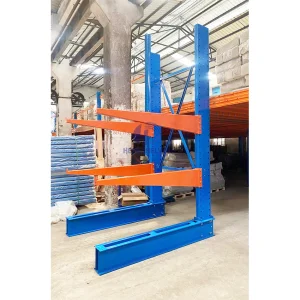
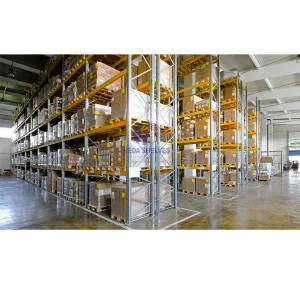
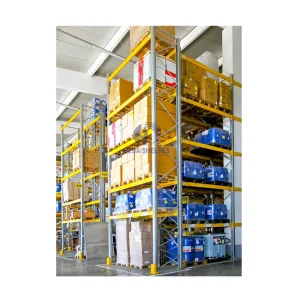
Cantilever and heavy-duty pallet systems store oversized components, sheet metals, and pipes, keeping work floors safe and optimized.
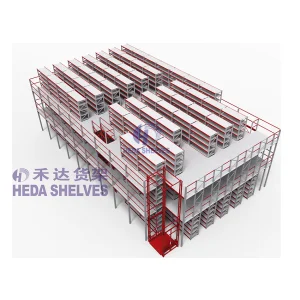
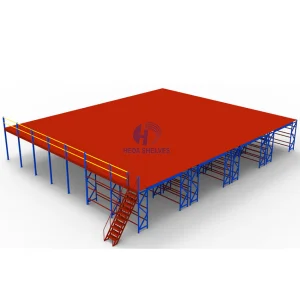
Multi-tier mezzanine platforms utilize vertical space in urban real estate, limiting the environmental footprint of horizontal land expansion.
For global procurement directors at 3PLs and distribution centers, verifying supplier legitimacy and product quality is paramount. When evaluating eco-friendly racking options, several international certifications and quality metrics must be audited:
1. Structural Safety Standards: Compliance with ANSI/RMI MH16.1 (USA), EN 15512 (Europe), and AS4084 (Australia) is non-negotiable. These standards dictate structural load calcs, seismological resistance, and material thickness limits.
2. Material Traceability: Supplier audit programs must include Mill Test Certificates (MTCs) indicating the steel grade (e.g., Q235B or Q355B) and chemical composition. This ensures the steel is free from contaminants and possesses the required mechanical tensile strength.
3. Environmental and Quality Certifications: Look for manufacturers with ISO 9001:2015 (Quality), ISO 14001:2015 (Environmental Management), and ISO 45001:2018 (Occupational Health and Safety). These frameworks guarantee that the supplier operates using clean, safe, and regulated industrial processes.
It refers to racking produced with optimized structural designs using high-yield recycled steel, treated via zero-VOC electrostatic powder coatings, and produced in energy-conscious manufacturing facilities with traceable, low-waste processes.
Yes, high-grade thermosetting powder coatings offer superior impact resistance, salt spray corrosion protection, and UV stability compared to liquid paint, extending the racking's lifecycle while keeping VOC emissions at zero.
Suppliers perform Finite Element Analysis (FEA) and physical stress testing. Heda's R&D uses layer load-bearing stress analysis and raw material tensile testing to ensure all structural configurations adhere strictly to global safety guidelines.
Chinese manufacturers utilize high automation levels, renewable energy microgrids, and local supply hubs. These optimizations reduce energy consumption and shipping distances for materials, lowering the product's overall carbon value.
Engineered for complex structural requirements, maximum longevity, and safety compliance
 Hedaracking