Premium load-bearing systems engineered for high-performance retail spaces and modern warehouses.
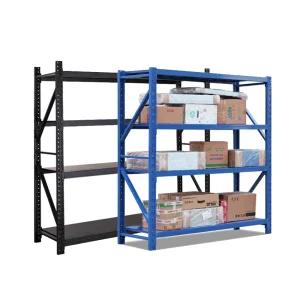
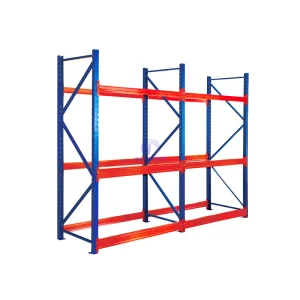
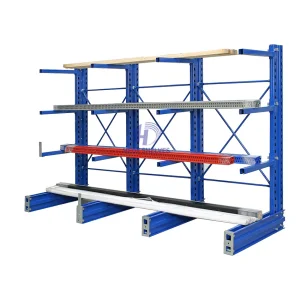
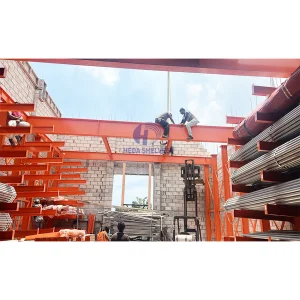
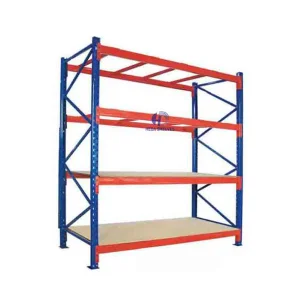
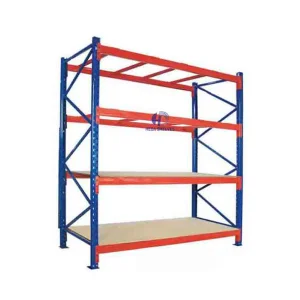
In the rapidly changing retail infrastructure environment, gondola shelving is no longer considered a simple display system; instead, it is now recognized as a strategic tool for spatial optimization and visual merchandising. For large chains, multi-department grocery stores, hardware warehouses, and specialty retailers, selecting the right gondola shelving system directly impacts operational safety, storage efficiency, and structural durability.
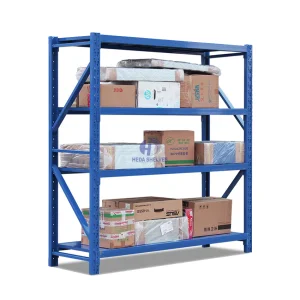
Modern commercial stores use vertical spatial layout methods to increase the SKU density per square meter. A high-quality retail gondola unit must balance structural load-bearing performance (holding up to 150 kg per shelf layer) with the modular flexibility required for seasonal merchandising transitions. Procurement departments look for systems that reduce long-term maintenance costs and prevent shelf sagging under heavy usage. High-yield carbon steel (e.g., raw Q235B steel) combined with electrostatic powder coating processes ensures stability, structural endurance, and dynamic flexibility in high-traffic retail environments.
To stand out as a top 10 global gondola shelf manufacturer, a supplier must go beyond basic fabrication. They need advanced engineering capability, customized production, and a strong global logistics network. Quality evaluation criteria include:
Bypassing commercial traders and sourcing directly from established manufacturing centers like Shenzhen Heda Warehouse Equipment Co., Ltd. allows retail enterprises and logistics firms to significantly reduce capital expenditure (CapEx) by 15% to 30%. Direct-factory collaboration also enables close synchronization during custom design processes (OEM/ODM), ensuring the product meets local regulatory codes (e.g., ANSI/RMI specifications in the Americas, and EN/FEM structural guidelines in Europe).
Established in 2014, Shenzhen Heda Warehouse Equipment Co., Ltd. is a premier manufacturer specializing in heavy-duty warehouse racking, industrial storage, and customized commercial retail display solutions. Spanning a modern manufacturing facility of 35,000 m², the enterprise integrates comprehensive R&D, design, production, and international marketing. This allows them to serve diverse commercial display and heavy-duty storage needs worldwide. With 12 years of industry experience and 8 years of dedicated export expertise, Heda delivers high-caliber storage systems that generate over $28 million in annual export revenue.
At Heda, quality control and engineering innovation drive core operations. The robust QC department comprises 45 skilled inspectors utilizing rigorous testing methods, including raw material tensile testing, automated weld flaw detection, layer load-bearing stress analysis, and salt spray surface corrosion testing. Supported by a professional R&D team of 28 senior structural engineers, Heda maintains full-customization capabilities (OEM/ODM)—offering tailored rack dimensions, load capacities, surface coatings, and layout designs. Driven by continuous innovation, Heda launched over 120 new dynamic storage products and component upgrades last year.
Operating with a strong direct-factory and international trade background, Heda has built a resilient ecosystem supported by over 800 supply chain partners. Products are exported to major global markets, including North America, Western Europe, Southeast Asia, and the Middle East. They serve a diverse clientele ranging from third-party logistics (3PL) providers and large distribution centers to industrial manufacturers and wholesale equipment distributors.
Reliability and strength in commercial display shelving and industrial racks start with controlled manufacturing workflows. Below is an overview of the technical processes used inside the Heda facility to manufacture heavy-duty longspan shelving and custom industrial storage components:
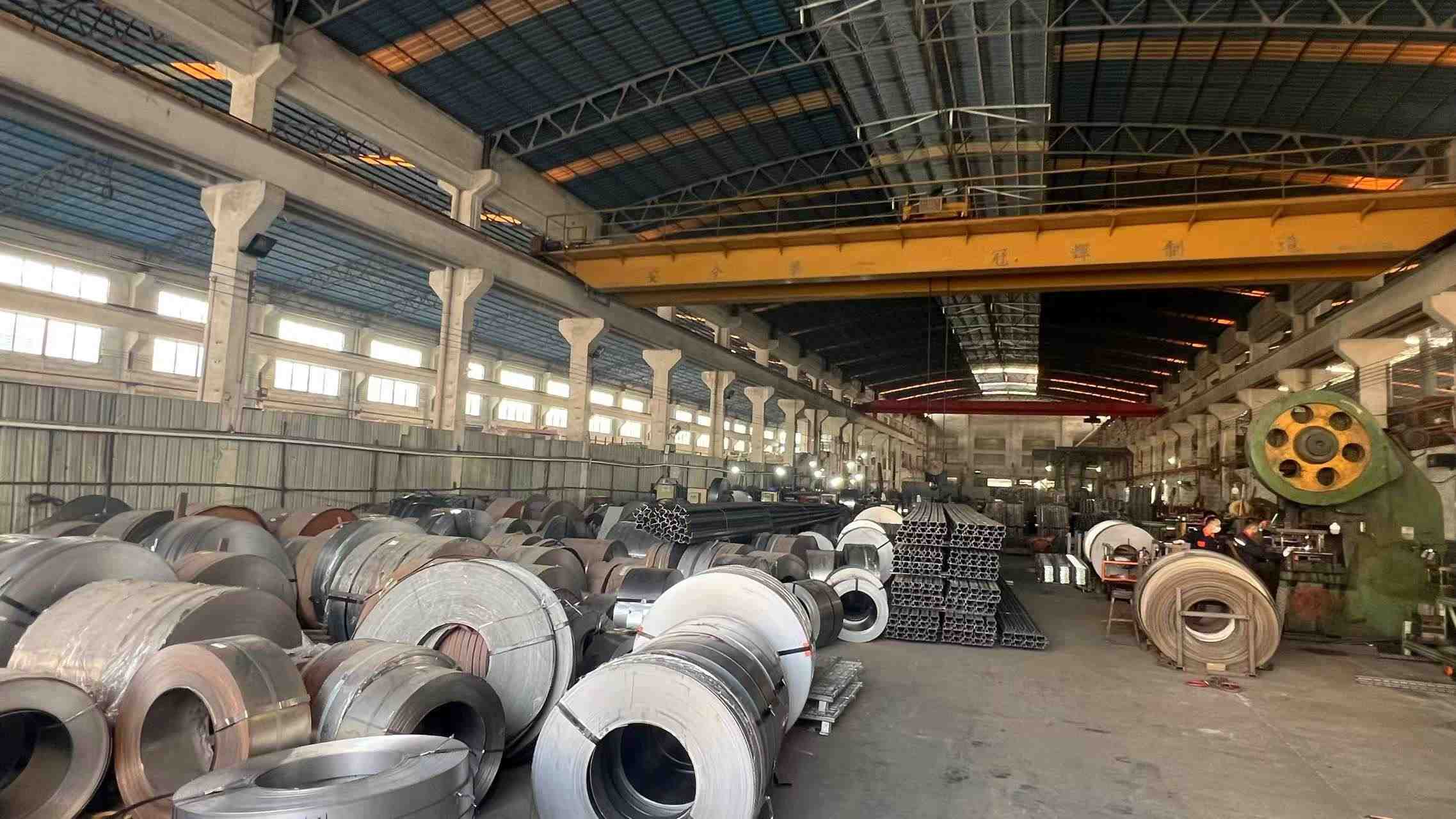
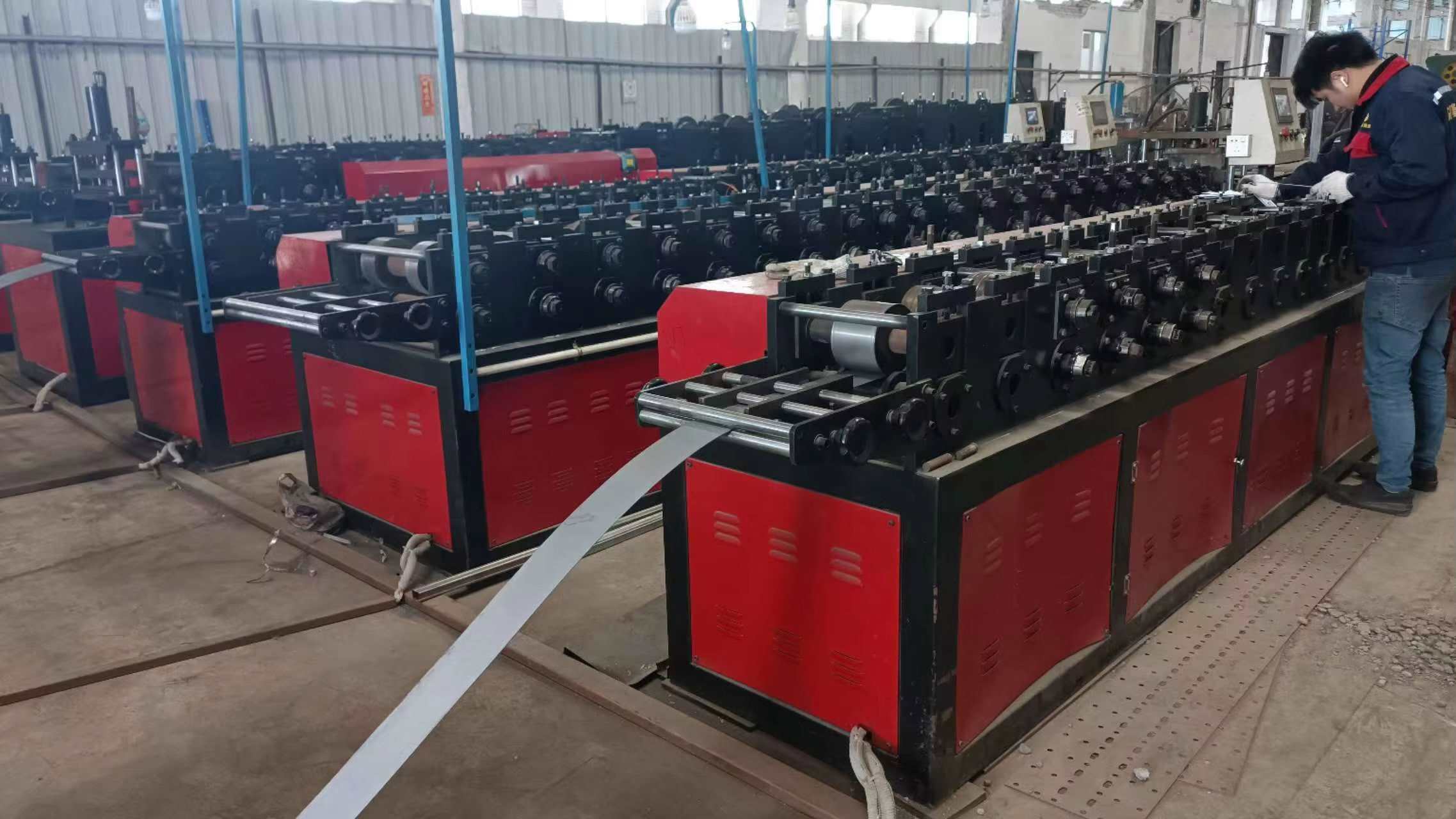
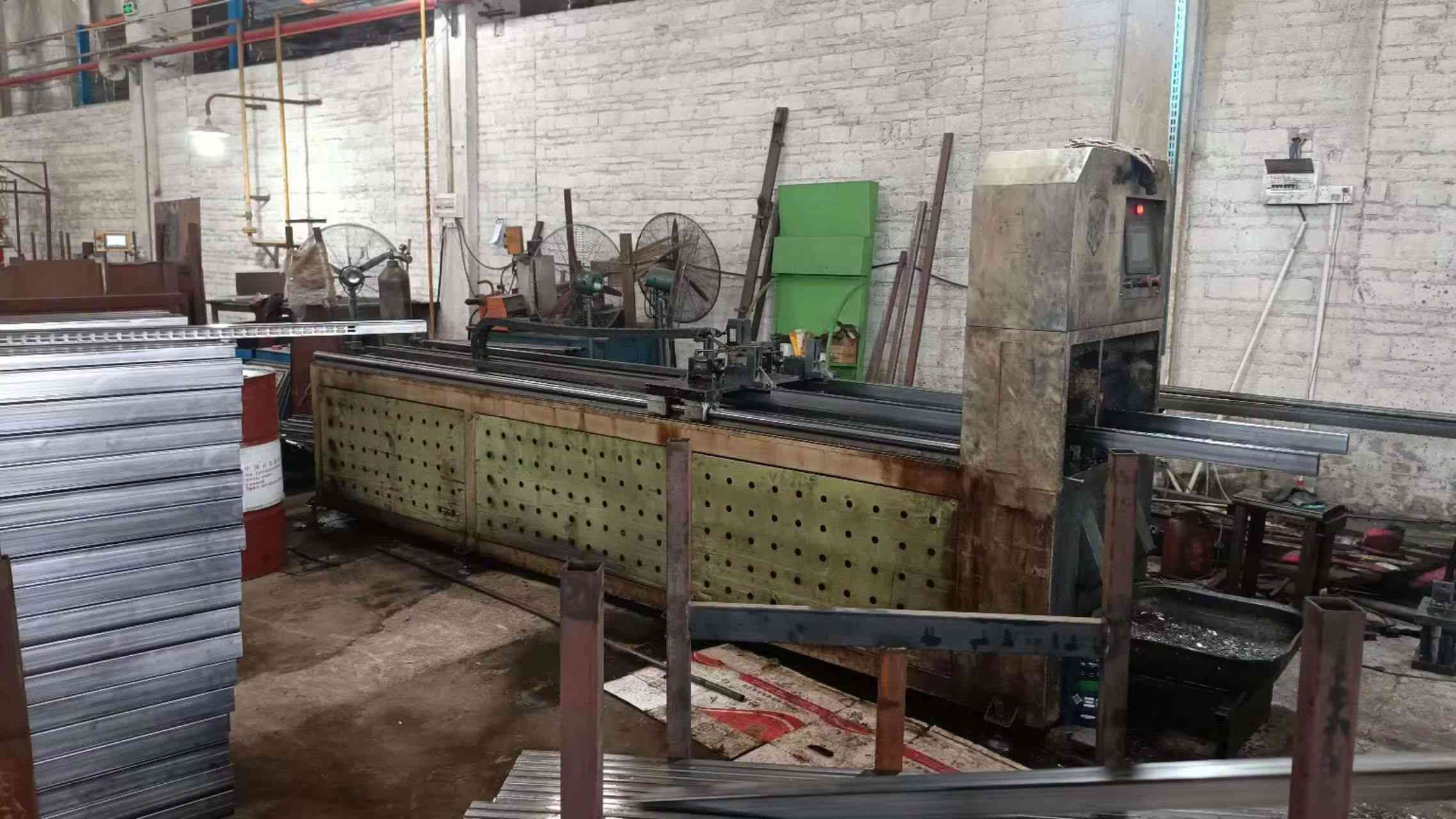
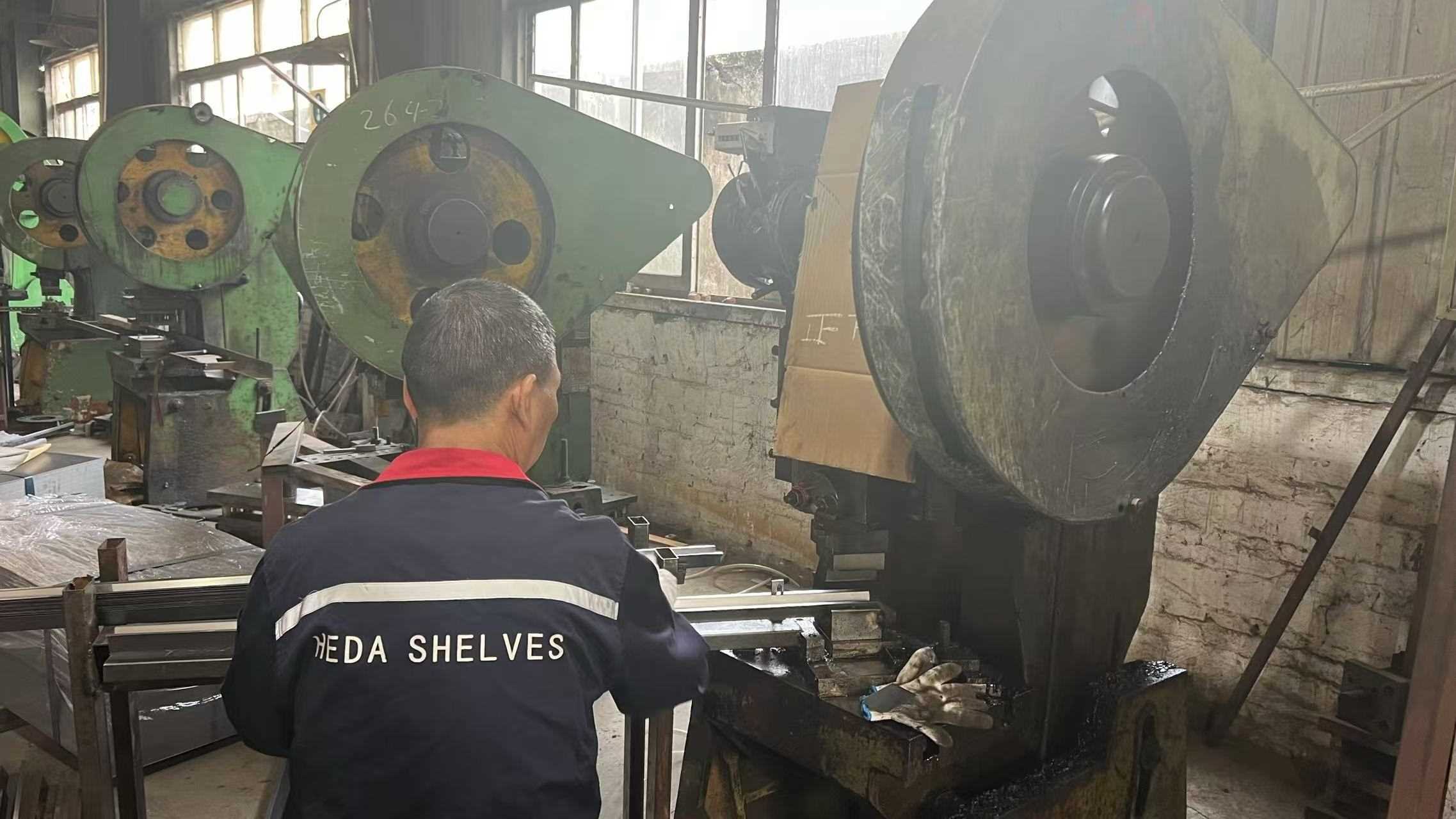
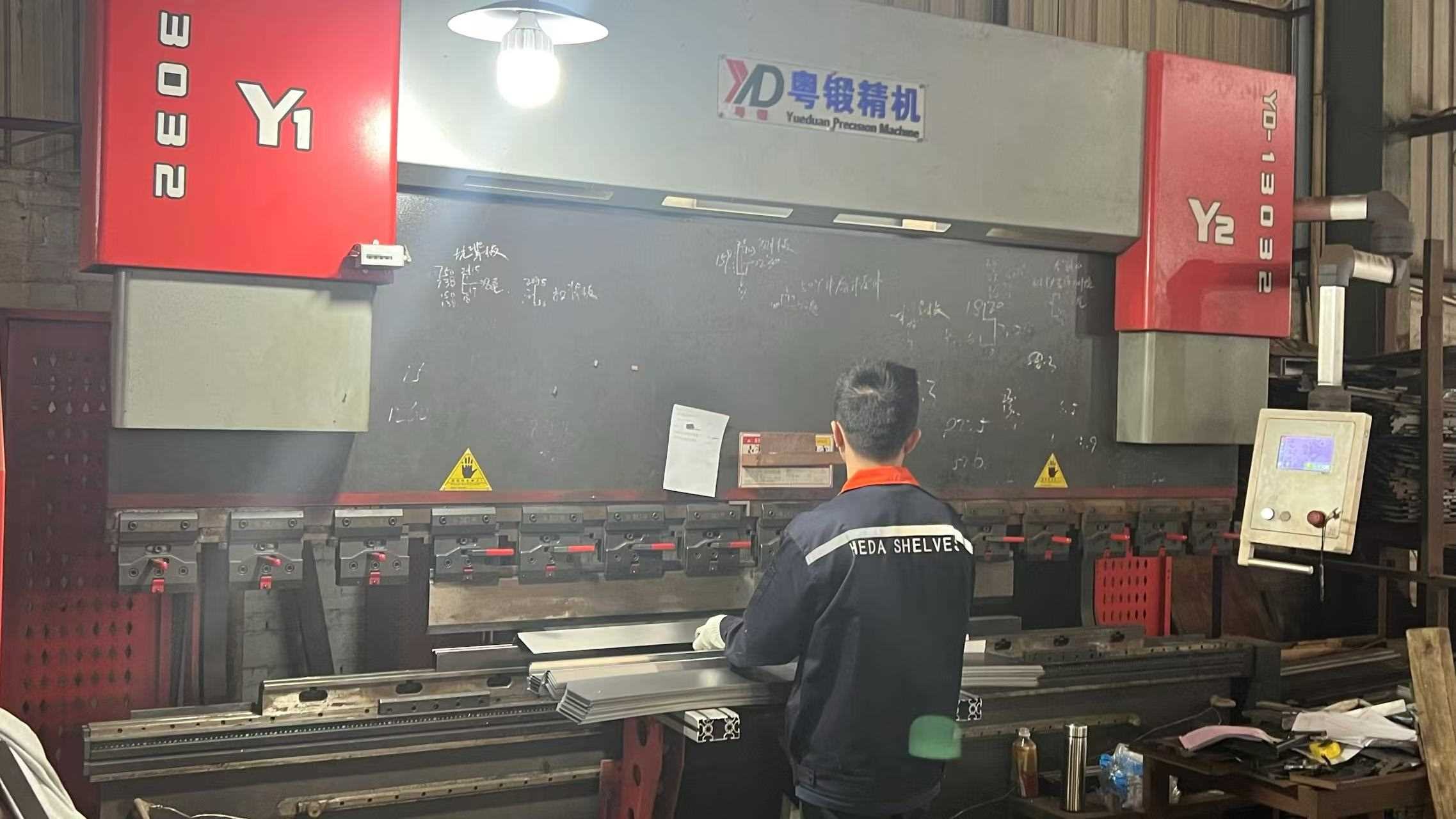
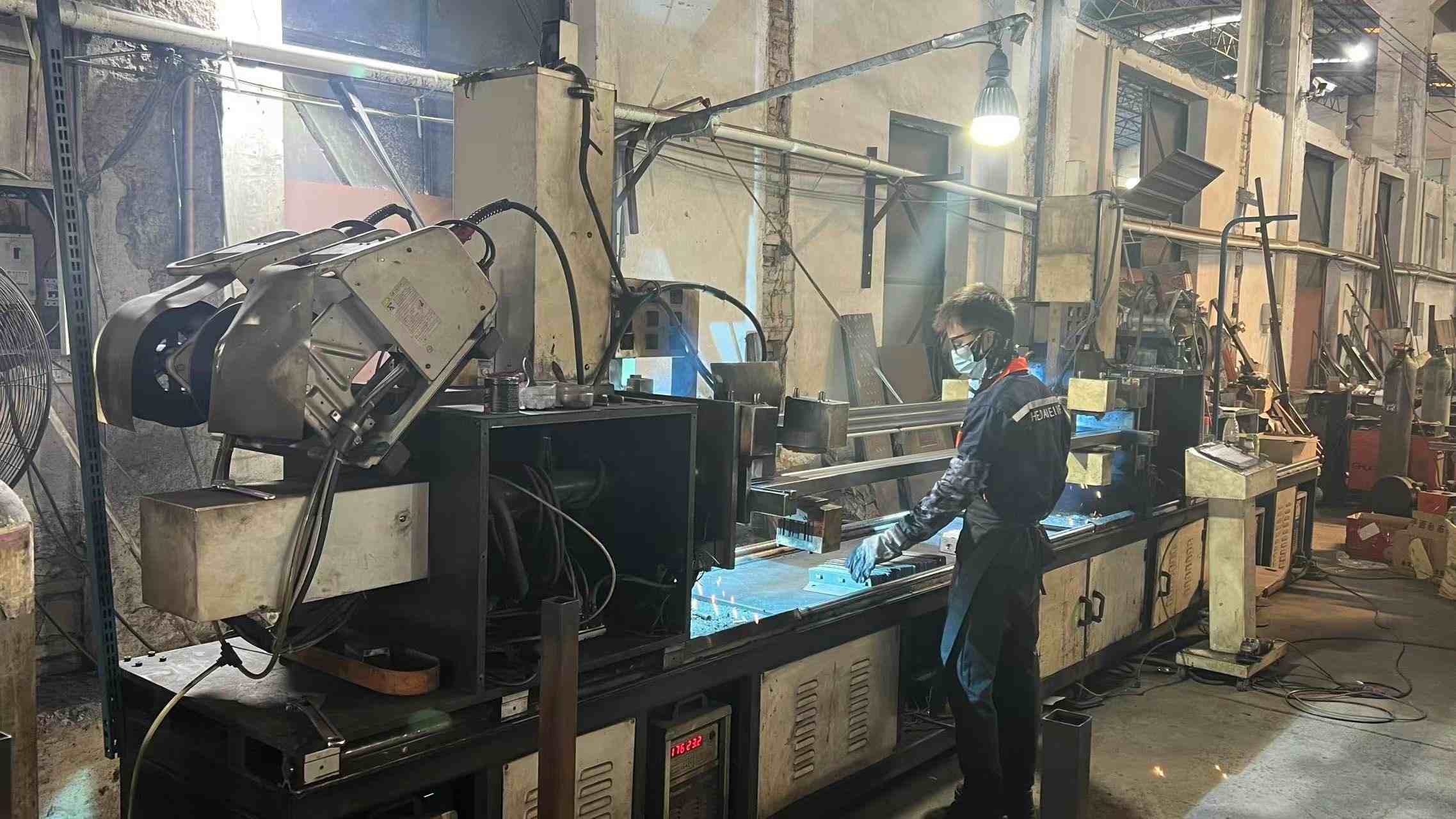
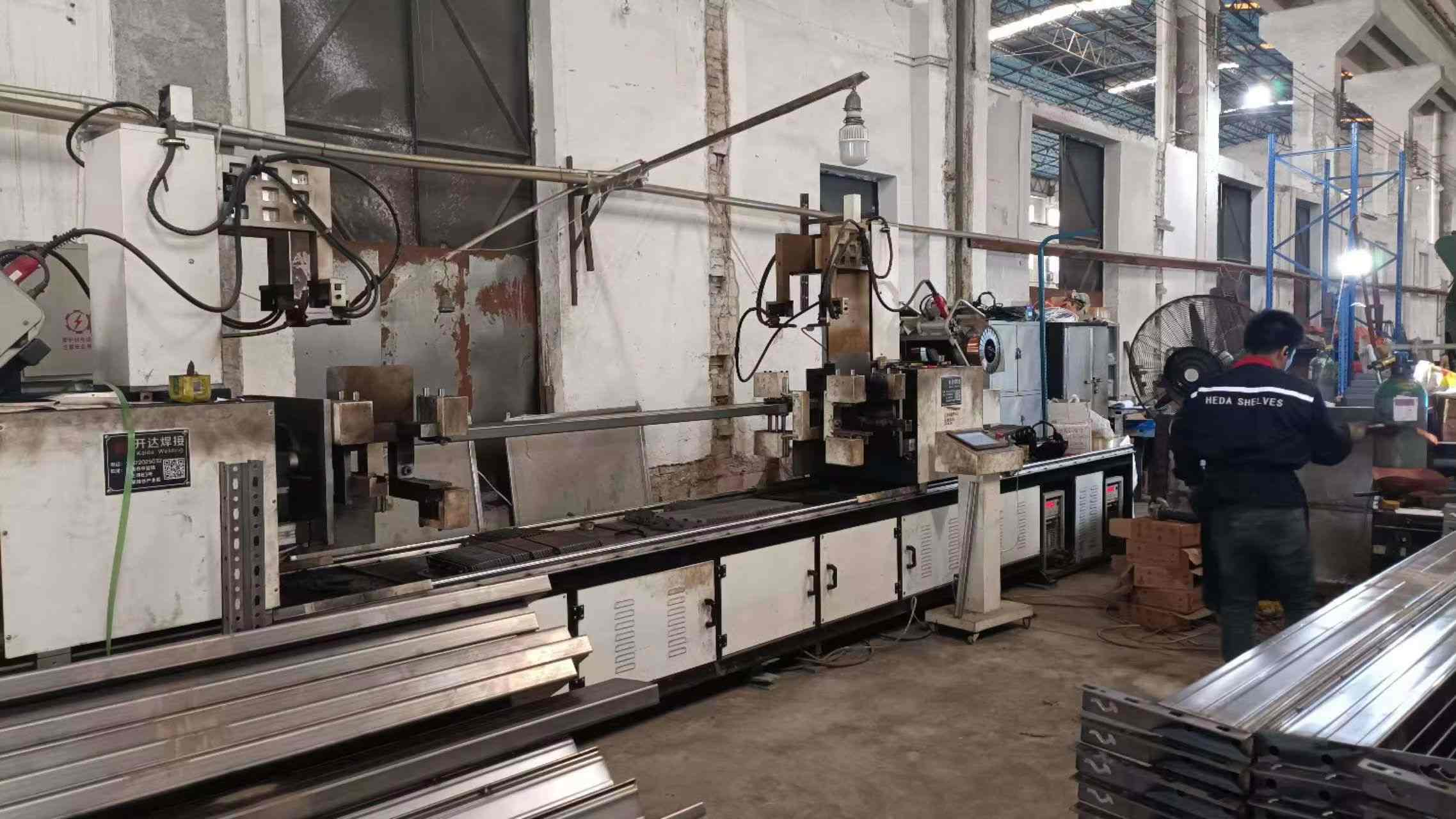
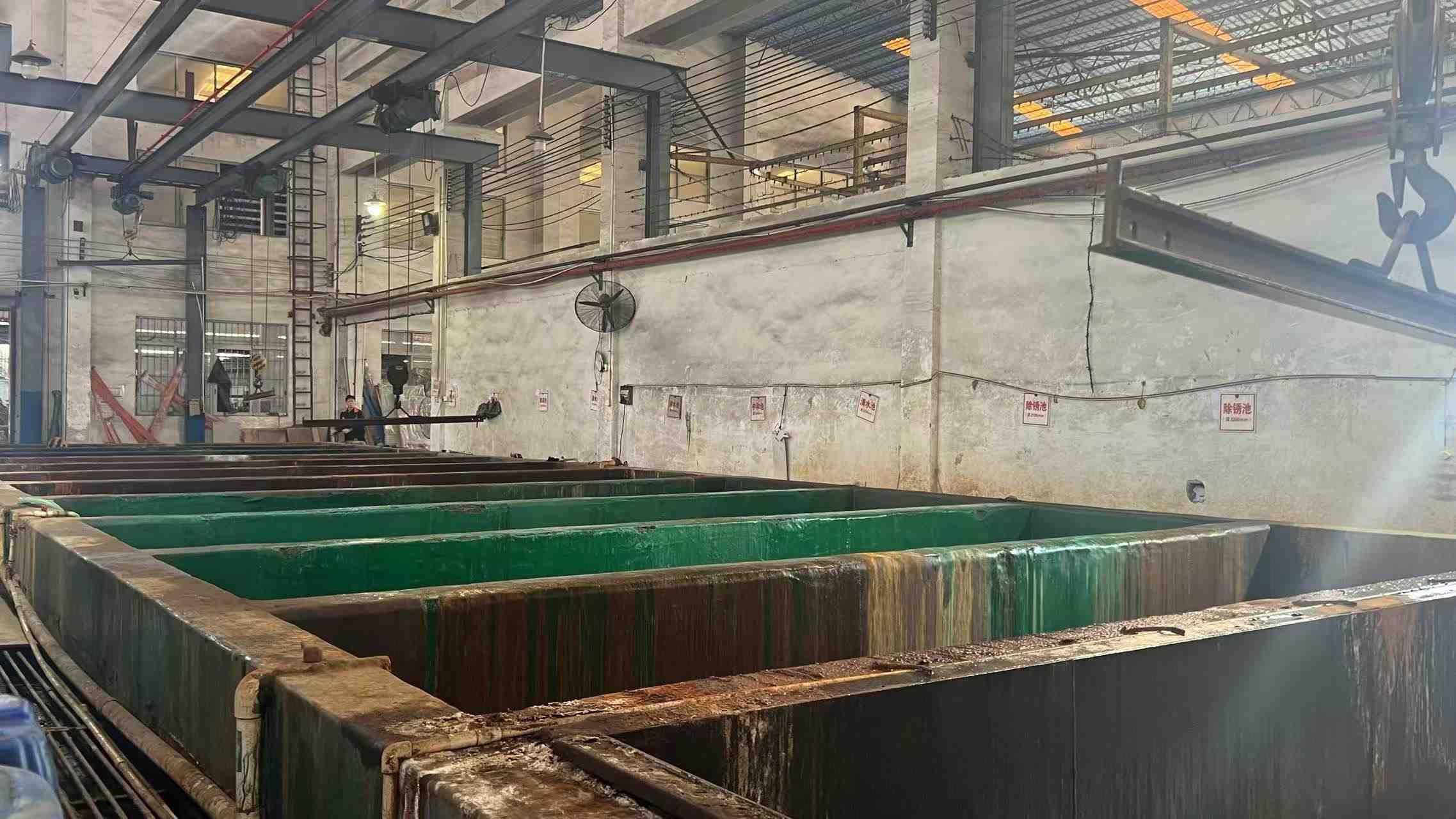
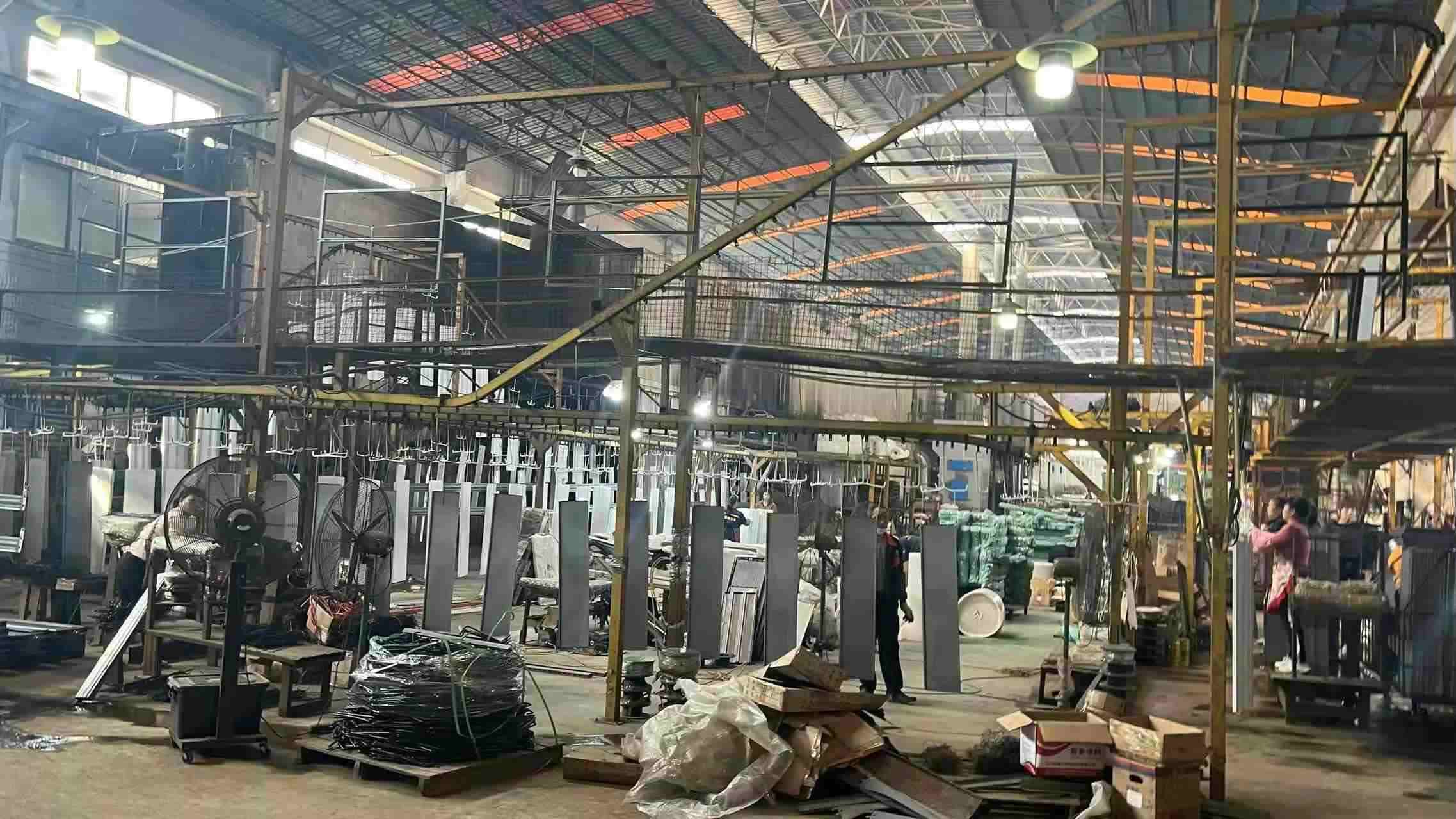
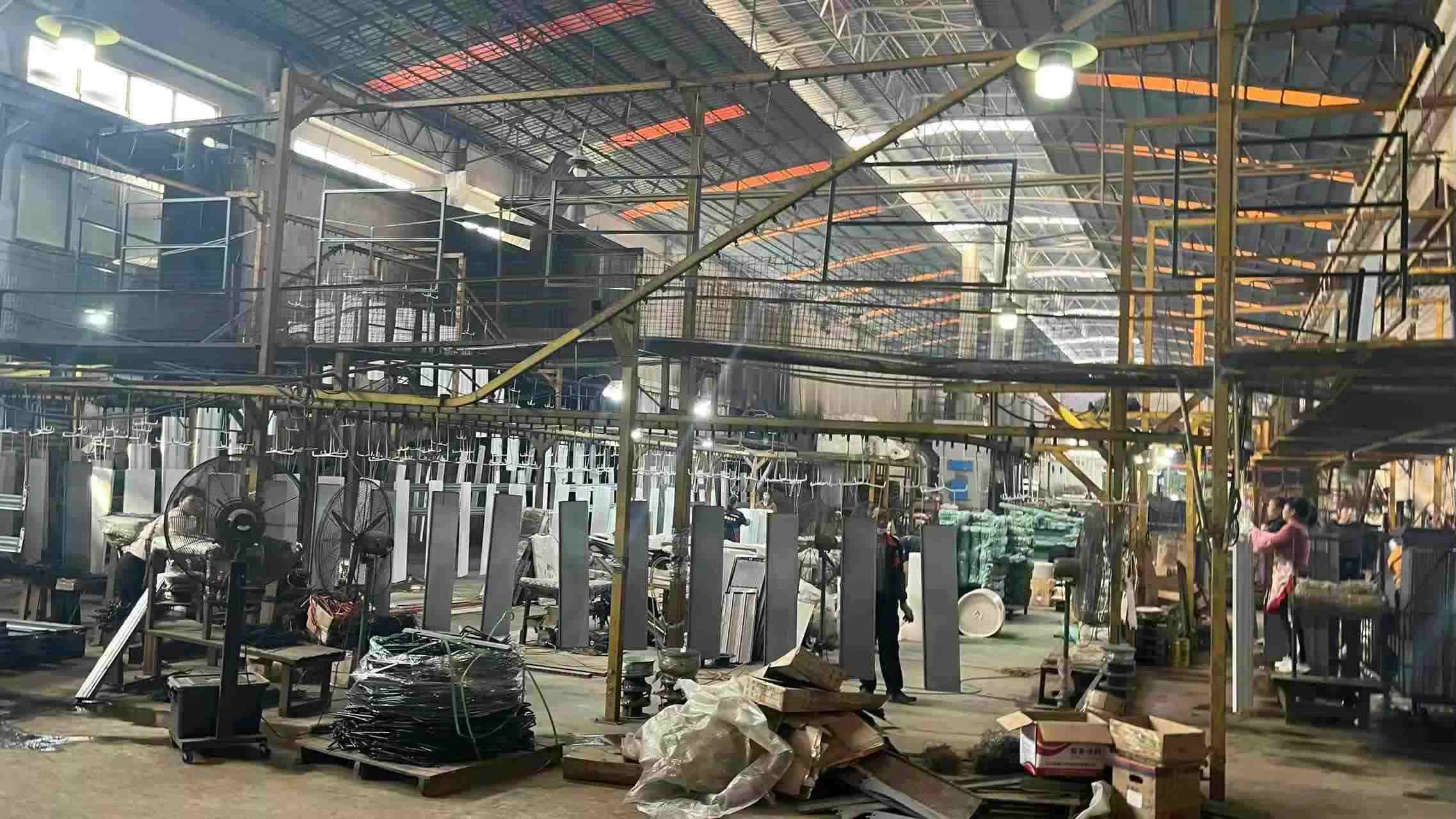
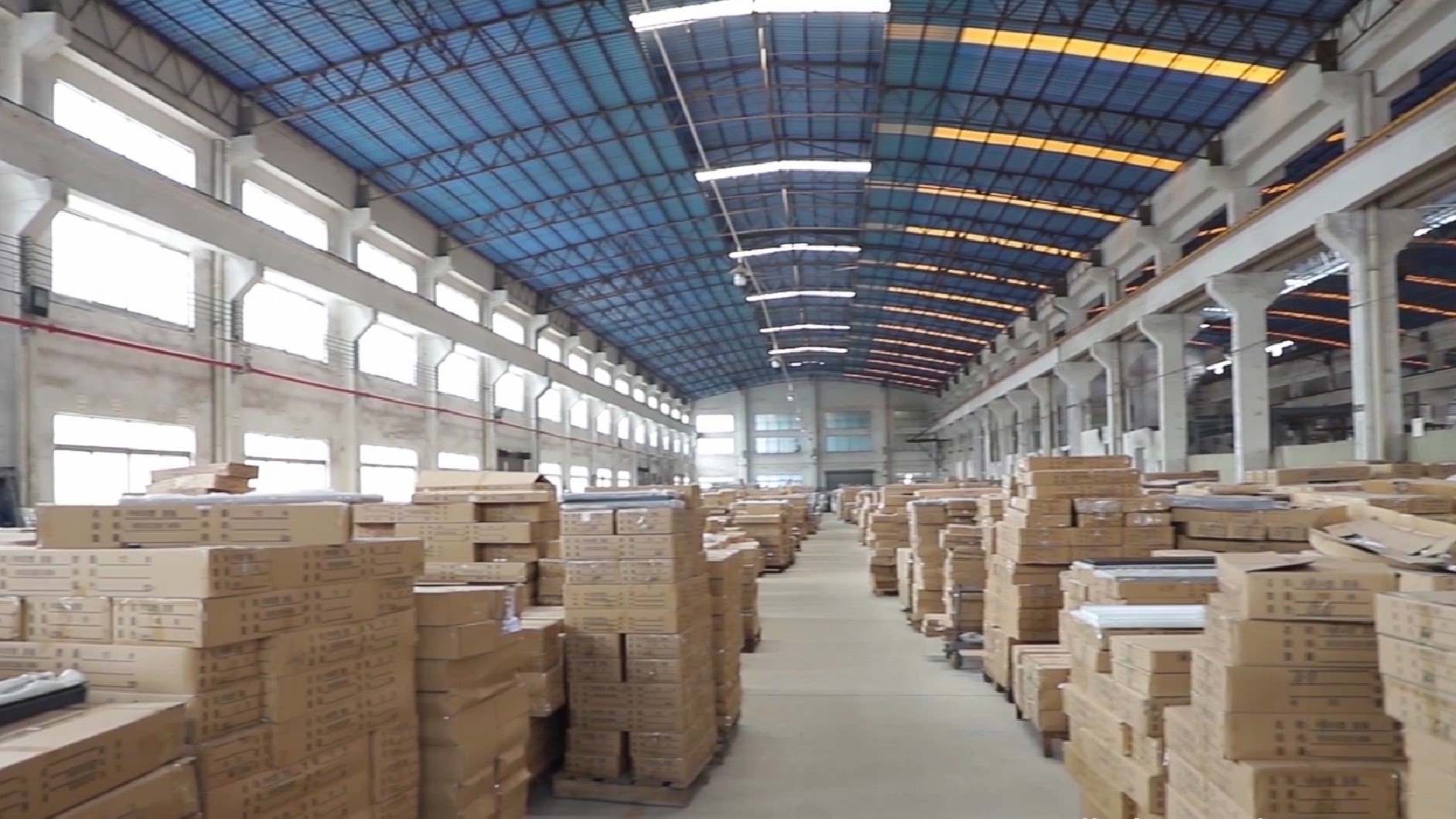
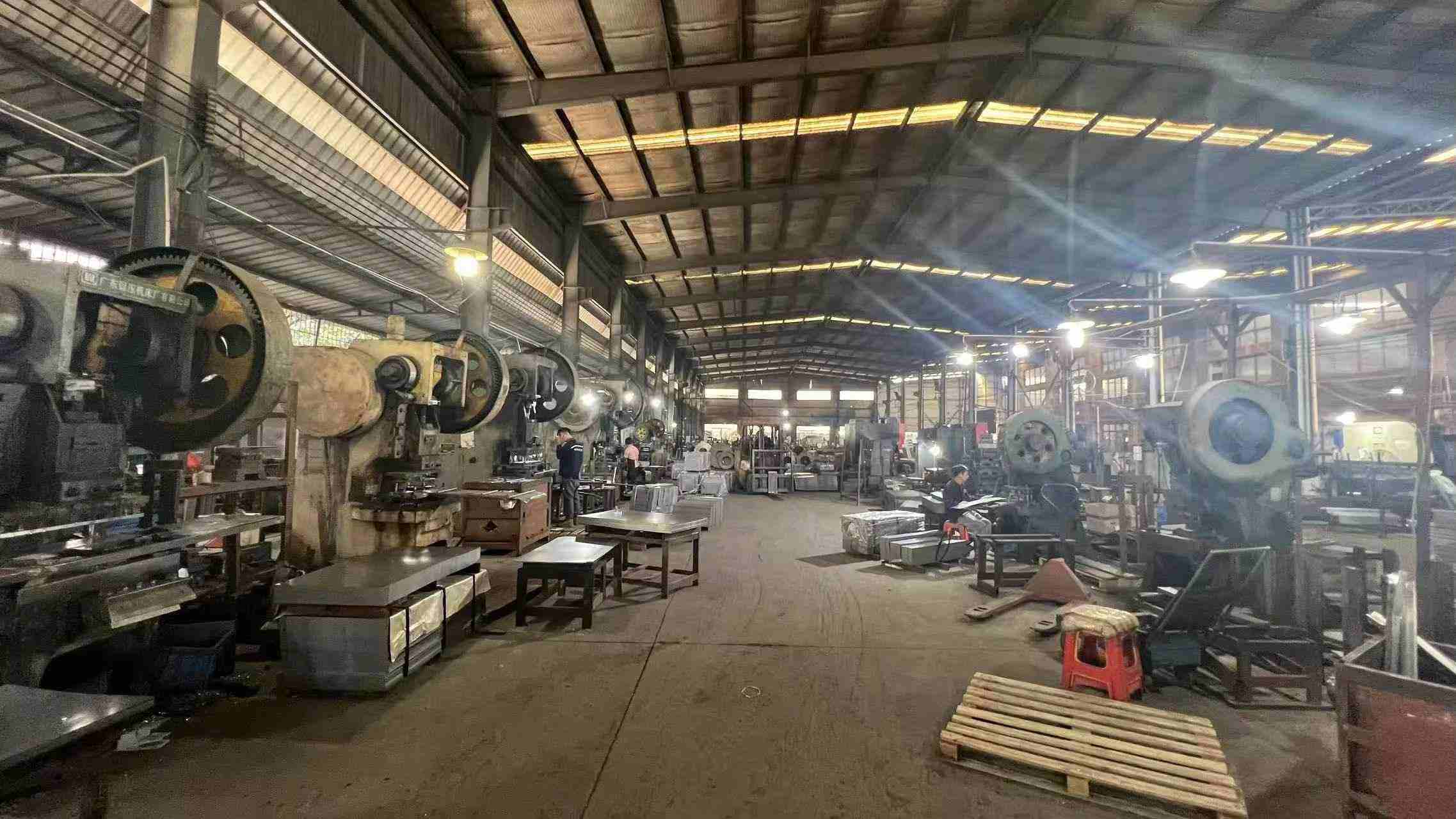
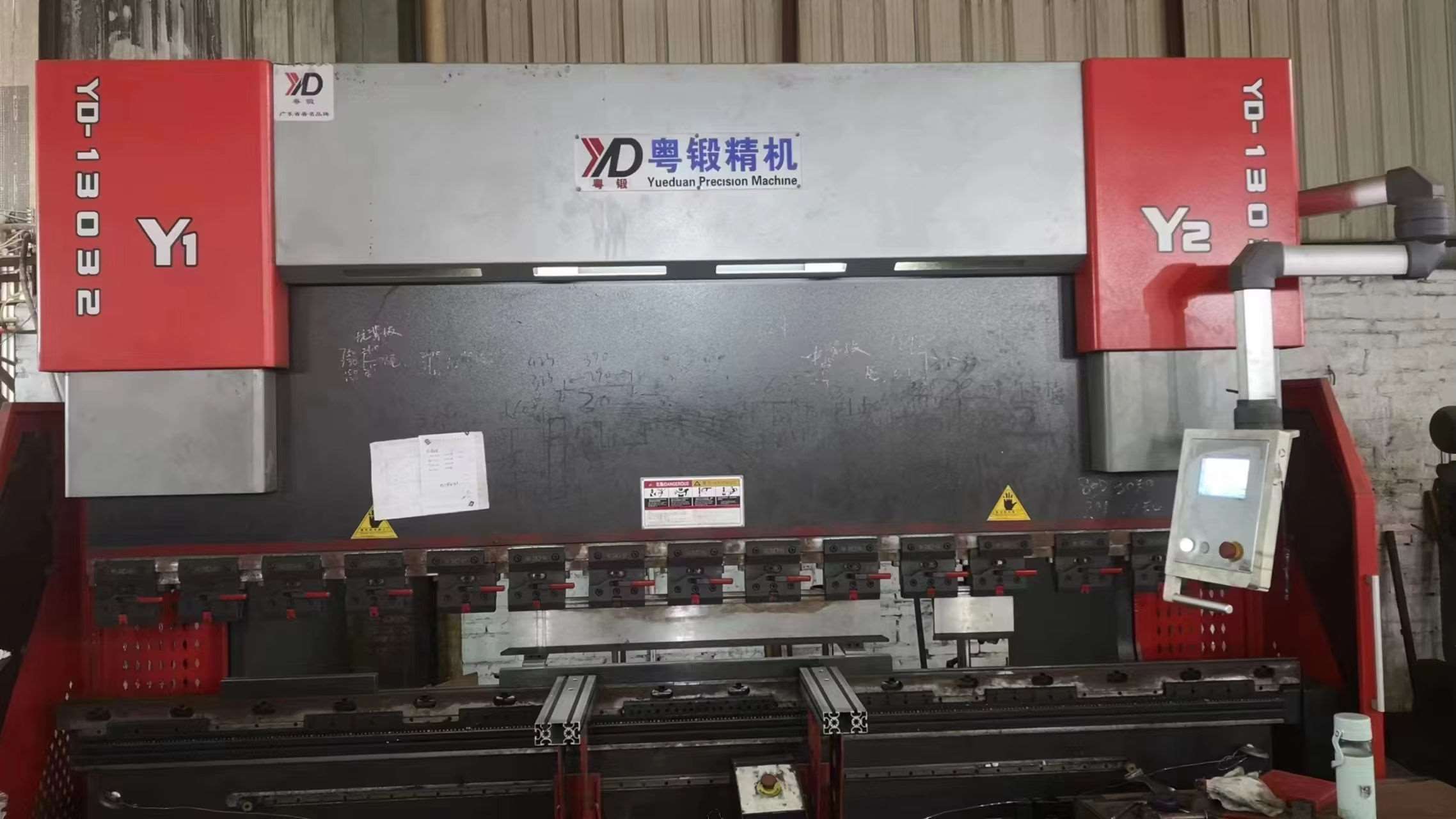
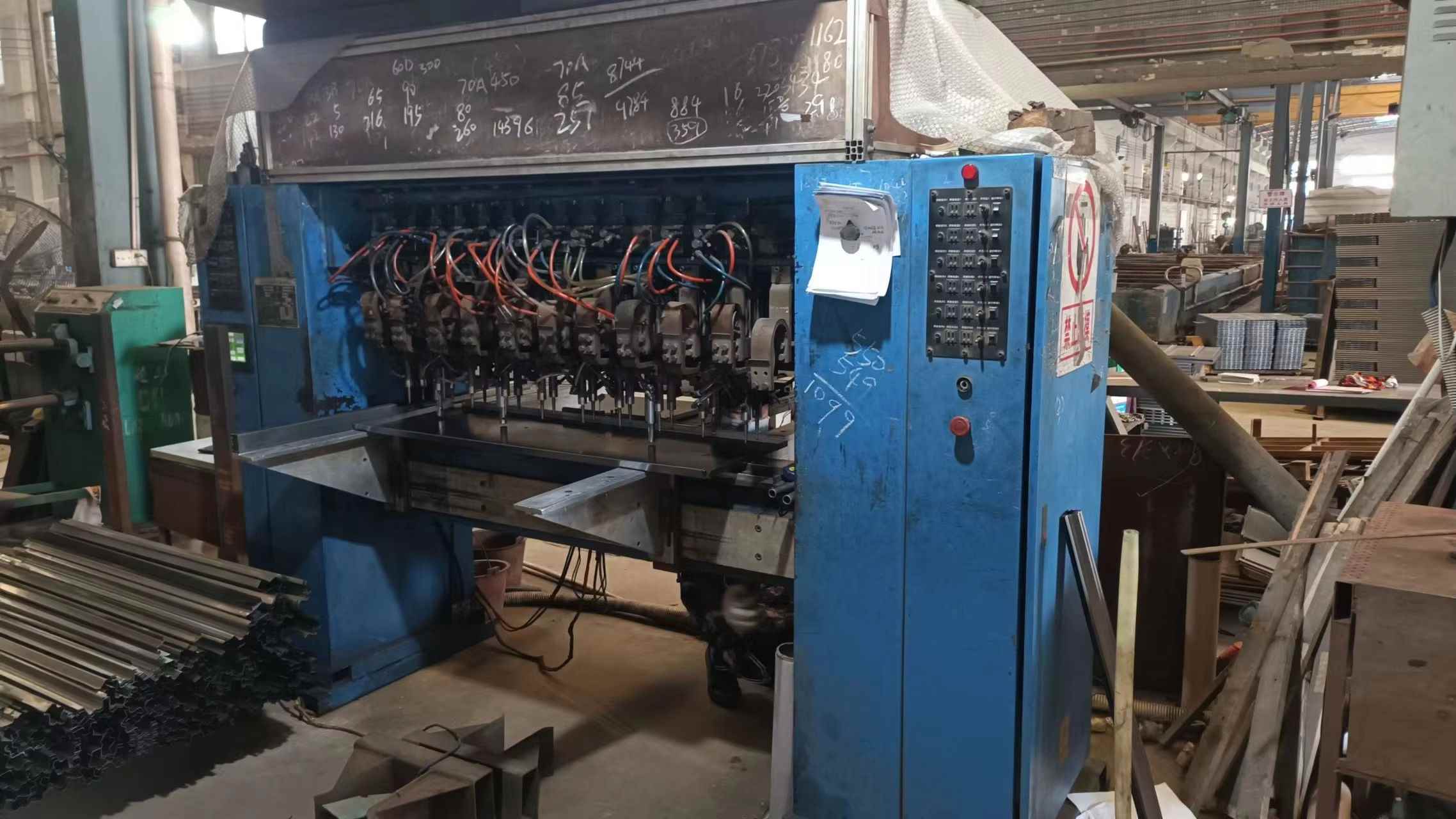
Manufacturing starts with picking high-quality structural steel. The rolling mill and automatic punching lines form uniform, load-bearing profiles. Automatic welding systems then fuse critical structural support brackets. Following assembly, components go through chemical acid-washing and Parkerising. This prepares the steel surface for electrostatic powder coating, providing corrosion resistance.
Maintaining tight dimensional tolerances requires specialized quality control tools. To ensure quality control, QC technicians use high-precision testing equipment:
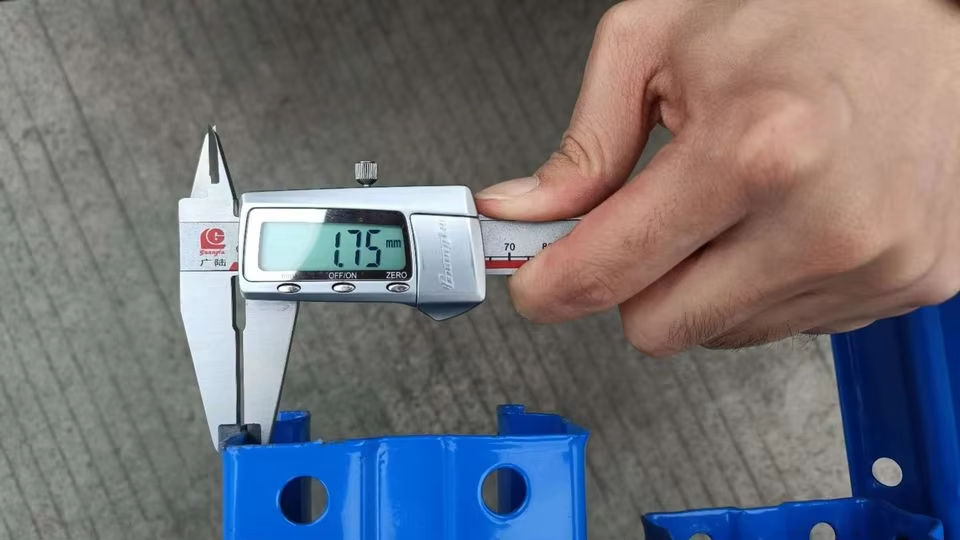
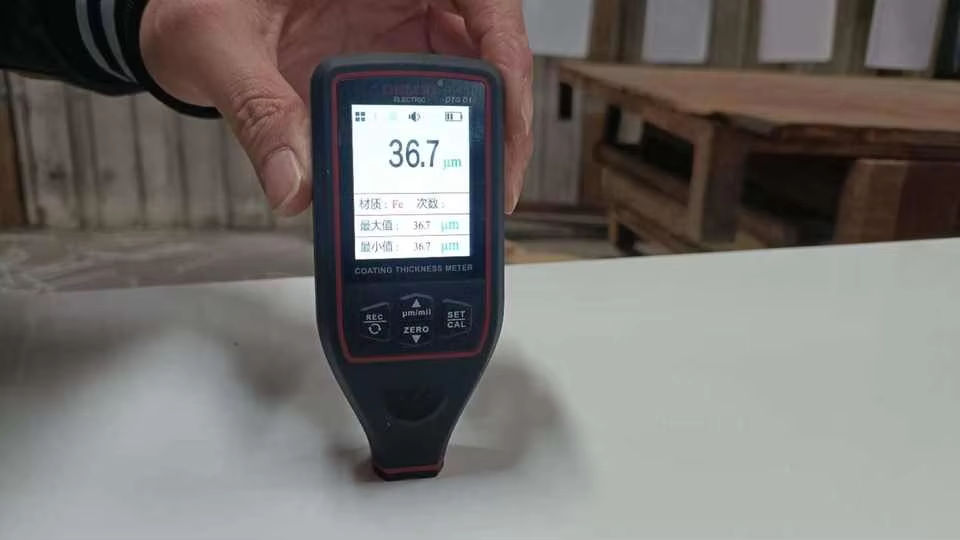
By using digital calipers, technicians confirm the thickness of structural steel components matches engineering drawings. Coating thickness testers verify that the powder coating has the correct depth to prevent rust and chipping.
Sourcing industrial steel fixtures requires careful compliance with international safety regulations. Substandard metal components can lead to structural failures, putting warehouse operators at risk. Below are the key global standards that certified manufacturers must meet:
| Regulatory Standard | Geographic Region | Focus Areas | Required Compliance Criteria |
|---|---|---|---|
| RMI (Rack Manufacturers Institute) | North America | Industrial storage safety and structural design | Calculations based on cold-formed steel code parameters. |
| EN 15512 / FEM 10.2.02 | European Union | Structural analysis and load safety parameters | Requirements for structural tests under seismic and static conditions. |
| AS4084-2012 | Australia / Oceania | Steel storage racks structural and installation limits | Strict regulations regarding structural steel grades and testing processes. |
| ISO 9001:2015 | Global Standard | Quality management and factory processes | Traceable documentation from raw steel selection to final dispatch. |
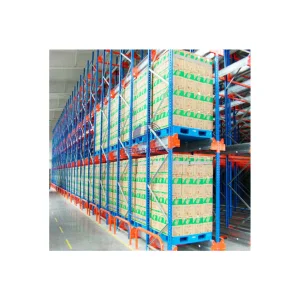
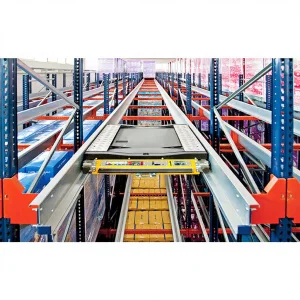
Future developments in retail and logistics infrastructure point toward connected storage systems. The introduction of radio shuttle racking systems and automated guided vehicles (AGVs) is changing traditional warehouse setups. High-density storage requires stiffer, flatter steel paths, placing higher structural demands on manufacturer tolerances.
At the same time, ecological footprint regulations push manufacturers to transition toward lead-free, non-toxic coatings and energy-efficient roll-forming lines. Sustainable manufacturing will soon be a mandatory criterion for enterprise buyers looking to meet their ESG goals. Sourcing partners must be ready to provide eco-certifications for their steel supply chain and finish applications.
Answers to common structural and logistical questions from professional buyers and warehouse managers.
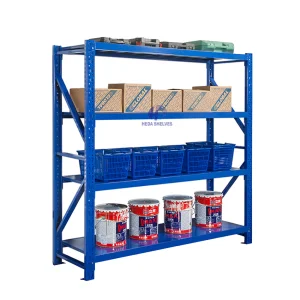
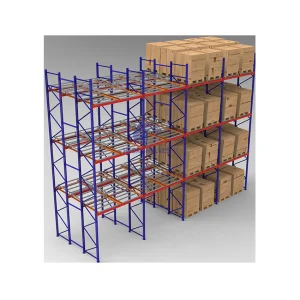
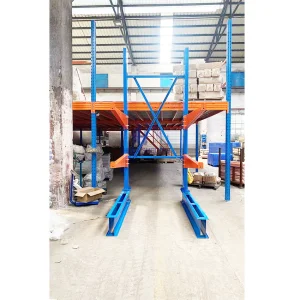
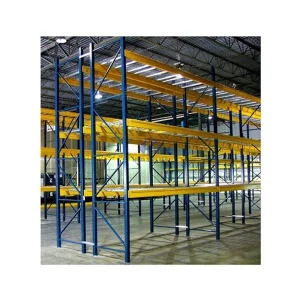
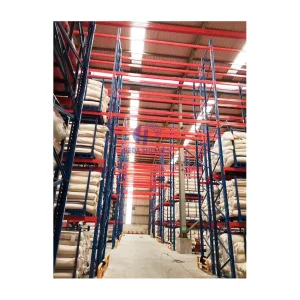
Select industrial structural solutions designed to optimize high-density logistics storage.
 Hedaracking