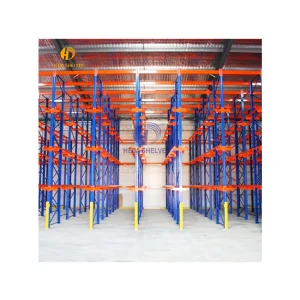
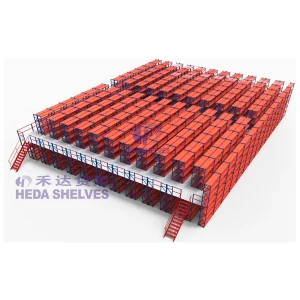
Top China Platform Racks Factories & Factory

Direct Heavy-Duty Storage Engineering & High-Density Pallet Racking Solutions for Global Enterprise Logistics

The Global Commercial & Industrial Landscape of Platform Racks

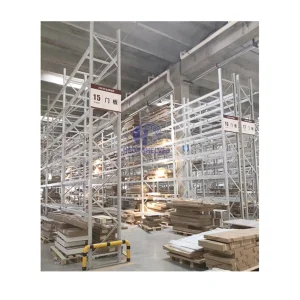
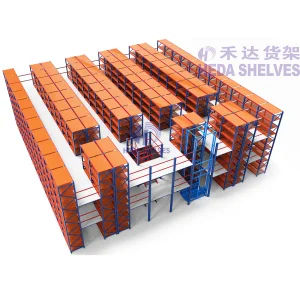
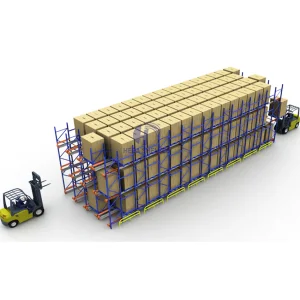
Across the modern international supply chain, maximizing volumetric space is no longer just a strategic goal; it is a fundamental driver of warehouse profitability. Platform Racks (also referred to as multi-tier platform systems, structural steel platforms, and elevated mezzanine racking) serve as the backbone of logistics infrastructure. These assemblies dynamically multiply usable floor area by exploiting vertical space, avoiding the massive capital expenditure of physical warehouse expansion or greenfield construction.

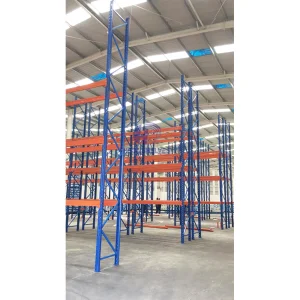
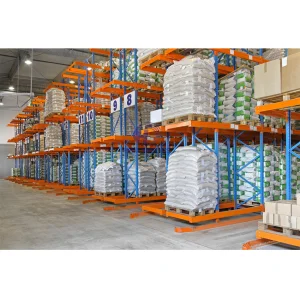
The global demand for heavy-duty industrial platforms is expanding. Third-party logistics (3PL) providers, global retail fulfillment hubs, cold-storage centers, and high-density industrial assembly plants face shrinking spatial margins. Heavy-duty pallet racks and cantilevers operate as the foundational framework upon which automated shuttle systems, conveyor paths, and overhead cranes are integrated.

3PL & Distribution Hubs
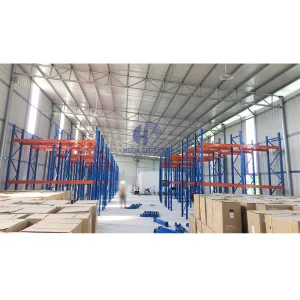
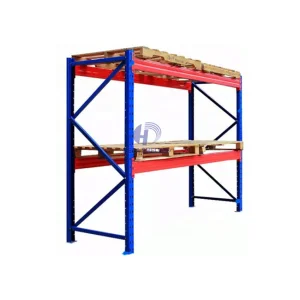
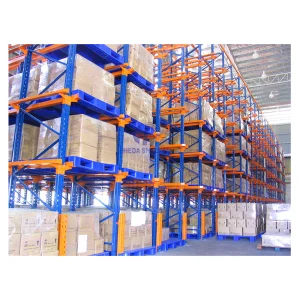
Facilitating rapid inventory turnover with high-density selective structures supporting rapid forklift cycles and load versatility.
Automated Intralogistics
Serving as the physical structural grid for automated guided vehicles (AGVs), stacker cranes, and high-frequency 4-way shuttles.
Structural Heavy Manufacturing
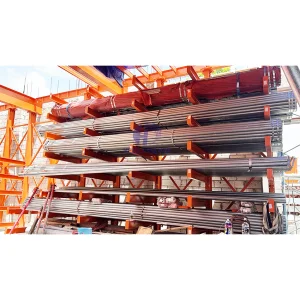
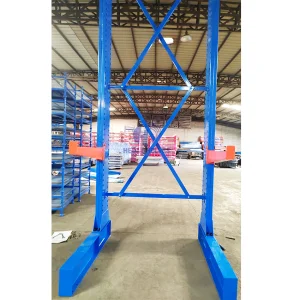
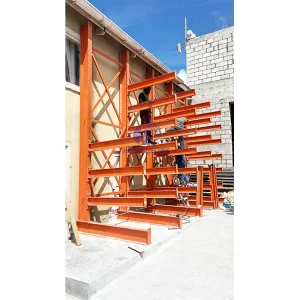
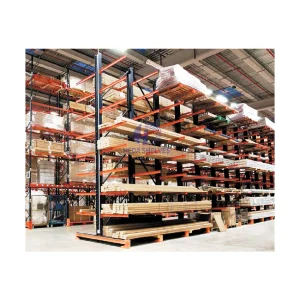
Specially designed cantilever racking engineered to sustain long-form raw materials such as steel beams, pipes, and timber.

"High-capacity racking structural integrity directly correlates with warehousing risk mitigation. A failure in design tolerances or weld quality doesn't just disrupt logistics—it endangers lives. This is why leading global enterprises mandate rigid compliance with RMI, FEM, and AS4084 guidelines."

Industry Benchmark: Shenzhen Heda Warehouse Equipment Co., Ltd.

Established in 2014, Shenzhen Heda Warehouse Equipment Co., Ltd. is a premier manufacturer specializing in heavy-duty warehouse racking and industrial storage solutions. Spanning a modern manufacturing facility of 35,000 m², our enterprise integrates R&D, design, production, and international marketing to serve diverse storage needs worldwide. With 12 years of industry experience and 8 years of dedicated export expertise, we deliver high-caliber storage systems that generate over $28 million in annual export revenue.

At Heda, quality control and engineering innovation drive our core operations. Our robust QC department comprises 45 skilled inspectors utilizing rigorous testing methods, including raw material tensile testing, automated weld flaw detection, layer load-bearing stress analysis, and salt spray surface corrosion testing. Supported by a professional R&D team of 28 senior structural engineers, we maintain strong full-customization capabilities (OEM/ODM)—offering tailored rack dimensions, load capacities, surface coatings, and layout designs. Driven by continuous innovation, we launched over 120 new dynamic storage products and component upgrades last year.

Operating with a strong direct-factory and international trade background, we have built a resilient ecosystem supported by over 800 supply chain partners. Our products are exported to major global markets, including North America, Western Europe, Southeast Asia, and the Middle East. We proudly serve a diverse clientele ranging from third-party logistics (3PL) providers and large distribution centers to industrial manufacturers and wholesale equipment distributors.

35K m²
Production Plant
28+
R&D Engineers
45
QC Inspectors
$28M+
Annual Export

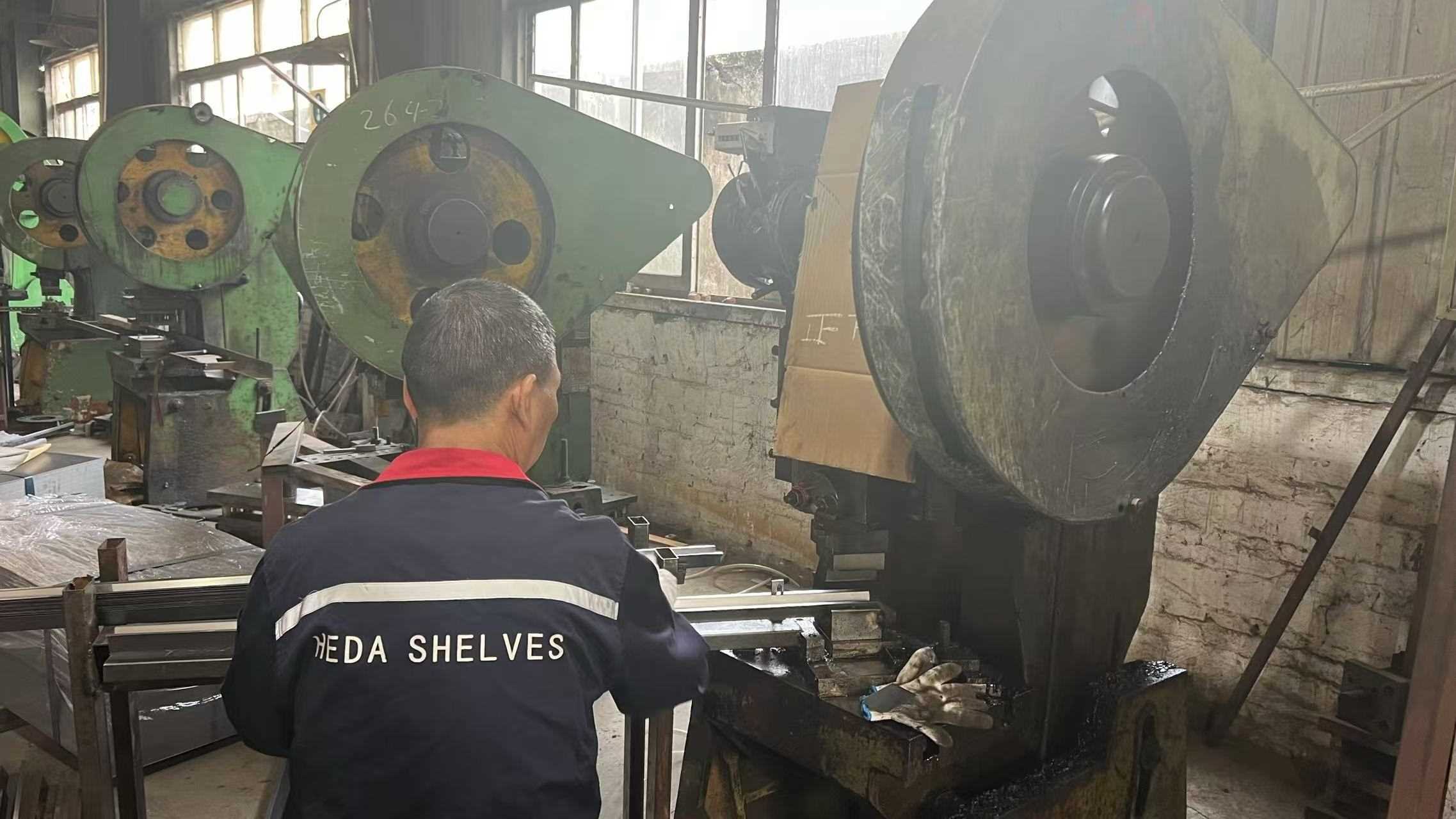
Fully Integrated Production Line & Quality Control Systems

An end-to-end overview of our heavy engineering fabrication, cold rolling, surface finishing, and quality validation processes.
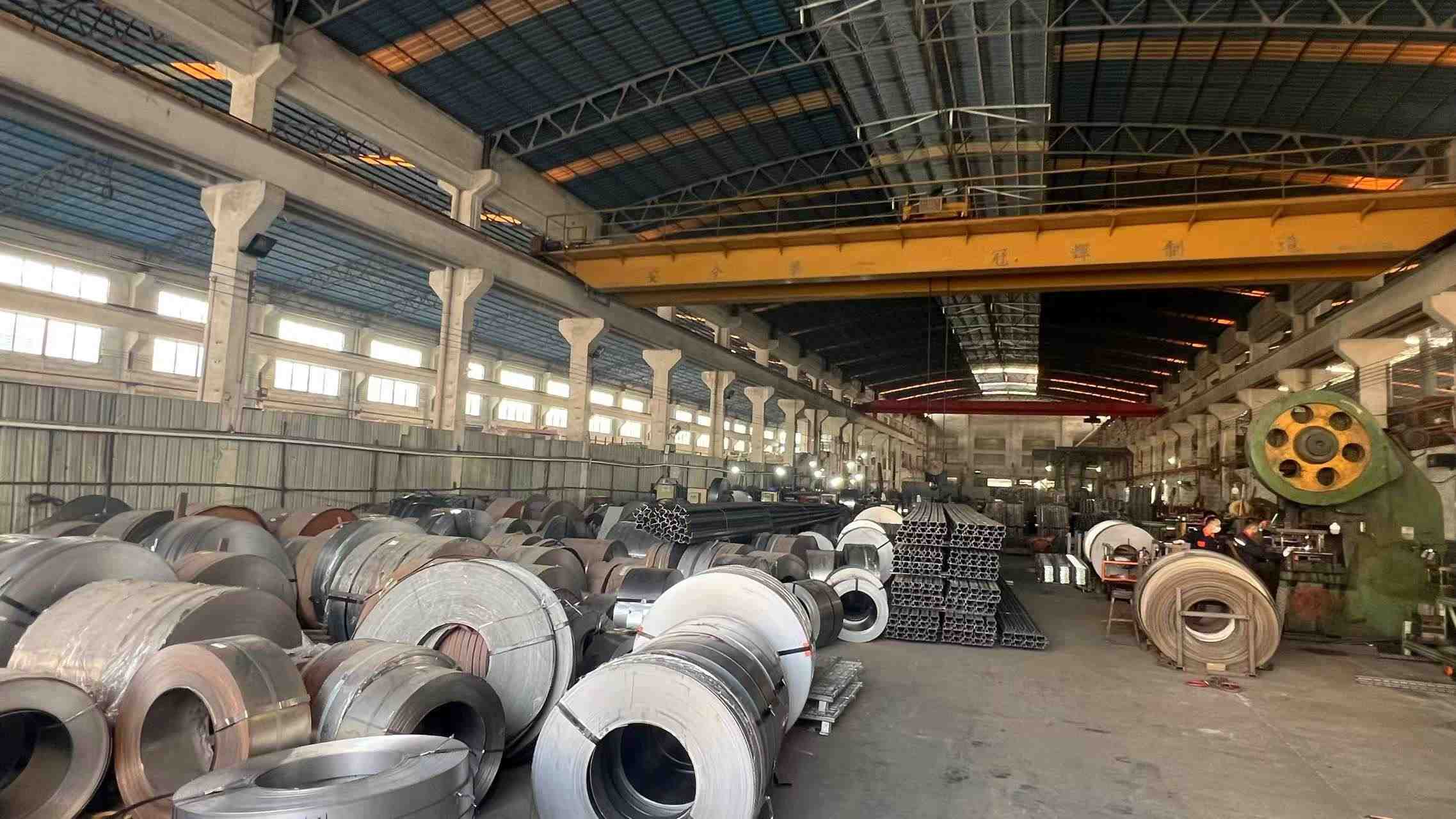
Raw Materials
Raw Materials Preparation
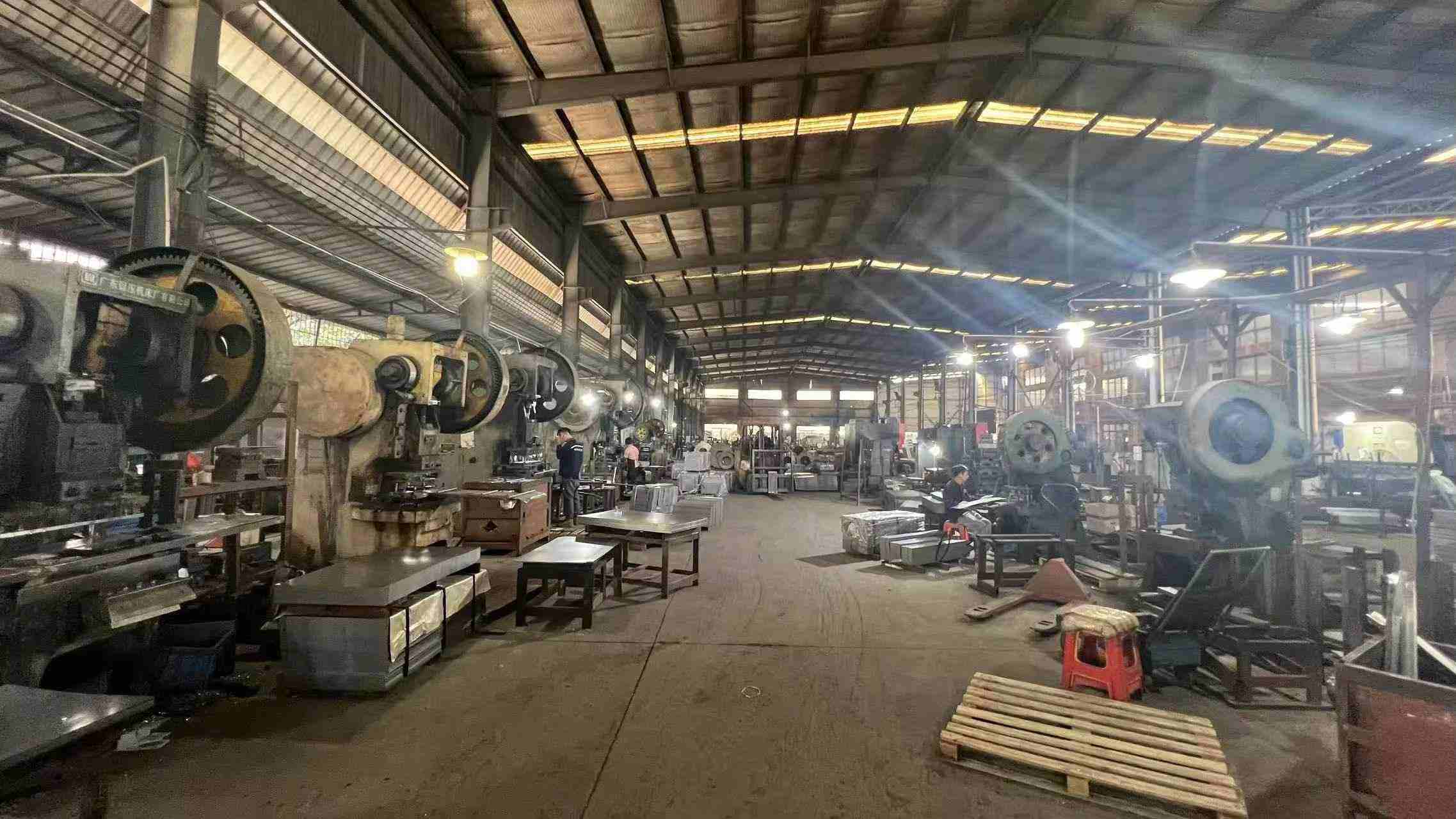
Stamping
Stamping Stage
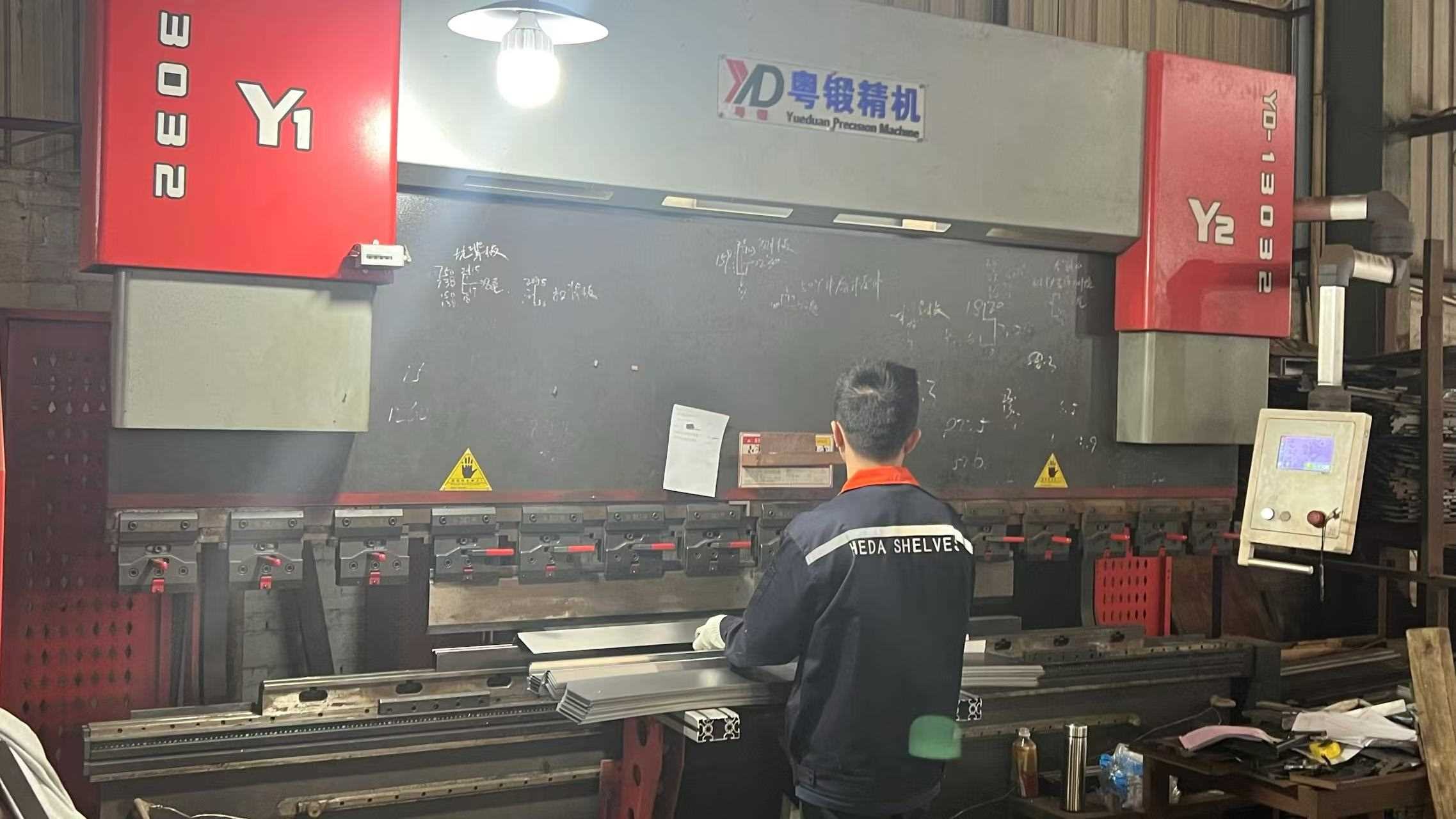
Bending
Precision Bending
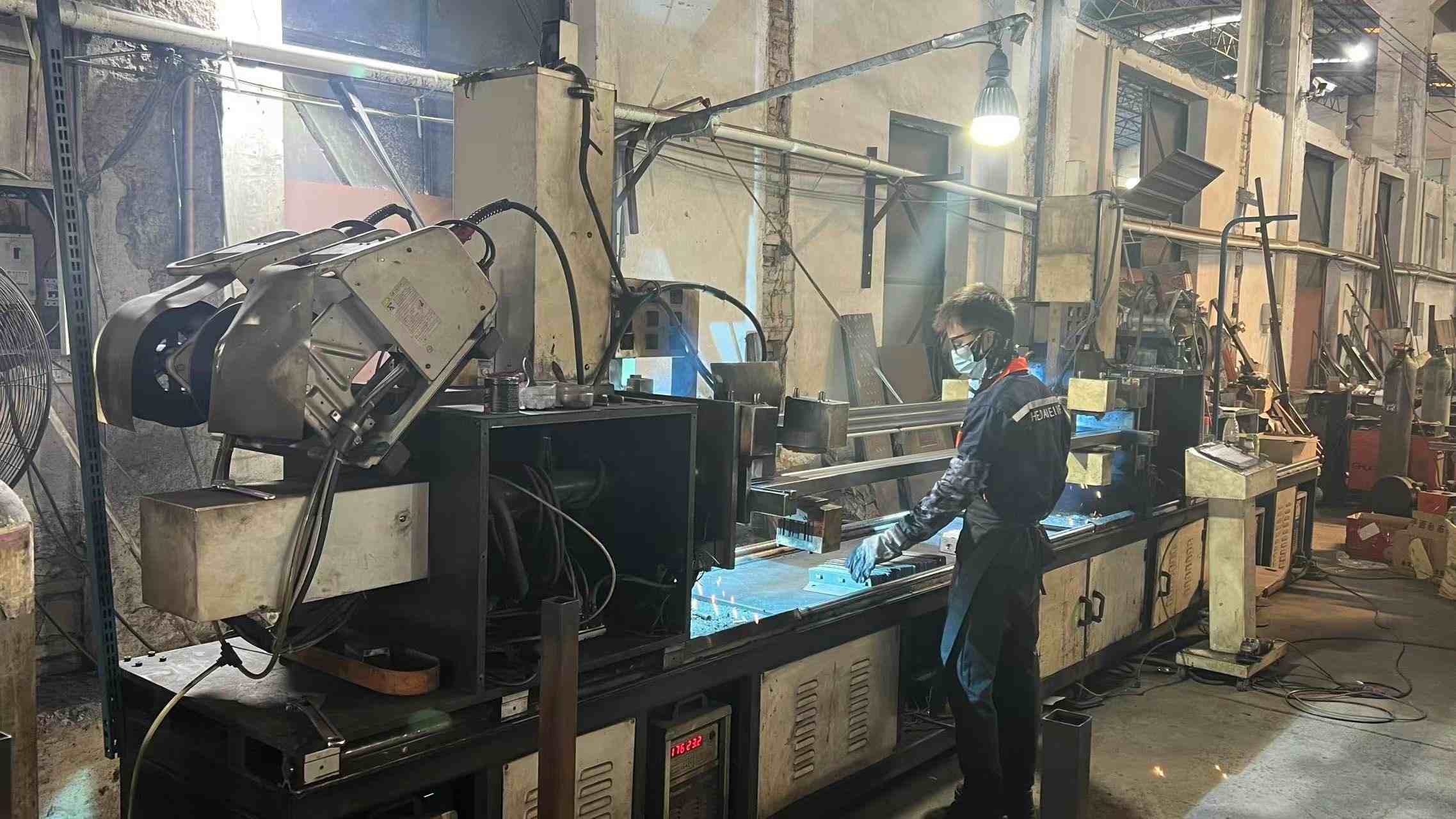
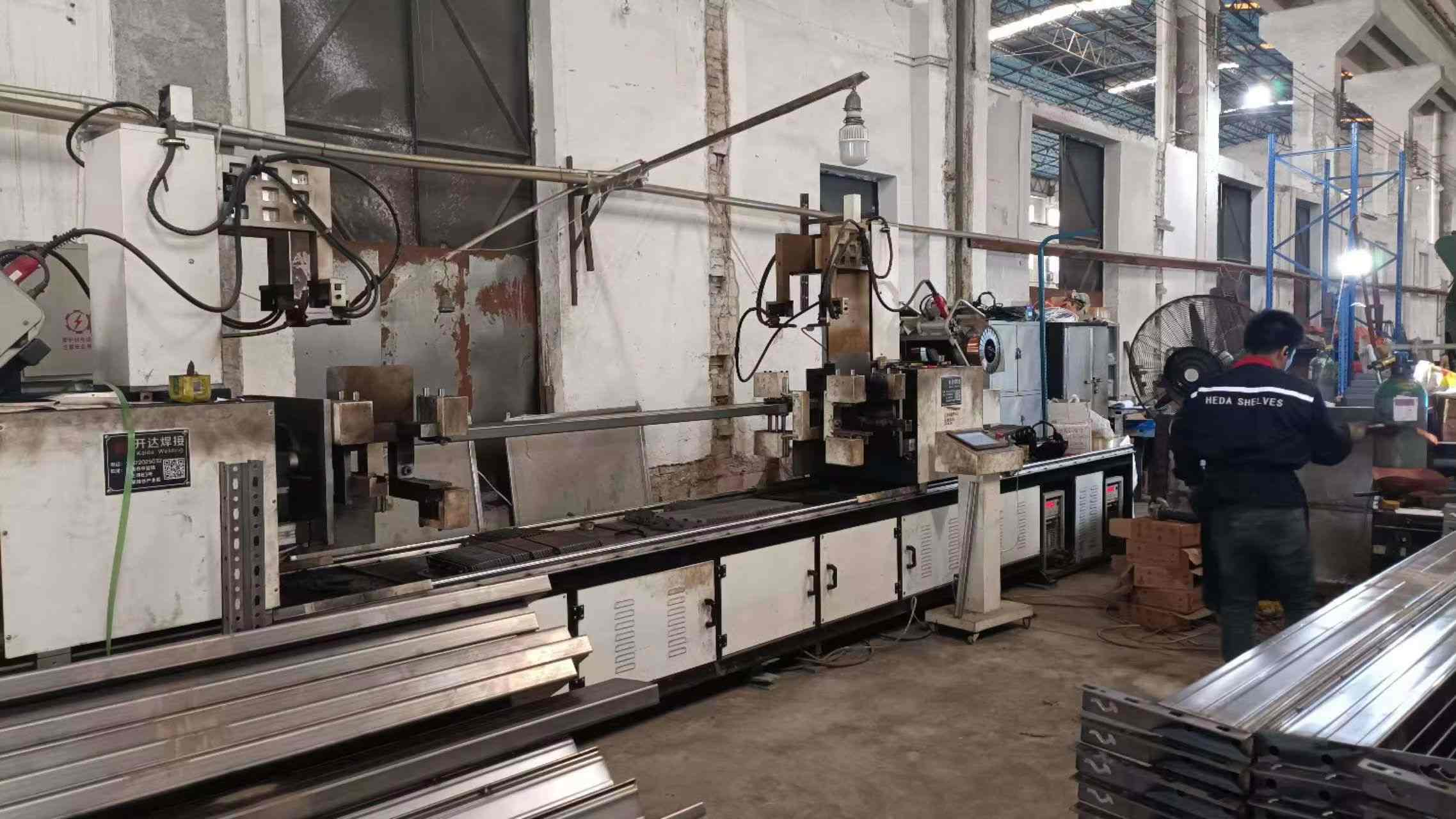
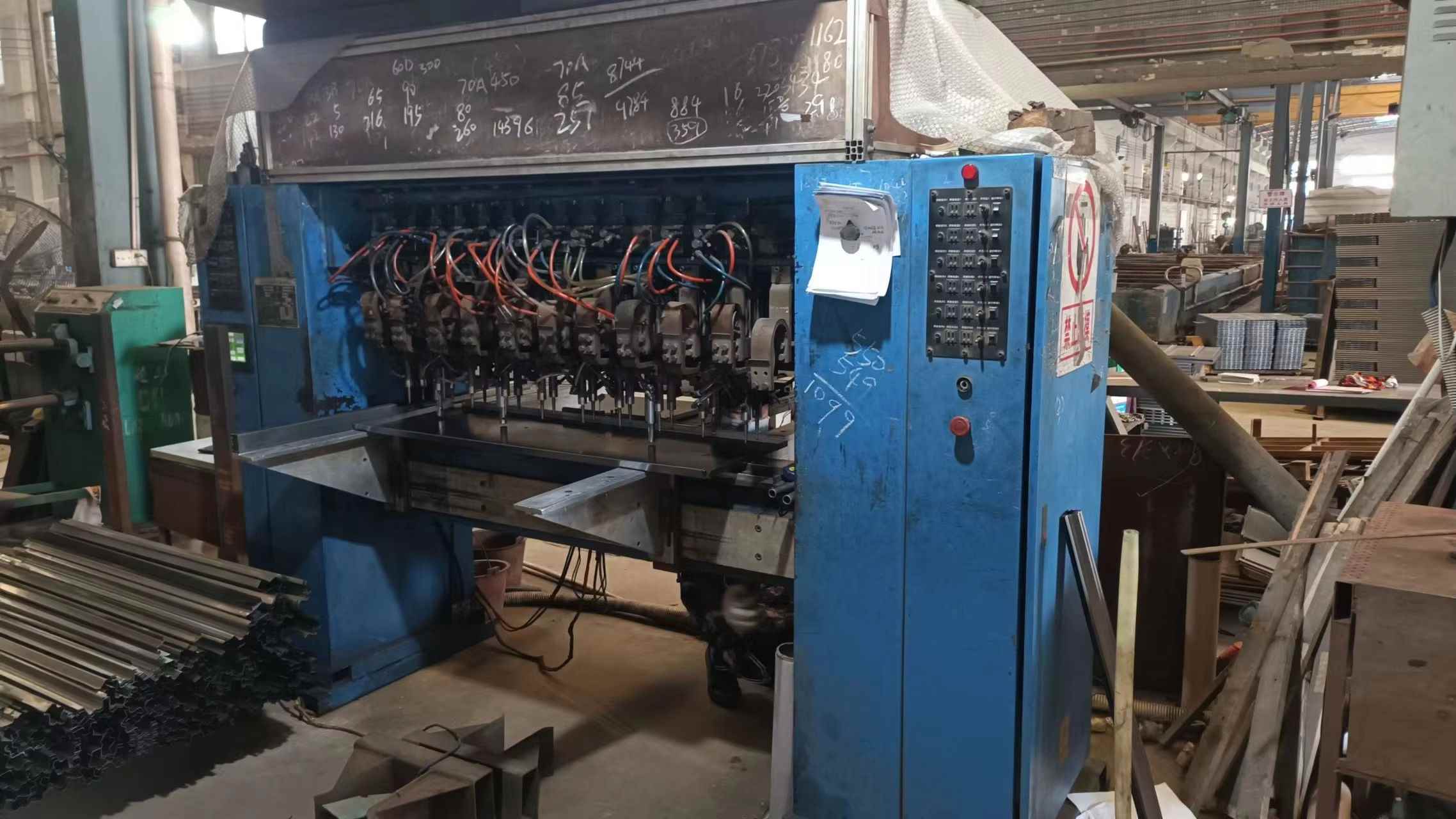
Welding
Structural Welding
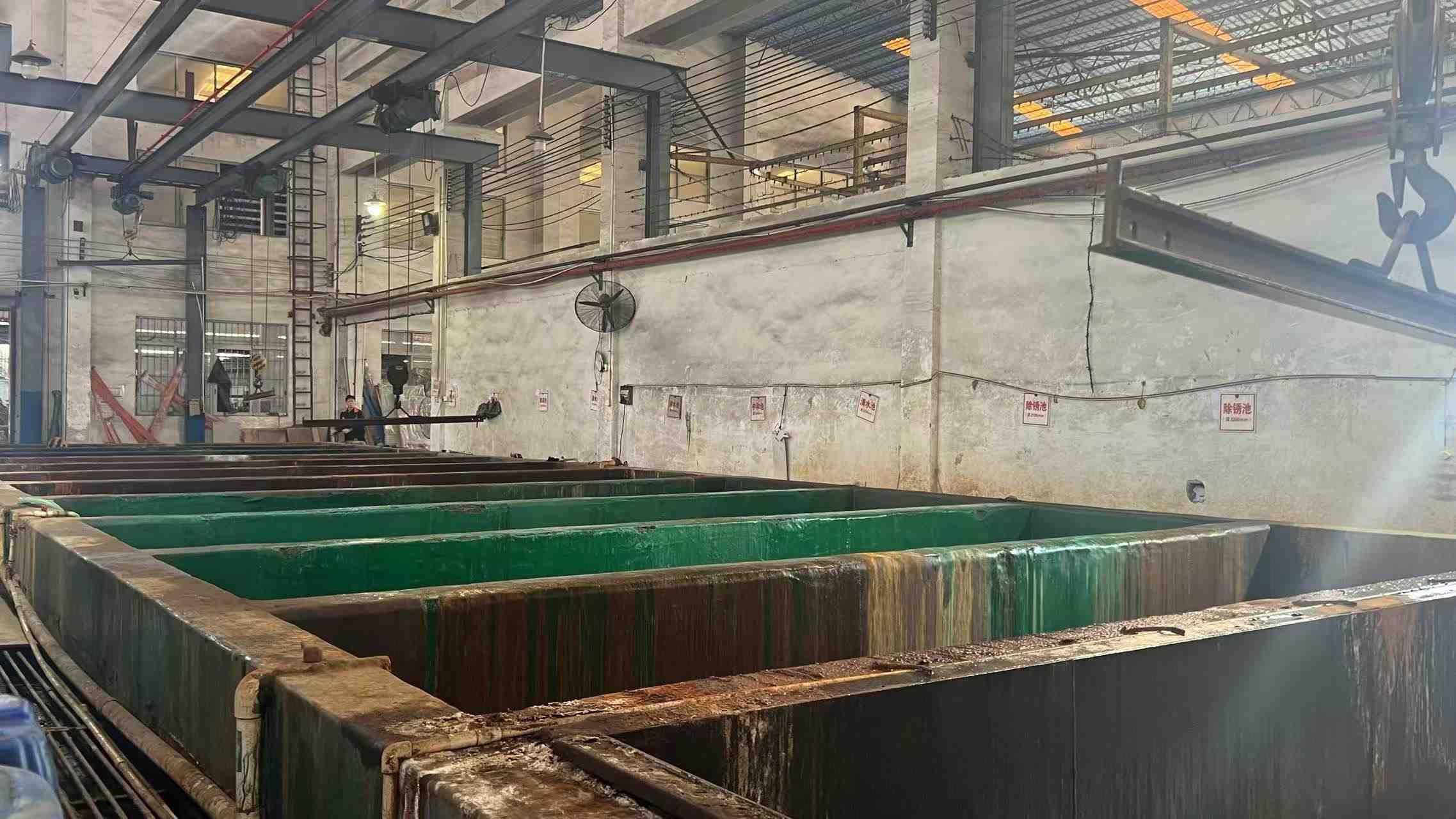
Acid-washing and Parkerising
Acid-washing & Parkerising
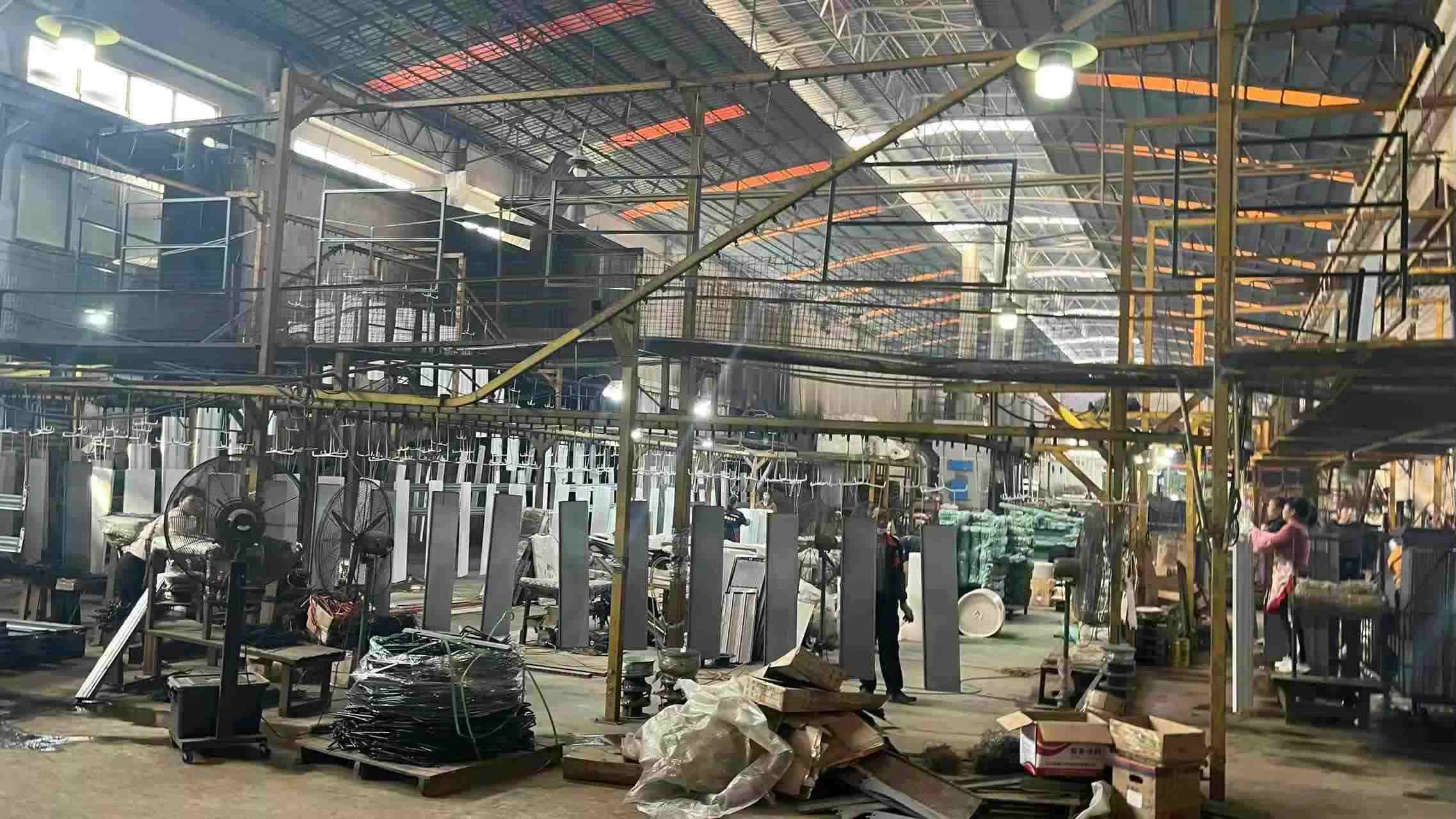
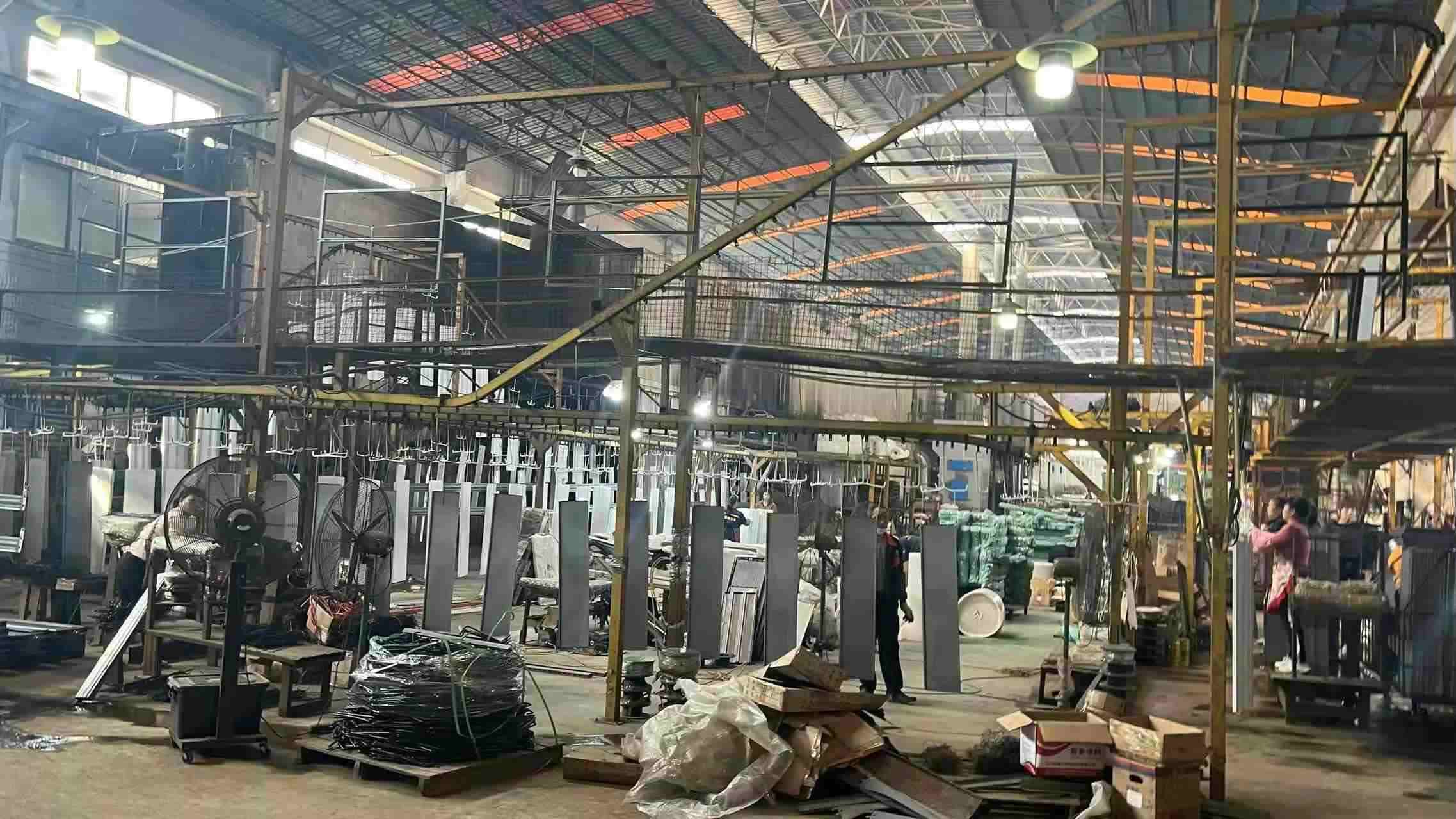
Coating
Epoxy Coating Line
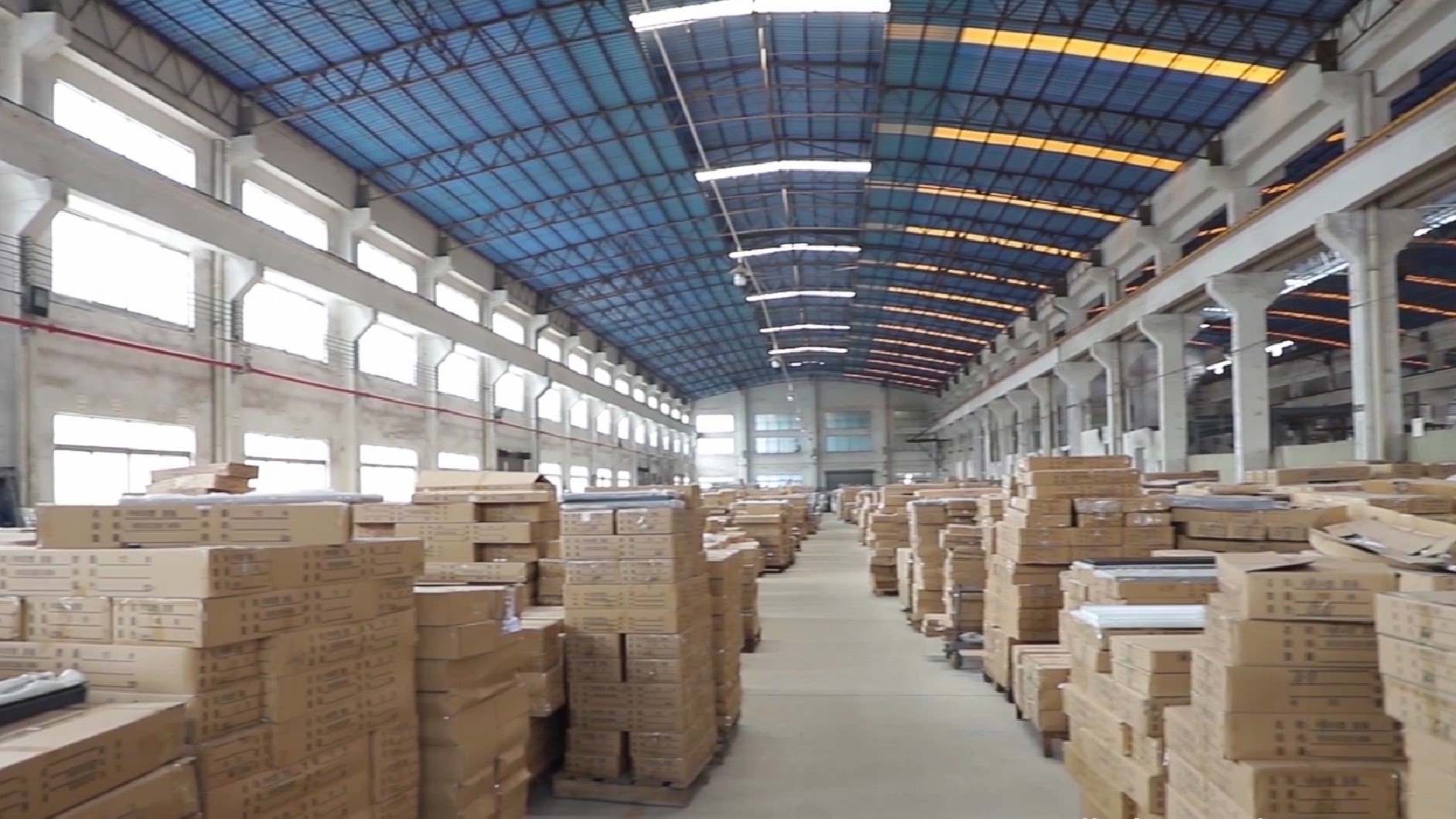
Warehouse
Finished Product Warehouse
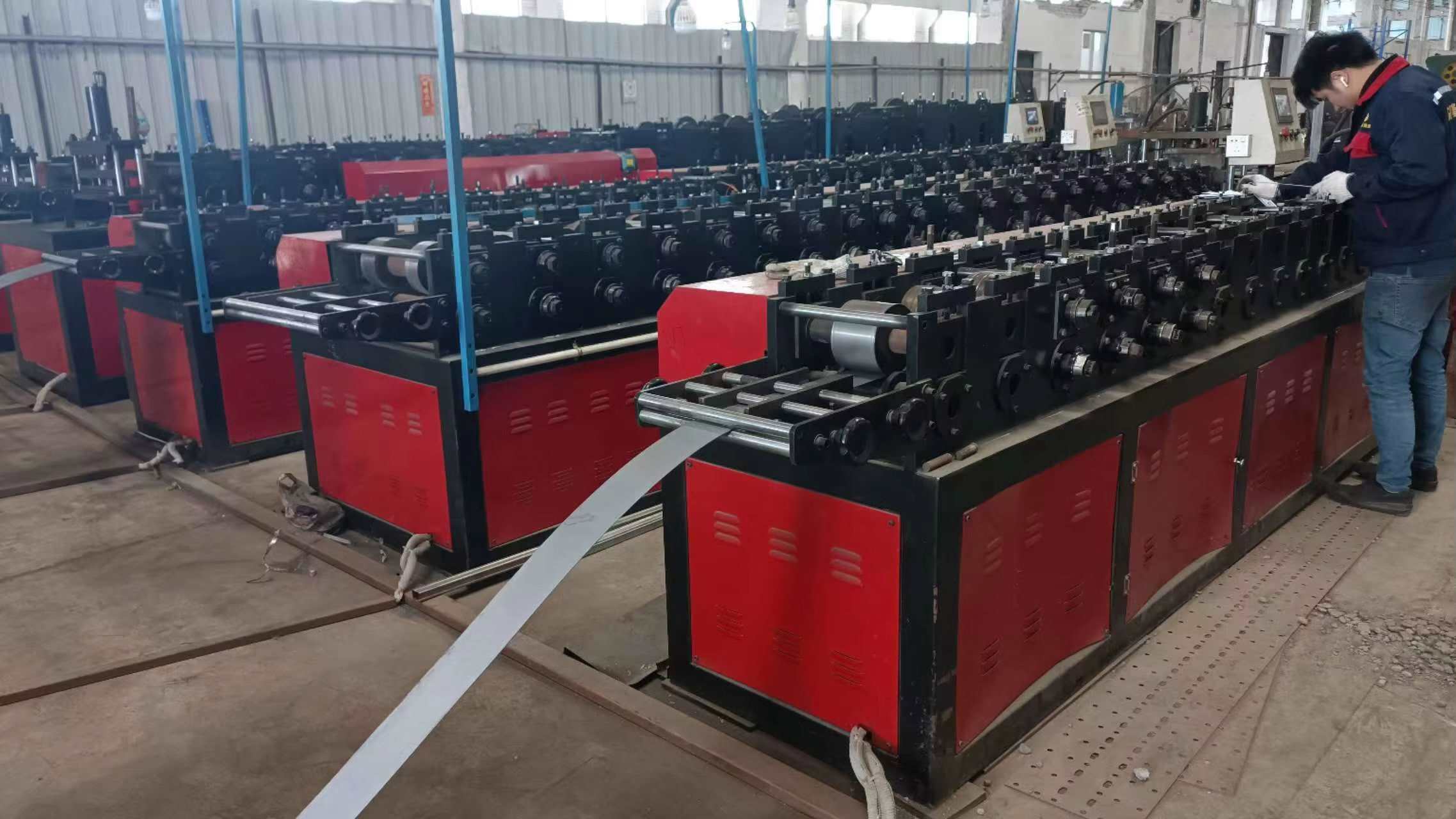
Rolling Mill
Upright Column Rolling Mill
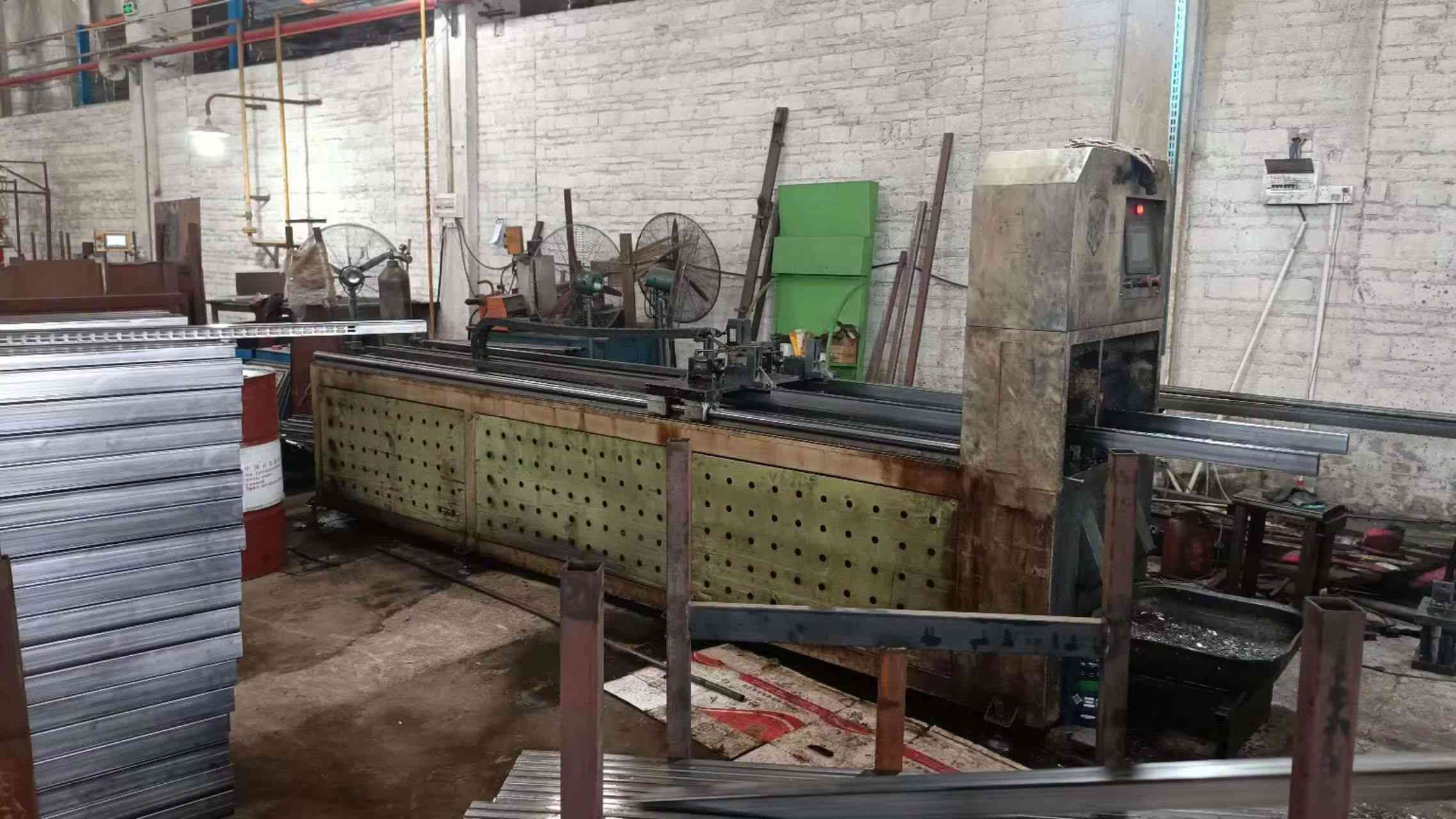
Fully Automatic Punching Machine
Fully Auto Punching Machine
Automatic Welding Machine
Automatic Robot Welder
Plastic Powder Coating Line
Electrostatic Powder Line
Punching Machine
Punching Press Machine
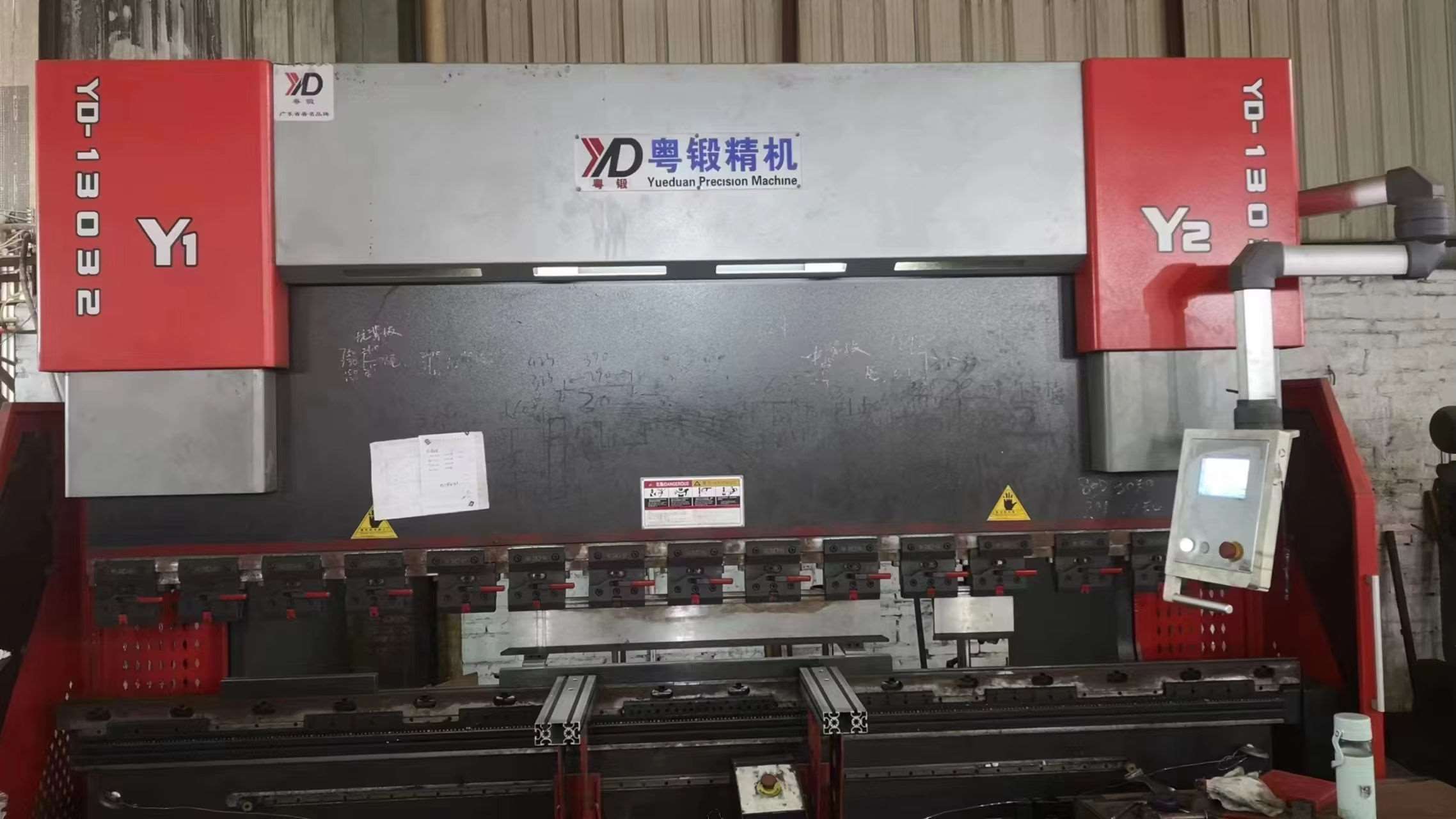
Bending Machine
Heavy-Duty Bending Press
Butt Welding Machine
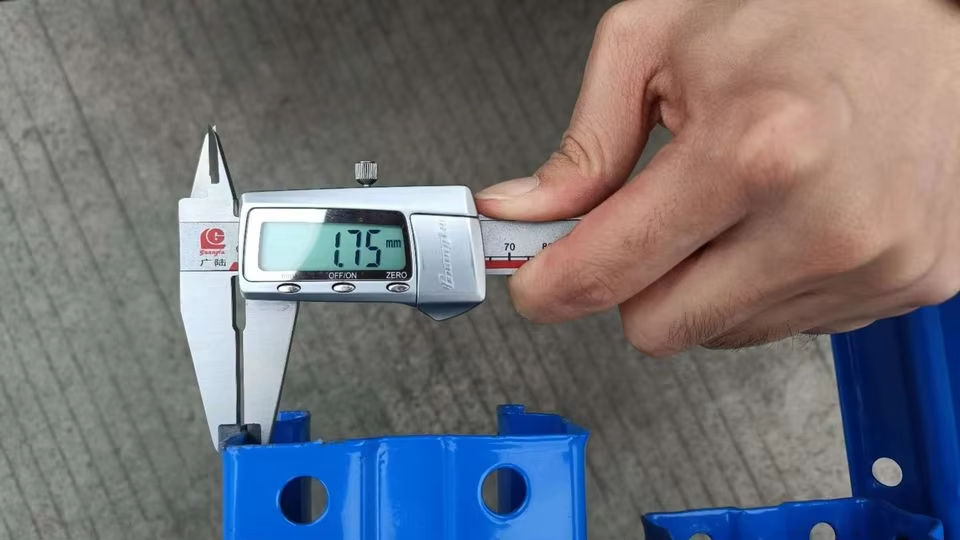
Caliper
Caliper Dimensional Audit
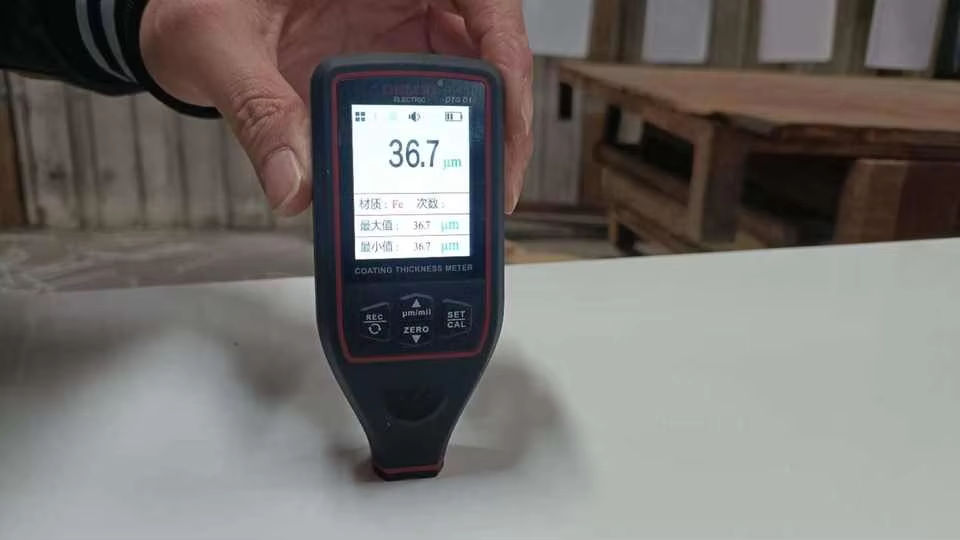
Coating thickness tester
Coating Thickness Verification

The Structural & Efficiency Advantages of China Racking Factories

Sourcing platform racks and warehouse structural products directly from Chinese manufacturers like Heda Warehouse Equipment provides distinct supply chain and technological benefits:

1. Advanced Automated Continuous Roll-Forming Technology

Chinese manufacturing clusters leverage custom-designed automatic rolling mills and high-speed CNC punching presses. This specialized tooling allows us to shape complex profiles from structural steel coils with absolute precision. High uniformity in hole placement, straightness, and cross-sectional consistency translates to dynamic stability when erect on site.

2. Downstream Supply Chain Integration

The factory in Shenzhen is situated near the world's most concentrated steel refining and processing zones. Heda taps into direct partnerships with Tier-1 hot-rolled and cold-rolled steel mills (utilizing high-grade Q235B and Q355B steel). This enables rapid scale-up for multi-thousand ton projects while neutralizing raw material price volatility.

3. Superior Coating Chemistry and Corrosion Resistance

Surface treatment is a vital component of structural durability. Our continuous automatic powder coating lines apply high-molecular electrostatic powder epoxy coatings, followed by exact curing phases. Through rigorous pretreatment (including acid-washing and Parkerising), the steel surface forms a dense protective barrier against ambient moisture, acid exposure, and mechanical abrasions.

Localized Global Application Scenarios

Industrial racking applications vary significantly based on regional regulatory frameworks, load metrics, and architectural practices. Below is a analysis of localized requirements across key target markets:

North America (USA & Canada)
Focuses heavily on RMI (Rack Manufacturers Institute) standards. Demand centers around teardrop selective systems and modular steel mezzanines designed to withstand high seismic classification zones (e.g., California, Pacific Northwest).
Western Europe
Operates under strict EN 15512 and FEM 10.2.02 codes. Due to high real estate costs, structural mezzanine platforms and multi-tier picking towers (3 to 5 levels) are common to convert warehouse footprints into high-density retail sorting space.
Southeast Asia & Middle East
Deploys systems robustly resistant to high ambient humidity (Southeast Asia) and dry thermal stress (Middle East). The petrochemical and manufacturing sectors require heavy cantilever systems for pipes, steel beams, and heavy industrial machinery.

Sourcing Checklist for Global Procurement Directors

When evaluating international platform rack suppliers and OEM/ODM engineering partners, procurement executives must conduct technical due diligence beyond unit pricing. The checklist below highlights the critical engineering milestones required to ensure structural performance:

  • Structural Steel Classification: Ensure the factory uses certified structural steel (such as GB Q235B or Q355B, corresponding to ASTM A36 or ASTM A572 Grade 50). Request mill test certificates (MTC) showing carbon, manganese, and phosphorus levels.
  • Deflection & Load Verification: Structural calculations must conform to L/300 deflection limits under full design static and dynamic load profiles (up to 3000 kg per layer). Ask for finite element analysis (FEA) reports generated by structural R&D divisions.
  • Pre-treatment & Finishing Standards: Cold-rolled profiles must undergo chemical acid pickling and phosphating to eliminate mill scale and oil residues before powder deposition. Standard salt spray performance should meet or exceed 150 hours with zero blistering or film lift.
  • Seismic and Dynamic Load Design: If erecting systems in seismic zones, upright frame profiles, baseplates, and concrete anchors must be engineered with appropriate safety factor adjustments (minimum 1.5x to 2.0x static load threshold).

Emerging Trends: Smart Racking & Modular Expansion

The logistics industry is transitioning from static storage frames to intelligent warehouse systems. The integration of 4-way shuttle rack systems (as displayed in the product gallery below) and Automated Storage and Retrieval Systems (AS/RS) is reshaping warehouse structural expectations. Platform and frame configurations must maintain tighter dimensional tolerances—often within ±1mm over a 10-meter height—to ensure autonomous robotic components run smoothly without catching.

Additionally, the rise of modular, boltless construction allows companies to reconfigure, elevate, or expand their mezzanine layouts as inventory demands shift, preserving long-term capital assets. Direct factory customizability (OEM/ODM) is essential to adapt to these evolving layout requirements.

Technical Engineering FAQ: Platform Racks & Warehouse Storage

Professional engineering responses to critical questions commonly raised by industrial warehouse developers and supply chain managers.

Q1: What is the differences between Q235B and Q355B steel in racking fabrication?
Q235B is a standard carbon structural steel widely utilized for typical pallet rack systems (yield strength of ~235 MPa). Q355B is a low-alloy, high-strength structural steel with a yield strength of ~355 MPa. Heda utilizes Q355B for high-load application structures, such as cantilever racks holding heavy pipe bundles or base structures of multi-tier mezzanines, to reduce profile thickness while keeping load capacity high.
Q2: Can Heda custom-engineer (OEM/ODM) racks to meet regional seismic safety codes?
Yes. Our R&D department features 28 senior structural engineers who simulate and design racking structures according to North American RMI, European FEM 10.2.02, and Australian AS4084 guidelines. We customize upright pitch, structural bracing, base plate footprints, and anchoring configurations to comply with localized seismic requirements.
Q3: How does Heda guarantee welding integrity across high-capacity beams?
We utilize automated robotic welding lines to ensure uniform heat input and deep penetration welds. Our 45-person QC department carries out non-destructive testing (NDT), automated weld flaw detection, and continuous raw material tensile testing. Standard loads are physically verified via hydraulic stress testing machines.
Q4: What surface preparation is conducted prior to powder coating?
Before applying the electrostatic powder coating, all cold-rolled profiles undergo a multi-stage pretreatment process: acid washing to remove oxidation, and Parkerising (phosphating) to create a crystalline phosphate layer. This ensures optimal adhesion of the epoxy coating and prevents rust creep, sustaining long-term durability in industrial environments.
Q5: What are the standard lead times for bulk industrial factory orders?
For standard sizes, typical factory lead time ranges between 20 to 25 days post-deposit validation. For custom OEM/ODM multi-tier platform configurations requiring custom engineering drawings and specialized roll-forming setups, production is completed within 30 to 45 days, depending on project scale and material requirements.
Q6: How is overseas shipping handled to prevent damage to the powder coat?
All structural elements, columns, and beams are wrapped with air bubble cushions, cardboard edge guards, and heavy-duty tension strapping. The bundles are loaded onto customized steel pallets or wood crates to prevent movement during container transit, ensuring all components arrive ready for installation.