Engineered for maximum warehouse volume optimization and high-capacity durability under strict European safety regulations.
Maximizing square-meter efficiency in Europe’s core manufacturing and logistics gateway.
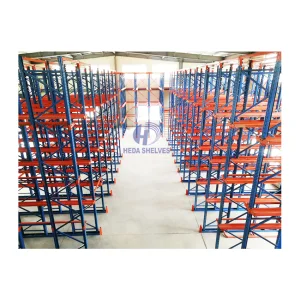
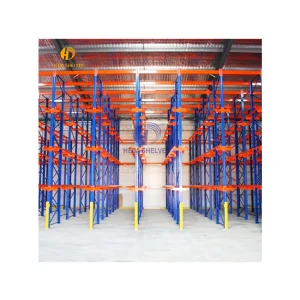
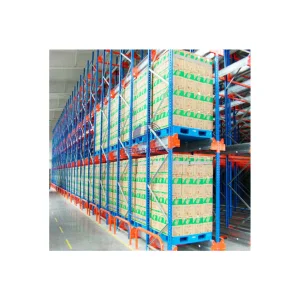
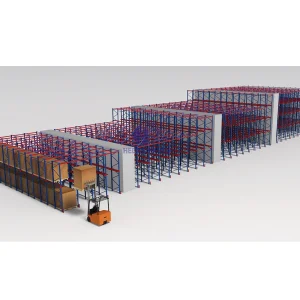
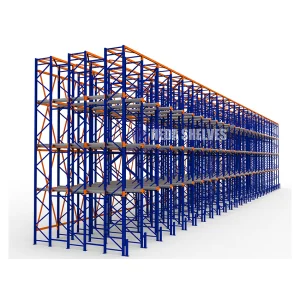
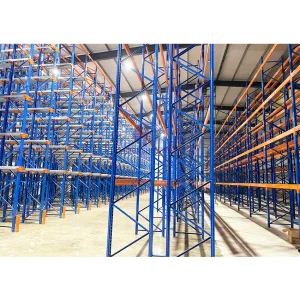
Italy is home to some of Europe’s most intensive logistics nodes, particularly in the northern industrial triangle (Milan-Turin-Genoa) and the dynamic freight hubs of Emilia-Romagna and Veneto. Given the high cost of industrial land and the geographic constraints of regions situated between the Alps and the Apennines, warehouse optimization is not just a tactical goal—it is a critical economic necessity. In this environment, Drive-In & Drive-Thru Racking Systems have become the dominant solution for businesses managing bulk inventory with low product rotation.
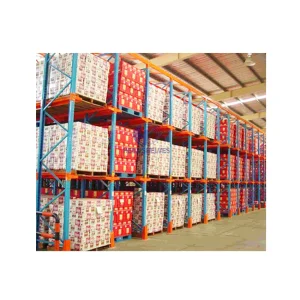
Key industries like Italian food production (including temperature-controlled storage for cheeses, cold cuts, and wines), pharmaceutical manufacturing, and the fast-moving consumer goods (FMCG) sector rely heavily on these high-density systems. A high-quality Drive-In system can eliminate up to 75% of dedicated forklift aisles compared to standard selective pallet racking, increasing storage capacity within the same footprint by up to 80%.
Ideal for blast freezers and cold storage facilities in Emilia-Romagna where cooling volumetric air space is extremely expensive to maintain.
Converts unused access aisles into high-density storage bays, maximizing the yield per square meter in historical industrial zoning areas.
Engineered structures designed to absorb and distribute lateral kinetic energy, vital for Central and Northern Italy seismic zones.
Understanding the engineering guidelines that dictate safe, high-capacity operations.
The choice between Drive-In and Drive-Thru structures revolves around material management methodologies:
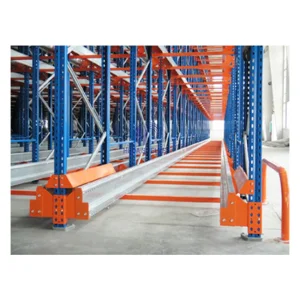
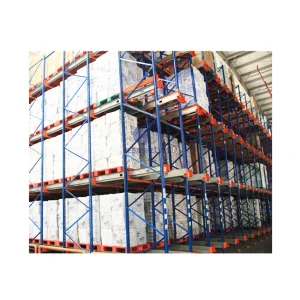
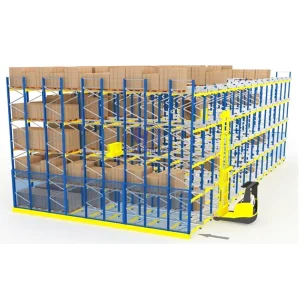
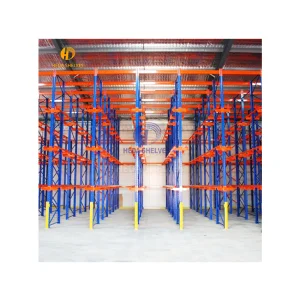
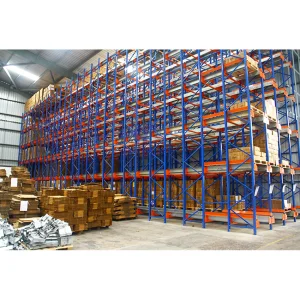
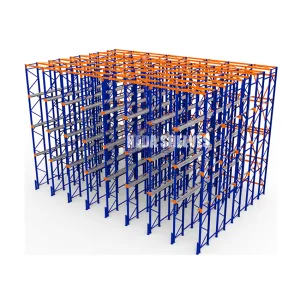
From an engineering perspective, Drive-In and Drive-Thru systems lack traditional load-supporting crossbeams. Instead, pallets sit on continuous cantilevered rails. Because forklift operators must drive directly into the racking structure, these systems demand exceptionally tight manufacturing tolerances, robust column protection, and high-tensile structural steel profiles.
All industrial storage structures built or imported into Italy must comply with the strict parameters of the **Norme Tecniche per le Costruzioni (NTC 2018)** and the European standard **UNI EN 16681**. Industrial racking is classified as a structural system, meaning manufacturers must calculate dynamic load capacities under simulated seismic events.
HEDA’s engineering department uses advanced Finite Element Analysis (FEA) software to model structural reactions. We utilize Q355B high-strength steel for uprights, coupled with extra-large base plates and heavy floor anchors, ensuring that our systems withstand the seismic activity patterns common to Italian geography.
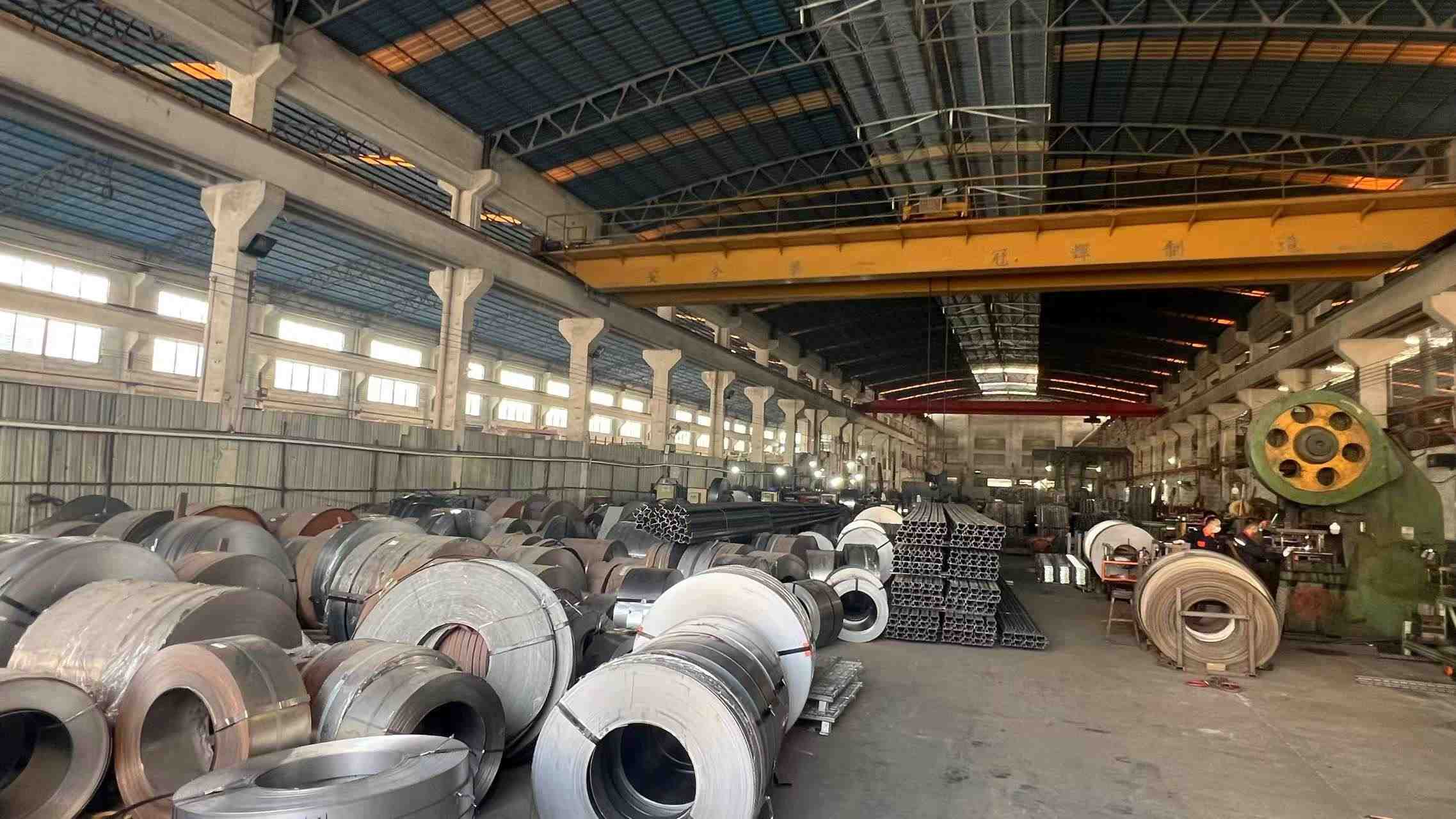
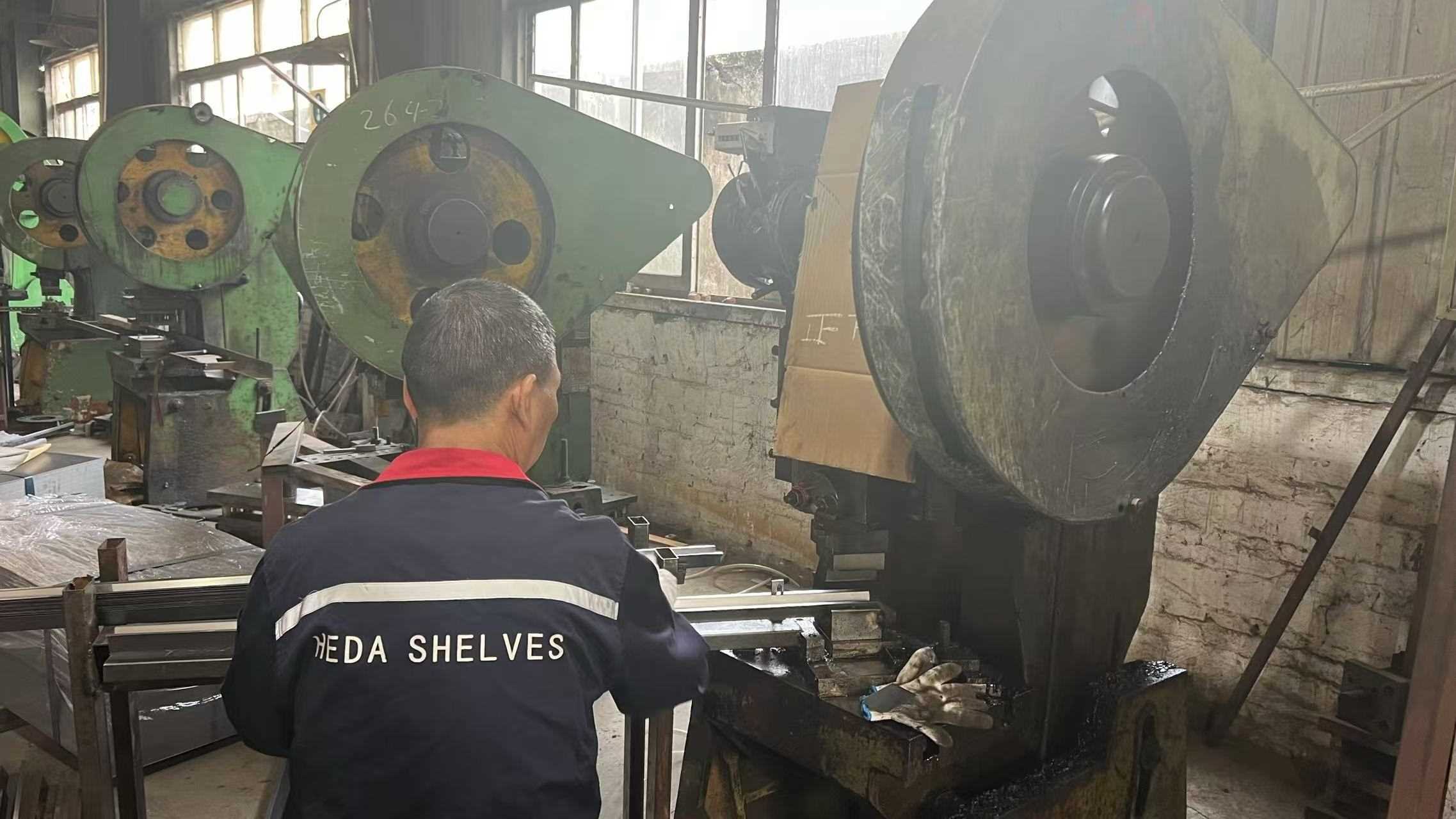
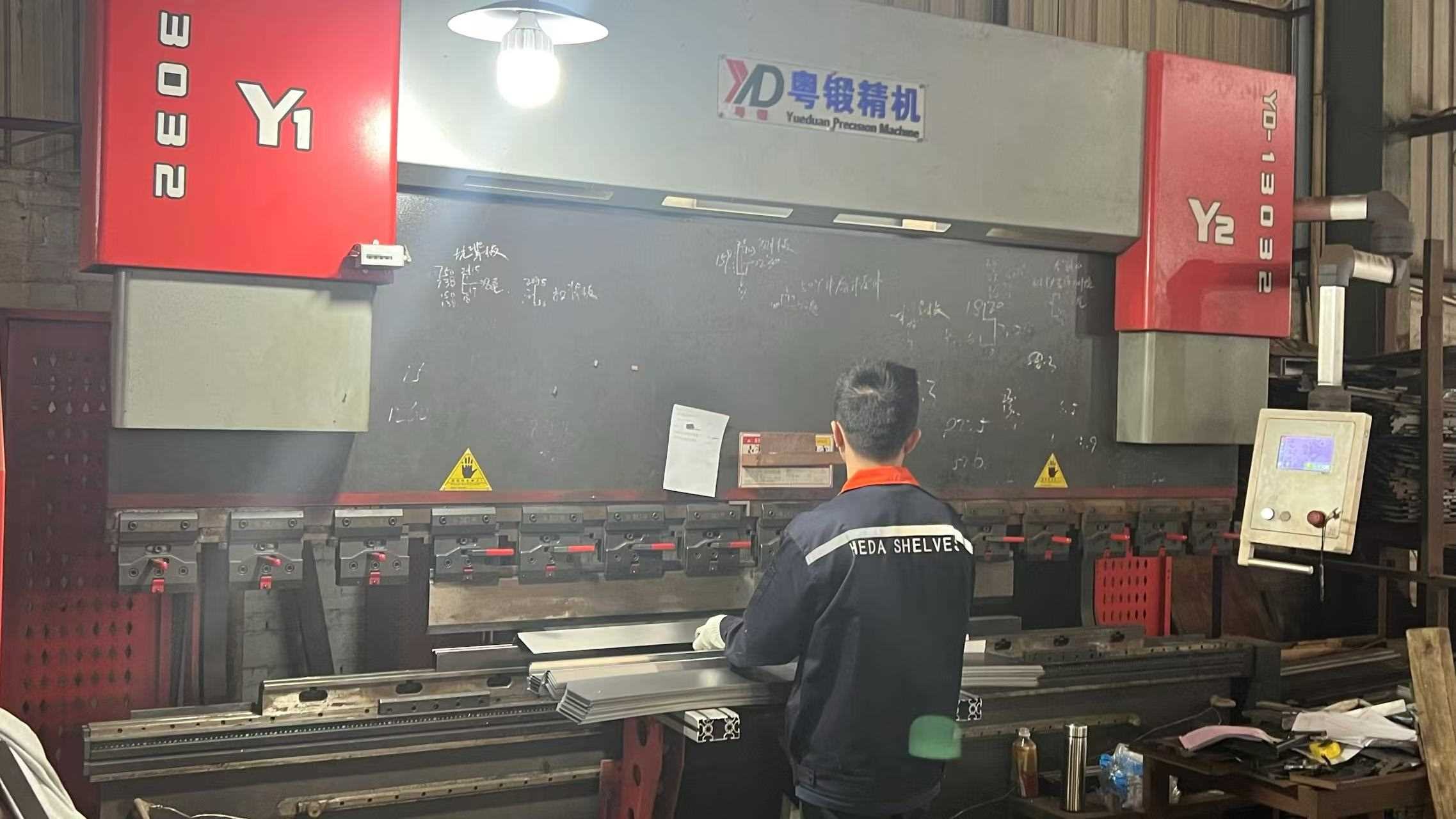
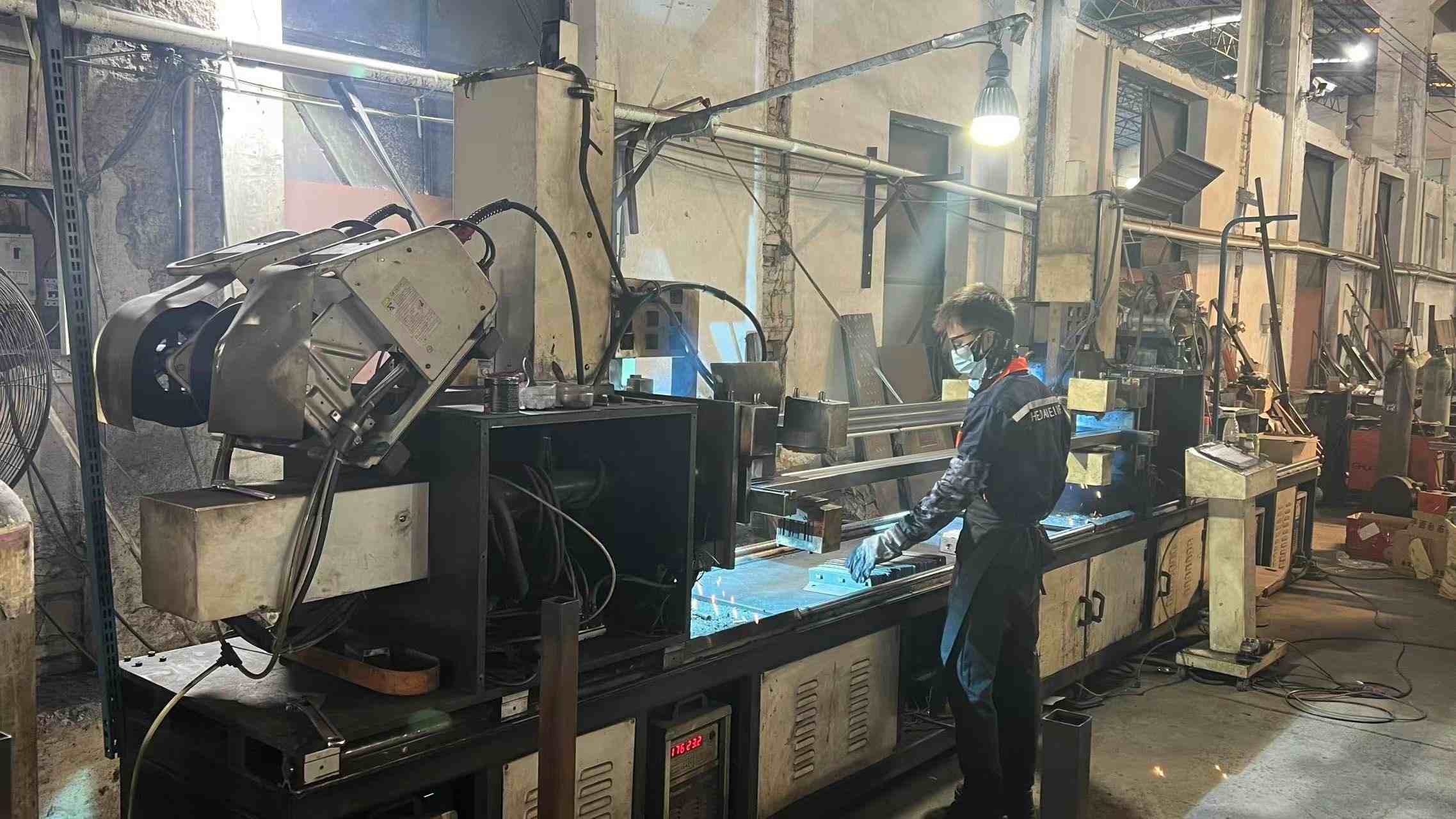
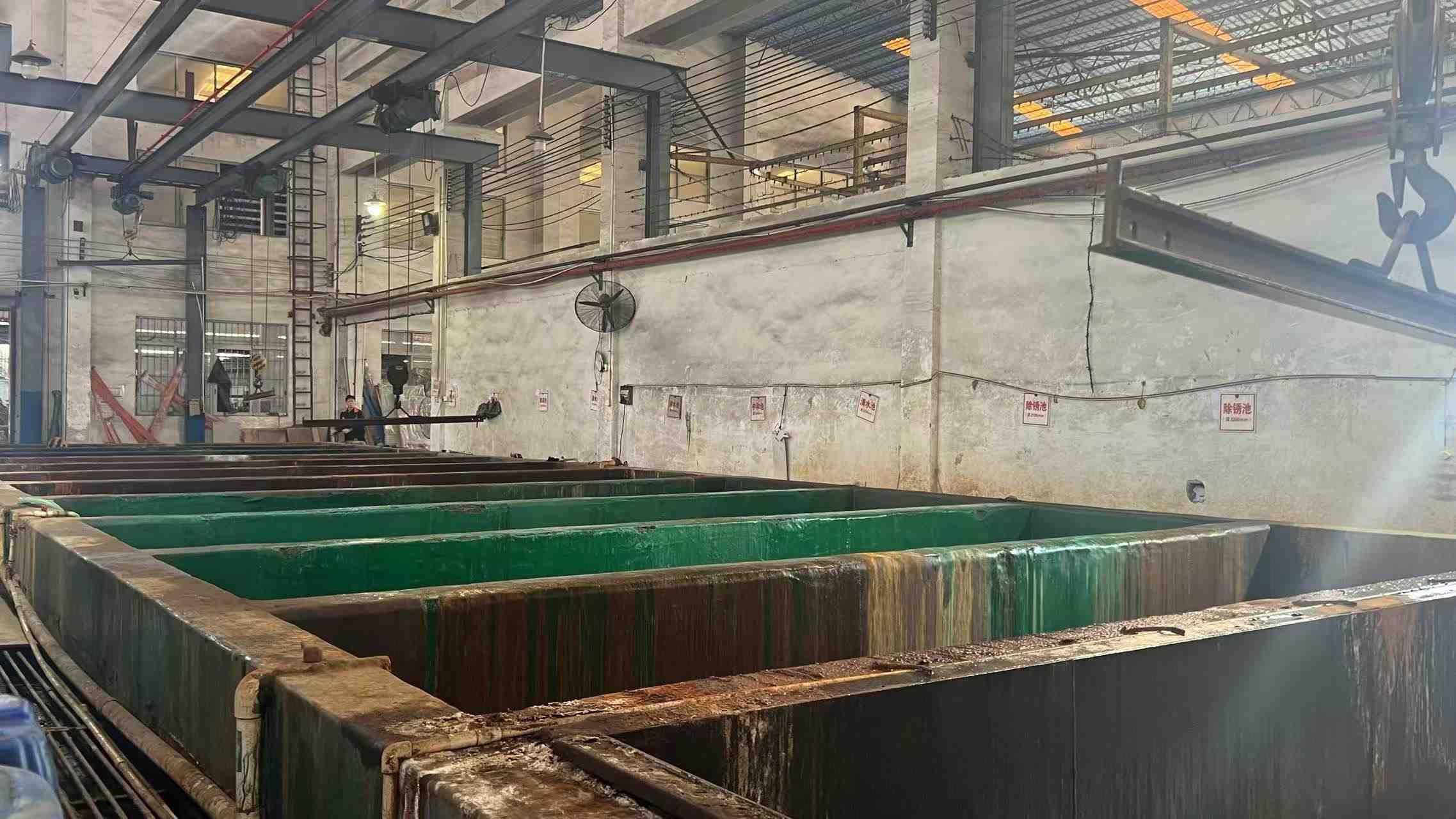
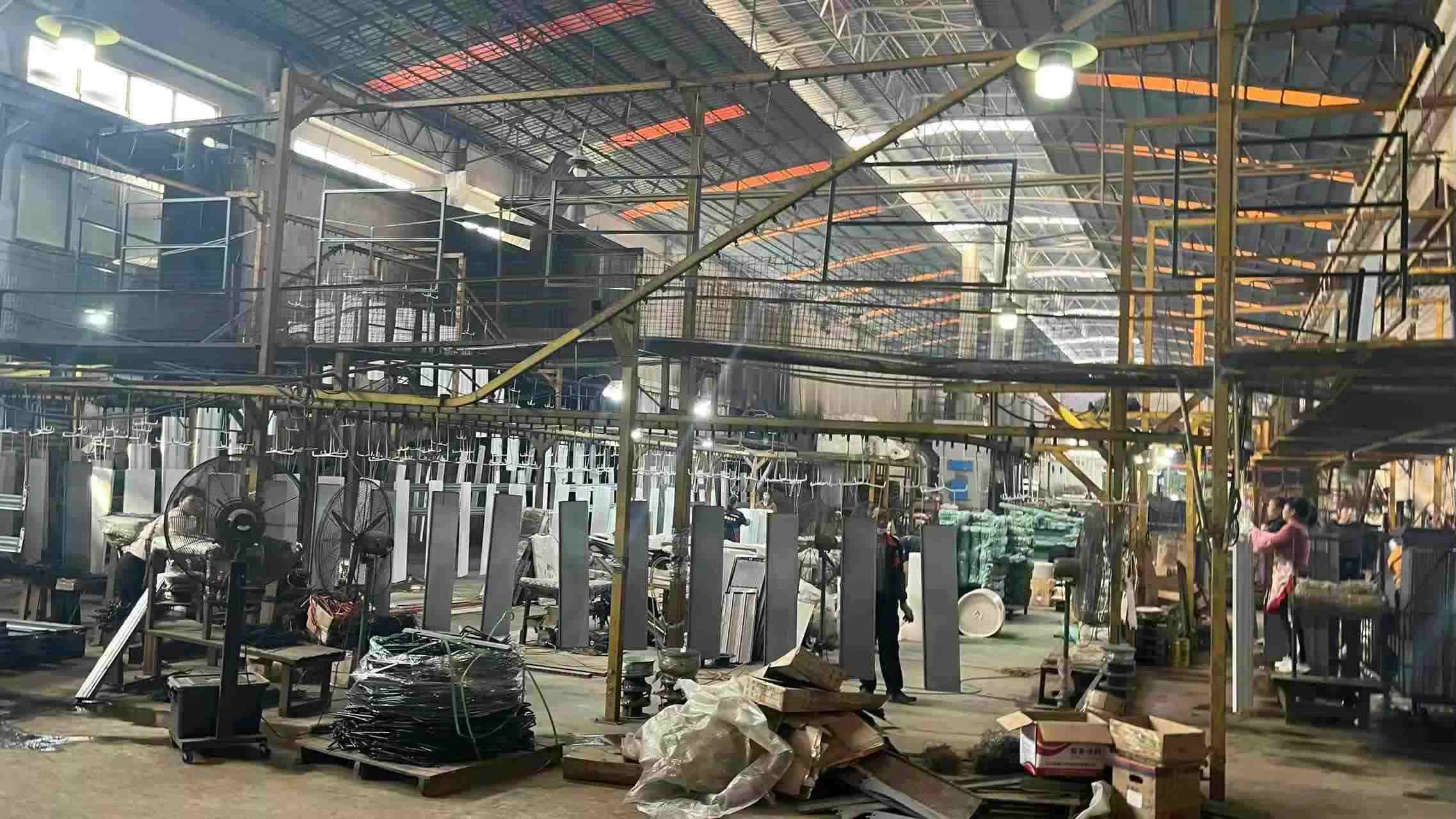
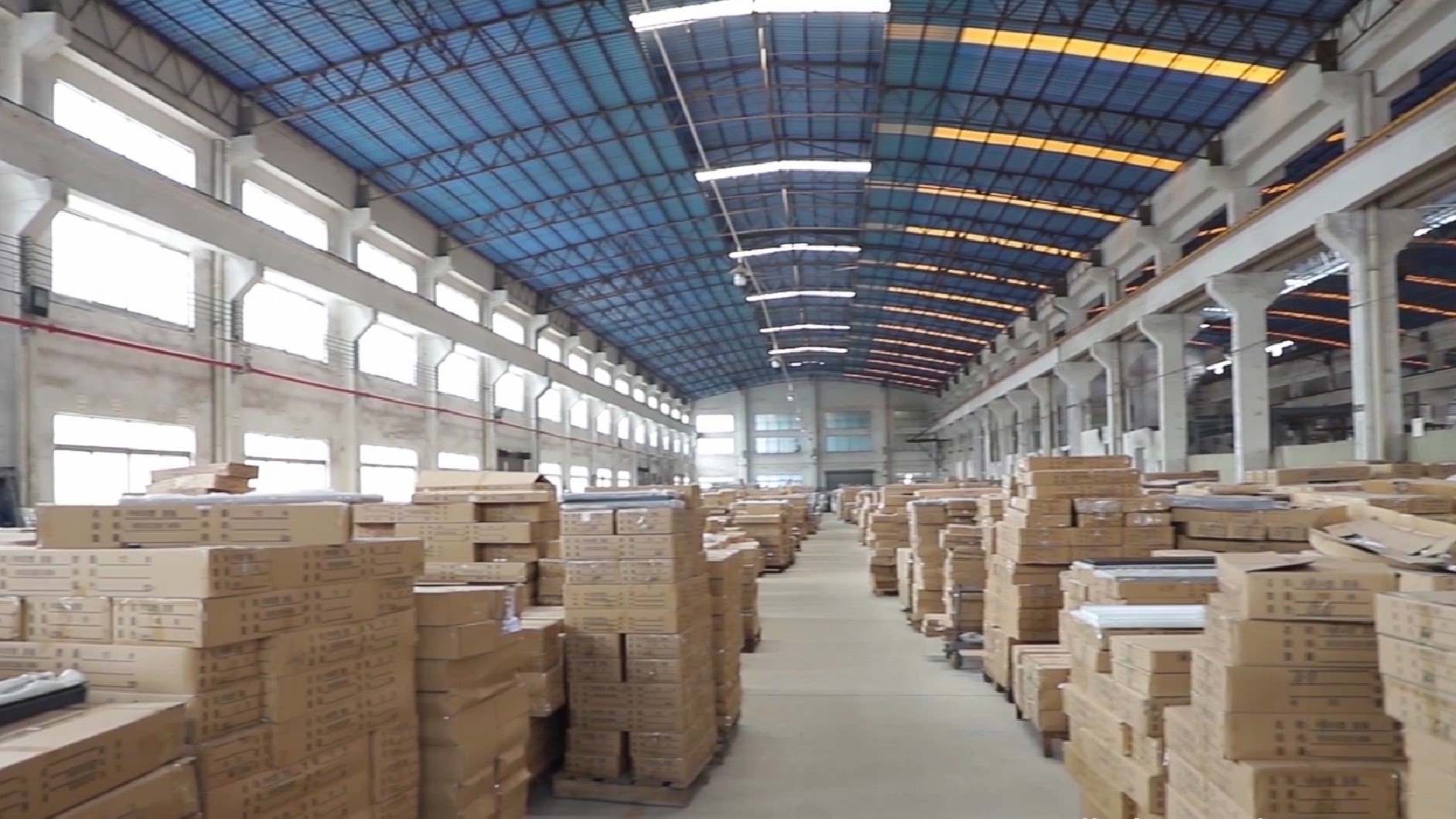
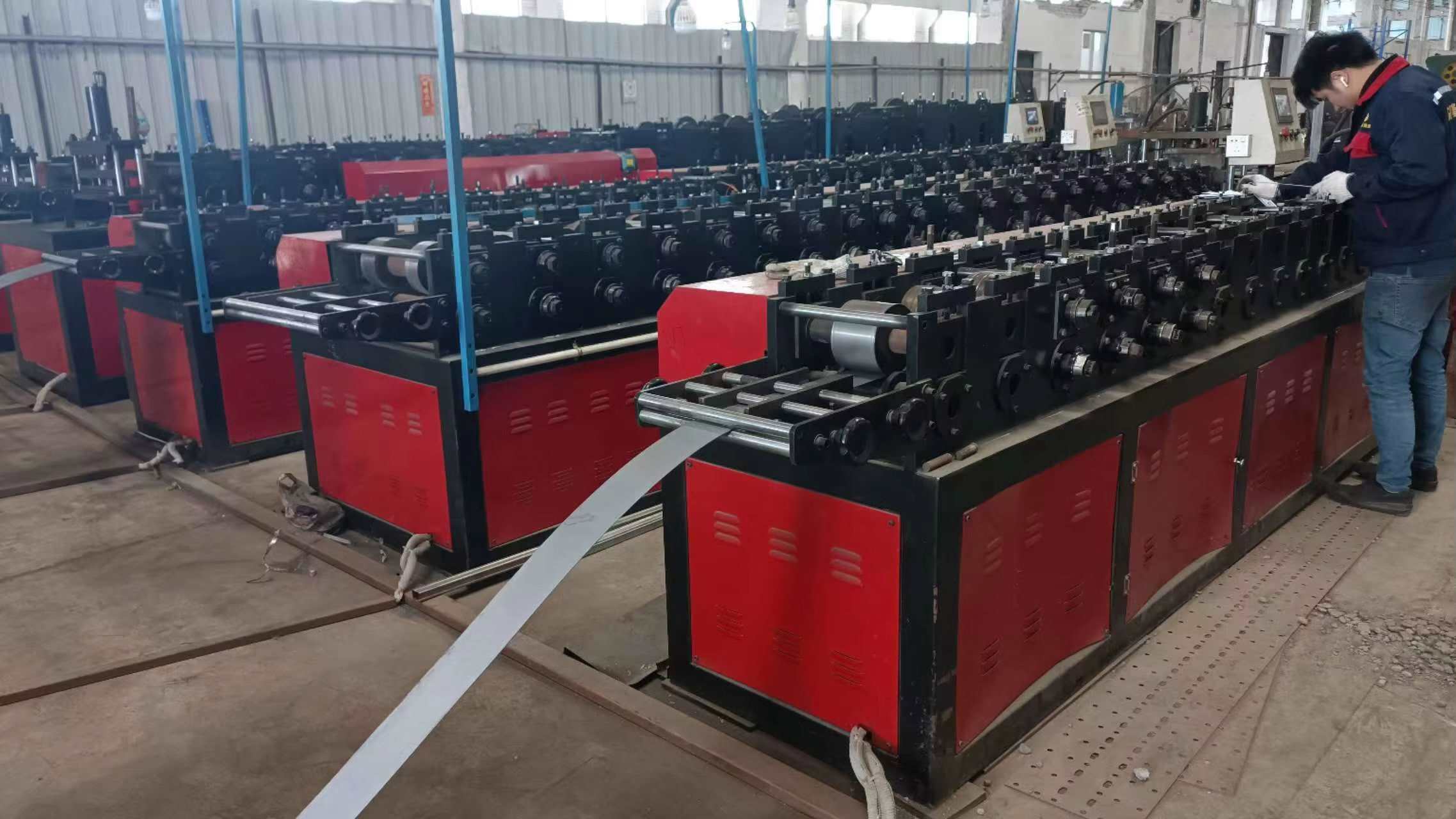
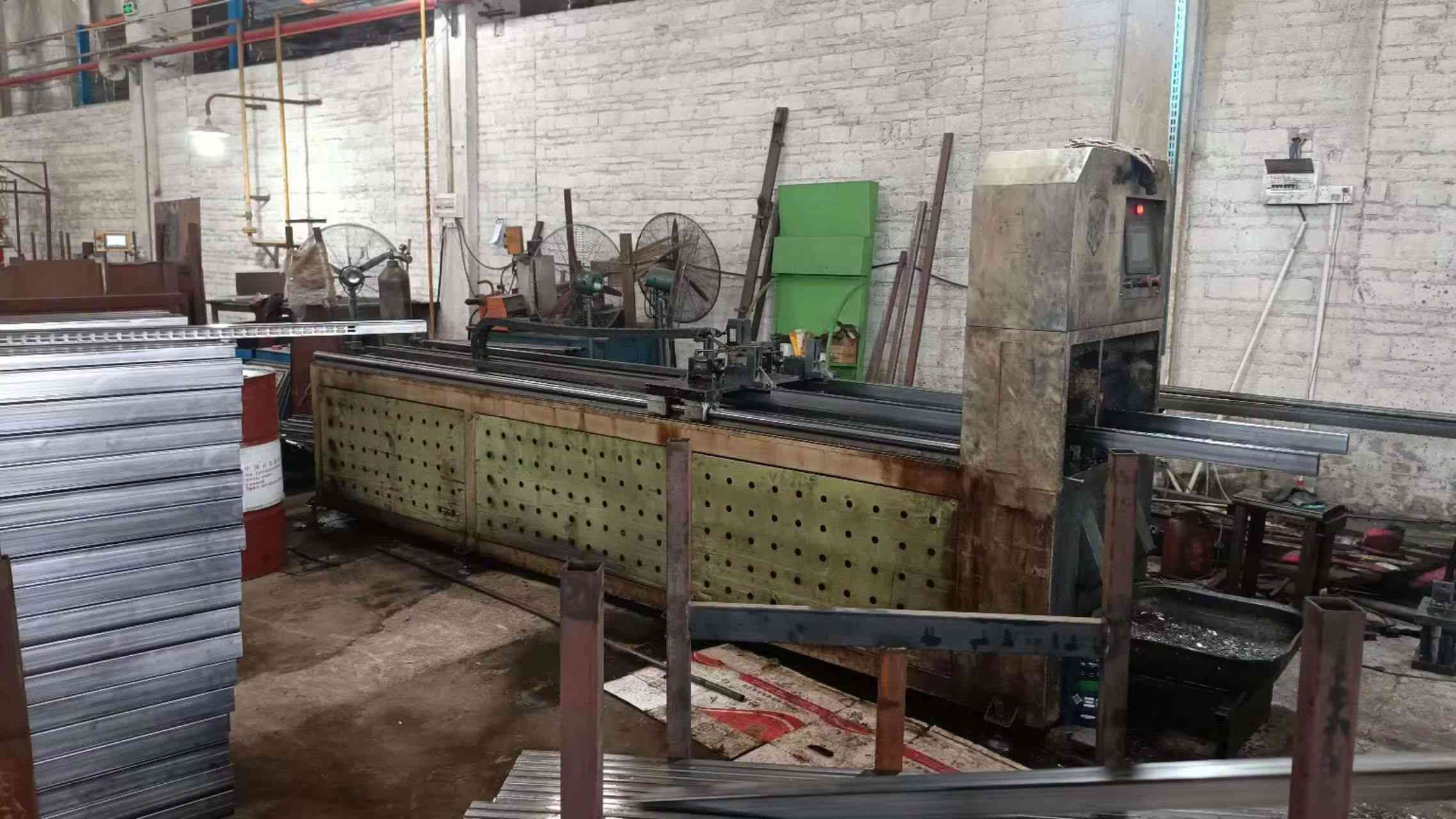
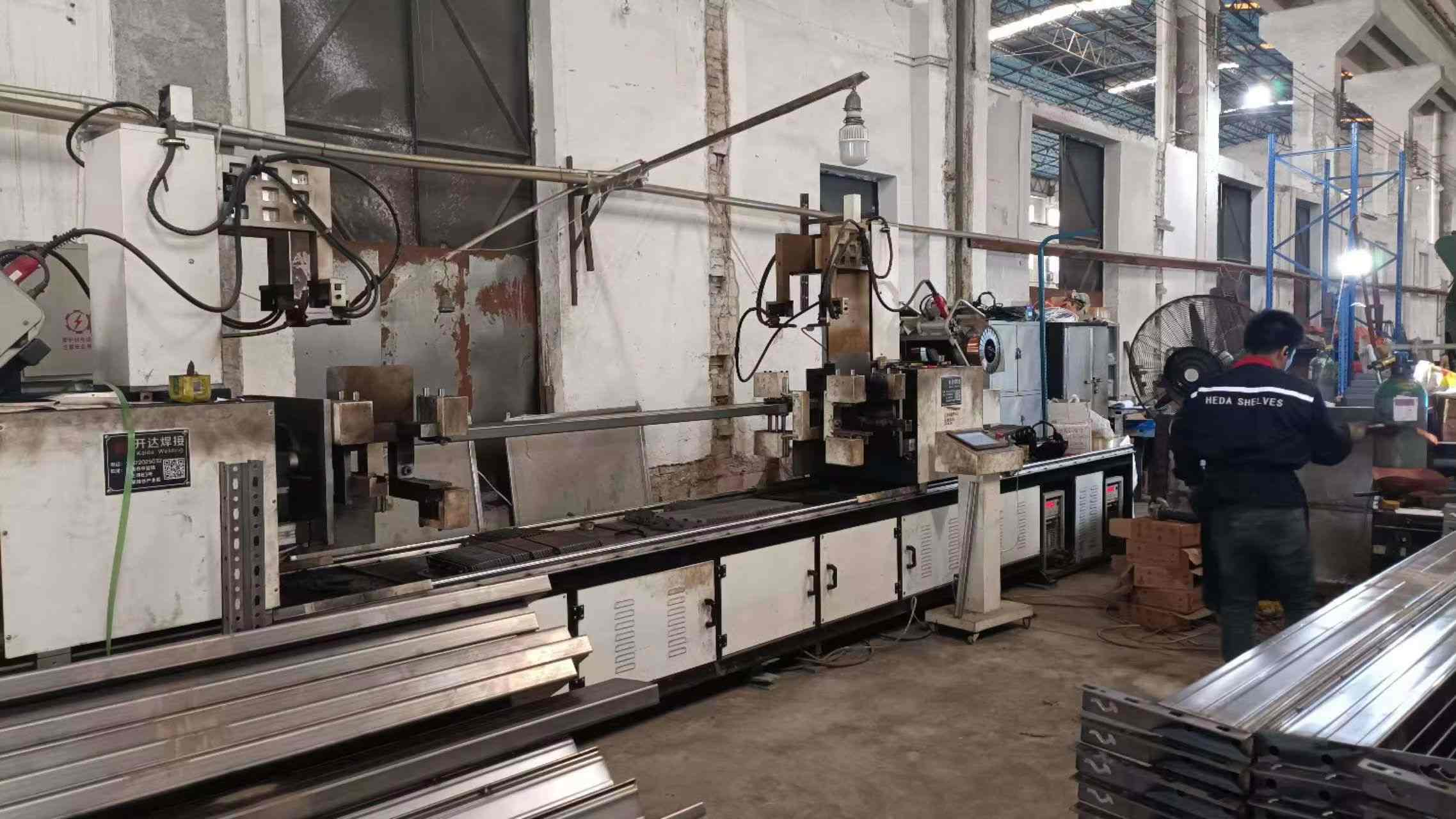
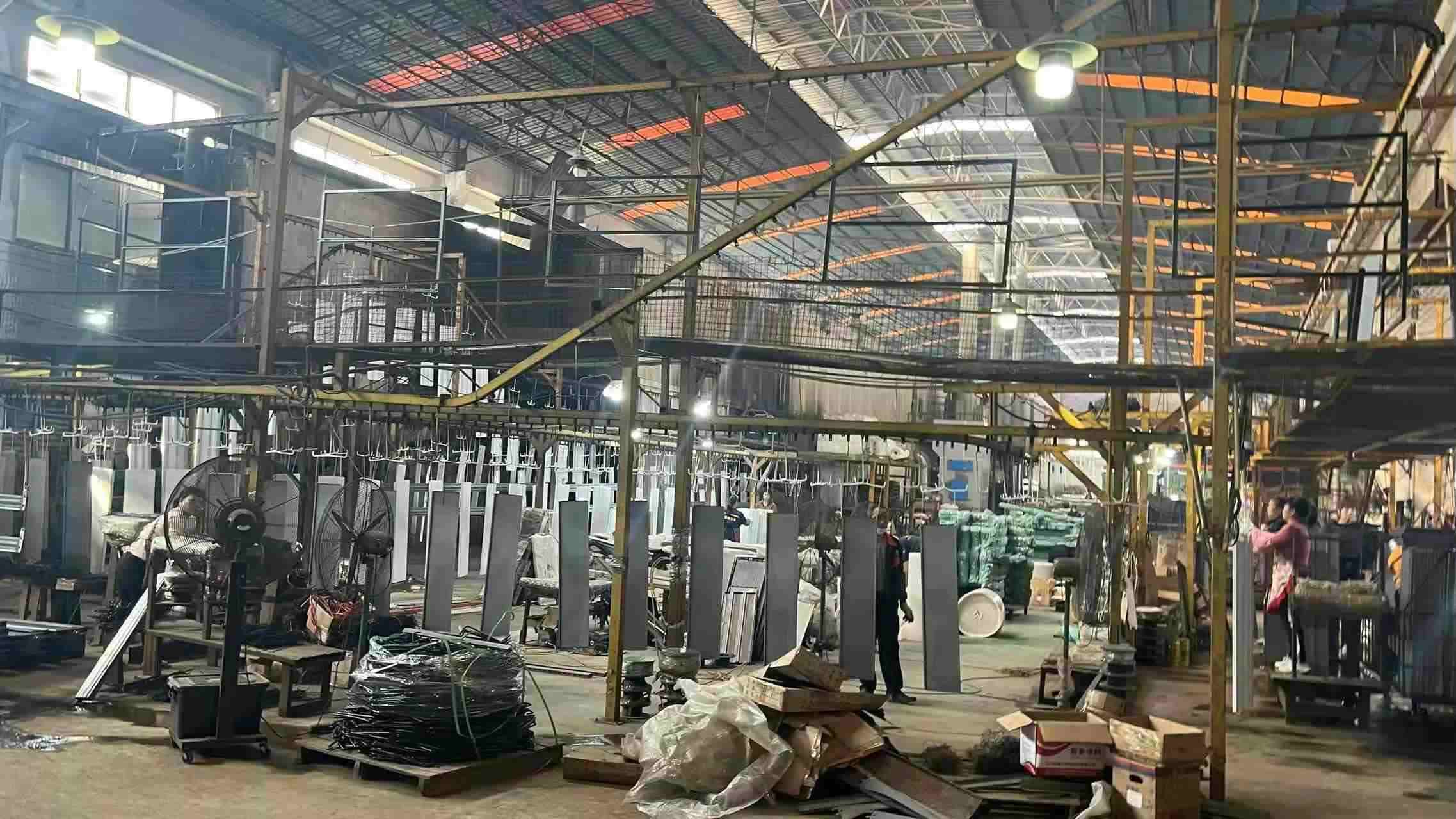
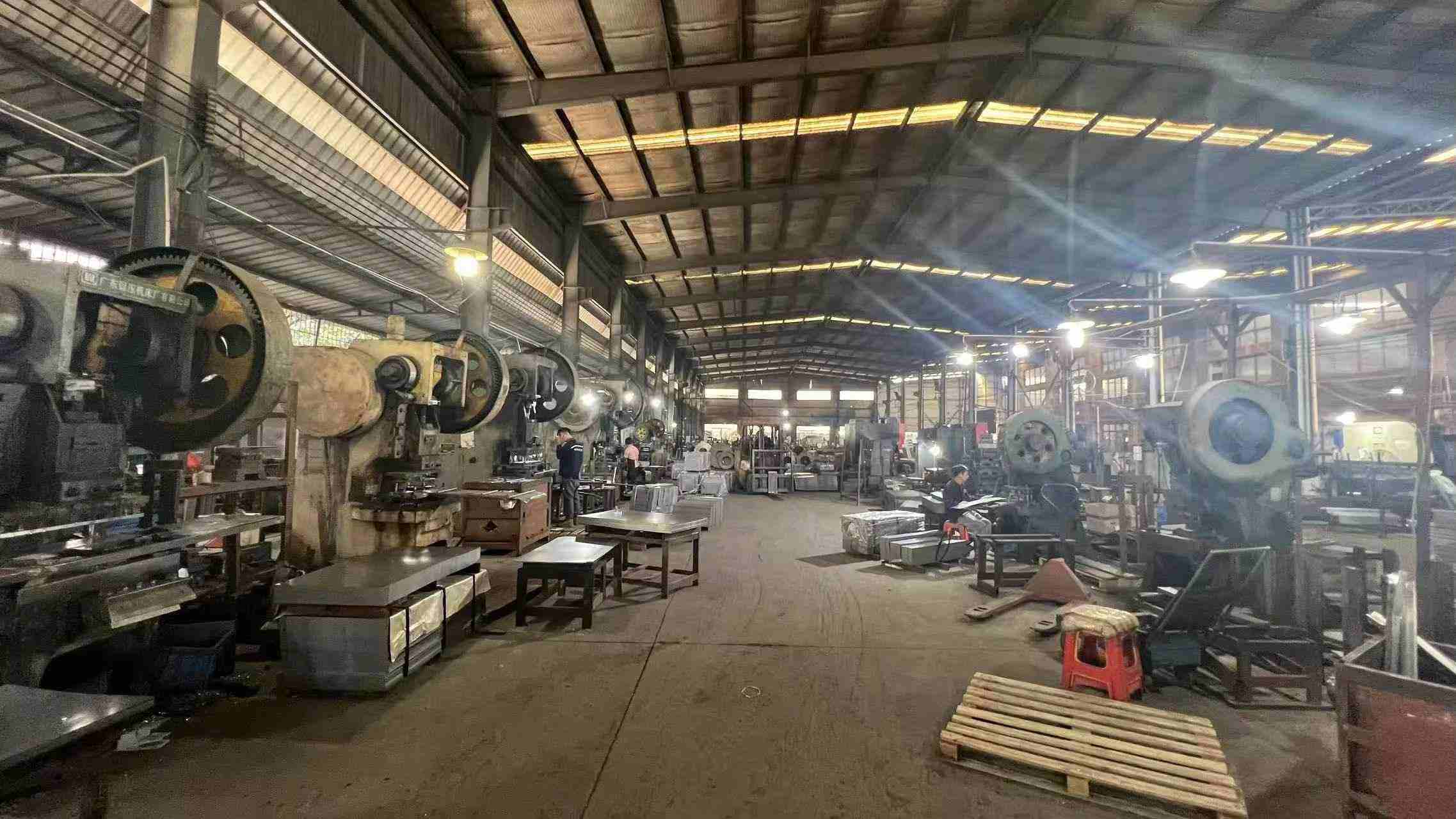
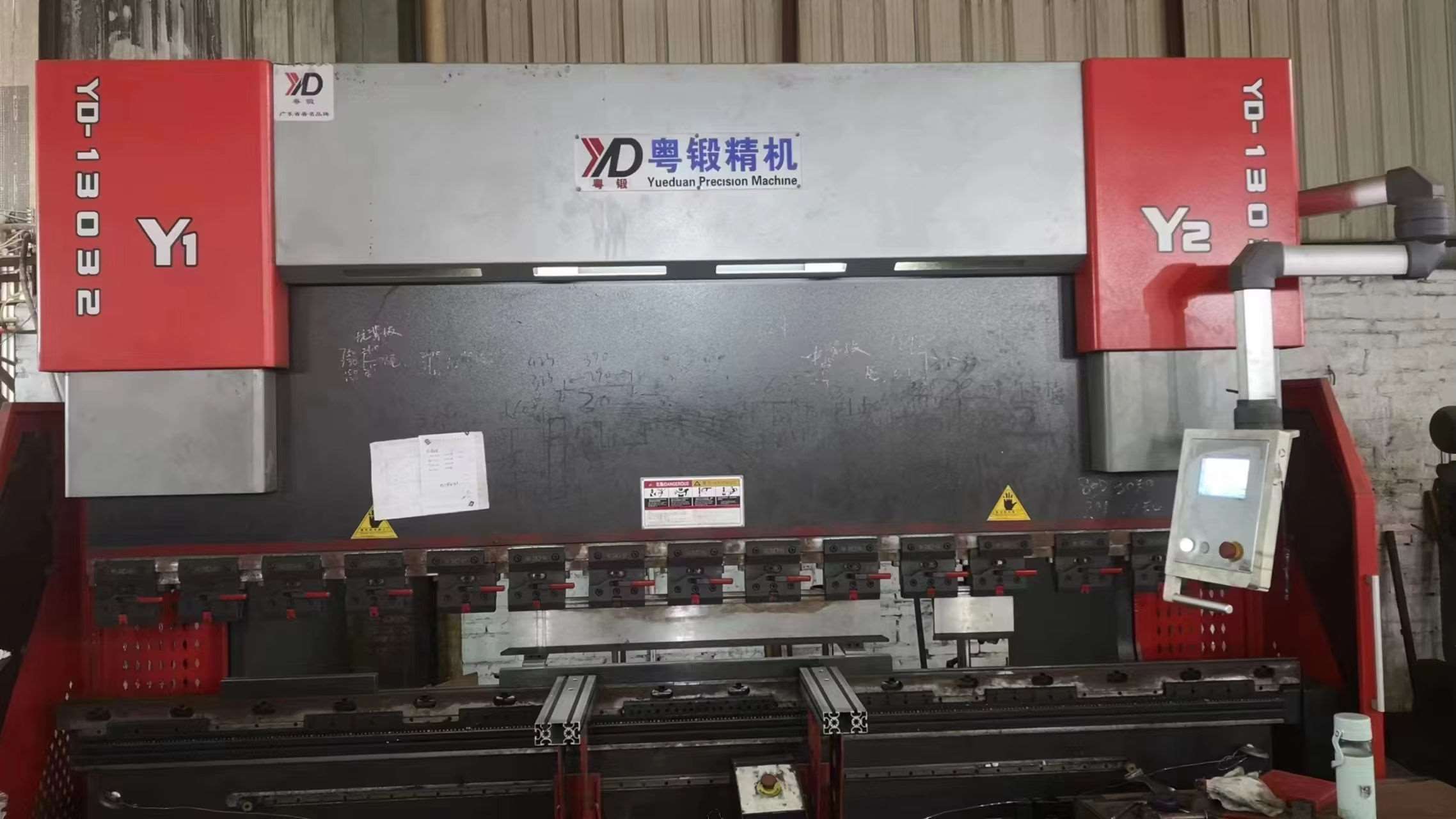
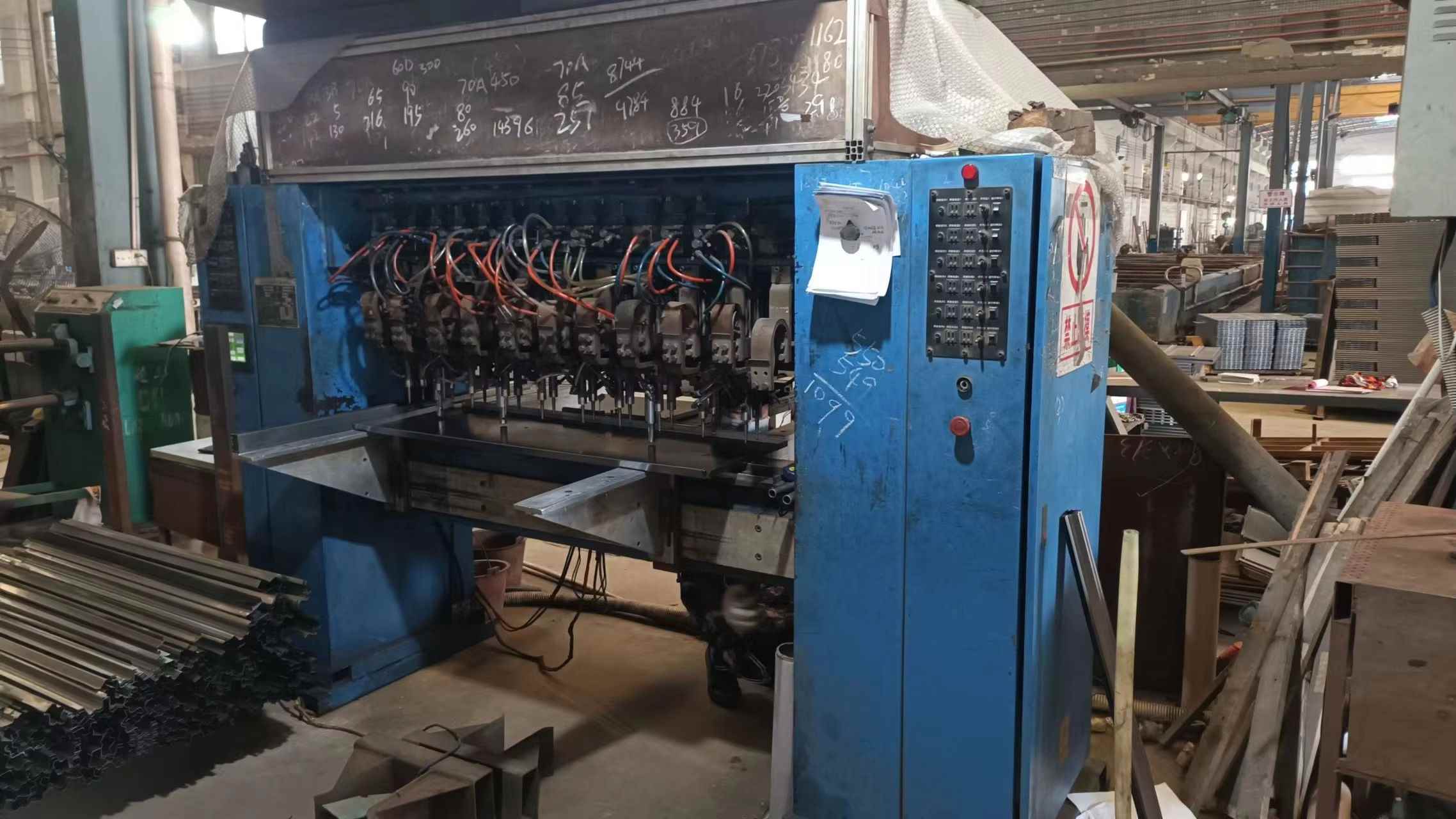
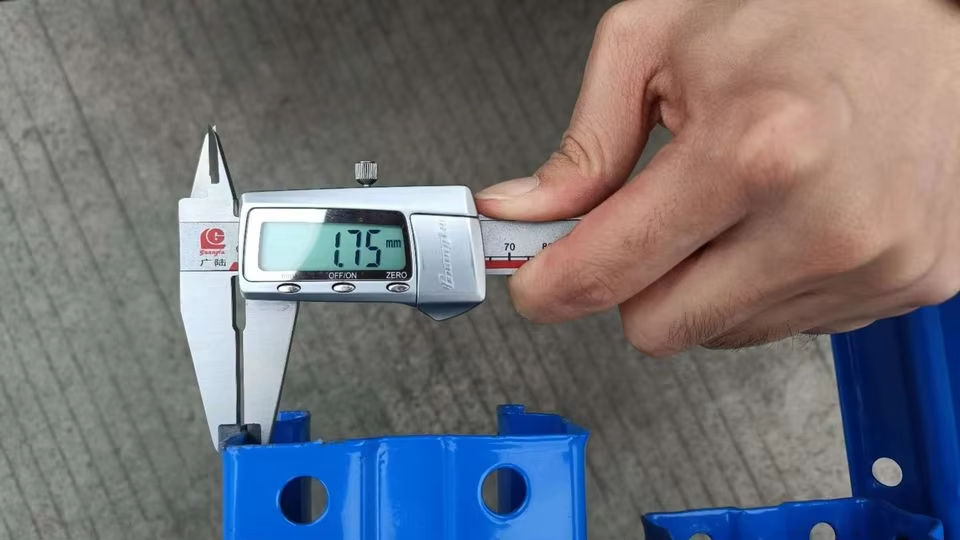
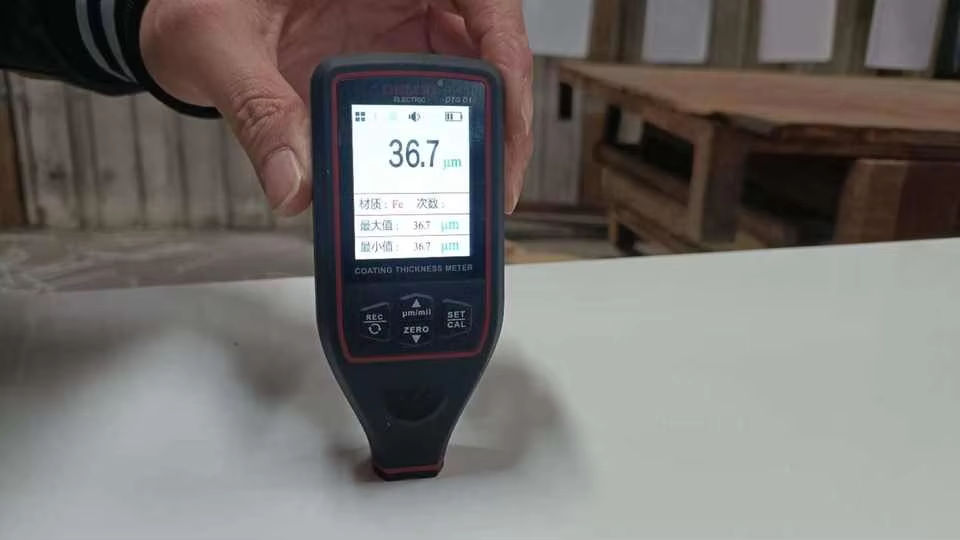
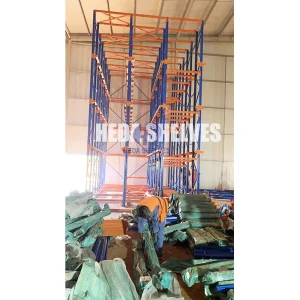
A step-by-step visual of our advanced machinery and quality validation process.
Established in 2014, Shenzhen Heda Warehouse Equipment Co., Ltd. has developed into a premier global designer and manufacturer of heavy-duty industrial storage systems. Operating out of our modern 35,000 m² manufacturing plant, we run fully automated rolling, punching, and powder-coating lines that guarantee millimeter precision. To ensure our Italian and European customers receive products that exceed CE and UNI EN standards, our 45-inspector QC department monitors every stage of the production cycle.
How HEDA Racking systems adapt to the smart logistics era.
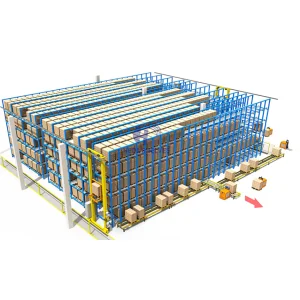
As Italian logistics centers transition to Industry 4.0 standards, traditional Drive-In systems are evolving. The integration of Autonomous Guided Vehicles (AGVs) and Automated Guided Forklifts (AGFs) requires racking systems to support high structural accuracy. Standard human-driven forklifts can handle minor spacing irregularities, but robotic laser guidance systems demand clearance tolerances within a few millimeters.
To support this transition, HEDA has upgraded its engineering parameters:
1. Adaptive Guide Rails: Integrated heavy-duty guide rails with flared entry funnels reduce the chance of automated machinery colliding with uprights.
2. Structural Rigidity: Dynamic top and back bracing configurations reduce structural sway during high-speed automated loading cycles.
3. Advanced Finish Protection: Our double-stage electrostatic powder coating is scratch-resistant, minimizing micro-debris in automated facilities that can trigger laser navigation sensor errors.
Contact our engineering sales team to request a structural CAD drawing layout tailored to your specific warehouse footprint and regional seismic criteria.
Get a Customized Quote NowTechnical answers to critical procurement and engineering queries regarding Drive-In storage.
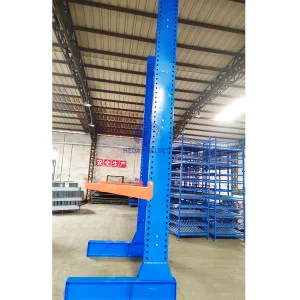
Examine our diverse catalog of high-density pallet and cantilever racking configurations.
 Hedaracking