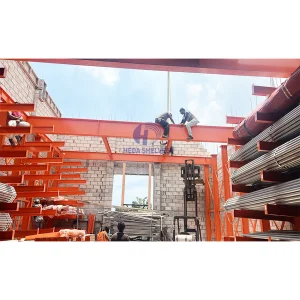
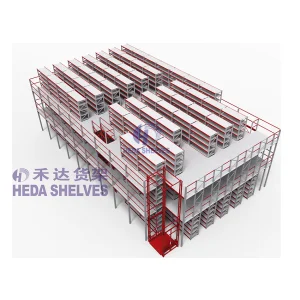
Explore our foundational structural systems designed for industrial load optimization.
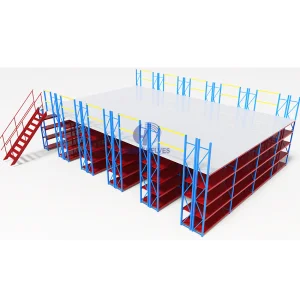
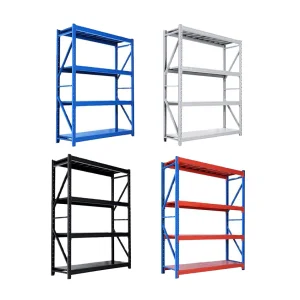
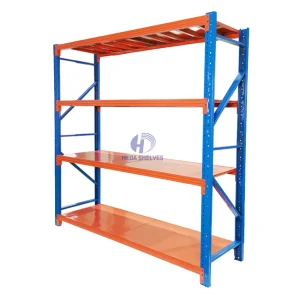
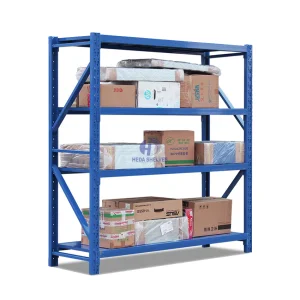
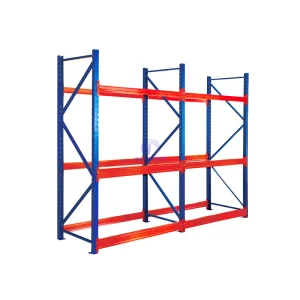
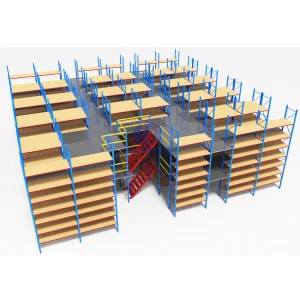
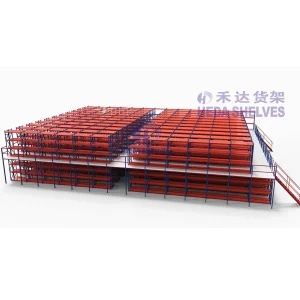
We are a premier manufacturer specializing in heavy-duty warehouse racking and industrial storage solutions. Spanning a modern manufacturing facility of 35,000 m², our enterprise integrates R&D, design, production, and international marketing to serve diverse storage needs worldwide. With 12 years of industry experience and 8 years of dedicated export expertise, we deliver high-caliber storage systems that generate over $28 million in annual export revenue.
At Heda, quality control and engineering innovation drive our core operations. Our robust QC department comprises 45 skilled inspectors utilizing rigorous testing methods, including raw material tensile testing, automated weld flaw detection, layer load-bearing stress analysis, and salt spray surface corrosion testing. Supported by a professional R&D team of 28 senior structural engineers, we maintain strong full-customization capabilities (OEM/ODM)—offering tailored rack dimensions, load capacities, surface coatings, and layout designs. Driven by continuous innovation, we launched over 120 new dynamic storage products and component upgrades last year.
Operating with a strong direct-factory and international trade background, we have built a resilient ecosystem supported by over 800 supply chain partners. Our products are exported to major global markets, including North America, Western Europe, Southeast Asia, and the Middle East. We proudly serve a diverse clientele ranging from third-party logistics (3PL) providers and large distribution centers to industrial manufacturers and wholesale equipment distributors.
A technical guide to high-density dynamic racking systems and engineering parameters.
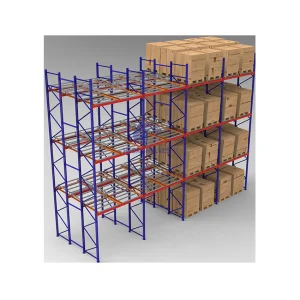
Push-back racking utilizes a series of nested, inclined steel carts rolling on heavy-duty tracks. When a pallet is loaded from the front, it pushes the existing pallet back, nested on the cart below, exposing the next cart for loading. This design supports Last-In, First-Out (LIFO) material flow, eliminating the need for forklifts to enter the racking structure, reducing lane cycle times and maximizing overall system safety.
Engineered at a precise inclination grade (usually between 3% to 4%), push-back racking balances gravitational feed with controlled speed. Each cart contains flanged steel wheels designed to resist lateral movement, maintaining straight tracking. The grade ensures that the rear pallets glide smoothly to the picking face when the front pallet is retrieved, preventing hang-ups while controlling kinetic energy.
Using premium Q235B or Q355B structural steel, our rack designs are engineered to support 2 to 6 pallets deep, with weight capacities up to 1,500kg per position. Custom upright columns and beam configurations are structurally calculated for local seismic hazard ratings, conforming to standard international storage rules such as RMI (Rack Manufacturers Institute) and FEM guidelines.
Push-back storage is widely deployed in sectors requiring high density but medium selectivity. Typical deployments include cold storage facilities (where maintaining thermal efficiency is paramount), food and beverage distribution warehouses (with high inventory rotation of identical SKUs), and large-scale pharmaceutical warehouses. For Third-Party Logistics (3PL) organizations, push-back racking reduces the space lost to forklift drive aisles while preserving excellent operational throughput.
Step-by-step visual map of our production process, equipment, and structural quality control.
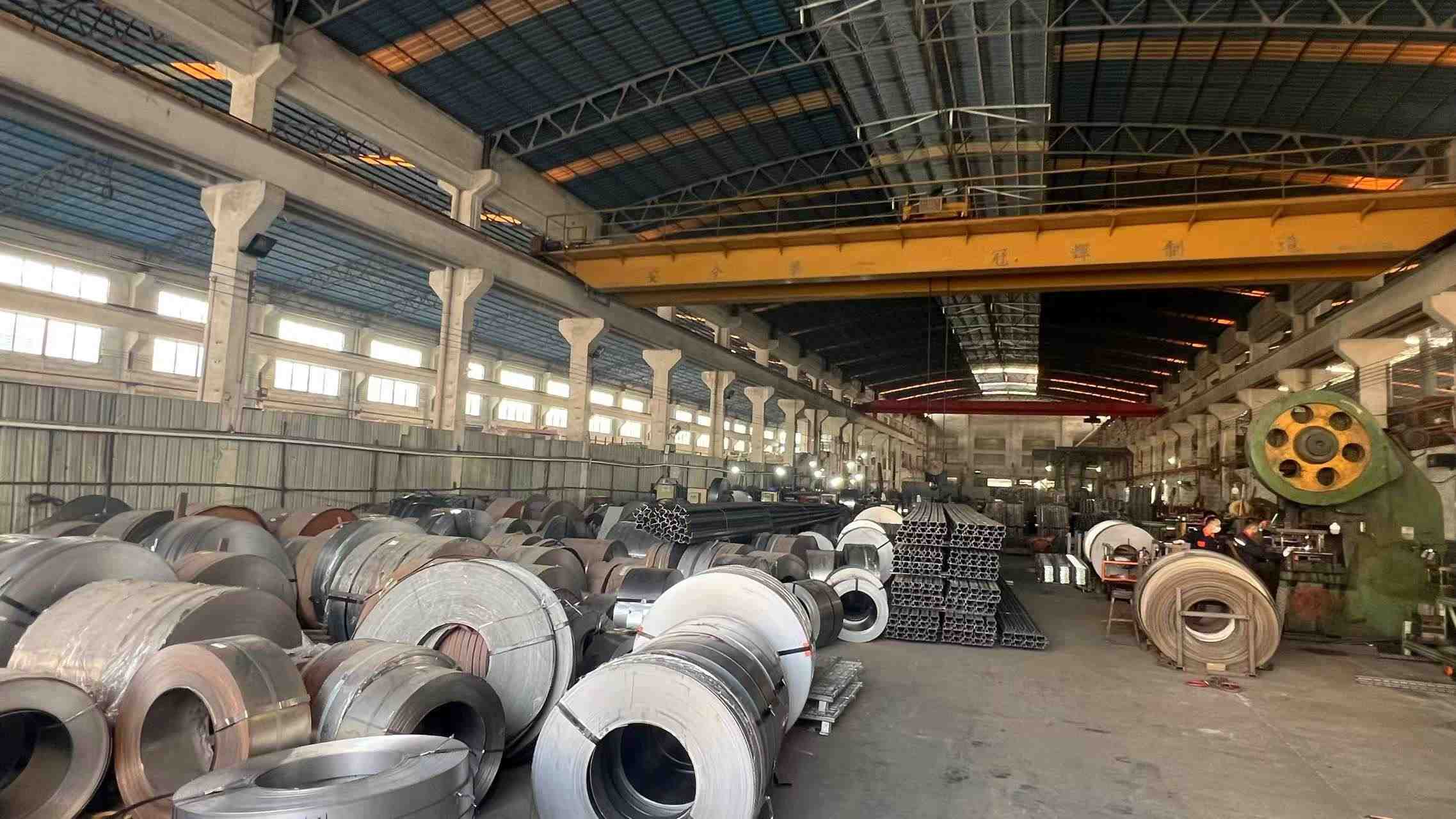
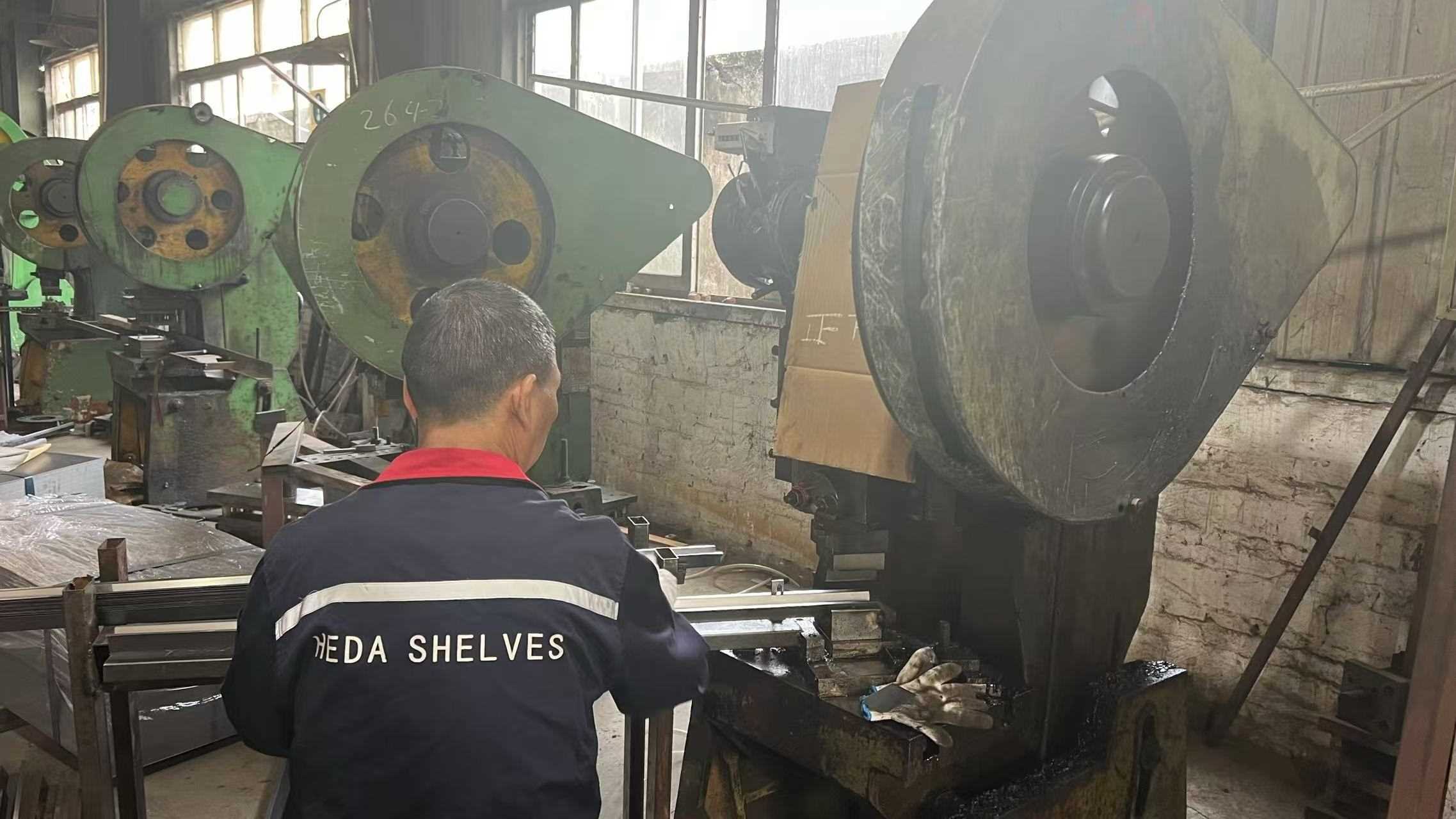
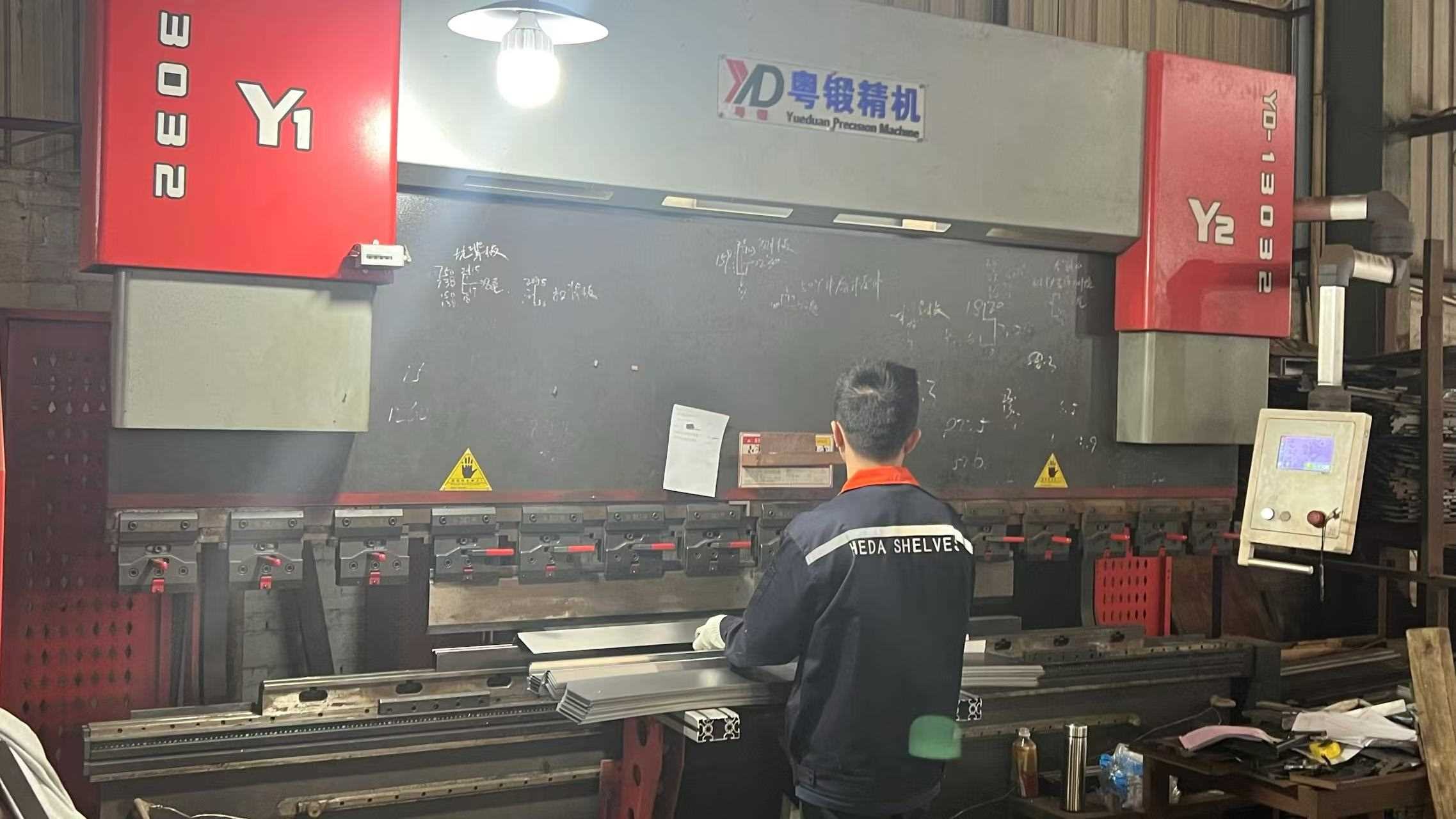
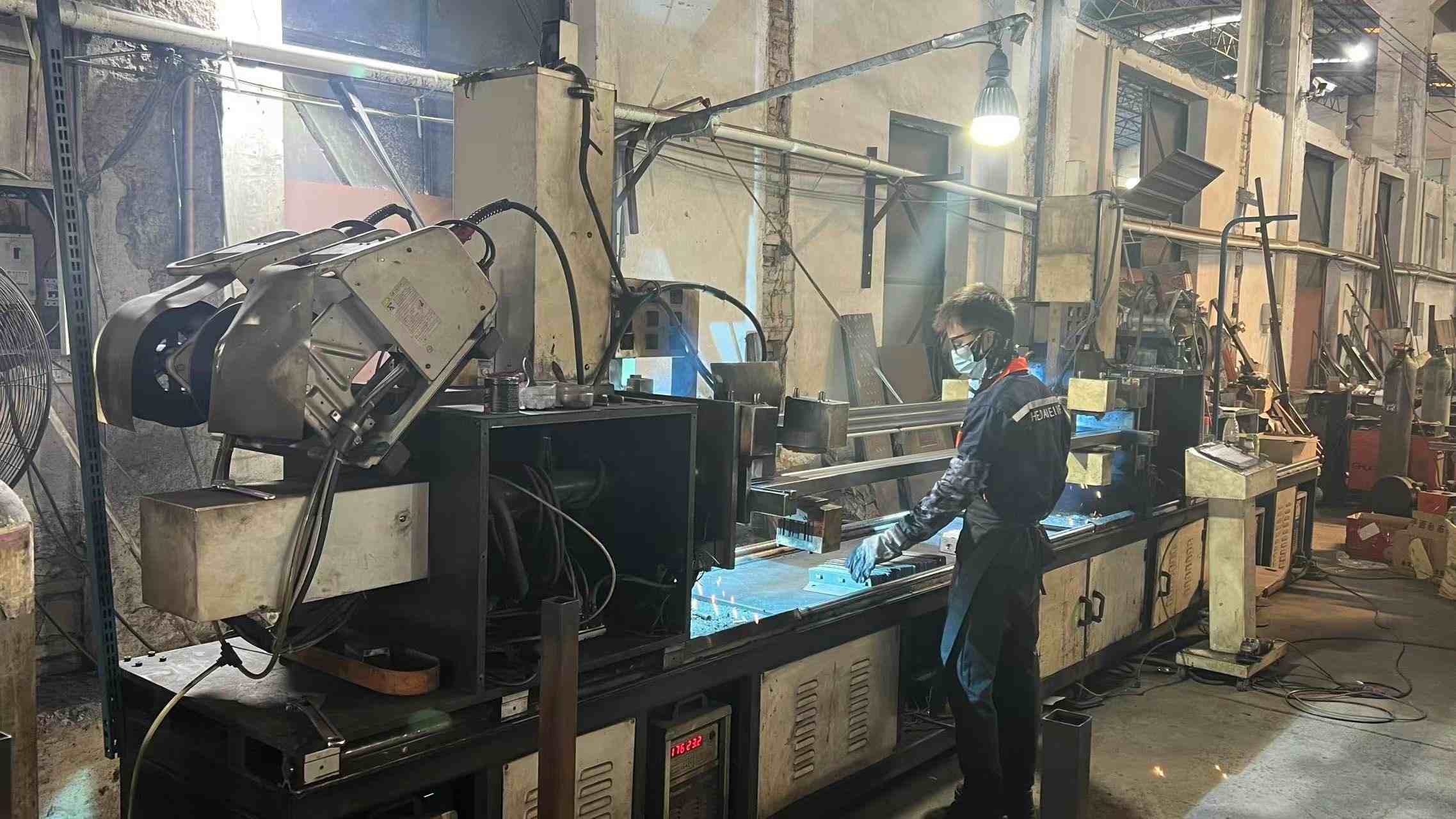
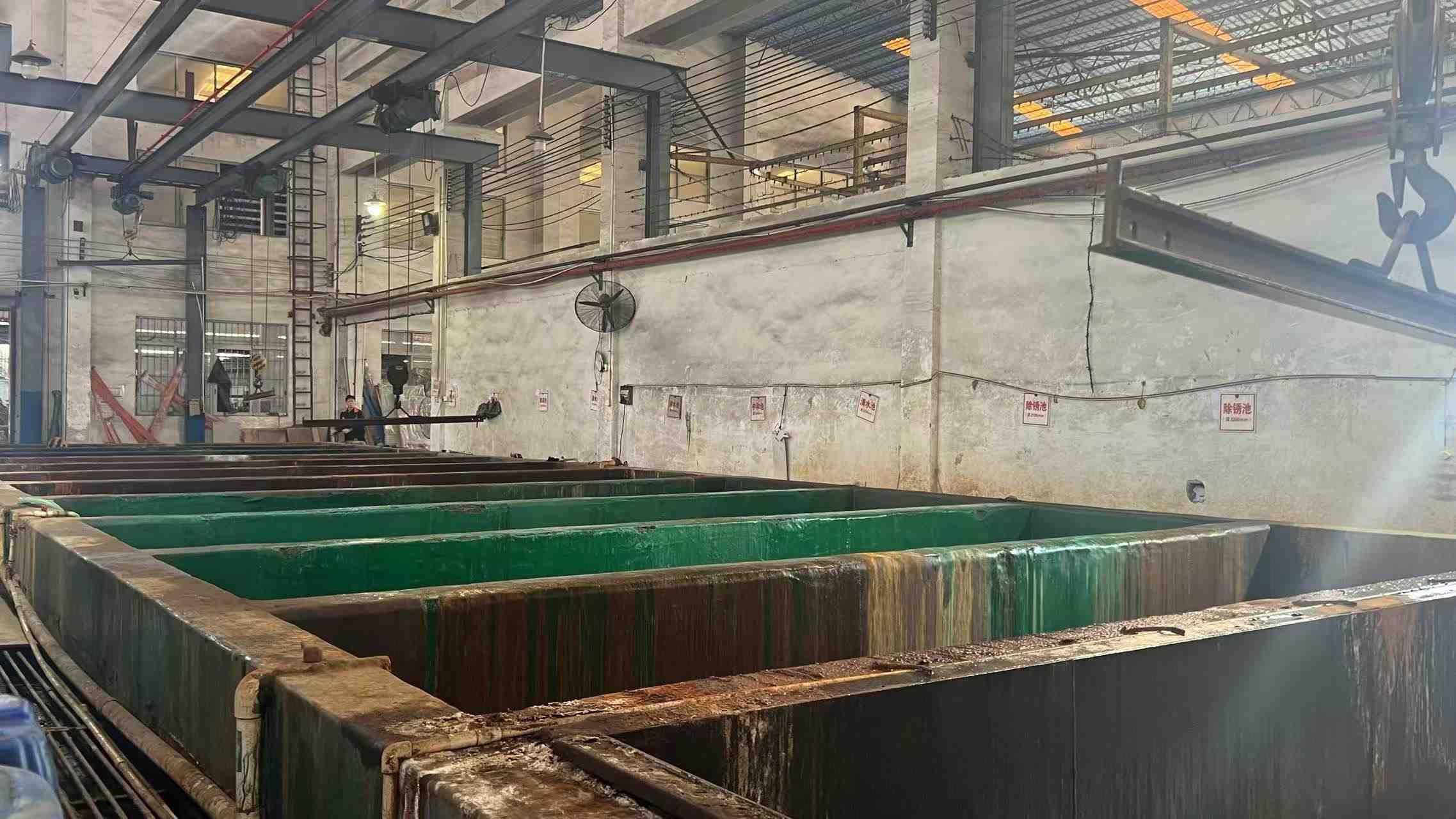
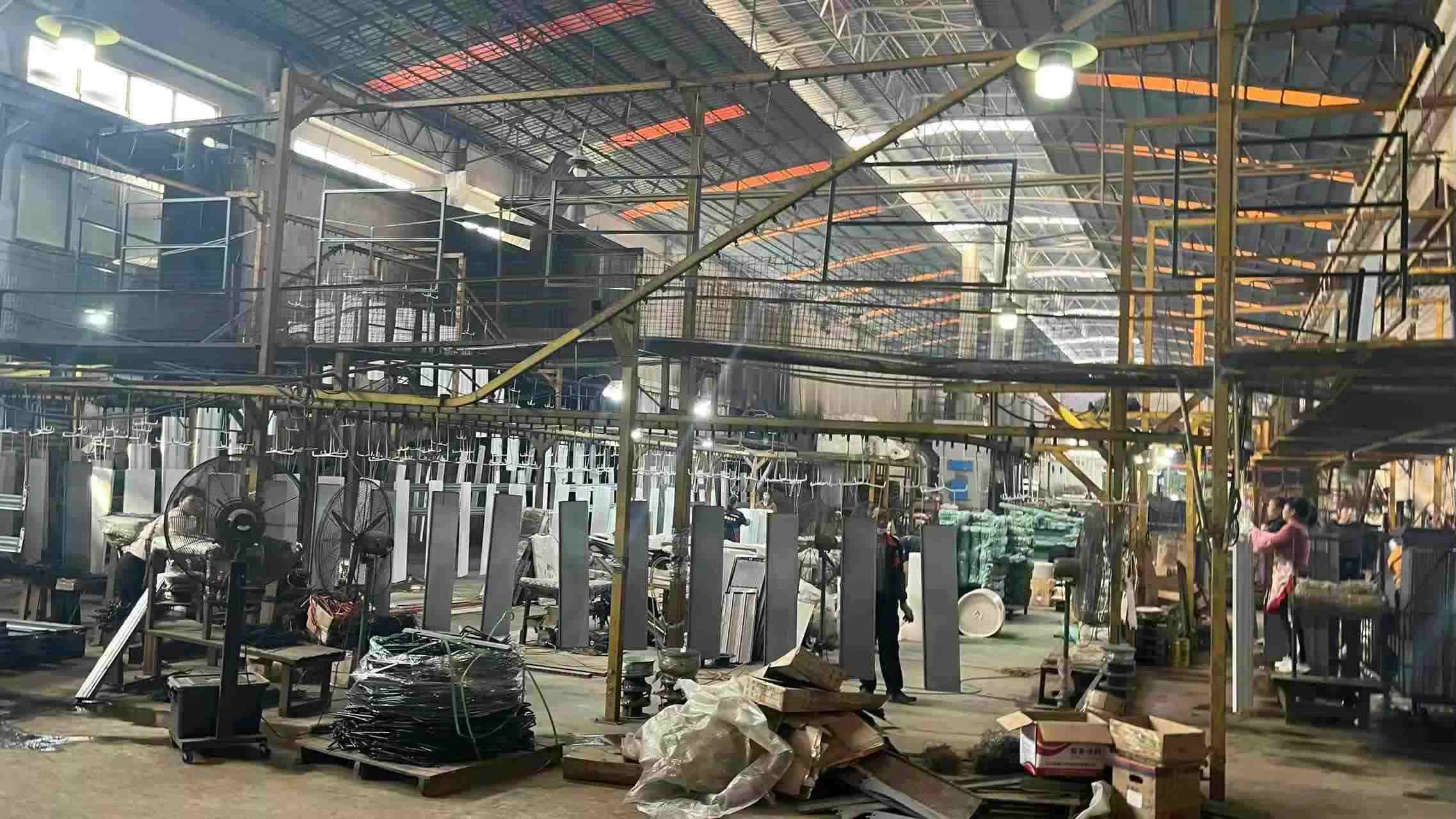
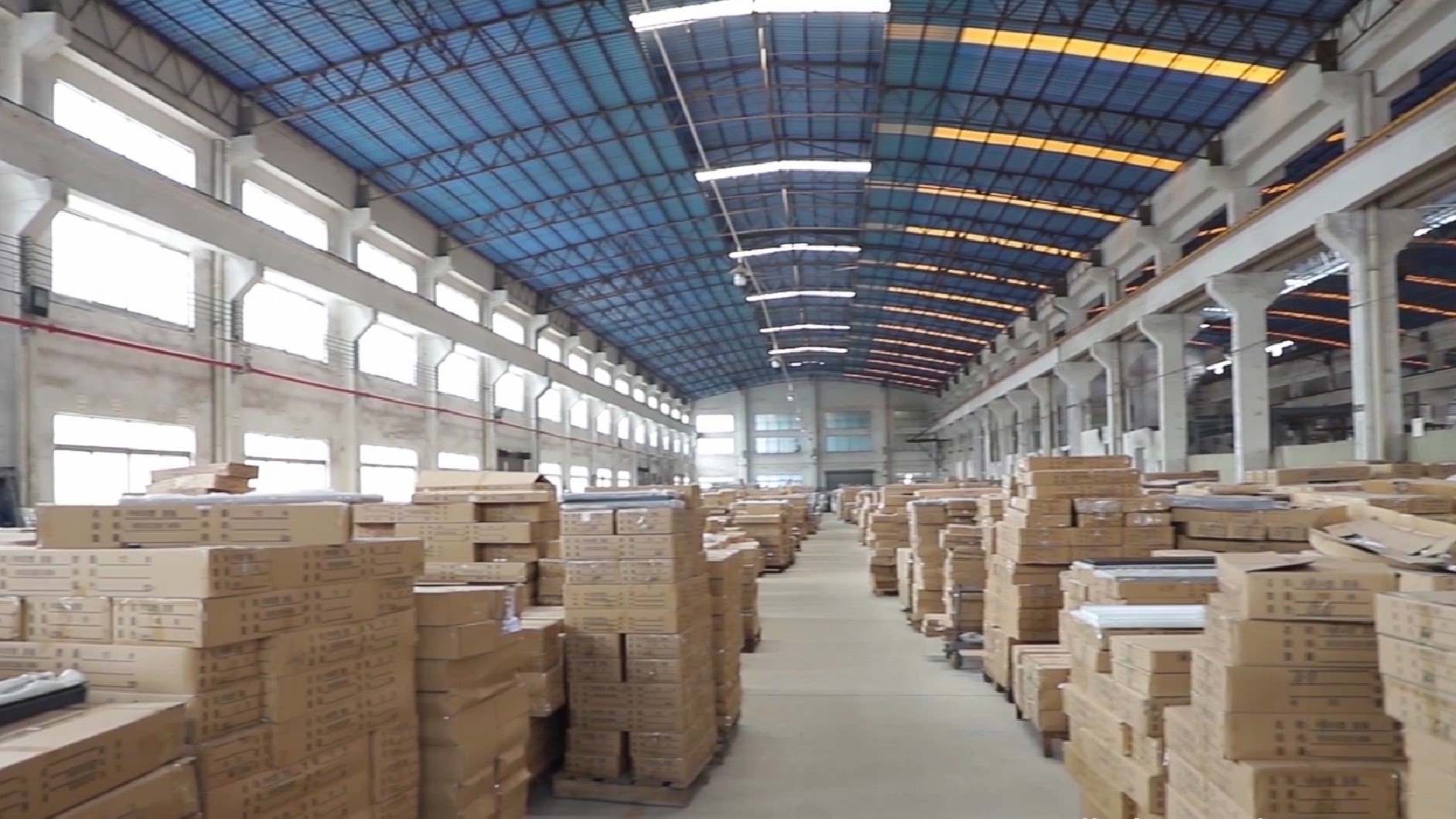
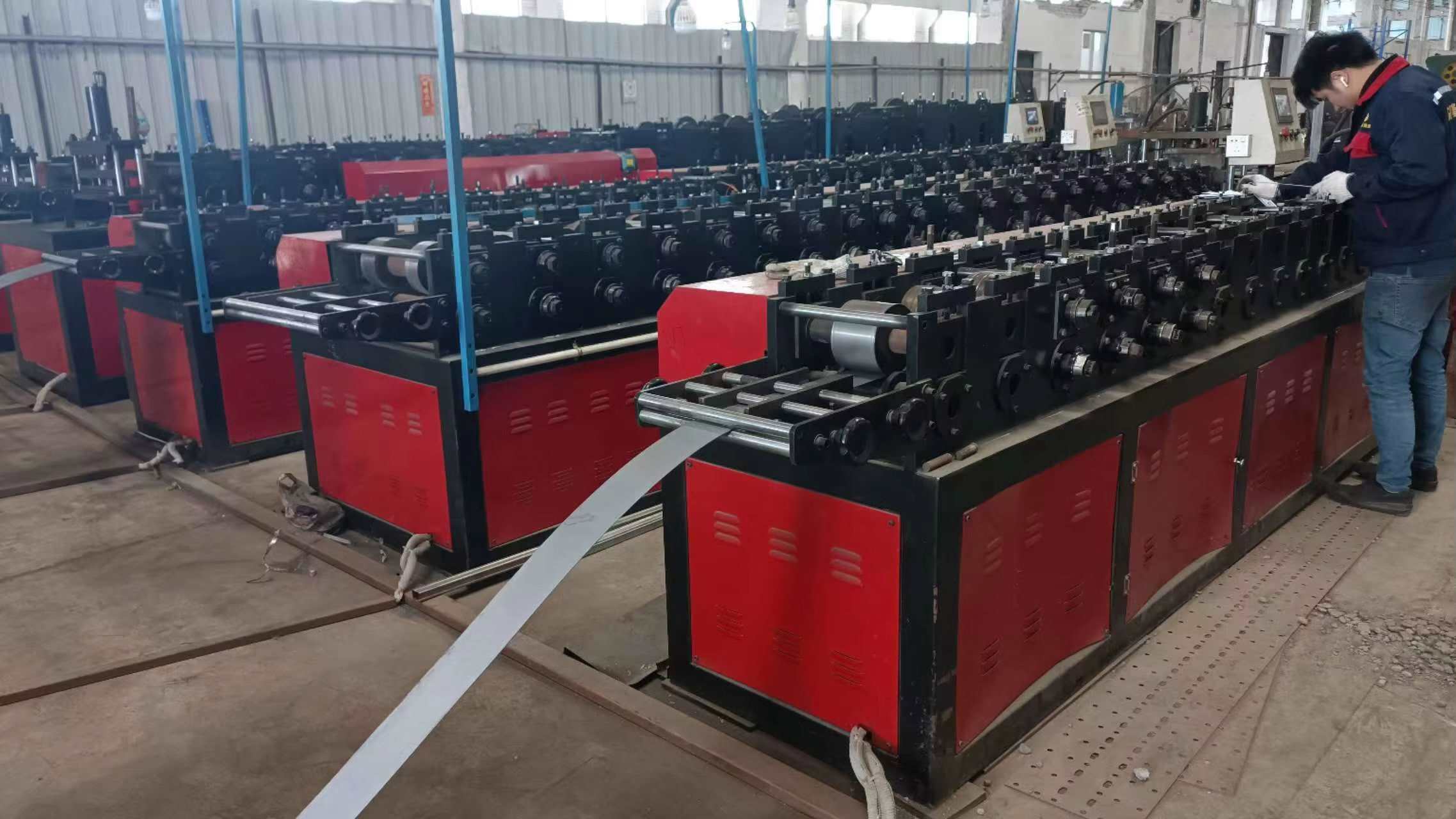
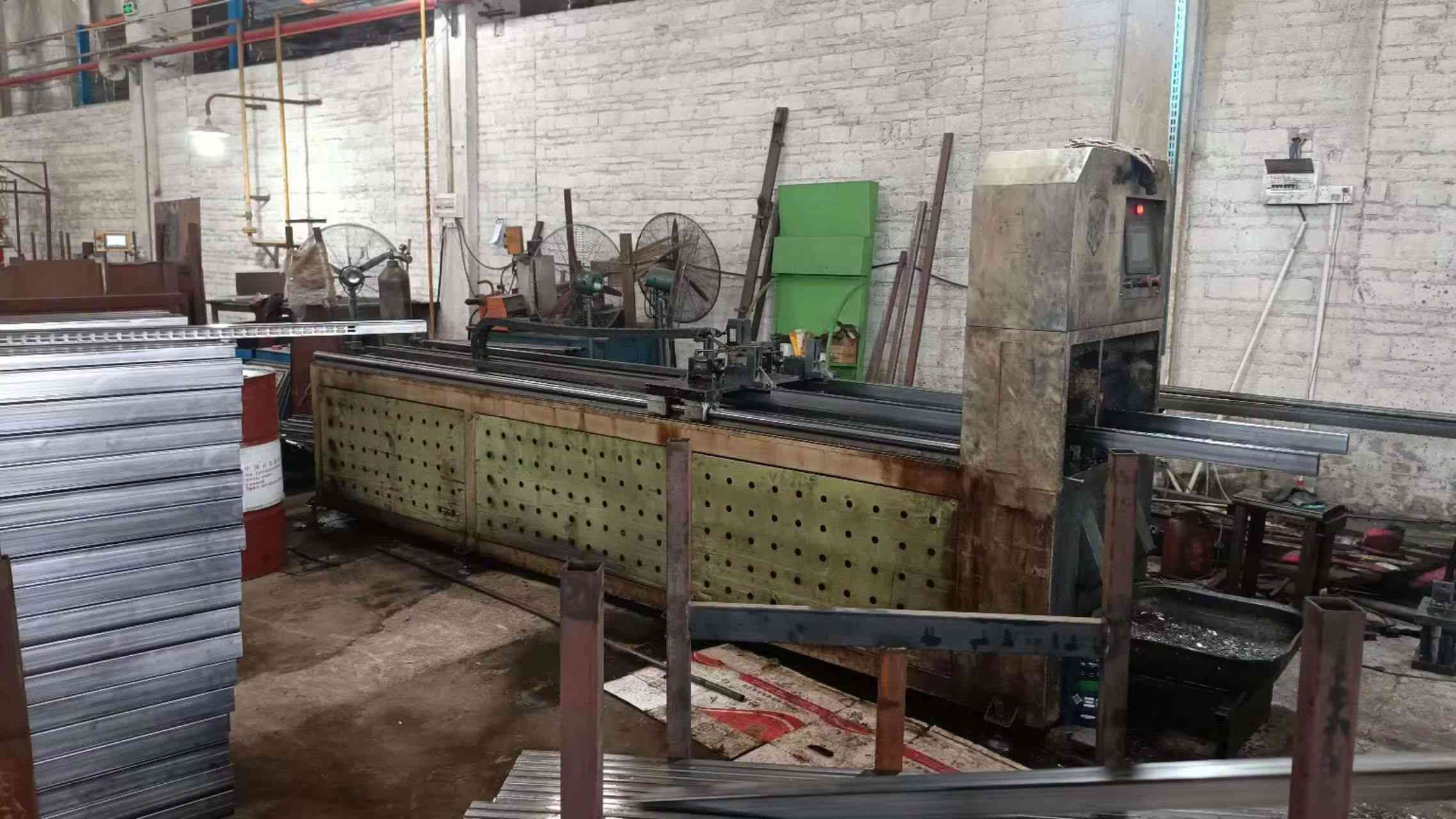
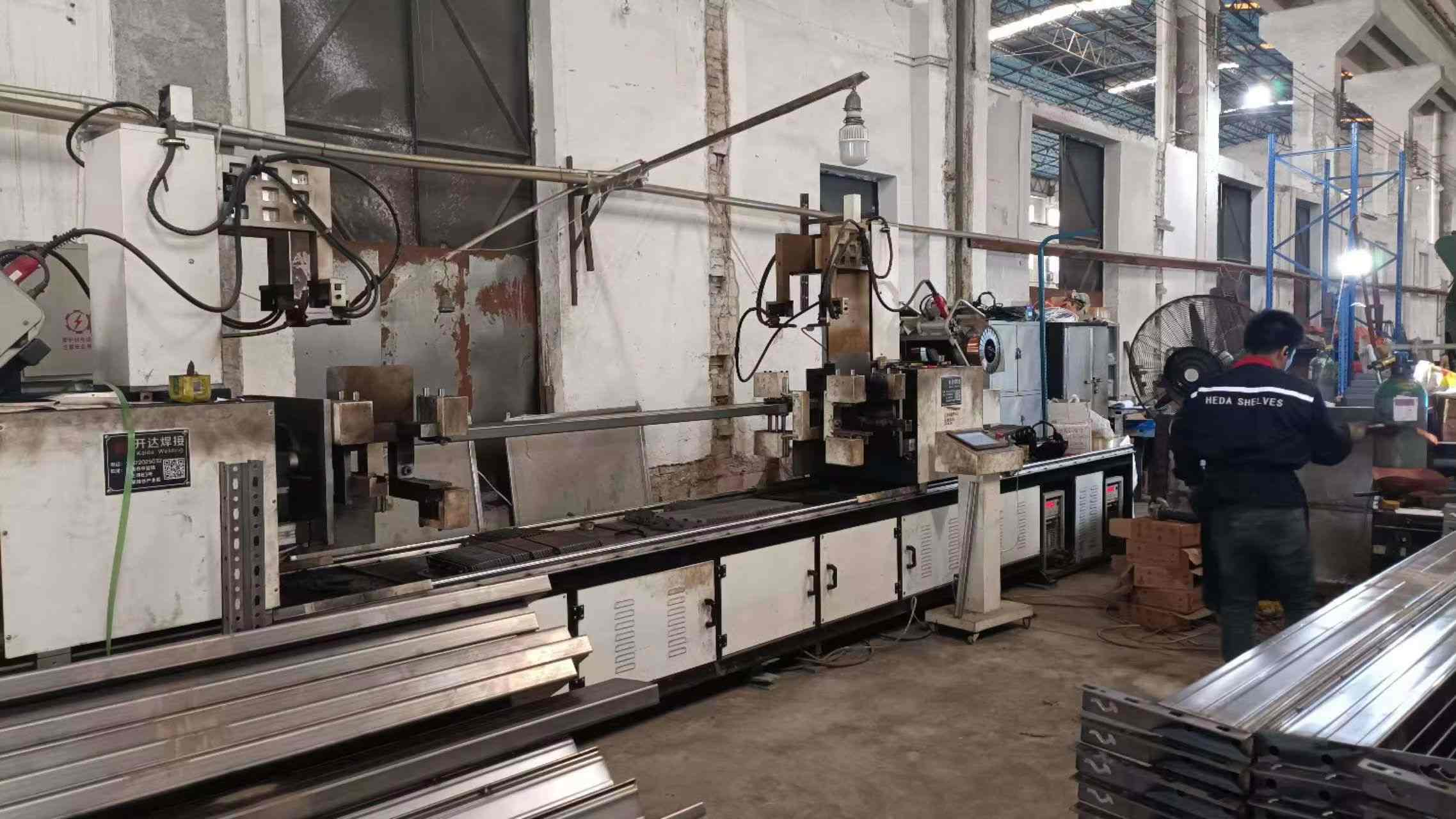
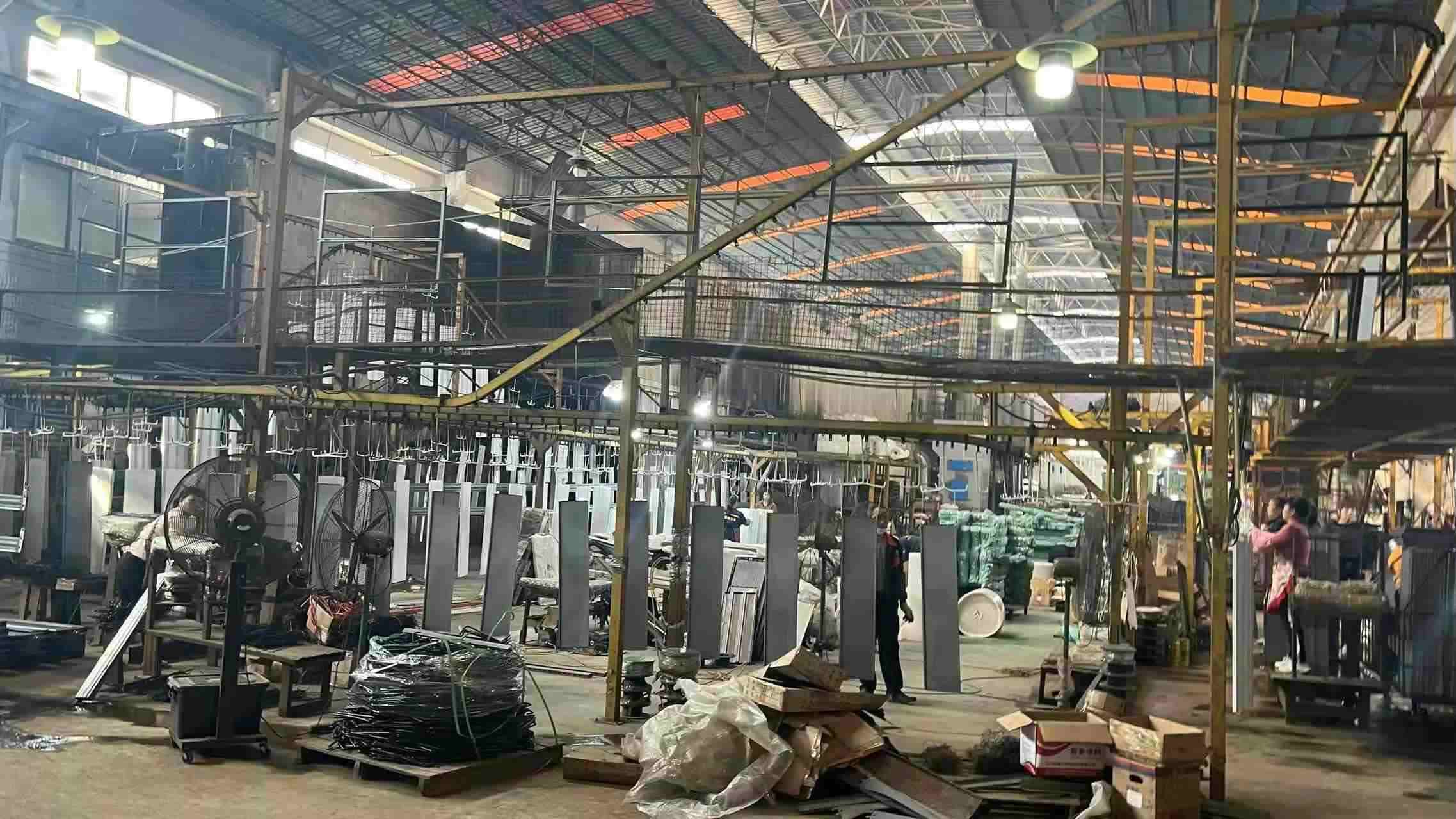
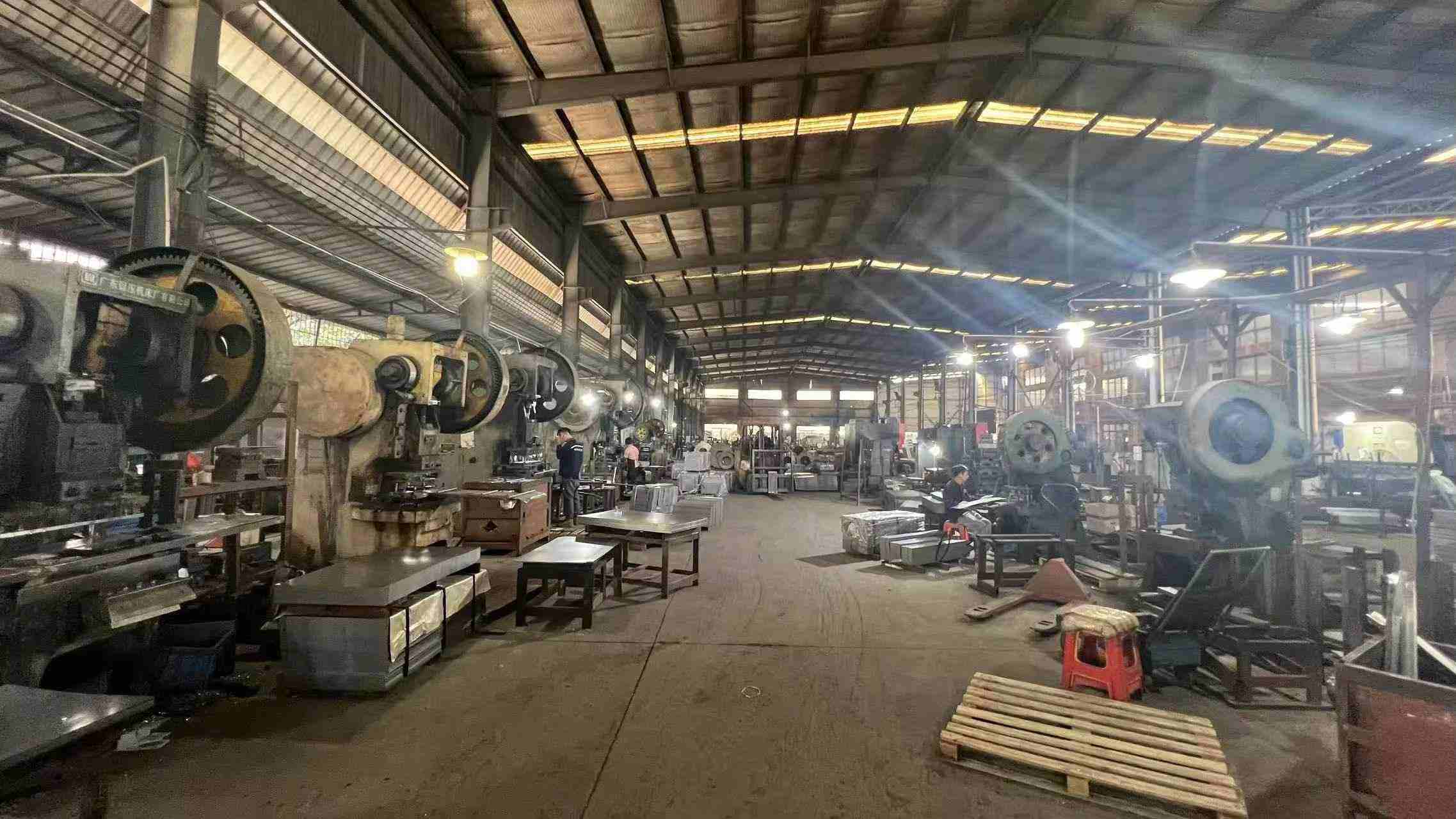
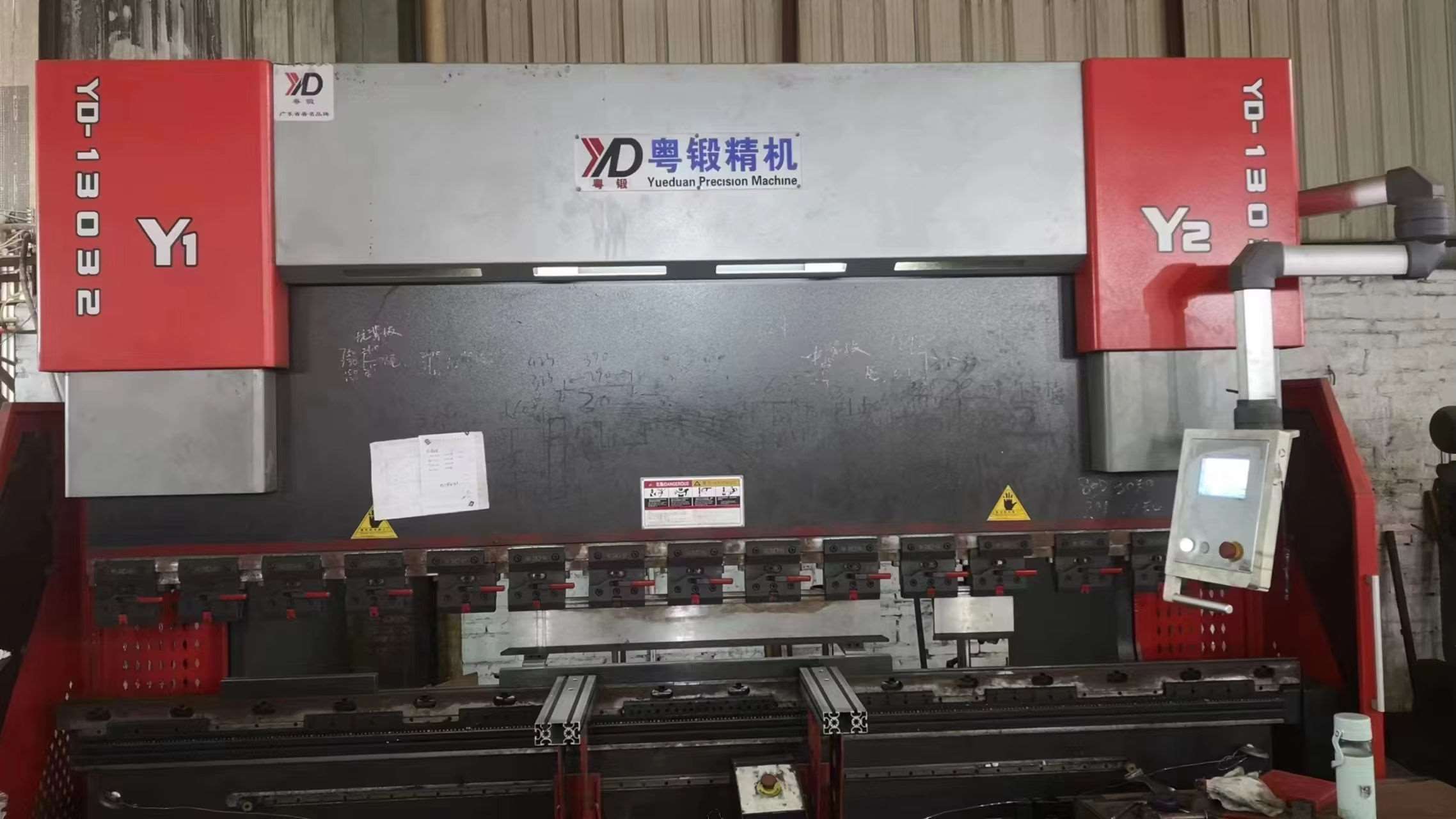
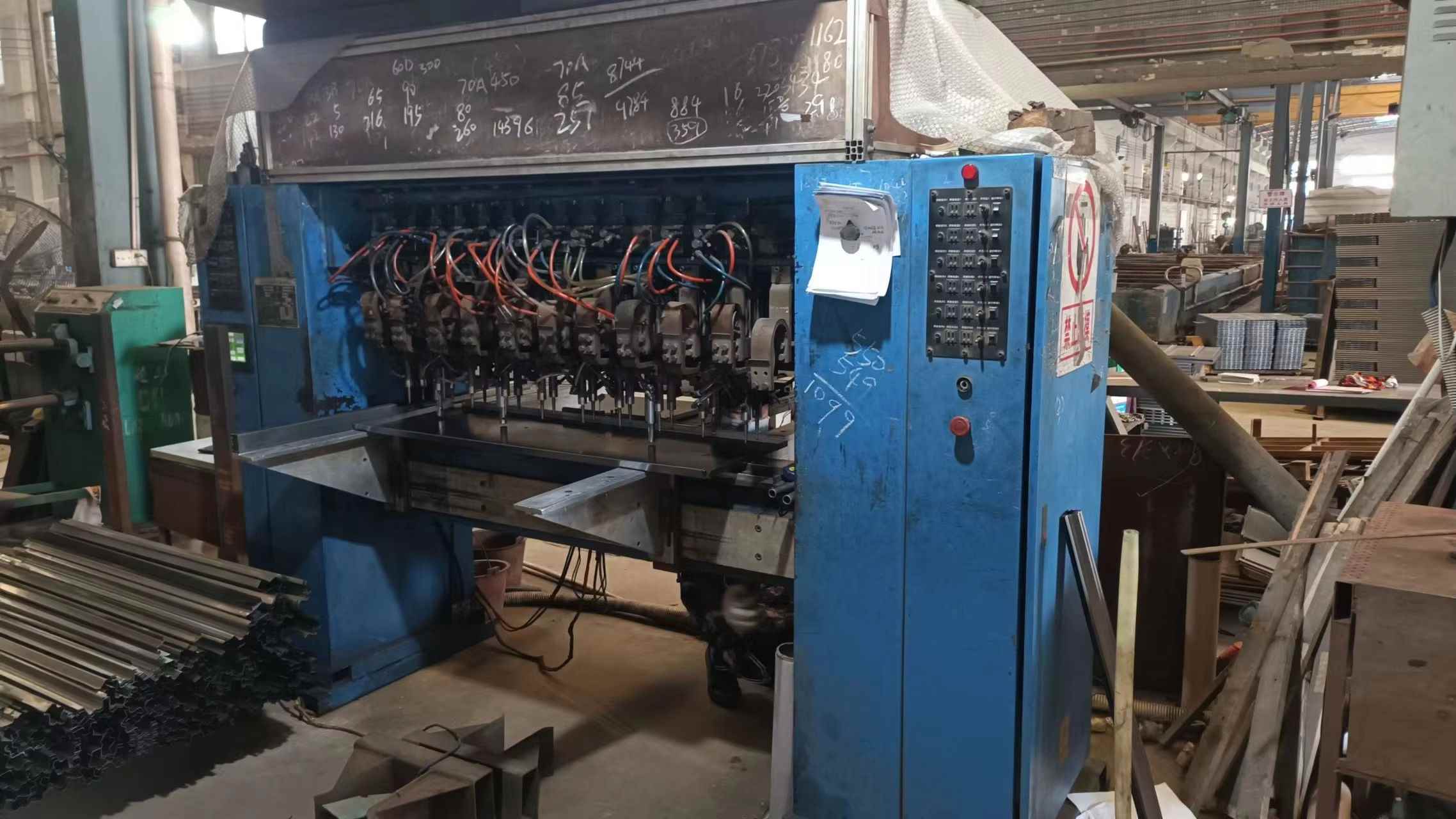
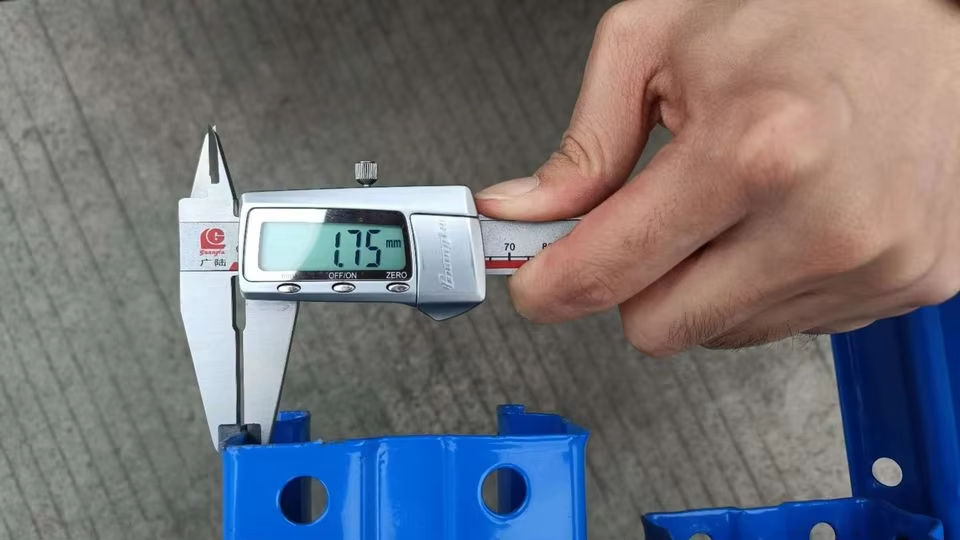
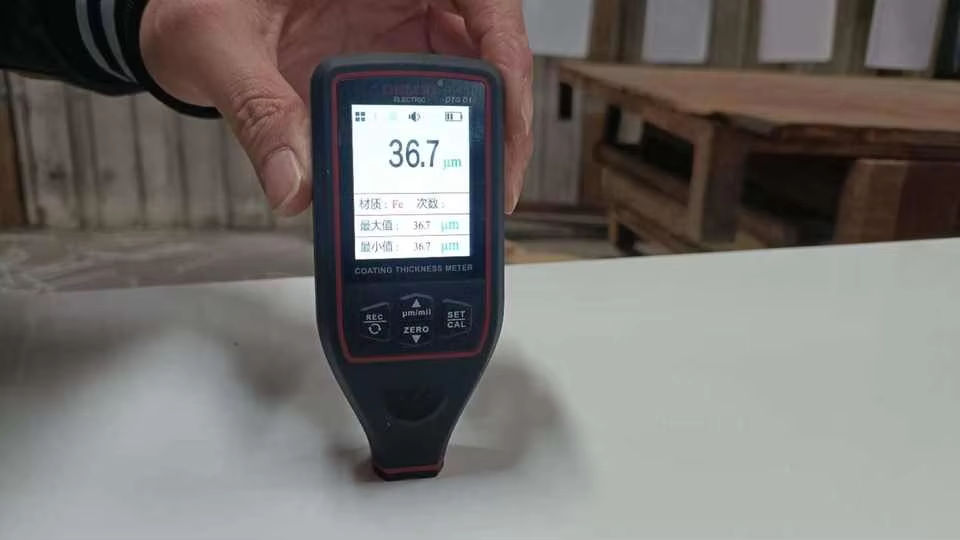
Integrating automation and material science into the future of physical warehousing.
The landscape of warehouse layout and equipment selection is undergoing a shift toward hybrid automation. While fully automated storage and retrieval systems (ASRS) offer high performance, their capital expenditures remain prohibitive for many operations. Our R&D department is actively pioneering hybrid dynamic storage systems, which integrate passive gravity push-back systems with semi-automated radio shuttles. This hybrid roadmap allows warehouses to scale throughput rates dynamically without altering structural foundations.
In material science, Heda is researching high-strength, thin-walled cold-formed steel alloys. By optimizing profile geometries and using high-yield steel chemistry, we aim to reduce product weight while increasing load capacity limits. Furthermore, to support green supply chains, our production lines are transitioning to VOC-free electrostatic powder coatings, minimizing chemical emissions without compromising structural rust protection or surface longevity in cold storage environments.
Assuring structural safety and local code conformity across international supply lines.
Navigating municipal structural permits requires meticulous engineering validation. At Heda, every export product line can be supplied with certified finite element analysis (FEA) reports indicating performance under varying load configurations and localized seismic conditions. Our racking solutions conform with industry standards including ANSI/RMI MH16.1 in North America, EN 15512 in Europe, and AS4084 in Australia/New Zealand.
To ensure seamless execution, Heda collaborates with a network of certified regional installers and structural engineers worldwide. This local presence ensures that physical installation, site surveying, and regulatory certifications are handled in accordance with local building codes, mitigating risk and optimizing lead times from port to warehouse floor.
Technical answers to critical procurement and engineering questions.
Discover our high-density solutions, drive-in structural models, and cantilever configurations.
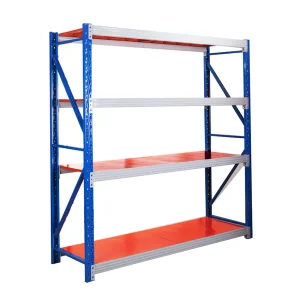
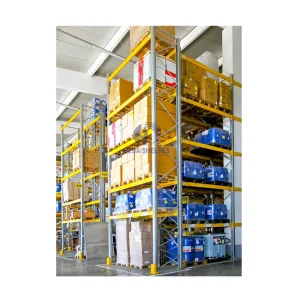
 Hedaracking