Select structural solutions designed to maximize volumetric efficiency. These products represent high-load capacity platforms, adjustable pallet rack variants, and double-deep dynamic storage architectures built to international standards.
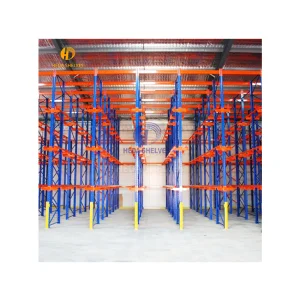
Drive-In Pallet Racking System Large Warehouse Storage with LIFO Pallet Organization and Heavy Duty Drive in Racking
View Details →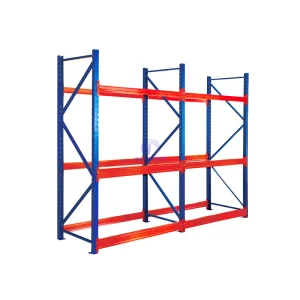
HEDA 2000*600*2000mm Longspan Steel Heavy Duty Stacking Warehouse Racks & Shelving for Garage Storage
View Details →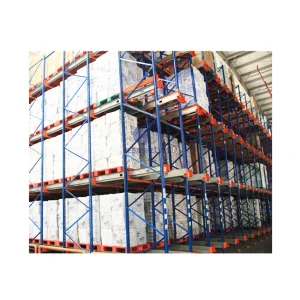
Heavy Duty Drive in Pallet Storage Racking System Drive-Thru Warehouse Pallet Rack with LIFO FIFO Method Adjustable Shelves
View Details →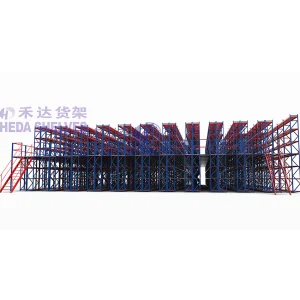
Heda Shelves Mezzanine Floor Racking System Heavy Duty Steel Mezzanine Platform for Multi-Level Warehouse Rack System
View Details →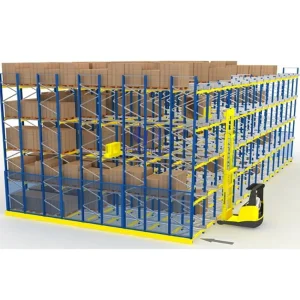
Pallet Shuttle Racking System Warehouse Rack Automatic 4-Way Shuttle Racking Four Way Cold Storage Shuttle Rack
View Details →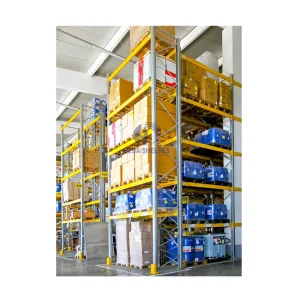
Steel Pallet Rack High Density Drive-in Pallet Racking System Shelving Steel Pallet Rack for Efficient Warehouse Storage
View Details →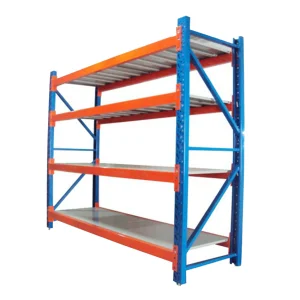
Heavy Duty Storage Rack Capacity 500kg Warehouse Clothing Racks Warehouse Pallet Storage Racking Boltless Racking Shelves
View Details →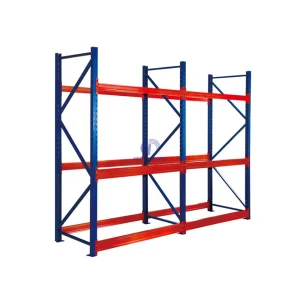
Heavy Duty Shelving Iron Stacking Racks Steel Garage Warehouse Industrial Storage Rack Shelves Metal Warehouse Shelves
View Details →The industrial landscape is undergoing a monumental shift as supply chain optimization transforms from a back-office operation into a primary competitive advantage. As land prices escalate globally and warehouse construction costs rise, horizontal footprint expansion is no longer economically viable for most businesses. Enterprise procurement teams, distribution managers, and structural engineers are increasingly looking upward—embracing verticality. The demand for advanced structural heavy-duty platforms, multi-tier mezzanines, and high-density industrial storage is hitting record highs.
Modern heavy-duty platforms are far more than mere metal racks; they are highly engineered kinetic and static structural systems. They must withstand severe static loads, dynamic forces from forklifts, seismic activity in volatile zones, and continuous material flow fatigue. Leading manufacturers are shifting away from traditional low-yield structural carbon steels to high-strength cold-formed steel profiles (such as Q355B and high-grade alloy structures), allowing structural platforms to handle higher weight capacities with reduced deadweight. This optimization not only lowers shipping costs but also significantly reduces the seismic mass of multi-tiered structures.
One of the most profound trends is the integration of heavy-duty steel platforms with automation technologies, such as 4-way pallet shuttle systems, Automatic Storage and Retrieval Systems (AS/RS), and Automated Guided Vehicles (AGVs). These automated systems require extremely high dimensional accuracy; even a deformation of 2mm can disrupt optical sensors and halt high-speed operations. Consequently, tolerances during fabrication have narrowed to structural engineering standards typically reserved for commercial buildings.
Additionally, the rapid expansion of the global cold chain—driven by pharmaceuticals and food logistics—has placed extreme thermal stress on storage racks. Systems operating in sub-zero environments must utilize specialized steel alloys that do not exhibit cold embrittlement, combined with corrosion-resistant powder coatings that prevent peeling under high-humidity conditions.
As Western logistics developers search for resilient and reliable manufacturing nodes, China’s industrial ecosystem has evolved far beyond low-cost production. The integration of Factory 4.0 standards has transformed companies like Shenzhen Heda Warehouse Equipment Co., Ltd. (established in 2014) into global leaders of high-precision heavy-duty structures. Operating from a state-of-the-art 35,000 m² facility, Heda combines structural engineering with advanced mechanical processing to meet the most stringent specifications.
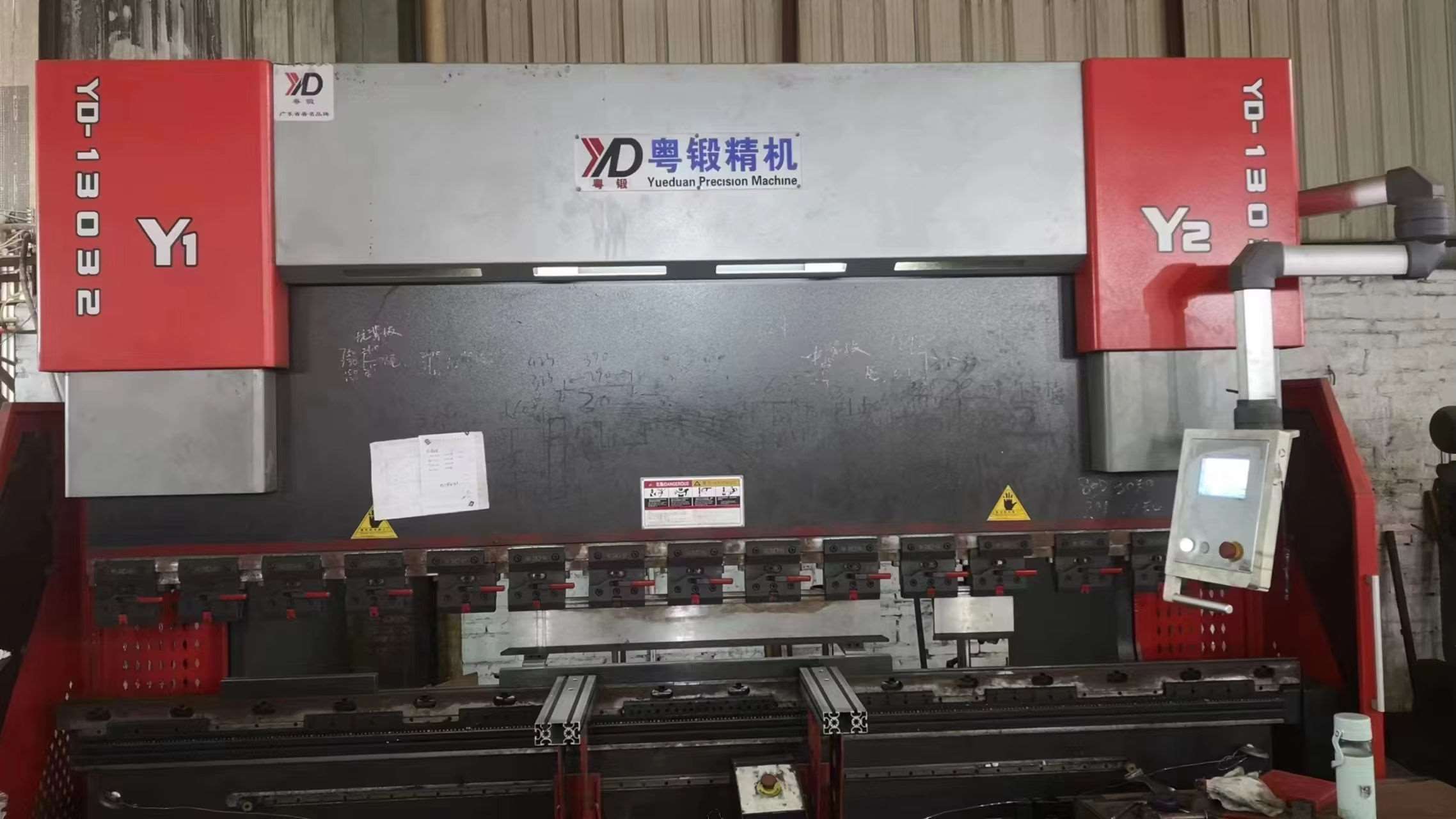
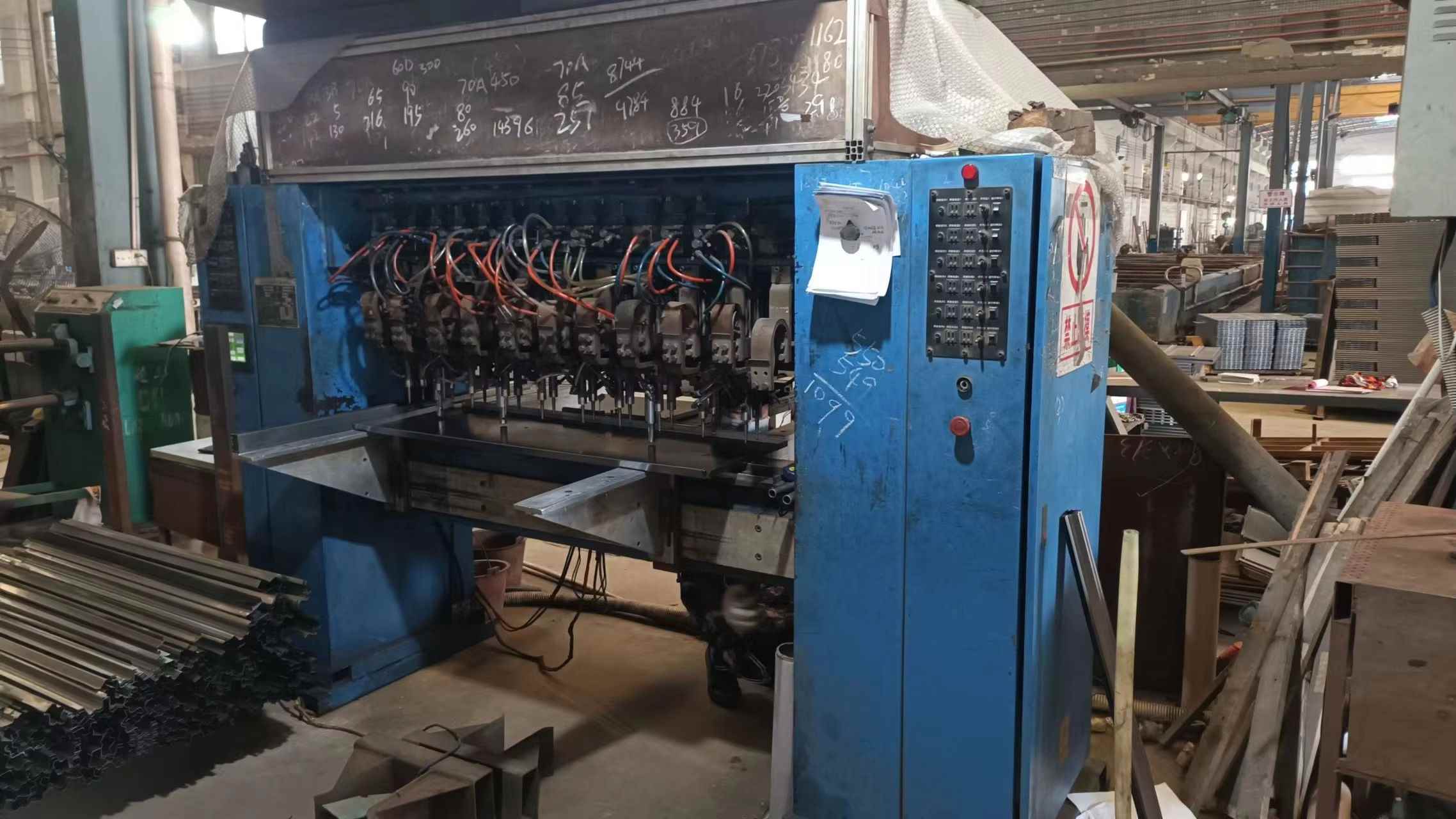
The core of Factory 4.0 lies in automated, data-driven manufacturing. From raw material input to the final loading platform, every step is traceably tracked. Cold-formed steel profiles undergo CNC automatic stamping, robotic continuous butt-welding, and precise bending to guarantee that load-bearing beams and upright posts match exactly. This eliminates human error, producing structurally sound mezzanine and pallet racks capable of supporting up to 3,000 kg per beam level.
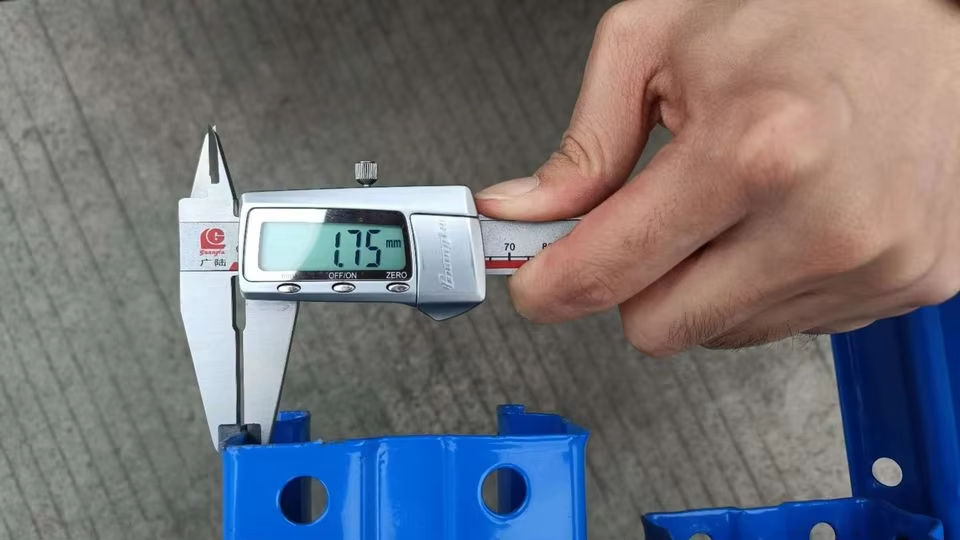
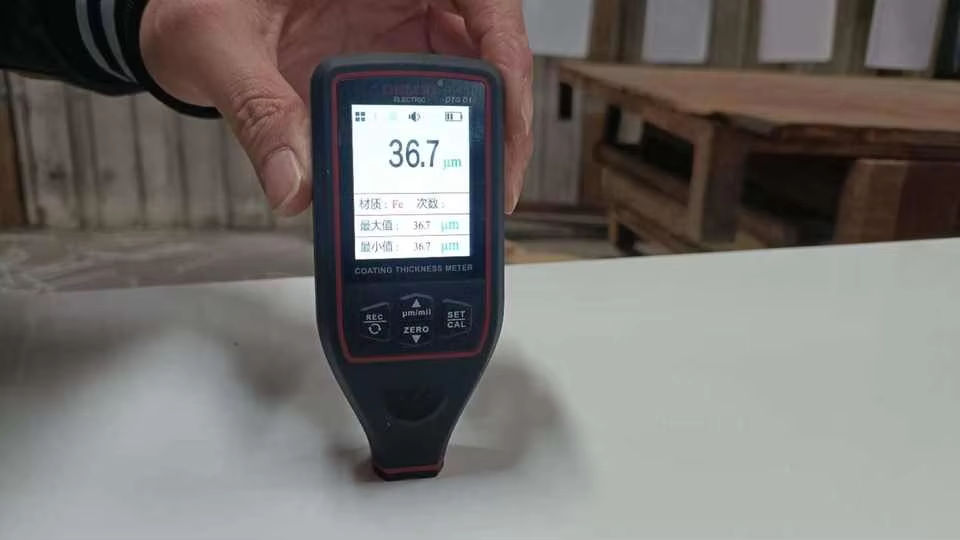
Under Google's E-E-A-T (Experience, Expertise, Authoritativeness, Trustworthiness) criteria, trust is earned through verifiable capability. Shenzhen Heda maintains an in-house quality control department staffed by 45 inspectors utilizing state-of-the-art testing equipment. These inspectors monitor continuous production lines, verifying structural integrity through:
Step-by-step visual documentation of our automated production line. Experience our processing engineering from basic raw steel handling to high-precision robotic coating.
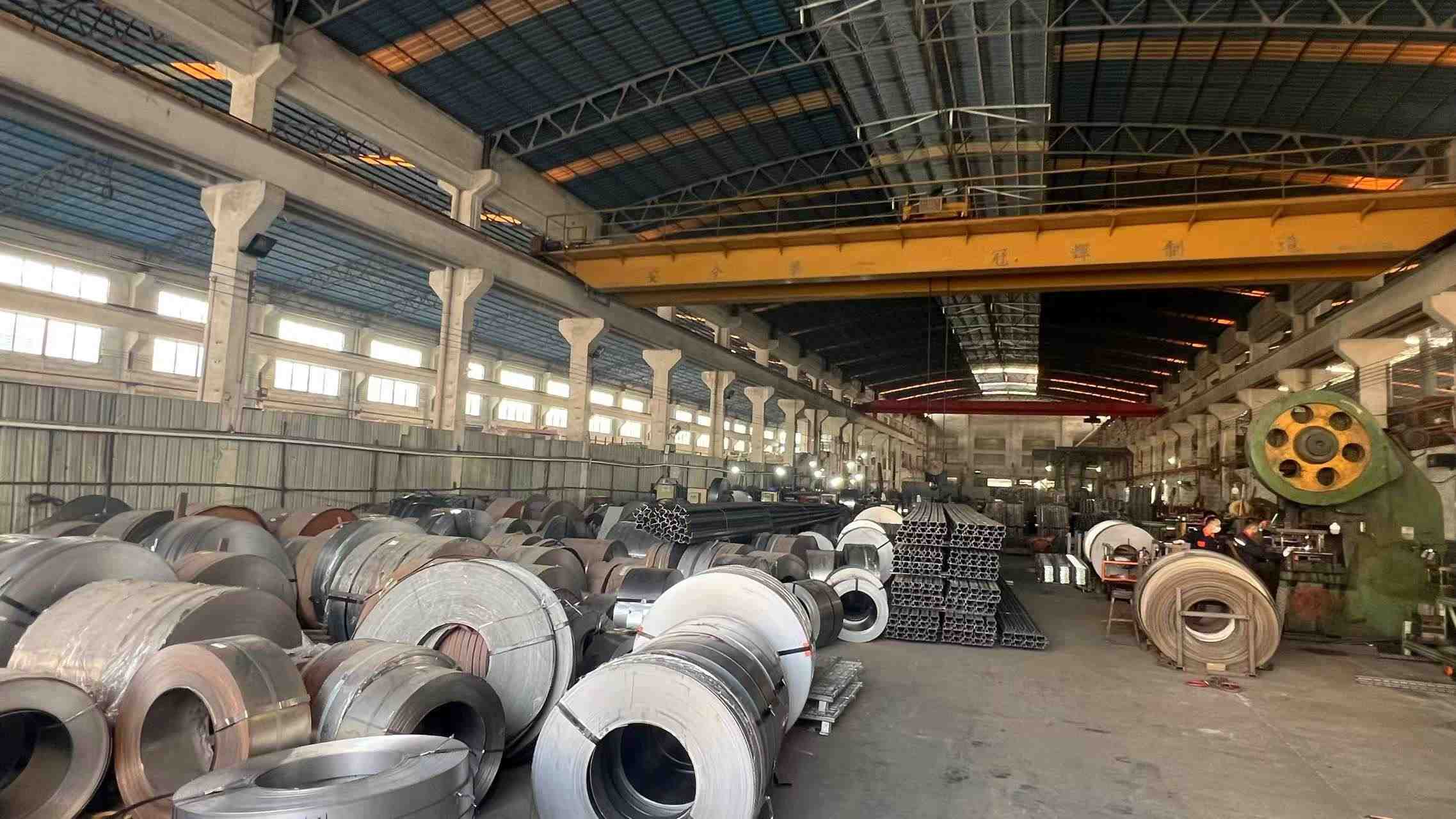
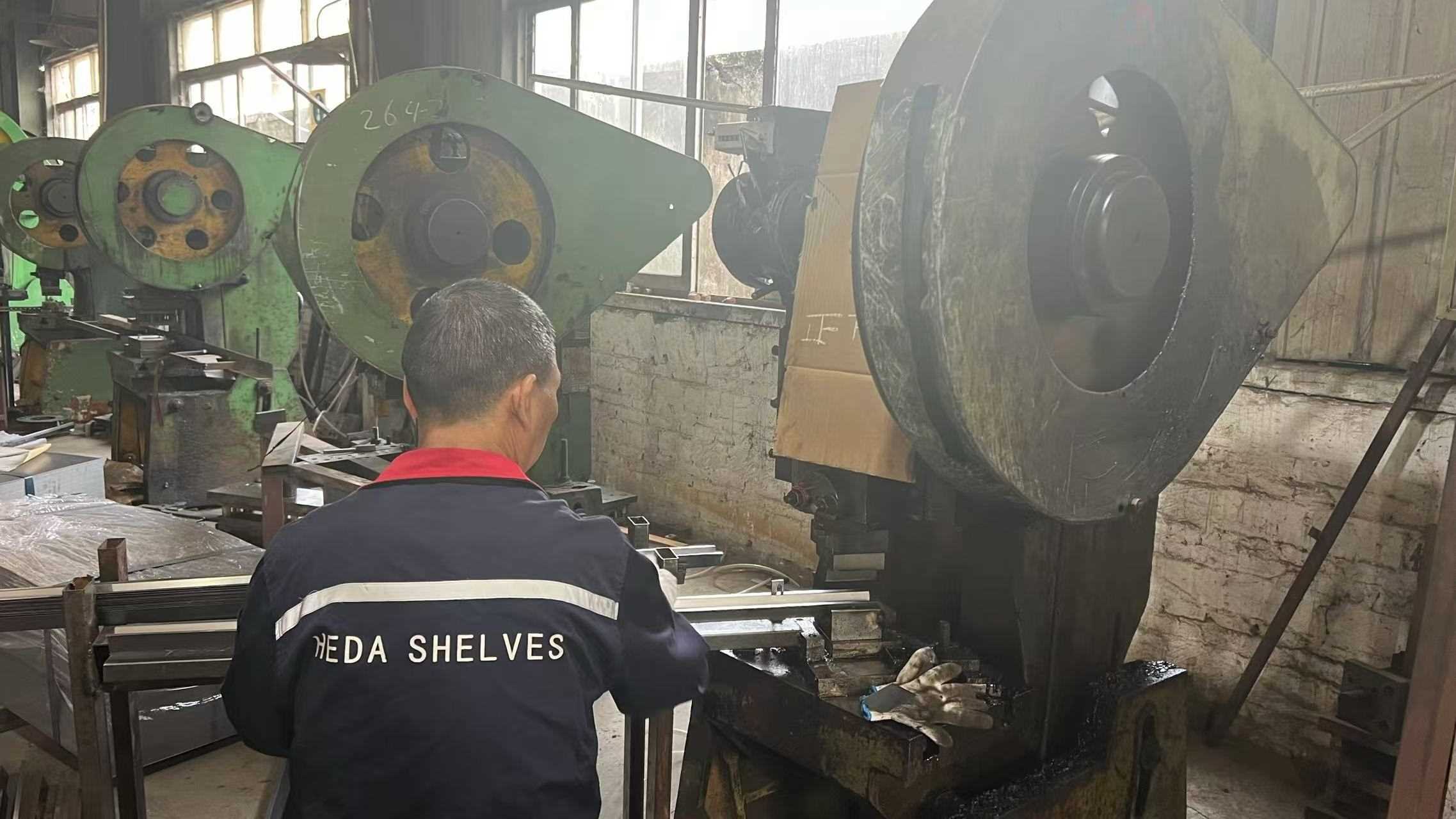
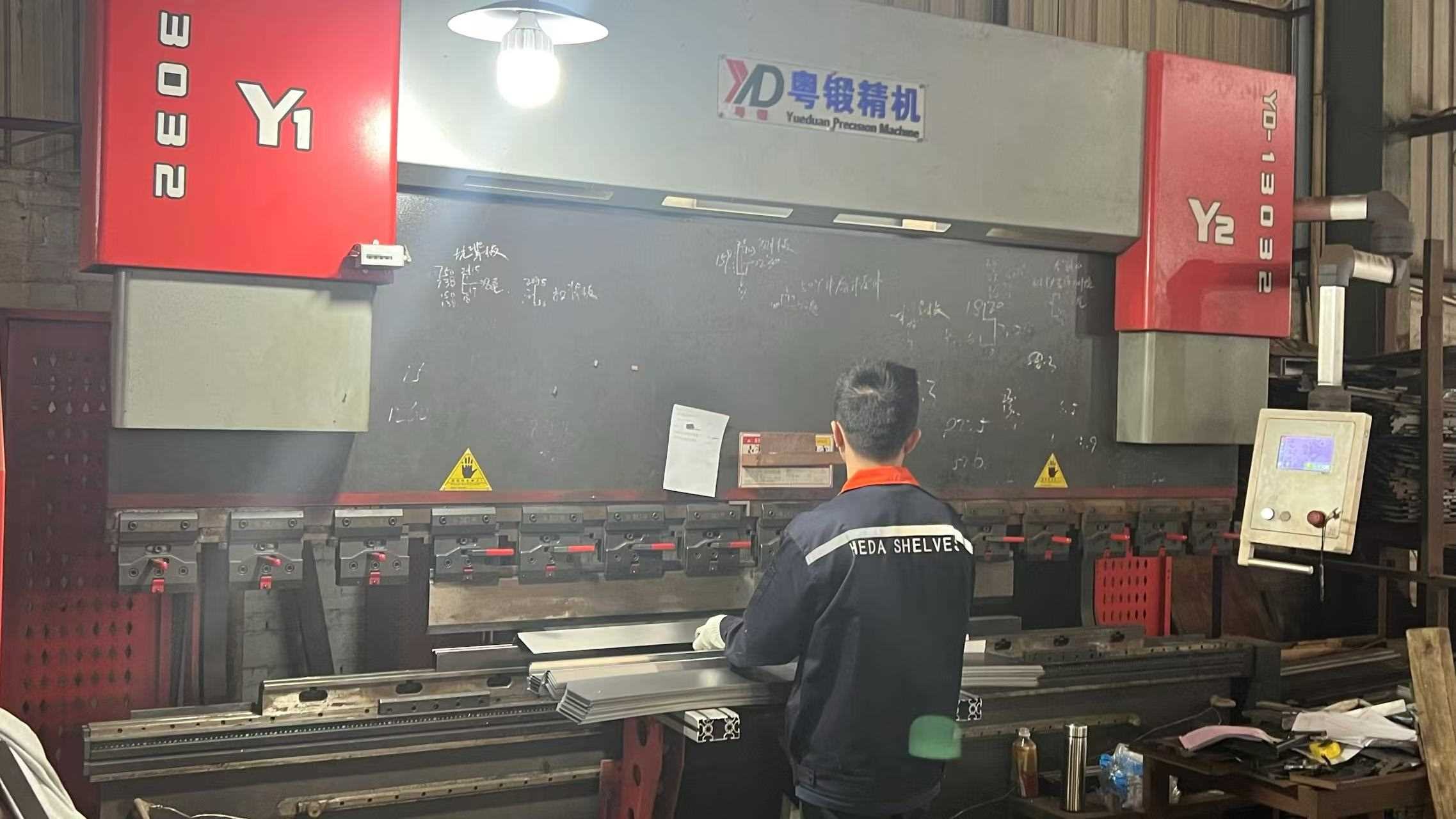
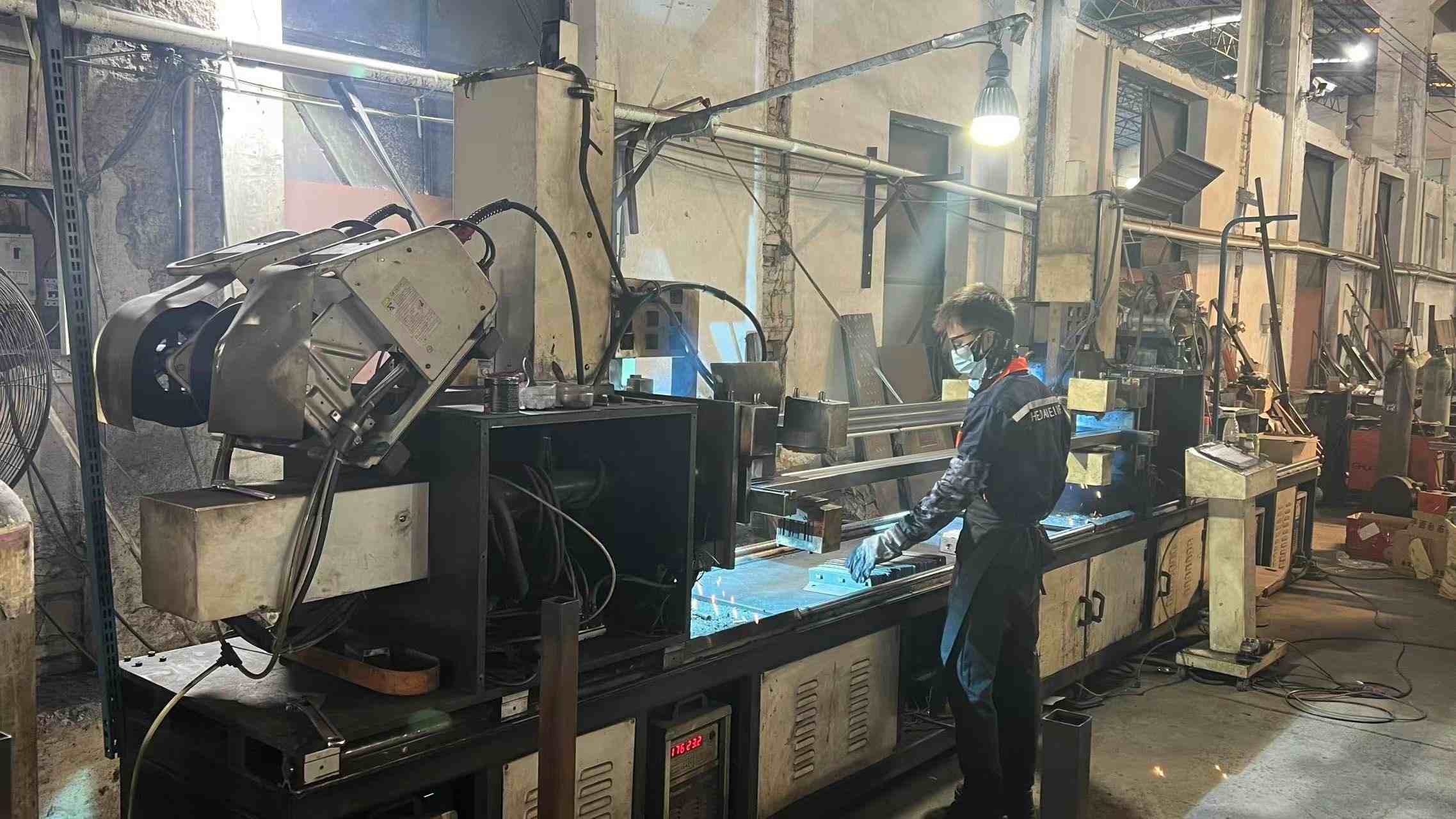
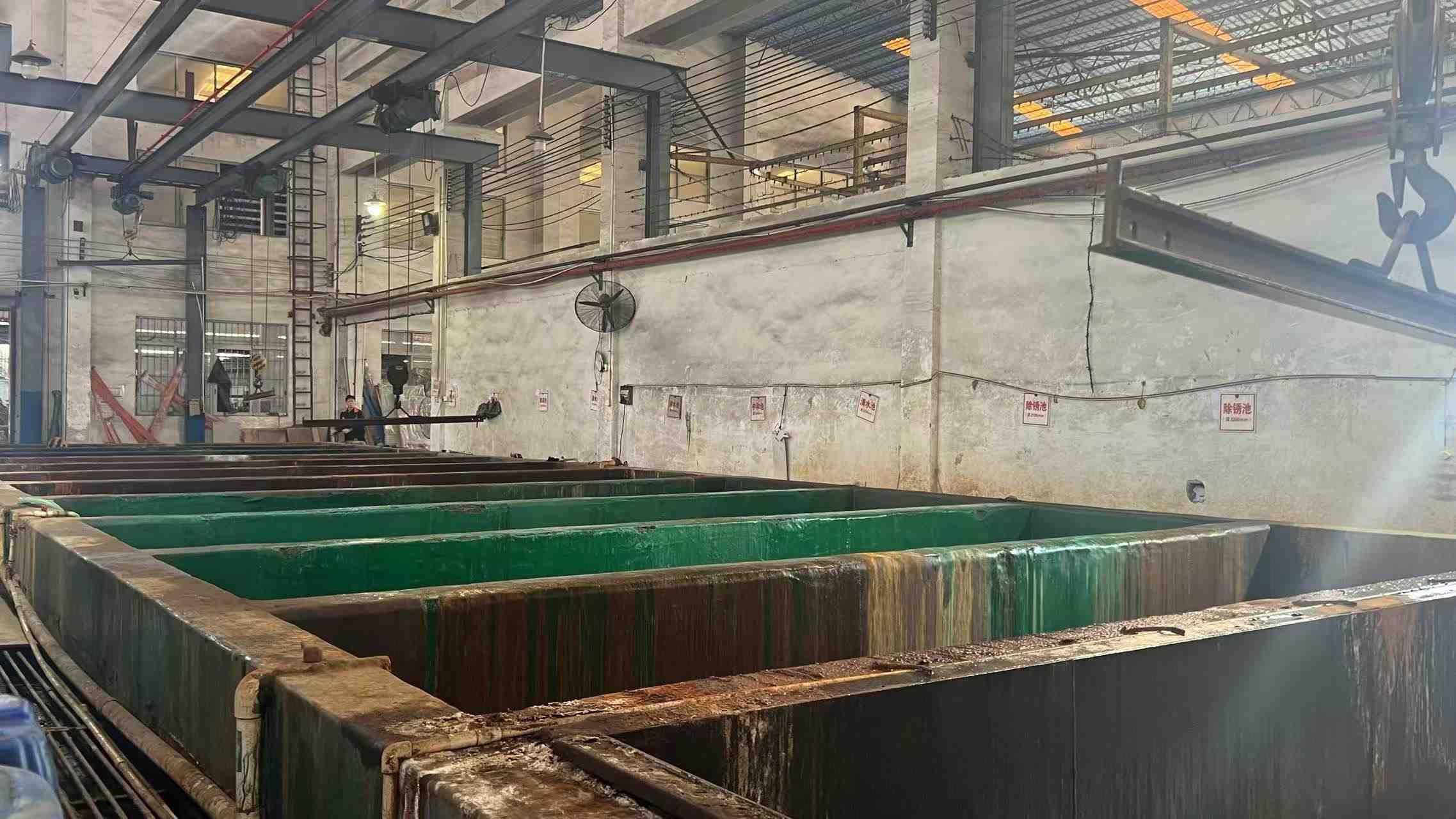
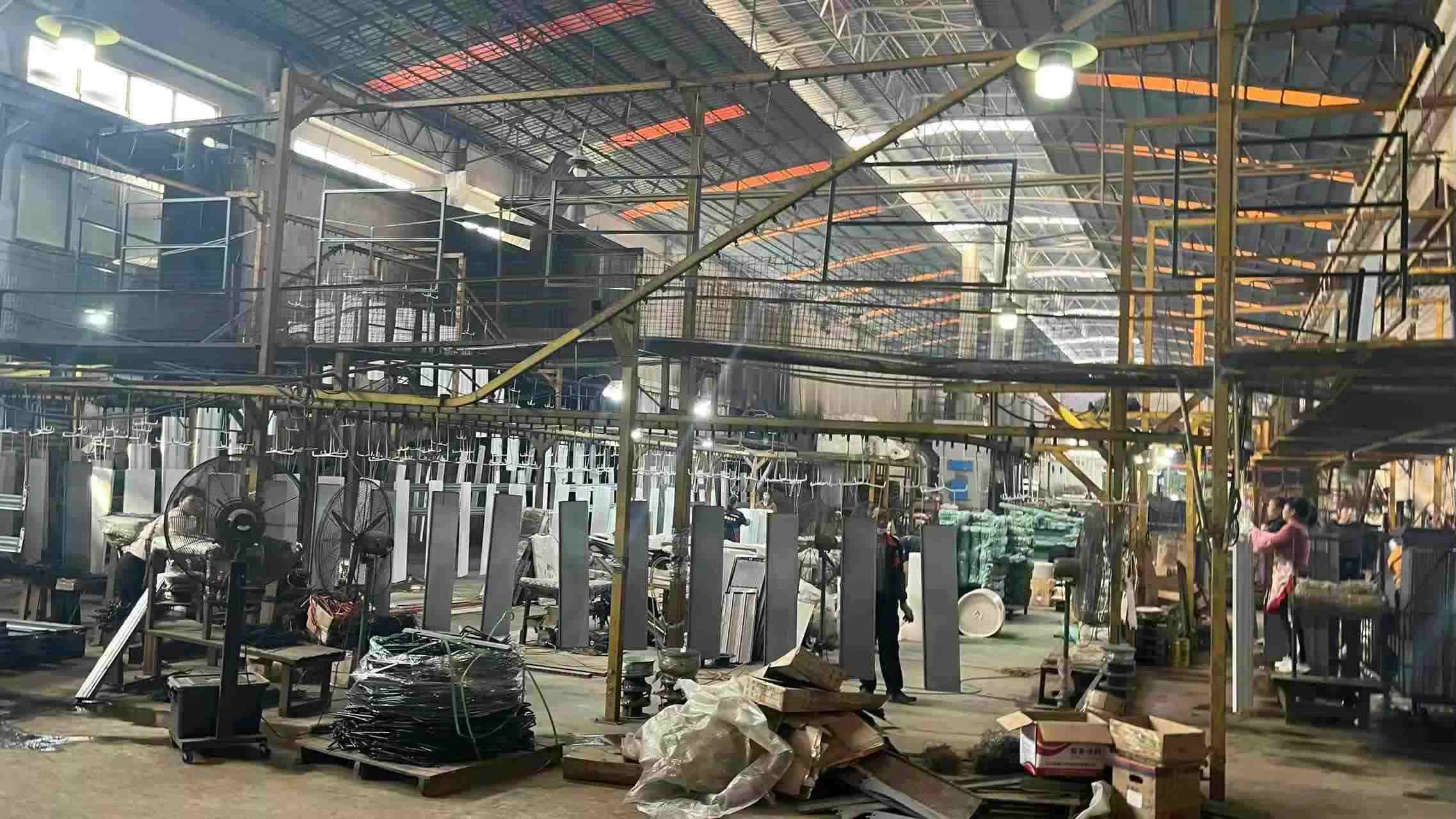
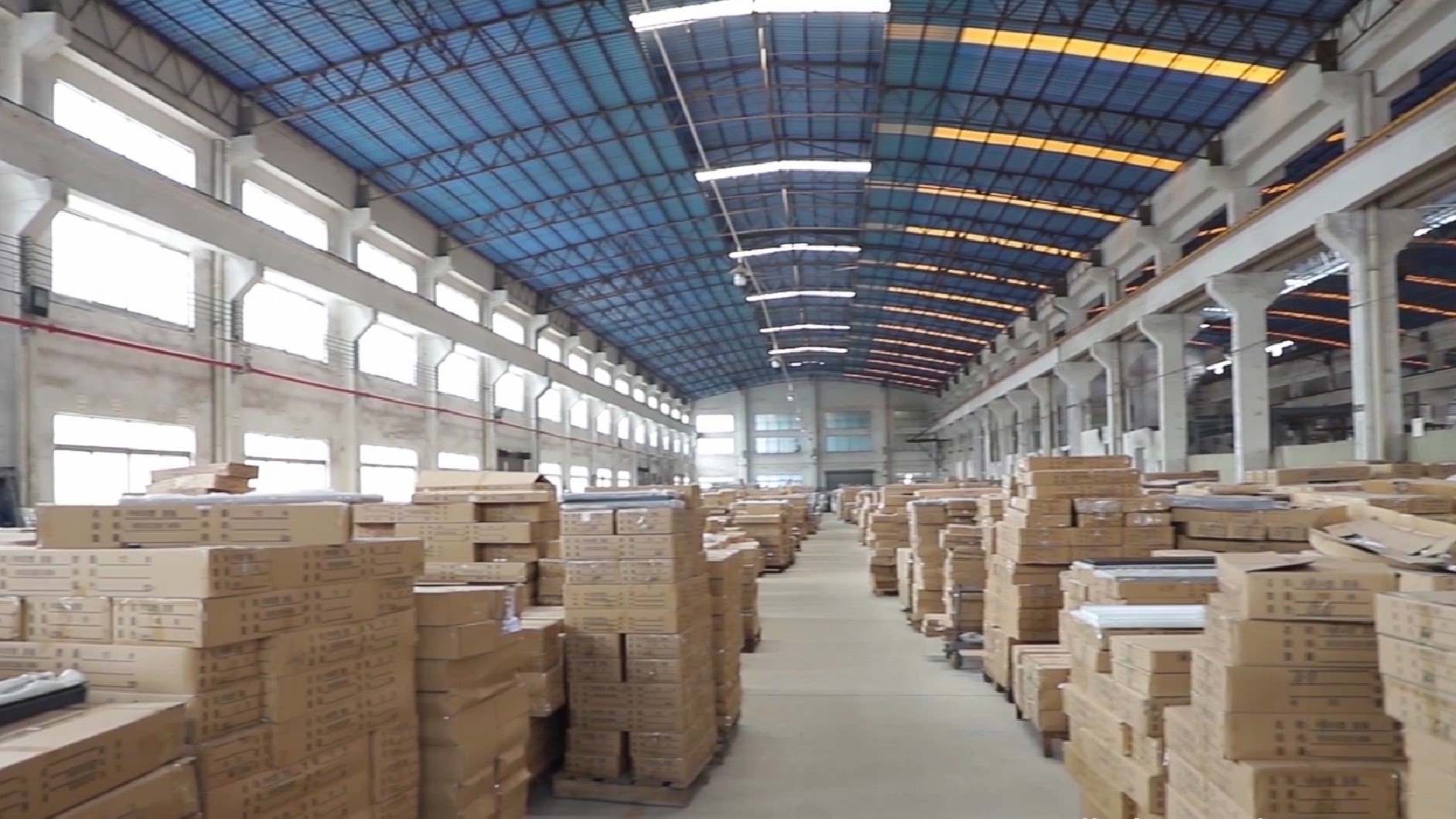
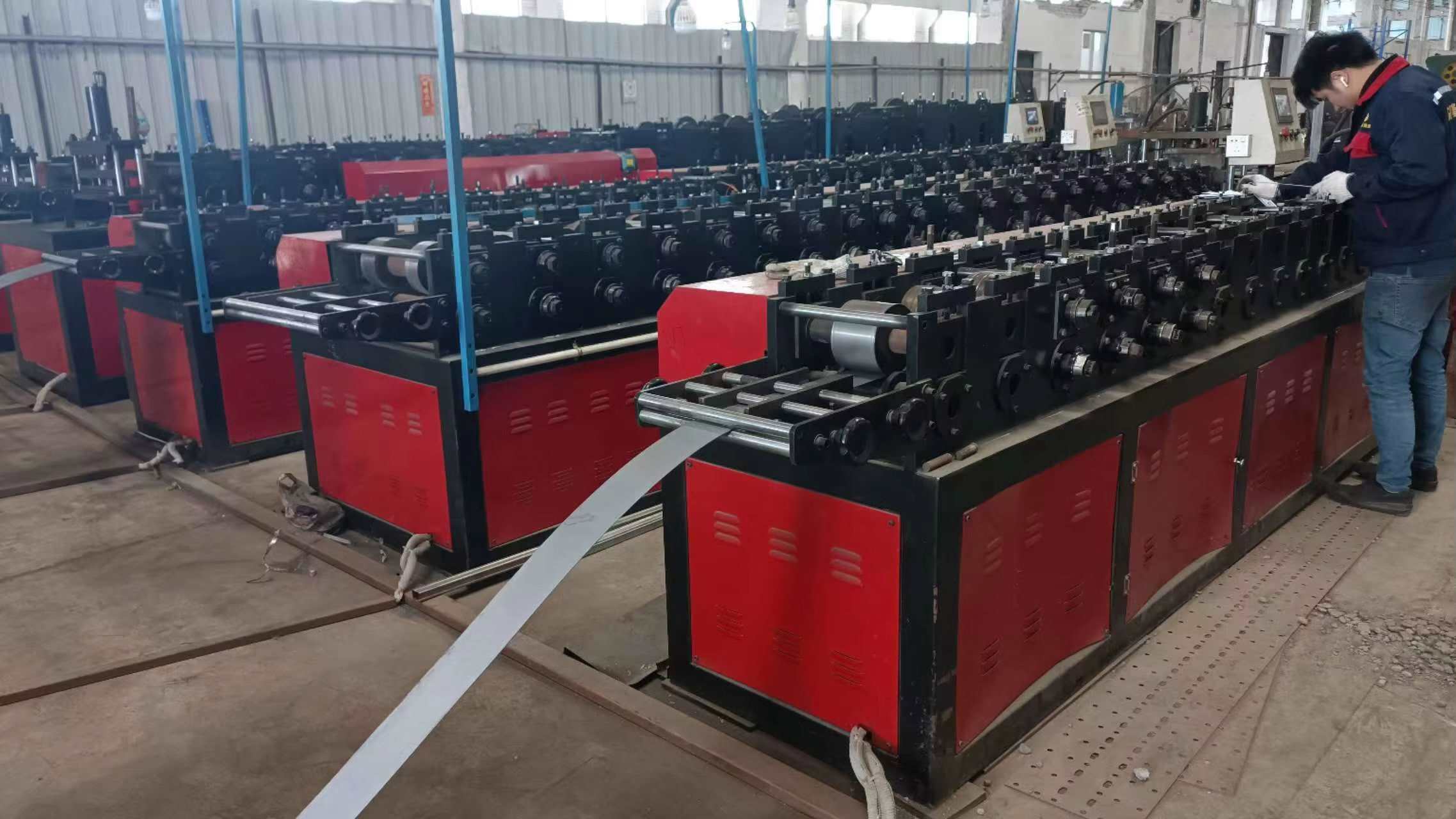
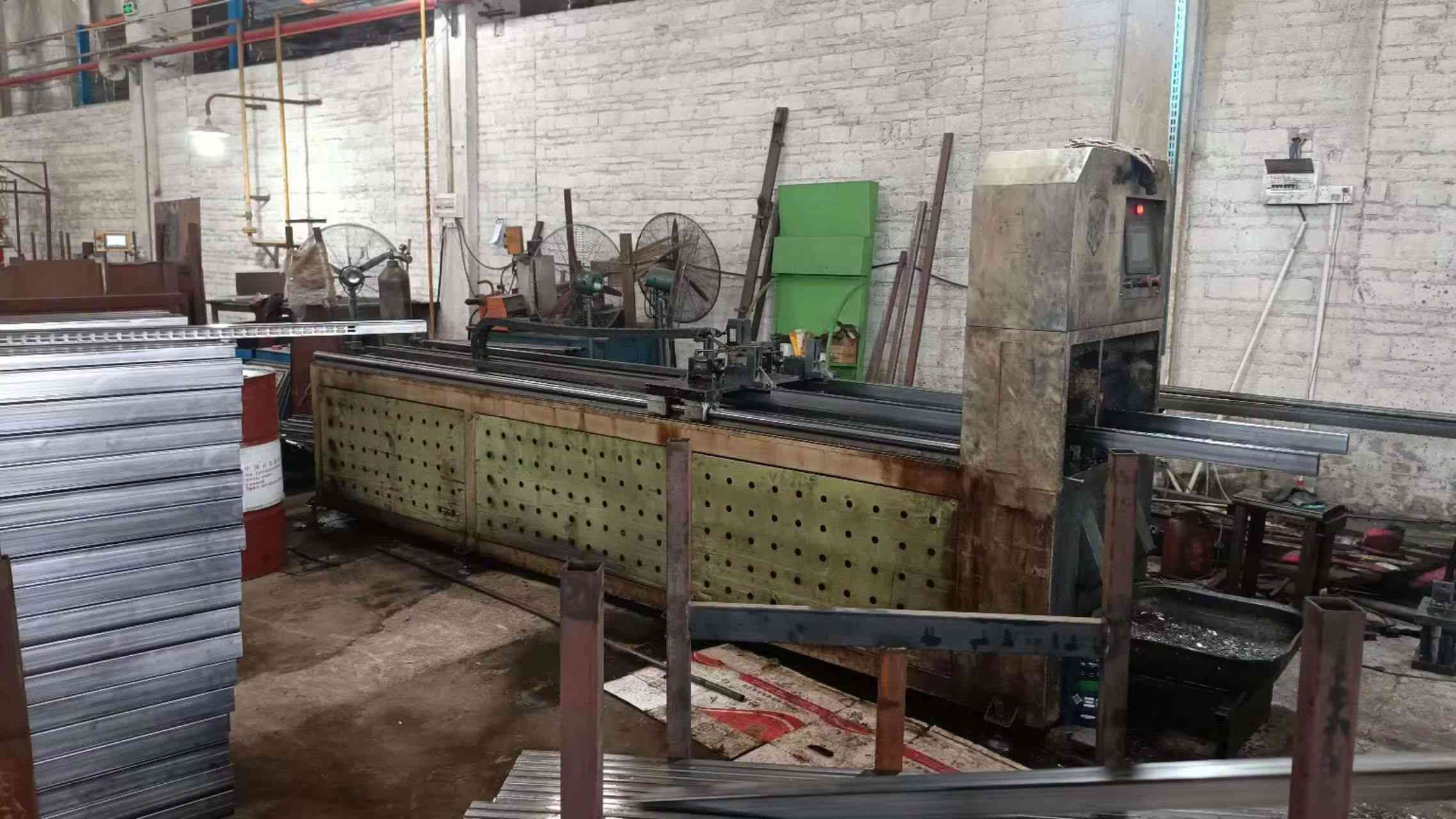
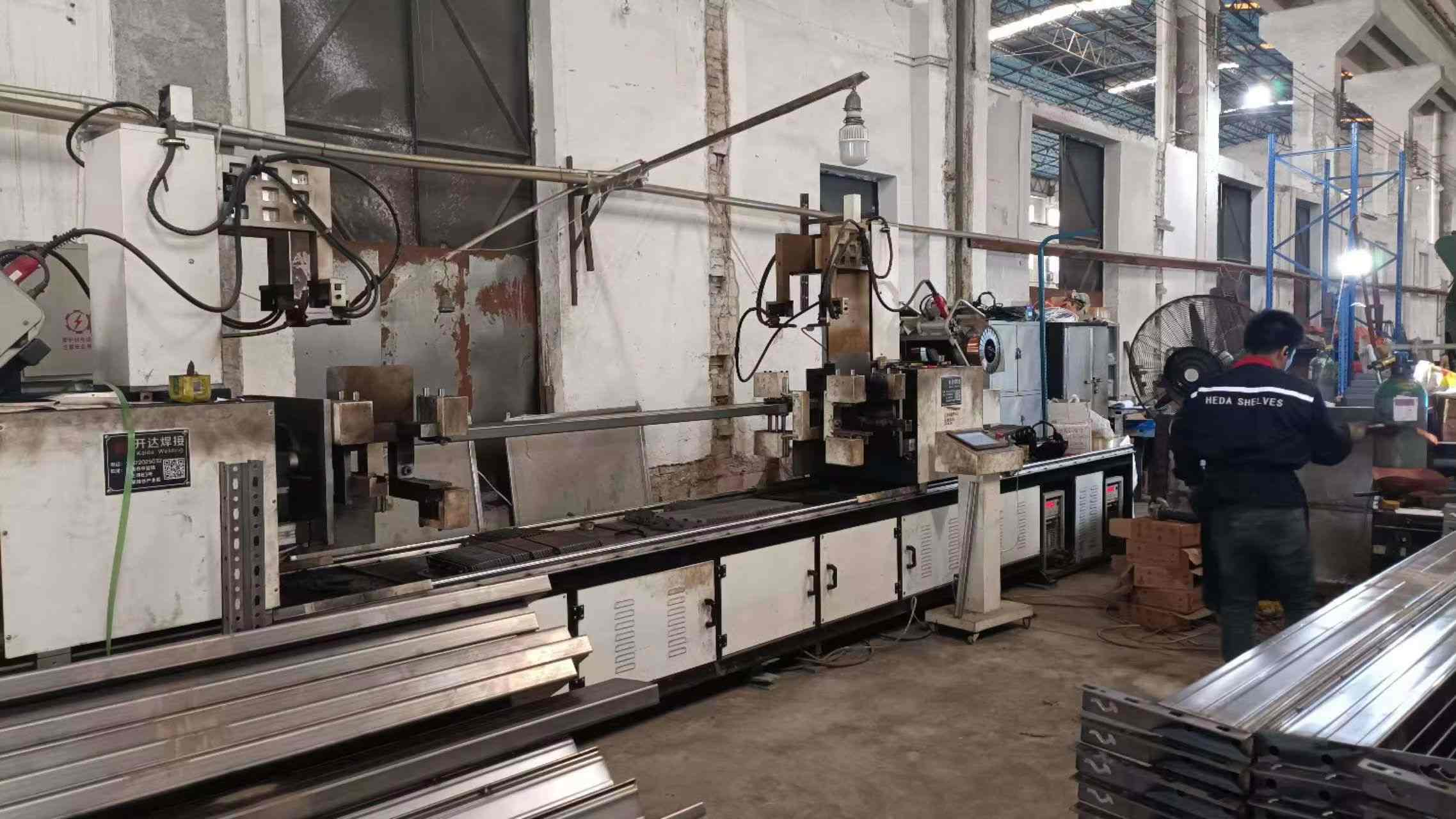
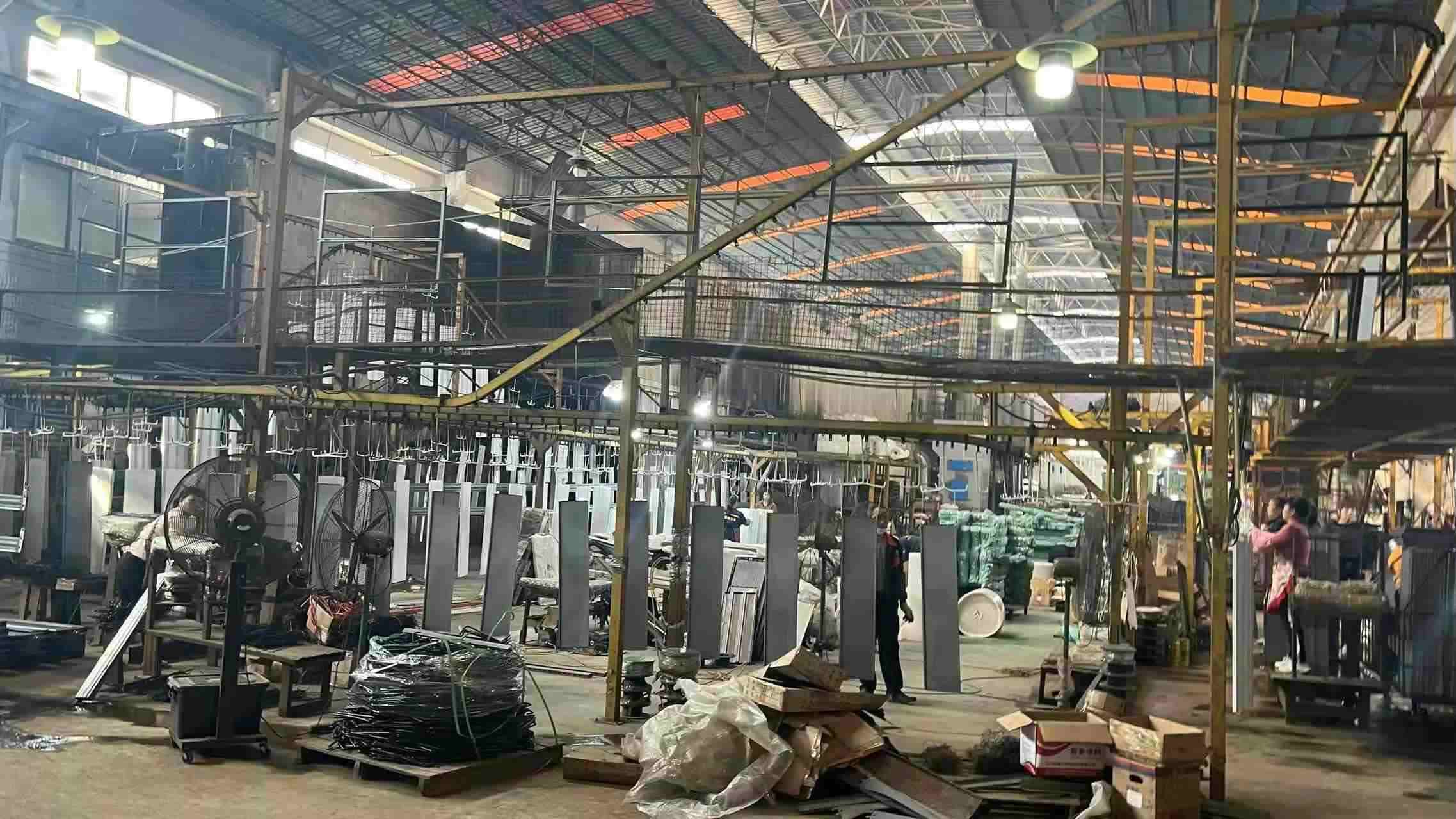
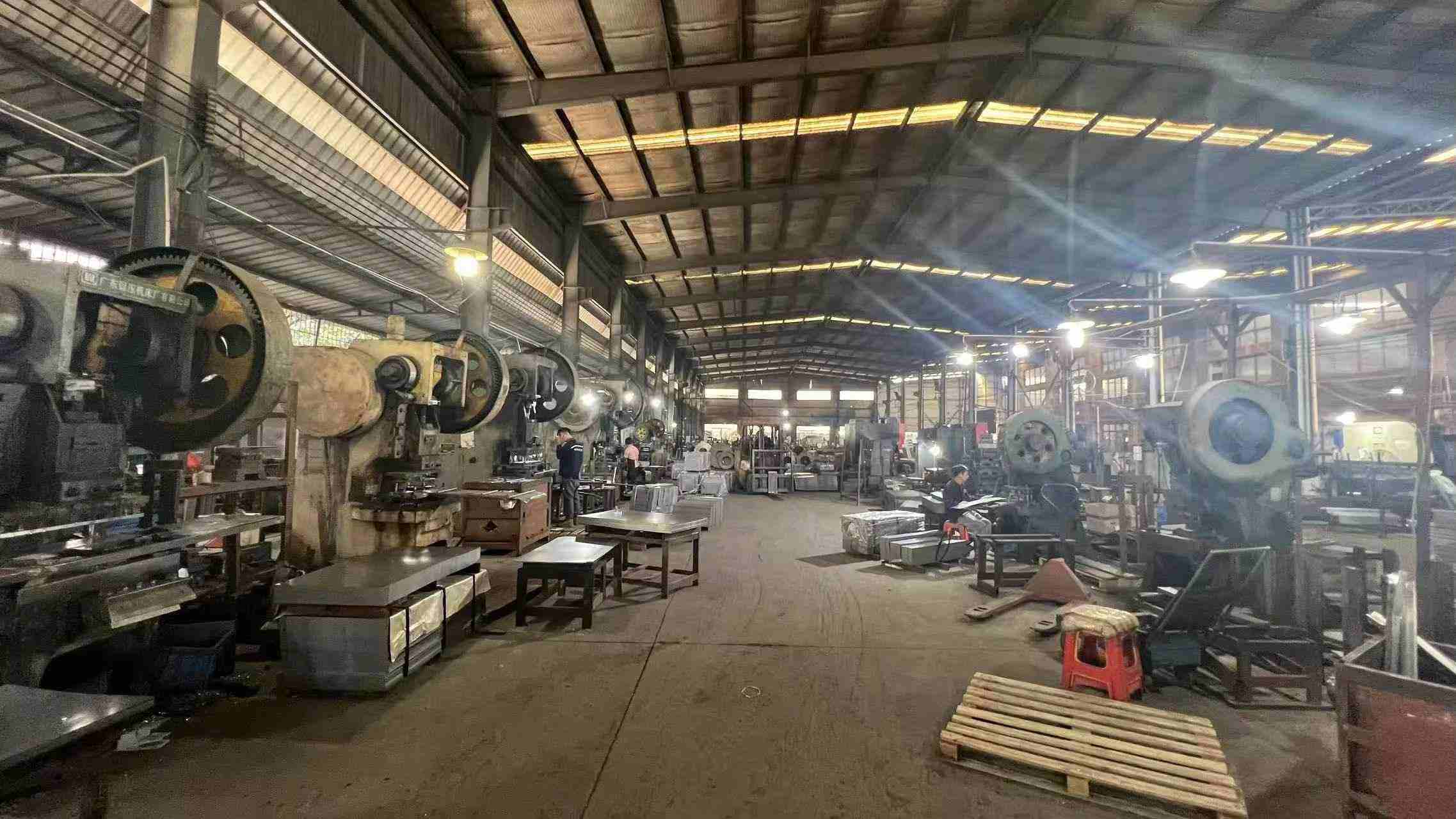
Under strict quality controls, dimensional deviations and coating thicknesses are measured using calibrated instruments to prevent site installation failures.
Different regions present unique challenges for heavy-duty structural platforms. Achieving optimal ROI requires structural customization tailored to local regulations, seismic ratings, and material handling styles:
In the United States and Canada, structural steel solutions must comply with the Rack Manufacturers Institute (RMI) MH16.1 specifications. Racking configurations must feature dynamic structural calculation reports detailing seismic loads based on local building codes. In addition, localized storage solutions must utilize high-permeability wire decking to satisfy strict NFPA 13 sprinkler regulations, ensuring water can flow through all levels in a fire event.
European operators, constrained by tight land availability, prioritize high-density systems like multi-tier platforms and cold-storage-ready shuttle racking. Equipment must comply with structural standard EN 15512 (FEM 10.2.02). Designers must verify the limit state design of the columns under extreme localized impacts from material-handling machines.
In humid zones like Singapore, Indonesia, or hyper-arid coastal areas in the Middle East, structural integrity is threatened by salt spray corrosion and thermal expansion. Industrial storage platforms must undergo advanced pickling, chemical acid washing, and hot-dip galvanization or high-mil polyester powder coatings. The structural designs must also account for high scalability, allowing warehouses to easily transition from manual storage to automation as regional logistics hubs expand.
Explore our complete range of structural mezzanine flooring, cantilever racking for bulky loads, and heavy-duty steel shelving designed to increase storage density.
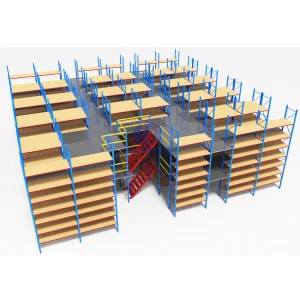
Mezzanine Floor Racking System Steel Mezzanine Storage Platform for Multi-Tier 2 Warehouse Stacking Racks Shelves Mezzanine Rack
View Details →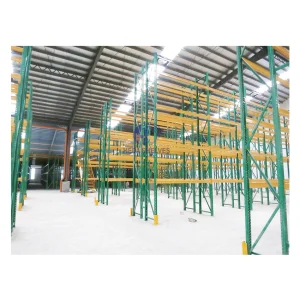
Adjustable Warehouse Heavy Duty Pallet Racks with Beam Load Capacity of up to 3000kg Direct Deal Industrial Rack Pallet
View Details →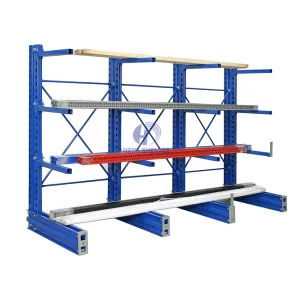
Adjustable Racking Arms Heavy Duty Cantilever Racks System Storage for Storing Long Bulky Items Metal Pipes Lumber Steel Beams
View Details →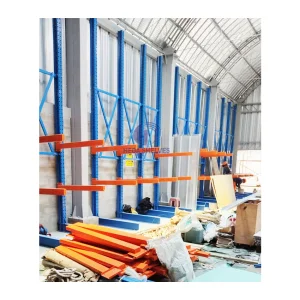
Heavy Duty Cantilever Rack System for Warehouse Storage Steel Beams Metal Pipes Lumber and Other Long Items
View Details →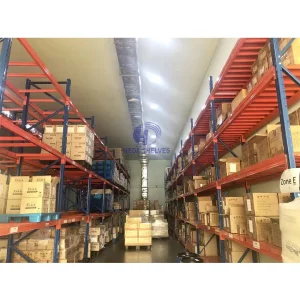
Customized Heavy Duty Pallet Rack System Industrial Steel Warehouse Storage Rack with Adjustable Beam High Load-Bearing Capacity
View Details →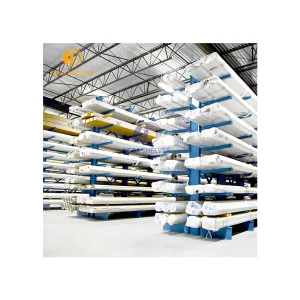
Storage Warehouse Heavy Duty Cantilever Rack System for Storing Long Items in Warehouse Including Metal Pipes Lumber Steel Beams
View Details →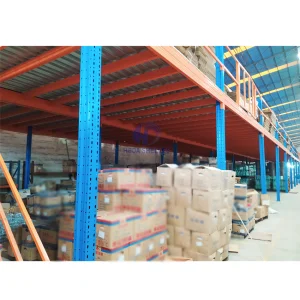
HEDA Industrial Multi-Tier Mezzanine Racking System H Steel Structure Mezzanine Platform Big Span Heavy Duty Weight Capacity
View Details →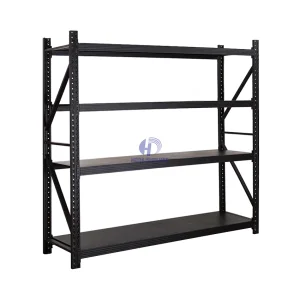
Heavy Duty 5 Layer Steel Industrial Shelving Racks with Corrosion Protection Stackable Pallet Storage Boltless Warehouse Racking
View Details → Hedaracking