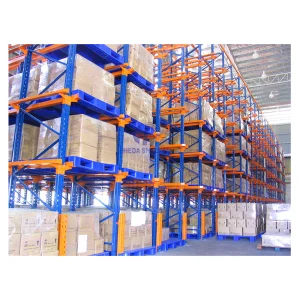
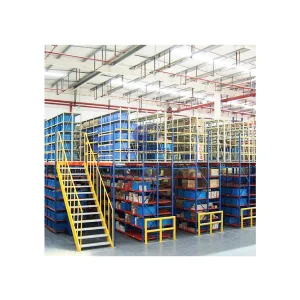
Direct-from-factory structural racking engineered to survive the most demanding logistics operations in the United States.
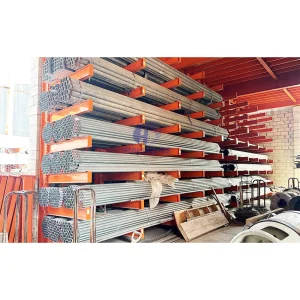
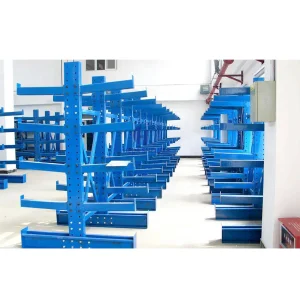
The logistics and supply chain network in the United States is currently experiencing a historic paradigm shift. Fueled by the acceleration of e-commerce, onshoring of manufacturing, and the rapid deployment of third-party logistics (3PL) nodes, warehouse footprint optimization has transitioned from a routine operations decision to a critical board-level strategy. Modern high-cube warehouses, particularly across logistics hubs like the Inland Empire in California, the Dallas-Fort Worth Metroplex, Chicago, and the Atlanta distribution corridors, demand storage systems that go beyond basic steel configurations.
Industrial storage systems today must actively solve space constraints, guarantee operational throughput, and resist localized hazards, including severe seismic events. For procurement directors and warehouse operations managers, sourcing heavy-duty equipment is no longer just about calculating load metrics; it requires a comprehensive understanding of raw structural steel integrity, structural dynamic calculations under RMI guidelines, and total compliance with local building codes. In the United States, structural rack failure is not just an operational delay—it introduces massive liability, severe OSHA regulatory fines, and catastrophic safety risks.
US enterprises frequently navigate the choice between purchasing storage systems via traditional domestic supply brokers or establishing partnerships directly with global manufacturers. While domestic brokers offer immediate convenience, direct-factory procurement delivers significant advantages in engineered customization, direct structural analysis, and capital-cost savings. By integrating localized engineering design and certification capabilities with high-capacity overseas manufacturing facilities, companies can deploy bespoke solutions that match exact architectural dimensions and local seismic requirements at a highly competitive total cost of ownership (TCO).
Sourcing directly from a certified facility with an established global supply chain allows for precise custom configurations—such as custom upright frame heights, seismic baseplates, customized powder-coating colors, and optimized gauge thicknesses—all calculated by dedicated R&D engineering teams. This hybrid approach enables US enterprises to bridge the gap between global scale pricing and localized code compliance.
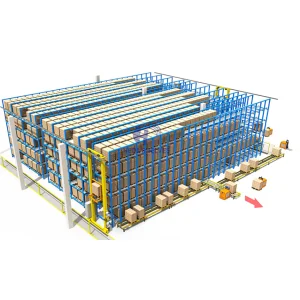
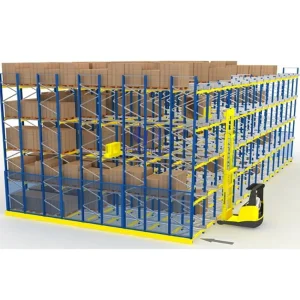
High-density systems optimized for automated vehicle integration, vertical space maximization, and rapid sorting operations.
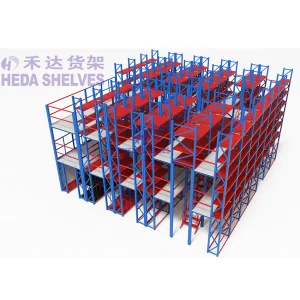
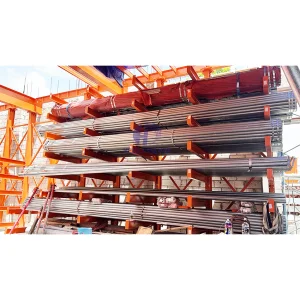
Sourcing racking equipment for operations in the United States requires meeting complex local and national regulatory codes. The primary governing authority is the Rack Manufacturers Institute (RMI), which publishes the specification ANSI MH16.1 (Specification for the Design, Testing, and Utilization of Industrial Steel Storage Racks). RMI standards dictate exact requirements for structural loading, frame deflection limits, connection stiffness, and seismic calculations.
Additionally, the Occupational Safety and Health Administration (OSHA), under Section 5(a)(1) (The General Duty Clause), mandates that employers maintain a safe workspace free from hazards, which includes ensuring all storage racks are structurally sound, regularly inspected, and clearly labeled with maximum load-capacity plaques. Choosing equipment manufactured from high-tensile structural steel (such as cold-rolled or structural channel steel meeting equivalent ASTM standards) ensures the system remains stable and compliant over decades of intensive forklift use.
Seismic compliance is a key requirement in areas such as California, Oregon, Washington, and parts of the Midwest along the New Madrid Seismic Zone. Every rack system installed in these regions must have a customized structural engineering calculation package sealed by a licensed Professional Engineer (PE). Key factors include:
By implementing a manufacturing approach that utilizes finite element analysis (FEA) to simulate dynamic stresses, our design team ensures that structural racking packages satisfy or exceed IBC (International Building Code) and ASCE 7 seismic guidelines, simplifying the municipal building permit approval process for your projects.
Established in 2014, Shenzhen Heda Warehouse Equipment Co., Ltd. integrates R&D, design, production, and international logistics. Our ISO 9001 facility deploys advanced automated fabrication machinery alongside a dedicated testing department to ensure high product reliability.
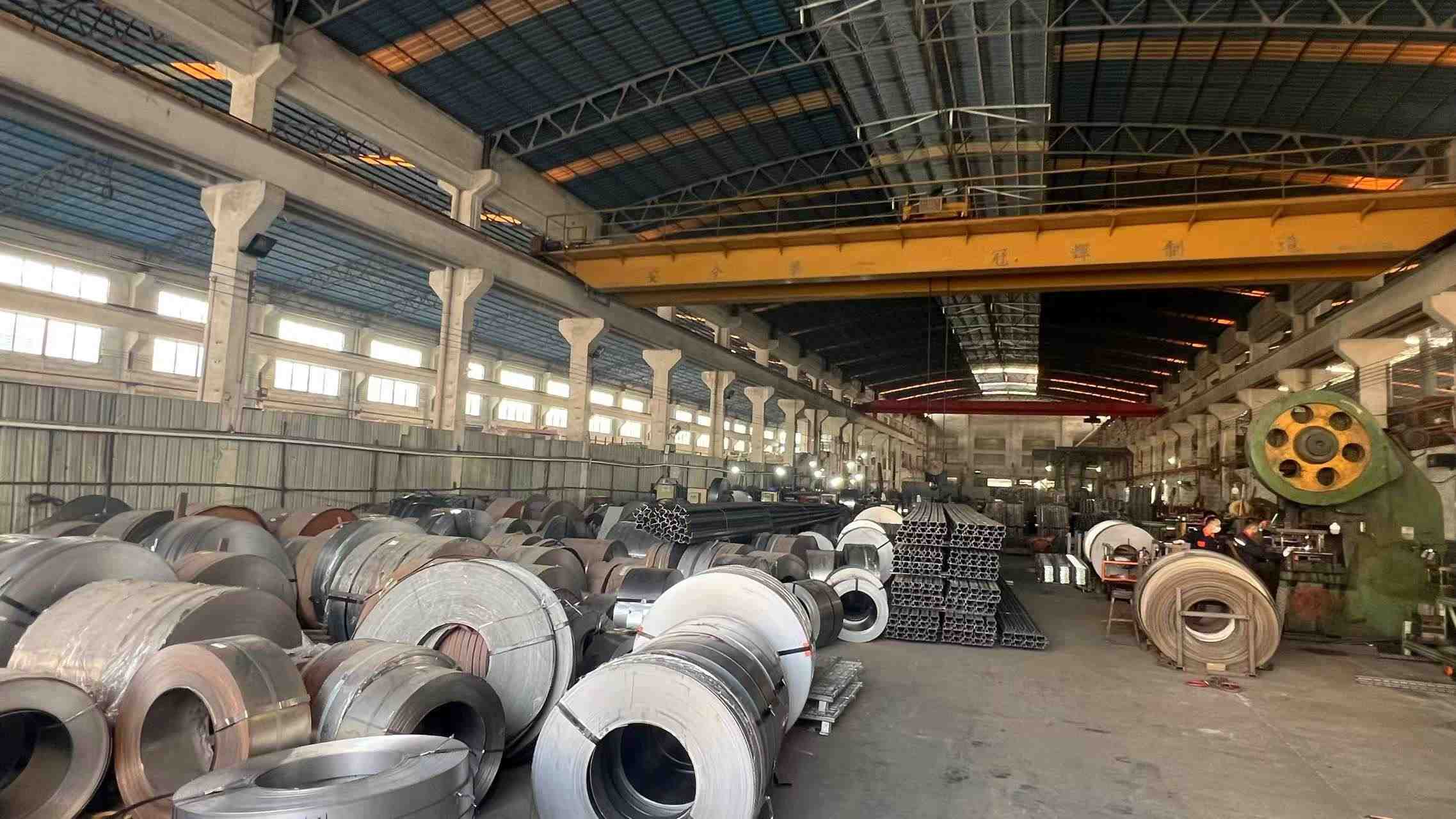
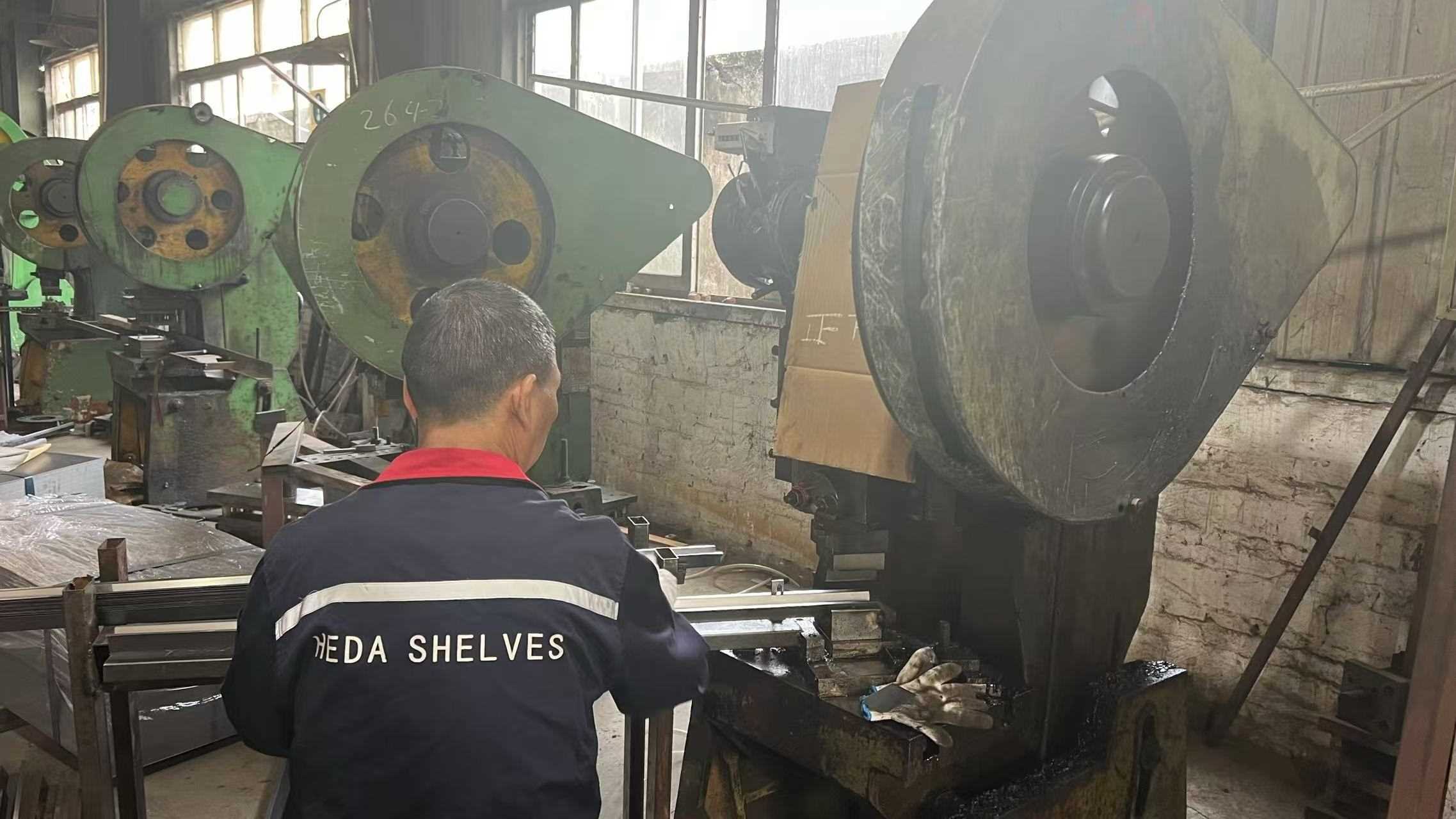
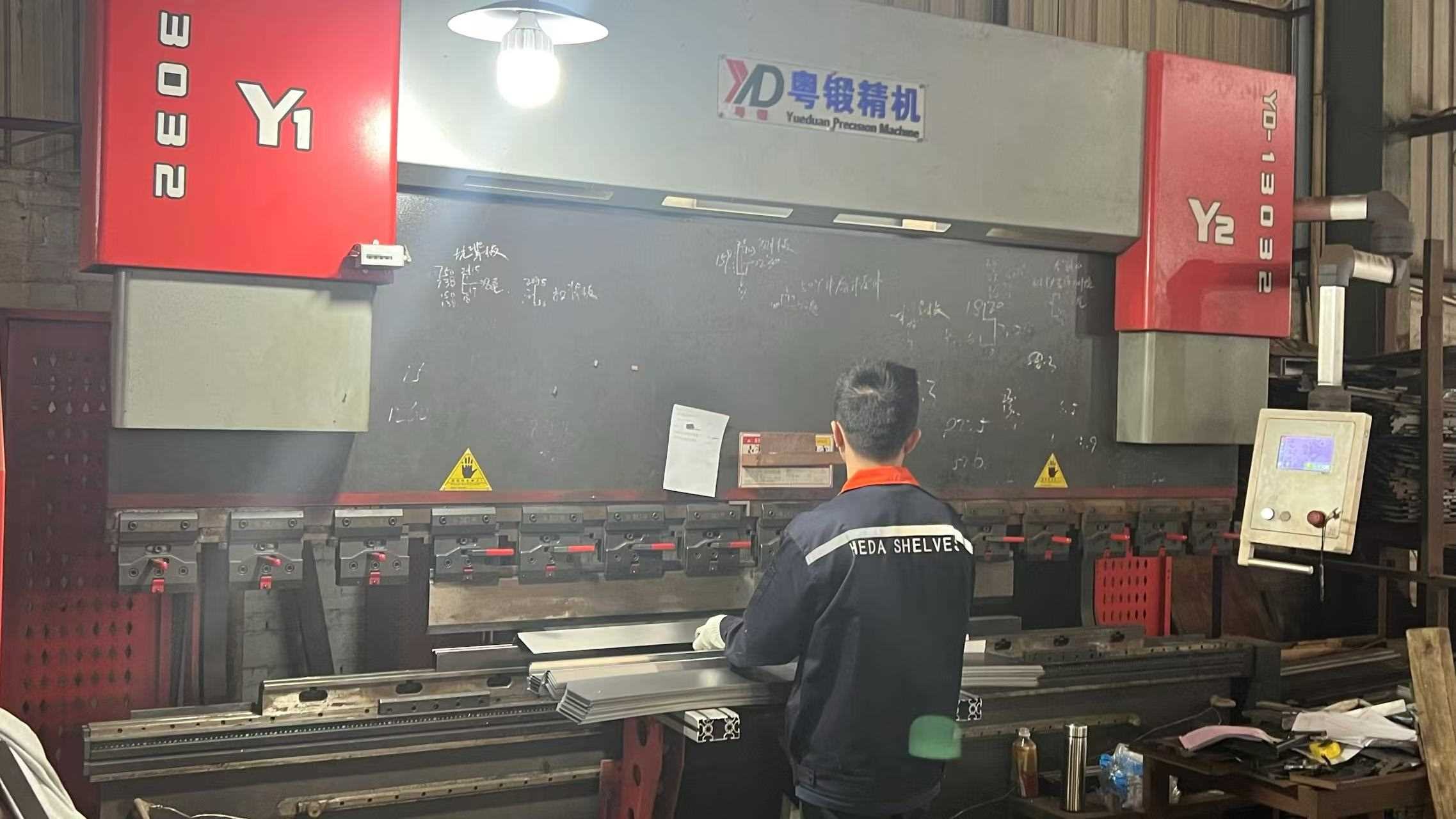
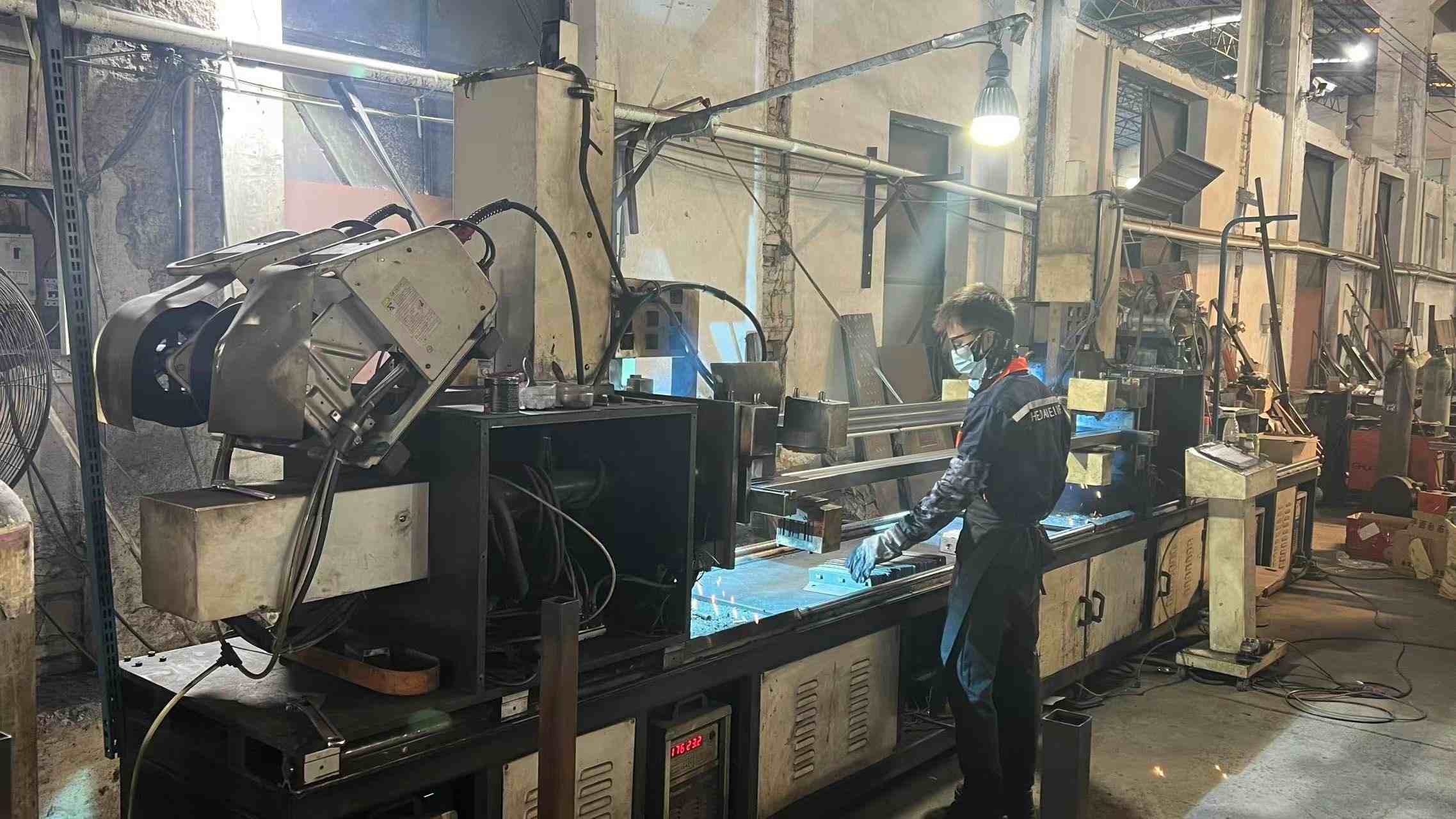
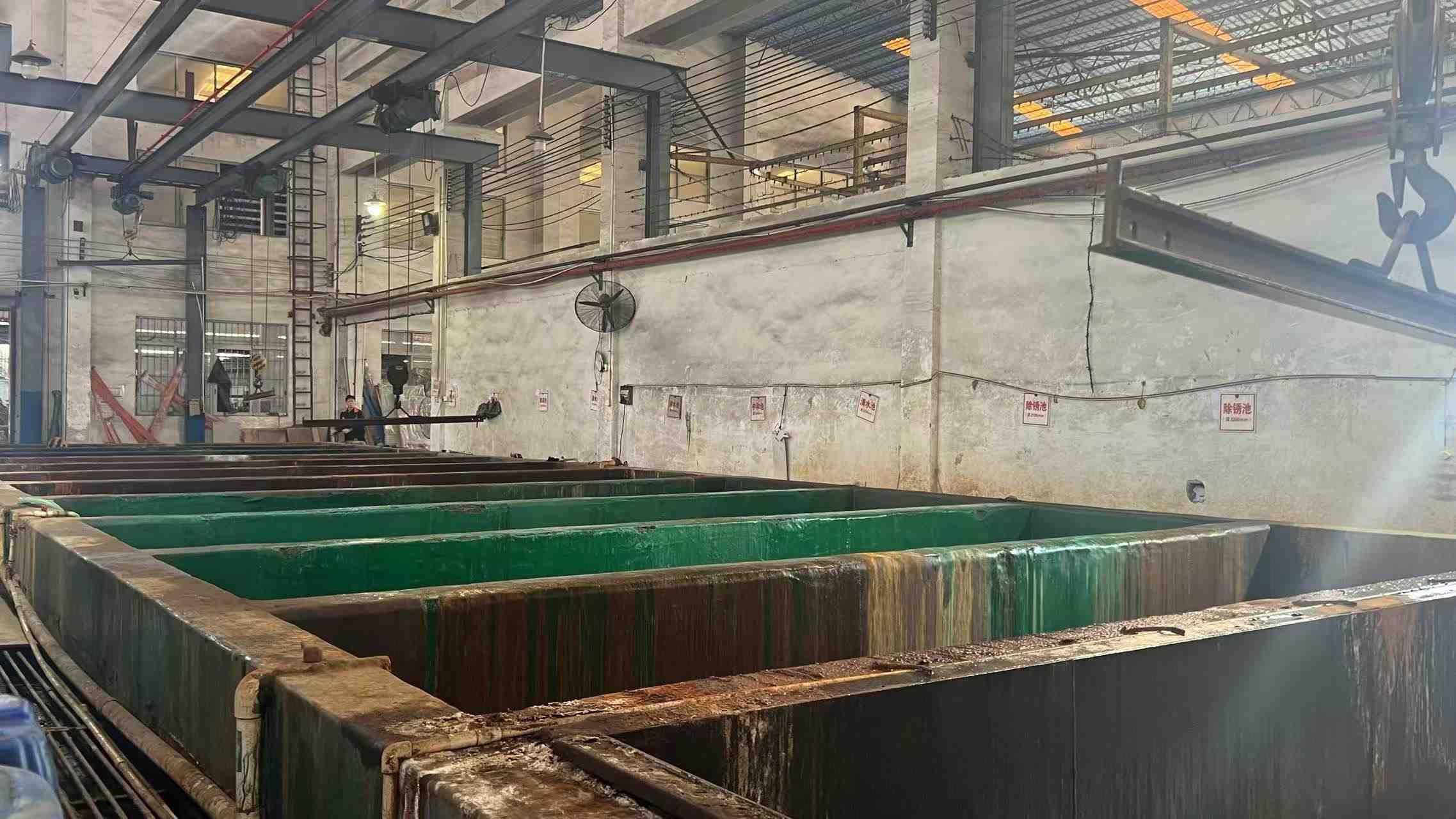
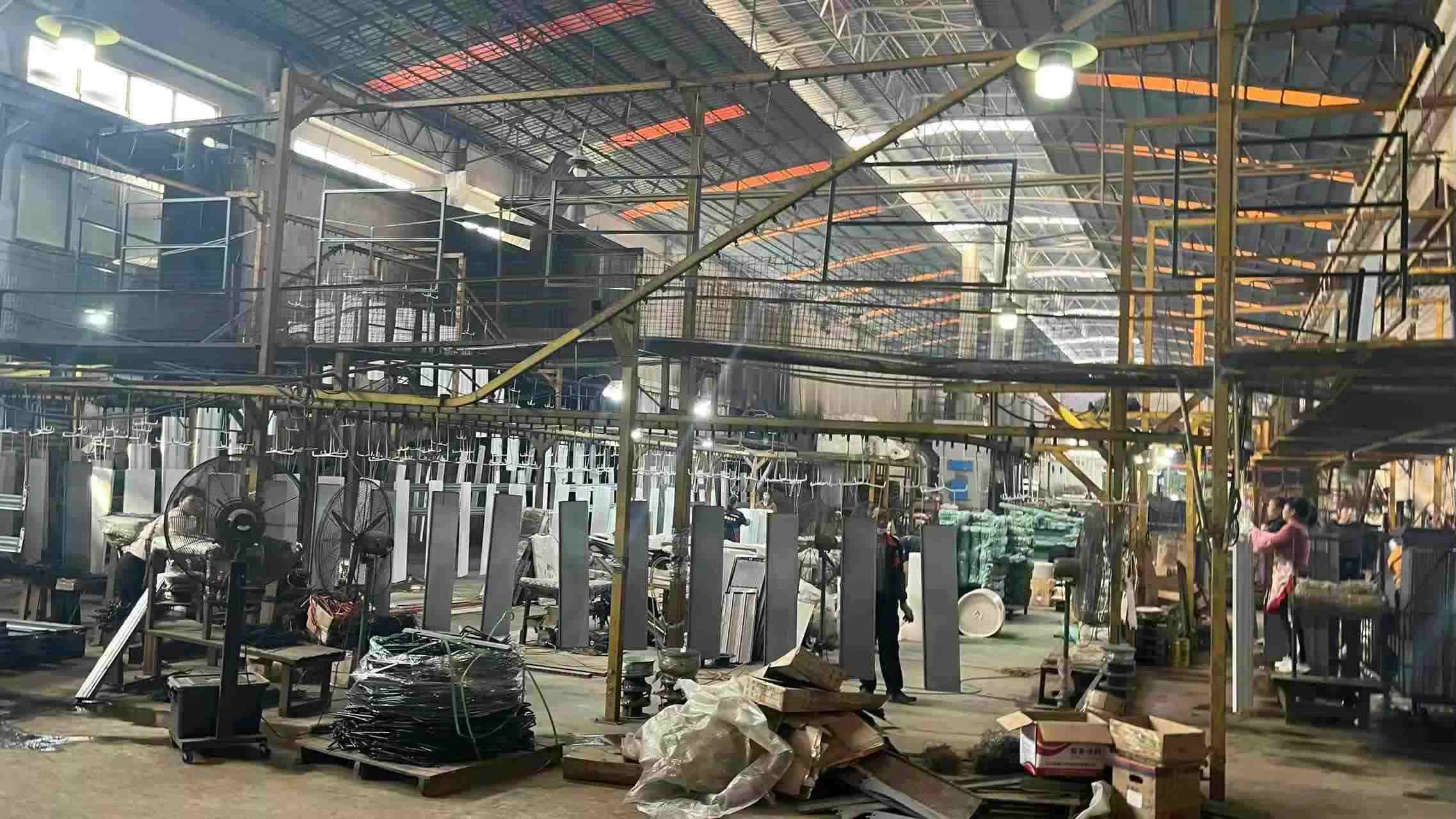
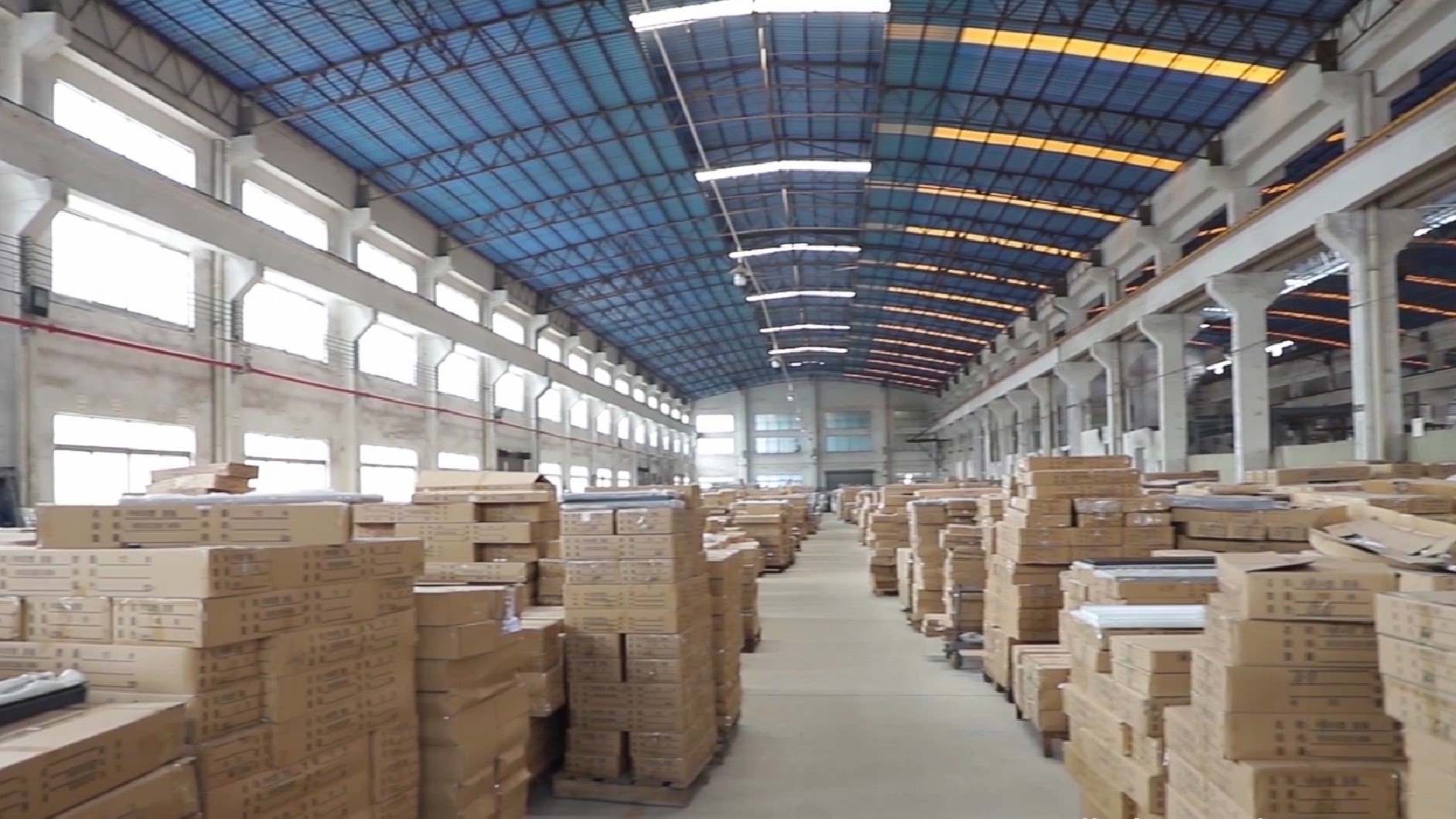
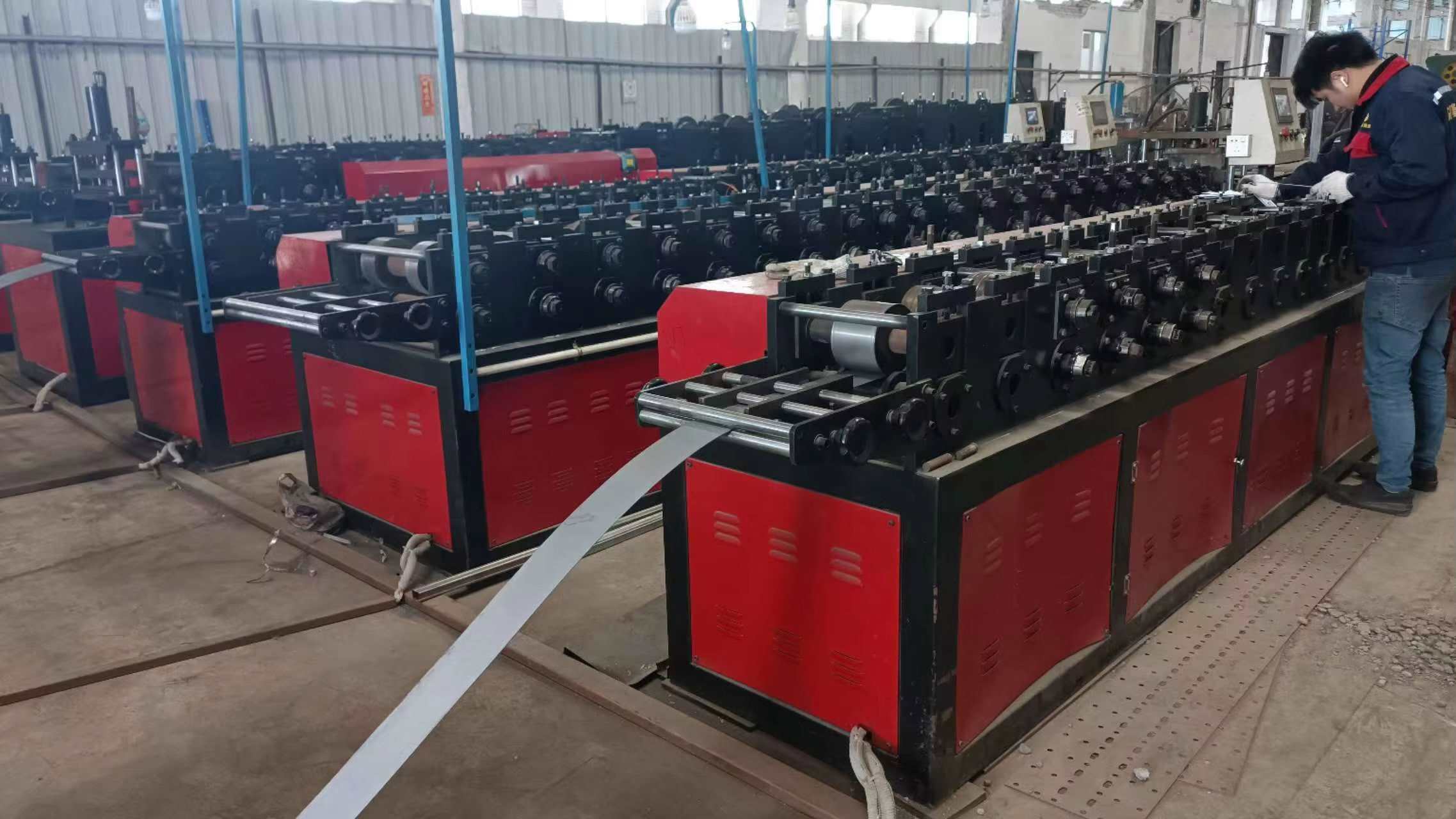
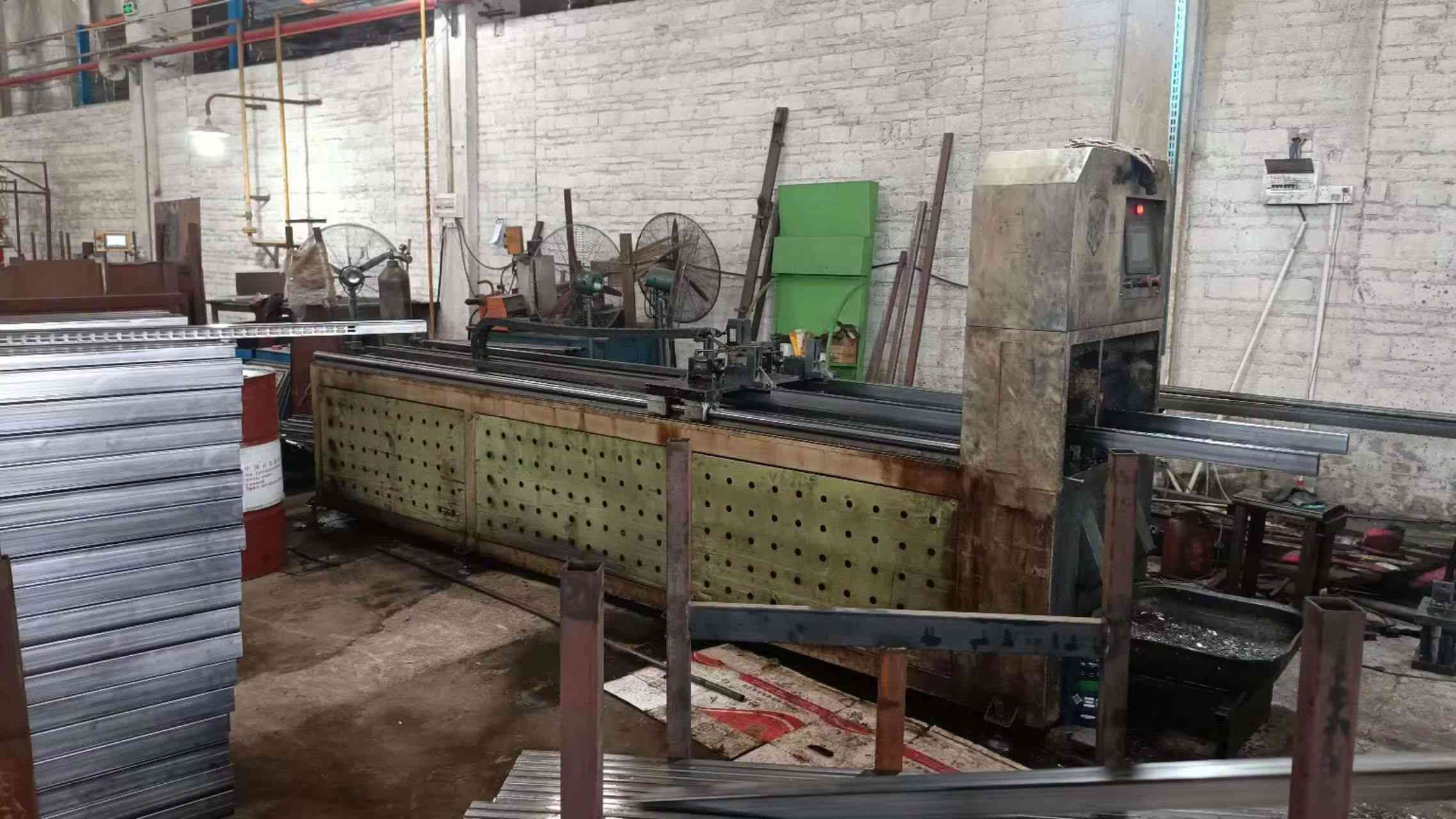
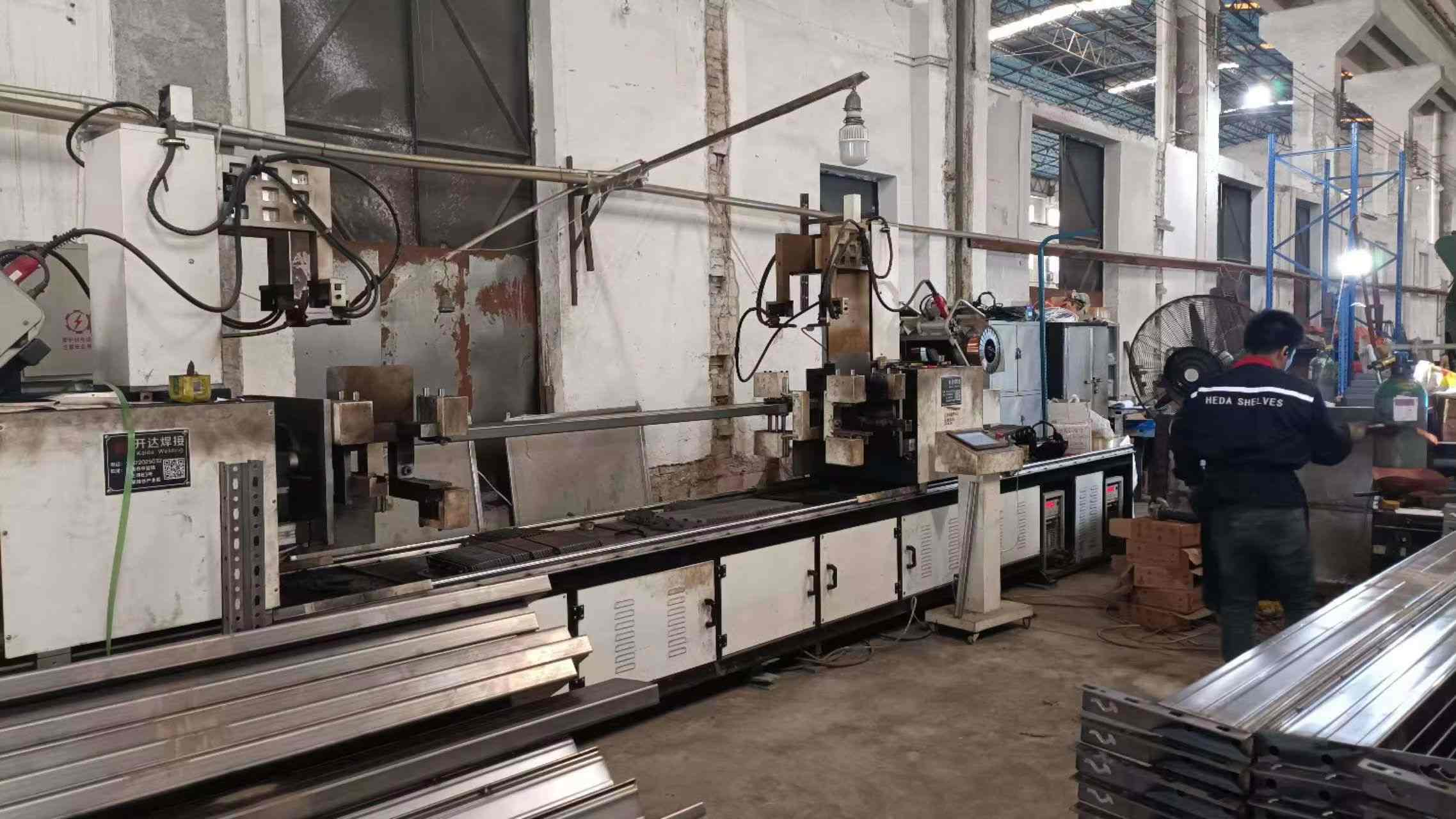
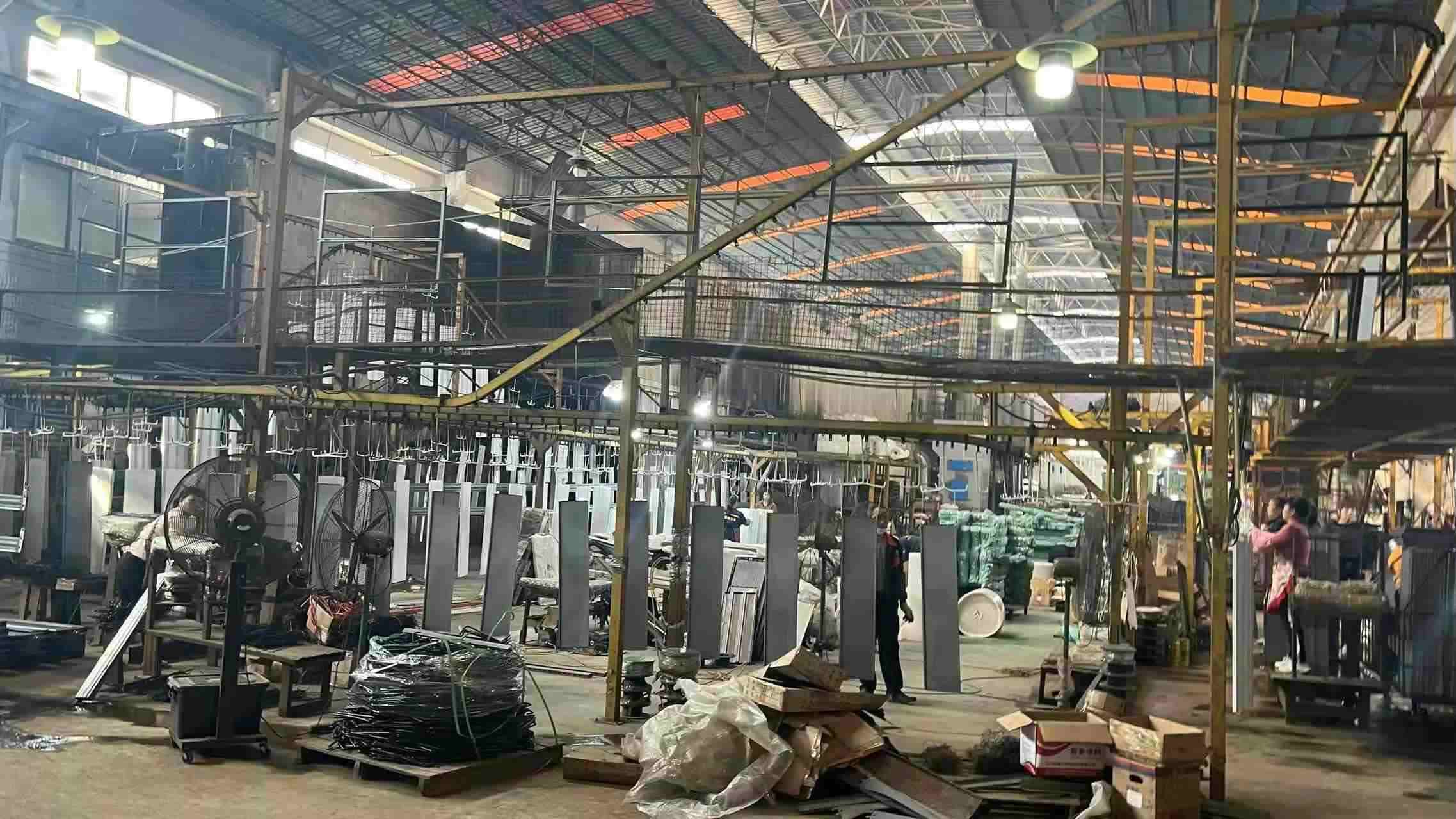
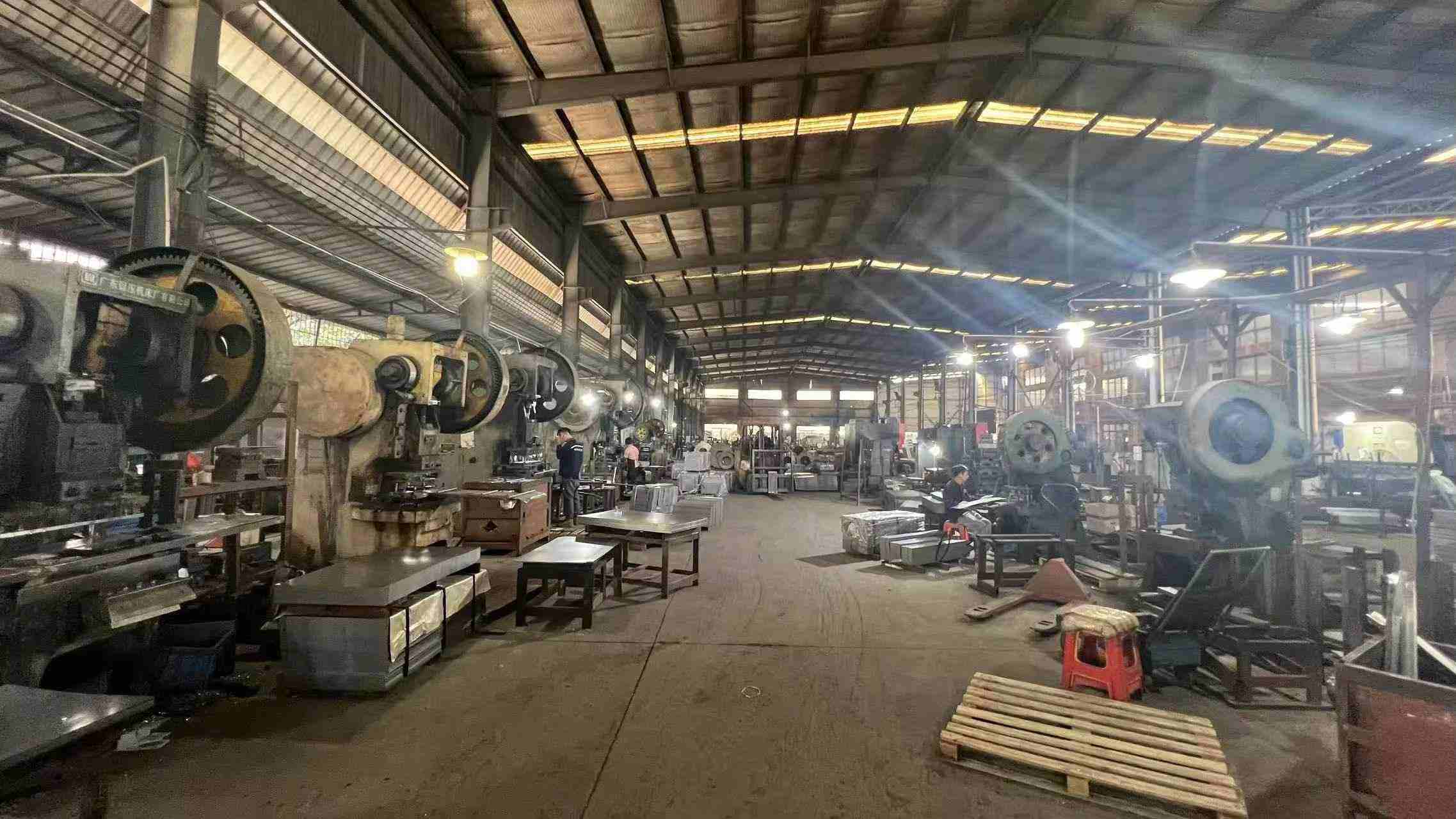
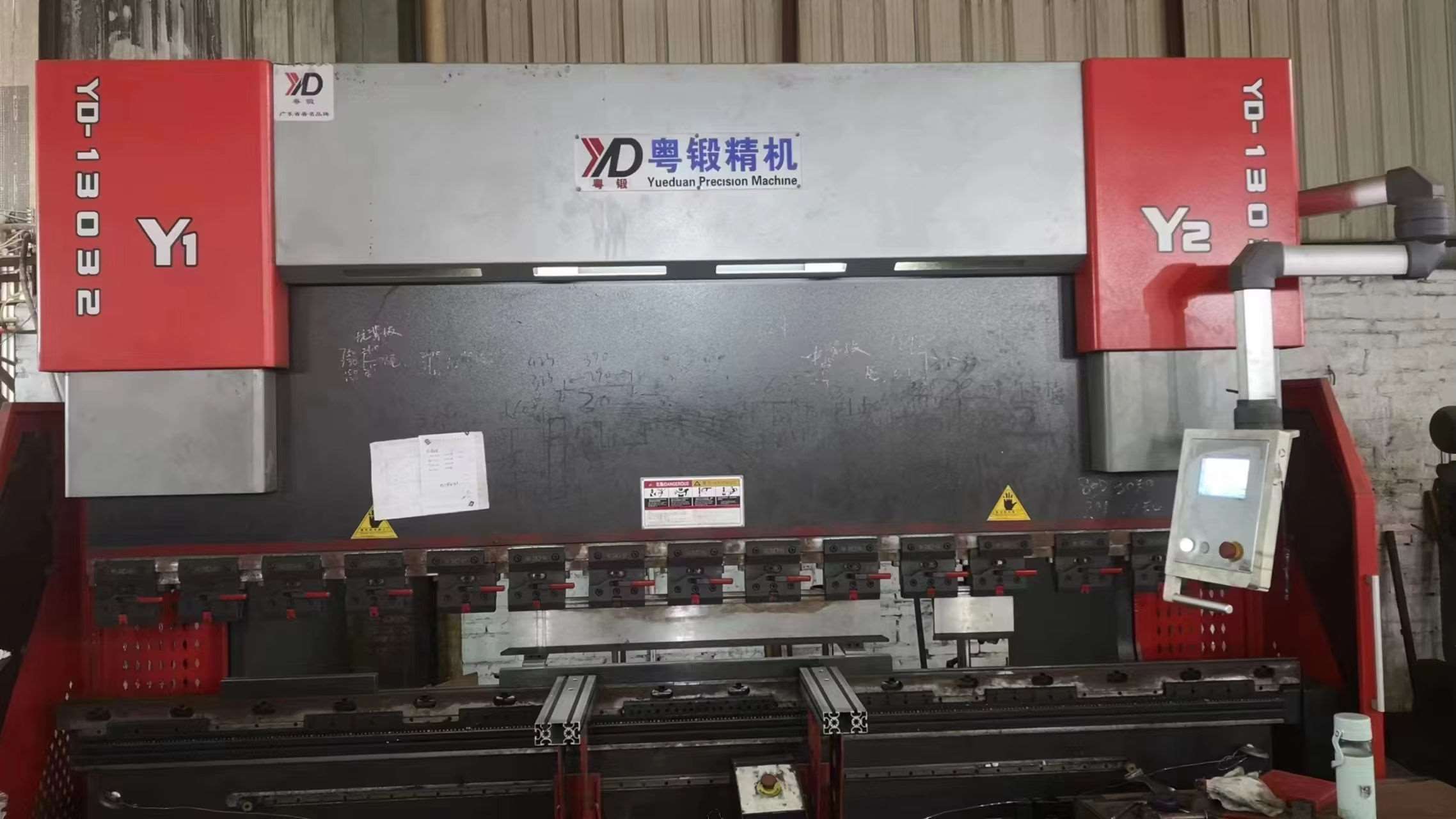
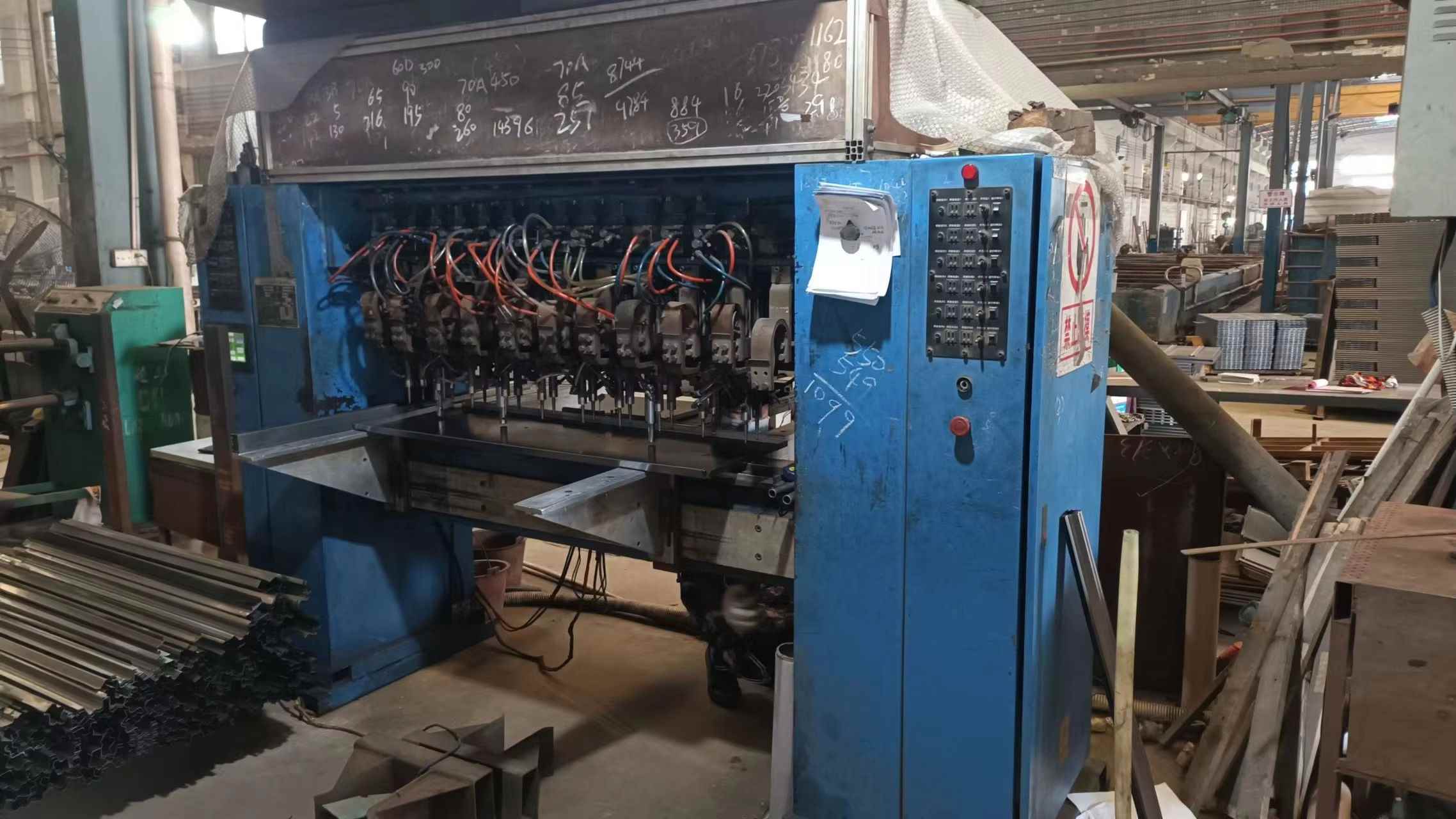
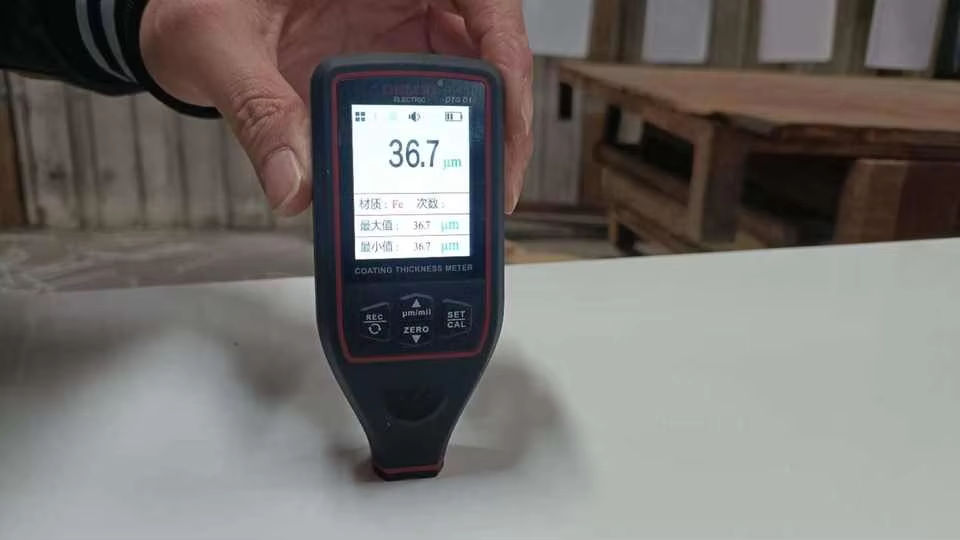
Operating with a direct-factory model, we have developed a resilient logistics ecosystem supported by over 800 supply chain partners. Our products are exported to major global markets, including North America, Western Europe, Southeast Asia, and the Middle East. We serve a diverse clientele ranging from third-party logistics (3PL) providers and large distribution centers to industrial manufacturers and wholesale equipment distributors.
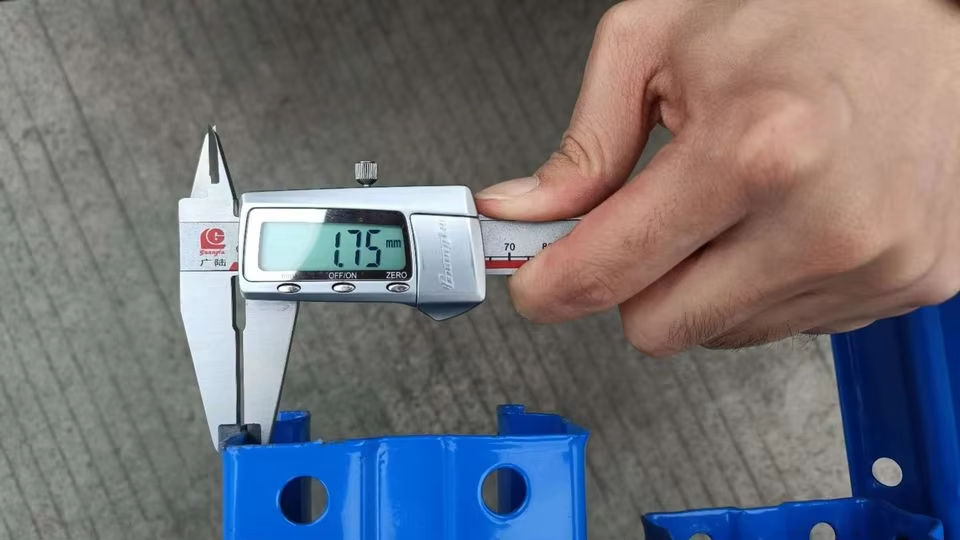
Our quality control department utilizes rigorous testing protocols, including raw material tensile testing, automated weld flaw detection, layer load-bearing stress analysis, and salt spray surface corrosion testing. Supported by our professional R&D engineering team, we provide full customization capabilities (OEM/ODM) to tailor rack dimensions, load capacities, surface coatings, and layout designs. Continuous development resulted in the launch of over 120 new dynamic storage products and component upgrades last year.
Premium structural systems engineered to maximize storage capacity and efficiency across your warehouse layout.
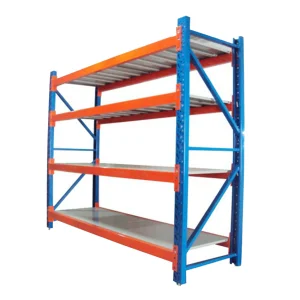
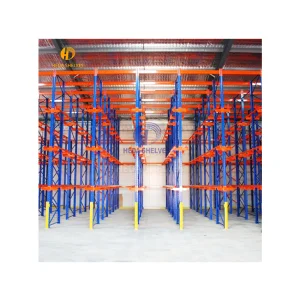
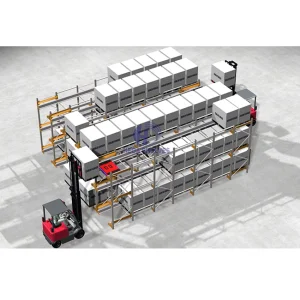
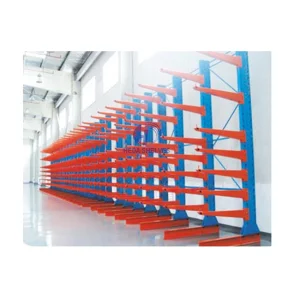
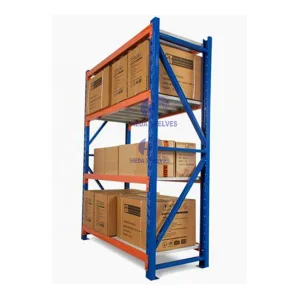
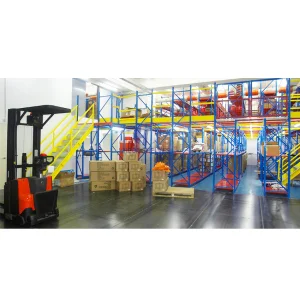
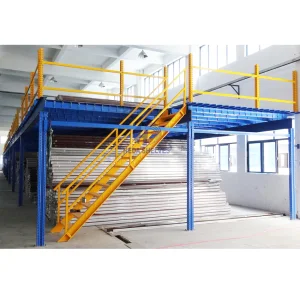
As logistics real estate costs rise, modern supply chains must optimize spatial volume rather than simply expanding building footprints. The trend is moving toward dynamic, semi-automated, and fully automated storage systems that reduce forklift travel times, minimize warehouse footprints, and protect inventory from damage.
Integrating four-way radio shuttle systems and AS/RS (Automated Storage and Retrieval Systems) into heavy-duty racking increases pallet density by up to 80% compared to traditional selective racking. By utilizing intelligent system integrations, operations can implement reliable FIFO (First-In, First-Out) or LIFO (Last-In, First-Out) inventory control protocols. This makes it an ideal strategy for cold storage facilities, food and beverage distribution, and fast-moving consumer goods (FMCG) storage centers across North America.
Sustainability is becoming an increasingly important evaluation criteria in corporate procurement decisions. The carbon footprint of structural steel storage solutions is heavily influenced by energy-efficiency practices in raw steel processing, manufacturing line optimization, and coating chemistry. Implementing fully automated, VOC-free electrostatic powder coating lines provides highly durable, corrosion-resistant surface coatings while avoiding hazardous air emissions.
Selecting durable finishes, such as hot-dip galvanized steel for humid environments, outdoor yards, and cold storage units, extends the working life of the racking system. This durability minimizes the need for premature replacements and helps reduce resource consumption over the warehouse's lifecycle.
Answers to essential technical and compliance questions for warehouse operators and procurement teams.
 Hedaracking